


When your air conditioner doesn’t cool, it can be a real pain on a hot day. This issue can happen for many reasons, like when the thermostat isn’t set right, or there’s trouble with the batteries or wires.
Sometimes, dirt and bits of stuff get caught in the air filter and block the airflow, making it hard for your system to work. Other times, things like grass or leaves might cover the condenser unit outside your house and stop the AC from giving off cold air.
Also, if you have a heat pump that’s not clean or has leaks or compressor troubles, it won’t cool as it should. And a frozen evaporator coil is bad news too; it means air can’t move well because something might be wrong with the refrigerant levels.
To fix these issues yourself, you’ll need to check if your thermostat is on ‘cool’ mode and change out dirty filters every month. Make sure there’s nothing around your condenser stopping it from doing its job and look out for ice showing you’ve got airflow problems.
But if things still don’t improve after trying all this simple stuff? Well then, that’s when you call an expert who knows about power issues and fixes for more serious problems.
If your AC keeps breaking down despite fixing up little things here and there – especially if it’s older than ten years – getting a new one might save you money in the long run because repairs add up! A fresh start with a new AC could even cost less over time since newer models are often better at saving energy.
Keep these tips handy next time your home feels too warm – they’ll help make sure you stay cool!
Identifying the Issue: Why is Your Air Conditioner Not Cooling?
Discovering why your air conditioner is falling short of delivering that cool relief can be puzzling. From thermostat mishaps to more complex system malfunctions, we’ll delve into the range of potential culprits and pinpoint exactly what’s keeping your space from staying chilled.
Incorrect Thermostat Settings
Your air conditioner might not cool your home if the thermostat settings are wrong. If there’s a problem with wiring or batteries, your thermostat could give false commands to your AC.
This means it may not turn on when you want it to, or it might not blow cold air. It is important to check that the thermostat is set correctly for cooling and that the temperature setting is lower than the current room temperature.
A faulty thermostat can also stop an air conditioner from working well. Maybe it tells the air conditioner to shut off too soon, so you don’t get enough cold air in your house. You can fix this by looking at the thermostat settings and making sure everything looks right.
Sometimes thermostats break down over time and need replacing to make sure they talk properly with your AC system.
Clogged Air Filter
A clogged air filter is a common trouble for air conditioners. Dust and dirt build up on the filter over time. This blocks the airflow, making it hard for your cooling system to work right.
If the air can’t flow freely, you might notice that your AC is not blowing cold air. Your energy bills could go up as well because your system has to work harder.
To fix this problem, check the air filter every month. If it looks dirty or filled with dust, clean it if washable or replace it with a new one. Regular cleaning and changing of filters help keep indoor air fresh and prevent issues with cooling capacity in central air conditioning systems.
It’s an easy job you can do yourself to help your AC run better and save money on energy costs.
Blocked Condenser Unit

Dirty stuff stuck in the condenser unit outside your home can make your AC work too hard. It won’t blow cold air if it’s not clean. Grass, leaves, and other things can block the condenser coils.
This makes it tough for your AC to get rid of heat from inside your house.
You need to keep the area around your condenser clear. Cut any bushes or plants that are too close to it. Also, take away any trash that might stop air from moving through the coils.
Doing this helps your AC cool better and saves energy too. If you think there’s a big problem with the condenser unit, you should call someone who knows a lot about fixing ACs. They can check everything is working right and fix any issues they find.
Faulty Heat Pump
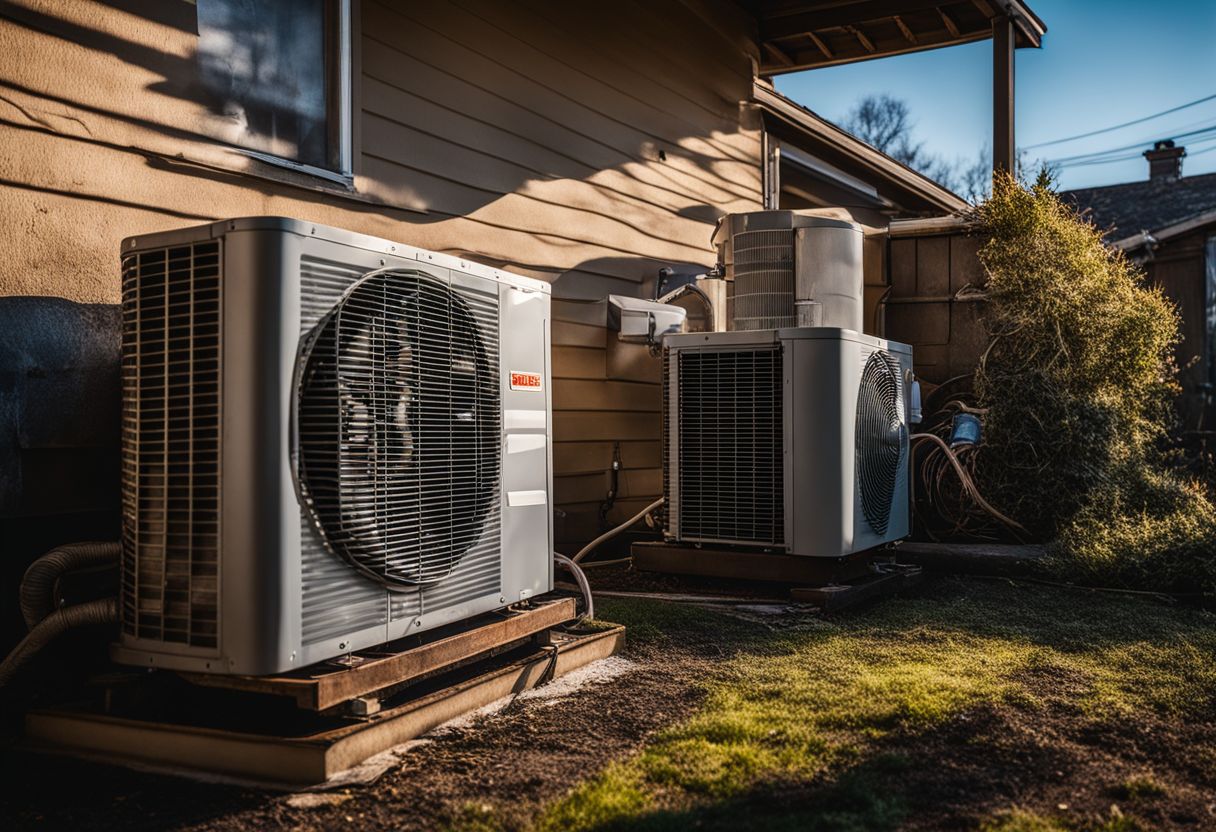
Your air conditioner might not be cooling because the heat pump has problems. A heat pump can have dirty coils, which stop it from working well. Sometimes, coils freeze and block the flow of cool air.
Refrigerant leaks are also a common issue in heat pumps. If the refrigerant level drops too low, your air conditioner won’t cool your home right. Other times, the compressor might fail and need fixing or replacing.
Make sure to check if your heat pump is clean and not frozen when you find your AC not cooling as it should. Look for signs of leaking refrigerant around the unit; this could look like ice on pipes or hear hissing sounds where gas might escape.
You may have to call someone who knows how to fix heating and cooling systems if you spot these problems, especially with complicated parts like compressors that can be tricky to repair without special skills or tools.
Frozen Evaporator Coil
A frozen evaporator coil can stop your air conditioner from cooling your home. This happens when the coil gets too cold and ice forms on it. Ice blocks the air that should flow through the coil, making it hard for your AC to cool the place down.
Dirty indoor fans or condenser coils can lead to this problem. Also, if someone puts in the wrong amount of refrigerant gas or if there is not enough heat transfer, the coil might freeze.
To fix a frozen evaporator coil, you need to turn off your AC and let the ice melt away. Cleaning any dirt from fans and coils helps prevent more ice from forming. Make sure there’s no blockage in ductwork that could mess with airflow.
If you’re unsure how much refrigerant to use or suspect a leak, it’s best to call an expert who knows about central air conditioners and HVAC systems. They have tools like vacuum cleaners that can clean up messes without damaging your system.
How to Troubleshoot Your Air Conditioner
Discovering why your air conditioner is underperforming can be a relieving process once you grasp the essentials of AC troubleshooting. Engage in a systematic approach to diagnose and address problems, ensuring your cooling system operates at peak efficiency once again.
Check Thermostat Settings
Make sure your thermostat is set to cool. This might seem basic, but sometimes the problem is just that it’s not on the right setting. Also, check if the temperature you’ve chosen is lower than the current room temperature.
If it’s higher, your air conditioner won’t kick in because it thinks the room is already cool enough.
Sometimes thermostats need new batteries or they might have a switch that got turned off by mistake. It’s good to take a look and see if everything seems normal with your thermostat controls.
If all looks well but there’s still no cold air, then you may need to call an expert for help.
Inspect the Filter
Check your air conditioner’s filter if it isn’t cooling properly. A clogged filter can block the flow of air, making it hard for your AC to cool the room. Ice may build up because of this blockage, which also stops good cooling.
Take out the filter and look at it against a light source; if you can’t see through it, it needs cleaning or replacing. Doing this every month helps keep the air flow strong and prevents motor damage from overheating.
Cleaning or changing an AC’s dirty filter is a key step in troubleshooting problems with cooling. It stops dust and dirt from getting into the system where they can do harm over time.
Use a vacuum cleaner gently on a reusable filter to get rid of any trapped dirt. If it’s disposable, put in a new one that fits right so your unit runs well without working too hard or using too much electricity.
Clear Condenser Blockage
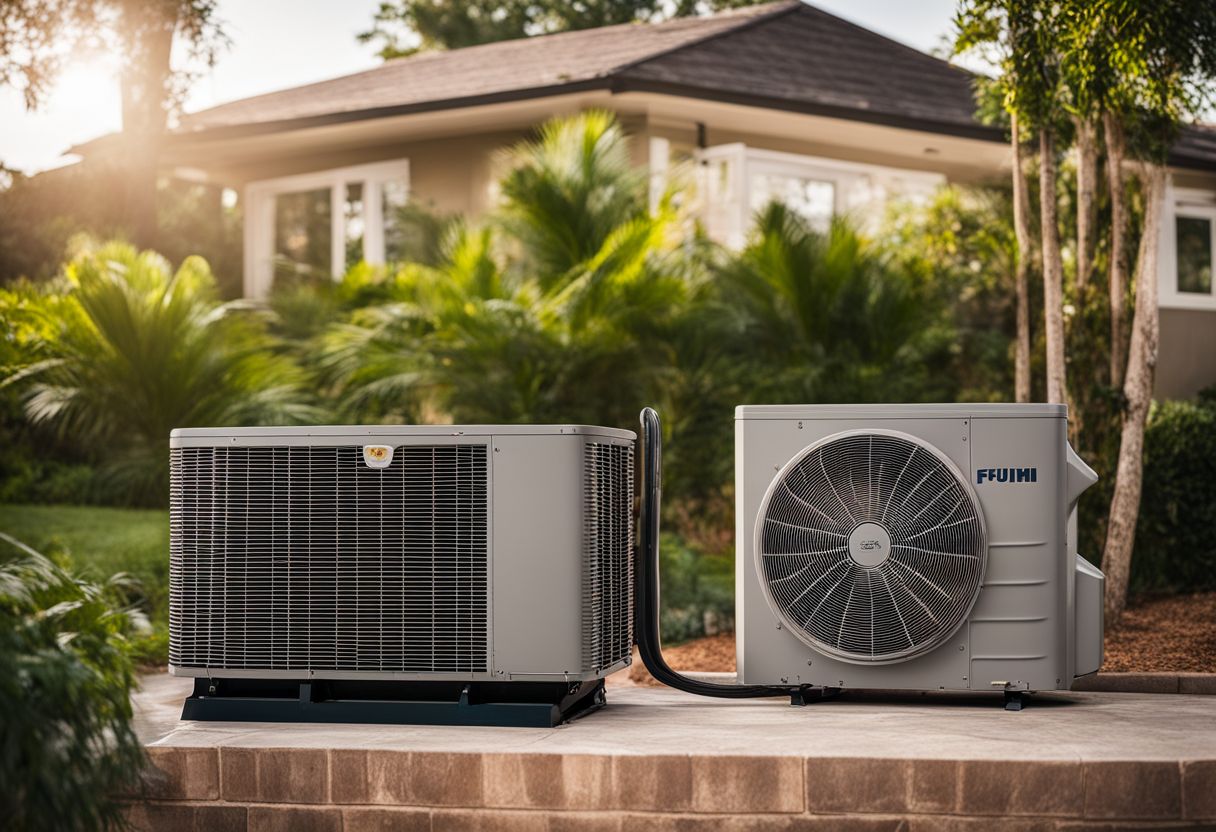
Your air conditioner’s condenser needs to breathe. If it gets blocked, the system can’t cool your home well. Leaves, dirt, and other outside stuff can clog up the condenser outside.
You need to clean around it. Make sure there’s no trash or plants too close to it.
Get rid of anything blocking the air flow to the condenser. Turn off power to the unit first for safety. Then gently use a garden hose to spray away debris from the fins. Be careful not to bend them as they are fragile.
Regular cleaning stops blockages and helps your air conditioner work right, keeping you cool on hot days.
Fix Potential Leaks
Check for leaks in your air conditioner system. Leaks can let refrigerant gas escape, which is needed to cool the air. Your AC won’t blow cold air without it. Look at pipes and connections for any signs of frost or liquid that could mean there’s a leak.
If you spot a leak, you may need to call an expert. They have the right tools to fix leaks and fill up the refrigerant gas safely. Trying to fix it yourself can be dangerous because the gas is under high pressure and you might not seal it properly.
Always make sure someone who knows what they’re doing handles this job.
Call a Professional Aircon Technician
Sometimes, air conditioner problems are too tough to fix on your own. If you have tried everything and your aircon still isn’t blowing cold air, it might be time to call in an expert.
A professional technician can check things that are hard to reach or need special tools. They know how to handle refrigerant gas safely and can find leaks quickly. The technician will also look at parts like the evaporator coils, condenser unit, and even the electrical components.
Having a pro look at your AC means they can spot small issues before they turn into big ones. This could save you from needing a new AC too soon. Regular ac maintenance is important too.
It helps keep everything working right so you stay cool when it’s hot outside. Remember that it’s better to get help early instead of waiting until your home appliances stop working completely.
Identifying Common Causes and Solutions for Smelly AC Issues
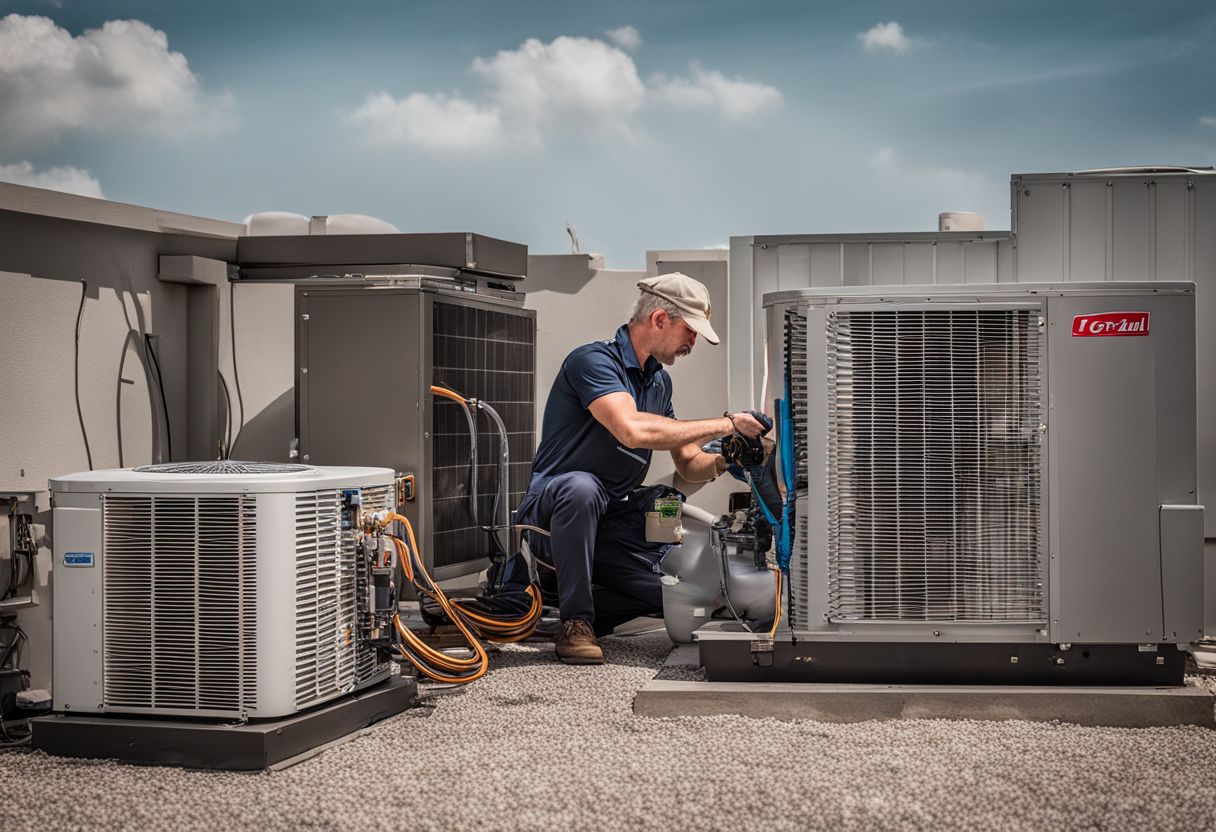
Clogged filters are a big reason why AC units start to smell bad. Dirt builds up and stops air from moving freely. This can make the air coming out of your AC not smell good. To fix this, clean or replace your air filters often.
Try doing this every few months, especially if you use your AC a lot.
Leaks in the refrigerant gas can also lead to smelly problems. If there’s a leak, the AC might give off a strange scent. It’s important to get help from an expert to check for leaks and fix them because dealing with gas can be dangerous.
Regular maintenance keeps your system running well and smelling fresh. An expert can do an ac tune-up, checking all parts like the condenser unit and evaporator coil to prevent smells before they start.
Conclusion
When your air conditioner is not cooling, it’s important to check a few things. Make sure the thermostat is set right and the air filter is clean. Clear any dirt blocking the outside unit too.
Sometimes parts like the heat pump or indoor coil may break and freeze up; this stops the cool air. If you’ve tried these steps and still have trouble, ask for help from an expert who knows about fixing air conditioners.
They can find what’s wrong and get your home cool again quickly!
FAQs
1. Why is my split system air conditioner not cooling my room?
There could be several reasons your split system air conditioner isn’t cooling. It might have a dirty air filter, low refrigerant gas, or a problem with the contactor in the outdoor unit.
2. What should I check if my mini-split isn’t blowing cold air?
Firstly, make sure the indoor and outdoor units of your mini-split are clean and free from debris. Then check for issues like tripped circuit breakers or incorrect settings that might stop it from blowing cold air.
3. Can a dirty filter cause my AC to stop cooling properly?
Yes, a dirty air filter can block airflow and reduce your AC’s ability to cool your home. Cleaning or replacing the filter regularly helps maintain energy efficiency and performance.
4. Could there be an electrical problem with my non-cooling air-con?
Electrical issues such as faulty wiring or high voltage problems can stop your air-con from working right. If you suspect an electrical issue, you may need a professional to safely look at components like circuit breakers and copper tubing.
5. How do I know when my refrigeration system needs more refrigerant gas?
If your ac is on but not lowering temperatures inside, it might be low on refrigerant gas due to leaks in the system’s lines or connections – it’s often best to call in experts for this job.