

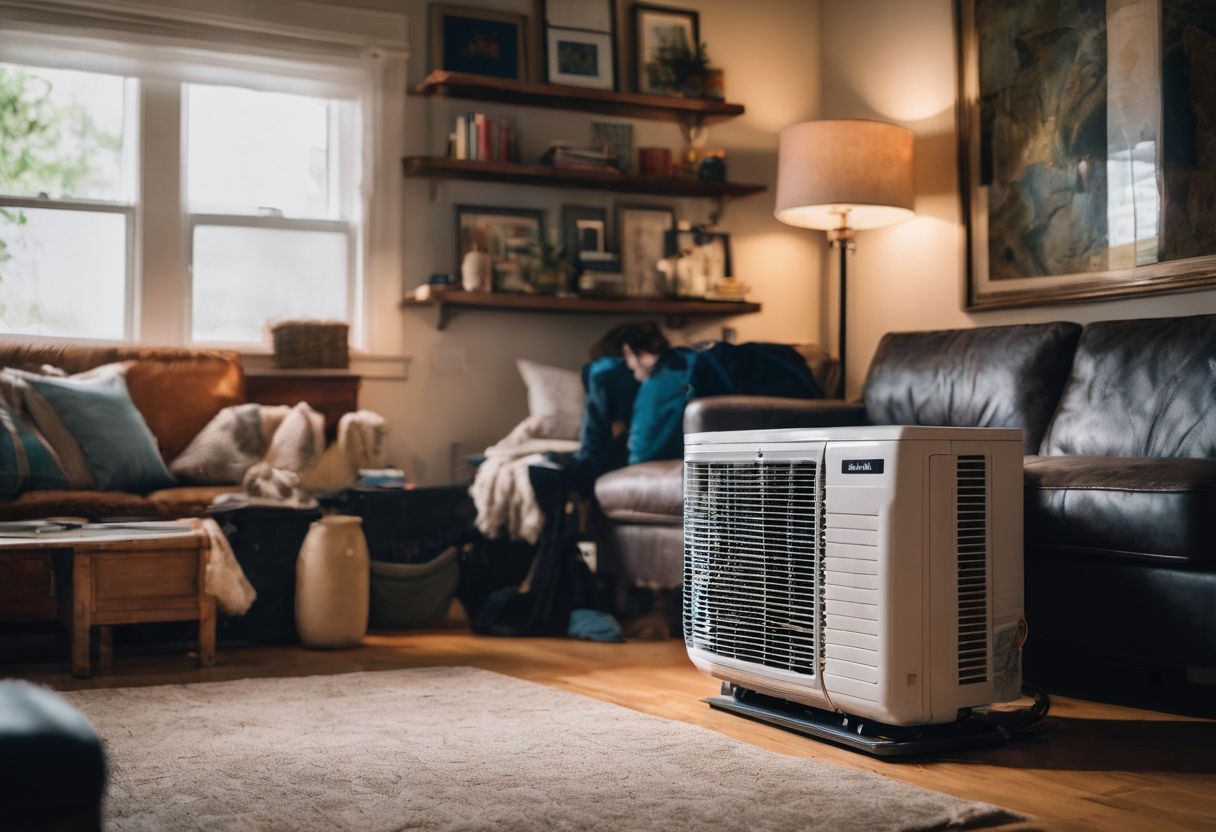
Have you noticed your air conditioner is not as cool as it used to be? This could mean it’s time to get a new one. An air conditioner keeps your home cool and comfy, especially when it’s hot outside.
Knowing when to replace it can save you from being too warm and spending too much money on energy bills or fixing old parts.
Sometimes an old AC blows warm air, makes loud noises, or the most air won’t come out of the vents. Also, if your thermostat doesn’t work right or your energy bill goes up without reason, these are signs something might be wrong with your AC unit.
If this happens often or if your AC is more than 10 years old, even with good care over time, you might need a new one.
Calling a professional who knows about heating and cooling systems is smart if you see any of these problems with your AC. Companies like Budget Heating and Air Conditioning Repair and Installation help people in places like Elyria and Lakewood fix or put in new AC units.
Taking care of your air conditioner by checking and cleaning it regularly helps make sure it lasts longer. It’s important to watch how much you use it, where you set the temperature on the thermostat, and that someone checks it once in a while so that little problems don’t become big ones.
Let’s find out what makes an air conditioner less effective and what we can do to keep our homes nice and cold for many summers!
Recognising the Signs It’s Time for a New Air Conditioner

Understanding when to replace your air conditioning unit is paramount in maintaining a comfortable and cost-effective home environment. Early detection of issues, such as inconsistent cooling or unusual noises, can be the crucial indicators that suggest your current system may require an upgrade.
Air Conditioning System is Blowing Warm Air
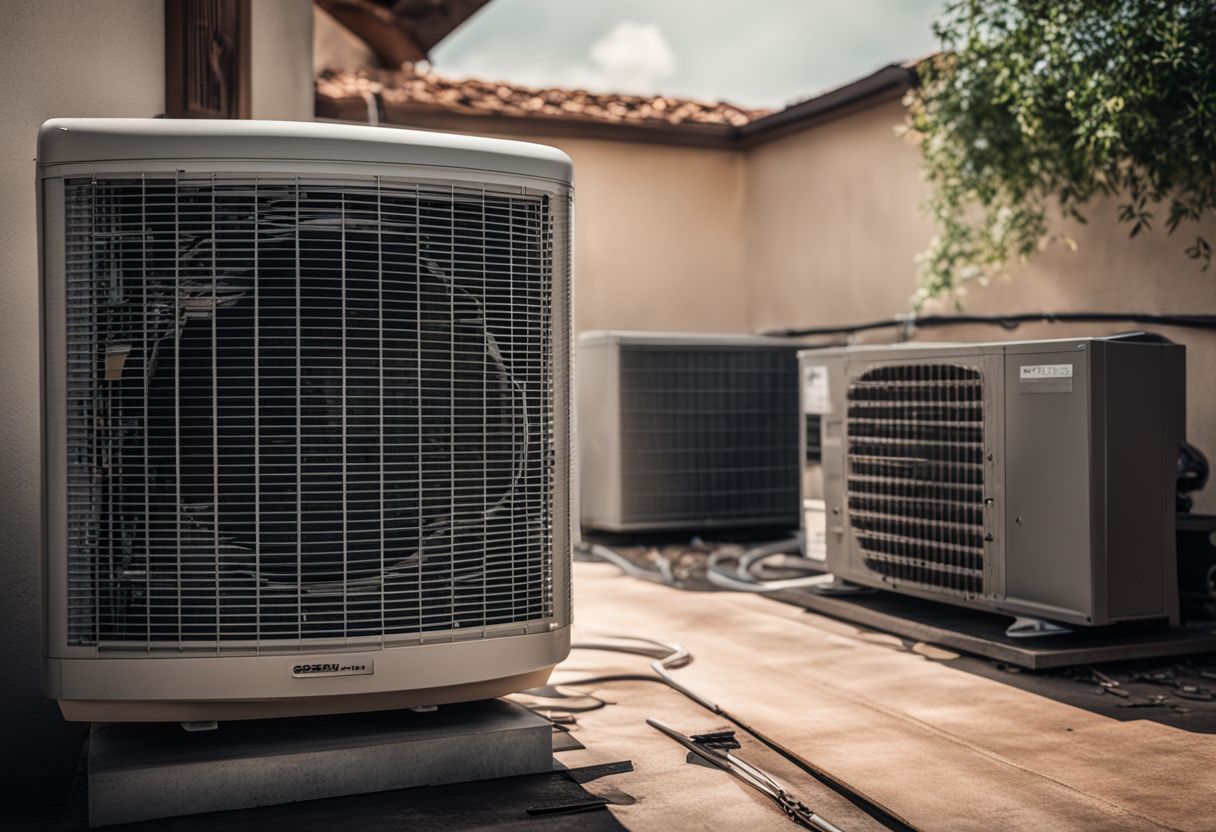
If your air conditioner starts blowing warm air, it’s a warning sign. This problem could mean the system is failing to cool properly or might need serious repair. Sometimes, simply changing a dirty filter can fix it.
But if that doesn’t work, there may be other issues like low refrigerant levels or trouble with the condenser coil.
It’s best to call an HVAC technician to check your unit. They will find out why the cold air stopped and fix it fast. Ignoring this issue can lead to more damage inside your air conditioning system and even bigger repair bills later on!
AC Thermostat is Not Working
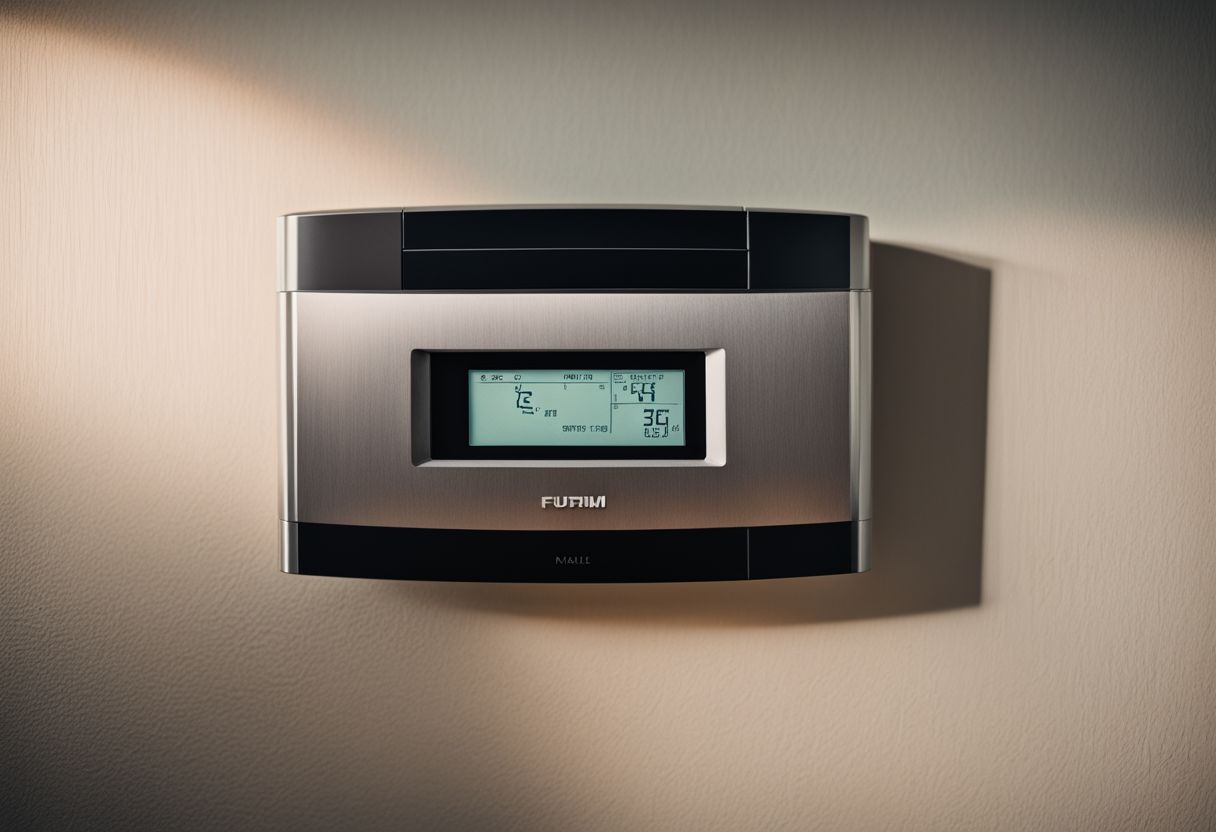
The thermostat is the brain of your HVAC unit. It tells your air conditioner when and how to cool your home. If the AC thermostat stops working, it might not send the right signals to the system.
This means your rooms could stay warm even if you set a cool temperature.
Check if the display on the thermostat is blank or unresponsive; this suggests trouble with power supply or batteries. Sometimes dust inside or wrong settings can cause issues too.
A professional can help fix these problems and make sure you get back to enjoying a comfy, cool space again.
Little Air Blows Out of Vents
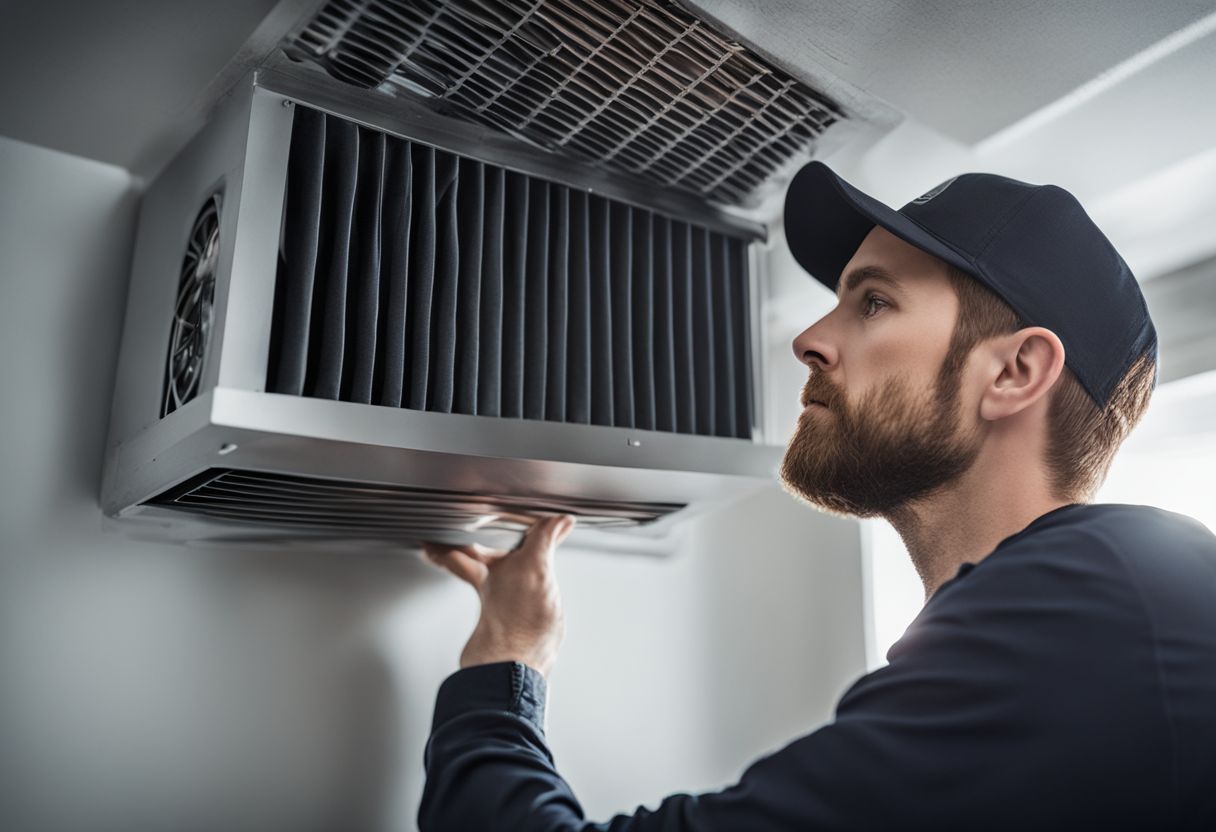
If your air conditioner is not blowing much air through the vents, this could be a sign of trouble. Weak airflow often means something is wrong inside the system. It might be a problem with the blower that pushes air through your home.
Or it could mean there’s a blockage somewhere in your HVAC system. Blockages reduce how much cool air you get and can make some rooms feel warmer than others.
Getting little air from the vents may also point to dirty or clogged filters. Dirty filters stop the flow of clean, fresh air. They need to be changed regularly to keep everything working right.
If new filters don’t fix the issue, it’s smart to call an expert HVAC technician right away. They can check out what’s happening and tell you if you need repairs or a new cooling system for better energy efficiency and comfort at home.
Loud Noise Inside of the AC Unit
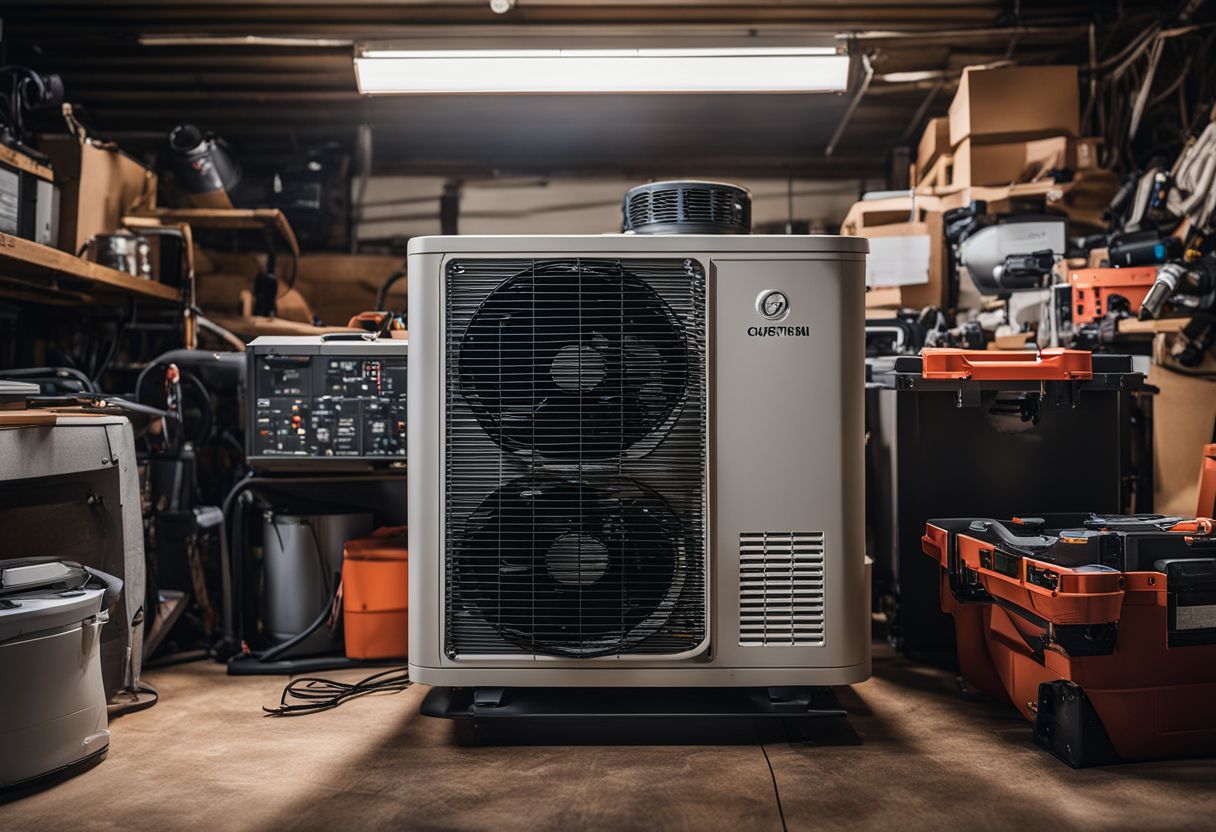
A loud noise from your air conditioner can turn a quiet home into a noisy one. It’s often a sign that something inside the AC unit is not right. This could be anything from loose parts to serious issues with the condenser or fan motors.
If you hear banging, clanking, or screeching sounds, it’s important to act fast.
You should call in an expert like a Budget Heating and Air Conditioning Repair technician to check out your system. They can find out what’s making the noise and fix it for you. Ignoring these sounds might lead to bigger problems and even more costly repairs down the line.
So getting help quickly helps keep your air-conditioned home calm and comfy while saving you money on energy bills.
Rising or High Electric Bill
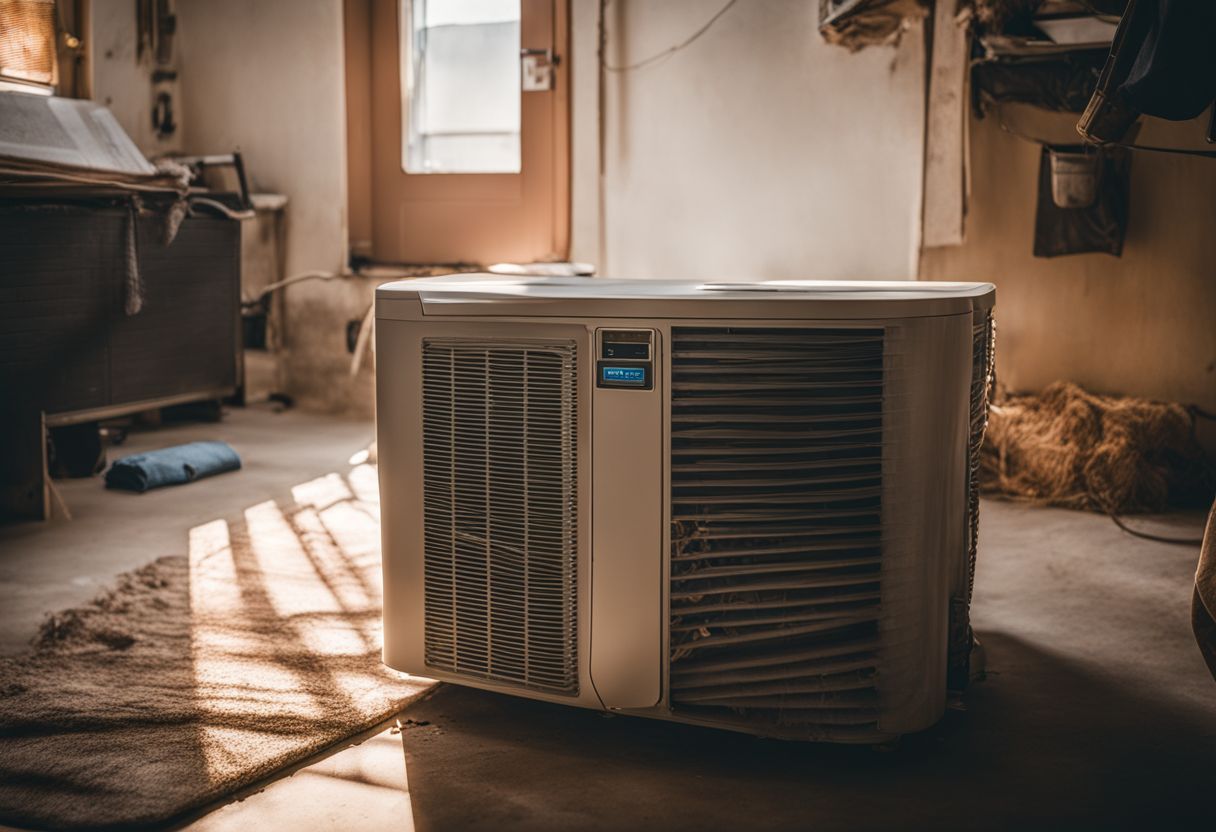
Your energy bill can tell you a lot about your air conditioner’s health. If your bill is getting higher without a clear reason, it might be because your AC is working too hard. Older or broken air conditioners can lose their energy efficiency, meaning they use more power to keep your home cool.
This makes your energy costs go up.
Check for signs like short cycling, where the AC turns on and off more than usual. This uses lots of electricity every time it starts up. Also, make sure the filters and coils are clean because dirt can make the system run longer than it should.
If cleaning doesn’t help and bills stay high, this could mean it’s time to look for a new energy-efficient model that will save money in the long run.
Frequent Need for Repairs
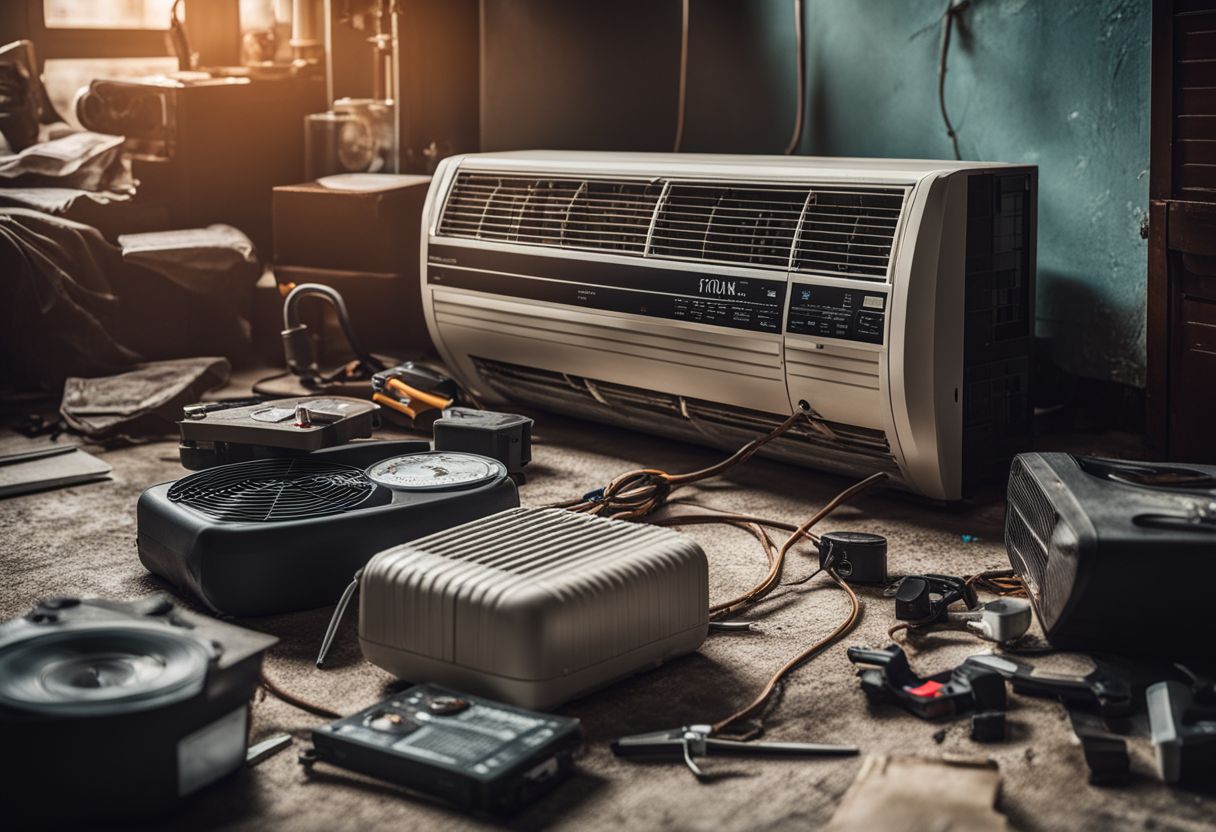
If the air conditioner breaks down often, it might be time to think about getting a new one. Fixing it again and again can cost a lot of money. Sometimes parts like the evaporator, condenser coils or thermostat controls need fixing.
When these problems keep happening, the whole system may not work well anymore.
A good air conditioner should run without trouble for quite some time. If an aircon needs new parts often or doesn’t cool the house right, this could mean it’s old and worn out. Talking to a professional helps find out if you need a better, more energy-efficient unit that will save money in the long run and improve indoor air quality.
The Air Conditioner is Over 10 Years Old
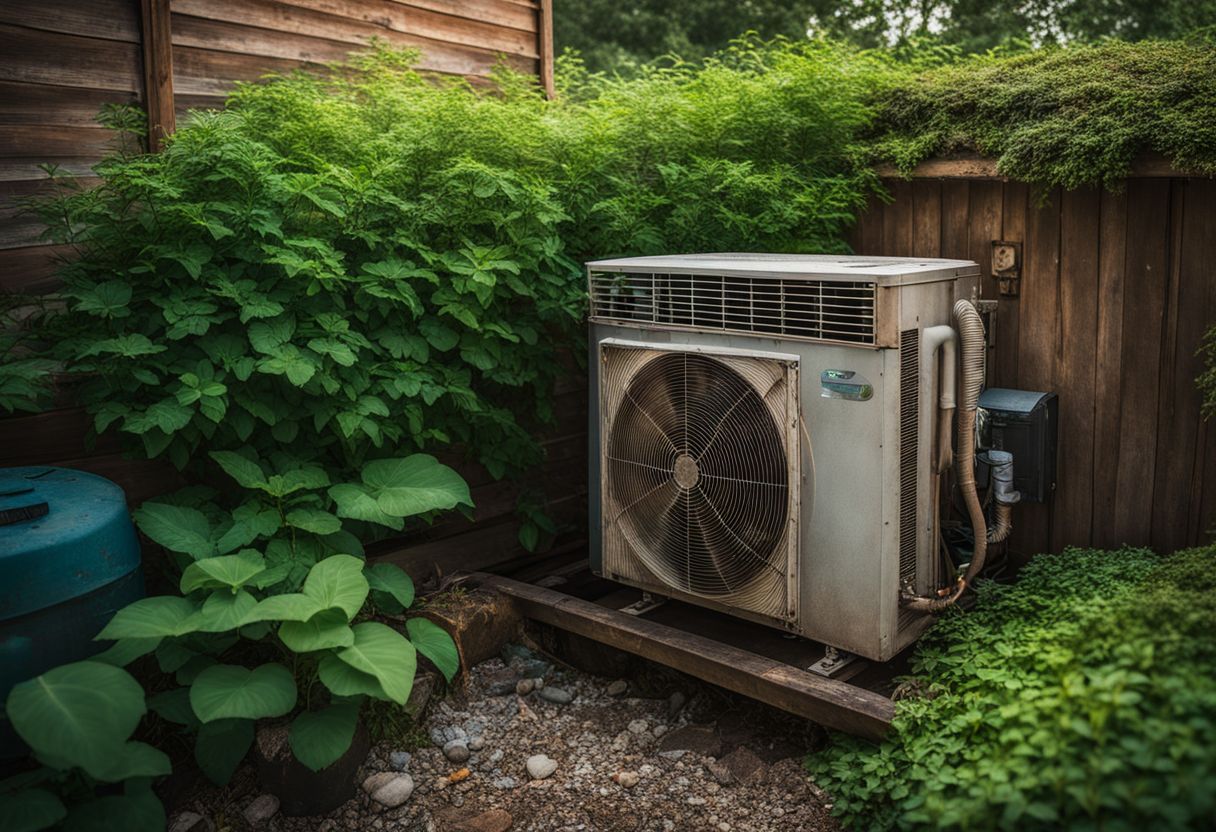
Air conditioners work hard to keep our homes cool. Like all machines, they get old and start to wear out. Most air conditioners last around 10 years before they need replacing. After a decade, parts may fail and it can cost a lot to fix them.
Technology gets better over time too. New air conditioners are more energy-efficient, saving you money on your electric bill.
If your AC is old, you might notice it doesn’t cool as well as it used to. The system has worked for many hot summers but now struggles with the heat. It’s like an old car that needs more trips to the mechanic; it can be less reliable and break down more often.
Regular maintenance helps keep an AC running smoothly, but after ten or so years, even the best-looked-after unit might be ready for a change.
Troubleshooting: Reasons Your Air Conditioner Isn’t Cooling

Sometimes your air conditioner doesn’t cool the house like it should. Here are some reasons why this might happen:
- Dirty air filters: Blocked filters stop air from flowing freely. Clean or change them to fix this.
- Refrigerant leak: Without enough refrigerant, your AC can’t cool properly. A technician must find and fix any leaks.
- Faulty thermostat: If the thermostat is broken, it won’t tell the AC to cool. You might need a new one.
- Iced over coil: Frost can build up on the evaporator coils, leading to poor cooling. Turn off the unit and let it thaw.
- Bad compressor: The compressor moves refrigerant around the system. If it’s not working, the air won’t get cold.
- Clogged drain lines: Water needs to leave the AC unit. Blocked drains can cause many problems, including poor cooling.
- Duct leakage: Holes or cracks in ducts let cool air escape. Sealing them helps keep all that cold air inside your home.
- Insufficient insulation: Poor insulation lets heat in and cool air out. Improve it for better temperature control.
The Impact of Regular Maintenance on Air Conditioner Lifespan
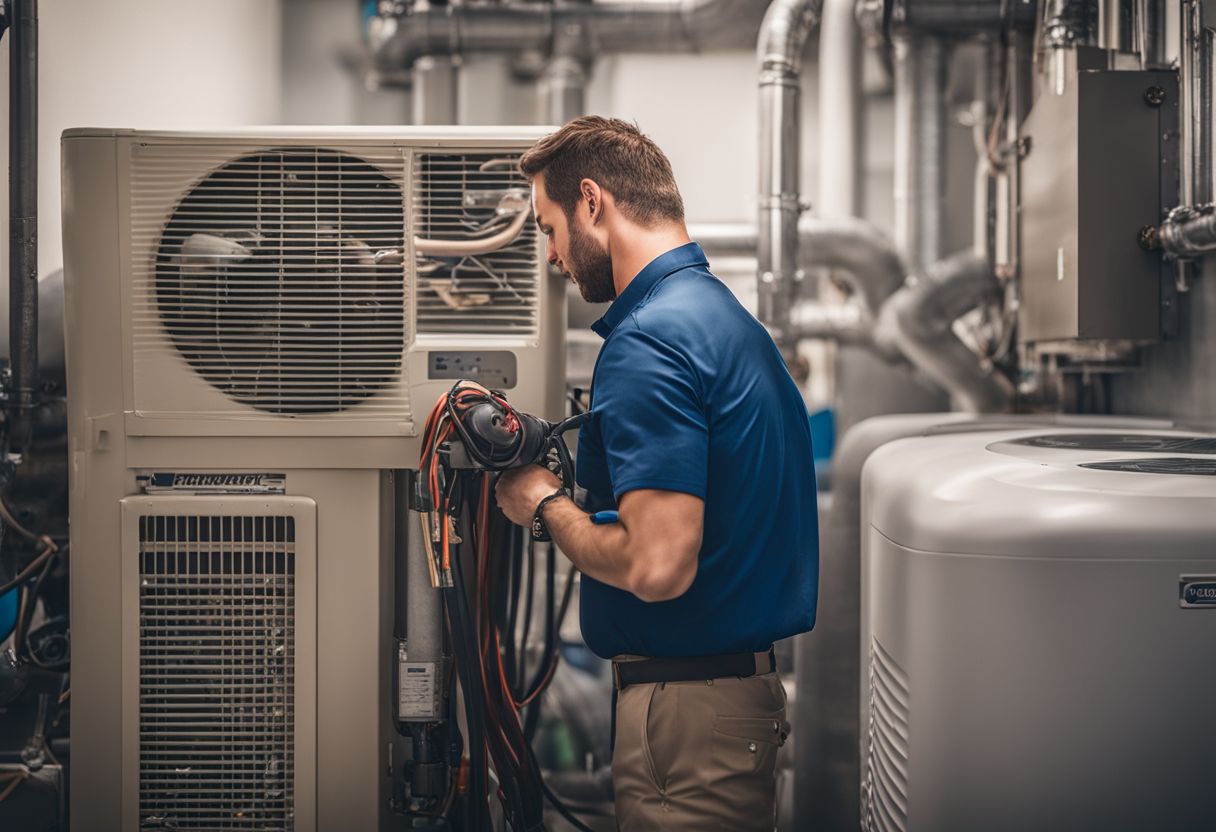
Regular maintenance is the cornerstone of extending your air conditioner’s lifespan, ensuring its efficiency and reliability throughout its years of service. A well-maintained unit not only keeps performance at its peak but also heads off potential issues before they escalate into costly repairs or full system breakdowns.
Usage Patterns and Climate

Your air conditioner works harder in hot weather. If you live where summers are very warm, your cooling system may wear out faster. This means it might need replacing sooner than one in a cooler place.
How often you use your aircon also matters. Turning it on every day for many hours can shorten its life.
Keeping an eye on these things helps make sure your air conditioning unit lasts longer. Make sure to stick to a maintenance schedule that fits with how much you use it and the climate you’re in.
This will help keep your energy bills down and prevent frequent repairs for as long as possible. Remember, good care keeps heating and cooling systems working well for years.
Thermostat Settings

Setting your thermostat correctly can help your air conditioner work better and save energy. If the temperature is set too low, your AC works harder than it needs to. This can make your energy bill go up.
It’s smart to find a good balance – not too hot, not too cold.
Regularly checking and adjusting the thermostat keeps things comfortable without wasting power. Some thermostats are programmable or can learn your schedule. They adjust the temperature by themselves to match when you’re home or away, which also helps in saving on energy costs.
Make sure that the settings suit how you use each room because some may need more cooling than others.
Regular Inspections and Maintenance
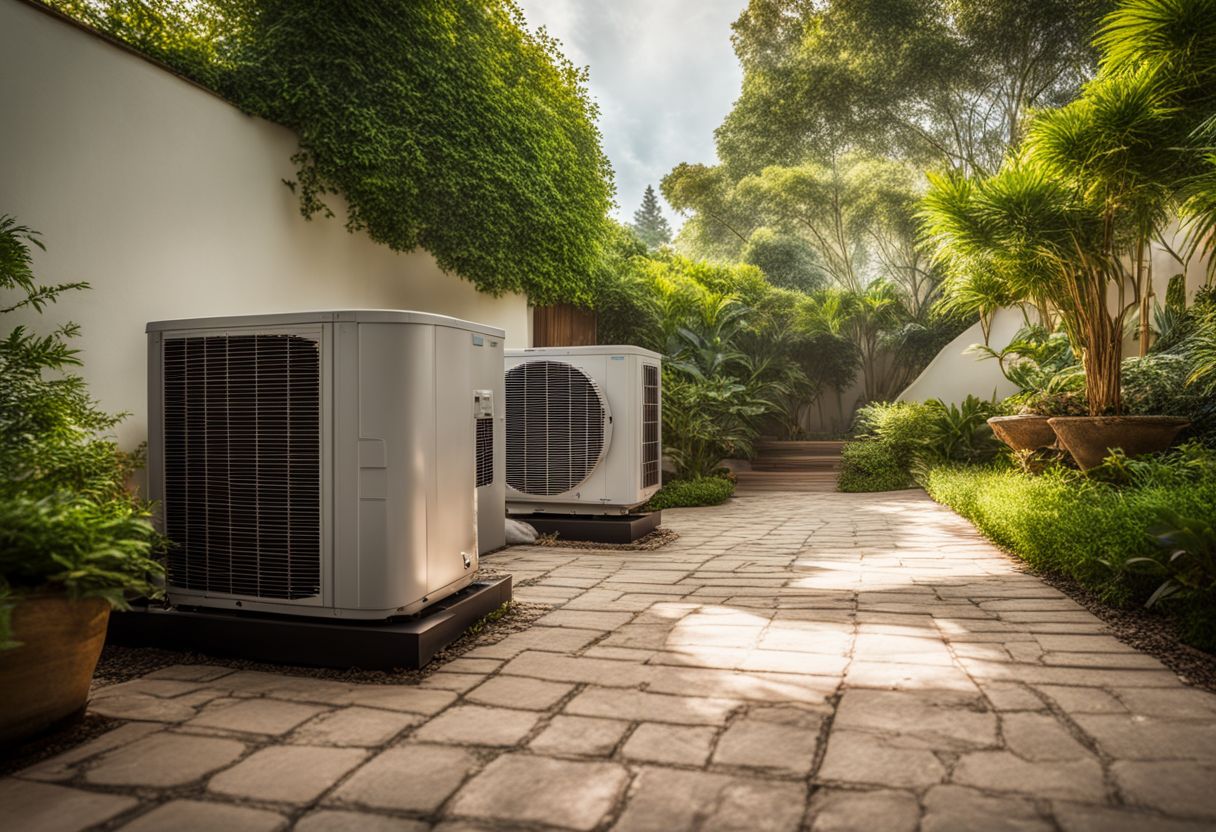
Keeping your air conditioner in good shape is key to staying cool and saving money. Regular check-ups and cleanings can stop small problems from turning into big ones. Here’s what to do:
- Check and replace the air filter often, as a dirty filter blocks air flow and makes the system work harder.
- Clear away leaves, dirt, and other rubbish from around the outside unit to ensure proper air flowing.
- Look for ice or frost on the cooling coils. If you see any, it might mean there’s a problem with the refrigerants.
- Listen for odd sounds like banging or hissing that could point to loose parts or leaks.
- Make sure drain channels are not blocked to prevent water damage and high humidity levels inside.
- Have a professional HVAC technician come once a year for an in – depth look at your central air conditioning system. They can find issues you might miss.
Conclusion
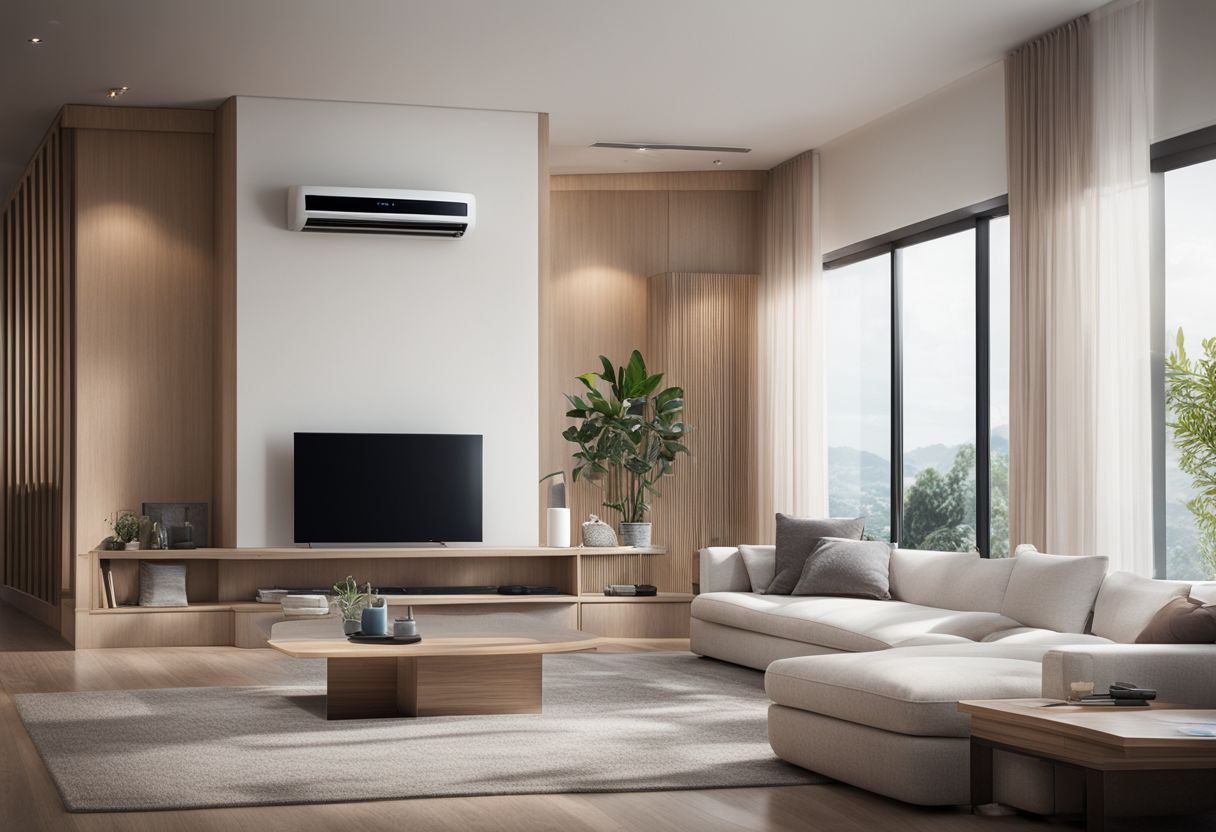
You’ve seen the signs that it might be time for a new air conditioner. Warm air, strange noises, and high bills all tell you something’s not right. Think about how much better your home could feel with a new, energy-efficient unit.
Are you ready to enjoy cool days and save on energy costs? A professional can help if you’re not sure what to do next. Take action today for a cooler tomorrow!
Should you encounter issues with your cooling system, our in-depth guide on troubleshooting reasons your air conditioner isn’t cooling might offer some helpful insights.
FAQs
1. How do I know if my air conditioner isn’t energy-efficient anymore?
If you notice your energy bill increase without a clear reason, it might mean your aircon is using more power to cool your home. Check for an Energy Star label on newer models for better energy savings.
2. What are signs that my central air conditioner needs replacing?
When your central air conditioning unit often breaks down or doesn’t cool the house as it used to, these could be signs telling you it’s time for a new one.
3. Can I save money by upgrading to a new A/C system?
Yes, modern air conditioning systems come with improved energy-efficiency, which can help lower your bills and provide better cooling.
4. Will a new air conditioner work better than my old one?
Most likely yes! Newer models of central air conditioners have advanced features that perform well and offer consistent comfort while helping with energy savings compared to older units.