

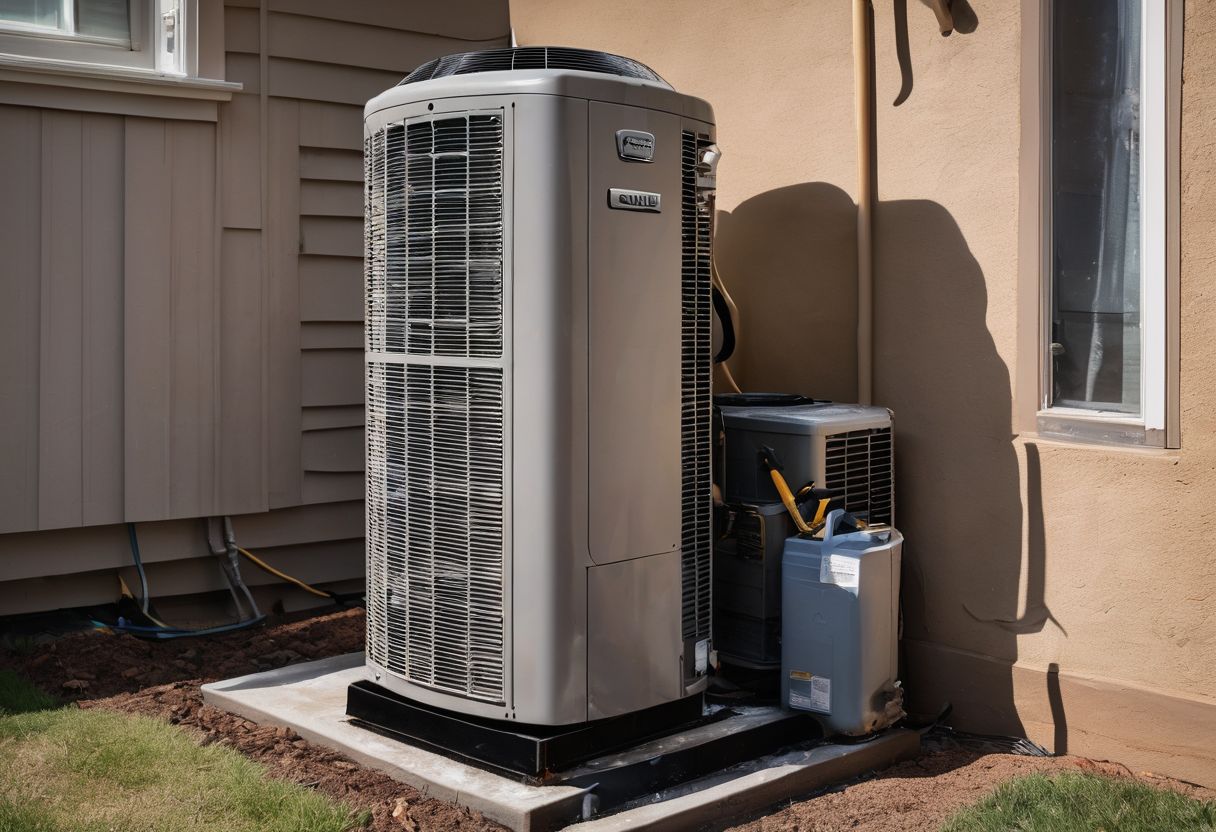
Air conditioners make our homes cool, but sometimes they leak water. This can be a sign of trouble. Water is needed to keep aircons running right, but it’s not good if there’s too much and it starts leaking out.
The leaks might come from many problems like dirty filters or clogged drains.
You need to clean or change your aircon filter every three months to stop leaks. If you check and fix things regularly, you can also prevent big problems. Some issues are easy to sort out yourself, like cleaning out blocked water paths.
But for hard troubles like fixing pumps or filling up cooling stuff in the aircon, you might need help from pros who know what they’re doing. Proper fitting when installing an air conditioner is key to avoid drips as well.
Companies like DW Aircon Servicing Singapore can help with tough repairs and keeping everything working smoothly. They’ll make sure parts inside don’t freeze up or get rusty which cause leaks too.
Leaks happen when water doesn’t flow where it should go in the cooling system inside modern units that have parts both indoors and outdoors.
Remember that taking care of your air conditioner stops little drips from becoming big hassles later on. Let’s take a closer look at why these leaks happen and how we can fix them!
Understanding Aircon Water Leaks
Understanding Aircon Water Leaks is pivotal for maintaining an efficient and damage-free air conditioning system. Grasping the difference between normal condensation and problematic leaks can save you from costly repairs, ensuring your unit runs optimally while protecting your indoor environment.
Importance of Water in Air Conditioners
Water plays a key role in air conditioners. It comes from the warm air that hits the cold evaporator coil, turning into liquid as it cools down. This water should flow away through the drain line.
If your air conditioner is working right, you won’t see this water because it’s supposed to leave the system quietly and out of sight.
Sometimes, though, things can go wrong and cause water leaks in your home. Keeping parts like air filters clean stops dirt from blocking water flow inside your AC unit. Regular cleaning stops clogs before they start and helps avoid spills that can lead to water damage or mold growth in your house.
It’s important to make sure everything works well so your rooms stay cool and dry.
Normal vs Abnormal Water Leaks in Aircons
Air conditioners often have a bit of water around them. This is because they make moisture from the air turn into liquid. The water should usually go away through a drain line. But if there’s lots of water, or if it keeps coming back, that’s not normal.
Leaks can happen when things are not right with your aircon. If dirt blocks the drain line, water can’t flow out and starts to spill over. Filters full of dust make ice form on coils inside the aircon which then melts into leaks.
When there isn’t enough refrigerant, the system doesn’t work well and might leak too. All these problems need fixing so your home stays nice and dry.
Causes of Aircon Water Leaks
Water leaks from your air conditioner can stem from a variety of issues, often indicating something amiss within the system. Understanding these root causes is critical for targeting the right solution and ensuring your unit operates efficiently.
Clogged Drainage
Dirt and bits in your aircon can block the drain line. This stops water from flowing out like it should. When this happens, water backs up and starts leaking from your air conditioner.
It’s a common problem that can make a mess and hurt indoor air quality.
To clear a clogged condensate drain line, you need to find the blockage first. You might use a wet/dry vacuum to suck out the clog or push it through with a stiff wire. Some people pour bleach or vinegar down the pipe to kill any build-up of mould or algae that could be causing trouble.
Regular cleaning keeps lines clear so water flows freely and you avoid leaks. If these steps don’t fix it, call an expert who knows about refrigeration repair and HVAC systems to take care of your air-conditioner properly.
Air Leaks
Air leaks in your air conditioning system can cause water to drip where it shouldn’t. Holes or gaps let warm, moist air mix with the cold air inside. This creates extra water that the system was not made to handle.
The drain pan can overflow, and you might see leaking water.
Fixing these leaks is important. You need to seal any openings between the air conditioner and the room. Sometimes, tape or foam strips work well for small spaces around pipes or vents.
If there’s a large space letting air through, a professional might need to come fix it for good. Sealing up these spots helps stop leaks and makes your AC work better too!
Dirty Air Filters
Filters full of dirt make the aircon work too hard. This can cause ice to form on the evaporator coils and then melt, causing leaks. To fix it, turn off your aircon and take out the dirty filter.
Put in a clean one so air flows well again. This stops ice from building up and keeps water from leaking out.
Keep your filters clean with regular checks every month, especially in high use times or if you have pets. Clean filters help your aircon cool better and stop leaks before they start.
If you keep forgetting, set a reminder or mark it on your calendar to stay on top of it!
Low Refrigerant Levels
Your air conditioner needs the right amount of refrigerant to cool your home well. If there’s not enough, things can go wrong. The evaporator coils might get too cold and freeze over.
When they melt, you could find more water than normal dripping from your unit.
Fixing low refrigerant levels is not a DIY job. You need to call in a pro, like an HVAC technician, who can safely add more refrigerant. They will also check for leaks because that’s often why the level got low in the first place.
After fixing any leaks and topping up the refrigerant, your aircon should stop leaking water and work better again.
Broken Condenser Pumps
Broken condenser pumps mean trouble for your air conditioner. This pump is key for moving the condensed liquid to the drain line from your HVAC unit. If it’s not working, water can’t flow out and may lead to leaking inside your home.
You might hear strange noises or see a pool of water near your system if the pump fails.
Fixing this issue often needs a pro. They will check the pump and see if repairs are possible or if you need a new one. Regular maintenance can help catch these problems before they get worse.
Keep an eye on your aircon’s performance to spot early signs of a broken pump.
Rusted or Damaged Drain Pan
Your air conditioner has a drain pan that catches water. This water comes from the air turning into liquid as it cools down. Sometimes, this pan can rust or get holes in it. If that happens, water may leak out and cause problems.
To fix a rusty or broken drain pan, you might need to replace it with a new one. Check your drain pan often for any signs of damage so you can catch leaks before they start!
Drain Line Disconnect
Sometimes the drain line from your air conditioner gets disconnected. This can lead to water leaking into your house because the condensation has nowhere to go. The drain line takes away all the moisture that builds up inside your aircon unit.
If it comes loose or is not fitted right, this will cause a leak.
Check if the drain line is well connected and in good shape. If you find any issues, you might need to reconnect it or replace parts that are worn out or broken. Make sure everything fits tightly and securely so water can flow through it without spilling out.
Troubleshooting and Fixing Aircon Water Leaks
Discover the effective methods to troubleshoot and fix aircon water leaks, ensuring your system operates efficiently and keeps your space comfortably dry; continue reading to learn how simple actions can resolve these common issues.
Identifying the Problem
- Check air filters: Dirty air filters block airflow and can cause ice to form on the evaporator coils. This ice melts and may lead to leaks.
- Inspect the drain line: A clogged drain line stops water from flowing out, causing it to leak inside your home.
- Look at refrigerant levels: Low refrigerant causes the coils to freeze over, and when they thaw, extra water can make the pan overflow.
- Examine condensate pump: If the condensate pump is broken, it won’t be able to get rid of the water properly, leading to a leak.
- Observe the drain pan: Over time, drain pans may rust or crack. If this happens, water cannot be caught and directed away as needed.
- Check for disconnections: Sometimes parts of the air conditioning system might come loose. If the drain line disconnects from your unit, leaks can happen.
- Feel for air leaks: Air should flow smoothly through vents. But if there are gaps or holes in ducts or around seals, moisture can escape as leaks.
Cleaning or Replacing Dirty Air Filters
Dirty air filters can strain your air conditioning system. They can block airflow over the evaporator coil, causing water leaks.
- Turn off your air conditioner to stay safe.
- Open the cover of your aircon to reach the filter.
- Gently take out the filter. Look at it closely. If it’s grey and covered with dust, it needs cleaning.
- Tap the filter lightly to remove loose dust.
- Rinse the filter with warm water. Letting water flow through from the clean side helps push out dirt.
- Use a soft brush if needed but be gentle not to tear it.
- Air dry the filter completely before putting it back in. Do not use a dryer as heat can damage it.
- Check the filter every month, especially during heavy use times like summer.
- Replace your filter if it’s damaged or very dirty. Don’t try to wash filters that are meant for one-time use.
Unclogging the Drainage
If your air conditioner is leaking water, the drainage might be clogged. Here’s how you can clean it out to fix the leak:
- Turn off the air conditioner before you start any work.
- Find the drain line, usually a small pipe near the outside unit of your split system air conditioner or near the basement for central systems.
- Check if there is visible dirt or algae growth blocking the exit of the drain line.
- Use a stiff wire brush to gently clear out any blockage from inside the drain line.
- Pour a mix of water and bleach into the drain line to kill any algae or mold that may be inside. This helps prevent future clogs too.
- Let this solution sit for about 30 minutes; then flush it with clean water to make sure everything is cleared out.
- Reconnect any parts you may have removed during cleaning and turn your air conditioner back on.
Replenishing Refrigerant Levels
Low refrigerant can lead to your aircon leaking water. You may need to fill up the refrigerant to fix this problem.
- Turn off your air conditioner. Before you do anything, make sure the power is off.
- Find the service valve on your AC unit. It is usually on the outdoor compressor.
- Get proper refrigerant. Check what type your AC uses, often listed on a sticker by the service valve.
- Connect a refrigerant bottle to the service valve. You’ll need a hose and some tools for this step.
- Open the valve slowly. Let the new refrigerant flow into the system.
- Keep an eye on the pressure gauge. Don’t overfill it – that can cause more issues.
- Close the valve when done. Once at the right level, make sure everything is sealed tight.
Repairing or Replacing Broken Condenser Pumps
Broken condenser pumps stop your aircon from getting rid of water properly. If the pump fails, you might find a pool of water near your air conditioner.
- Turn off the power to your air conditioner to stay safe.
- Find the condenser pump, often located beneath the cooling coils.
- Check for any blockages or dirt and clean them out.
- See if there’s any water in the pump by taking off its cover.
- Use a bucket to collect any excess water you find inside.
- Look at the pump’s moving parts for signs of damage or wear.
- Test the pump by pouring water into it to see if it works right.
- Listen for strange noises that could mean it’s broken.
- Disconnect the old pump carefully if it needs replacing.
- Get a new condenser pump that matches your aircon model.
- Connect this new pump following manufacturer instructions.
- Secure all wires and check they are connected well.
- Turn on your aircon and watch to make sure there are no leaks.
Repairing or Replacing Rusted or Damaged Drain Pan
A drain pan catches water that drips from your aircon’s evaporator coil. If this pan is rusted or damaged, it could lead to water leaks.
- Turn off the power to your air conditioning system for safety.
- Locate the drain pan under the indoor unit of your aircon. It may be in an attic or closet.
- Check the pan closely for signs of rust or damage like cracks.
- If you find small rust spots, clean them with soap and water. Then cover them with waterproof sealant.
- For bigger rust areas, use a rust treatment product. Follow the directions on the label carefully.
- Once treated, if the pan still seems weak, it might be time to get a new one.
- Measure your old drain pan so you can find a perfect match.
- Buy a new drain pan from a hardware store or online. Make sure it fits your model of aircon.
- Replace the old pan with the new one. Put it in just like where the old one sat.
- Secure any screws or clips that hold the drain pan in place.
- Pour some water into the new pan to test for leaks before turning your aircon back on.
Reconnecting the Drain Line
If your air conditioner’s drain line gets disconnected, water can leak out. Fix this quickly to stop more damage.
- Check for loose connections around your aircon unit. The drain line might have come off by accident.
- Locate the end of the drain line near the outside of your unit. It’s usually a PVC pipe sticking out.
- Slide the drain line back onto its connection point. Make sure it fits snugly and won’t come off easily.
- Secure the connection with a clamp or tape if it was loose before. This helps prevent future disconnects.
- Look for any cracks or damage on the drain line itself. Replace it if you find any issues.
Addressing Frozen Evaporator Coils as a Cause of Water Leaks
- Check the air filter first. You should clean it every 3 months to stop the coils from freezing.
- Look for signs of ice or frost on the evaporator coils. These signs mean your aircon is not working right.
- Turn off your air conditioner to let any ice on the evaporator coils melt away.
- Clean off any water that has leaked because of the melted ice to prevent water damage.
- Open the access panel and inspect the coils after they have defrosted. Make sure there’s no more ice.
- Dry the area around the coils with a towel once all ice has melted.
- Start your air conditioner again once everything is dry. Keep an eye on it to see if it still leaks.
- Get a professional if you see more leaks or if ice forms again quickly. They have tools and know – how to fix this issue safely.
Hiring A Professional Aircon Service Company
Understanding when to call in the experts is key; a professional aircon service company can provide comprehensive solutions, ensuring your system operates efficiently and safely—explore more on how their expertise can safeguard your home from water damage due to aircon leaks.
When to Hire a Professional
You may need an expert if your aircon has problems like a clogged drain line, a broken condensate pump, or a damaged drain pan. These issues are often too tricky for just cleaning or simple fixes.
A professional will have the right tools and know-how to do safe repairs. They can handle refrigerant safely and fix parts that are hard to reach.
Choose a trusted aircon service company for peace of mind. Make sure they understand systems like central air conditioners, mini-splits, and reverse cycle units. Good maintenance stops leaks before they start and keeps your system running well.
If you face repeated leaks or see signs of corrode or damage, it’s time to call in the pros who will sort things out quickly and efficiently.
Choosing the Right Aircon Service Company
Picking a good aircon service company is key. Look for a team with lots of experience and great customer reviews. They should be able to handle tough jobs like fixing clogged drain lines, broken condenser pumps, and damaged drain pans.
Make sure they offer clear info on their services and prices too.
DW Aircon Servicing Singapore gets praise for repairing aircons well. Check that the company you choose has skilled people who can work on your type of air conditioner. They need to show up on time, do the job right, and clean up after themselves.
A trustworthy service will also tell you how to keep your aircon running smoothly for longer.
Preventing Aircon Water Leaks
To shield your air conditioning system from water leaks, a regimen of proactive measures can drastically reduce the risk, ensuring its longevity and optimal performance – discover how to safeguard your unit against potential issues.
Regular Maintenance and Cleaning
- Check your air filters every month. Dirty filters can block air flow, making the system work harder and sometimes freeze up, leading to leaks.
- Clean or replace your filters if they’re dirty. This helps keep the air moving smoothly and stops ice from forming on coils.
- Look at the drain pan under the unit inside. If you see rust or damage, it might be time to get a new one.
- Make sure the drainage line isn’t blocked with dirt. A clogged drain can make water go back into your home instead of flowing out.
- Keep an eye on the airflow around both indoor and outdoor units. Good ventilation stops humidity and heat from building up too much.
- Check all connections in your unit to make sure nothing has come loose over time.
- Have a professional look at your system once a year. They can find small problems before they turn into big leaks.
Regular Check-up of Refrigerant Levels
Regular check-ups of refrigerant levels are key to stopping water leaks in your air conditioner. Low refrigerant can cause problems with condensation and lead to leaks.
- Look for signs of low refrigerant, such as ice on the evaporator coils or a hissing sound from the aircon. These might mean there’s not enough refrigerant.
- Schedule regular check – ups with a pro. They know how to safely handle the coolant and can top it up if needed.
- Check for any leaks yourself by looking at connections and valves for any wet spots or signs that something is off.
- Use a gauge to measure the pressure of your coolant system if you’re comfy doing it. This tells you if it’s low and needs more juice.
- Get leaks fixed right away to stop refrigerant from escaping and hurting your aircon’s power to cool the air.
- Always make sure the person handling your aircon’s refrigerant has the right skills and tools, so everything stays safe.
Ensuring Proper Installation
Getting your air conditioner installed the right way is key to stopping leaks. A good setup keeps your aircon running well and avoids water problems.
- Place it on a flat surface. Your air conditioner works best when it sits straight. This helps all its parts work smoothly and stops water from leaking.
- Check the seal fits tight. Seals around your aircon must fit just right to keep water inside. If they don’t, water might escape.
- Connect drain lines well. These lines carry away water from your unit. They need a secure link so no water drips out.
- Set the air – handler level. The part that blows cool air should be even and stable, making sure water flows where it should.
- Use correct coolant levels. Not too much, not too little – just enough refrigerant makes sure humidity turns into water correctly.
- Inspect the drainage tray. It’s under your unit to catch any drips. Make sure it’s not bent or broken.
Conclusion
Remember, keeping your aircon in good shape stops leaks. You’ve learned how dirt and damage cause most problems. Clean filters and check for blockages to keep water away. If troubles are too big, call an expert for help.
Your comfort at home matters, so take care of your aircon today!
Should you encounter frozen evaporator coils contributing to water leaks, our comprehensive guide on how to fix frozen evaporator coils provides step-by-step solutions.
FAQs
1. Why is my reverse cycle air conditioner leaking water?
Your reverse cycle air conditioner could be leaking because of blocked air ducts or a problem with the dehumidification process.
2. Can a leaky radiator cause my aircon to drip water?
Yes, if your radiator has a leak, it can lead to liquids dripping from your aircon system.
3. What should I check if my air handler is causing water leaks?
Look for blockages in the pipes or issues with how the system removes moisture; these might be why your air handler is leaking.
4. How do I stop my aircon from leaking water?
Clear any blocks in the ducts and make sure all parts of the unit are working right, especially those that remove moisture from the air.