

When your air conditioner stops cooling, it can be a big problem, especially during hot days. This guide helps you fix common AC issues yourself. Understanding how your home’s central air conditioner works is key to solving problems.
It has parts like the condenser and evaporator coil which are important for cooling your house.
You can save money by doing some easy fixes before calling a pro. Tools like a multimeter and screwdrivers help with this, costing less than $100 in total. By keeping an eye on things like dirty filters and checking the outside unit, you can stop big troubles early.
Keeping your AC in good shape also makes it work better and last longer. But sometimes things get too hard to fix alone, like weird noises or when no cold air comes out at all. In these cases, experts who know about fridges and power problems should help.
Doing simple checks safely by turning off power saves you from danger while trying repairs at home. If after trying you still have trouble with your fan not starting, it might be time for a professional touch.
This guide gets straight into practical steps to cool down problems with home air conditioners!
Understanding the Anatomy of a Central Home Air Conditioner
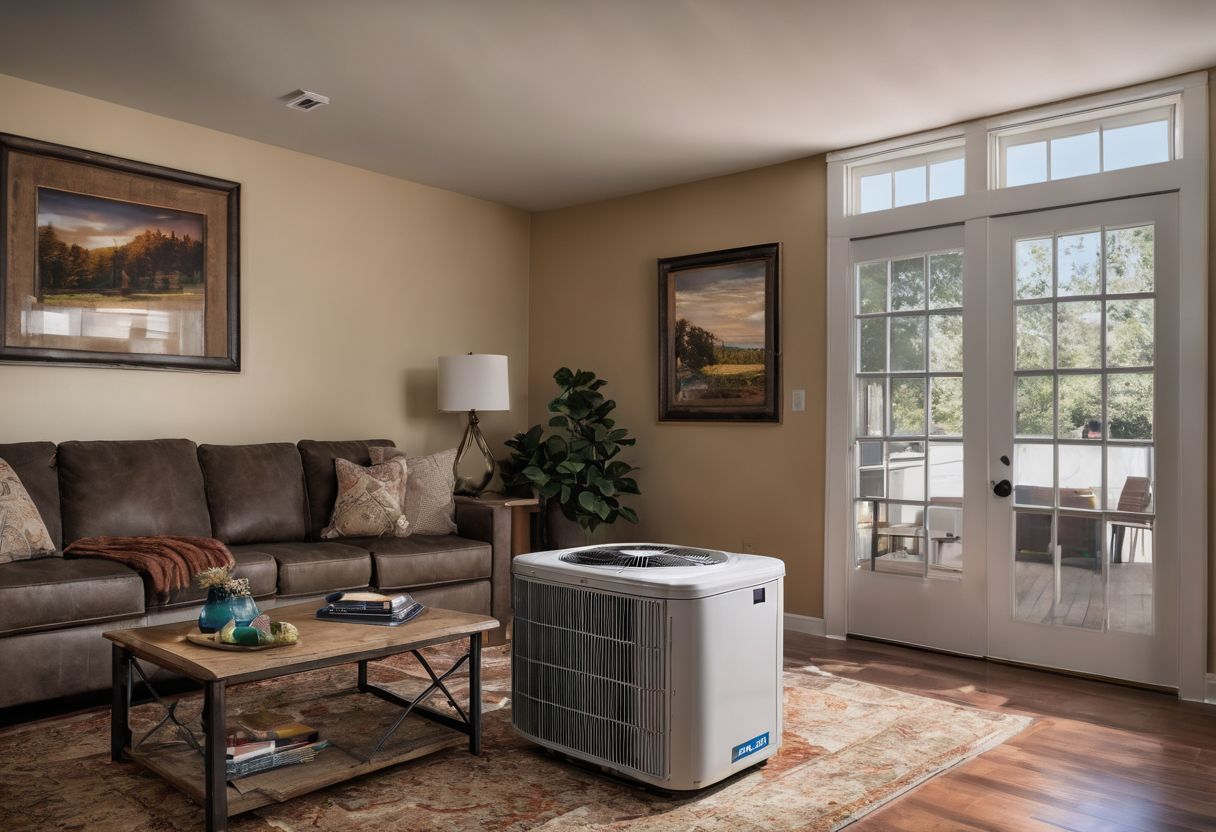
A central home air conditioner has several key parts. The outdoor unit houses the condenser coils and compressor, which release heat from your house to the outside. A fan blows over these coils to help this process.
Inside, you’ll find the air handler with the evaporator coils which cool down the air by removing warmth and moisture as it moves over them.
Air travels through ducting to every room, leaving via supply vents and coming back through return vents for another round of cooling. Refrigerants move between outdoor and indoor units carrying heat away from your home.
A network of electrical components like capacitors keeps everything running smoothly while a thermostat controls how much cold air is needed. Filters clean the air that circulates around your house; they must stay dirt-free for good indoor air quality and efficient system operation.
DIY Troubleshooting Tips for Common AC Problems
Encounter a slump in your air conditioning system’s performance? Equip yourself with these DIY ac troubleshooting strategies to identify and potentially resolve the most frequent hiccups afflicting your HVAC unit, ensuring it continues to dehumidify and cool efficiently.
Check Your Thermostat
Make sure your thermostat is set to cool. Sometimes, people forget to switch it from heat or turn it off completely. The temperature setting should also be lower than the current room temperature for the AC to kick in.
Check the batteries if your thermostat uses them – weak batteries can lead to issues with settings.
Look at the screen on the thermostat carefully. If it’s blank or flashing, it might mean there’s a problem with power getting to your HVAC unit. This could be as simple as replacing batteries or as complex as an issue with wiring.
Ensure you handle wires and electrical components safely; turn off power if needed and consider contacting a professional if you are unsure how to proceed. Keep your owner’s manual handy for specific instructions on resetting thermostats since each model can be different.
Examine Your Circuit Breaker
Look at your electrical panel if your air conditioner won’t start. The circuit breaker could have tripped, cutting off power to your AC. First, find the switch labeled for the HVAC system and see if it’s in the ‘off’ position or stuck in the middle.
If that’s the case, flip it fully ‘off’ then back to ‘on’. This might fix the problem and get your AC running again.
Use a voltage detector to be safe before you touch any wires or parts inside the electrical panel. Check for live electricity to ensure you don’t hurt yourself. If you’re not comfortable with this step, leave it to a professional electrician or an HVAC technician who knows how to handle such tasks safely.
Always put safety first when working on any part of your home’s power supply.
Clean Your Filters
Dirty air filters can block the flow of cool air and make your AC work too hard. This means less comfort and higher bills. To fix this, turn off your central air conditioning system first.
Then find where the air filter is – usually near the return air duct or blower fan. Take out the old filter gently.
Look for dust or dirt on it. If it’s dirty, you need to clean or replace it with a new one that matches your system’s size and type. Slide in the new or cleaned filter until it fits snugly in place, making sure arrows on the frame point towards the blower motor—this shows which way the air should move through it.
Turn your central A/C back on and feel for better airflow at supply and return vents around your home.
Keeping filters clean is part of routine maintenance that helps save money on energy bills over time by keeping energy efficiency up while stopping mould growth from clogged-up filters spreading spores through your house’s crawlspace
Inspect the Outdoor Unit
Look at the outdoor unit of your air conditioner. This is where heat from inside your home gets sent out. Make sure there’s no dirt, leaves, or other stuff blocking the way. These can stop your AC from working well.
If you find debris, carefully clean it out.
Listen for odd sounds like hissing or jingling coming from this part too. Sounds that are not normal might mean there’s a leak or parts inside are not right. Martin-Jetco Heating and Air Conditioning says if you hear strange noises or feel warm air blowing when it shouldn’t be, tell a professional technician to check it out.
They can safely fix problems with refrigerant leaks and other big issues that may be at work behind these noises and insufficient cooling performance.
Check for Ice Build-up
Ice on your air conditioner can stop it from cooling properly. If you see ice, turn off the AC and let it melt. This might take a few hours. After the ice is gone, check if the filters are dirty or if airflow to your unit is blocked.
Sometimes poor airflow makes parts inside get too cold and freeze.
Make sure to do regular checks for ice on your AC. It’s part of keeping your system running right and avoids big problems later on. If ice keeps showing up, there could be an issue with the refrigerant or other parts like the capacitors that need fixing by a pro.
Demystifying Common Aircon Noises and Troubleshooting Tips
Air conditioners can make different sounds, and it’s good to know what they mean. A hissing noise often comes from a leak in the refrigerant line or if ice builds up on the coils. If you hear this sound, check for ice and turn off your air conditioner to let it melt.
Always clean around your outdoor unit, as leaves and debris can cause a rattling sound when they get caught.
Loud bangs might be telling you something is broken or loose inside the AC. Turn off your system before any parts get hurt more. Open up the casing carefully and look for signs of damage or parts that are not tight.
Call a professional if you find big problems or feel unsure about fixing them yourself.
Remember to keep an eye on maintenance like changing filters and keeping vents open to stop these noises from happening. Regular care helps avoid trouble with your air conditioner and keeps it running well.
When to Call a Professional for AC Repairs
Sometimes your air conditioner has issues you can’t fix yourself. Calling an expert is the best way to solve these problems.
– Call for help if the AC unit does not turn on at all, even after checking the power supply and circuit breaker.
– Contact a professional if you find any refrigerant leaks because they require special handling and equipment to fix.
– Reach out to a technician when weird noises come from your AC; it could be a sign of serious internal trouble.
– Get in touch with a service person if there’s water around your indoor unit to prevent water damage and more costly repairs.
– Ensure you consult someone trained if there are electrical problems like sparking or burning smells, as these can be fire risks.
– Seek assistance when airflow through vents is weak or inconsistent, which may indicate blockages or motor issues that need expert attention.
– If ice builds up on the coils, have a pro look at it; this might mean there’s an issue with airflow or refrigerant levels.
– Book an appointment with a handyman every five years to replace capacitors – doing so will keep important parts like the compressor running smoothly.
– Replace AC contactors regularly; experts suggest getting new ones every five years too.
Remember that some fixes are easy, but others need special tools and knowledge only professionals have!
Conclusion
Fixing your AC can be simple if you know what to do. Remember to clean filters, check the thermostat, and examine the circuit breaker first. Always turn off power before starting any work on your AC.
If you can’t fix it yourself, call a professional to help you out. Keep your air conditioner running well with these tips and stay cool!
Should you find yourself perplexed by the cacophony emanating from your aircon, our comprehensive guide on demystifying common air conditioner noises and troubleshooting tips may provide you with the clarity you need.
FAQs
1. What should I check first if my AC isn’t cooling properly?
First, inspect your air vents to ensure they are not blocked, then look at the condensate drain line for clogs using a wet-dry vacuum, and check if the run capacitor is functioning correctly.
2. How do I clean my AC’s condensate drain line myself?
Turn off your AC power and use a wet-dry vacuum to suck out any blockage from the condensate drain line. After that, flush it with water to clear away remaining debris.
3. Why is preventive maintenance important for my AC unit?
Regular preventive maintenance keeps your system running efficiently by catching problems like dirty filters or worn capacitors before they lead to bigger issues such as poor heat exchange.
4. Can I fix an AC run capacitor on my own?
If you have some DIY skills, you can replace a faulty run capacitor by turning off the power, removing the old one carefully, and installing a new one in its place – but always read instructions specific to your model first.