

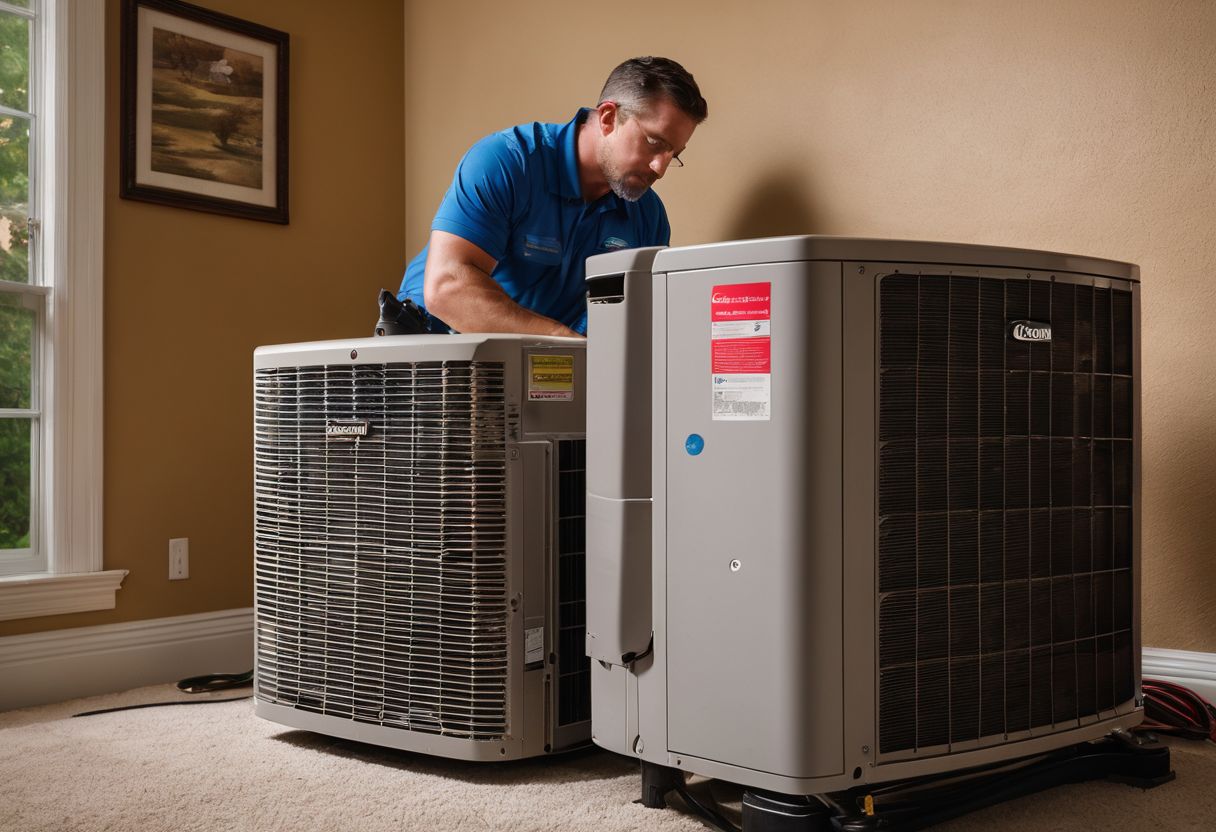
Air conditioners make our homes cool and comfy, but sometimes they start making strange noises. These sounds can be humming, buzzing, or even high-pitched squeals! Each noise can mean something different is wrong with the air con.
For example, a banging sound could suggest there’s a loose part inside.
Experts like George Baral know that some noises might mean your air con has big problems that need fixing right away. He says it’s smart to ask a technician for help if you’re not sure what the noise means.
In Pennsylvania, WM Henderson fixes air cons and knows just what those weird sounds are saying.
Today’s air cons are built to run quietly thanks to special motors. But when we hear odd sounds from them, it’s often telling us that something isn’t working as it should be. Things like dirt or leaves stuck in your AC can cause trouble and noises too!
It’s important to keep on top of cleaning things like coils in your air con and making sure nothing is leaking out stuff called refrigerant—it helps keep the cold coming but isn’t good for nature if it gets out everywhere.
Let’s explore these common air conditioner noises together and figure out how we can fix them! Keep reading for handy tips on how to get rid of those pesky sounds from your cooling friend at home.
Understanding the Common Air Conditioner Noises
Air conditioners are marvels of modern engineering, but when they start producing unusual sounds, it’s important to pay attention. These noises can range from a benign hum that indicates normal operation, to more alarming signals such as squeals or rattles which could suggest underlying issues within your system.
Humming
Humming sounds in your air conditioning system can be a sign that something is not right. Often, it means fan blades are unbalanced or there’s trouble with the outdoor motor. Dirt on the condenser coil might also cause humming and should be cleaned to fix it.
Another serious issue linked to this noise could be refrigerant leaks which need professional attention quickly to prevent damage.
If you hear humming from your aircon, check these parts first. Make sure everything inside is tight and secure because loose parts can vibrate and hum. Don’t wait too long to solve this problem as it may get worse over time and cost more money.
Rattling and Popping
Your air conditioner might make rattling or popping sounds sometimes. This can happen if things like sticks, leaves, or loose screws are in the unit. If you hear these noises, it’s good to check and clean your AC.
You can use a vacuum cleaner to pull out dirt that’s stuck inside. It’s smart to fix these rattling sounds quickly because they could be signs of bigger problems.
If cleaning doesn’t stop the noise, something inside might be broken or worn out. Loose parts can move around and bump against other pieces in your AC which makes a lot of noise. Your expansion valve could also make popping sounds when it starts working hard for heating and cooling your home.
Always ask a professional to help if you’re not sure how to fix these issues safely on your own.
High-Pitched Squealing
High-pitched squealing from an air conditioner can signal a big problem. It often means the fan blades or motors are not working right. If you hear this noise, it could also point to pressure issues inside your aircon.
This is serious and needs quick help from experts.
Fixing a squeal starts with checking the fan belt and oiling any moving parts that seem dry. Sometimes, worn-out bearings in the fan motor can cause this loud sound too. Changing these parts early helps prevent more damage to your system.
Whirring
Whirring sounds from your air conditioner can grab your attention. They may mean the fan or motor is working hard inside the unit. If you hear this noise, check for any loose parts.
Sometimes, things like the fan blade get a bit wobbly and make a whirr as they spin.
To fix a whirring sound, turn off your aircon first. You wouldn’t want to hurt yourself. Look at the fan blades and other parts that move. Tighten anything that’s not snug. Your user manual can help you find these parts in your heating and air conditioning system.
If everything seems tight but there’s still noise, it might be time to call in an expert who knows about HVAC systems to take a look.
Buzzing
Buzzing sounds from an air conditioner can mean something’s wrong. Often, it tells you that your HVAC unit needs a look from a pro. The noise happens because parts inside might be loose or the electrical bits aren’t working right.
Sometimes ice forms on the coils, and this causes a buzz too.
Fixing these problems fast is smart to keep your system running well. Loose parts can get worse over time, so tightening them helps a lot. If you hear buzzing, check your manual guide or call someone good at fixing air conditioners like WM Henderson in Pennsylvania for help.
They know how to stop the noise and make sure everything is safe and sound.
Tips for Troubleshooting Noisy Air Conditioners
For homeowners and maintenance personnel alike, understanding how to troubleshoot a noisy air conditioner is crucial. Our focused guidance breaks down the steps to diagnose and address the cacophony of sounds that can emanate from your unit, ensuring the restoration of peace and optimal functionality to your air-conditioning system.
Identifying Loose Parts
- Listen for strange sounds like buzzing or humming. These might tell you something inside isn’t tight.
- Check the access panels. Make sure they’re screwed on properly.
- Inspect the mounting bolts that hold your unit in place. Tighten any that are loose.
- Look at the fan blades inside. If they wobble or hit other parts, they might need tightening or replacing.
- Examine the pipes and connectors. See if any have shaken loose over time.
- Use a torch to peer into vents and ducts. You’re searching for anything that’s come unfastened.
- Feel around the air conditioner while it’s off. Parts that move too much may be loose.
Cleaning Dirty Coils
Dirty coils in an air conditioner can make it noisy and less effective. It’s wise to clean them to keep your home cool and quiet.
- Turn off the air conditioning unit before you start. This keeps you safe while cleaning.
- Carefully remove the cover or panel to reach the evaporator coil. You may need a screwdriver for this step.
- Use a soft brush to gently dust off the coil. Do this without bending any of the delicate fins.
- Spray the coil with a special coil cleaner. Follow the instructions on the bottle for best results.
- Leave the cleaner on for as long as recommended before rinsing it with water.
- If water is used, ensure none gets into electrical parts. This could damage your unit or be dangerous.
- After rinsing, let the coil dry completely before putting everything back together.
Addressing Refrigerant Leaks
Refrigerant leaks can weaken your air conditioning’s cool power. Fixing these leaks is key to a healthy, eco-friendly system.
- Spot the leak: Search for signs of hissing sounds or ice on the air conditioner pipes.
- Turn off the unit: Make sure to turn off your air conditioner before any checks.
- Call a pro: Get help from a trained technician to fix the refrigerant leaks safely.
- Seal it right: The tech should use quality materials to patch up any holes or breaks in the pipes.
- Test after repair: Once fixed, the technician must check if the repair holds up under normal operation.
- Regular checks: Set dates for routine maintenance to catch and stop leaks early on.
Removing Stuck Debris
Stuck debris in your air conditioner can cause strange noises. It’s important to remove this clutter to keep your system working right.
- Turn off the air conditioner. Always cut power to your unit before starting any work.
- Open up the access panel. Use a screwdriver if needed to remove screws or bolts.
- Look for visible debris in the air ducts and near the fan blades. Common culprits are leaves, twigs, and dirt.
- Carefully take out any debris you find. You might need gloves or tools, like pliers or tweezers.
- Check the air filter for blockages. A clogged filter can trap more debris. If dirty, replace it with a clean one.
- Inspect the outdoor unit too. It’s also prone to getting bits of rubbish stuck in it.
- Clear away plants and other materials from around the exterior unit. This helps prevent future debris build-up.
- Give everything a good look – over once more before closing the access panel. Make sure nothing is left behind that could cause a problem later.
- Restore power to your air conditioner and turn it on to see if the noises have stopped.
Dealing with Issues in the Outdoor Unit
Your air conditioner’s outdoor unit can face several issues. These problems can cause odd sounds and affect how your air conditioner works.
- Check for loose parts. Screws and bolts can get loose over time. Tighten them if they rattle or cause vibrations.
- Clean around the unit. Leaves and dirt can block your air conditioner. This makes it hard to move air and cool your home.
- Listen for a buzzing noise. This could mean there’s an electrical problem. A professional should fix this safely.
- Inspect the fan blades. Make sure they’re not damaged or stuck on something.
- Look at the condenser coils. If they’re dirty, they won’t cool the air well. You may need to clean them or call someone to help.
- Make sure refrigerant levels are right. Too little refrigerant can make a hissing sound and stop your system from cooling properly.
- Test the compressor’s pressure levels using pressure washer techniques if you have the correct tools and knowledge, otherwise seek help from a professional for safety reasons.
- Examine rubber seals like o – ringed connections for damage which could lead to leaks or inefficient heat exchange.
Understanding Aircon Water Leaks: Causes and Solutions
Aircon water leaks can worry you. They often mean that something is not right in the system. One common reason for these leaks is a blocked drain pipe. The pipe takes water from your air conditioner outside.
If it’s clogged with dirt, the water can’t flow out and starts to spill indoors. Another cause could be a broken pump, which usually moves the collected water to the drain pipe.
Fixing a blocked drain is simple; clean it out regularly to stop dirt from building up. If there’s damage or faults with your pump, you may need help from an expert who knows about air conditioning systems so they can either fix or replace it.
It’s also good to check if the installation was done correctly since bad setup might lead to leakages too. Keep in mind that regular service of your unit helps prevent these issues, including both half-year cleans and yearly chemical washes or overhauls as needed.
Conclusion
Air conditioners can make strange noises that are signs of trouble. We’ve learned how to figure out what different sounds mean, like humming and squealing. These tips help fix problems fast and without much fuss.
They keep your home safe and comfy. Remember, if you hear weird noises from your AC, don’t wait—check it or call a pro! Fixing things early can save time and money in the long run.
FAQs
1. What could a squealing noise from my air conditioner mean?
A squealing noise often indicates a problem with the ventilation system, such as loose or worn belts in central air conditioning units.
2. Why is my aircon making a clanking sound?
Clanking sounds may come from the ductwork and can suggest that parts within your automatic climate control like valves or dampers need attention.
3. Is it normal for my air conditioner to make a hissing noise?
Hissing noises might be due to leaks in your cooling system’s heat-exchange components, such as compression joints in refrigerators or central air conditioners.
4. Should I worry if there’s a bubbling sound coming from my heating and ventilation unit?
Bubbling sounds typically point to liquid-related issues within the system, like trapped air in coolant lines near the radiator or heater core of your climate control setup.
5. Can an unusual humming noise be serious in an HVAC system?
A persistent humming sound may signal problems with an accelerator component called a swash plate inside scroll compressors, which demands basic troubleshooting or professional inspection.
6. What does it mean if my furnace makes loud bangs when starting up?
Loud banging from furnaces upon start-up usually means that dampeners designed for managing airflow are not operating smoothly, requiring quick checks on expansion joints and related parts.