

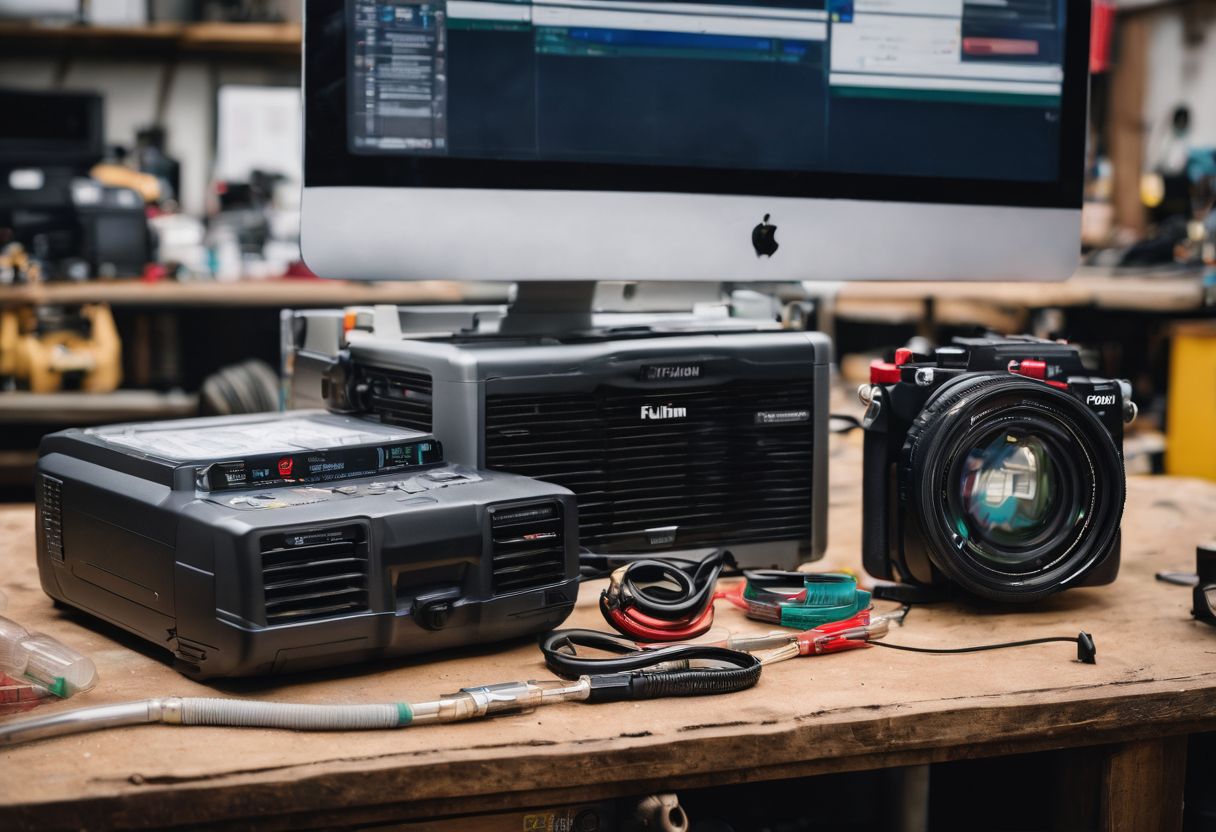
Aircon troubleshooting is like being a detective for heating, ventilation, and air conditioning (HVAC) systems. It’s all about figuring out what’s wrong with an air conditioner when it’s not working right.
For HVAC technicians at Althoff Industries, this means using some very helpful tools every time they’re called for service. They use things like digital gauges to measure pressure and temperature probes to check how hot or cold something is.
Also, there are meters that can test electrical parts to see if they’re okay.
These experts have even more cool gadgets to find problems quickly. Things like thermal cameras show where it might be too hot or cold due to an AC issue, without having to cut holes in walls or ceilings! And with smart glasses on their eyes, they can see extra information that helps them understand why the aircon isn’t happy.
When fixing air conditioners, safety is super important too. That’s why wearing gloves and special goggles matters as much as tools that sniff out dangerous gas leaks.
Althoff Industries’ pros work step by step through a checklist. They chat with customers about what’s going wrong; make sure wires are safe; check if air moves well through vents; and see if the thermostat tells the truth about the temperature.
Now you know just a bit of what these tech wizards do with their toolbox of tricks—read on for all their secrets! Keep reading—it’ll be cool!
The Role of HVAC Technicians in Aircon Troubleshooting
HVAC technicians are like detectives for your air conditioner. They figure out why it’s not working right. These experts use their knowledge of heating, ventilation, and air conditioning systems to fix problems so that your home stays cool and comfortable.
They check the whole system, from the big parts outside to the small bits inside your house.
These skilled workers also make sure everything is safe. They look for switches that might have turned off and stop power going to important parts of the air conditioner. This keeps you and your family safe while making sure the machine uses less electricity and works well for a long time.
HVAC technicians take care of both fixing things now and stopping problems in the future.
Basic Tools for HVAC Technicians
The arsenal of an HVAC technician is incomplete without a selection of indispensable instruments designed to pinpoint issues within air conditioning systems. These basic tools serve as the foundation for accurate diagnostics and effective repair, ensuring system performance is restored efficiently.
Manifold Gauges
Manifold gauges are a must-have for HVAC pros. They let technicians check the pressure in aircon systems and make sure it’s just right. With these tools, you can see the saturated temperature for different coolants.
That helps figure out if everything is running smoothly.
These gadgets also help ensure that air moves properly through ducts and that gas pressure is good for heaters and other equipment. Digital manifold gauges are even handier, giving temperature and pressure info on screens or smartphones, making diagnosis fast and smart.
Temperature Probe or Clamp
Temperature probes or clamps are key to checking important numbers in an AC system. They find out the superheat and subcooling values, which tell if the system is working right. You need these tools to make sure refrigerants work as they should inside the coils.
HVAC professionals use digital gauges with temperature readings that show up on screens or through apps. This helps them get clear data quickly. These tools are smart and help HVAC experts fix air conditioners well.
Multi Meter
A multi meter is a mighty tool in an HVAC technician’s kit. It can check many things like AC/DC voltage, how much electric current is flowing (amp draw), and if parts have good electrical paths (resistance).
This tool also measures how well capacitors work and tests flame sensors with DC microamps. All these checks help find problems with aircon units.
HVAC experts use the multi meter to make sure everything in an air conditioner is working right. Before they start fixing things, they check the equipment’s order of operation. The multi meter helps them to spot trouble early on.
This saves time and makes repair work go smoothly.
Advanced Diagnostic Tools for HVAC Technicians
Advanced diagnostic tools are paramount for HVAC technicians seeking to pinpoint and resolve complex system issues with precision, heralding a new era in maintaining optimal performance of air conditioning units—discover the transformative impact of these instruments on the industry.
Dual Port Manometer
A dual port manometer is a tool that HVAC technicians use to measure gas and air pressures in heating and cooling systems. It checks the difference in pressure across filters, coils, and ductwork.
This helps make sure the furnace blows air right and the equipment gets the correct amount of gas.
Technicians need good skills and patience when using this device. They follow a checklist to help them work out what might be wrong with an HVAC system. To get accurate readings from a dual port manometer, it’s important that they understand how parts of the system should work together and know how to read wiring diagrams well.
This tool can really help fix problems with refrigeration or heating systems when used by someone who knows what they’re doing.
Electronic Refrigerant Leak Detector
HVAC technicians often use an electronic refrigerant leak detector. This tool helps them find leaks in aircon systems fast. Leaks can cause systems to work harder and use more energy.
Finding and fixing these leaks keeps the aircon running well.
The electronic refrigerant leak detector is a key tool for good aircon repair work. It needs to be used right by trained people. This ensures that they catch any small or big refrigerant leaks before they grow into bigger problems.
Techs rely on this smart device to keep your HVAC system safe and efficient.
Hygrometer
A hygrometer helps technicians check the moisture in the air. This tool is key for finding problems with indoor air quality and making sure that heating, ventilation and air conditioning systems work right.
Knowing how much water vapour is in the air can tell you if a place has too much humidity which can lead to mold or not enough which might irritate your skin or eyes.
HVAC professionals use hygrometers on every service visit to get accurate readings of humidity levels. With this info, they tune systems to make sure the air feels good and helps reduce energy consumption.
Understanding what the numbers mean on a hygrometer makes fixing issues faster so homes stay comfy without wasting power.
High-Tech Tools for HVAC Professionals
In the realm of HVAC, embracing technology equates to enhanced precision and efficiency. High-tech instruments are transforming diagnostics, enabling professionals to swiftly pinpoint issues with unparalleled accuracy.
Thermal imaging cameras
Thermal imaging cameras help HVAC professionals see what can’t be seen with the eyes alone. They show temperature changes in equipment like air conditioners and heaters. This is really useful for spotting problems like leaks or parts that are too hot.
When a part of the system doesn’t look right on the camera, it might mean there’s a fault needing repair.
Using these cameras makes finding issues much quicker. They can spot where heat isn’t moving correctly through pipes or insulation. This means less time guessing and more time fixing things right away.
Thermal imaging helps make sure your heating and cooling systems work well and use less power, which saves money on bills.
Wireless refrigerant leak detectors
Wireless refrigerant leak detectors are smart tools that HVAC technicians at Althoff Industries use every day. They help find leaks in air conditioning systems quickly and without wires getting in the way.
This is good for the environment because it makes fixing leaks faster, so less gas escapes into the air.
These devices are very important for keeping equipment safe and working well. The techs at Althoff get special training to be really good at using these wireless detectors. They can move around easily and check different parts of an AC system without having to connect any cables, making their job more efficient and precise.
Augmented reality (AR) glasses
Augmented reality glasses are cutting-edge tools in the HVAC industry. They let technicians see real-time data and images to help fix aircon systems. These smart glasses improve understanding of how different parts work together.
Techs at Althoff Industries use them for better service calls.
These AR glasses also help with training while on the job. Complex problems become easier to learn about and solve with this technology. It makes fixing things safer and more efficient, too.
HVAC professionals use these high-tech glasses to stay ahead in their field.
Safety Tools for HVAC Technicians
Ensuring the safety of HVAC technicians during aircon troubleshooting is paramount, with a range of tools designed to protect against potential hazards. From robust personal protective equipment that shields against electrical shocks and chemical burns to advanced gas leak detectors that prevent exposure to harmful substances, these instruments are essential for maintaining health and safety standards in the field.
Personal Protective Equipment
Safety comes first for HVAC technicians. They wear personal protective equipment (PPE) to keep safe while fixing air conditioners and heaters. Gloves protect their hands from sharp metal and electrical shocks.
Safety goggles shield their eyes from harmful dust or debris. Sometimes, the air can be bad to breathe when they work on old systems or leaks, so they use masks or respirators.
Althoff Industries makes sure its workers have the right PPE like gloves, goggles, and respirators. This gear helps prevent accidents and injuries at work. It’s really important to train people how to use this safety equipment right so no one gets hurt while doing their job repairing heating and cooling systems.
Gas Leak Detectors
Gas leak detectors play a crucial role for HVAC technicians. They help find leaks in air conditioning and heating systems. If gas leaks are not fixed, they can be dangerous and lead to fires or health problems.
These tools make sure that the gases used to cool or heat spaces do not escape into the air we breathe.
Technicians use these detectors to keep everyone safe. The devices sense even small amounts of leaked gas quickly, alerting the tech so they can fix the problem fast. This helps protect both people and the environment by stopping harmful gases from getting out in places where they shouldn’t be.
Emergency Communication Devices
HVAC technicians at Althoff Industries stay safe with emergency communication devices. These tools let them call for help if they get into danger. They can quickly tell others about gas leaks, electrical issues, or other emergencies.
This helps keep everyone safe.
Emergency devices also mean that tech support is just a button press away. If a technician runs into a tough problem, they can get advice fast. This makes fixing air conditioners quicker and safer too.
It’s like having an expert right there with you all the time.
The Diagnostic Process for Aircon Repair
Delving into the diagnostic process for aircon repair, technicians systematically delve into your unit’s inner workings to pinpoint the malfunction, ensuring that cool comfort is restored efficiently—read on to uncover the intricate steps involved.
System Inspection
System inspection is a key task for HVAC technicians. It helps to find problems and keep air conditioners running well.
- Check the thermostat: Make sure it’s working and set right.
- Look at air filters: Clean or change them if they’re dirty to improve airflow.
- Examine the condenser coils: These should be clean to work well.
- Inspect the compressor: It’s important for cooling and should be in good shape.
- Review electrical connections: Loose wires can cause trouble, so they need checking.
- Test safety controls: They protect the system from damage.
- Study vent pipes: Clear blockages so dangerous gases can leave safely.
- Verify refrigerant levels: Too much or too little affects cooling power.
- Assess ductwork seals: Fix leaks to stop cool air from escaping.
- Examine the fan blades: Damaged blades can reduce system efficiency.
Testing Electrical Components
Testing electrical components is a key step in fixing aircon issues. HVAC technicians use special tools to check these parts.
- Turn off the power to ensure safety before starting any work on the HVAC equipment.
- Use a digital multimeter to measure voltage and resistance. This helps find problems with wires or parts that use electricity.
- Check the circuits and contacts for wear and damage using voltage testers. These are signs that parts might need replacing.
- Look at the contactors, which turn the aircon on and off. If they are stuck or burnt, they can’t do their job right.
- Inspect capacitors, which help motors start and run smoothly. A faulty capacitor could mean the motor won’t start.
- Test fan motors with a multimeter to see if they’re working as expected. Fans keep air moving through your system.
- Review electrical connections, like screws and bolts, making sure they are tight and secure. Loose ones can cause trouble.
- Examine thermostats for correct function. Wrong settings or broken thermostats lead to cooling issues.
- Confirm that switches, such as those for turning the unit on or off, work correctly. They should not stick or be hard to move.
- Lastly, look at wires for any sign of overheating or damage. Discolored or melted wires can point to serious problems.
Airflow Assessment
Airflow is key to a well-working aircon system. A good airflow means your system works less and lasts longer.
- Look at the air filters. Dirty or clogged filters block air and make the system work too hard.
- Check the ducts for leaks or blocks. Holes or bad connections in ducts let air escape and waste energy.
- Use an anemometer to measure how fast air moves through vents. This tells if there’s enough air coming out.
- Inspect the evaporator coil in the indoor unit. If it’s dirty, it can lower airflow and cooling power.
- Observe the blower fan for dust and damage. A clean, well – running fan moves air better.
- Test all vents with a flow hood to see how much air each one lets out.
- Examine any dampers in the ductwork. Dampers control how much air goes where, so they must be set right.
Thermostat Assessment
Checking the thermostat is key in any aircon troubleshooting task. It ensures that temperature controls are working right and the system responds correctly.
- Look at the thermostat: Make sure it’s not turned off or set to heat by accident.
- Check its power: The thermostat needs batteries or a power source to work. See if these need changing or are plugged in well.
- Test the settings: Change the temperature up and down. Listen for the aircon to start.
- Examine wires and connections: Sometimes wires can come loose or get dirty. Fixing these might solve the problem.
- Clean it out: Dust can mess with how the thermostat works. Open it carefully and clean it with a soft brush.
- Match room temp to display: Use a separate thermometer to see if your room’s real temperature matches what the thermostat shows.
- Test response time: Change settings and time how long it takes for the aircon to react. Long delays can signal an issue.
- Smart thermostats need checks too: If you have a high-tech one, make sure software is up-to-date, and check Wi-Fi connection since they often use home internet.
Troubleshooting AC Cooling Problems: A DIY Guide
Fixing an aircon that’s not cooling can be tricky. You might be able to sort some problems yourself before calling a pro.
- Check the thermostat: Make sure it’s set to “cool” and the temperature is lower than the current room temperature.
- Inspect air filters: Dirty filters block airflow. Clean or replace them if they look clogged.
- Look at circuit breakers: Sometimes, the AC’s breaker flips off. Flip it back on if that’s the case.
- Examine the outdoor unit: Remove any leaves or debris that might be stopping the fans from turning smoothly.
- Feel for air flow: Put your hand near a vent to see if cool air is coming out.
- Listen for unusual noises: Strange sounds from your AC could mean something inside isn’t working right.
- Clean around indoor vents: Dust and dirt can block vents too. Wipe them down to help air move better.
- Search for ice build-up: Ice on your coils means there might be an issue with airflow or refrigerant levels.
- Test different modes: Switch your AC through its modes to check if cooling improves in any other setting.
Conclusion
Aircon problems can be tough, but with the right tools, they’re easier to fix. Good gear like gauges and leak detectors make a big difference. They help pros get aircons working well again fast.
If you want to learn more or get better at fixing aircons, look for more info and tips out there. Remember, having the best tools helps you do great work on any aircon job!
If you’re feeling confident and would like to tackle some common aircon issues yourself, peruse our handy DIY guide for troubleshooting AC cooling problems.
FAQs
1. What tools do I need for aircon troubleshooting?
You will need several tools, including a combustion analyser, a refrigerant recovery machine, adjustable spanners, and a vacuum pump to check various parts of your air-conditioning system.
2. How does an infrared camera help in HVAC troubleshooting?
An infrared camera can spot heat-related problems in the system by showing temperature changes in ductwork and around the air handler.
3. Why is a thermal camera useful for finding issues in my heating and refrigeration systems?
A thermal camera uses infrared sensors to see where heat exchange may not be happening properly which can point out energy efficiency problems or areas of incomplete combustion.
4. Can I use simple hand tools like screwdrivers for fixing my air conditioner?
Yes, basic tools like screwdrivers and utility knives are vital for opening panels or cutting materials when working on HVAC systems.
5. Should I consider using environmentally friendly gear when fixing my AC unit?
Definitely! Not only should you use personal protective equipment to stay safe but also choose environmentally friendly methods like proper refrigerant handling with recovery machines that reduce harmful emissions.
6. Do all air conditioning engineers use thermocouples during diagnostics?
Many professionals who specialise in heating and air conditioning utilise thermocouples since they’re important for measuring differential pressure and temperatures within furnaces.