

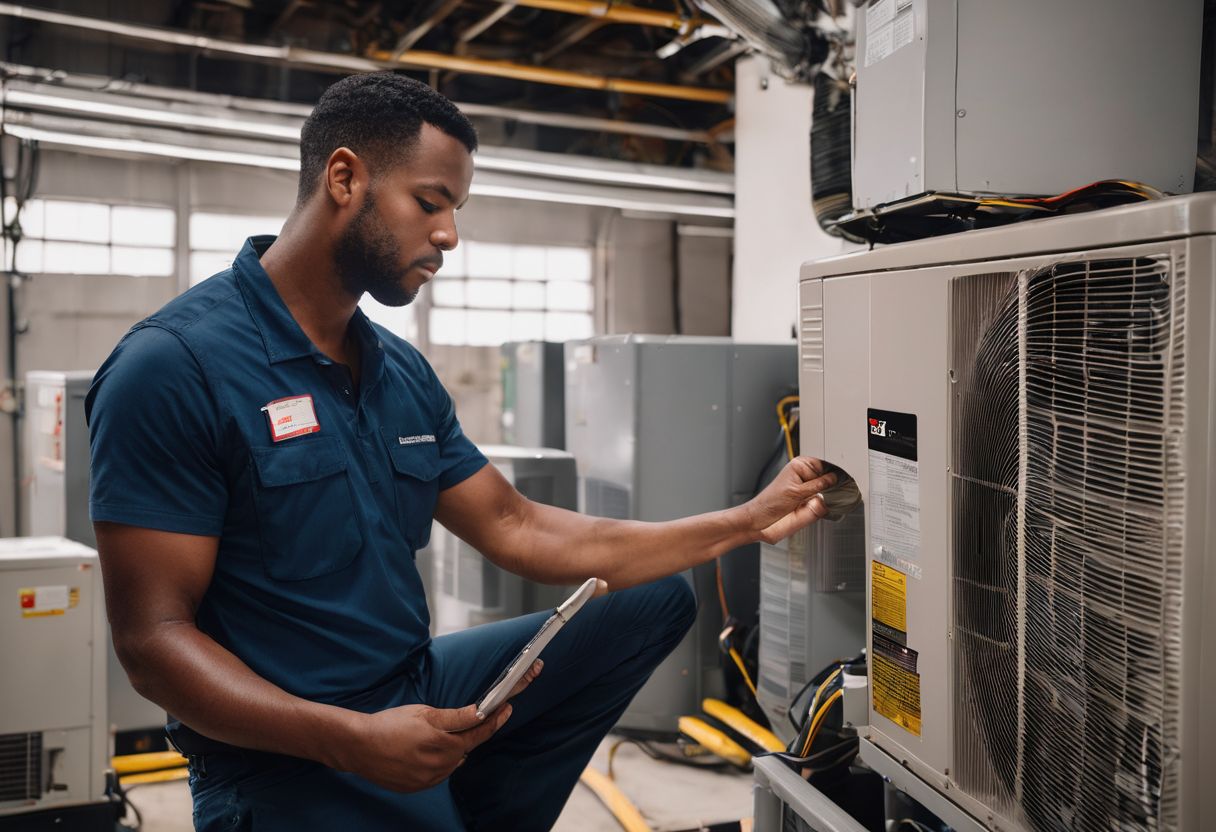
Air conditioners are machines that make our houses cool. In the United States, almost every home has one. But sometimes these machines can have problems like leaks or dirty parts that stop them from working right.
Imagine a water leak in your house from the air conditioner or it not cooling enough because something is wrong inside it.
Knowing about common issues with air conditioners and how to fix them is important. For example, if you find water on the floor near your AC, it might be because of a clog or broken part.
Or if the air isn’t cold, there might not be enough refrigerant gas due to a leak. Making sure filters are clean and parts like compressors and coils are checked can help avoid these troubles.
Experts tell us we should check our AC each year so it works well and does not use too much power or make us sick from bad air coming out of it. This article will talk about these problems more and show how to keep an air conditioner happy so it keeps you cool without any fuss.
Let’s discover how we can do this together!
Common Air Conditioner Problems and Their Solutions
Encountering issues with your air conditioning unit can be a frustration best avoided. This section delves into practical solutions for typical setbacks, ensuring your cooling system operates smoothly and efficiently.
Water Leak (Indoors and Outdoors)
Water leaks in your home from an air conditioner can be a real trouble. If you see water inside, it might mean the condensate drain is blocked or the pump that moves the water is broken.
It’s not good when this happens because it can harm your walls or carpets. To fix it, clean out the blockage with a vacuum cleaner or check if the pump needs replacing.
Outside your house, you might find puddles under your air conditioning unit’s compressor. This could happen for many reasons like a dry air filter, cracks in the condensate pan, a bad seal, or maybe someone didn’t install the AC right.
Check these parts to see what’s wrong and replace them if they’re broken to stop water from leaking again.
AC Refrigerant Leak
Your air conditioner might not cool your room well if it has a refrigerant leak. This problem can also be bad for the environment and your health. Fixing a leak may involve adding more refrigerant or replacing the pipes that carry it.
If you notice that your AC isn’t cooling like before, this could be why.
To handle these leaks, get help from an HVAC professional. They can find and fix the leaks using special tools. It’s important not to try fixing this yourself because the chemicals are dangerous.
After the repair, your air conditioner should work much better and use less power.
Dirty AC Filter
A dirty air filter in your air conditioner can cause trouble. If the filter gets too clogged, it stops the air from flowing well. This makes your AC work much harder than it needs to, which can make your energy bills go up and wear out parts of the system faster.
Experts say you should clean or get a new filter every few weeks or months when you are using your AC a lot.
Keeping filters clean is key for good indoor air quality and keeping energy use low. It also means that cool air can move easily through ducts and into your home. Check filters often, especially if you have pets or lots of dust around.
If they look dirty, either wash them if they’re reusable or replace them with new ones to help your AC run smoothly and keep cooling costs down.
Damaged Compressor
Your air conditioner’s compressor plays a key role in cooling your home. It works hard to pump refrigerant through the system, helping to keep everything cool and comfortable. If this part gets damaged, your AC may stop working right or not turn on at all.
You might hear strange noises or notice that the air isn’t as cold as it should be.
To fix a broken compressor, you’ll need to find out what’s wrong with it. Sometimes, it can be repaired but other times you might need to put in a new one. This is a big job and usually means calling an expert for help.
They have the tools and know-how to get your AC running smoothly again. Remember that handling compressors is complex and often requires professional skills and safety measures.
Frozen Evaporator Coil
A frozen evaporator coil can cause your air conditioner to stop cooling. This happens if there is not enough airflow or if the refrigerant levels are too low. Make sure vents and ducts are clear so air can move freely.
Dirty filters can block the air, so check and change them regularly.
If you see ice on the coil, turn off the AC and let it melt fully before turning it back on. This will help avoid more damage. It’s also smart to check for refrigerant leaks because they can make coils freeze over time.
If needed, call a professional to fix leaks and refill coolant to keep your system running smoothly.
Essential Diagnostic Tools for Successful Aircon Troubleshooting
To fix an aircon well, you need the right tools. These make it easy to find problems and get your air conditioning system working again.
- A multimeter is a must – have tool. It measures voltage, current, and resistance. You can use it to check if parts like capacitors are working.
- Pressure gauges help you know if the refrigerant charge is right. Too much or too little refrigerant can cause trouble.
- Anemometers measure air flow coming from your AC. They tell you if the air is moving as it should.
- Refrigerant leak detectors spot leaks in your system. Fixing leaks keeps your AC running properly and prevents harm to the environment.
- Insulation resistance testers check for issues with wiring that could lead to bigger problems. Safe wires mean a safe home.
- A thermometer checks how cold the air is. It can tell if the air conditioner cools correctly.
- Clamp meters can measure how much electricity parts of your AC use without needing to cut wires
How to Prevent Air Conditioner Problems
Ensuring the smooth operation of your air conditioner hinges on proactive measures and awareness. Dive into strategies designed to avert issues before they escalate, safeguarding both your comfort and your unit’s longevity.
Regular Maintenance and Cleaning
Regular maintenance and cleaning are key to keeping your air conditioner working well. This helps prevent big problems and makes the unit last longer.
- Check and clean your air filters every month. A dirty filter makes your AC work too hard, which can lead to trouble.
- Clear leaves and debris away from the outdoor unit. This lets air flow freely and keeps the system cool.
- Clean dust off the vents inside your home. This helps clean air move through your rooms.
- Look for water where it shouldn’t be around your indoor unit. Water spots can mean there’s a block or leak somewhere.
- Listen for odd sounds from the AC. Strange noises might mean parts inside are worn out or broken.
- Use a soft brush to gently clean the fins on the outdoor unit. Bent or dirty fins can stop good airflow.
- Make sure there is enough space around the outdoor unit. Plants and other things should not block it.
- Schedule a pro to do a tune – up once a year. They’ll check everything is okay before it gets too hot or cold.
Checking Refrigerant Levels
Your air conditioner needs the right amount of refrigerant to cool your home well. Low levels can cause problems and harm health.
- Look for the AC unit’s service port. This is where a pro can check the level.
- Watch for signs of low refrigerant, like ice on coils or a hissing noise.
- Get a HVAC professional to fix any leaks. They will find and seal them up.
- The pro will fill up the refrigerant to the correct level. Your AC has a specific amount it needs.
- Keep track of maintenance dates and when refrigerants were last checked or filled up.
- Stay away from checking refrigerant yourself; it’s dangerous. Always call an expert.
Replacing Dirty Filters
- Turn off your air conditioning unit. Safety comes first, so switch off the power.
- Find the filter location. It might be behind a panel or in a slot on the side of the unit.
- Slide out the old filter. Pull it gently from its place.
- Check the size and type. Make sure you get a new filter that matches.
- Insert the new filter. Make sure it fits snugly without any gaps.
- Look at the airflow direction marked on the filter. It should point towards the inside of the aircon unit.
- Turn your AC back on. With clean filters, it will run more efficiently.
Ensuring Proper Installation
Installing your air conditioner the right way is key to keeping it running smoothly. A correct setup helps avoid many common problems with air conditioning units.
- Choose the right spot: Pick a place where airflow won’t be blocked. Keep it away from heat sources and out of direct sunlight.
- Make sure there’s space: Your air conditioner needs room around it. This helps air to move freely and the unit to work well.
- Get the angle right: If installing a window unit, it should have a slight tilt towards outside. This lets water drain away properly.
- Secure the unit firmly: The air conditioner must sit stable in its spot. This stops vibrations and damage over time.
- Check for good insulation: Proper insulation stops cool air from leaking out. It means your room stays cooler using less energy.
- Connect pipes and wires safely: All wiring and pipes need secure connections. This prevents leaks or electrical problems.
- Test the airflow: Once installed, check that air flows evenly throughout the space. No spots should get too much or too little air.
Regular Inspection of Compressor and Coils
Your air conditioner works hard to keep you cool. Checking the compressor and coils is key to a happy AC.
- Look at the compressor: The compressor is like the heart of your air conditioner. Make sure it’s clean and free from damage.
- Listen for noises: Strange sounds from the compressor can mean trouble. If it’s noisy, a pro should take a look.
- Check coils for ice: The evaporator coil should not have ice on it. If you see frost, turn off your AC and call for help.
- Clean around coils: Keep leaves and dirt away from your outdoor unit’s coils. This helps air flow and keeps your system working well.
- Inspect insulation: Pipes near the coils have insulation to keep them safe. Check if this insulation is still good.
- Watch for leaks: No water or refrigerant should leak from your AC. Spots or puddles may show there’s a leak that needs fixing.
- Test airflow: Feel the air coming from your vents. Weak airflow might mean blocked coils or ducts.
The Impact of Neglected Air Conditioner Issues
Ignoring air conditioner problems doesn’t just lead to a stuffy room; it sets off a chain reaction that can affect your wallet, health, and comfort. Unaddressed issues could transform into significant setbacks that burden both the efficiency of your system and your peace of mind.
Decreased Air Conditioning Efficiency
If your air conditioner doesn’t cool like it used to, it might not be working as well as it should. This means your home won’t stay as cool and comfortable. Dirty filters or blocked ductwork can make the system work harder.
The whole unit struggles and can’t cool the air properly.
Having a less efficient AC also uses more energy. This makes your electricity bills go up because the system keeps running longer to try to keep you cool. Regular tune-ups are important to keep everything working right and save money on bills.
Remember, professional check-ups once a year help stop these problems from getting worse.
Increased Energy Consumption
Air conditioners that are not looked after well might use more power. This means your electricity bills can go up a lot. When an air conditioner has to work harder because it’s been ignored, it uses extra energy.
Keeping your air conditioning system in good shape stops this from happening. It helps you save money and makes sure the system doesn’t use too much power. Check your AC often, clean it, and fix problems right away to avoid big energy bills.
Potential Health Risks
Ignoring problems with your air conditioning can hurt your health. Dust, mold, and other bad stuff can grow if ACs don’t work right or filters are dirty. This makes the air you breathe not good for you.
It might cause breathing trouble or allergies.
Leaky ducts in AC systems spread germs and mold around your home. More water in the air from broken ACs makes more chances for mold to grow. This is bad because it can make people’s breathing worse, especially if they already have asthma or allergies.
Keeping your HVAC unit working well helps stop these risks and keeps the air clean at home.
Conclusion
Remember to keep your air conditioner happy. Look after it with regular cleaning and check-ups. When you care for your AC, it won’t let you down on hot days. It saves money and keeps the air fresh too.
So take a step today for cool, clean breezes tomorrow!
For a deeper understanding of the devices you’ll need, check out our detailed guide on essential diagnostic tools for successful aircon troubleshooting.
FAQs
1. Why is air conditioner maintenance important?
Keeping your air conditioning system in good shape stops common problems like circuit breaker trips and capacitor failure. Regular checks can keep your heating and cooling working smoothly.
2. What should I do if my aircon has wiring issues?
If you suspect your room or central air conditioner has wiring problems, call HVAC professionals right away. They know how to fix these issues safely.
3. How can I prevent mold growth in my air ducts?
To stop mold from growing in your air ducts, clean them often and make sure there’s no leakage where moisture can enter. A dry duct is less likely to have mold.
4. Can energy-saving tips help my central air conditioner run better?
Yes! Using a smart thermostat helps manage your home’s temperature without overworking your heat pump or compression system which saves energy too.
5. What are some signs that my room air conditioner needs fixing?
Signs include strange noises, heat exchange not working well leading to heat exhaustion inside, or water leaks from the unit – these could mean filtration or condensate pumps need checking.