


Air conditioning keeps our houses cool. Now, smart systems are changing the game. A smart HVAC system lets you control your air conditioner using a mobile app. This can help save energy by turning it off when no one is home.
You’ll love talking to your AC with voice commands or even having it turn on as you get close to home! These smart features can cut down your energy bills by up to 30%. Plus, some parts of your house won’t be too hot or too cold anymore.
Smart thermostats learn what temperatures you like and work out the best way to use less power while keeping you comfy. Soon, lots more people will want these clever devices in their homes – about $37.5 million worth between 2018 and 2022! Smart air conditioners are also getting better at saving energy and helping the planet, especially looking towards 2024.
These new systems can tell us if something’s wrong before we need a repair person, which saves time and money. With all this technology, we’re sure to see smarter cooling solutions soon that make life easier and greener for everyone.
Discover how they do all this amazing stuff inside!
What are Smart HVAC Systems?

Smart HVAC systems blend advanced technology with heating, cooling and ventilation. They use sensors and internet connectivity to control the indoor climate. These systems learn your habits and adjust automatically for comfort and energy savings.
You can manage them through smartphones or smart home devices, like Google Home or Amazon Alexa.
They connect to Wi-Fi and offer features such as remote access, smart scheduling, and maintenance alerts. With these systems, you can control temperature zones in your house from anywhere at any time.
Energy efficiency soars because they only work when needed – no wasted heat or air conditioning! Plus, they send updates directly to your phone if something goes wrong.
Difference between Smart HVAC and Traditional Systems

Understanding the distinctions between smart HVAC systems and traditional air conditioning units can help homeowners make informed decisions about their heating and cooling needs. Traditional systems offer basic operations, whereas smart systems incorporate advanced technology for better efficiency and control.
| Feature | Smart HVAC Systems | Traditional Systems |
|---|---|---|
| Control Mechanism | Include sensors and control units that process environmental data for automatic adjustments. | Lack sensors for real-time adjustments, rely on manual temperature setting. |
| Operational Efficiency | Adjust speeds based on ambient conditions, reducing energy use and equipment strain. | Operate at fixed speeds, leading to frequent on/off cycles and higher energy consumption. |
| Connectivity | Offer Wi-Fi connectivity and app control for remote access and geofencing capabilities. | Generally lack connectivity options, limiting control to physical access points. |
| Integration | Seamlessly integrate with smart home devices for holistic house management. | Operate independently of other home systems, requiring separate management. |
| Energy Consumption | Utilise less power, providing immediate savings on utility bills. | Consume more energy, potentially leading to higher utility expenses. |
| Remote Monitoring | Enable monitoring and adjustments while away, preventing energy waste. | Do not support remote monitoring, often running unnecessarily when not needed. |
| Eco-Friendly Operation | Power down when no one is home, saving energy and reducing carbon footprint. | Continue running regardless of occupancy, using more energy and increasing costs. |
| Temperature Consistency | Zoning capabilities allow for even temperatures across different rooms. | May cause temperature variances, resulting in uncomfortable hot or cold spots. |
| User Convenience | Provide app control and voice activation for effortless adjustments. | Require manual adjustments, often less convenient for the user. |
Key Components of a Smart HVAC System

Discover how the intelligent integration of components in a Smart HVAC System revolutionises climate control, inviting you to delve into the intricate world where technology meets comfort.
Smart Thermostats
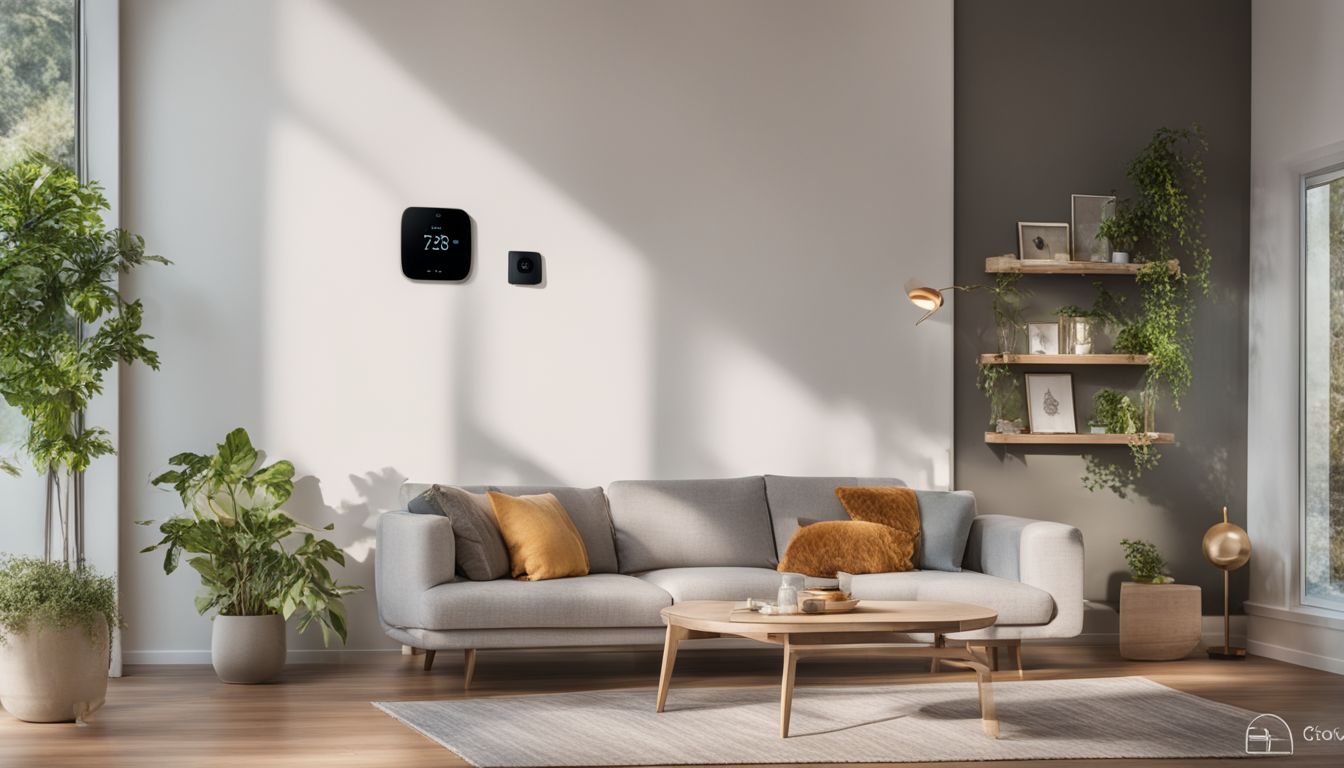
Smart thermostats are at the heart of a smart HVAC system. They learn your routine and adjust heating and cooling automatically. You can save up to 15% on your energy bills with these clever gadgets.
They use advanced algorithms to find the best way to keep your home comfortable while using less power.
Control your thermostat from anywhere using a smartphone app. Change settings easily when you’re away from home or in bed. These devices help make sure you’re not wasting energy when no one is home.
Next, let’s explore how IoT-enabled HVAC equipment works within the smart system setup.
IoT-enabled HVAC Equipment

IoT-enabled HVAC equipment connects to the internet, allowing you to control your heating and cooling systems from anywhere. Using mobile apps on phones or tablets, managing indoor temperature becomes a breeze.
This tech gives you power over your home’s climate even when you’re not there. Sensors in this equipment can tell if no one is home and adjust themselves to save energy.
These smart devices also send maintenance alerts. This way, they let you know before something goes wrong. The next component worth exploring is the HVAC system circuit board, which acts as the brain of these advanced setups.
HVAC System Circuit Board
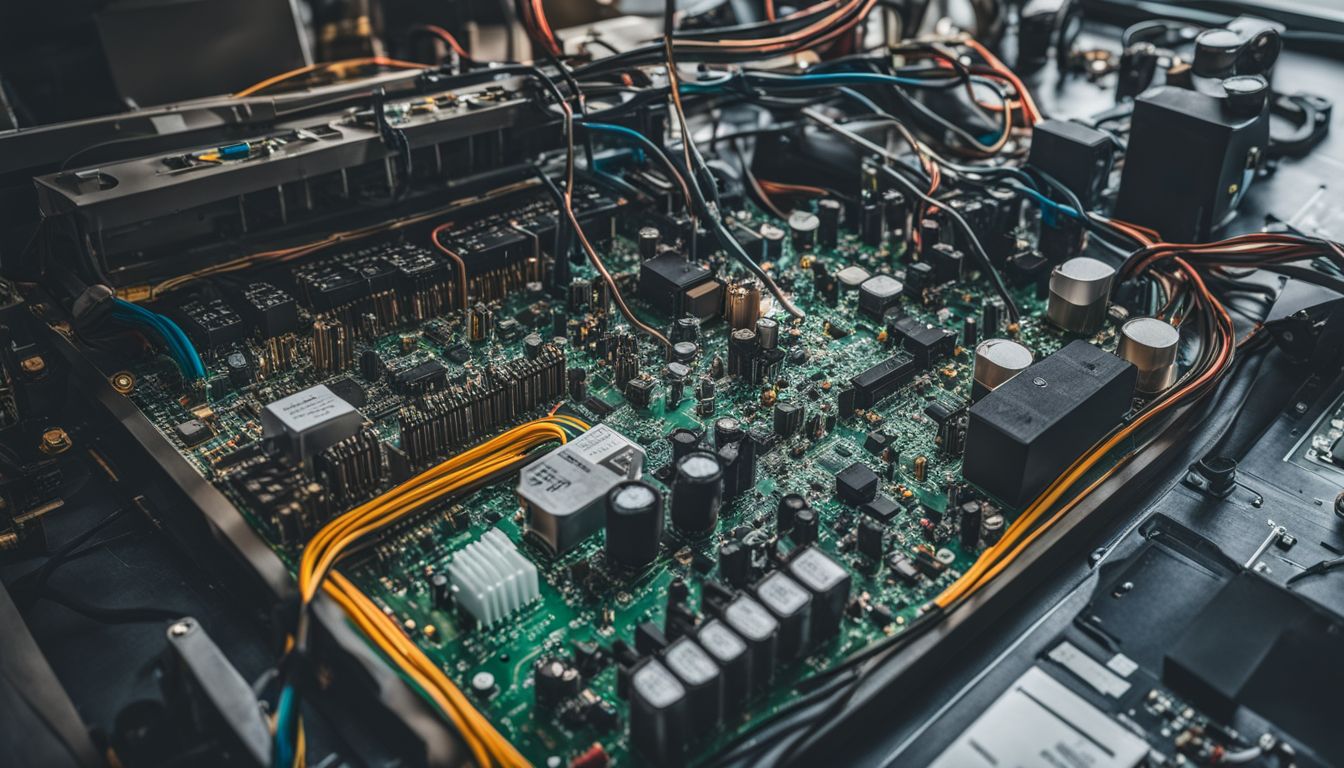
The HVAC system circuit board acts as the brain of your smart heating and cooling setup. It processes information from sensors and manages communication between different parts of the system.
This board enables precise control over indoor temperature, humidity and air quality.
Smart thermostats use this circuit board to make decisions about when to turn on your heater or air conditioner. They adjust settings based on data, like room occupancy or external weather conditions.
The result is a more efficient home with lower energy bills and less strain on your HVAC equipment.
The Role of Smart Systems in Air Conditioning
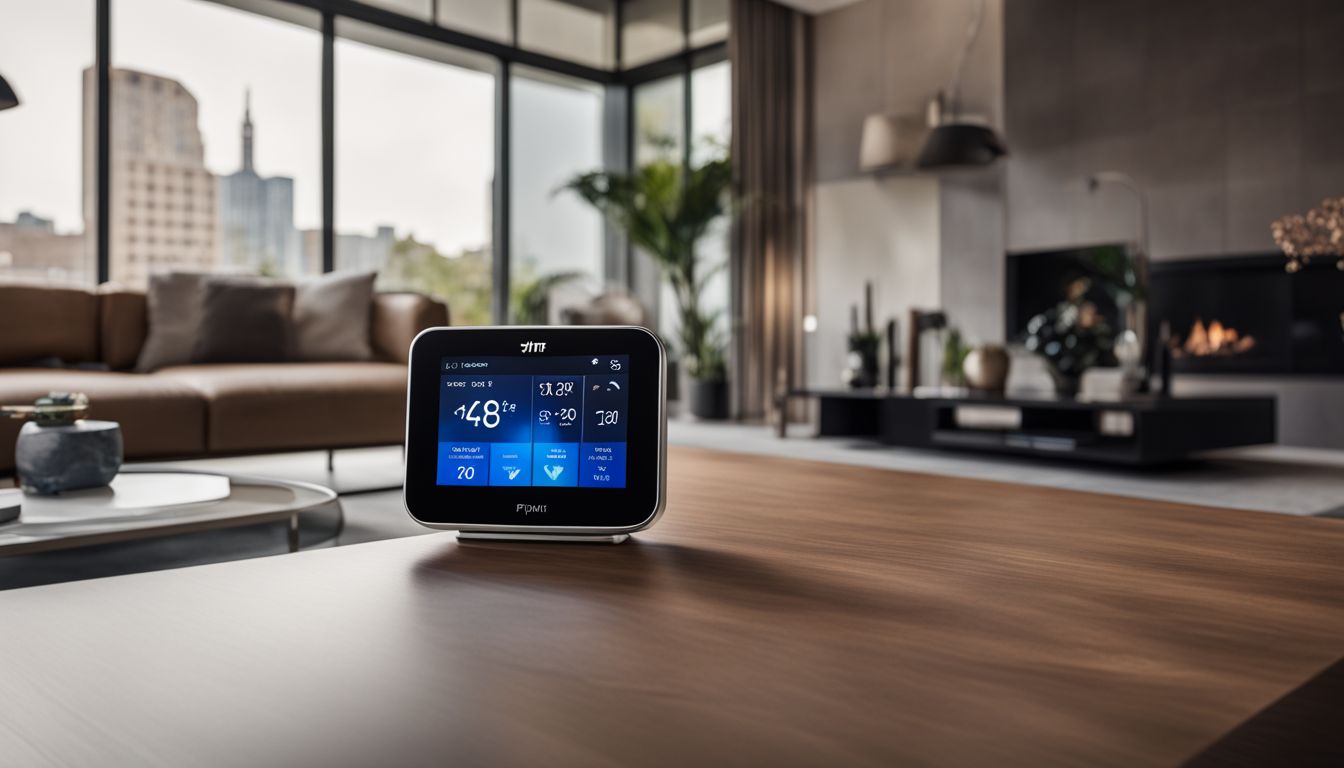
Smart systems are revolutionising air conditioning, transforming how we manage our indoor climates with precision and intelligence. These advanced systems not only streamline comfort but also contribute significantly to energy efficiency, defining the future of environmental control in homes and buildings.
Improved Comfort

Smart HVAC systems take home comfort to the next level. They adjust the indoor environment with precision. You can set different temperatures for each room in your house, creating an ideal space that suits everyone’s needs.
IoT technology means these systems learn from your habits. They make sure your house is always at just the right temperature.
Imagine walking into a cool living room after a hot day outside—the system knew when you’d be home and adjusted itself accordingly. Sensors check if rooms are empty and change settings to save energy without sacrificing comfort.
This level of personalisation ensures that every corner of your home feels just right, all the time.
Energy Saving
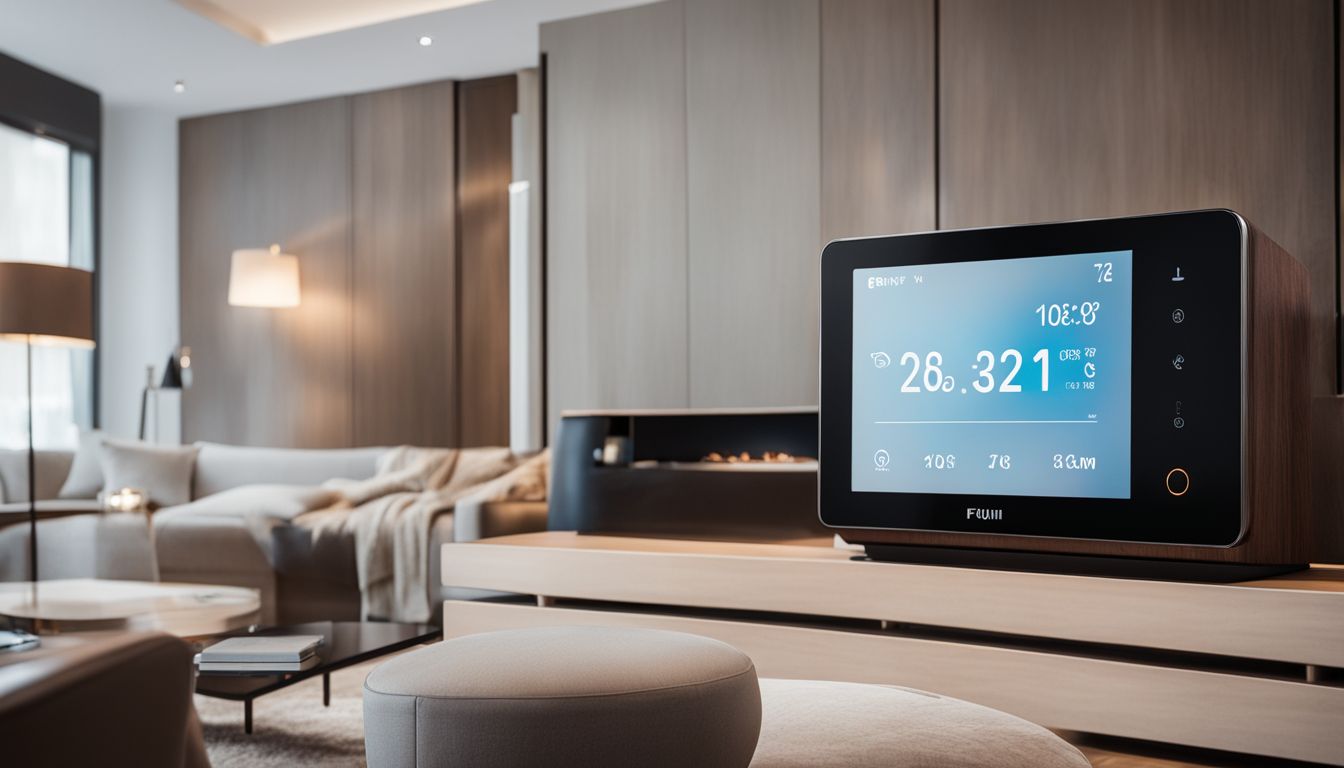
Smart HVAC systems are big energy savers. They use less electricity and gas, which cuts bills every month. These clever systems know when to switch off if no one is home. That means they don’t waste energy heating or cooling empty rooms.
This smart approach can save you between 20% to 30% on your utility costs.
With better control over your heating and cooling, smart HVAC makes sure all parts of the house feel comfortable without using extra power. Less strain on the equipment also leads to it lasting longer, so you keep saving money over time.
Next up, let’s explore how easy access and control make these systems even more user-friendly.
Easy Access and Control
You can control your air conditioner with just a tap on your smartphone. Thanks to Wi-Fi connectivity and mobile apps, adjusting the temperature from anywhere becomes a breeze. Even if you’re not at home, you can make sure everything is cool and comfortable for when you walk in the door.
Voice commands add another level of convenience. Just say the word, and your smart system responds, changing settings without you lifting a finger. With these tools at hand, managing indoor climate has never been simpler or more accessible.
Enhanced Integration with Smart Home Devices
Smart HVAC systems mesh seamlessly with your smart home devices. Control your air conditioner from anywhere using your smartphone or tablet. Speak to virtual assistants like Amazon Alexa or Google Home to adjust the temperature without lifting a finger.
These systems use IoT technology, so they fit right into your network of devices.
Linking heating and cooling with other smart home features creates a streamlined experience. Imagine walking in and having the lights, music, and climate all adjust to suit you perfectly.
This isn’t science fiction; it’s what today’s smart HVAC integration offers for ultimate convenience and comfort at home.
Maintenance Alerts
Your air conditioner is now smart enough to tell you when it needs a check-up. With maintenance alerts, your phone gets messages if something goes wrong. These alerts come from the HVAC system’s circuit board and go straight to an app on your device.
You can then send them to a technician who knows exactly what needs fixing. This means you catch small problems before they turn into big ones.
These smart systems also track how much energy you’re using and where. They find out which parts of your air conditioning might need some work or where there’s room for improvement.
Because of this, your home stays comfortable without wasting power or money on repairs that could have been avoided.
How IoT Technology Transforms HVAC Systems

The advent of IoT technology marks a significant shift in the HVAC landscape, reshaping the way we manage indoor climates with precision and intelligence. This transformation harnesses the power of connectivity, allowing for a level of automation and efficiency previously unattainable in conventional systems.
Remote Monitoring
Remote monitoring lets you check and control your HVAC system from anywhere using a mobile app. With this feature, you can adjust temperature settings, switch modes, or turn the system off and on while away from home.
It’s like having a remote control for your air conditioning in your pocket all the time.
This smart capability also alerts homeowners to any issues with their heating, ventilation, and air conditioning systems in real-time. Sensors track performance and send notifications straight to your phone.
This means you can deal with problems quickly before they grow bigger or cause damage to the system.
Smart Learning and Adaptation
Smart HVAC systems are now equipped with machine learning capabilities. This feature allows them to understand your habits and adjust the temperature just right. For example, if you always turn up the heat in the evening, the system will start doing it for you.
It learns from your patterns and makes smart changes to keep you comfortable.
These systems can also adapt to how many people are in a room. If more people come in, it knows to work harder to maintain a cool or warm environment depending on what’s needed. They check the weather outside too so that your home is prepared for a hot day or a cold night ahead of time.
The result is seamless comfort without any extra effort from you!
Energy Efficiency
Smart HVAC systems shine in energy efficiency. They adjust their speeds based on the room’s temperature. This means they use less power and keep your home at a comfy temp without turning on and off all the time.
Your energy bills go down because the system doesn’t work as hard.
These clever systems also have longer run cycles at slower speeds. It heats or cools your home more evenly, saving even more energy over time. And since it’s not always stopping and starting, there’s less wear on your equipment, which can make it last longer too!
Benefits of Smart HVAC Systems

Exploring the advantages of Smart HVAC systems unveils a realm where technology empowers homeowners with unprecedented control and optimisation of their climate settings. These sophisticated setups not only pave the way for remarkable energy efficiency, but also significantly enhance user convenience and comfort within the domestic sphere.
Financial Savings
Smart HVAC systems are good for your wallet. They can cut up to 30% off your monthly bills. This is because they wear out less quickly than older models. Their smart features know when you’re away and switch off, helping to save more money.
Imagine controlling the temperature of each room separately. Zoning technology makes this possible and avoids wasting heat or cool air in unoccupied spaces. If there’s a problem with your system, technicians might fix it remotely using the remote response feature, which could also save you money on repairs.
Increased Home Comfort
Smart HVAC systems give you a cosy home by learning your habits and adjusting the temperature just right. They can sense if someone is in the room and change the warmth or coolness to suit you best.
You can relax knowing that every room will feel comfortable without having to fiddle with dials or switches yourself. These clever systems hook up with other smart devices at home, making sure your space is always welcoming.
Next, let’s explore how these advanced setups not only keep us comfy but also help save energy.
Ease of Use
Smart HVAC systems are designed for simplicity. You can change the settings with just a few taps on your smartphone app, whether you’re at home or away. These systems learn from your habits and adjust to keep your home comfortable without extra effort.
They sync with your daily routine and allow changes anytime, providing hands-off operation to maintain indoor temperature control.
Managing your air conditioner has never been easier thanks to user-friendly interfaces on both iOS and Android devices. Gone are the days of complex programming or being stuck because you forgot to adjust the thermostat before leaving.
With smart thermostats as part of smart HVAC units, anyone in the family can ensure optimal comfort right from their mobile device or through voice commands using smart home integration like Amazon Alexa or Google Home.
Greater Control and Monitoring
Smart HVAC systems put you in the driver’s seat with unparalleled control over your home environment. With apps on your phone, you can adjust the temperature, set schedules, and even monitor air quality from anywhere.
Changes to settings happen in real time, so you come back to a perfectly comfortable home without wasting energy cooling or heating empty rooms.
IoT technology takes monitoring a step further by alerting you to maintenance needs before they turn into costly repairs. Imagine your system sending you an alert when filters need changing or if there are any irregular patterns in performance.
You stay ahead of potential issues and enjoy consistent comfort year-round while keeping an eye on energy consumption for maximum efficiency.
Enhanced Home Security
Smart HVAC systems come with a serious plus: they boost home security. You can control them from your phone, even when you’re not there. This means you can turn the heating off if you forgot, or crank it up before you get back on a cold day.
But it’s more than just about comfort; these systems link to your whole home automation setup. If something odd happens, like a sudden temperature change when no one should be home, you could get an alert.
It’s smart thinking for better peace of mind.
With this tech, your HVAC system becomes part of your house’s eyes and ears. Sensors detect movement or changes in the environment that may signal an intruder. The system then can alert you or even connect to other security measures in place—like cameras or alarms—to respond right away.
You have power over your home’s safety at your fingertips wherever you are, helping keep everything secure and under watchful control.
Addressing Challenges of Using IoT in HVAC

Fitting IoT into HVAC systems brings both opportunities and hurdles. One major challenge is ensuring that all smart devices can talk to each other seamlessly. This means creating a common language for different brands and types of equipment to understand each other.
For customers, this involves less confusion and more control over their home environment.
Another issue is keeping data safe from hackers. As HVAC systems get smarter, they must also be secure to protect people’s privacy and comfort at home. Builders need to use strong security measures in the development of IoT-enabled devices.
Users should update their gadgets regularly to guard against cyber threats effectively.
The Rise and Future of Smart Air Conditioning

The rise of smart air conditioning reflects a transformative shift in the HVAC industry, promising a future where comfort and energy efficiency are seamlessly integrated into our daily lives—discover the driving forces behind this revolution.
Reasons for the Rise of Smart Air Conditioning
Smart air conditioning has become popular in recent years. People want comfort, control and savings all at once.
- Demand for energy conservation: With growing awareness of the need to save energy, smart ACs are an attractive option. They adjust cooling based on real-time needs, reducing waste.
- Improved technology infrastructure: Advances in IoT and home networks have made smart air conditioning systems more reliable and easier to integrate into homes.
- Desire for convenience and control: Users can manage their ACs from anywhere using mobile applications, improving indoor air quality without being present.
- Financial savings in the long term: Smart HVAC systems often lead to lower electricity bills due to more efficient use of energy sources.
- Integration with smart home devices: People enjoy how smart ACs work with other devices like Amazon Alexa or Google Home for streamlined home automation.
- Enhanced features: Newer models come equipped with geofencing, voice activation and remote monitoring – features traditional units lack.
- Focus on sustainability: Sustainable buildings are becoming more common and smart air conditioning is a key part of this movement towards greener living.
- Increased awareness through digital marketing: Companies use social media to educate consumers about the benefits of smart HVAC systems. This raises interest and sales.
- Support for multiple environments: From data centres requiring precise temperature control to apartments seeking humidity control, smart ACs provide flexible solutions.
- Government incentives for reducing energy consumption: Some regions offer rebates or tax breaks for homeowners who invest in high-efficiency HVAC equipment.
The Future of Smart Air Conditioning in 2024
Smart air conditioning systems in 2024 will bring big changes to the way we keep our homes cool and comfortable. They will save more energy than ever before. These smart HVAC units can tell when nobody is home and turn off by themselves.
This helps cut costs on electricity bills. New technology also means these air conditioners work smarter, not harder.
These systems can run slower for longer periods, which heats or cools a house more evenly. They break down less often because of better parts inside them, like high SEER ratings and variable speed compressors.
We’ll see advanced filters that clean the air better too. Smart thermostats get even cleverer, helping to slash heating and cooling charges by up to 15%. People have more control over their house’s temperature from anywhere with just their phones or other smart devices.
Integrating Air Conditioning Seamlessly with Home Automation

Your air conditioning system can join forces with home automation to make life easier. Imagine changing the temperature with simple voice commands or a few taps on your smartphone.
You get a cool house before you even step in from the heat. This magic happens through Wi-Fi connectivity that allows HVAC systems to link up with other smart devices in your home.
With this setup, even when you’re away, you can control your cooling system. The integration also includes sensors that detect if anyone is at home, adjusting temperatures to save energy automatically.
It’s all about making sure you have comfort without wasting power and money. Your AC works smarter so that it uses less energy while keeping your space just right.
Understanding Smart HVAC Communicating Technology

Smart HVAC systems “talk” to each other through advanced technology. They use the internet of things (IoT) to send and receive data. This means your heating, ventilation, and air conditioning units can adjust themselves for perfect temperature control.
Sensors in different rooms measure heat and humidity. Then, they tell your system how to change settings for comfort.
These smart systems connect over wireless networks or the cloud. You get updates on your phone about energy use and maintenance needs right away. With this kind of networked control, energy-saving becomes much easier.
Your system learns from daily patterns using occupancy sensors to reduce energy consumption when you’re not home.
Next up: Questions and answers on smart air conditioning will explore how these technologies work in everyday scenarios.
Questions and Answers on Smart Air Conditioning

Diving into the practicalities of smart air conditioning, we explore common queries and offer expert insights to demystify the technology behind today’s intelligent HVAC systems. Uncover how seamless integration with modern living enhances comfort and control over your home climate.
Controlling air conditioner with Android phone
You can control your air conditioner with an Android phone. Just download the right app and connect it to your AC system. With a few taps, you can change the temperature, set schedules, or turn off the AC even when you’re not home.
This makes life easier and helps save energy because you won’t forget to adjust the AC.
Using your phone, you also get reports on how much energy your HVAC system uses. You can see which times of day are costing more in power bills. If there’s a problem with your AC, some apps will send alerts to help stop bigger issues before they start.
Controlling AC with Wi-Fi
Just like controlling an AC with an Android phone, Wi-Fi takes things a step further. It gives you the power to manage your air conditioning from anywhere through your smartphone or tablet.
Imagine adjusting the temperature in your home while sitting at work. This is possible because smart HVAC systems link to the internet.
With this tech, you’re always in command of your heating and cooling. You don’t have to worry about coming back to a hot house or wasting energy when nobody’s home. These systems make sure that comfort and conserving energy go hand in hand.
They fit perfectly into a smart home setup, working alongside other devices for total ease and efficiency. Alerts keep you informed on maintenance needs, so everything runs smoothly without surprises.
Making AC smarter
With Wi-Fi-enabled air conditioners, we’ve already stepped into the era of smarter homes. Now, making ACs even more intelligent involves integrating systems that can learn and adapt to your preferences.
Smart thermostats are at the heart of this development. They adjust temperatures based on your habits and whether you’re home or away. This way, they provide comfort without wasting energy.
IoT technology takes it further by using sensors that monitor weather changes and room occupancy. These smart HVAC systems react in real-time to ensure ideal conditions whilst cutting down on electricity use.
You get to enjoy a cool breeze exactly when you need it, all while saving money on bills and helping the environment too.
Controlling air conditioner with Amazon Alexa and Google Home
You can talk to your air conditioner thanks to Amazon Alexa and Google Home. Just say the word and adjust the temperature without lifting a finger. These smart systems connect with your HVAC, turning your voice into a remote control.
You’re in charge from anywhere in the room – no need to pause what you’re doing.
The convenience is huge, but so are the savings on energy bills. Telling Alexa or Google Home to power down your AC when you don’t need it can cut costs by up to 30%. Scheduling cool times for when you get home makes life more comfortable and keeps money in your pocket.
Plus, these intelligent assistants offer easy access, letting you control different zones of your house just by speaking out loud.
Difference between smart AC controller and a smart air conditioner
Smart AC controllers and smart air conditioners both make your home cooler and smarter. A smart AC controller upgrades your old air conditioner with new features. It works with what you already have to let you control it from anywhere, set schedules, and connect it to other smart devices in your house.
This device is all about adding brains to your current system.
On the other hand, a smart air conditioner comes packed with its own high-tech abilities out of the box. These units boast advanced energy-saving tech and can be more efficient overall because they’re designed that way from the start.
They often feature higher SEER ratings, showing their ability to cool effectively while using less power. Plus, they come ready to talk to other gadgets for a fully integrated home straight away.
The security of smart air conditioning
Smart air conditioning brings top-notch security to your home. These systems connect to the internet, giving you control from anywhere. If someone tries to tamper with your AC, you can get alerts right away.
You don’t need to be at home to keep an eye on things.
Your smart HVAC system uses passwords and encryption, just like online banking. This keeps hackers out and protects your privacy. It’s all about making sure only you can access your cooling system settings and personal data.
Safe, secure comfort is what smart air conditioning offers every day.
Conclusion
Air conditioning has entered a new era with smart systems at the helm. These advanced setups make our homes cosier and keep bills lower. With such tech, we can control climates from anywhere, and even get alerts to fix problems early.
It’s clear that these intelligent HVAC solutions are reshaping comfort and efficiency in living spaces. The future of cooling and heating is here, smarter than ever before.
Discover how to effortlessly integrate your air conditioning with home automation for a streamlined and efficient living experience.
FAQs
1. What are smart systems in air conditioning?
Smart systems in heating, ventilation, and air conditioning (HVAC) use IoT devices to control the temperature and automate heating and cooling.
2. How do IoT systems improve air conditioning?
IoT systems connect to the internet allowing you to manage your home climate with a smart device like a smartphone or a Nest thermostat for better reliability.
3. Did the invention of air conditioning lead to smart HVAC?
The invention of air conditioning was just the start; now we have advanced to smart HVAC that’s part of the fourth industrial revolution, using automated systems and smart sensors.
4. Can I use my phone as part of my HVAC system?
Yes! With an internet connection, you can turn your smartphone into a remote control for your mini-splits or central heating and cooling system.
5. Why is IoT important for future HVAC systems?
IoT is becoming the backbone of modern HVAC due to its ability to connect different devices on smart grids, making our homes more energy-efficient.