

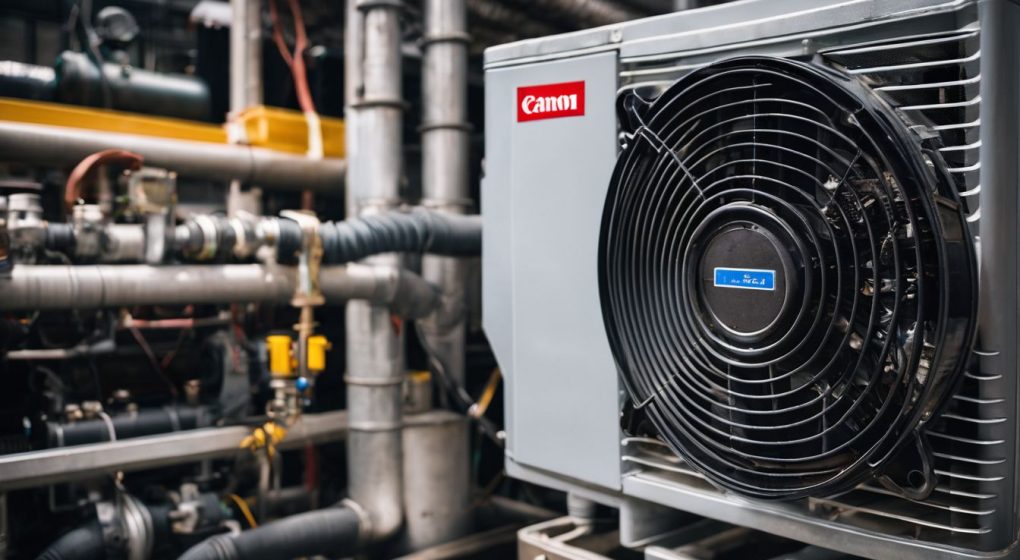
Have you ever wondered how your air conditioner keeps things so cool and comfy? An aircon compressor is like the heart of the whole system, working hard to make sure cold air keeps blowing out.
It pumps up the pressure and heat of a special fluid called refrigerant. This helps us feel cooler on hot days.
Daikin, a big name in air conditioning, has made some cool tech that uses less electricity. Their aircons save energy with something called an inverter. They also use a newer kind of refrigerant named R32 which is better for our planet.
When you hit the “cool” button on a Daikin system, it starts standard cooling. If you choose “dry,” it takes moisture out of the air without changing much else. There’s even an “econo” mode that only uses 70% power to save more energy! At night, there’s a special setting to keep you cosy without wasting energy.
All this magic happens because lots of parts work together inside your AC unit. Alongside the compressor are parts like the evaporator and condenser; they’re all team players in controlling temperature and airflow in your room.
Sometimes though, compressors can have trouble like making weird sounds or smelling funny when they need fixing. And remember, it’s important that your AC isn’t too small or too big for your room – it needs to be just right!
There are many words used with air conditioners that might sound tricky but we’ll explain them so everyone understands.
Discover how all these pieces fit together and learn about keeping cool efficiently with different settings on your AC! Let’s dive into understanding everything about an aircon compressor—get ready for chill times ahead!
Understanding the Basics of an Aircon Compressor
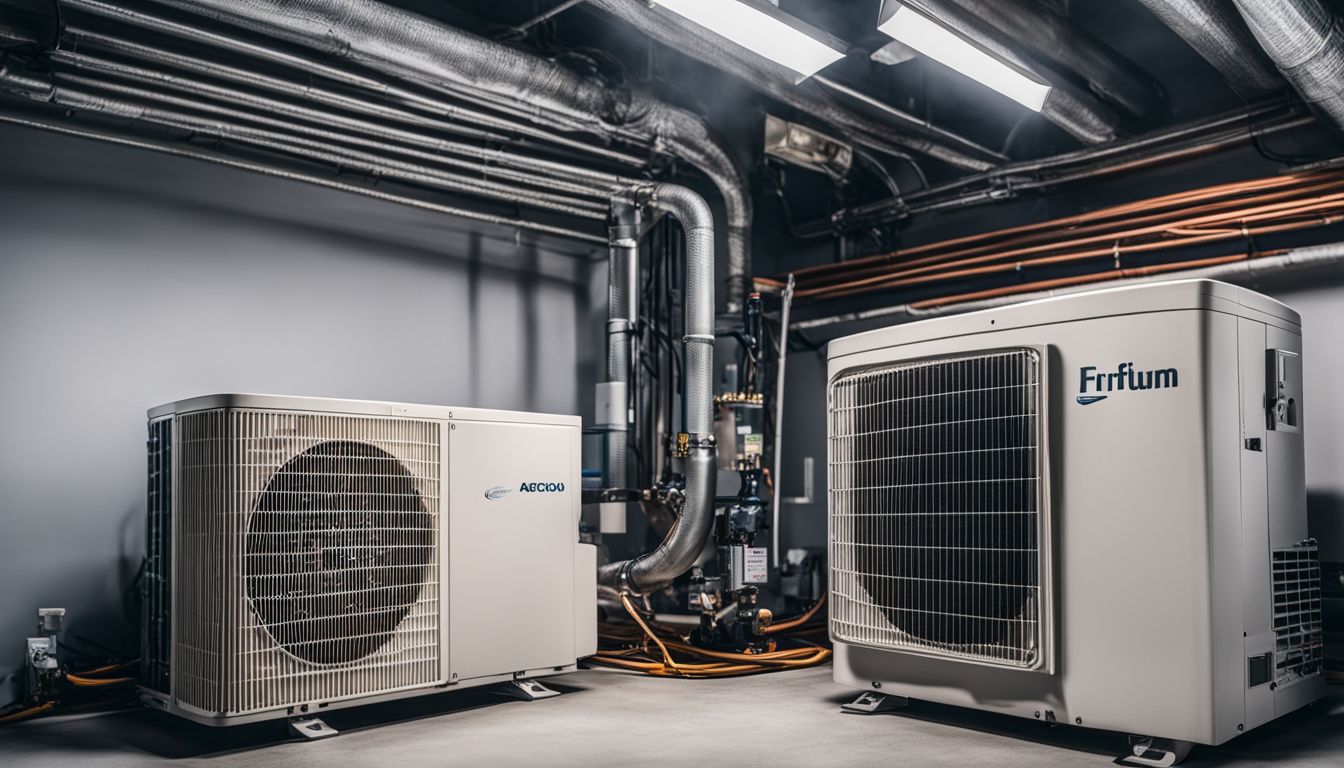
An aircon compressor is the heart of your air conditioning system. It works hard to pump refrigerant through the system. The refrigerant starts as a low-pressure gas and enters the compressor.
Here, it gets squeezed into a high-pressure hot gas. This process is part of what we call vapour compression.
The compressor then pushes this gas to the condenser coil. In the condenser, the hot gas releases its heat and turns back into a liquid. The cycle repeats over and over to keep your home cool and comfortable.
Aircon compressors need power to work, usually from your home’s electricity supply.
Without this vital piece, an air conditioner can’t do its job of cooling down spaces. Your comfort during hot days depends on this key component working right.
The Role of the Compressor in Air Conditioning
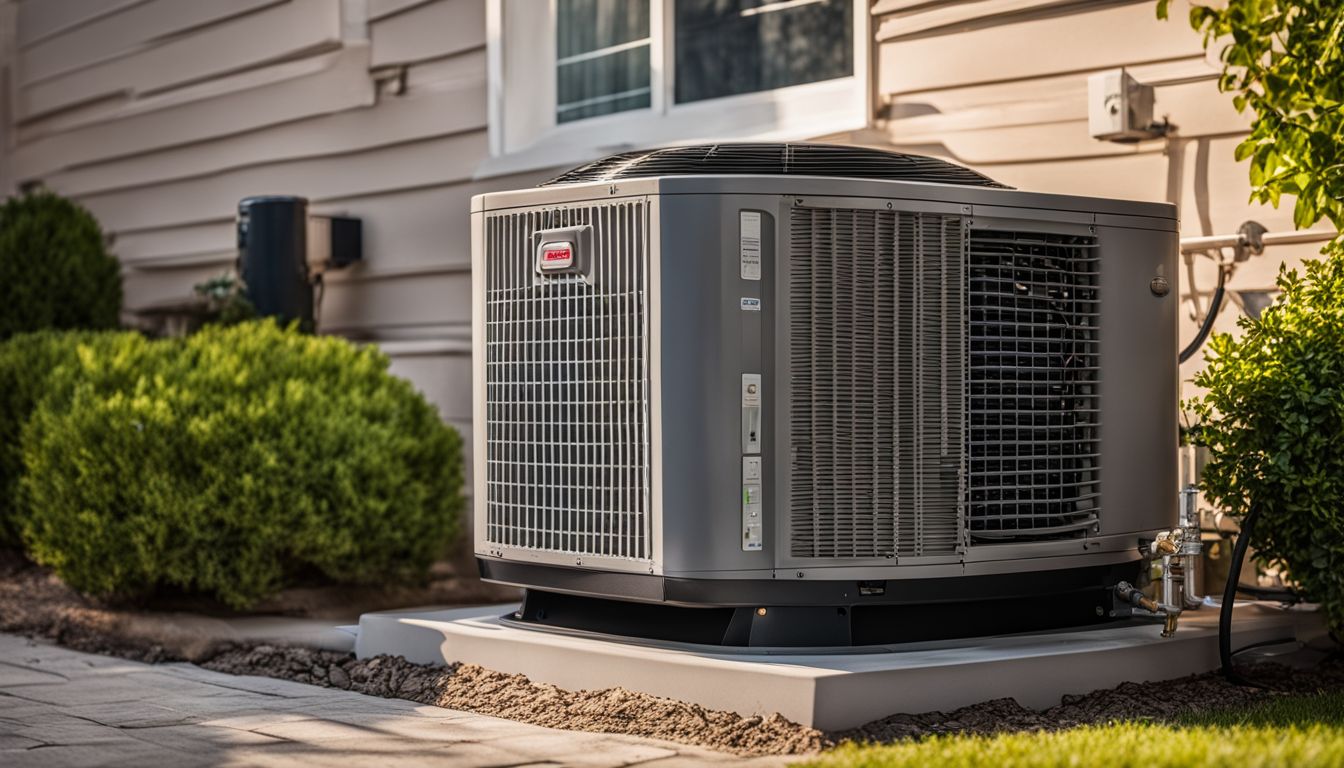
The compressor acts like the heart of your air conditioner. It moves refrigerant through the system. This special fluid captures heat from inside your house and takes it outside. The process starts when the compressor squashes the refrigerant, making it hot and high pressure.
This hot gas then travels to the condenser where it loses its heat to the outside air. After that, the refrigerant cools down and turns back into a liquid. Now, it’s ready to absorb more heat from your home again.
The cycle keeps going until your house feels cool and comfy.
Key Components of an Aircon System
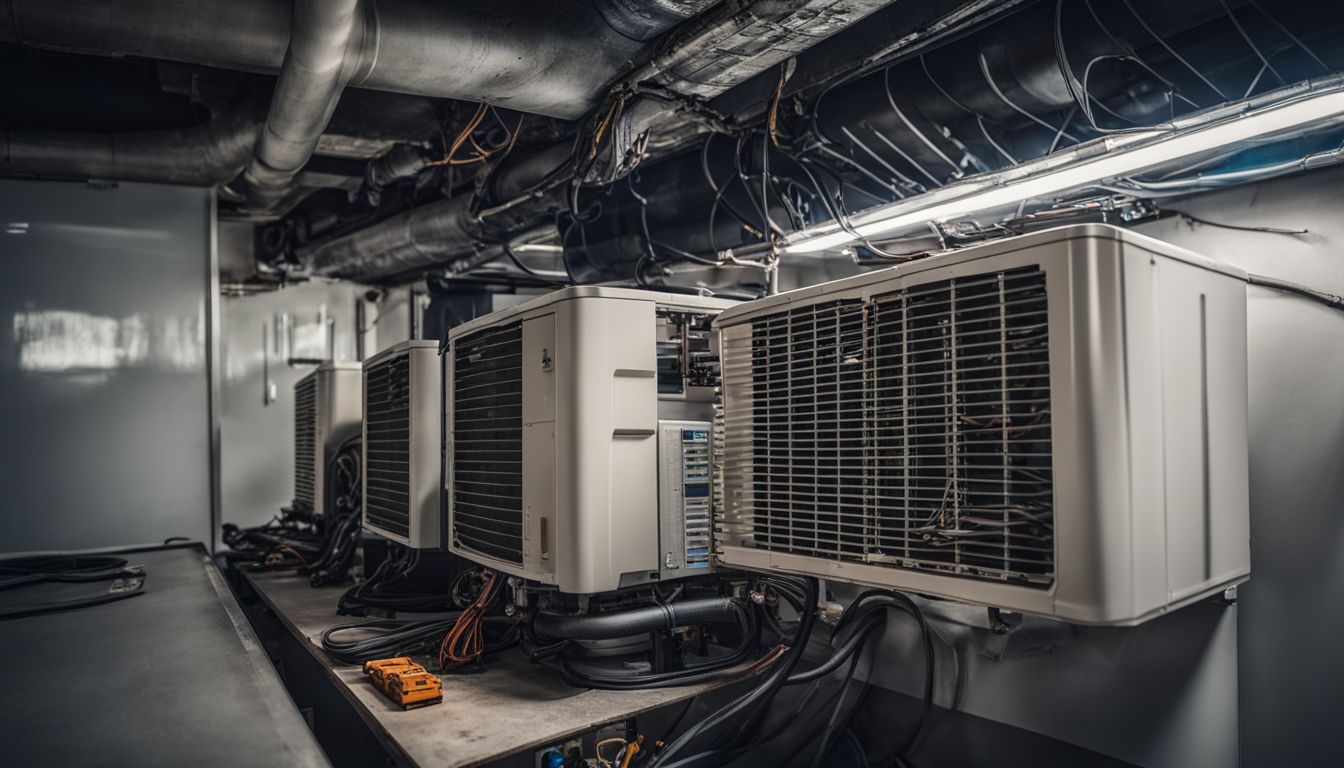
4. Key Components of an Aircon System: Dive into the heart of air conditioning by exploring the essential parts that keep your indoor climate effortlessly comfortable; let’s unveil how these components work in unison to deliver a breath of fresh, cool air.
Evaporator
The evaporator is like a hero in an air conditioning system. It takes on the heat from your room and beats it down. Hot air goes into the evaporator, passing through an expansion valve.
This valve is key because it makes sure the refrigerant inside can do its job.
Inside the coils of the evaporator, something cool happens. The refrigerant gets to work absorbing all that unwanted heat, turning from a chilled liquid into a warmer gas. As fans blow over these coils, they take away the warmth from your indoor air.
Your rooms feel cooler as a result. Now let’s move on to another important part: ‘Compressor’.
Compressor
A compressor acts like the heart of an air conditioning system. It takes in refrigerant gas and squeezes it, making it hot and high-pressure. This step is vital because it gets the refrigerant ready for cooling down your room.
Inside the compressor, refrigerant moves from low to high pressure before heading to the condenser. This process keeps cool air flowing through your home by pushing the refrigerant around the whole system.
Without a working compressor, an aircon can’t do its job right.
Condenser
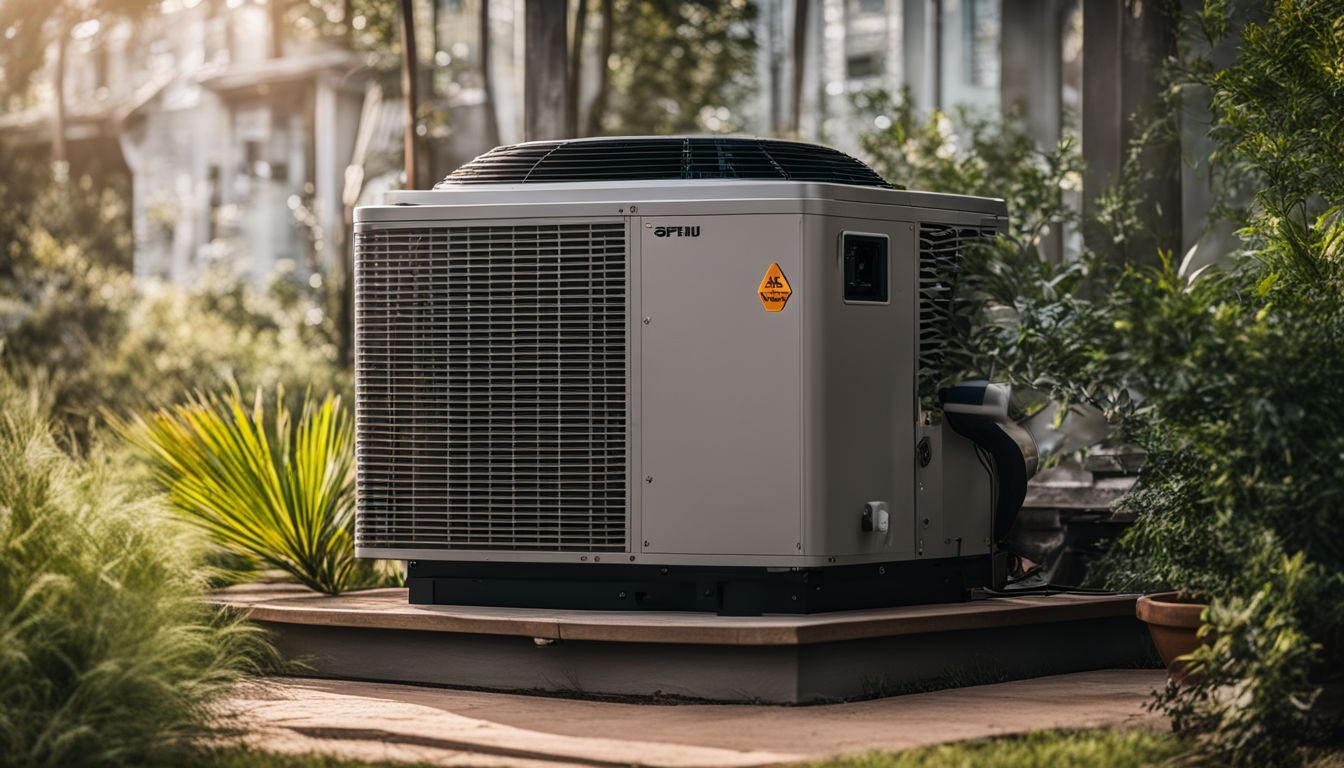
The condenser is a crucial part of your aircon. It looks like a big coil made out of metal fins, sitting at the back or side of the unit. Hot gas from the compressor moves into the condenser.
Here, it releases its heat to the outside air. This turns the hot gas back into a liquid.
As this happens, fans blow over the coils and help push away warm air to make room for cooler temperatures inside. Remember, a well-working condenser means better cooling power for your home! Next up is another vital component: refrigerant.
Refrigerant
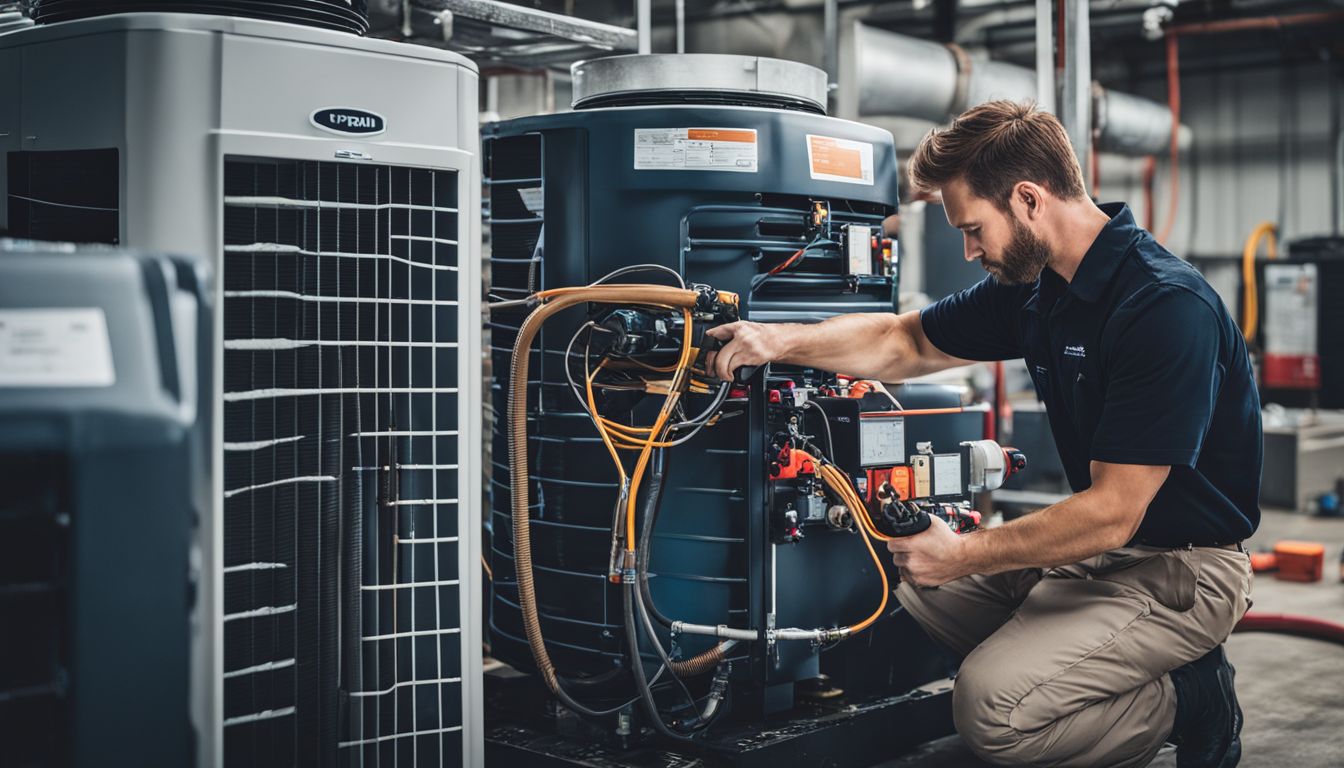
Moving from the condenser’s role in heat exchange, let’s explore refrigerant. This special fluid is essential for any air conditioning system. It flows continuously between the evaporator and the condenser.
As it moves, it carries heat away from your indoor environment, helping to keep spaces cool and comfortable.
Daikin’s R32 refrigerant is a game-changer because it helps reduce energy consumption of air conditioners. Less electricity used means lower bills and less impact on the environment.
Refrigerants like this make modern air conditioning units more energy-efficient while maintaining high cooling efficiency.
Expansion Valve
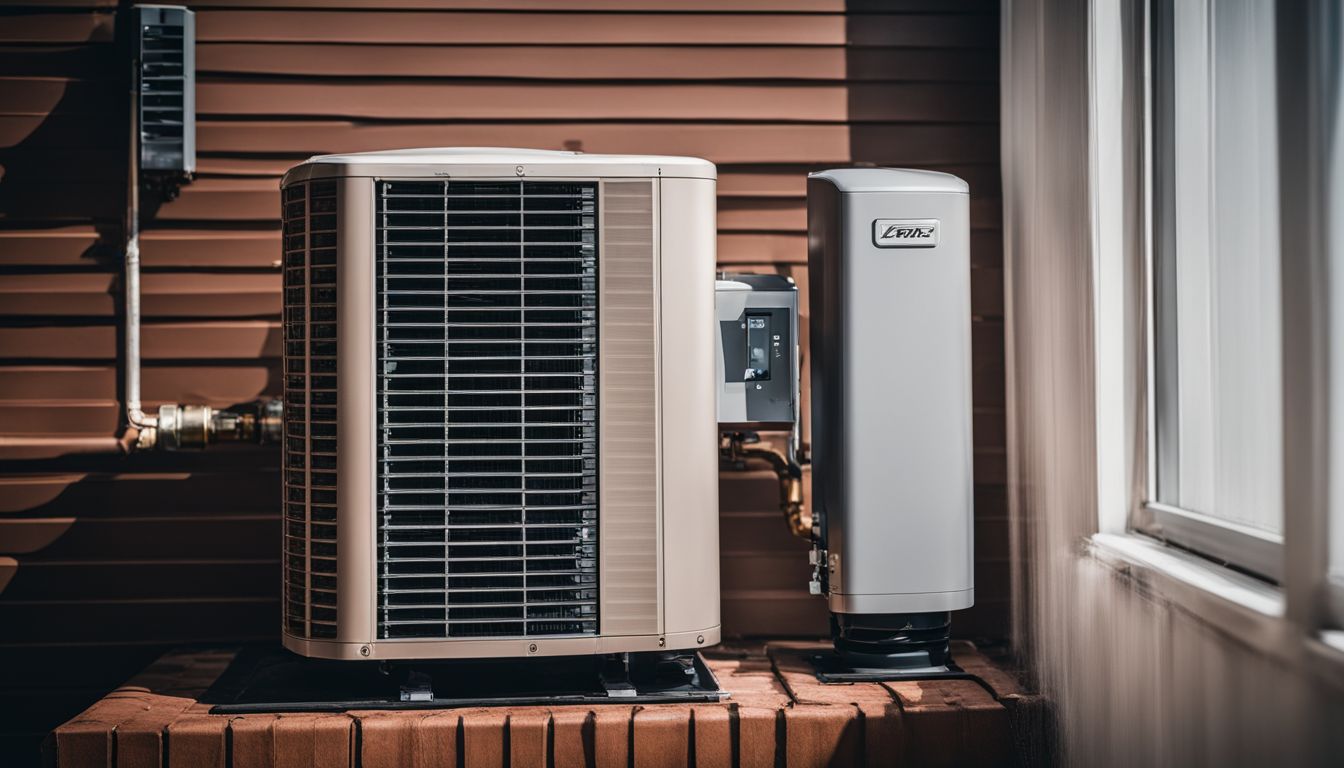
The expansion valve plays a crucial part in your air conditioning system. It takes charge of the refrigerant and drops its pressure. This drop lets the refrigerant turn from a liquid into a gas inside the evaporator.
As it does this, it absorbs heat from the air, making your room cooler.
A good expansion valve works hand in hand with other parts like the compressor and condenser to cool down your home. If it’s not working right, you might face problems like less cooling or even damage to other parts.
To keep everything running smoothly, checking and taking care of your expansion valve is vital for comfort and efficiency in your house.
Thermostat
A thermostat is the brain of an air conditioning system. It keeps an eye on the indoor temperature and tells the compressor when to kick in or take a break. This smart device helps maintain a stable and comfortable climate inside your home.
Energy efficiency is at its heart, as it works to adjust cooling power without wasting energy.
Smart thermostats go even further; they learn your habits and can change settings for optimal comfort and reduced energy consumption. They are part of advanced HVAC systems that ensure top-notch indoor air quality.
With precise control, they guide your aircon’s operation seamlessly towards maintaining desired temperatures. Now let’s explore how different types of coils function within the system.
Guide to Different Types of Aircon Coils and Their Functions

Aircon coils play a crucial role in the heat exchange process within air conditioning systems. They come in various types, each with a unique function to ensure efficient cooling and airflow. Here is a guide to different kinds of aircon coils and their purposes:
- Evaporator Coils: Found inside the indoor unit, these coils absorb heat from the room’s air. As warm air passes over them, the refrigerant inside the coils extracts heat, cooling down the air.
- Condenser Coils: These are located in the outdoor unit and release absorbed heat into the outside air. After absorbing heat indoors, refrigerant travels to these coils where it loses its warmth.
- Heat Pump Coils: In systems with a heat pump, these coils can both absorb and release heat. This reversible process allows for heating in winter and cooling in summer.
- Cooling Coils: Specifically used to cool down the air, they work similarly to evaporator coils but are often larger or differently shaped depending on system design.
Common Problems and Warning Signs with Aircon Compressors
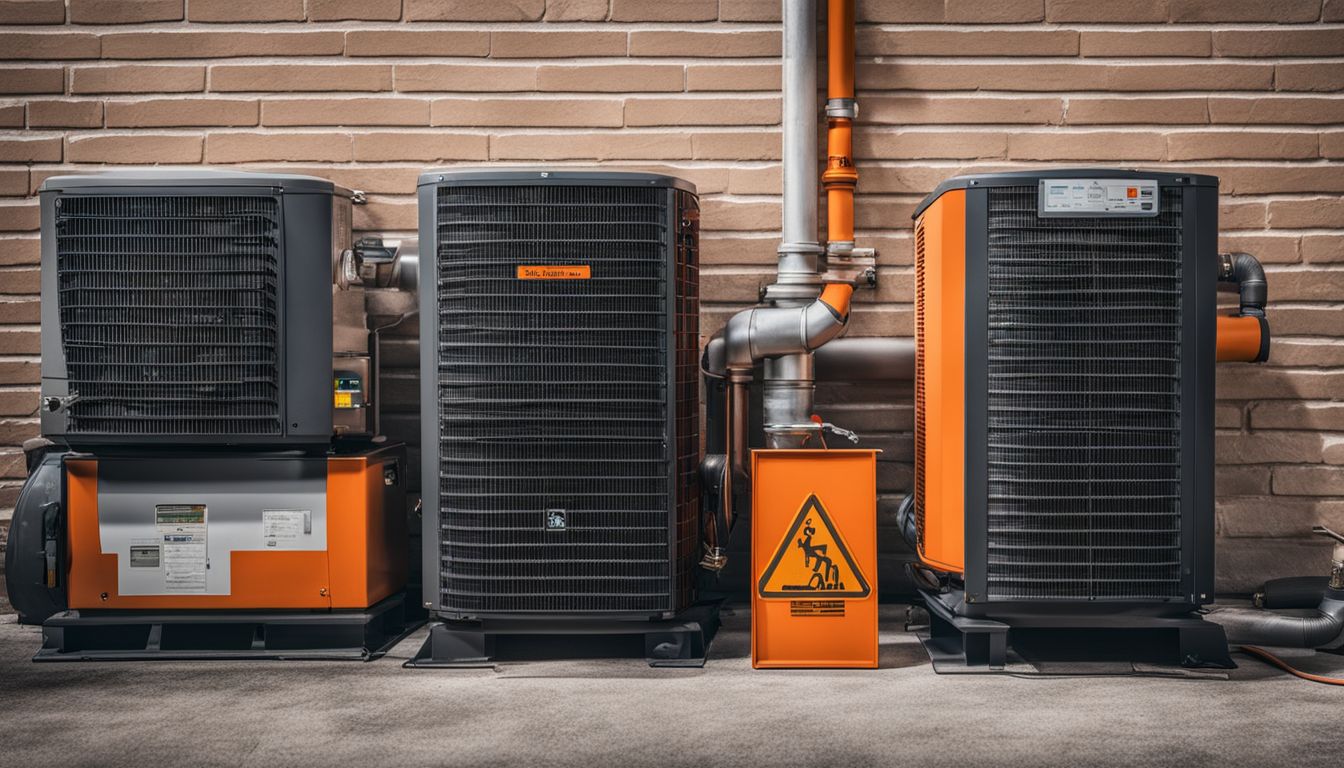
Acknowledging the heart of your air conditioning system, it’s crucial to be vigilant for any telltale symptoms that indicate your aircon compressor may be in distress. Should performance dwindle or unexpected noises emerge, prompt attention is essential to avert more complex issues.
Inadequate Cooling
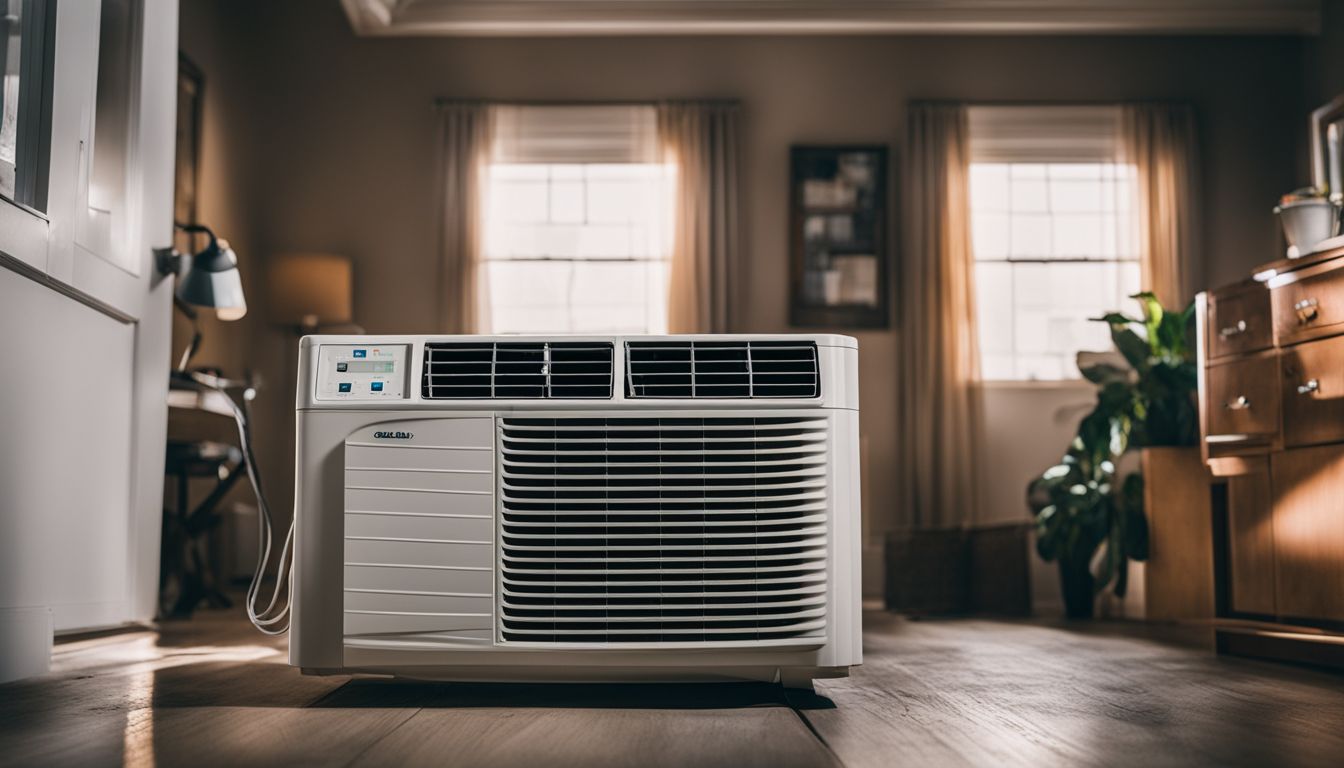
If your aircon isn’t cooling properly, it might be too small for the room. A unit that’s too small can’t handle the heat transfer needed to cool the space. It works harder and uses more energy but still doesn’t make you comfortable.
This not only leads to a warm indoor environment but also hikes up your electricity bills.
Sometimes, an aircon cools poorly because something is wrong with its components. Issues like clogs in air ducts or low refrigerant levels prevent proper air circulation and cooling.
Regular checks and maintenance can help catch these problems early on.
Next, let’s explore some strange noises that could come from your compressor.
Strange Noises

Aircon compressors can be noisy. You might hear grinding, squealing or banging from your unit. These sounds often mean something is wrong inside the compressor. Parts could be worn out or broken.
Ignoring these sounds can lead to bigger issues. Quick action is better to stop more damage to your air conditioning system. Call a technician if you hear strange noises coming from your air conditioner.
They will check it and fix any problems with the compressor or other parts.
Unusual Odours

Bad smells coming from your air conditioning can mean trouble. Musty scents often suggest mould or bacteria are growing inside your system. This isn’t just unpleasant; it also affects the air quality in your home.
Mould loves damp places, and parts of your AC can get very wet.
If you notice strange odours, act fast to stop bigger problems. These smells might come from a faulty compressor or other mechanical issues in the unit. Ignoring such signs could lead to discomfort at home and even higher bills.
Call a skilled technician if you detect weird smells from your AC; they know how to fix it right away.
Demystifying Common Aircon Jargons
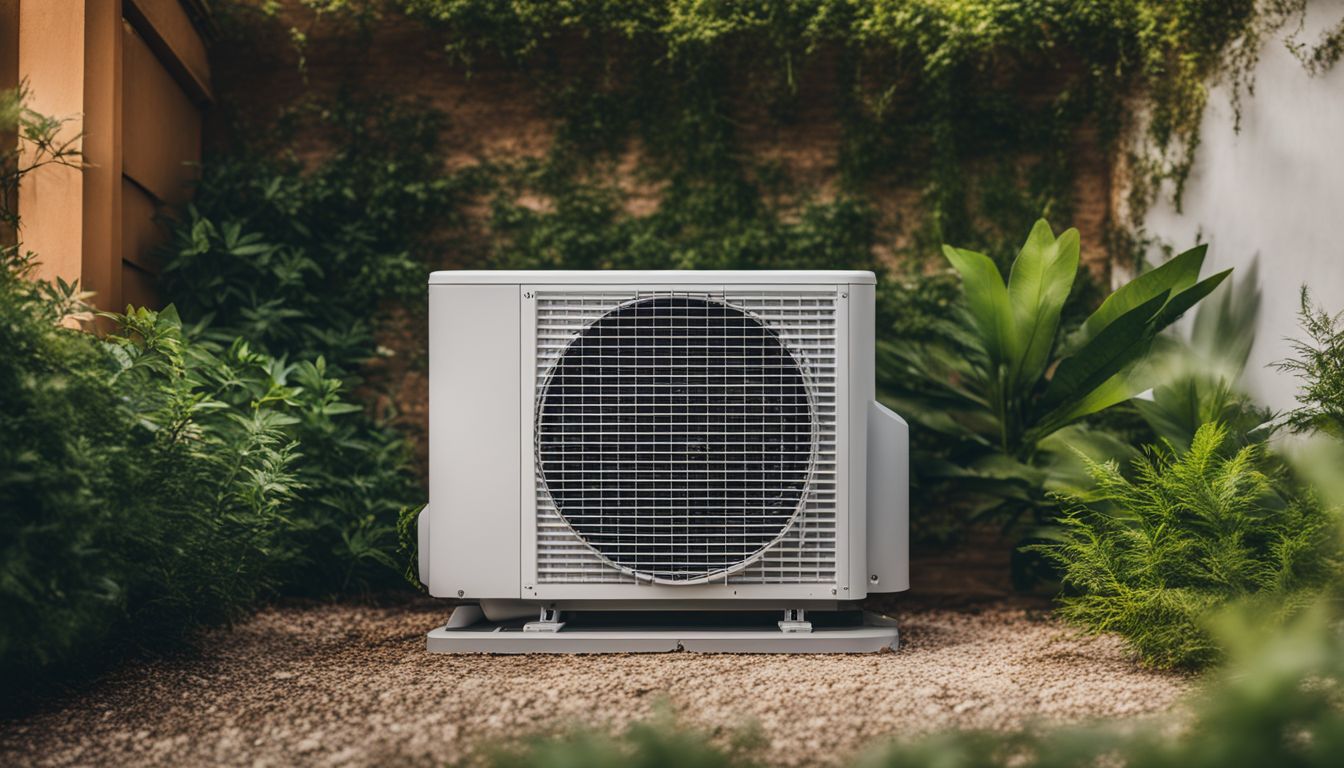
In the world of aircon, some words might sound strange. The term ‘SEER’ stands for Seasonal Energy Efficiency Ratio; it measures how well an air conditioner uses energy. A higher SEER rating means the machine is more efficient and uses less power to cool your home.
‘Refrigerant’ is another key word. It’s a special fluid that takes heat from inside your house and carries it outside.
Let’s break down a few more terms. When you hear ‘HVAC,’ it means Heating, Ventilation, and Air Conditioning – systems that keep your home comfy by controlling temperature and air quality.
‘Condenser unit’ refers to the part of your AC that gets rid of the heat removed from indoor air. Lastly, ‘Variable Refrigerant Flow’ or VRF technology allows different areas of a building to be heated or cooled at various levels for better comfort and efficiency.
The Impact of Different Aircon Modes on Compressor Function

8. The Impact of Different Aircon Modes on Compressor Function:.
Exploring the various aircon modes reveals how they dictate compressor activity, ensuring optimal efficiency and comfort for users. By understanding this relationship, we can better appreciate the intricacies of automated climate control and its implications for both energy consumption and system longevity.
Cool Mode
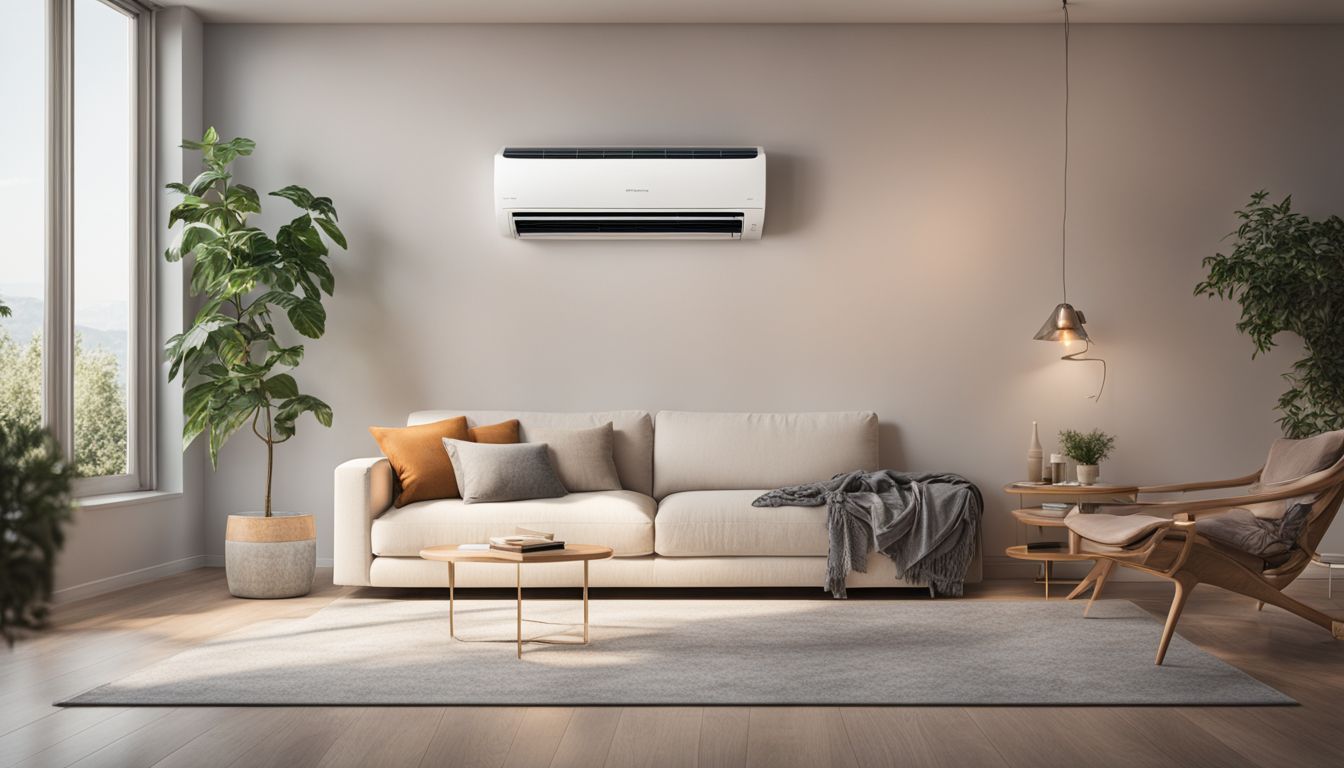
Cool Mode turns your home into a comfortable space by taking in hot air and cooling it down. The compressor works hard to make this happen. It acts like a big fridge for your house, making sure the air is nice and cool before sending it out of the vents.
Daikin air-cons use Cool Mode as the go-to setting for beating the heat. This mode keeps rooms chilled even on hot days. Your aircon compressor uses Cool Mode most often to give you relief from warm weather.
It’s like having an icy drink on a sunny day – refreshing!
Dry Mode
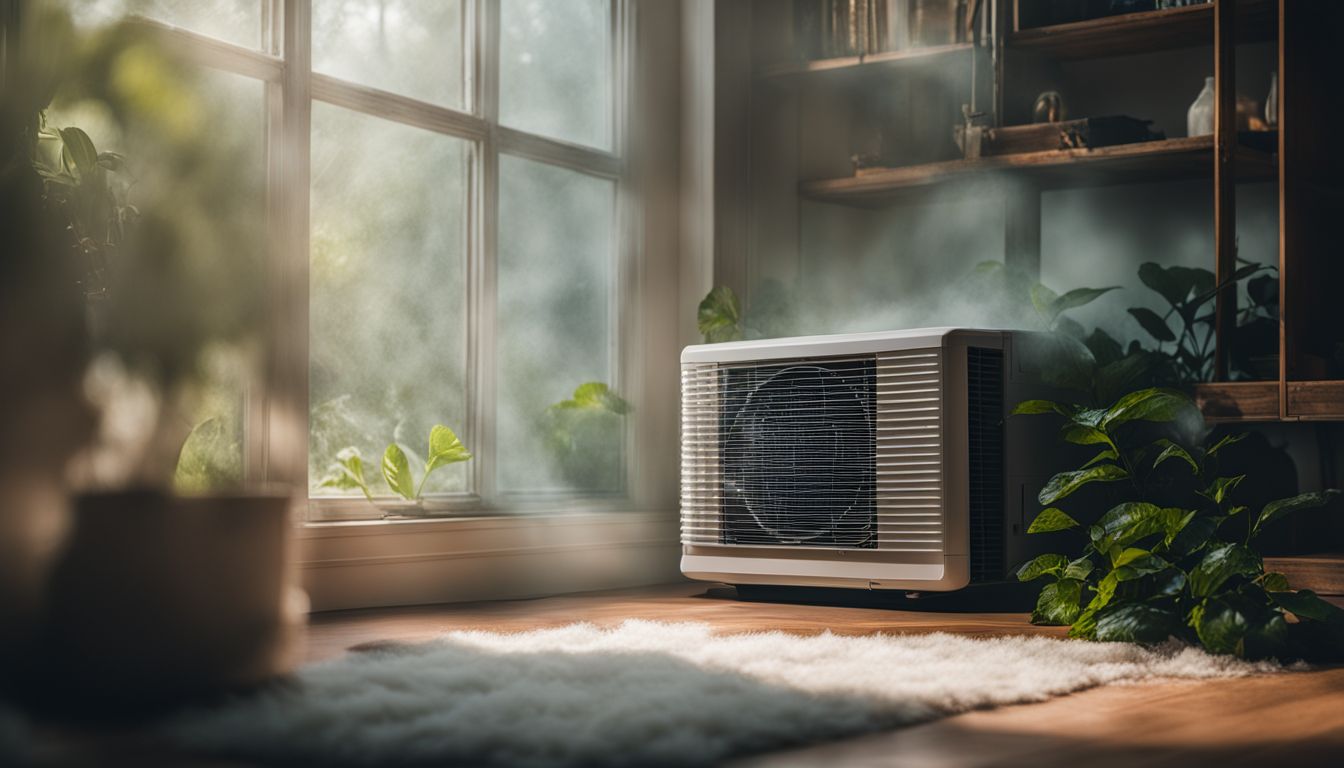
Moving from Cool Mode, Dry Mode offers a different approach to comfort. This setting on your aircon focuses on pulling moisture from the room’s air. It works wonders in damp conditions by reducing the humidity.
If you live in a place with high humidity, using Dry Mode can make your space feel cooler without dropping the temperature too much.
The compressor runs at reduced speeds in this mode, which means it uses less electricity and puts less strain on your system – saving energy and potentially extending your aircon’s life.
While it cools slightly, dehumidification is its main job. This makes Dry Mode ideal for those muggy days when the air feels heavy but it’s not too hot indoors.
Econo Mode

Econo Mode helps your air conditioner work smarter, not harder. This setting runs the unit at 70% capacity, saving energy and cutting costs. It keeps rooms comfortable without overcooling them.
By using less power, Econo Mode reduces the environmental impact of keeping cool.
Switching to Econo Mode can lead to lower electricity bills. With this clever feature, you still enjoy a fresh and chilled space while being kinder to your wallet and the planet. It’s a simple way to manage heating, cooling, and ventilation efficiently.
Conclusion
Now we understand how aircon compressors work and their importance in keeping our homes cool. We’ve learned about different parts of the system and how they fit together. Knowing common problems can help us spot issues early on.
Different modes affect how the compressor runs, saving us money. Understanding these pieces helps us make better choices for our comfort and wallets.
FAQs
1. What does an aircon compressor do in a ventilation system?
An aircon compressor is essential to heating and cooling systems; it compresses refrigerant and pumps it through the air conditioning system to keep spaces cool and dehumidified.
2. How does a central air conditioner’s compressor work with other HVAC components?
In a central air conditioning unit, the compressor works with heat pumps, furnaces, and air handlers to regulate temperature by moving refrigerant through the system to produce hot or cold air.
3. Can updating my HVAC system reduce energy consumption?
Yes, upgrading to HVAC systems with high SEER ratings, programmable thermostats or incorporating renewable energy sources like solar panels can greatly reduce energy consumption.
4. What are some features of modern HVAC systems that improve efficiency?
Modern HVAC units may have variable refrigerant flow (VRF), automatic climate control, mechanical ventilation with energy recovery ventilators, and internet of things (IoT) capabilities for smart predictive maintenance.
5. Why should I consider using renewable energy for my heating and cooling system?
Using renewable energy such as wind turbines or solar power helps recharge your systems more sustainably while reducing reliance on non-renewable energy sources.
6. How often should I service the parts of my AC like filters and compressors?
Regular servicing including changing your AC’s o-ringed conduits, checking its swash plate accelerator in the compressor or cleaning its reusable filters ensures smooth functioning and can prevent costly repairs down the line.