

Have you ever wondered how your aircon stays cool and doesn’t leak water? Aircon insulation is the secret. It keeps temperatures down and stops moisture from getting in, which makes your AC work better.
There are many kinds of insulation like polyethylene foam and fiberglass. Each type does a special job to save energy and keep things quiet. When you put tube or sheet insulation in the right place, it helps the aircon do its best work.
Closed-cell insulation is great for keeping steady cold around copper pipes. If you pick the right material based on where you live and how wet it gets, your air conditioner will run really well without wasting power.
Some materials even stop fires but have to be handled with care so they don’t hurt people.
Putting in aircon insulation should be done by experts who know exactly what they’re doing. They measure carefully, cut just right, and use good glue or tape to make sure nothing moves out of place – all while making sure wires stay safe.
This article will guide you through different types of aircon insulation and why it matters for your AC system’s health. Discover how each type works hard behind the scenes! Keep reading; we have lots to share about keeping your cool at home!
Understanding Aircon Insulation
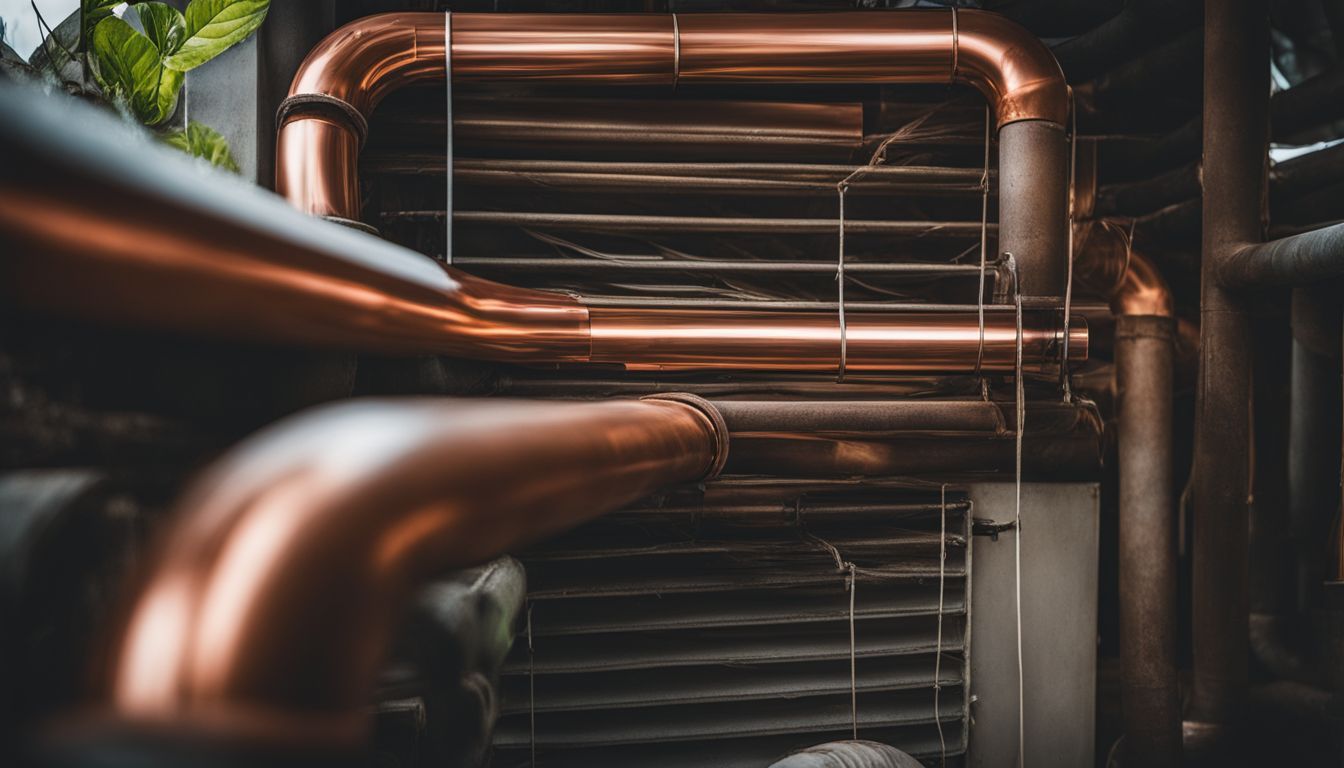
Aircon insulation is key to any air conditioning system. It wraps around the copper pipes, ductwork, and other parts of the unit. This barrier keeps in the cool air and blocks out heat.
Without it, energy can leak out and costs will rise.
Good insulation also stops moisture from building up. When moisture gathers on your air conditioner’s parts, it can lead to mold or water damage. To avoid this, different kinds of protective coverings are used on various system components.
Each kind has its own way of handling temperature and humidity control.
Remembering these details helps keep air conditioners running well for a long time.
The Importance of Proper Aircon Insulation
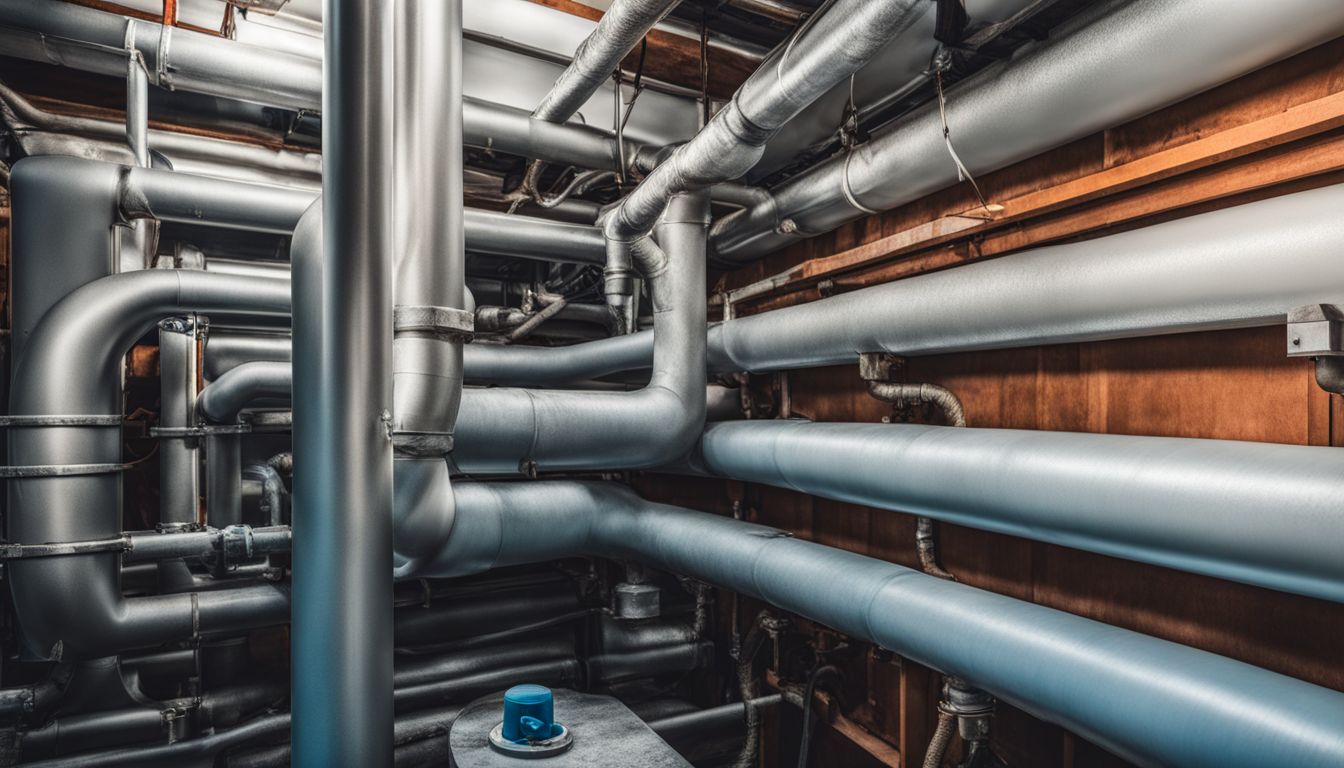
Good aircon insulation keeps copper pipes safe. It stops water from leaking. This helps your air conditioner work well and use less power.
Insulation cuts down on noise, too. Your AC unit runs more quietly with the right insulation. It also keeps energy from getting wasted. When your AC is efficient, you stay cooler in hot weather.
Class 0 and Class 1 insulations have special jobs. They keep moisture under control and help rooms stay cool.
Insulation materials like polyethylene foam, fibreglass, and foam rubber are great choices. They close gaps well and save you money by using less energy. These materials also stop mould because they keep pipes dry.
Trained contractors know how to put in insulation the best way. Their work makes sure your AC system does its job well, keeping your home comfy.
Types of Aircon Insulation

Delve into the diverse world of aircon insulation types, where each material brings distinct benefits and performance characteristics to your cooling systems, and discover how selecting the appropriate one can transform your home’s energy efficiency.
Keep reading to explore which insulation type suits your needs best.
Closed Cell

Closed cell insulation is tough and dense. It stops air and water from getting through, which keeps the temperature steady. This type of insulation wraps around your air conditioners’ copper pipes like a protective coat.
It helps to stop energy from being wasted.
Using closed cell materials cuts down on the heat that escapes from your air conditioning system. You will often find it in tube, roll, or sheet form to fit different parts of your AC unit.
By keeping the cold in and the heat out, closed cell insulation makes sure your system works really well.
Polyurethane
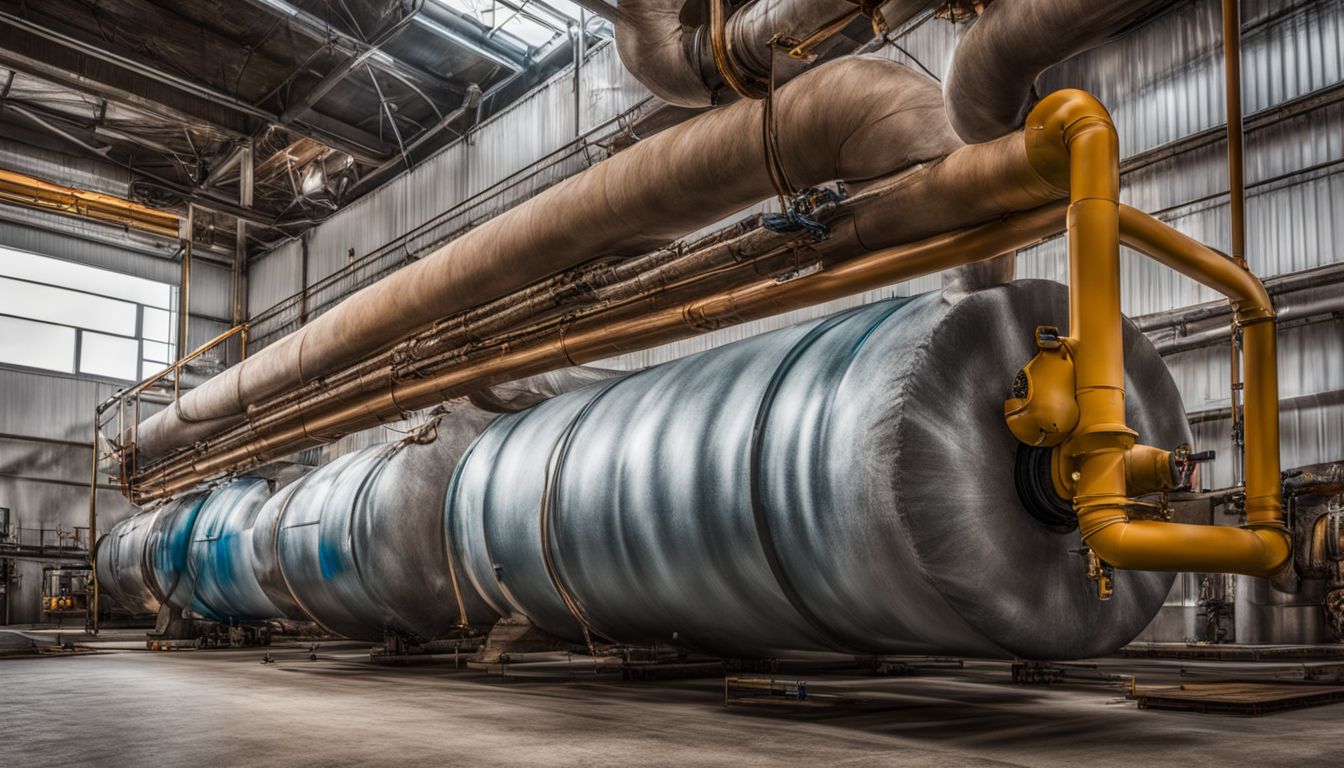
Moving on from closed cell insulation, let’s explore polyurethane or PU. This type is great for aircon systems because it keeps energy losses low. You’ll find it around chilled water pipes and in panels of air handling units (AHUs).
It also gets sprayed onto floors to insulate them well. The amazing thing about polyurethane is its ability to boost efficiency in your air conditioner.
Polyurethane works hard to keep the cold in and the heat out. It’s super important for your aircon’s performance. Because of its high R-value, which means resistance to heat flow, this foam insulation really helps with climate control inside buildings.
By choosing polyurethane, you’re making sure that every bit of cool air stays right where it should be – keeping you comfortable!
Fiberglass
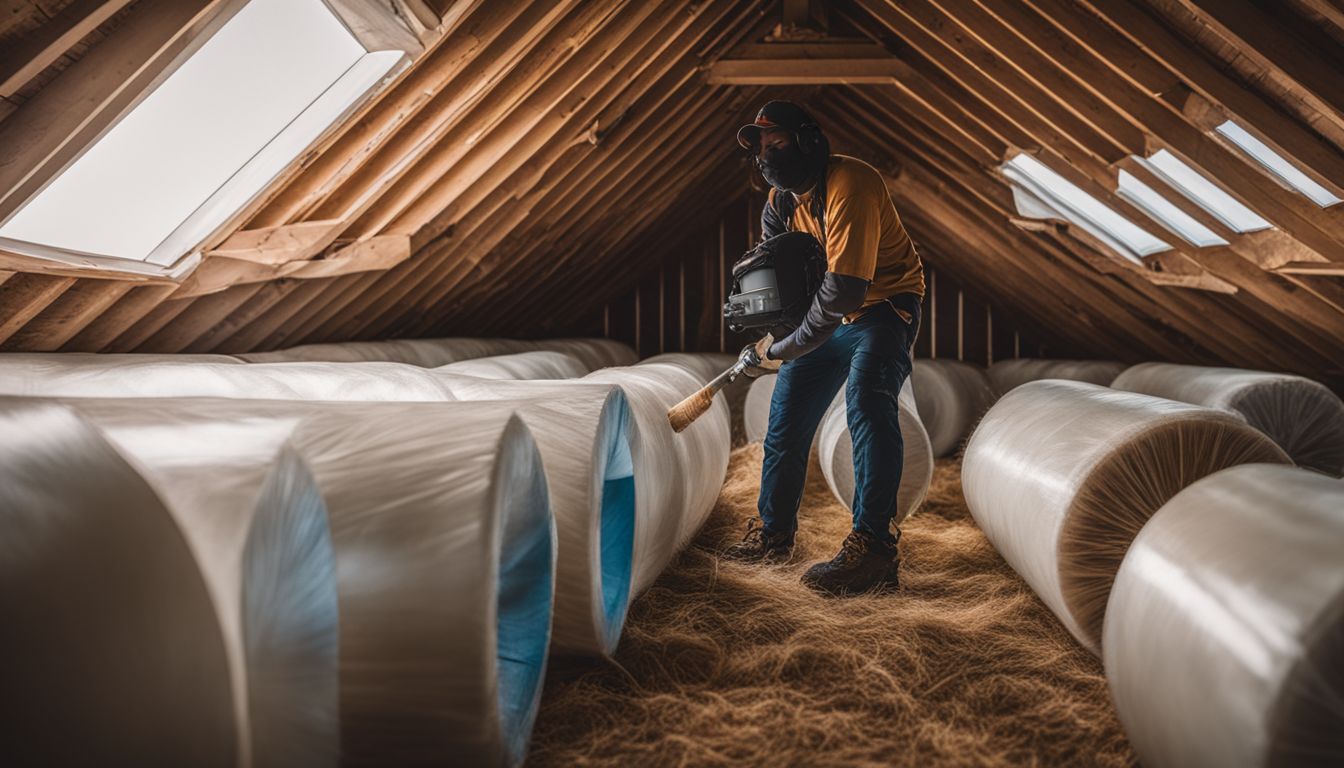
Fiberglass insulation is popular in air conditioning ducts. It’s soft and looks like fluffy cotton, but you shouldn’t breathe it in because it can be harmful. When handling fiberglass, always wear gloves and a mask to avoid skin irritation or breathing in fibers.
This type of insulation comes as a rolled blanket that gets stuck onto surfaces with glue.
To cut down noise, thicker fiberglass at 1″ or more works best. But take care not to squish it too much; over-compressing cuts its strength in half. Fiberglass doesn’t burn easily, making it safer against fires.
Now let’s talk about polyethylene insulation – another choice for keeping your aircon system well insulated.
Polyethylene
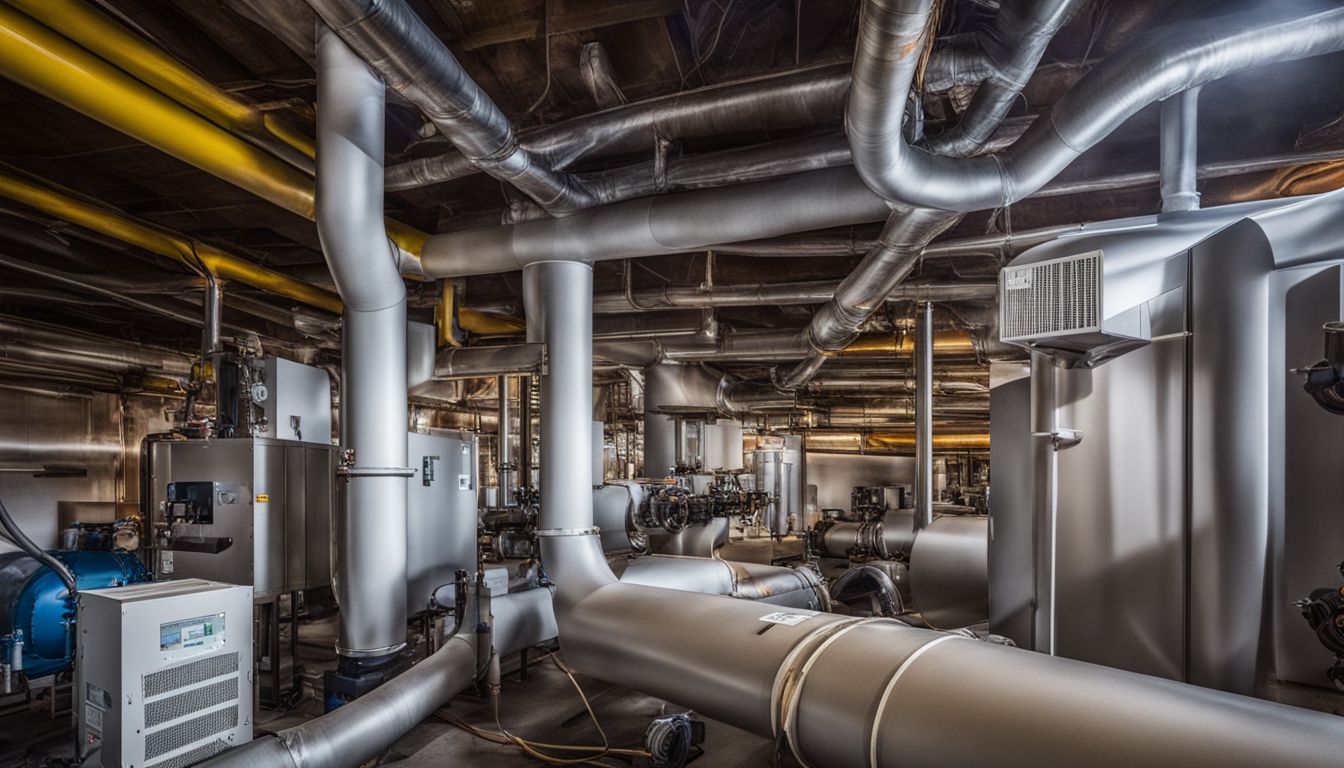
Moving on from fiberglass, polyethylene stands out as another popular choice for aircon insulation. This material is a type of foam that’s light and flexible. Polyethylene makes sealing gaps around air conditioning systems simple and effective.
You can find it in forms like tubes for pipe insulation or sheets for duct insulations.
Air-con installers often choose polyethylene because it cuts easily and fits snugly around pipes and ducts. It is also water-resistant, which helps prevent moisture build-up that can lead to mould growth.
Since polyethylene foam comes recommended for aircon insulation, many professional contractors use it to enhance heating and cooling efficiency in homes and buildings.
Rockwool

Shifting from the flexible nature of polyethylene, Rockwool offers a distinct advantage in soundproofing. This material excels at absorbing air conditioner noise, making it an ideal choice for rooms that require quietness.
Its firm texture makes Rockwool less likely to be disturbed or settle over time compared to other insulators.
Rockwool is tougher and safer than fiberglass insulation. It’s often picked for places where sound control is crucial. However, its heavier weight means it’s not commonly used with rigid ducts in air-conditioning systems.
Also, since Rockwool can be damaged by water, it isn’t recommended for insulating chilled water pipes.
Aircon Insulation Materials
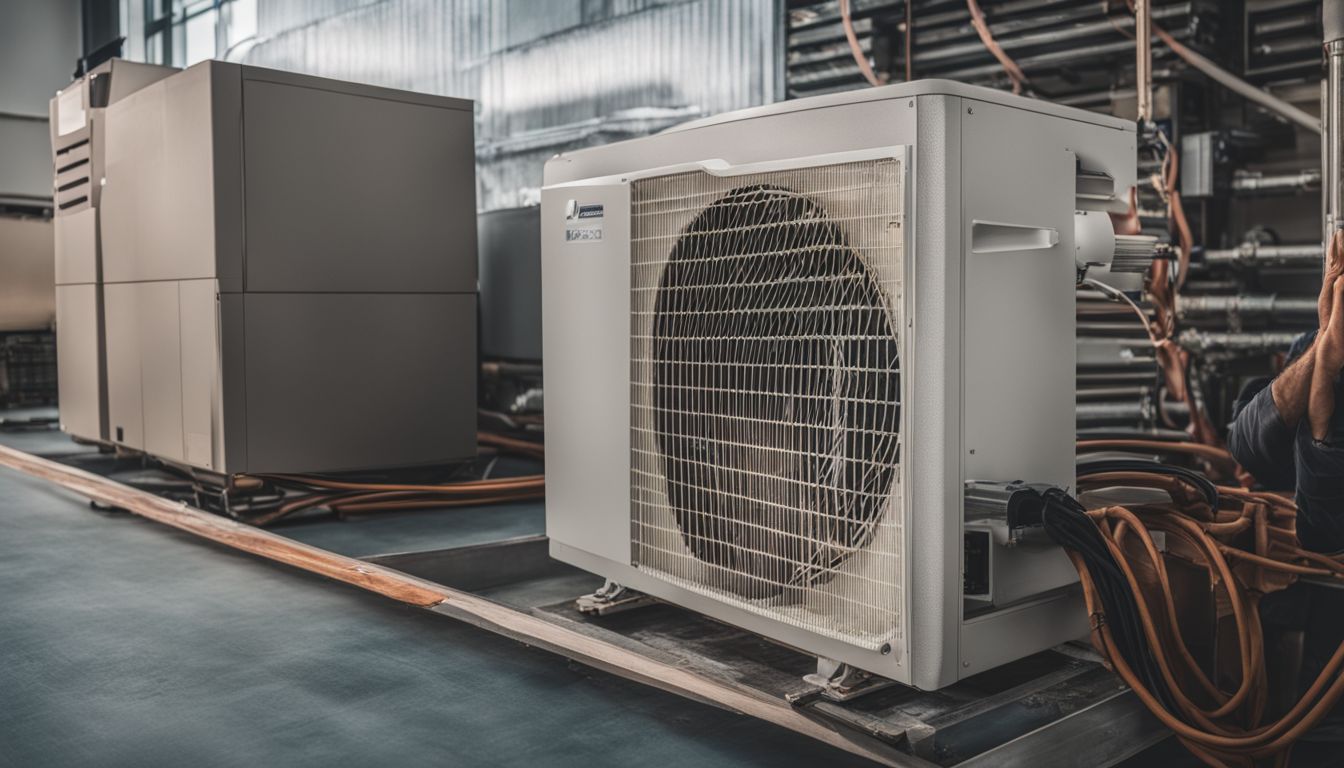
Polyethylene foam wraps around pipes snugly, keeping cool air in and heat out. It’s resistant to moisture, which stops mold from growing. Fiberglass comes in rolls and is great for insulating large ducts.
The tiny glass fibers trap air, slowing down the spread of heat.
Foam rubber is flexible and good at absorbing vibrations, so it makes air conditioners quieter. People use these materials to stop energy waste and keep buildings comfortable. Now let’s look at how this insulation affects your air conditioner’s work.
The Role of Insulation in Air Conditioner Performance

Insulation in an aircon is a guard against heat loss and gain. It keeps the cold air inside and blocks the hot air from entering. This means your air conditioner does not have to work as hard.
Less work for the AC unit leads to less energy used, which saves money on bills.
Good insulation also stops condensation. Condensation can lead to mould, which is bad for health. With proper insulation, your home stays dry and healthy. Next, we’ll explore how efficient insulation brings benefits like saving energy and keeping cool spaces cooler without extra cost or effort.
Benefits of Efficient Aircon Insulation

Efficient aircon insulation stands as a cornerstone for maintaining the harmony between indoor comfort and energy usage. Harnessing its full potential can significantly transform the effectiveness of your heating and cooling systems, ushering in a seamless climate-controlled environment within your space.
Improved energy efficiency

Proper insulation in air-conditioning systems cuts down on energy waste. It acts like a barrier, keeping the cool air in and the warm air out. This means your AC doesn’t have to work as hard to keep you comfortable.
You use less electricity, which saves money on bills.
Good insulation also makes sure your unit runs better. It helps maintain the right temperature and humidity levels inside your home. With this, your AC uses less power and lasts longer because it’s not overworked.
Lower energy use is great for both your wallet and the planet.
Enhanced cooling performance
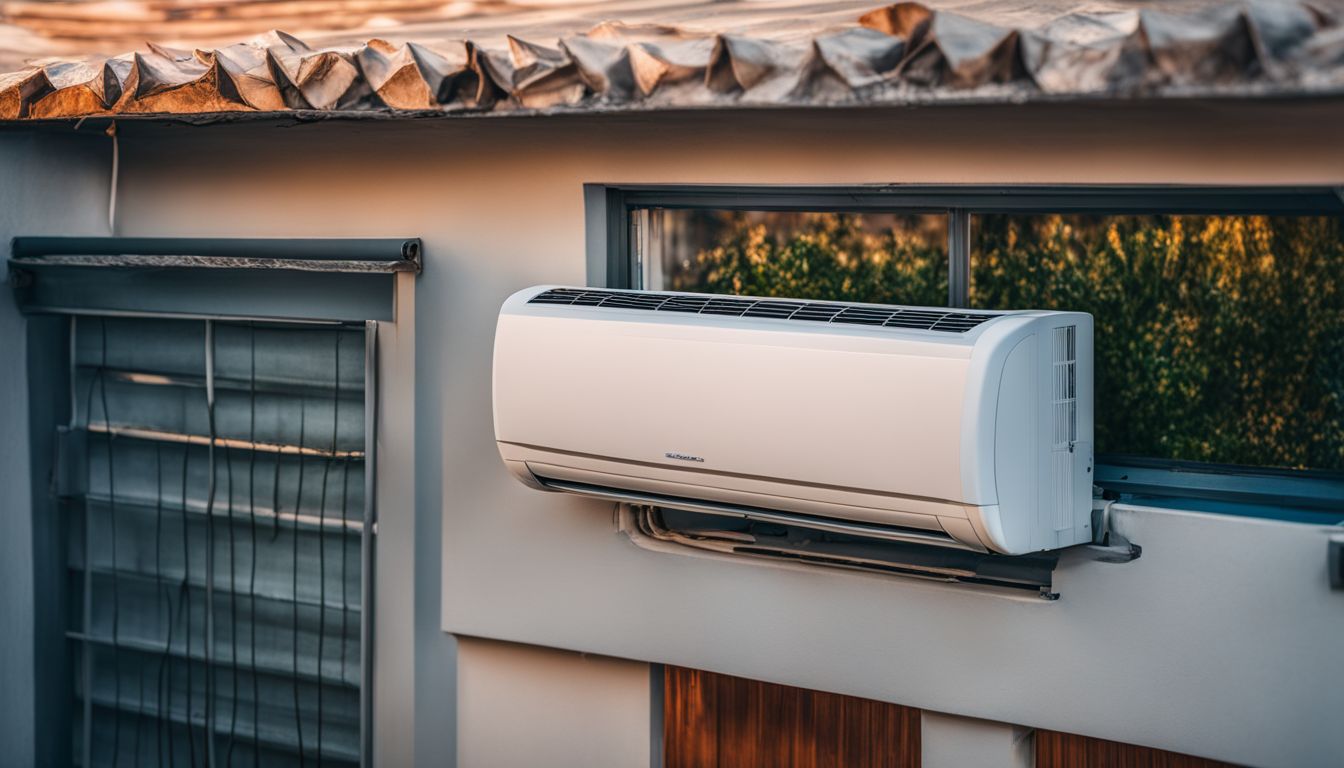
Good aircon insulation stops heat from sneaking into your home. It means your air conditioner doesn’t work as hard to keep you cool. When the suction pipe is well insulated, the system runs smoothly.
You get better cooling without using more energy.
This setup also helps stop mould and keeps your house quiet. Next, we’ll look at how preventing condensation and mould growth is another key benefit of effective insulation.
Prevention of condensation and mould growth
Aircon insulation is key to stopping condensation and mould in its tracks. Condensation happens when warm, humid air hits cold surfaces like ducting or piping. This can cause water droplets to form, creating the perfect wet home for mould to grow.
Properly installed thermal insulation keeps these surfaces warmer, so moisture doesn’t settle there.
Mould loves damp places and can damage walls and ceilings if it takes hold. It’s not just unsightly; it can harm your health too. Insulation acts as a barrier, maintaining the right temperature inside the aircon system and around it.
By doing this, you keep everything dry and clean which stops mould from ever starting.
Noise reduction
Proper aircon insulation does more than just keep rooms cool; it also makes them quieter. Closed-cell insulation is particularly good at blocking out the hum and buzz of your air-conditioning unit.
This type of insulation traps sound waves, helping you enjoy peace and quiet indoors.
By cutting down on noise pollution, efficient aircon insulation can turn a noisy room into a calm space. Imagine being able to have conversations or watch TV without the constant distraction of a loud AC unit.
Good quality materials like closed-cell foam will dampen sounds from outside too.
The right kind of insulation ensures that your home stays cooler, uses less energy, and keeps out unwanted noise. Now let’s explore how the aircon expansion valve plays its part in system performance, including its interaction with insulation.
Understanding How Aircon Expansion Valve Functions (related to overall system performance including insulation)
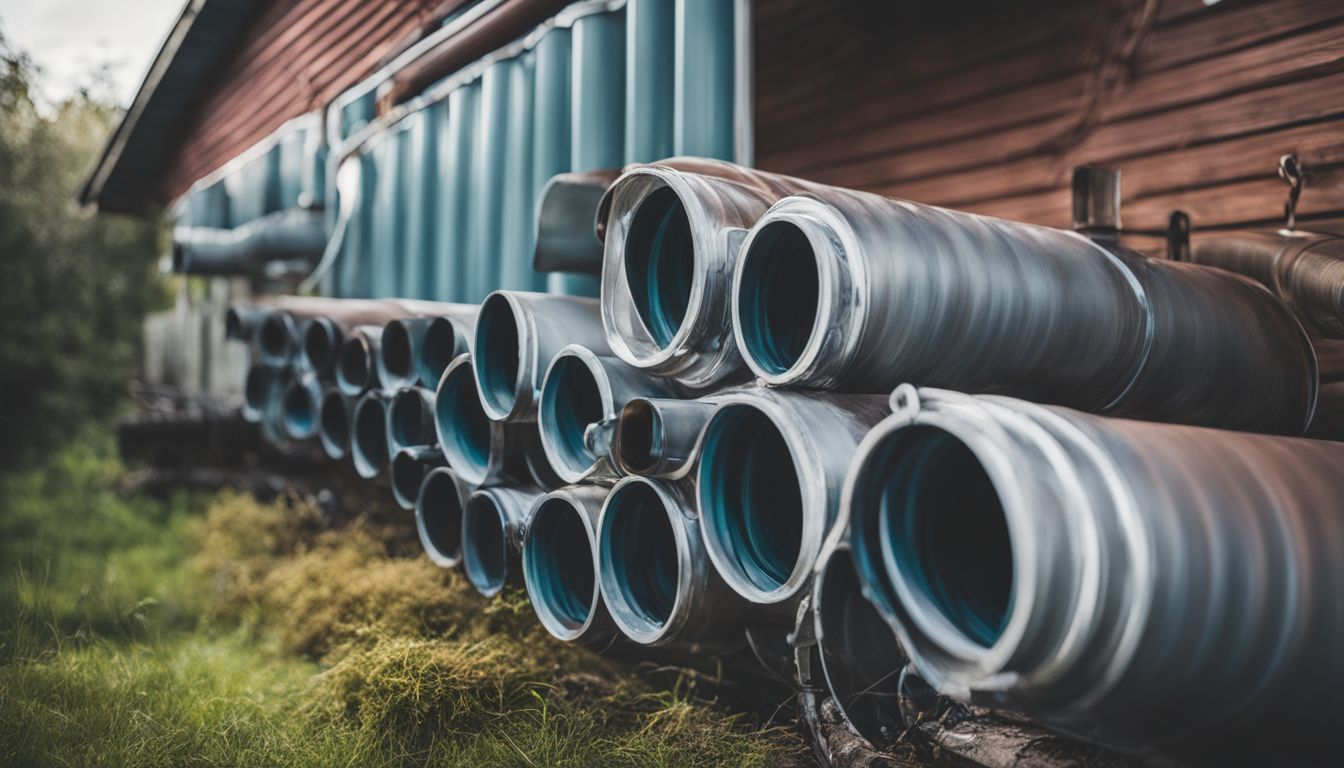
The aircon expansion valve plays a key role in the cooling process. This valve controls the flow of refrigerant to the evaporator. It adjusts based on how much cool air is needed inside.
Too little or too much refrigerant can make the system work poorly.
Good insulation helps this valve do its job better. When pipes are well wrapped, they keep the cold in and stop energy loss. The expansion valve doesn’t have to adjust as often then.
This makes your air conditioner run smoother and saves on bills.
Navigating the Process of Aircon Insulation Installation
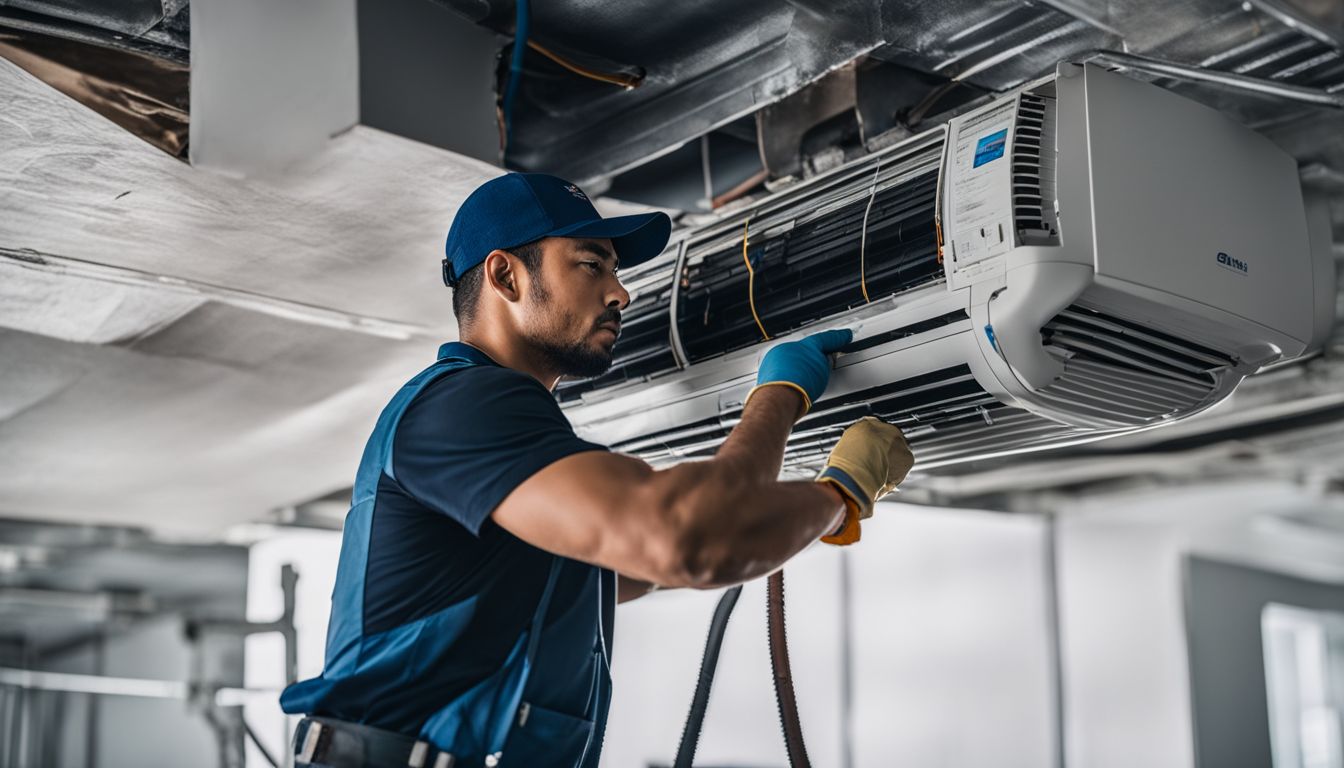
Understanding how the aircon expansion valve functions gives insight into the critical role of insulation in system performance. Now let’s focus on installing aircon insulation to maintain that efficiency.
- Choose the right type of insulation for your system, such as polyurethane (PU) for higher energy savings.
- Measure the areas needing insulation, including pipes, ducts, and air vents.
- Cut the chosen insulation material accurately to fit around pipes and over ducts.
- Securely wrap or fix the insulation onto the air conditioning unit’s parts without leaving gaps.
- Use adhesive tapes or fasteners suited to your selected insulation material to prevent it from loosening.
- Ensure proper coverage around corners and bends where air leakage can occur.
- Insulate both the suction and return lines to reduce heat gain and cooling loss.
- Check attic, basements, and cavity walls for existing batts or blanket insulation that might need an upgrade with newer materials like class 0 insulation.
- Replace any wet or moldy insulating material immediately to avoid damage to your system.
- Have a professional installer review your work to confirm if additional measures are necessary for optimal performance.
- Maintain consistent checks on your aircon’s insulation after installation, especially before peak usage seasons.
Selecting the Right Aircon Insulation
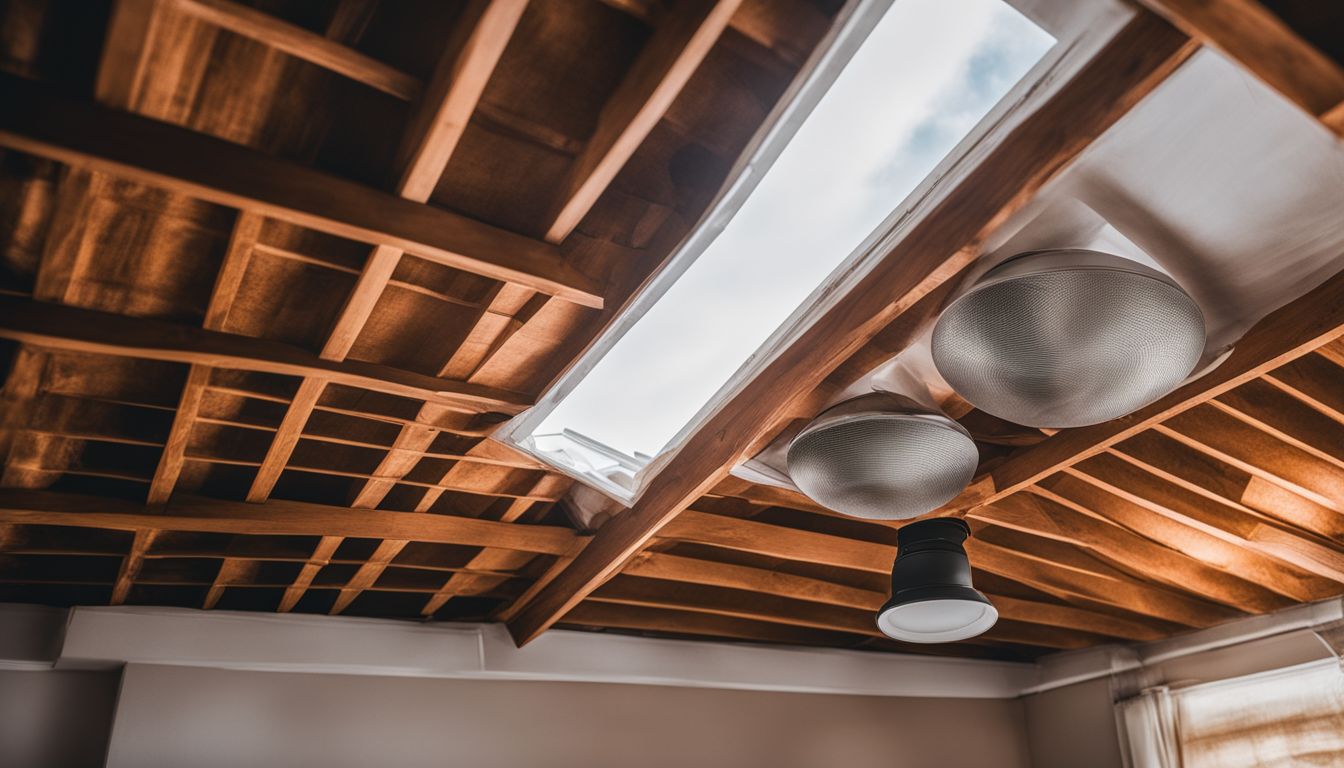
Selecting the right aircon insulation involves a careful evaluation of your system’s needs to ensure optimal performance and energy savings; dive deeper into our comprehensive guide for detailed insights.
Factors to consider
Choosing the right aircon insulation is crucial for your system’s efficiency and longevity. It involves weighing various factors to ensure optimal performance.
- Insulation Type: Decide between options like closed cell, polyurethane, fiberglass, or rockwool based on the specific needs of your air-conditioner.
- Material Density: Look for materials that balance durability and effectiveness. Dense materials often provide better insulation but may be harder to install.
- Thermal Conductivity: Go for materials with low thermal conductivity to reduce heat transfer and improve energy efficiency.
- Climate Conditions: Consider your local climate as it impacts the type of insulation you need. Certain materials perform better in specific temperatures.
- Aircon Parts: Think about the parts of your system like chillers or fan coil units when selecting insulation. Each part may require a different insulation approach.
- Installation Method: You should choose an insulation that matches the installation method suitable for your space, whether it’s around ducts or suspended ceilings.
- Condensation Potential: Avoid moisture problems by using insulation that prevents condensation. This will also stop mould from growing in your system.
- Energy Consumption: Opt for insulation that enhances energy savings by reducing the workload on your split air conditioner or heat pump.
- Environmental Impact: Select materials with a lower global warming potential, favouring substances like natural refrigerants over CFCs and HFCs.
Recommended materials
After considering various factors, it’s clear that the right material makes a big difference. Polyethylene foam stands out for its durability and moisture resistance, making it a solid choice for aircon systems.
It wraps well around pipes and maintains an effective barrier against heat transfer.
Foam rubber also offers excellent thermal insulation and breathes new life into your air conditioning system by improving energy efficiency. A top pick is closed-cell insulation because it helps keep temperatures consistent with minimal energy waste.
This sturdy option keeps the cool in during hot days and warmth when temperatures drop.
Proper installation techniques
- Choose the right type of insulation for your air – conditioner. Consider factors like the climate you live in and the specific requirements of your HVAC system.
- Measure pipes, duct systems, and other areas needing insulation accurately. This step helps you buy the correct amount of material without waste.
- Cut the tube or sheet insulation with precision to fit around corners and bends snugly. Accurate cutting avoids gaps that can reduce insulation effectiveness.
- Use high – quality tape or special adhesive designed for insulation to secure it in place. This prevents it from coming loose over time due to temperature changes or vibrations.
- Seal all joints between sections of insulation firmly. A tight seal is crucial to stop cool air from leaking out.
- Hire professional contractors for installation if you’re not confident in doing it yourself. They have the skills to do the job right and avoid common mistakes.
- Keep electrical wires safe during installation. Be careful not to damage them as this can lead to serious hazards such as fires.
Conclusion
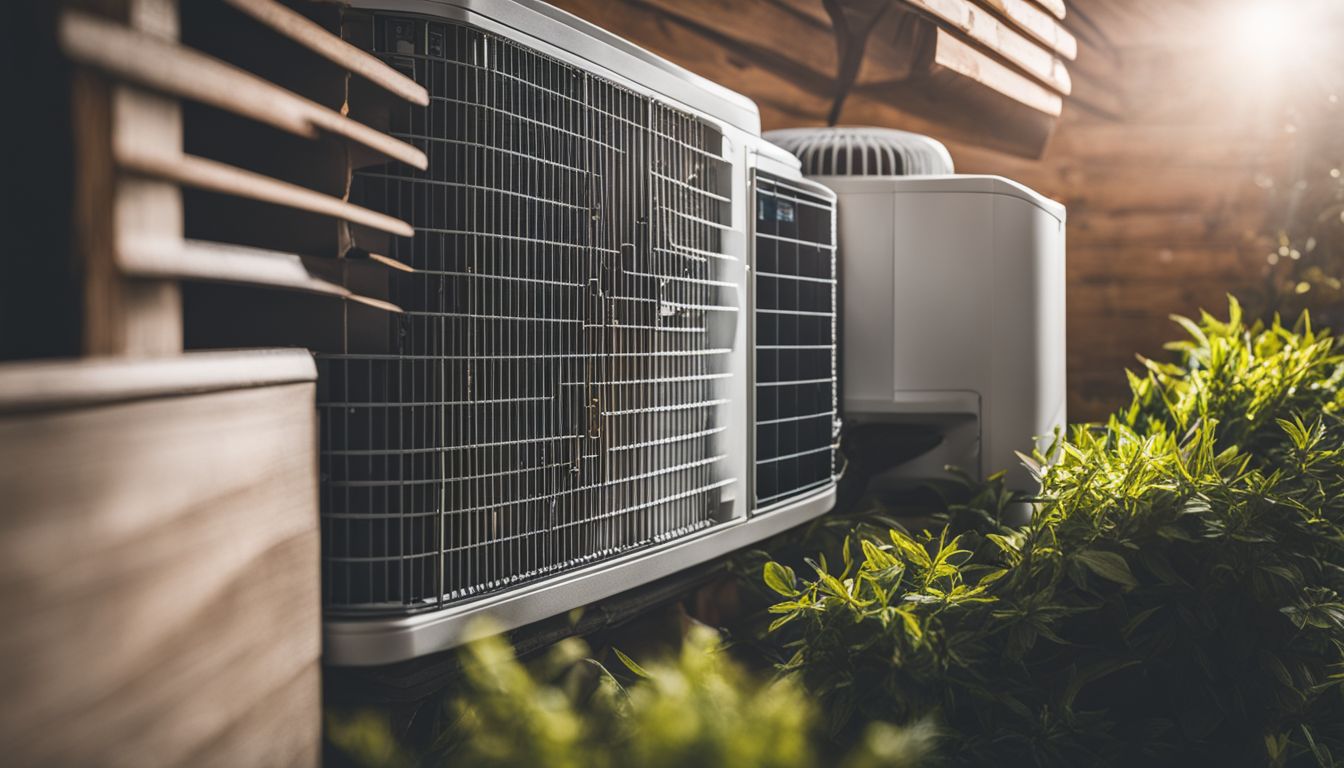
Picking the right insulation for your aircon is key to a cooler home. It saves power and keeps your unit running well for longer. Make sure you choose insulation that suits your needs and climate.
If in doubt, always ask a pro for help. They will know exactly what works best for your aircon system.
FAQs
1. What are the different types of aircon insulation?
The main types of aircon insulation include tube insulation, polyurethane (PU) insulation, polyethylene (PE) insulation, and rockwool insulation.
2. Why is choosing the right air conditioner insulation important?
Choosing the right type of air conditioner insulation helps reduce carbon emissions, protect the ozone layer from harmful gases like chlorofluorocarbons (CFCs), and can save fuel by keeping your home cooler in summer and warmer in winter.
3. Can changing my aircon’s refrigerant help the environment?
Yes! Using eco-friendly refrigerants such as R-410A or R-1234yf instead of those that deplete the ozone layer is better for reducing environmental impact.
4. How does attic insulation affect my heating and cooling system?
Proper attic insulation keeps your house temperature stable by stopping heat loss through roofs and attics; it makes HVAC systems work more efficiently with less energy use.
5. What role do concrete blocks play in insulating a building?
Concrete block walls have spaces that can be filled with insulating materials to prevent heat transfer, keeping homes cooler on hot days and saving on cooling costs.
6. Are there any new technologies for insulating split air conditioners?
Developments in HVAC technology often focus on improving materials like foam or rubber for condenser coil wraps or using specialised coatings on drainpipes to enhance efficiency while being mindful of CO2 forecasts due to increased ultraviolet exposure.