


Health is a big topic with lots to know. This article helps answer many questions about how our bodies work and what affects our health. For instance, we will explain the difference between bacteria that can make us sick and viruses that need living cells to grow.
Antibiotics can kill bacteria but they do not work on viruses. Our immune system fights off germs to keep us healthy, but things like stress or not getting enough sleep can make it weaker.
We also look at why moving around and exercising for at least 150 minutes each week is good for strong bones and muscles. Sleeping well makes you feel happier and think better. But, if people use harmful substances too much, it can hurt their body parts like the liver or heart.
It’s also bad for how they feel inside their mind.
Breathing in smoke from someone else’s cigarette is dangerous, even if you don’t smoke yourself; it can cause lung cancer in people who have never smoked before! Drinking coffee has some good sides – it might help stop diseases like Parkinson’s disease or type 2 diabetes – but pregnant women should be careful with how much they drink.
This article shares truths about myths too, such as washing hair every day and taking care of your skin properly. Health isn’t just one thing; it includes lots of different habits and choices we make every day which affect how we feel physically and emotionally.
Learn all this here as we dig into common questions about health impact!
Unravelling Common Health Queries

In the pursuit of maintaining good health, numerous questions arise about how our bodies function and respond to various factors. We delve into some frequently asked health concerns, clarifying critical aspects such as the distinctions between microbes that cause illness and the intricacies of our body’s defence mechanisms.
The Difference Between Bacteria and Viruses
Bacteria and viruses both cause infections, but they’re quite different. Bacteria are single-celled organisms that can live in various environments, from soil to the human gut. Many bacteria are helpful, but some can cause infectious diseases.
Unlike bacteria, viruses are smaller and need a living host – like people or animals – to multiply. They invade cells and take over their machinery to reproduce.
Antibiotics can fight bacterial infections by killing the harmful bacteria or stopping them from growing. However, these medicines have no effect on viruses. For viral infections like the flu or common colds, other types of treatments are needed since antibiotics won’t work.
Vaccines can help prevent virus-related illnesses by preparing your immune system to recognise and combat the specific pathogens responsible for disease before you get infected.
The Role of the Immune System

The immune system is our body’s defence against infections and diseases. It includes a network of cells, tissues, and organs that work together to protect us. White blood cells or lymphocytes play a key role in this process.
They travel through the bloodstream and lymphatic system to seek out and destroy invaders like bacteria and viruses.
Vaccines give the immune system a boost by training it to recognise specific diseases without making us sick. A balanced diet, regular exercise, enough sleep, and reduced stress all support a strong immune function.
However, factors like poor nutrition or certain medications can weaken it. Consulting with healthcare professionals is essential for advice on how to maintain or improve your immune health.
Understanding Allergies
While the immune system defends us against harmful invaders, sometimes it reacts to harmless substances. This is what happens in allergies. Allergens like pollen, pet dander, or foods can trigger allergic reactions.
Reactions may include sneezing and itching or serious problems such as anaphylaxis.
Doctors use allergy testing to find out what causes someone’s symptoms. Knowing your triggers can help you stay away from them. Treatments often involve medicines, injections, or changes in your lifestyle to control your allergies better.
Some people get allergies as children; others might not have them until they are adults. It’s even possible for some folks to overcome their allergies over time.
The Influence of Lifestyle on Health

Lifestyle choices play a pivotal role in shaping overall health, from daily habits to long-term practices. Engaging in positive behaviours can fortify the body’s defences against illness while neglecting wellness can lead to detrimental effects on physical and mental well-being.
The Importance of Exercise
Exercise is key to a healthier life. It strengthens your heart and blood vessels, lowering the risk of heart disease. Your bones and muscles also get stronger with regular physical activity.
This guards against conditions like osteoporosis and back pain.
At least 150 minutes of exercise each week can help you stay in shape and control body fat. By moving more, you cut down on the chances of getting serious illnesses. Next up, let’s talk about how sleep affects your health.
The Benefits of Adequate Sleep

Getting enough sleep helps your body and mind stay healthy. It boosts your mood and sharpens your thinking. Good sleep patterns link to fewer heart problems, less stress, and better weight control.
A restful night makes you feel ready for the day.
A cosy room and a regular bedtime routine can lead to deeper sleep. This gives your brain time to process what you’ve learned. Now, let’s talk about how substance abuse harms health.
The Impact of Substance Abuse on Health

Substance abuse harms the body in many ways. It can damage the liver, leading to serious conditions like cirrhosis and hepatitis. These illnesses are tough on your health and can change your life forever.
Heart problems linked to substance abuse include high blood pressure and uneven heartbeats. Such issues increase the risk of a heart attack, which is scary for anyone.
Using drugs or drinking too much alcohol also affects mental health. People may feel very sad or worried all the time because of depression or anxiety caused by substance abuse. This might make it hard for them to work well at their job or get along with others.
Overall, substances that hurt your body can ruin both friendships and family ties.
Next, we’ll explore how addiction raises concerns about our health through different common substances like alcohol and tobacco smoke.
Addressing Concerns about Addiction

Addressing concerns about addiction, our forthcoming discussion delves into its toll on health and strategies for management, inviting readers to explore this critical issue further.
The Health Risks of Alcohol

Drinking too much alcohol can harm your body in many ways. It can damage your liver, causing diseases like cirrhosis. Your heart is also at risk, with problems such as high blood pressure and heart attacks becoming more likely.
Drinking a lot over time can even cause certain cancers to develop.
Alcohol doesn’t just affect your physical health – it hits your mind too. It may lead to mental illnesses such as depression or anxiety. If pregnant women drink, their babies could face serious issues like Fetal Alcohol Spectrum Disorders.
And let’s not forget that drinking heavily weakens the immune system, making you more open to infections. These risks are why we must understand substance abuse’s role in our well-being and consider the adverse effects of smoking next on our health journey.
The Adverse Effects of Smoking

Moving from the risks associated with alcohol, smoking is another habit that severely affects health. Smoking damages lungs and can cause lung cancer. It also harms the heart, leading to heart disease.
People who smoke face a higher risk of having strokes and developing peripheral artery disease.
Cigarettes contain chemicals that hurt blood vessels and make them stiff. This can lead to hardening of the arteries which increases the chance of heart failure. Pregnant women who smoke may have babies with low birth weight or other serious problems.
Everyone around smokers also suffers; second-hand smoke exposes non-smokers to hazards like respiratory infections and lung cancer. Even without lighting up, just breathing in this toxic air puts others at risk for diseases caused by environmental tobacco smoke.
The Dangers of Secondhand Smoke
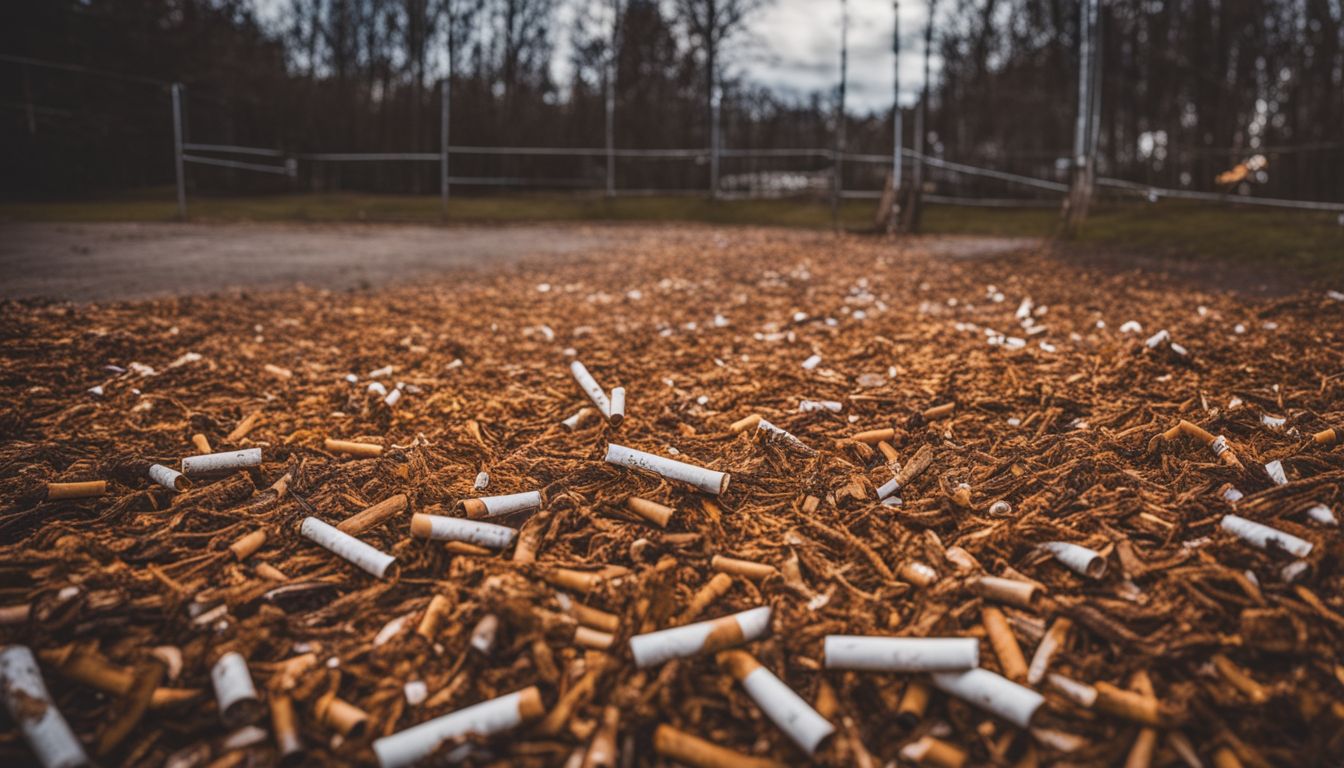
While smoking harms the person lighting up, it also puts others at risk through secondhand smoke. Breathing in this smoke exposes people to thousands of chemicals that can damage their bodies.
Many of these substances are poisons and can cause cancer.
Children breathe in secondhand smoke and may get ear infections, bronchitis, or pneumonia more often. Pregnant women around secondhand smoke face a greater chance of having babies too early or with low weight at birth.
Even if you don’t smoke yourself, being near someone who does can still put you in danger for health problems like lung cancer and heart disease. No amount of secondhand smoke is safe; it’s always harmful to your health.
Exploring How Sleeping with Aircon Can Affect Health
 Sleeping with air conditioning on can lead to cooler room temperatures but may come with health drawbacks. One concern is that constant exposure to cold air at night might cause muscles and joints to stiffen or even result in mild hypothermia if the temperature is set too low.
It’s also common for people to wake up feeling dehydrated because the cool, dry air can sap moisture from their skin and respiratory system.
Using an air conditioner during sleep can worsen symptoms for those with respiratory conditions. The circulation of chilled, dry air may irritate sensitive airways, leading to coughing or a tight chest.
For asthma sufferers, it’s crucial to ensure that filters are clean since dirty filters accumulate allergens like pollen or dust mites which could trigger attacks at night. Regular cleaning and maintenance of these systems help reduce such risks by keeping the indoor environment healthier for sleep.
Exploring Common Health Misconceptions

6. Exploring Common Health Misconceptions:.
Delving into the realm of health myths, we aim to disentangle fact from fiction and shed light on how these misconceptions could be affecting your wellbeing. This section cuts through the noise, providing clarity on everyday beliefs that may not stand up to scientific scrutiny.
The Myth of Daily Hair Washing

Many people think they need to wash their hair every day, but this isn’t true for everyone. Your hair type and lifestyle should guide how often you shampoo. If you clean your hair too much, it can become dry and brittle because the natural oils get washed away.
This often makes your scalp produce even more oil to compensate.
If you don’t wash your hair enough, oil and dirt build up. This is bad for both your hair and scalp. Activities like sports might make you need to wash your hair more often due to sweat.
Weather changes also play a role in how dirty your hair gets. Find a balance that keeps your hair healthy without overdoing it or neglecting it.
The Truth about Coffee Consumption

Moving on from hair care myths, let’s delve into coffee and its effects on health. Drinking coffee is often seen as a guilty pleasure, but research shows it can actually be good for you.
A moderate amount of coffee can lower the risk of diseases like Parkinson’s and Alzheimer’s. It also contains antioxidants that fight free radicals in the body.
Coffee drinkers might be glad to know that 3-4 cups a day could keep heart disease at bay. Not just physical health, but mental sharpness and mood may improve with a cup of joe. And while pregnant women should take it easy on the caffeine, others need not worry about cancer risks from their daily brew.
Understanding Skin Care Necessities
Just like coffee affects our health from the inside, skin care is vital for protecting and maintaining our body’s largest organ. Healthy skin acts as a barrier against harmful bacteria and environmental dangers.
By taking good care of it, we help prevent issues like dryness, acne, and even more serious conditions that can arise from exposure to bacteria or viruses. Proper cleansing removes dirt and microorganisms that could cause infections.
Moisturising keeps the skin hydrated which prevents cracks where tiny microscopic organisms might enter.
Selecting the right products is also key to effective skin care. Ingredients matter because harsh chemicals can damage skin over time while natural ingredients may nourish it better.
Sunscreen protects from UV rays which can lead to cancerous growths if ignored. It’s not just about looking good – it’s about keeping your whole body safe and healthy through proper attention to your skin’s needs.
Conclusion

Taking care of your health can seem complex, but understanding the basics makes it easier. Remember that simple actions like washing hands can stop sickness from spreading. Making good choices about exercise and sleep boosts your health too.
Stay informed and make smart decisions for a healthier life. Keep asking questions and seeking out accurate information to guide you on this journey.
FAQs
1. Can hay fever affect your overall health?
Hay fever, also known as allergic rhinitis, can make you feel unwell with symptoms like sneezing and itchy eyes. It doesn’t usually cause serious problems but can be a nuisance for your daily life.
2. What role do vaccines play in preventing diseases?
Vaccines, such as the smallpox vaccine developed by Edward Jenner, help prevent contagious diseases like cowpox virus and H5N1 virus by training the immune system to recognise and fight germs.
3. How does smoking impact heart health?
Cigarette smoking is harmful because it increases the risk of cardiovascular disease, including conditions like hypertension (high blood pressure) and aneurysms in blood vessels.
4. Is there a connection between diet and health issues like obesity?
Yes! Eating lots of processed foods high in salt or sugar may lead to obesity—a big health problem that raises the chance of many illnesses including diabetes and heart disease.
5. Why is food safety important for our health?
Food safety keeps us healthy by making sure our food supplies are clean and safe to eat which helps prevent foodborne illnesses caused by bacteria when we consume things that aren’t handled or cooked properly.
6. Does where you live affect your access to good nutrition?
Yes! People living in “food deserts” might not have easy access to fresh fruits and vegetables which makes it harder for them to get nutritious meals every day; this could harm their well-being over time.