

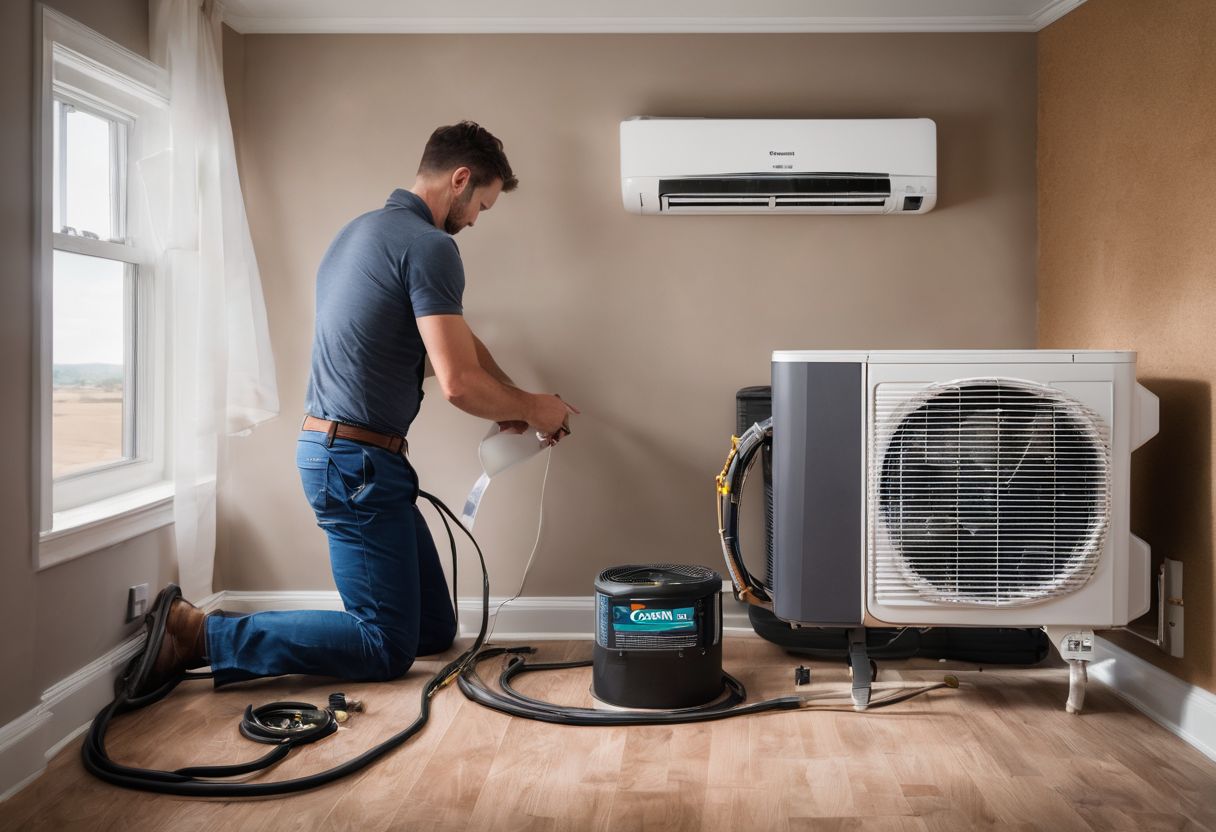
Air conditioning installation is a critical task that needs thorough understanding and careful planning. It’s about making sure your home or office stays cool, comfortable, and energy-efficient.
Getting the right size for your air conditioner makes all the difference in its performance and how much energy it uses. Where you place your AC can affect how well it works too; placing it away from heat sources helps save on bills.
Trained technicians play an important role as they have the skills to handle intricate ductwork and electrical setups required for installing air conditioners correctly. Even though higher-priced units might seem costly at first, they often lead to savings in the long run because of their enhanced efficiency and longer lifespan.
If you’re eyeing high-tech options, consider inverter air conditioners for their quiet operation, better control over temperatures, and impressive energy savings.
Out there are many types of AC systems – from window models to complex central modular ones – each suited for different spaces and needs. Knowing which one fits your space comes down to details like SEER ratings that tell you about an AC unit’s efficiency during summer seasons.
Regular maintenance by professionals is key to keeping any type of air conditioner working smoothly for years. This article provides you with everything you need to know about installing an effective cooling system that suits your space without breaking the bank or wasting power.
Displaying these facts matures into valuable insights as this guide unfolds step-by-step instructions on achieving optimal conditions through proper installation practices. Let’s keep our cool as we explore further!
Understanding Air Conditioning Installation
Installing an air conditioning system goes beyond simply picking a unit and plugging it in. It involves careful consideration of various technical aspects that can affect performance, efficiency, and subsequently the comfort levels within your space.
You must assess the cooling requirements of the area you wish to condition by analysing room size, insulation quality, and local climate patterns to determine the most suitable type of air conditioner—be it a central system or a split-system unit.
Choosing the correct size for your air conditioning system is crucial; too large an AC will cycle on and off frequently, leading to increased wear and higher utility bills, while one that’s too small won’t sufficiently cool the space on hot days.
Energy efficiency is another significant factor; systems with high SEER (Seasonal Energy Efficiency Ratio) and EER (Energy Efficiency Ratio) ratings will consume less power during operation which translates into savings on energy costs over time.
Also important is considering where you’ll place your units since proper airflow directly influences operational efficiency. Having professionals perform the installation ensures precision placement as well as adherence to safety standards for ducting work if required – this protects against future performance issues or costly repairs due to improper setup.
Key Factors to Consider for Air Conditioning Installation
When embarking on air conditioning installation, it is imperative to assess several crucial factors that directly influence the system’s performance and longevity. Deliberation over these considerations ensures that your air conditioning solution aligns with both personal needs and industry standards for efficiency and sustainability.
Cost and Quality

Investing in an air conditioner involves balancing cost against quality to ensure value for money. High-quality air conditioning systems may come with a higher upfront price, but they often lead to reduced energy consumption and lower utility bills over time.
It’s crucial to consider the durability of the system as well; premium models are typically built with better materials that withstand wear and tear, demanding less maintenance and offering greater longevity.
Selecting a less expensive option might save you cash initially, but it could result in frequent repairs or earlier replacement needs. Moreover, energy-efficient models tend to have superior components such as inverter technology, which adjusts power use based on demand – this not only slashes electricity costs but also reduces impact on the environment.
Always weigh both initial purchase costs and potential long-term savings when deciding on an HVAC system that suits your budget without compromising quality or performance.
Ensuring Your AC Unit is Adequately Sized for the Room
To make sure your air conditioner works efficiently, it’s essential to choose the right size for your space. A unit that’s too small won’t be able to cool a room properly, leading to constant running and wasted energy.
On the other hand, an oversized AC can cause uneven temperatures and excess humidity. Determining the correct size involves calculating the square footage of your room and considering factors such as ceiling height, window size, and insulation quality.
Keep in mind that a well-sized unit offers better climate control and operates at peak performance without overburdening the system. Check the SEER (Seasonal Energy Efficiency Ratio) and EER (Energy Efficiency Ratio) ratings for higher energy efficiency.
These ratings indicate how effectively a unit turns electricity into cooling power; those with higher numbers represent more economical operation over time. An optimal fit not only ensures comfort but also helps reduce power consumption, ultimately saving on electricity bills while keeping your environment consistently pleasant.
Energy Consumption and Efficiency
Opting for an air conditioner with high energy efficiency ratings can lead to significant cost savings over time. Consider models that have earned the Energy Star label; they’re designed to use less electricity while still providing top-notch cooling.
This not only reduces monthly energy bills but also cuts down on carbon emissions, making them a more environmentally friendly choice.
Careful planning of your air conditioning system goes a long way in enhancing its efficiency. Ensure proper insulation is in place and air leaks are sealed. Positioning the thermostat away from direct sunlight or heat sources avoids false readings which can lead to unnecessary energy usage.
Regular maintenance, including cleaning or replacing air filters and checking refrigerant levels, keeps your unit running smoothly, ensuring maximum efficiency and extending its lifespan.
Air Quality and Durability
High-quality air conditioners do more than just cool the room; they play a critical role in maintaining clean air flow. These units often come with filters that capture dust, allergens, and other pollutants, helping to ensure the air you breathe is healthier.
An effective ventilation system can also reduce the risk of respiratory issues caused by indoor contaminants like mould spores or hay fever-inducing pollen. It’s essential to choose an AC unit equipped with a robust filtration system if you prioritise cleaner air in your living or workspace.
Durability is another significant aspect when selecting an air conditioning system. Units designed for longevity typically have higher energy-saving features and are less prone to breakdowns over time.
Look for models with strong warranty offers and built from materials resistant to corrosion, as these indicators often suggest a commitment to product quality by manufacturers. Investing in durable equipment means fewer repairs and replacements, ultimately saving money while providing consistent heating and cooling support through changing seasons.
Ductwork and Additional Equipment
Effective air conditioning installation involves precise ductwork, ensuring cool air reaches every corner of your space. Certified technicians play a crucial role in crafting and installing these pathways to avoid leaks and maintain an even temperature throughout the area.
The materials used for insulating ducts must prevent heat from escaping or entering the system, which is crucial for both energy savings and consistent indoor comfort.
Integrating additional equipment like heat pumps into your HVAC unit can transform it into a versatile climate control solution. Heat pumps work by transferring warm air to either heat or cool your home depending on the season.
This addition not only makes your system more flexible but can also lead to reduced energy consumption as you’re able to switch between heating and cooling with one device, optimising the use of energy all year round.
Choosing the Right Location for Installation
Choosing the proper location for your air conditioner is a key step in ensuring its effectiveness and efficiency. The right spot will help maintain consistent temperature control and reduce energy consumption.
- Identify areas with adequate air flow to prevent the AC unit from overworking. Make sure there are no obstructions, such as furniture or curtains, that could block the air intakes or vents.
- Select a location away from heat sources like ovens, cookers, or direct sunlight, as these can cause the unit to work harder than necessary.
- Ensure the chosen spot is close to an electrical outlet to avoid the need for extension leads, which can be a safety hazard and reduce efficiency.
- Consider where the noise from the air conditioner might be less disruptive; bedrooms and study areas usually benefit from quieter environments.
- Place outdoor units on a level surface where they won’t accumulate water. This helps prevent damage and maintains the system’s lifespan.
- Keep in mind that outdoor units should have sufficient clearance around them; this ensures proper air circulation and easy access for maintenance.
- Install indoor units high on walls if opting for split – system central air conditioners to maximise cool air distribution across the room.
- Check that ceiling insulation is present to help maintain temperature stability inside without overburdening the AC system.
- Avoid locations where dust and debris might clog up your system; keeping it free from these contaminants increases efficiency and longevity.
Importance of Professional Installation
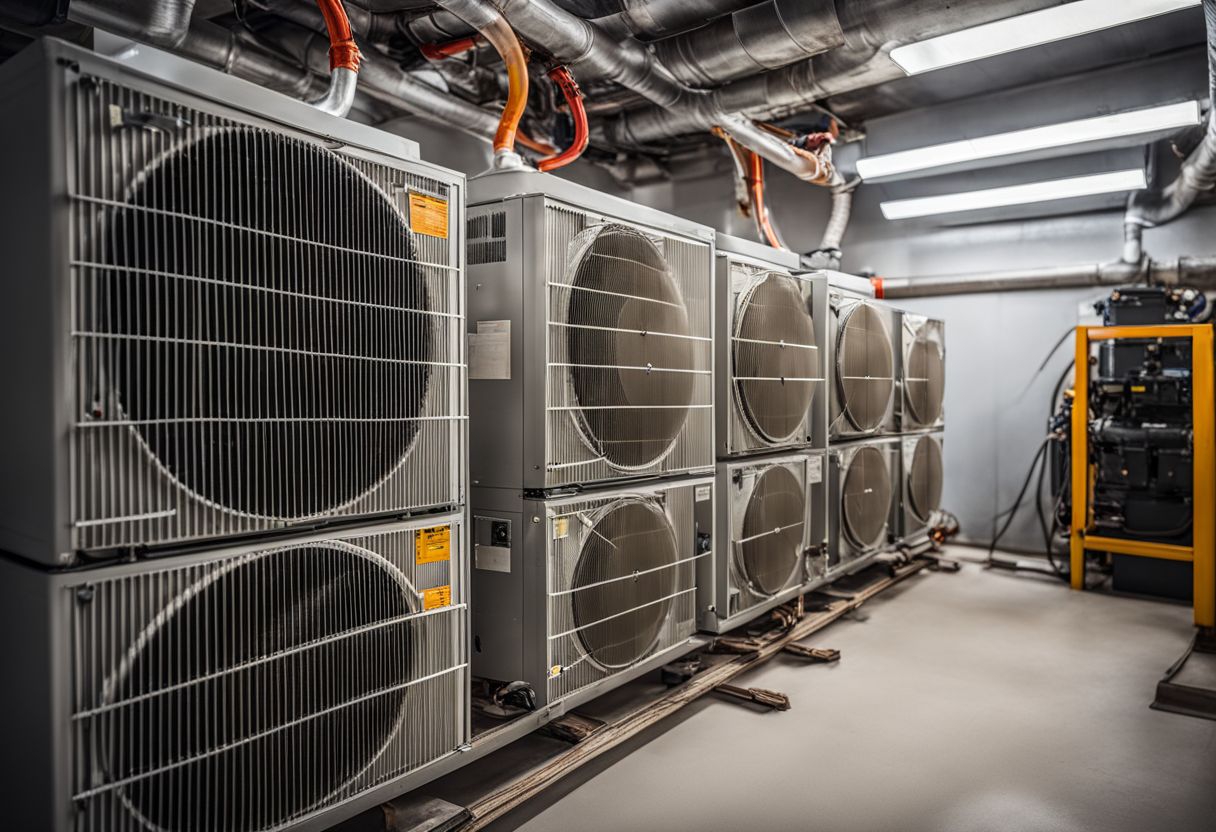 Professional installation ensures that your air conditioning system is set up correctly from the start. Certified technicians bring expertise that guarantees accurate refrigerant charge, proper airflow through coils, and secure connections in all electrical wiring.
They take into account the unique layout of your space to recommend the best placement for maximum efficiency and comfort.
Technicians trained in HVAC systems are adept at configuring settings to suit your specific needs. Whether it’s integrating a humidifier for enhanced air quality or ensuring variable refrigerant volume for energy-efficient operation, they handle complex elements with ease.
This not only results in optimal performance but also extends the lifespan of your investment by avoiding common pitfalls associated with amateur installation.
The Role of Proper Maintenance in Longevity
Properly maintaining your air conditioning system goes beyond just preserving its functionality; it extends the life of the unit significantly. Think of regular check-ups as an investment, where cleaning filters and servicing moving parts ensure that everything runs smoothly.
This can prevent costly breakdowns and minimise energy consumption.
Servicing your AC involves inspecting components like the condenser coils, which if dirty, can reduce efficiency and lead to overworked machinery. Technicians will also check refrigerant levels to maintain peak performance.
Air flows freely with clear intakes and exhaust vents, sustaining a comfortable environment while reducing stress on the system—supporting its longevity and keeping those energy bills in check.
Avoid letting minor issues escalate into major repairs by scheduling consistent maintenance checks for a durable air-conditioned space that stands the test of time.
Conclusion
Mastering the intricacies of aircon installation ensures your system runs efficiently for years. Pinpointing the ideal AC size and selecting an energy-efficient model can significantly cut running costs.
Trust in professional installers delivers precision, enhancing your unit’s performance and longevity. Think about positioning; it dramatically affects how well your aircon cools your space.
Stay cool, comfortable, and cost-effective by choosing quality over price when picking out a new system. Remember, investing time and resources now in a stellar setup leads to chilled-out rewards later on.
FAQs
1. What should I look for in an energy-efficient air conditioner?
Seek out air conditioners with high energy efficiency ratings, such as inverter air conditioners or those with variable refrigerant flow technology, which can lower your power bills and reduce environmental impact.
2. How does proper ventilation affect air conditioning installation?
Proper heating and ventilation are crucial; ensure your HVAC units include adequate air intake vents and exhaust solutions like dryer vents to maintain optimal performance and indoor air quality.
3. Can installing an air conditioner help with allergies?
Yes, many modern air-conditioning systems come with advanced filters and features for air purification that can significantly reduce allergens within self-service laundries or homes.
4. What are the benefits of reverse cycle air conditioners?
Reverse cycle air conditioners provide both cooling and heating options efficiently using a heat exchanger, making them versatile for year-round comfort in places like Loganlea or Meadowbrook.
5. Does the installation location of my unit matter?
Absolutely – choose spots away from direct sunlight where there’s good airflow around the unit. For buildings with false ceilings such as suspended ceiling tiles, consider professional advice to avoid disrupting structure integrity while ensuring effective chilling functions.
6. Are portable air conditioners a good option?
Portable units offer flexibility if you’re unable to install standard window or split systems due to factors like roof conditions or renting restrictions; however, always assess their suitability against your specific cooling needs.