

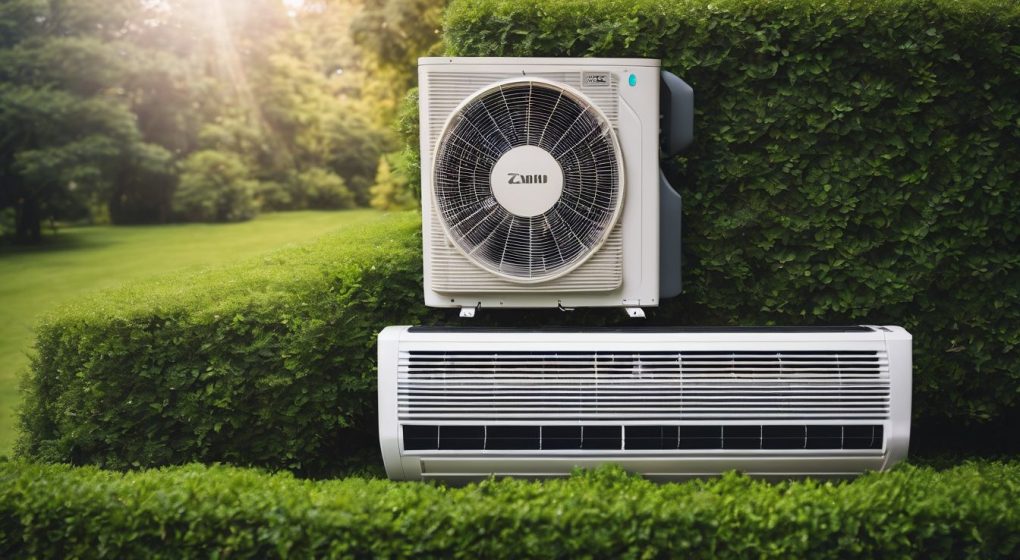
Air conditioning is a way to cool your home or office, especially in hot places like Singapore. In this article, we’ll compare big aircon brands like Daikin, Mitsubishi Electric, PRISM+, Panasonic, LG, Fujitsu, Samsung, and Hitachi.
Each has different features and helps save energy differently. People want aircons that use less electricity because cities are growing fast. The NEA in Singapore gives stars to say how good an AC saves power.
When you pick an aircon for yourself or a company think about the money it costs and what effect it has on the Earth. Systems like Daikin’s iSmileEco series are better for our planet; they cut down on bad gases by 68%.
Split AC systems are most popular in Singapore right now and will keep getting more famous until 2029.
Having an effective AC is super important to people these days. Also after COVID-19 slowed things down for a while everyone thinks sales will go back up again soon.
Big stores where you can buy many brands at once sell the most ACs in Singapore. A lot of businesses need good cooling too.
This story will tell you all about these cool machines so you can make smart choices!
Understanding Air Conditioning Systems in Singapore
In the bustling urban landscape of Singapore, where heat and humidity are ever-present, air conditioning systems are not just a luxury but a necessity for comfortable living. From compact residential units to expansive commercial installations, these systems cater to diverse needs and preferences, with technological advancements continually shaping their evolution.
Split Air Conditioning Systems
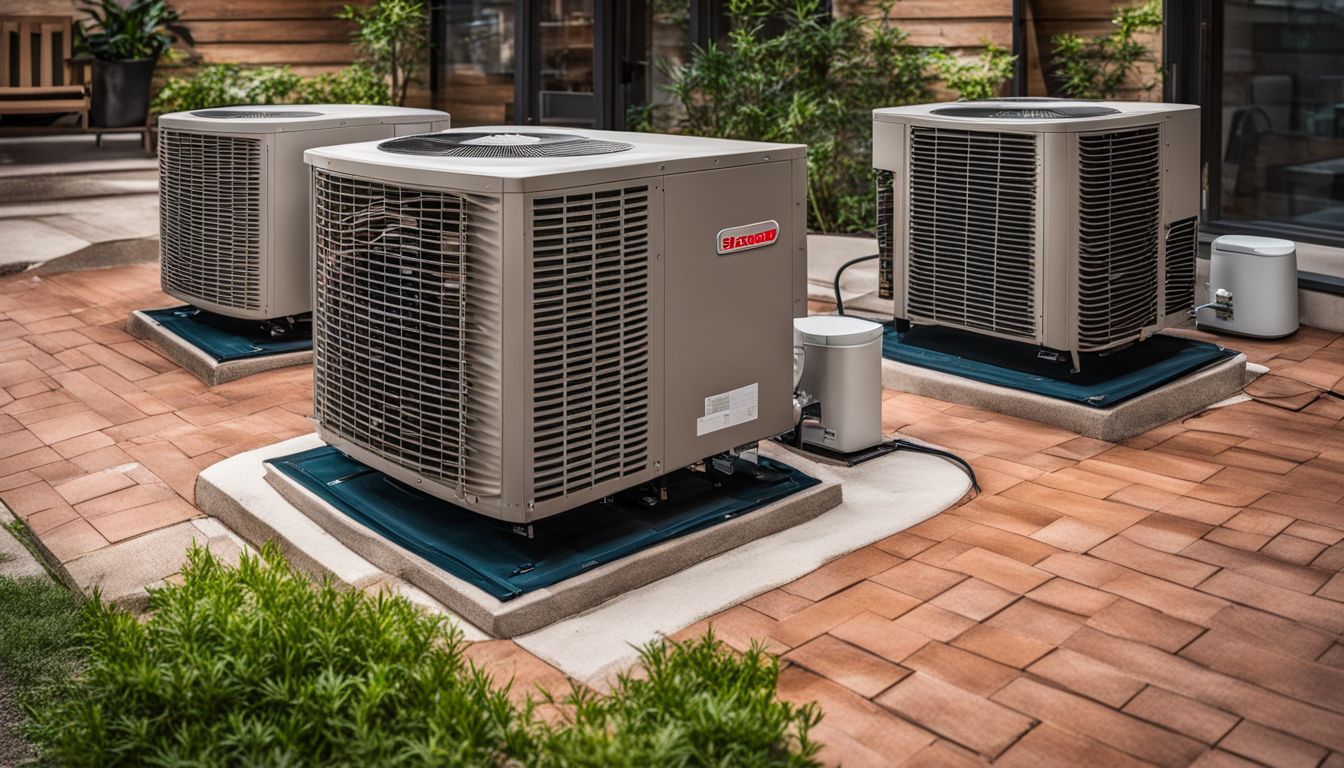
Split air conditioning systems are very popular in Singapore. They have two parts: an outdoor unit and indoor units. The outdoor part houses the compressor and condenser. Inside, there’s usually more than one unit mounted on walls that cool different rooms.
These systems don’t need ducts to work, which makes them easier to install in homes and buildings without existing ductwork. They are known for being quiet, energy-efficient, and good at cooling large spaces evenly.
Many people in Singapore choose split air conditioners because they save space and can be controlled separately in each room.
Window Air Conditioning Units

Window air conditioning units are compact devices that fit into window frames. They cool a single room by pulling hot air out and pushing cold air in. Many people choose these units for small spaces or rented homes because they’re easy to install and move around.
These aircons use less energy than larger systems, which saves money on electricity bills. They often have simple controls and can also help reduce humidity in the room. However, they might not be the best choice for cooling large areas or multiple rooms.
Ductless Mini-Split Systems
Ductless mini-split systems stand out for their flexibility and energy efficiency. They are popular in Singapore homes because they can cool different rooms at various temperatures.
Each unit has its own thermostat, so you only cool the spaces you use. This cuts down on energy waste and helps with electricity bills.
These systems include an outdoor compressor and one or more indoor air-handling units. They connect through a small hole in the wall for power and refrigerant lines. There’s no need for ductwork, making them easier to install than central air systems.
Ductless mini-splits also improve indoor air quality as they have multi-stage filtration that reduces dust, bacteria, pollen, allergens, and other particles from the air.
Central Air Conditioning Systems
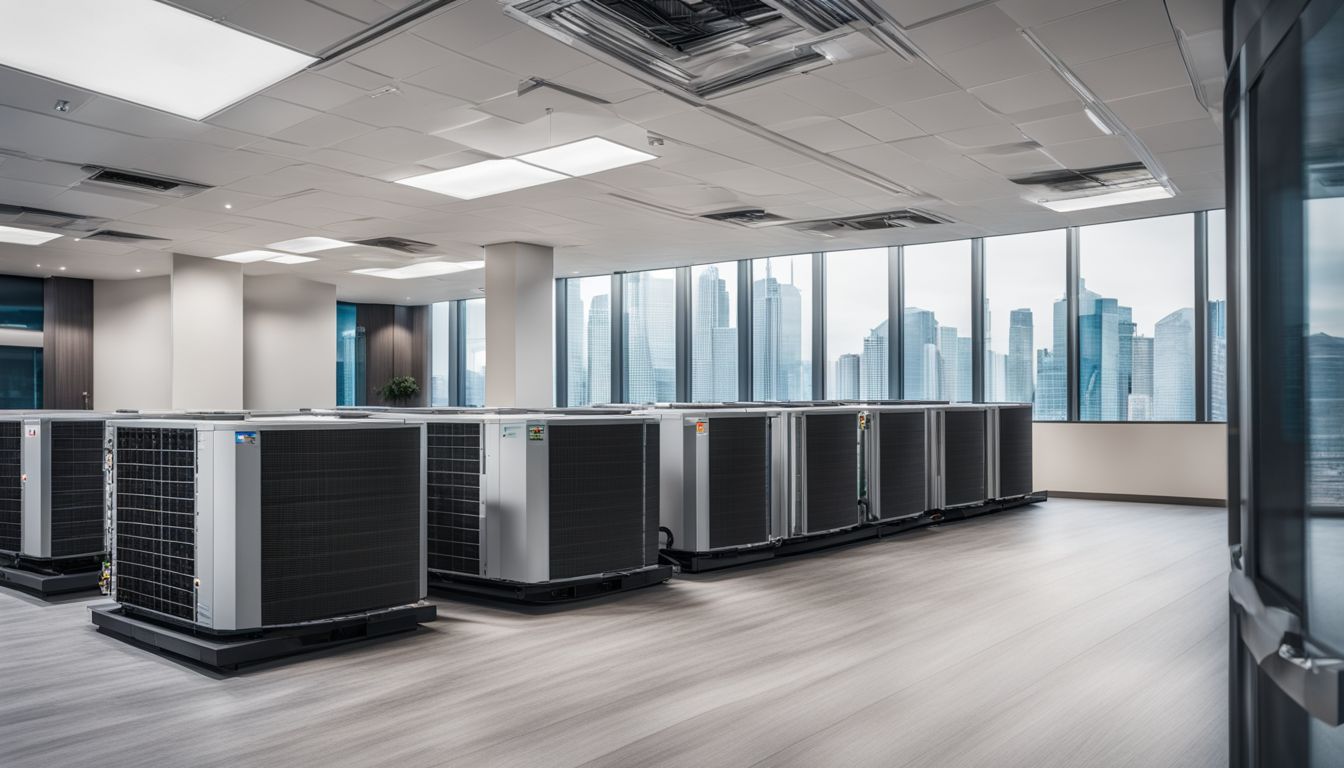
Moving from smaller-scale cooling options, central air conditioning systems offer a solution for entire homes or commercial buildings. These powerful units work through a network of ducts to cool every room evenly.
They’re built into the structure and involve extensive installation. Central systems are great because they clean and circulate air throughout the building. This means less dust and better air quality.
Central air conditioning is more energy-efficient over time compared to individual units in each room. Customers can control them easily with thermostats in different zones of their space.
With Singapore’s market growing, companies like Daikin and Mitsubishi Electric invest in these robust systems, aiming for higher energy savings and customer satisfaction.
Factors to Consider When Purchasing an Air Conditioner in Singapore
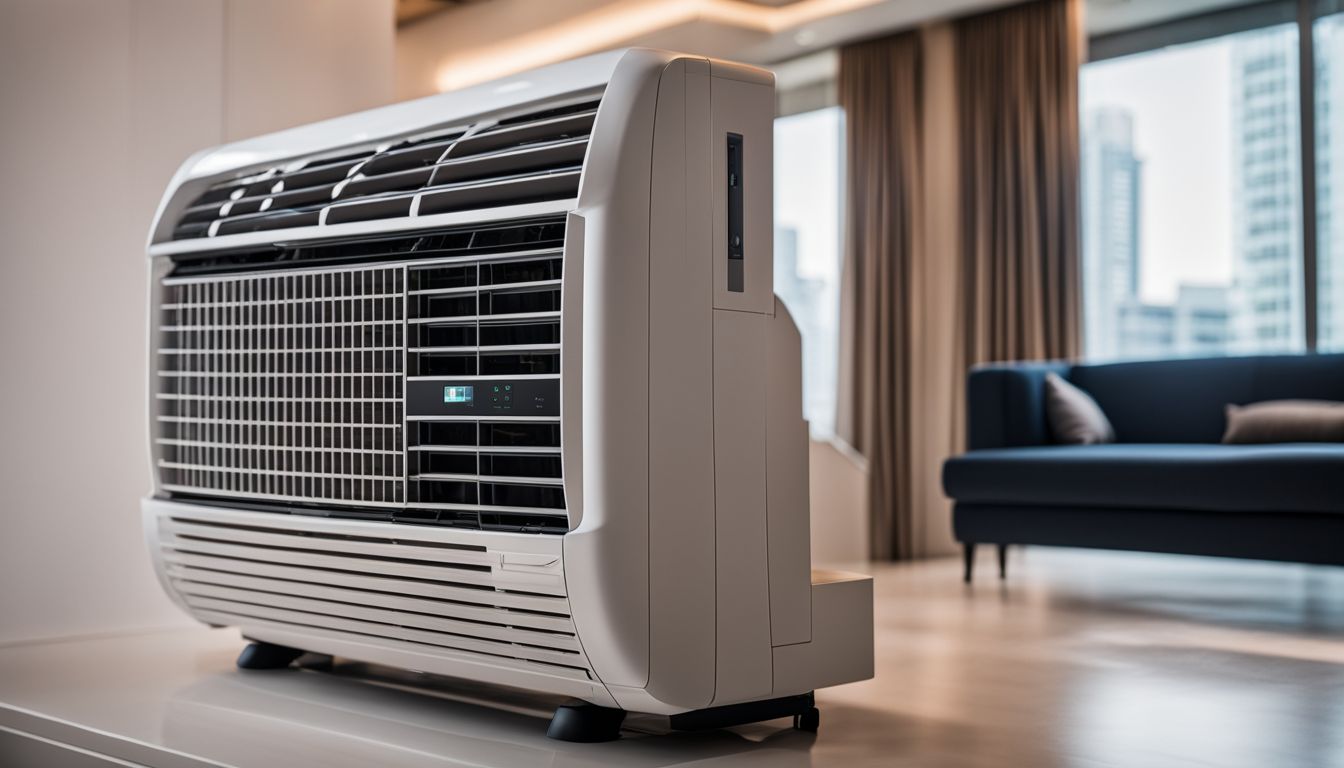
Selecting the right air conditioner in Singapore hinges on several critical factors, each influencing your overall comfort and energy expenses; explore these vital considerations to make a well-informed decision for your cooling needs.
Personal Use
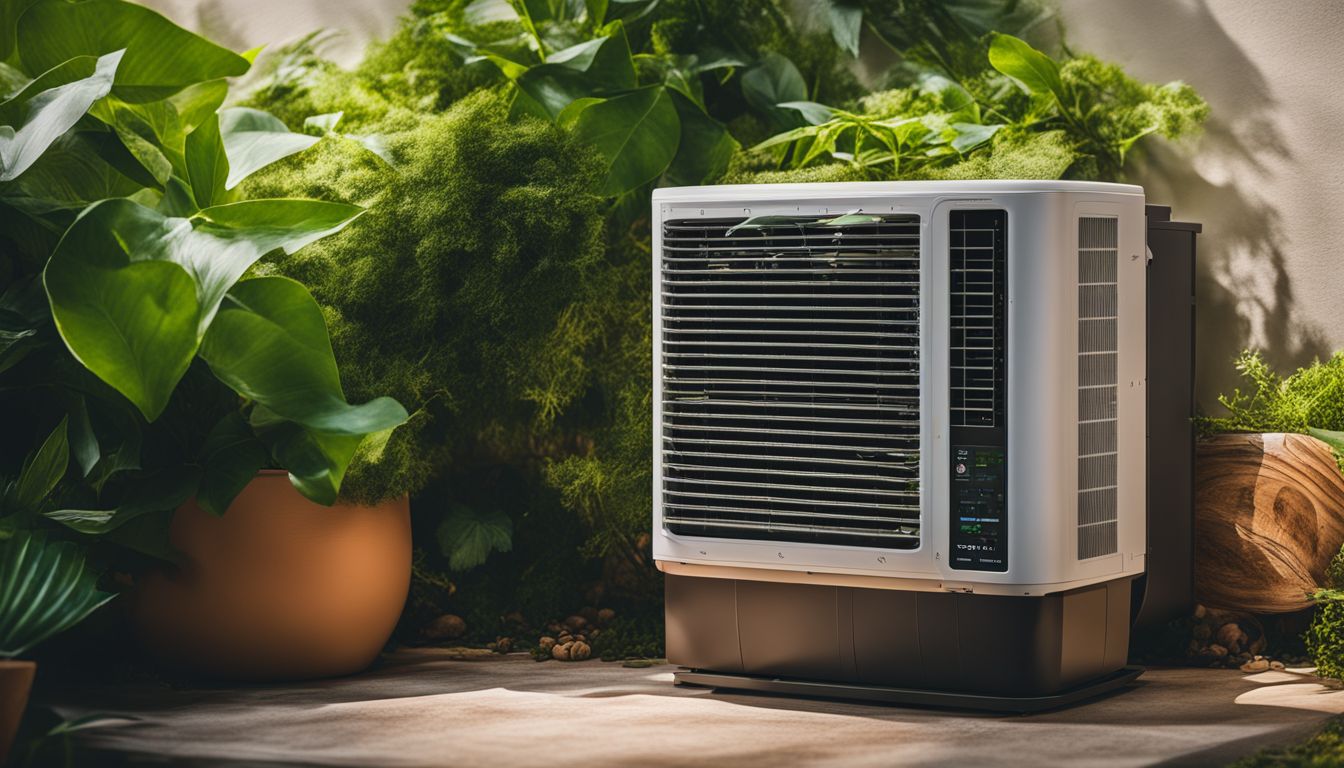
Choosing an air conditioner for home use in Singapore requires careful thought about costs and how often you’ll use it. Think about the price of buying the unit, as well as what it will cost to run and keep up over time.
You should also consider its effect on the environment. Look for eco-friendly solutions like energy-efficient designs that can help reduce your carbon footprint while keeping your house cool.
Manufacturers are turning out smarter, greener models to match people’s needs. Features such as inverter technology and smart grid compatibility make units more sustainable. These advancements help save power and cut down energy bills.
Make sure your choice reflects both comfort needs and a commitment to sustainability before moving on to corporate use considerations.
Corporate Use
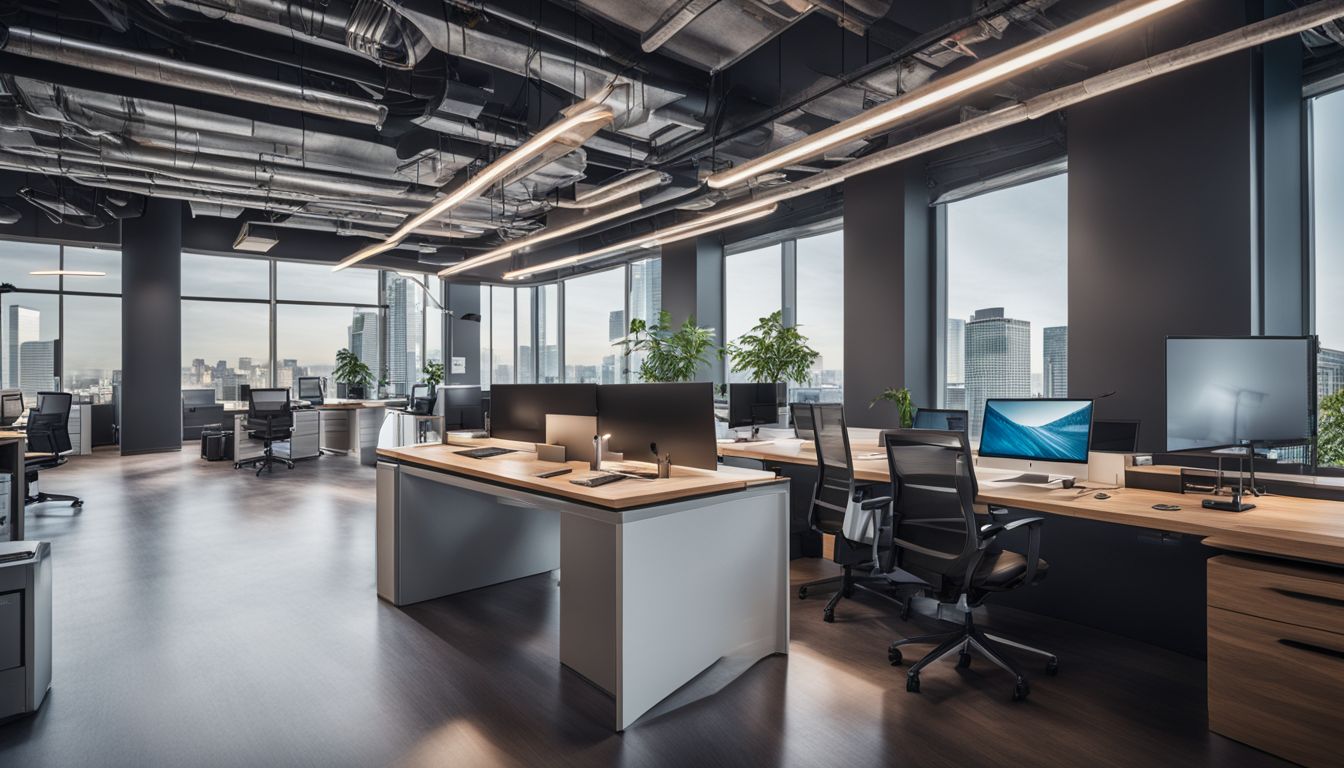
Businesses need to think about air conditioners differently than homeowners. They look for systems that can cool large areas and be efficient over time. Zones are important because different parts of an office may need different temperatures.
Long-term costs matter too, like how much energy the system uses and how often it needs repairing.
Maintenance contracts are key for keeping air conditioners running well in companies. These agreements help fix problems quickly and keep the machines in good shape. Companies also want their cooling systems to meet Singapore’s strict environmental rules while providing a comfortable workspace.
With the right system, businesses can save money on energy and make sure employees stay cool and focused.
Overview of Air Conditioner Market in Singapore
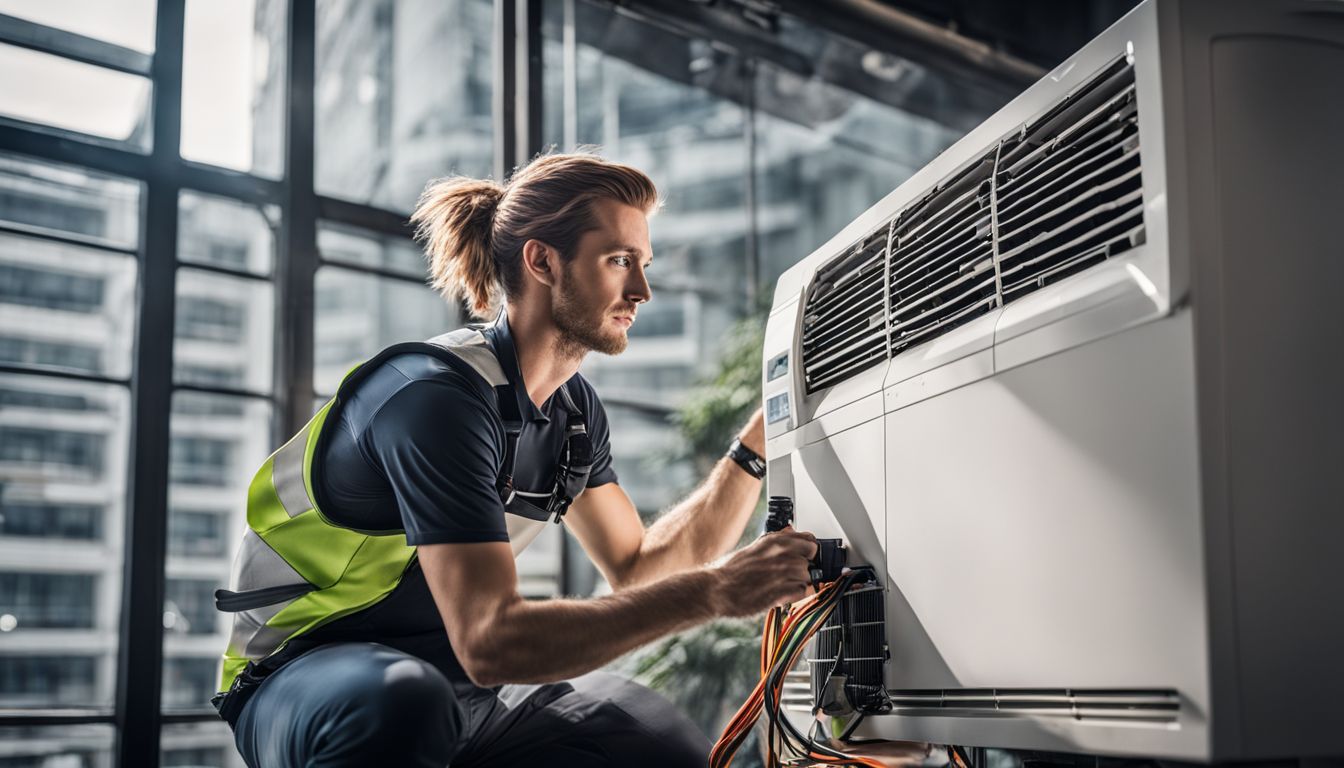
Singapore’s air conditioner market is a dynamic and competitive sector, reflecting the urbanised nation’s need for climate control in its hot and humid environment. With significant economic activity and infrastructure development, consumers increasingly demand energy-efficient solutions to cool their living spaces whilst minimising energy wastage.
The landscape of this market shows a pronounced shift towards technologically advanced systems that integrate with smart grid technologies and can be controlled via voice assistants or internet-connected devices.
Moreover, sustainability has become a key influencing factor; thus, energy recovery ventilators and systems with lower carbon footprints are gaining traction as Singapore moves towards sustainable development.
The local AC market is dominated by several international giants offering an array of products that cater to various segments such as residential, commercial, and industrial applications.
Popular brands like Daikin lead with cutting-edge inverter air conditioners whilst Panasonic introduces models featuring sophisticated dehumidifying functions. With multi-brand stores acting as the dominant distribution channel for these appliances, access to the latest innovations becomes easier for consumers.
This highly competitive arena demands manufacturers not only excel in product quality but also navigate through supply chain challenges adeptly—traits reflected by all top performers including LG Electronics, Samsung Electronics among others who have established strong footholds within this bustling marketplace.
Top Air Conditioner Brands in Singapore: A Comparison
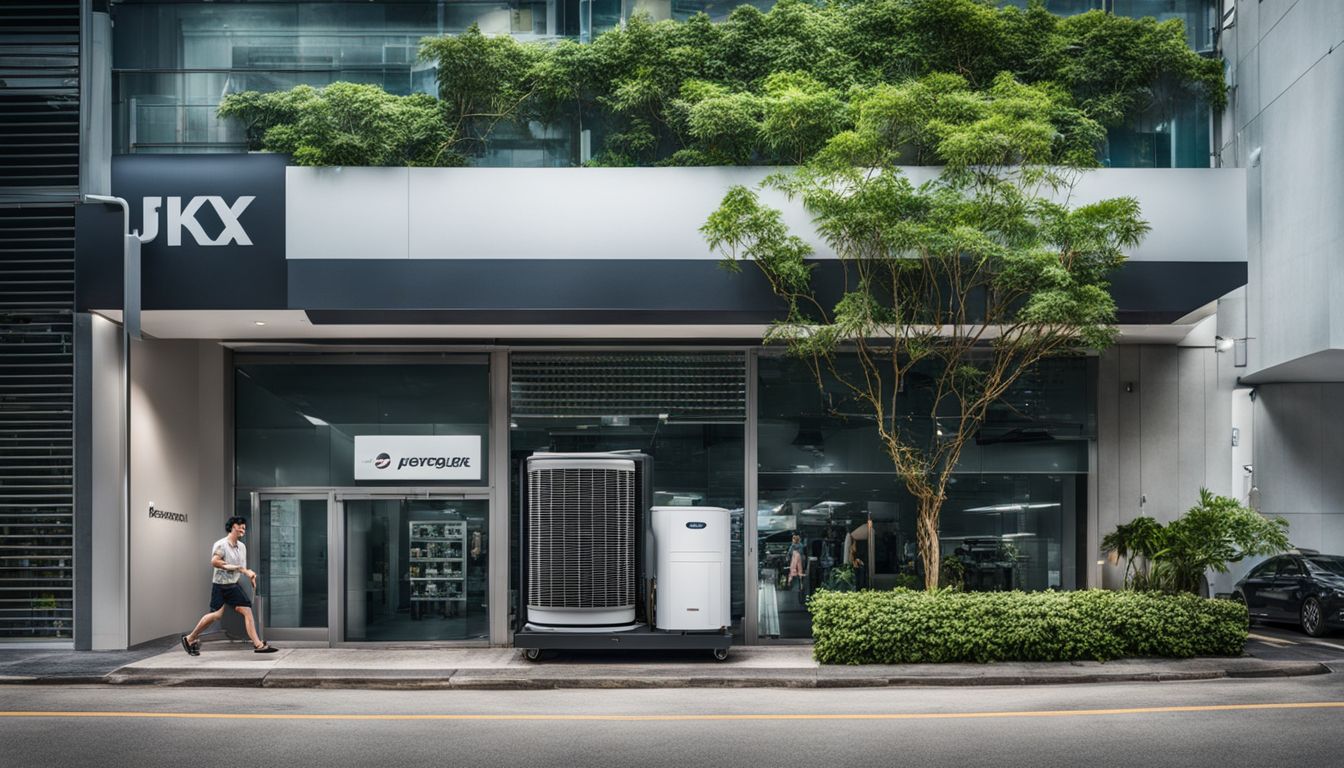
As consumers navigate the complexities of Singapore’s air conditioner market, the critical task is to evaluate the leading brands that dominate this competitive landscape. Each brand brings its unique blend of innovation, efficiency, and performance to the table; our impartial comparison delves into these aspects to arm you with information for an informed purchase decision.
Daikin: Features, Pros and Cons
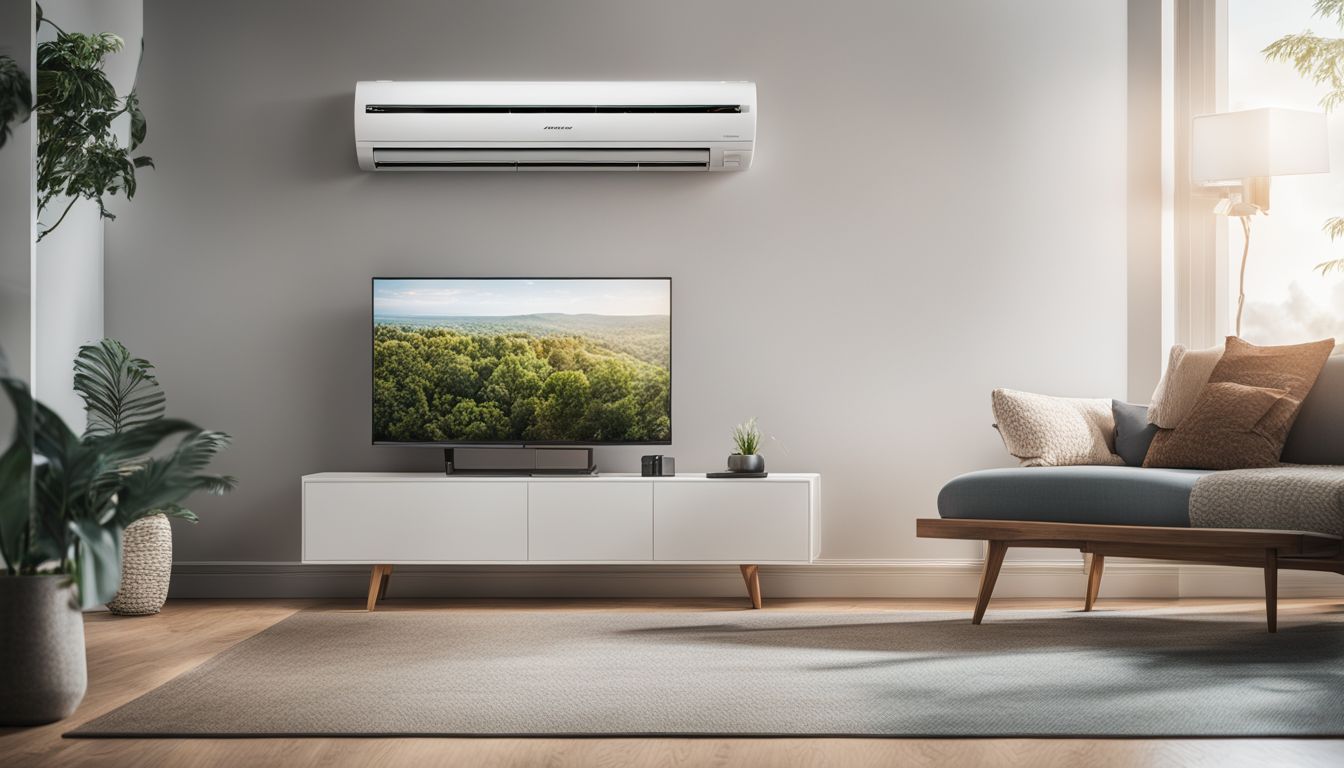
Daikin stands out with its wide selection of air conditioners suitable for various room sizes and user needs. Their iSmileEco Series is a hit, known for its energy efficiency and compact design which makes it a quiet companion in homes.
This series uses R32 refrigerant, which cuts down on the global warming potential by 68%. With features like smart control, users can adjust settings easily to fit their comfort level.
There are several advantages to choosing Daikin aircons. They offer models that save on electricity bills while keeping rooms cool and comfortable. The brand’s commitment to sustainability is clear in their transition to eco-friendly refrigerants across different product lines.
However, some may find Daikin air conditioners pricier compared to other brands. Also, installation might require professional help due to the complexity of certain models, adding an additional cost.
Despite these cons, Daikin’s focus on innovation continues to make it a strong contender in Singapore’s competitive market for cooling solutions.
Mitsubishi Electric: Features, Pros and Cons
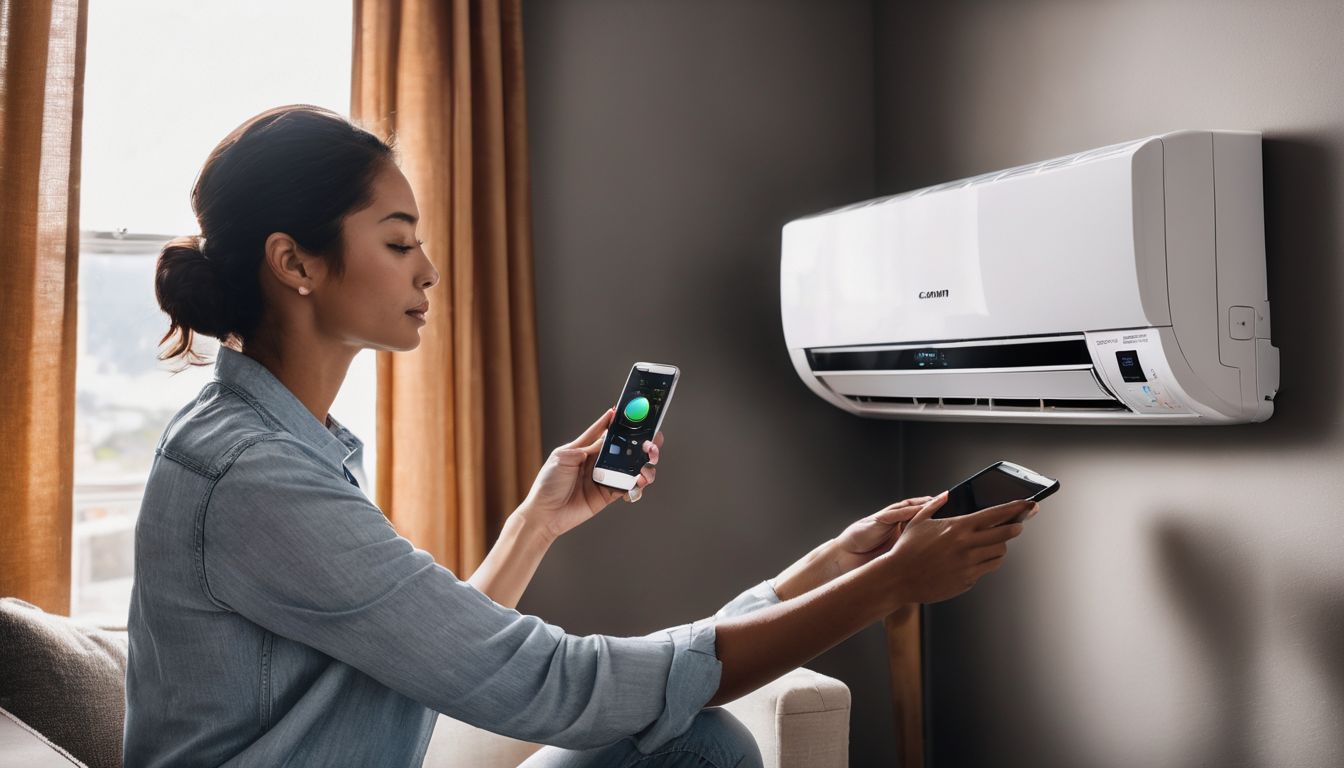
Mitsubishi Electric air conditioners come with cutting-edge features. They offer energy-efficient models that help save on electricity bills. Many units have smart technology to control them from your phone or tablet.
These aircons can cool and dehumidify quickly, making them great for Singapore’s humid weather.
However, Mitsubishi Electric units might cost more upfront than other brands. Some people find their high-tech options a bit complex to use at first. You also may need regular maintenance to keep these advanced systems running smoothly.
Still, they are a top choice in both homes and offices across Singapore due to their reliability and performance.
PRISM+: Features, Pros and Cons
PRISM+ Air Conditioners stand out with their inverter technology and smart cooling algorithms. This means they adjust the power used to cool your space, saving energy and money. They also run quietly, so you can sleep or work without noise.
With the PRISM+ Zero Smart Air Conditioner, you get full control using the PRISM+ Connect App on your phone. Control your aircon from anywhere!
Despite these smart features, some might find PRISM+ models pricier compared to other brands. Also, although they offer high-tech solutions, not everyone is tech-savvy or has a stable internet connection at home to make full use of the smart capabilities.
But for those who value innovation and connectivity in making their homes comfortable and efficient, PRISM+ could be a great choice.
Let’s look into Panasonic’s offerings now and see how they compare.
Panasonic: Features, Pros and Cons
Moving on to Panasonic, this brand stands out with its stylish AERO Series. These air conditioners boast a slim design and glossy pearl finish that elevate any room’s aesthetics. They come with a chrome escutcheon, adding a touch of luxury.
You can choose from single-split or multi-split options, depending on your needs.
Panasonic also offers the XS Series, known for purifying the air while cooling it. The nanoe-G technology captures and deactivates airborne particles including bacteria and viruses, providing you with cleaner air at home.
It’s energy-efficient too, helping you reduce electricity bills over time. However, like all brands, Panasonic has drawbacks as well; some users find these models pricier initially compared to other brands in Singapore’s market.
LG: Features, Pros and Cons
LG air conditioners stand out for their energy efficiency and top-notch cooling. They boast sleek designs that fit well in modern homes. Smart features include Wi-Fi connectivity, letting you control your unit from a phone or tablet.
This is handy if you want to cool your room before you get home.
But LG aircons have downsides too. While they offer powerful performance, the price can be high compared to other brands. Some users might find the smart tech tricky to use at first.
Still, choosing an LG could mean long-term savings on electricity bills thanks to its energy-efficient nature.
The next section will discuss Fujitsu’s features, pros and cons in the Singaporean market.
Fujitsu: Features, Pros and Cons
Shifting focus to Fujitsu, this brand stands out in the Singapore air conditioner market. Fujitsu’s units are known for their cutting-edge technology and energy-saving features. They offer a range of models from split systems to multi-split air conditioners, which is significant as the split & multi-split segment holds a substantial market share in Singapore.
Their systems often include advanced filters for cleaner air and have user-friendly controls.
However, while Fujitsu excels in innovation, their products might come with a higher price tag compared to some competitors. The initial cost can be a downside for budget-conscious buyers.
Also, some customers report that customer service experiences vary and can affect overall satisfaction with the brand. Despite these concerns, Fujitsu remains a key player due to their commitment to quality and efficiency in cooling solutions.
Samsung: Features, Pros and Cons
Moving from Fujitsu to Samsung, we see a brand that is a key player in Singapore’s air conditioner market. Samsung air conditioners are known for their cutting-edge technology and design.
Many units feature the Internet of Things connectivity, allowing users to control their system remotely through smartphones. The brand offers energy-efficient models which come with digital inverters to reduce energy consumption.
For those concerned with aesthetics, Samsung’s sleek designs blend well into modern living spaces.
However, Samsung faces tough competition from brands like Daikin and Panasonic in terms of variety and specialisation in cooling technologies. Some consumers report high costs not only in initial purchase but also in maintenance compared to other giants in the field.
Despite these challenges, opportunities exist for Samsung within the commercial and retail sectors where automatic segments are favoured – areas where they currently shine the brightest.
Hitachi: Features, Pros and Cons
Hitachi is a big name in Singapore’s aircon scene. It offers split and multi-split systems, which are popular here. These units save space and are energy-efficient. They often have features like humidity control, which makes living in Singapore’s tropical climate more comfortable.
Hitachi invests in innovation to stay ahead in the market.
However, Hitachi air conditioners can be pricey compared to other brands. Some people find them complex to operate because of their advanced technology. Repairing these high-tech units can also cost quite a bit of money if they break down outside warranty periods.
Despite this, many choose Hitachi for its reliability and performance.
Choosing the Ideal Daikin Series for Your Home Cooling Preferences
- Daikin iSmileEco Series: This series introduces models that use R32 refrigerant, which is kinder to the environment. They are designed to cool homes in Singapore’s humid climate effectively. Plus, they dehumidify the air, keeping indoor spaces comfortable.
- Daikin EZi Series: These air conditioners have made the switch to R32 refrigerant too. This move has cut down their global warming potential by 68%. The EZi series combines efficiency with user-friendly controls for everyday use.
- Smart Control Options: Many Daikin models can link up with Wi-Fi for easy control from anywhere. This is great for adjusting settings before you even get home.
- Different Room Sizes: Daikin’s range also means there’s a fit for any room size, from small bedrooms to large living spaces. Their air conditioners ensure efficient cooling across varied environments.
- Energy Efficiency: Look out for units with excellent energy ratings. These systems will save on electricity bills while still keeping your home cool.
- Inverter Technology: Consider models with inverter technology, such as some in the iSmileEco Series. They adjust power usage to maintain a constant temperature without wasting energy.
Sustainability in Air Conditioning: A Growing Trend in Singapore
People in Singapore are choosing air conditioners that help the environment. These eco-friendly ACs use less electricity and some even have 5-star energy ratings from the National Environment Agency (NEA).
Energy-efficient models cut down on power costs and reduce strain on the national grid. Families and businesses are thinking about how their cooling choices affect the planet.
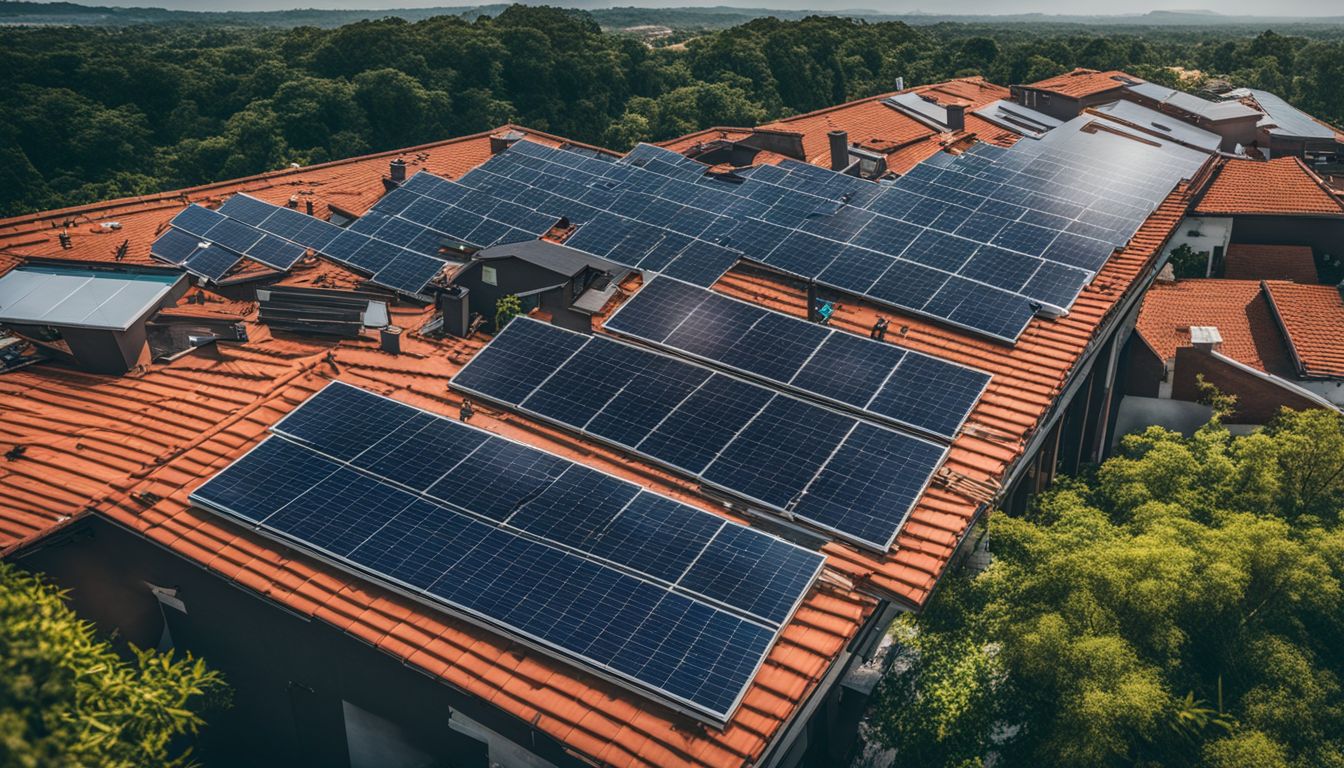
New technologies like solar panels can work with AC systems to make them greener. Solar power helps run air conditioners without using much fuel or creating pollution. This trend shows how science is helping us cool our homes in smarter ways.
Renewable energy sources like solar are gaining popularity in Singapore’s fight against climate change.
Conclusion
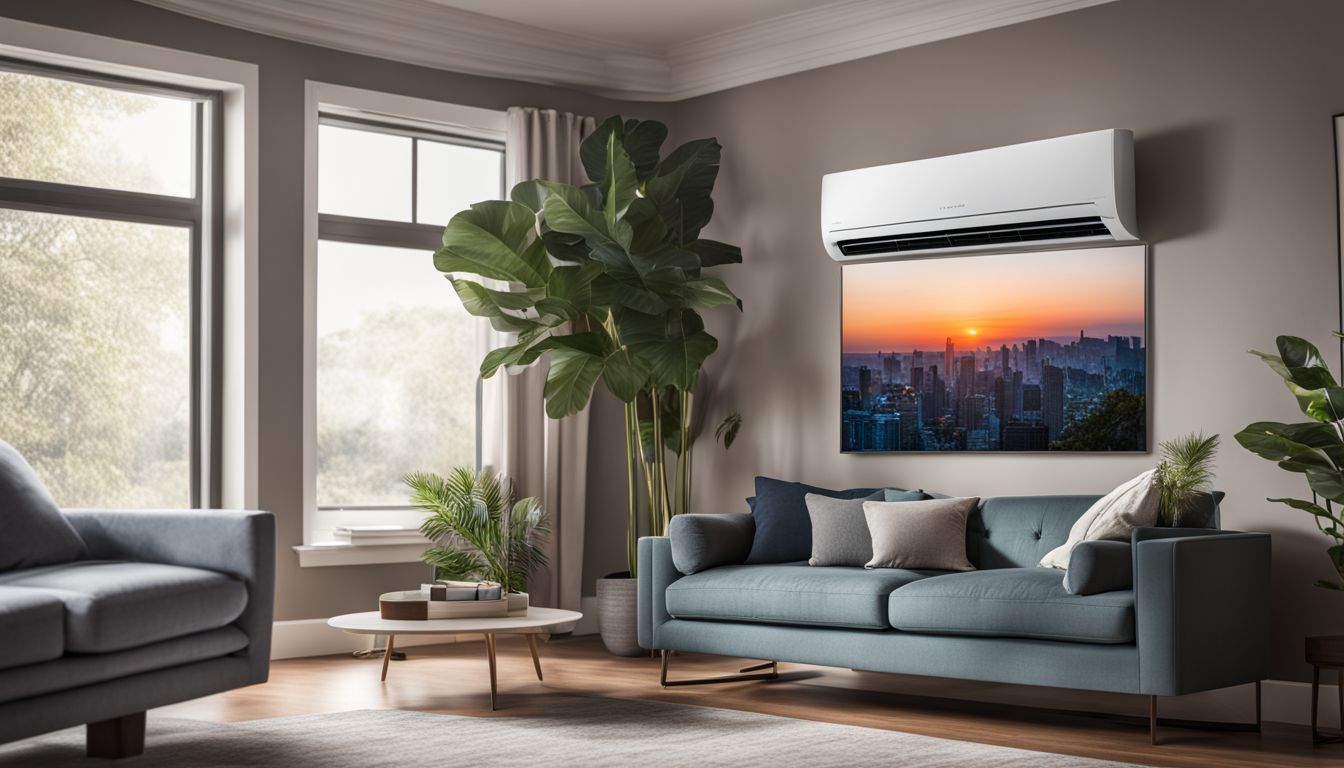
Air conditioners are a big deal in Singapore’s heat. This guide showed how different brands stack up, from energy-saving features to smart tech. We considered what matters for home and business use.
Remember, choosing the right AC can cut costs and be kinder to our planet. Smart choices lead to cool benefits for everyone.
For a more comprehensive guide on selecting the perfect Daikin series that aligns with your home cooling needs, visit our detailed breakdown of Daikin air conditioning series.
FAQs
1. What makes aircon brands like Toshiba and Midea stand out in Singapore?
Toshiba and Midea lead the way in Singapore by offering energy-efficient air-conditioning systems that meet environmental standards. They focus on a customer-centric approach, frequently asked questions support, and have exclusive stores.
2. How did the COVID-19 pandemic affect aircon sales in Singapore?
The pandemic caused a downturn with lockdown measures affecting retail stores. Yet, it also led to an increase in sustainable living awareness, pushing demand for energy-efficient systems.
3. Why is variable refrigerant flow (VRF) important for air conditioners?
Variable refrigerant flow technology helps make air conditioning more efficient by controlling the refrigeration cycle based on indoor environment needs, which can reduce strain on the power grid.
4. Are there benefits to choosing local suppliers for aircon units over exporting?
Choosing local suppliers can improve logistics and cut costs related to tax and transport; plus it’s good for quick decision-making processes during mergers or acquisitions.
5. Do new policies impact how companies like Fujitsu General operate in Singapore?
Yes! Companies must adapt to new energy efficiency regulations, which incentivise them to innovate sustainable practices within their industry value chains.
6. How do urbanisation trends influence the market of air conditioners?
As cities grow due to urbanisation, so does the need for comfortable indoor environments – driving up sales of advanced systems such as those with variable refrigerant flow from giants like Toshiba and Midea.