


Ducted air conditioning is a system that sends cool air through ducts in a building. It’s good because it spreads the air evenly, saves energy and keeps things quiet. These systems let you control different rooms’ temperatures separately.
This means you can save even more energy by only cooling certain areas when needed. A company called Sovereign Planned Services has been making these systems for over 35 years.
When setting up an aircon system in places like offices or shops, it’s important to think about where the vents go and how big the space is. Each business might need something special depending on what they do and how much room they have.
Once the system is ready to go in, there are rules to make sure everything works right and safely. After putting everything together, workers check that it all works well. They also learn how to keep the system running smoothly.
This article will show you how these systems work, what to think about before installing one, and tips for putting them in place properly. Read on to see how ducted aircon can be great for your business!
Understanding Ducted Air Conditioning Systems
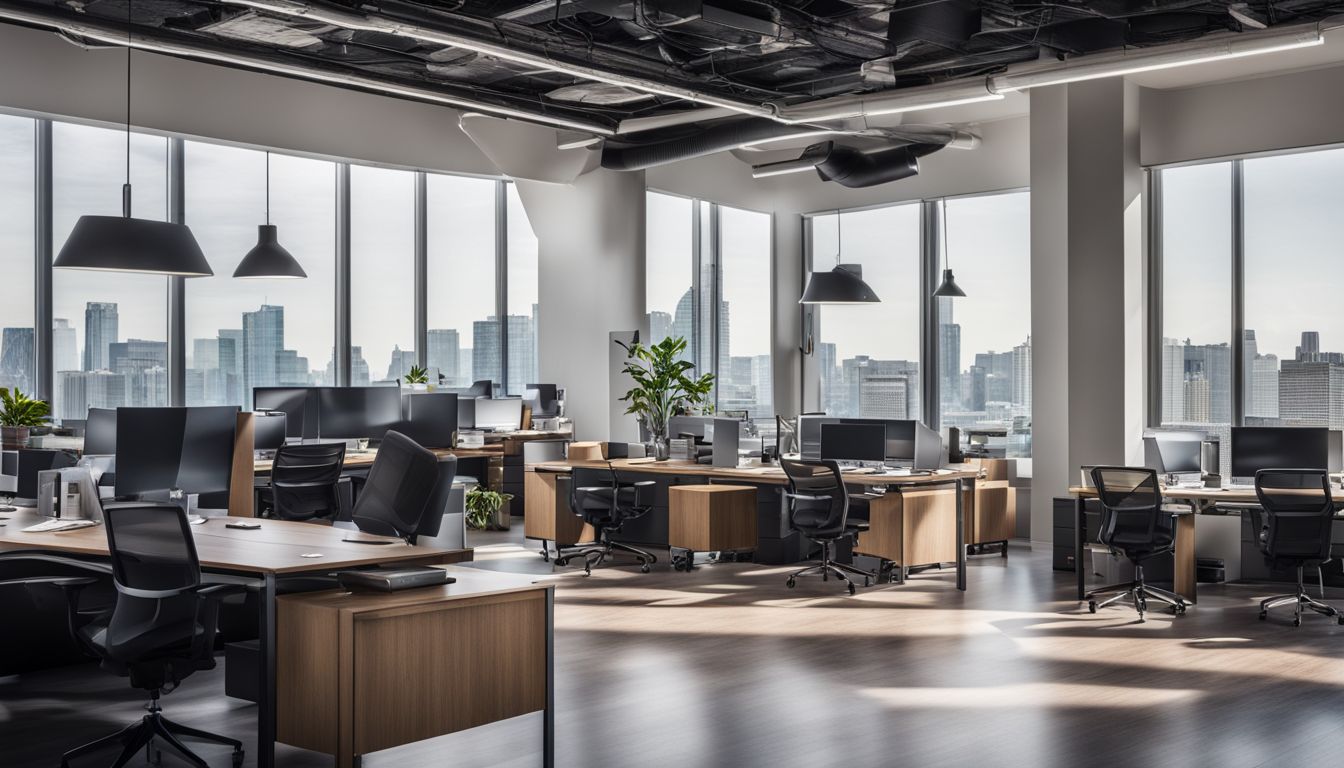
Ducted air conditioning systems epitomise the pinnacle of climate control technology, offering seamless heating and cooling across multiple zones in commercial environments. These sophisticated HVAC networks are engineered to ensure an even distribution of temperature, marrying comfort with efficiency on a grand scale.
Benefits of Ducted Air Conditioning
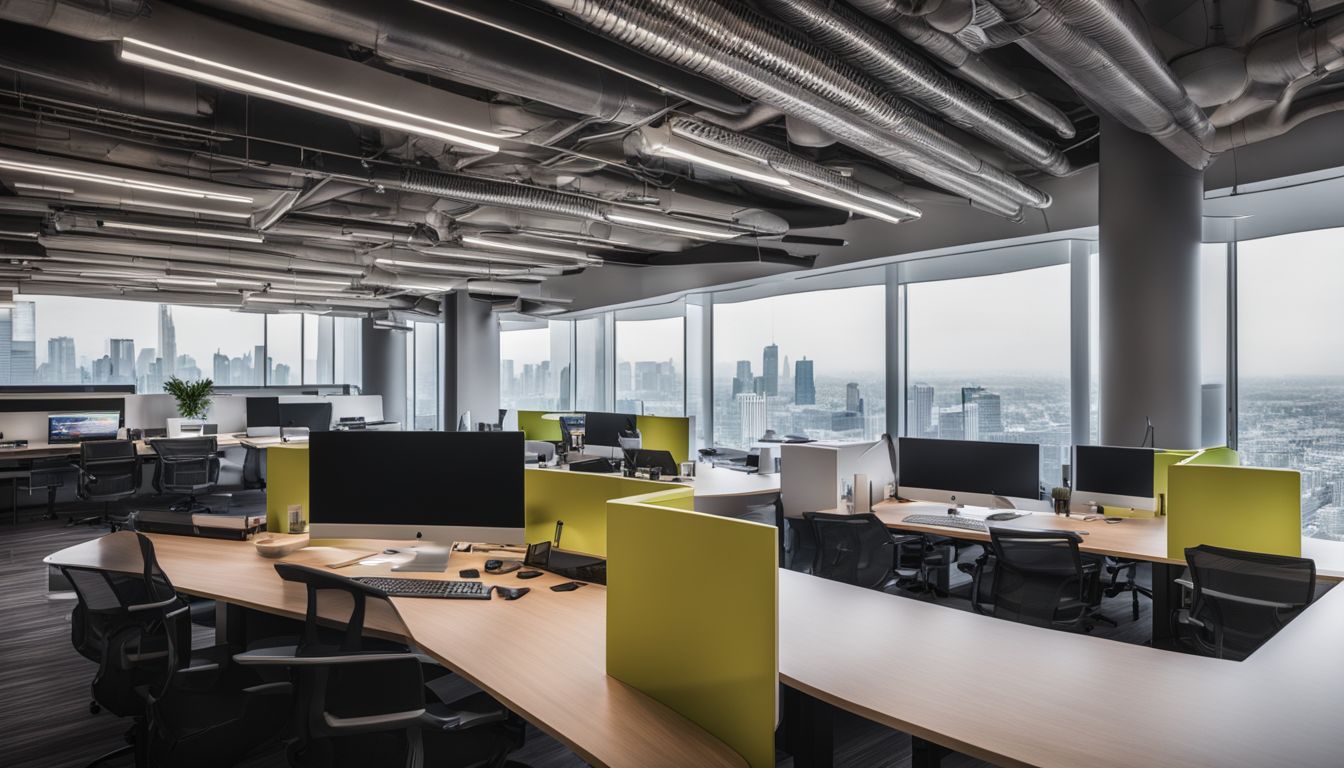
Ducted air conditioning systems give you full control over your indoor environment. With just one system, you can cool or heat every room in a building. This makes it easier to manage temperature and zone control.
You decide which rooms get more heating or cooling, ensuring every space is comfortable.
These systems are also very quiet and blend into the background of your commercial space. They last a long time too – often more than 15 years with regular service! Plus, they save you money by letting you turn off aircon in rooms nobody’s using.
Now let’s look at how ducted air conditioning actually works to keep spaces comfortable year-round.
How Ducted Air Conditioning Works
A central unit called the fan coil is installed in the ceiling of a building. This main part cools down air and sends it through ducts to different rooms. Each room can have its own temperature because of zone control.
Cool air moves into each area through vents in the ceiling or walls. The system allows for even air distribution, making sure all parts of a space stay comfortable.
Key Design Considerations for Ducted Air Conditioning
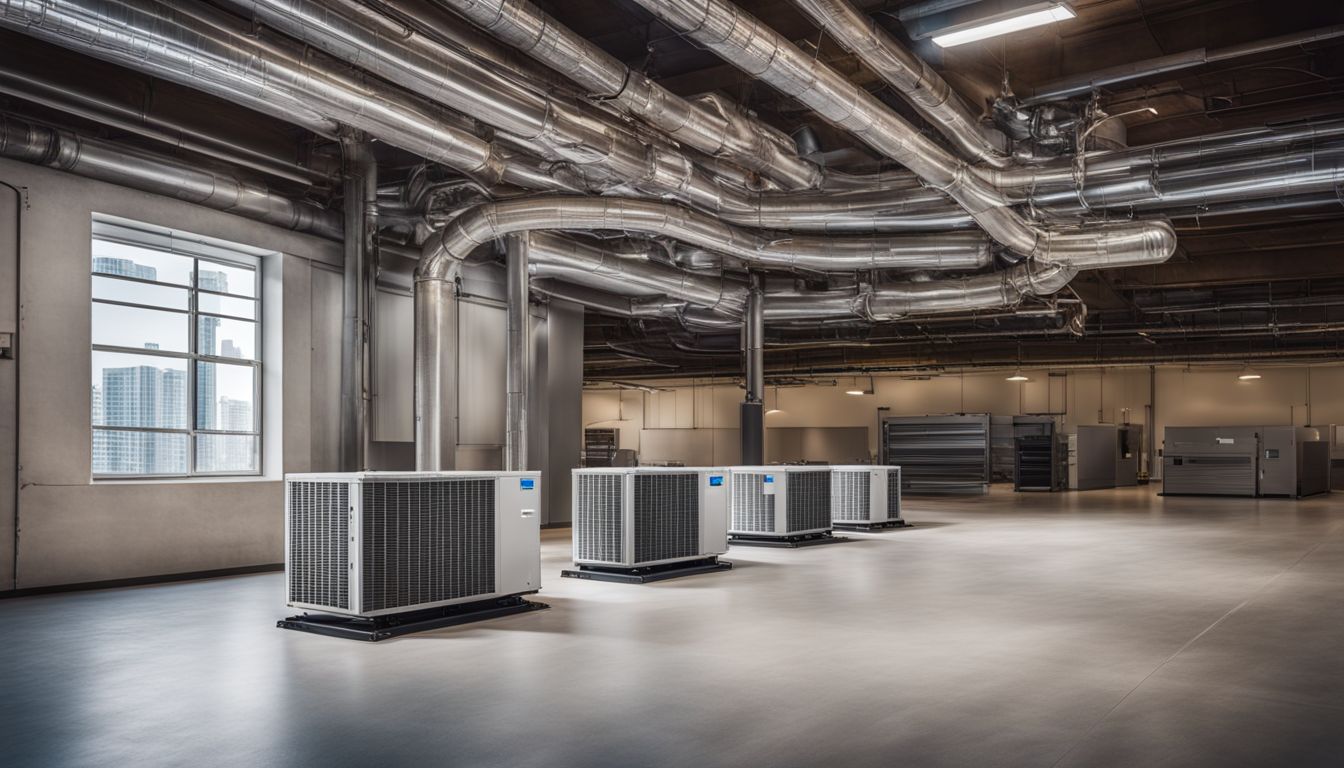 Designing the optimal ducted air conditioning system for a commercial environment requires meticulous planning and recognition of unique spatial requirements. This phase is crucial to achieving an energy-efficient HVAC setup that not only enhances comfort but also aligns with specific industry standards and operational demands.
Evaluating the Size of Commercial Space
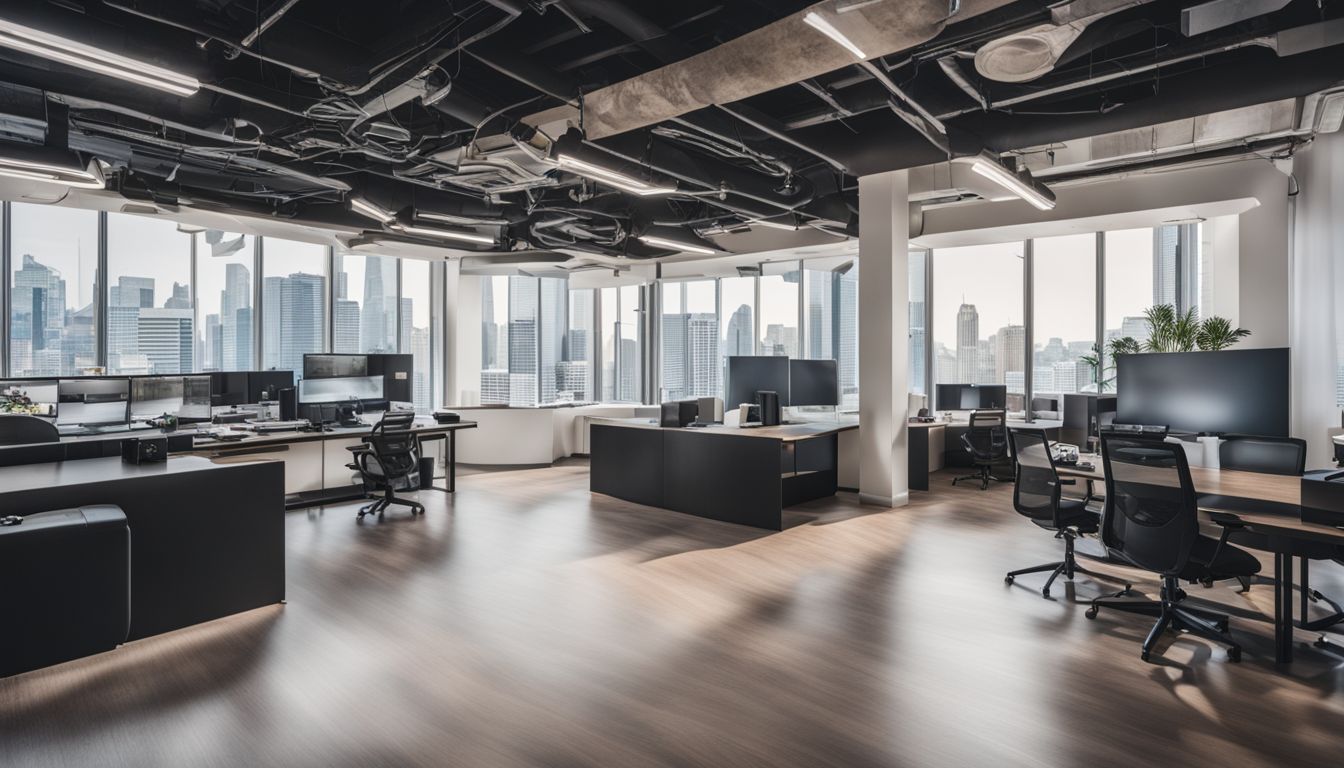
To get the right ducted air conditioning system, one must first look at how big the commercial space is. A large open-plan area will need a different setup than smaller, separate rooms.
Load calculation enters here – it measures how much heat needs removing in a certain time. This step ensures that the HVAC unit isn’t too small or too large for the space. The wrong size means discomfort and higher energy costs.
After measuring the space, choosing an air conditioning unit comes next. It’s crucial to pick one that handles the calculated cooling load efficiently. An oversized HVAC system can lead to wasted energy and uneven temperatures.
On the other hand, a too small system won’t cool properly on hot days. The perfect fit promises better temperature control and lower energy bills.
Selecting the Suitable Air Conditioning System
Choosing the right air conditioning system for a commercial setting is crucial. It affects comfort, energy consumption, and overall efficiency. Here are key steps to take:
- Look at the size of your space. Large areas might need a system with Variable Refrigerant Flow (VRF) to manage different temperatures in various zones.
- Consider energy – efficient models. Pick an air conditioner that saves power to reduce bills and help the environment.
- Assess your building’s needs. Server rooms require precise temperature control, while other areas might not.
- Think about all – year needs. Some systems offer heating and cooling, which is practical for changing seasons.
- Choose systems with zone control. This lets you heat or cool different rooms as needed for comfort and energy savings.
- Check noise levels. Opt for air cons with built – in noise reduction strategies to keep your work environment quiet.
Checking the Position of Premises
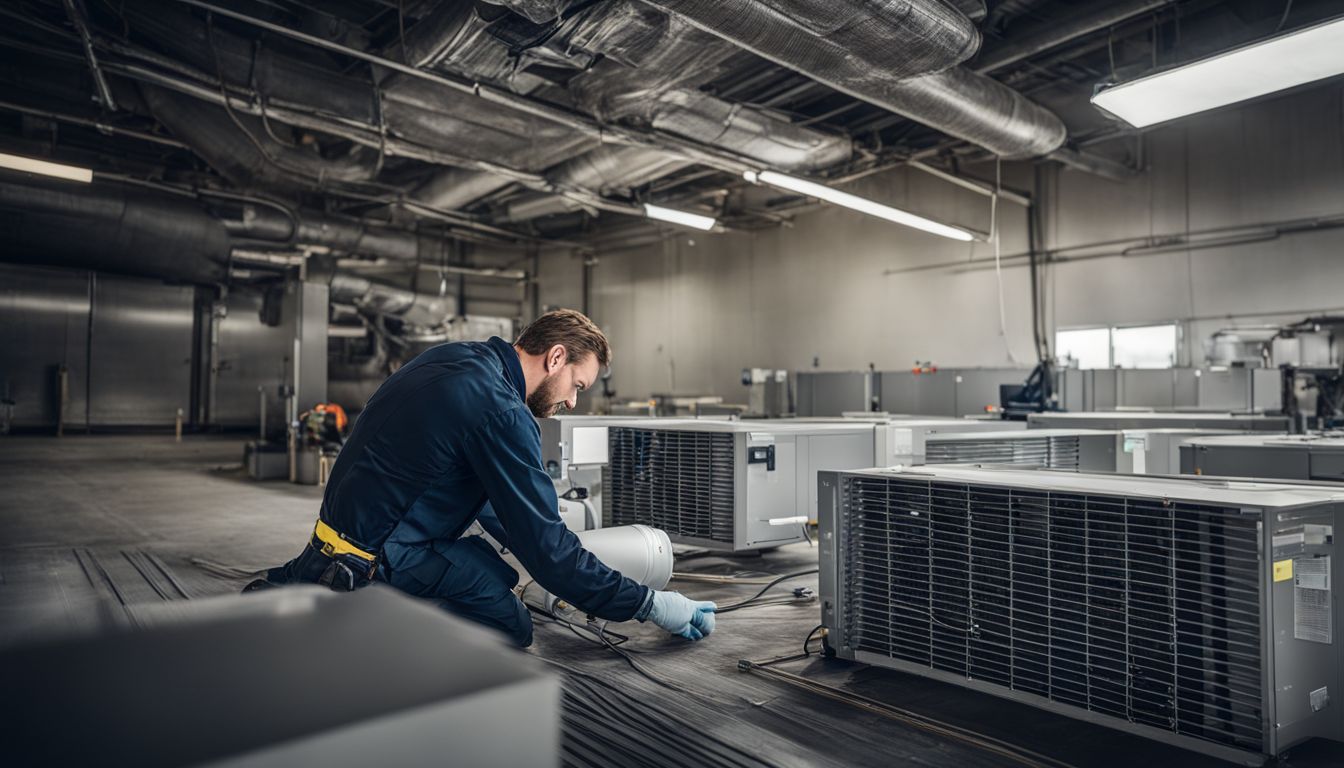
Once the right air conditioning system is selected, it’s time to look at where it will go. The location of grills and registers matters for a ducted system. They must be placed where they can work best.
This means not hiding them behind furniture or in corners where airflow gets blocked. Good placement helps spread cool or warm air evenly through the space.
The layout of your commercial space influences where you put vents and ducts for maximum effect. For efficient performance, you need careful planning on where each part of your HVAC system goes—this includes the air handling unit, condensing units, and all ventilation paths.
Installers should make sure there’s enough room around these parts too. This ensures repairs and maintenance are easy to do without disturbing the daily workflow.
Assessing the Temperature Conditions
After considering the premises’ position, temperature conditions take priority. Assessing temperatures is crucial for ensuring comfort and efficiency in commercial spaces. Ducted air conditioning systems provide room-by-room precision control.
This means every area can have its ideal temperature setting.
For maximum performance, an HVAC system’s design must focus on the unique needs of different zones within a building. Different parts may require varying levels of heat or cooling based on their use and occupancy.
Evaluating these needs early helps tailor the system to operate efficiently. It also ensures energy isn’t wasted heating or cooling empty rooms.
Zone control becomes key in managing indoor environments effectively. With this feature, businesses gain full command over their climate settings and conserve energy at the same time.
Customised solutions allow companies to adapt to specific operational requirements for optimal climate management.
Temperature assessment leads directly into creating quiet, comfortable spaces through noise reduction strategies—a critical part of any ducted HVAC installation plan.
Implementing Noise Reduction Strategies for Ducted Systems
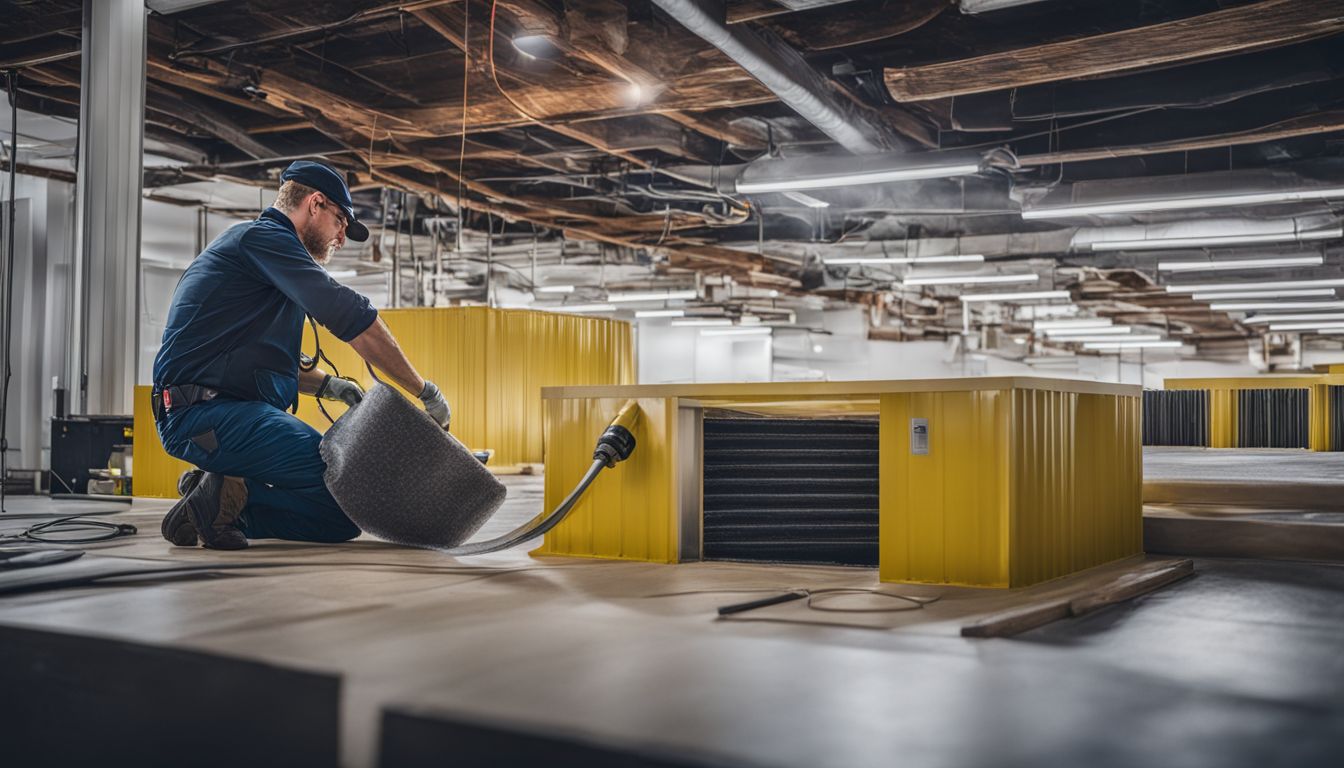
As temperature conditions are assessed, the next step is to focus on noise control. Ducted air conditioning systems benefit from quiet operation. To achieve this, effective noise reduction strategies must be in place.
Use insulation around ducts to muffle sound vibrations. Install vibration isolators between the unit and ductwork to prevent noise transfer.
Choose the right location for your aircon units and compressors away from quiet areas like meeting rooms or offices. Incorporate acoustic lining within ducts where necessary. Ensure that all components of the HVAC system work together smoothly without creating excess noise.
This approach leads to a more comfortable environment for everyone in the building.
Installation Guidelines for Ducted Aircon in Commercial Settings
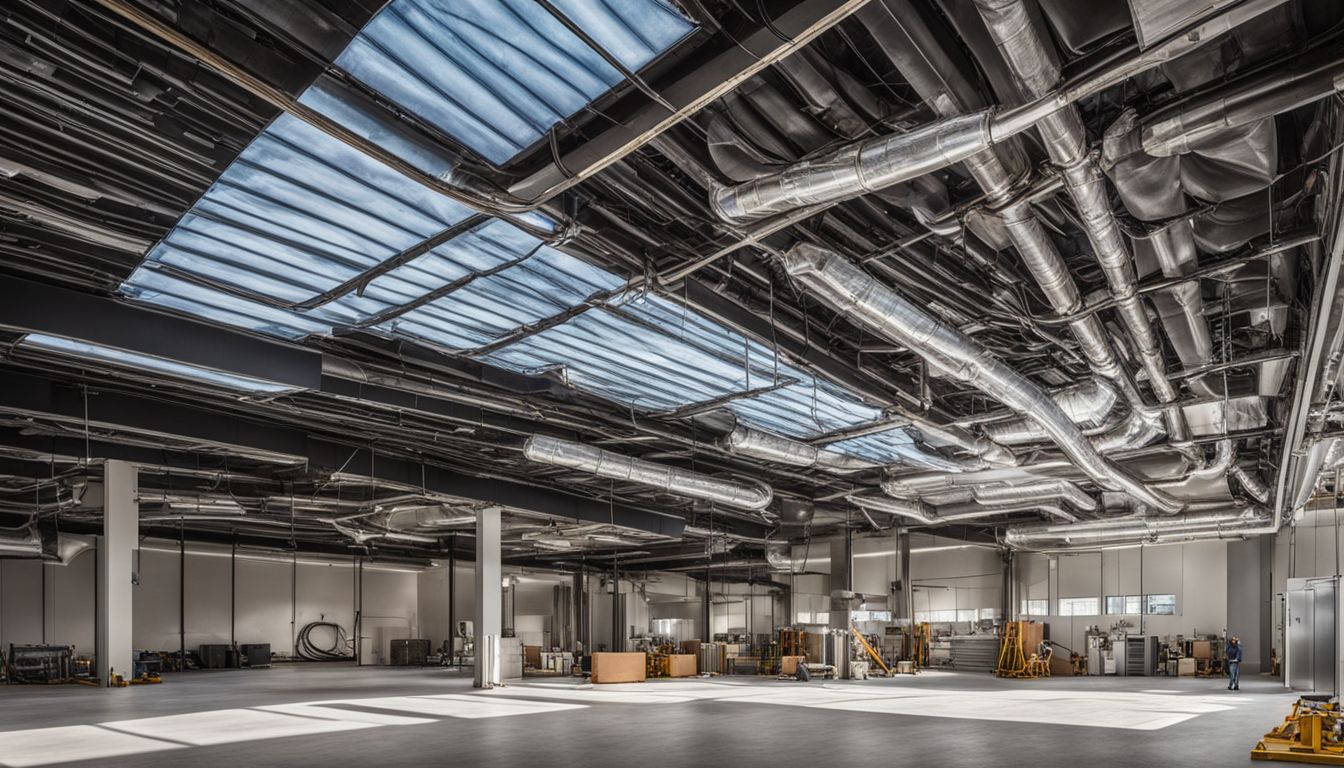
When it comes to installing ducted air conditioning in commercial environments, meticulous planning ensures optimal performance and energy efficiency. This process involves a series of steps, from accurate ductwork placement to rigorous safety protocols before the system goes live, ensuring that the comfort and health standards within a commercial space are upheld.
Ensuring Proper Duct Installation
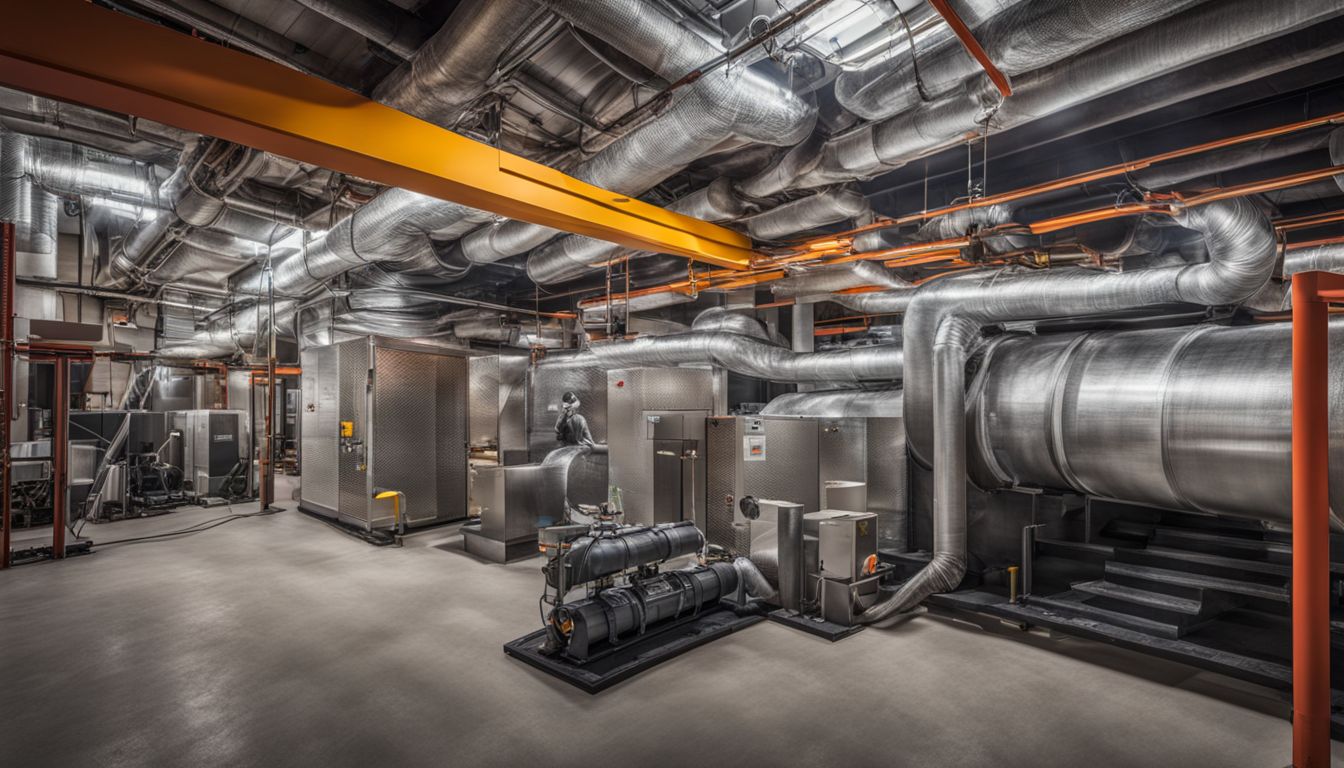
Proper duct installation is key for a ducted air conditioning system to work well. Installers must carefully plan where to put grills and registers. They make sure these parts go in the best spots for air flow and comfort.
Ducts need strong support so they stay in place and keep their shape. If ducts bend or sag, they can slow down the air and make the system less efficient.
Technicians seal all joints in ductwork with the right materials. This stops leaks that could waste energy and reduce performance. Insulation is also important around all the ducts, especially those passing through unheated spaces like basements or attics.
Good insulation keeps the cool air from warming up before it gets into rooms.
It’s crucial that commercial hvac systems follow health and safety rules during installation too. The team checks each part of a new air-conditioning system thoroughly after putting it in place.
They test everything to be sure it meets standards for temperature-controlled buildings.
Implementing Safety Measures Prior to Installation
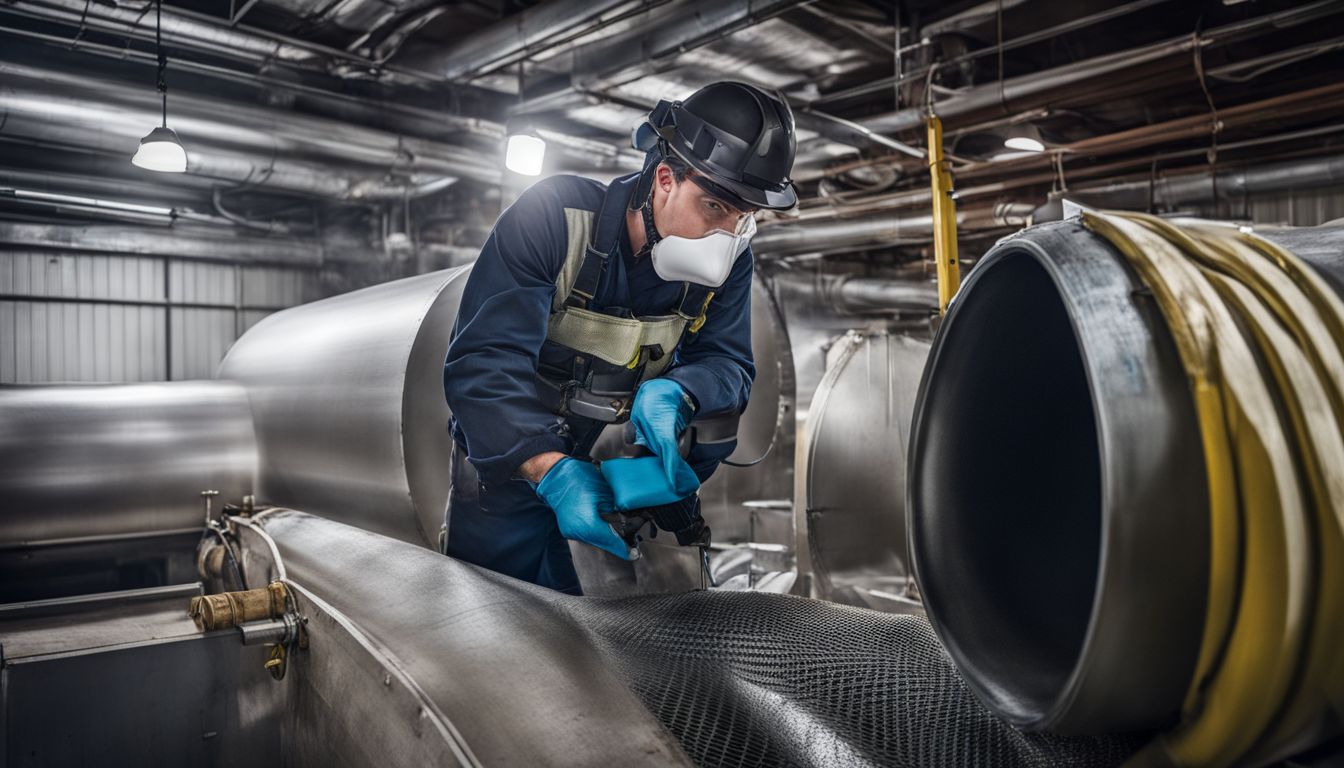
Once the ducts are securely in place, it’s vital to focus on safety before the aircon system starts running. This ensures both the installers and future users of the building stay safe.
- Check all electrical connections: Make sure that every wire is properly insulated and connected. Avoid any loose ends that might cause short circuits or fires.
- Review the equipment manual: Read through the installation guide thoroughly. Understand all safety instructions for each device.
- Wear protective gear: Installers should always have on helmets, gloves, and safety glasses. This protects them from accidents during installation.
- Secure the work area: Put barriers around the site to keep people away from dangers like open ductwork or electrical components.
- Test for gas leaks: If your system uses gas heaters, check for leaks carefully. Use detectors to ensure no harmful gases escape into the air.
- Ensure proper ventilation: The space where you’re working needs fresh air coming in. This prevents buildup of harmful fumes from glues or insulating materials used in installation.
- Follow HVAC standards: Stick to guidelines set by industry experts. They help make sure your system runs well and lasts a long time.
- Train staff on emergency procedures: Teach everyone what to do if something goes wrong with heating and air conditioning systems after they are installed.
- Place fire extinguishers nearby: Keep these ready in case a fire starts during or after installing heat sources like heat pumps and condensers.
Conducting Final Checks and Testing

- Turn on the newly installed air conditioning units to start the testing process.
- Inspect all ductwork joints to confirm they are sealed tightly, preventing air leaks.
- Check the airflow from vents to make sure it matches design specifications.
- Ensure that temperature controlled zones respond correctly to smart thermostat settings.
- Look for any unusual noises which could indicate potential issues within the system.
- Verify if variable air volume (VAV) or constant air volume (CAV) systems maintain consistent airflow as required.
- Evaluate energy efficiency by monitoring how effectively the system uses energy sources during operation.
- Test safety features, including fire dampers and emergency shut – offs, to see they function properly.
- Assess the evaporator coils and filters for correct installation, as this impacts overall performance.
- The installer will address any technical glitches or malfunctioning found during these tests.
- Review connections with ventilation systems, ensuring integration operates smoothly with the HVAC system’s other components.
- Guide maintenance staff on service schedules and troubleshooting techniques post – installation checks.
Conclusion
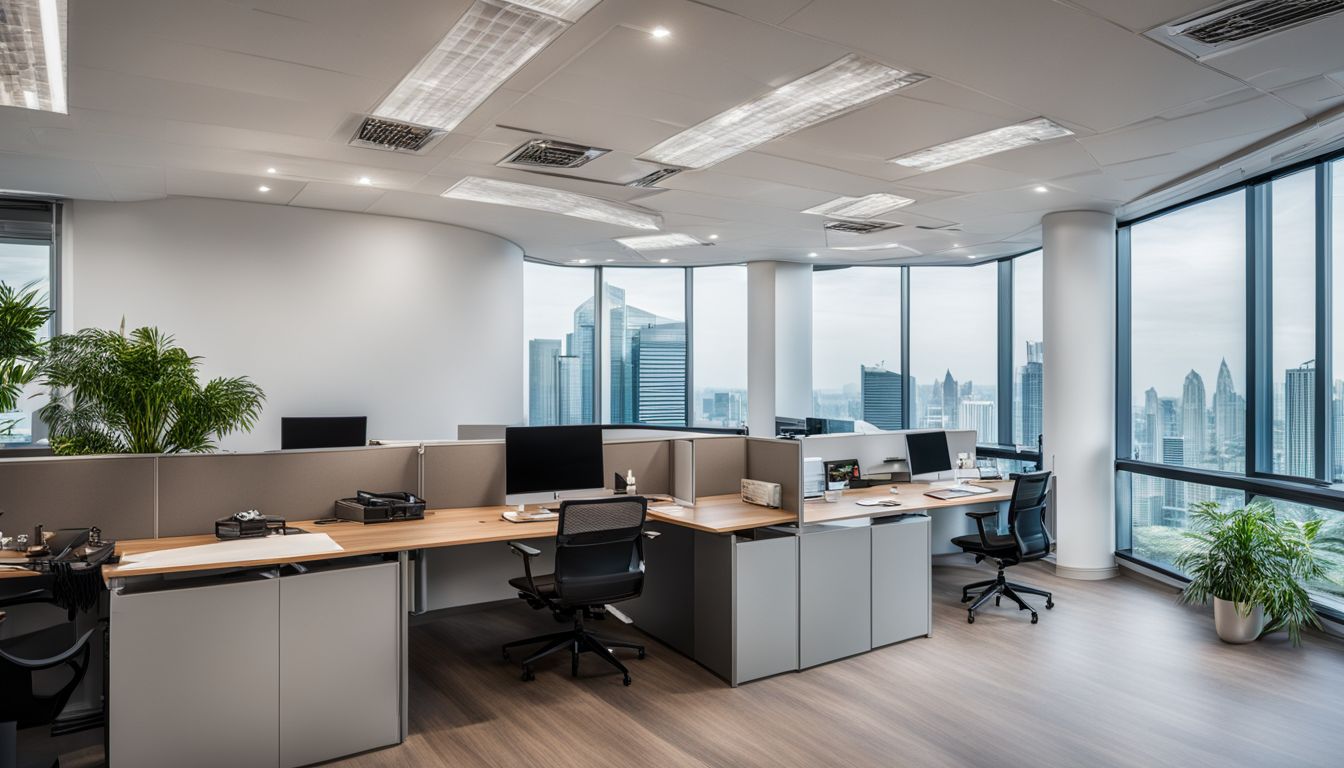
Designing and installing a ducted aircon system in a commercial space is crucial. Consider the size, layout, and specific needs of your business. Choose an efficient system that offers comfort and saves energy.
Proper installation ensures safety and optimal performance for years to come. Always work with professionals for the best results with your HVAC setup.
FAQs
1. What should I consider when designing HVAC systems for commercial spaces?
When designing heating, ventilation, and air conditioning (HVAC) systems for commercial areas, think about energy efficiency, the size of the building, and how to keep a comfortable temperature.
2. Are split air conditioners suitable for large commercial settings?
Split air conditioners can work in large places if you install multiple units but ducted aircon could be more effective to cool or heat bigger spaces evenly.
3. How can analytics help with my commercial HVAC design?
Analytics let you look at data on how your building uses energy so architects or engineers can make an HVAC system that saves power and maintains comfort.
4. Can I opt-out of using ducted aircon in my QLD business’s new house?
Yes, businesses in Queensland (QLD) have options like split systems but choosing not to use ducted might affect things like airflow throughout the whole house.