

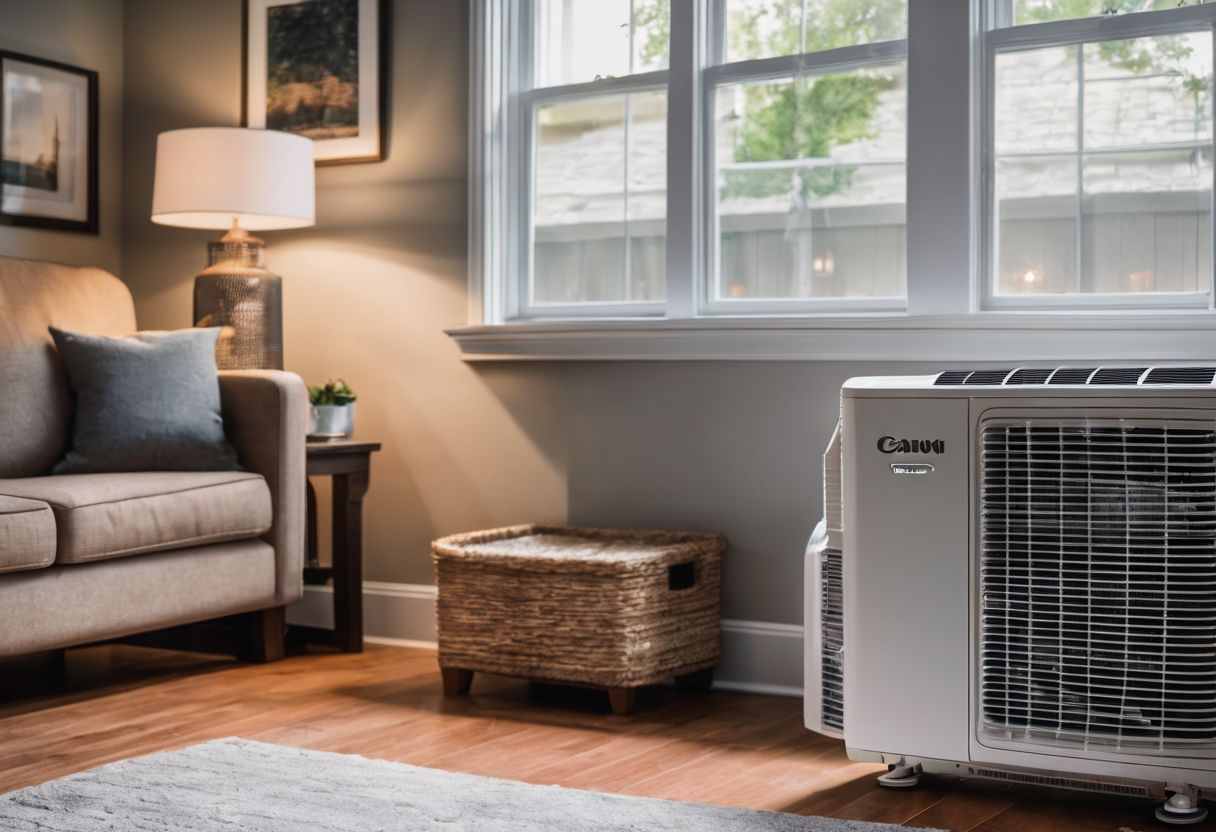
Keeping your air conditioner clean is a big deal. It helps it work better, last longer, and stops it from using too much power or breaking. You need a few things to look after your AC: special cleaning liquid, a vacuum cleaner with a soft brush, and another gentle brush for the touchy parts.
Your cleaning job includes turning off the power, dealing with filters, looking after coils, fixing the drain line, and making everything on the outside look nice.
Your AC might tell you when it needs a bath by not cooling well or smelling funny. Remember to check filters often and do one big clean every year. Don’t make mistakes like forgetting to cut off power or using strong cleaners that can harm your AC.
Keeping drain lines clear keeps leaks away and stops mold growth. Cleaning your air conditioner regularly saves money on energy bills while keeping your home’s air nice to breathe.
Let’s get into how you can take care of this yourself without worry! Keep reading for easy steps on how to keep things cool at home with an AC that’s in tip-top shape.
Importance of Regular Air Conditioner Cleaning
Regular air conditioner cleaning makes sure your unit runs well. It can cool your home better and use less power, which saves you money. Clean air filters let the air flow freely, so the system doesn’t have to work as hard.
This means it will last longer before needing fixes.
A clean AC also keeps the air in your house cleaner. When you remove dust and other bits from filters and coils, it stops bad stuff from blowing into your rooms. This is really good for people who have allergies or breathing troubles.
Plus, taking care of your AC stops big problems later that could cost a lot to fix.
Knowing How Often to Attend to Your AC Unit
You need to check your air conditioner often to keep it running well. How much you use it, if you have pets, and what the maker says all play a part in this timing. If you use your AC a lot or have furry friends at home, you might have to clean it more times during the year.
Makers usually suggest giving your unit a good cleaning every few months for best performance.
Always look at the manual that came with your air conditioner. It will tell you how often to clean different parts like filters or coils. Some filters are washable while others need replacing after some time.
Keeping track of these details helps ensure your AC works great and lasts longer. Remember, taking care of your equipment saves money on energy bills and keeps the air in your home cleaner too.
Signs Your Air Conditioner Needs Cleaning
If you notice unusual odours, weak airflow or dust build-up around vents, these are clear indicators that your air conditioner requires attention—read on to discover how simple maintaining clean air can be.
Physical signs
Your air conditioner works hard to keep you cool, but it can show signs of needing a clean. Look out for these clues that tell you it’s time to give your AC some attention.
- Dirty air filters: These can block airflow and reduce your indoor air quality. If you see dust or dirt on the filters, it’s time to clean or replace them.
- Buildup on fins and coils: Dust and grime can stick to the evaporator coils and fins inside your unit. This buildup makes it harder for your AC to cool air efficiently.
- Debris in the drain pan: Sometimes bits of dust and waste collect in the pan under your unit. Keeping this area clean stops water from backing up and causing trouble.
- Mold growth: This is bad for health and shows up as black, green, or white patches near the air handler or ductwork. Clean mold away carefully to keep the indoor environment safe.
Performance signs
Keeping your air conditioning unit in top shape is key. It saves you money and makes your home comfy. Let’s look at the signs that tell you it’s time for a clean:
- Less power: A dirty air conditioner doesn’t cool as well. Dirt blocks the way cold air comes out, so it won’t cool rooms like before.
- Weird sounds: Grit or other bits stuck in your air conditioner can make odd noises. These sounds mean parts might be hurt inside.
- Bad smells: When your AC has nasty odours, it could mean mould or mildew growing inside. This can hurt your health.
- Big energy bills: If your AC is dirty, it must work harder. This means it uses more electricity and costs you more money.
Necessary Tools for Air Conditioner Cleaning
Equipping yourself with the right tools is crucial for a thorough air conditioner cleaning, ensuring both efficiency and safety as you work towards enhancing your home’s air quality and energy consumption.
Cleaning solution
You can make a simple cleaning solution for your air conditioner at home. Mix mild dish soap with warm water to create a gentle cleaner that won’t harm your AC’s parts. Avoid strong chemical cleaners as they may damage the coils or other components.
Use this homemade mix to clean washable filters and wipe down surfaces. It helps remove dust, dirt, and grime without adding health risks from harsh chemicals. Regular use of this solution will keep your AC unit in good shape, helping it work better and save on energy costs.
Vacuum cleaner
A vacuum cleaner plays a key role in keeping your air conditioner running well. It sucks up dust and bits from the filters and coils. This is great for your HVAC system’s health. Using a vacuum with a soft brush attachment reaches spots that are hard to clean by hand.
Make sure you gently clear away all the grime without damaging any parts.
For best results, choose one made to trap tiny particles like those found in AC units. High-efficiency particulate air (HEPA) vacuums are good at this job. They keep more dirt from getting back into the air of your home, helping everyone breathe easier and enjoy cleaner air.
Vacuum cleaning helps maintain energy efficiency too, allowing your system to cool your space without working too hard.
Soft brush
A soft brush is your friend when you clean the air conditioner. It gently takes away dust and debris from the coils without harming them. Coils work best when they’re clean because they can do their job – heat exchange – more easily.
You’ll want to use a soft brush on the outside of your air conditioner too. This keeps it looking good and helps stop dirt from getting inside.
Use the soft brush carefully along the drain line as well. This helps keep water flowing right and stops leaks or clogs from happening. Always move the brush lightly so you don’t damage anything, but make sure you reach all parts that need cleaning.
Step-by-Step Guide to Cleaning Your Air Conditioner
Embark on a journey to enhance your air conditioner’s efficiency with our comprehensive guide. This section will walk you through each crucial stage in the cleaning process, ensuring your unit operates at its best and provides you with optimal climate control throughout the year.
Clean or replace the filter
- Turn off the power: Before you touch the air conditioning unit, make sure it’s turned off. Look for a switch on the unit or turn off the power at your main breaker.
- Find the filter: Open up your AC unit to find where the filter is. It could be behind a cover on the front or inside near the coils.
- Check its state: Take out the filter and look closely at it. If it has lots of dust and dirt, you need to clean or replace it.
- Decide what to do: If your filter is reusable, you’ll want to clean it with water and maybe some mild soap. Let it dry completely before putting it back in place.
- Replace if needed: Throw away disposable filters and get new ones that match your unit’s size and type.
- Fit everything back together: Once dry or replaced, put the filter back in where you found it. Make sure it fits snugly without any gaps around the edges.
- Turn on your AC again: Flip the switch or turn on your breaker so that power goes back to your air conditioner.
Vacuum and clean the coils
- Turn off your air conditioner. Always unplug it or switch off the power at your circuit breaker first.
- Find the coils. Open up the air conditioner case following the maker’s guide.
- Use a soft brush to gently remove dust from the coil surfaces.
- Attach a small nozzle to your vacuum cleaner. Carefully suck up loose debris without touching the delicate fins.
- Spray on a coil cleaning solution if the dirt is stuck on really hard. Make sure it’s safe for use on air conditioners.
- Wait for some minutes as per instructions on the cleaning solution, then rinse it off with water if needed.
- Check out all sides of the coils to ensure you didn’t miss any spots of dirt or dust.
- Let everything dry completely before turning your AC back on.
Clean the drain line
Keeping your air conditioner’s drain line clear is key to stopping leaks and keeping the system running well. It helps to get rid of moisture and stops mold from growing.
- Turn off your air conditioner before you begin. This keeps you safe while working.
- Find the drain line. It’s usually a small PVC pipe near your unit’s outside part.
- Use a wet/dry vacuum to suck out any blockages from the end of the line. Attach it tightly for a good seal.
- Make a mix of bleach and water. You’ll want one part bleach to three parts water.
- Pour this mix into the drain line access point, if there is one, or directly into the pipe. This helps kill any mold or mildew inside.
- Give it some time, around 30 minutes should be good, for the solution to work through the line.
- Flush the pipe with clean water to wash away the bleach mix and any leftover dirt.
Wipe down the exterior
Your air conditioner works hard to keep you cool. Taking care of its outside is key for it to run well. Here’s how you do a good wipe down:
- Turn off your air conditioner before cleaning.
- Get a damp cloth. Make sure it’s not too wet.
- Gently wipe the surface of your unit. If you see dirt or dust, take your time to clean it off.
- Use a dry towel to pat the outside dry. This will help stop any rust or damage from water.
- Inspect the unit for any cracks or damage as you go. If you find any issues, it’s best to get help from a pro.
- Check around the AC for leaves, twigs, or other things that should not be there. Clear all of this away from the machine.
- Give extra care to any buttons and control panels. Use a soft, dry brush if they look dirty.
Common Mistakes to Avoid During Cleaning
Cleaning your air conditioner the wrong way can do more harm than good. Avoid these common mistakes to keep your AC running smoothly.
- Forget to power off: Always turn off your unit before you start cleaning to prevent electric shocks.
- Choose the wrong cleaner: Be sure to use a cleaner that’s safe for air conditioners, not harsh chemicals.
- Pressure wash danger: Don’t use a pressure washer on your AC, as it could damage the parts.
- Ignore blower and fan: Clean the blower motor and fan blades too; they need attention for your AC to work well.
- Skip filter care: Either clean or replace your air filters regularly; clogged filters block airflow and reduce efficiency.
- Miss coil cleaning: Dirty coils can’t transfer heat properly, so make sure to vacuum them gently and wipe them down.
- Drain line neglect: Keep the drain line clear; blockages can cause water leaks and other problems.
- Avoid forceful scrubbing: Scrubbing too hard can bend fins on coils, which affects how well they work.
- Leave debris inside: Ensure all debris is removed from inside the unit, as it can hurt performance over time.
- Overlook exterior surfaces: Also wipe down the outer surface of your AC to prevent dust build-up.
Conclusion
Keeping your air conditioner clean is a smart move. It helps your unit run better and last longer. You learned that it’s important to clean or change the filter, tidy up the coils, clear out the drain line, and wipe down the outside.
Remember to turn off the power first to stay safe. These steps can save you money and keep your air cool and fresh. Now you’re ready to take care of your AC with confidence!
For a more detailed guide on the regularity of AC maintenance, visit our guide to knowing how often to attend to your AC unit.
FAQs
1. Why should I clean my air conditioner?
Cleaning your air conditioner helps it work well and can stop dirt from hurting its parts. It makes sure the cool air is clean and keeps your home comfy.
2. What do I need to start cleaning my air conditioner?
To clean your A/C, you’ll want things like a vacuum cleaner for dust, an air compressor or steam for deep cleaning, and safe cleaning agents for the coils.
3. Can I do a deep clean of my A/C by myself?
Yes, you can! Turn off the power, open up the unit carefully, and use tools to take away dirt from places like condenser coils and filters.
4. How often should the filters in my A/C be cleaned?
You should check your filters every few weeks. Clean them if they have dust on them to make sure the air stays fresh and to help with good airflow.
5. Should I try duct cleaning at home for my central A/C system?
Duct cleaning is hard and might need special tools that most people don’t have at home. If you see lots of dust coming out of vents or bad smells, it’s best to call a pro.