

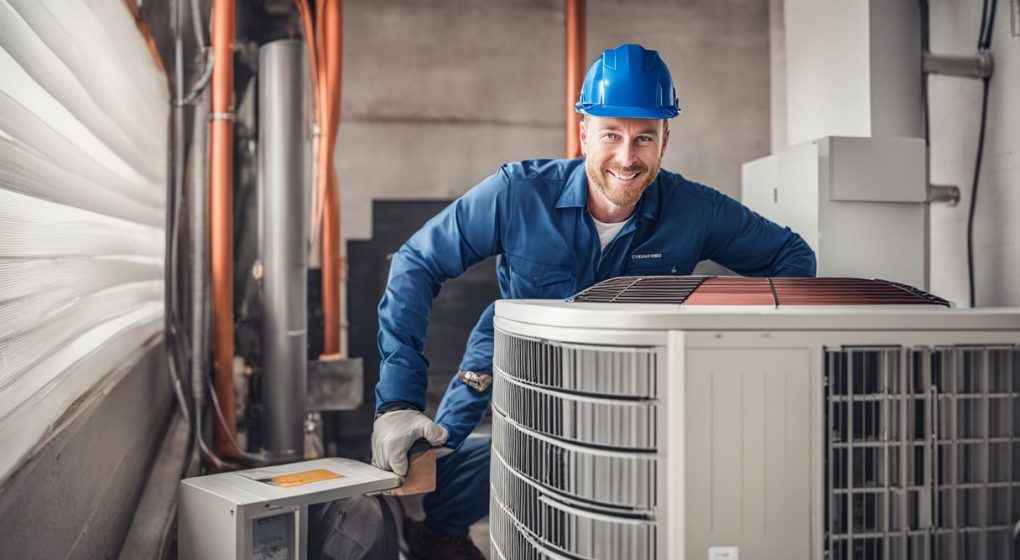
Facing the challenge of installing a new air conditioner, homeowners stand at a crossroads: embrace the do-it-yourself spirit or enlist the expertise of professionals. Installation is no simple feat; in Australia, regulations mandate that only licensed individuals perform such tasks, with severe penalties reaching up to $40,000 or even imprisonment for those attempting it without proper certification.
This tough stance underscores both the complexity and importance of getting it right.
The DIY approach tempts many with potential cost savings; enthusiastic amateurs often tap into online tutorials and make-do tools. However, they risk making expensive errors and may inadvertently void warranties should something go awry.
On the other hand, professional installers bring precise diagnostics and dependable solutions that could halve future costs by ensuring efficiency from day one. What’s more, these experts frequently offer system discounts that sweeten the deal.
Choosing between these paths involves weighing immediate expense against long-term benefits like maintenance ease and operational peace of mind. A thoughtfully installed aircon promises comfort during sweltering summers as well as economic operation over its lifespan.
With so much at stake—comfort, cost, compliance—it’s crucial we explore all facets before making this crucial decision. Let’s uncover what lies behind each option to find which route leads to cool relief without breaking a sweat—or your bank account!
Understanding the DIY Approach to Air Conditioner Installation
Exploring the DIY route for installing an air conditioning system can be a tempting option for those with a knack for hands-on tasks, offering potential cost savings and a sense of personal achievement.
Yet, it’s crucial to grasp the complexities involved, from selecting the right tools to ensuring proper installation that maximises energy efficiency and cooling capacity.
Pros and Cons of DIY
Embarking on a DIY air conditioner installation project can be a tempting prospect for the hands-on homeowner. It’s important to weigh the potential benefits and drawbacks before deciding if the DIY route is the right choice for your situation.
| Pros of DIY Aircon Installation | Cons of DIY Aircon Installation |
|---|---|
| Cost savings: Handling the installation yourself can reduce expenses significantly. | Expertise required: A lack of technical knowledge can lead to improper installation. |
| Immediate action: DIY allows you to address cooling needs without waiting for professionals. | Safety risks: Incorrect handling of electrical components can be hazardous. |
| Personal satisfaction: Completing the task on your own can bring a sense of achievement. | Time-consuming: The process may take longer for amateurs, prolonging discomfort on hot days. |
| Learning opportunity: DIY projects can enhance your home improvement skills. | Warranty concerns: Self-installation can void warranties on air conditioning units. |
| Control over the process: Manage the installation according to your schedule and preferences. | Legal restrictions: It’s illegal to install air conditioning units without a licence in certain areas. |
| Customisation: Tailor the setup to fit your specific home layout and cooling needs. | Potential for errors: Mistakes can result in system inefficiencies or the need for costly repairs. |
Deciding whether to install an air conditioner by yourself or to call in the professionals requires careful consideration of these pros and cons. Understand the scope of the task at hand, and assess your own skills and knowledge before proceeding with a DIY installation.
Common DIY Techniques
Tackling aircon installation can seem like a daunting task, but many homeowners choose the DIY route. There are several techniques that DIY enthusiasts commonly use to install their air-conditioning units themselves.
- Select the Right Aircon Unit: Firstly, you need to choose an air-conditioner with the correct seasonal energy efficiency ratio (SEER) for your home’s size and climate. An Energy Star certified unit often guarantees efficiency.
- Gather Necessary Tools: Make sure you have all essential tools like screwdrivers, a level, drill, hammer, and possibly a pipe cutter before starting.
- Install Mounting Brackets: Securely fix the mounting brackets for the indoor unit of the aircon against a stable wall, ensuring they are perfectly levelled.
- Drill a Hole for Pipes: Carefully drill a hole through the wall large enough for the refrigeration pipes and electrical cables but small enough to keep out dust and pests.
- Connect Electrical Wires: Safely connect electrical wires between your indoor and outdoor units. Always switch off your main power supply before doing any electrical work.
- Attach Refrigeration Pipes: Following instructions from your air conditioning system’s manual, attach and secure refrigeration pipes that link the indoor and outdoor units.
- Secure Outdoor Unit: Position and secure the outdoor unit on a flat surface or on wall brackets if elevated installation is required. Ensure it’s away from dusty areas to prevent clogging of its ventilation systems.
- Seal Openings: After running all necessary piping and cabling through walls, seal any openings with expanding foam or silicone caulk to maintain effective insulation and humidity control.
- Check Connections Before Power On: Double-check all connections including ducting if applicable. This helps avoid short circuits or issues related to improper installations.
- Test the System: Finally test your installation by turning on the power supply and activating your new HVAC system. Look out for odd noises or smells which could indicate an issue needing attention.
Limitations of DIY Installation
Attempting to install an air conditioner on your own may seem like a cost-saving strategy, but it comes with significant drawbacks. Without the proper skills and knowledge, you could misinterpret the instructions or overlook critical steps in setting up ductwork or connecting the power cable correctly.
This can lead to ineffective cooling, increased energy costs, or even worse – it might cause damage to your home’s electrical system.
Handling an air-conditioning system requires more than just a handy skill set; precise technical expertise is crucial for things like vacuuming lines properly and ensuring that the air conditioning compressor is functioning optimally.
Mistakes here not only impact performance but may also introduce safety hazards. Moreover, DIY installation mistakes can void any warranty that comes with new air conditioners, leaving you without support if something goes wrong.
Lastly, considering health implications such as asthma triggered by poor air quality due to improper setup highlights why expert involvement is paramount for both maintenance and initial installation of HVACs.
The Professional Approach to Air Conditioner Installation
Turning to the expertise of trained technicians, the professional approach to air conditioner installation ensures a reliable and efficient setup that adheres to industry standards.
It harnesses specialised skills and tools to manage complex components like air conditioning compressors, guaranteeing a seamless integration into your home’s system.
Importance and Benefits of Professional Installation
Choosing professional installation for your aircon is a smart move, not just because it’s efficient but also cost-effective. Experts bring the experience and tools necessary to ensure your system runs optimally, potentially saving you up to half the costs and hassle in maintenance over time.
They handle all sorts of air conditioning compressors and can make sure everything is set up correctly from the start. This means less energy waste, which is good for both your wallet and the environment.
Professional installers are also well-versed in pinpointing problems accurately, offering long-term solutions rather than quick fixes that might fail soon after. In places like Australia, it’s illegal to install an air conditioner without proper certification – taking this risk could lead to serious penalties including hefty fines or even imprisonment.
With professionals on board, such risks are eliminated as they comply with strict regulations, ensuring peace of mind alongside quality service delivery.
Services Offered by Professional Installation Companies
Hiring a professional installation company ensures your air conditioner is set up correctly and efficiently. These companies bring expertise that simplifies the whole process, making it hassle-free for you. Here’s what they offer:
- Comprehensive Diagnostics: Experts perform thorough checks to understand your home’s specific needs before installation.
- Customised Installation Plans: Based on the diagnostics, professionals design an installation plan tailored to your space and requirements.
- Faulty Parts Replacement: Any defective components identified during inspection or installation are replaced with reliable parts.
- Regular Maintenance Services: Companies provide ongoing maintenance to keep your aircon running smoothly over time.
- Efficient and Cost-effective Solutions: Professional installations can lead to significant long-term savings by ensuring optimal performance of the air conditioning unit.
- Safety Assurance: Technicians follow strict safety protocols to prevent any accidents or damage during installation.
- Quality Guarantee: Many companies offer warranties on their work, giving you peace of mind about the quality of the installation.
Key Factors to Consider When Installing an Aircon
Deciding on aircon installation requires careful thought and consideration. Below are essential factors to consider to ensure effectiveness and efficiency.
- Size of the Unit: The capacity of the air conditioner should match the size of your room. A unit too small won’t cool effectively, while one too large can lead to increased energy consumption.
- Energy Efficiency: New air conditioners come with energy ratings that indicate their efficiency. Choosing a model with a higher rating guarantees lower electricity bills and is better for the environment.
- Type of Air Conditioner: Various types exist, including split systems, window units, and central air conditioning. Your choice depends on your home’s specific needs and the structure’s compatibility.
- Installation Space: Ensure there’s enough space for installation. Both indoor and outdoor components require proper ventilation and clearance to function optimally.
- Electrical Requirements: Air conditioners have specific electrical requirements. Your home’s existing electrical system must be capable of supporting the new aircon without overloading circuits.
- Ductwork Condition: If installing central air conditioning, inspect current ductwork for leaks or insulation issues. Efficient ductwork is crucial for optimal performance.
- Licences and Permits: In some locations like Australia, it’s illegal to install an air conditioner without appropriate licences. Always check local regulations before proceeding with a do-it-yourself approach.
- Long-term Costs: Professional installations may offer savings up to 50% in costs over time due to accurate installation and fewer issues down the line.
- Maintenance Access: Consider ease of access for regular maintenance which is vital for keeping your aircon running smoothly—failing to maintain can lead to decreased efficiency.
- Warranty Implications: Improper installation can void warranty agreements. Manufacturers often require professional installation as a condition for maintaining warranty coverage.
Conclusion
Tackling the aircon installation challenge requires weighing up DIY enthusiasm against the expertise of professionals. Homeowners often opt for do-it-yourself methods hoping to save money, yet they risk safety and potential future costs.
True expertise comes from trained technicians whose services ensure efficiency and reliability in your cooling system. Selecting a professional could lead to significant savings on energy bills as well as avoiding the hassle of unexpected repairs.
Explore local AC companies that might offer surprising deals, making pro installations more accessible than you think. Leave your comfort in capable hands – enjoy peace of mind with a job done right by seeking out professional help for aircon installation needs.
For an in-depth understanding of what to consider before installing your aircon, read our comprehensive guide on key factors for air conditioner installation.
FAQs
[Article 2 Keywords]:DIY aircon installation
professional air conditioning installation
cost comparison
tools and equipment
technical knowledge
safety concerns
warranty and guarantees
installation time frame
accredited technicians
1. What should I consider before attempting DIY aircon installation?
Before trying to install an aircon unit yourself, assess if you have the proper tools and equipment, technical knowledge, and understand the safety concerns involved.
2. How does the cost of DIY compare to hiring professional air conditioning installers?
A cost comparison might show that DIY appears cheaper but remember to factor in the risk of mistakes which could lead to additional expenses; whereas accredited technicians may offer warranties and guarantees with their work.
3. What are some risks associated with installing an air conditioner by myself?
Risks include potential injury due to lack of safety measures or damaging your new system without proper technical know-how, which can void warranties or result in costly repairs.
4. Will a professional installation take less time than doing it myself?
Hiring professionals usually means your air conditioning will be installed quicker as they have experience and efficiency in handling installations compared to someone who is not practiced in this field.