


Air conditioners help keep our homes cool, but knowing how much energy they use is important. This article talks about two ways we can tell if an aircon is good at saving energy: SEER and EER ratings.
SEER stands for Seasonal Energy Efficiency Ratio, and EER means Energy Efficiency Ratio. Aircons with high SEER or EER ratings are better because they save more energy which can save us money too.
In the United States, home aircons must have a SEER rating of at least 14. Some amazing ones even go up to 25! Hot places need ACs with good EER ratings so they work well when it’s really hot outside.
If you change from a SEER 10 AC to one that is rated at 13, your power use goes down by 30%. Going from a SEER 9 to a 16 cuts cooling costs in half!
It is smart to pick an air conditioner with a higher rating because it will be cheaper to run over time. Remember, keeping your AC in good shape helps keep its energy efficiency high—it should be checked twice every year.
Different parts of America ask for different minimum ratings; cooler states say you need at least SEER 13 while warmer states say you need at least SEER 14. Choosing the best aircon isn’t easy – there’s lots to think about like where you live, how big your house is, and what kind of aircon fits your budget.
This article will show you all the things that make an air conditioner great at saving energy and what makes some better than others. Get ready for cool facts on keeping things chill without spending too much!
Understanding Key Metrics for Evaluating AC Performance
Grasping the key metrics for AC performance is essential to making informed choices about air conditioning systems. It involves delving into various ratings that serve as indicators of energy efficiency, directly influencing your comfort and utility bills.
Definition of SEER (Seasonal Energy Efficiency Ratio)
SEER stands for Seasonal Energy Efficiency Ratio. It’s a metric used to rate the efficiency of air conditioners. To calculate SEER, we take the cooling output across a whole season and divide it by the electrical energy input in that time.
Think of it like miles per gallon for cars – but instead, it’s about how much cool air you get per unit of electricity.
A higher SEER means an AC system uses less power to cool your home. This not only cuts down on electricity bills but also reduces the carbon footprint and helps fight climate change.
New residential air conditioners in America need at least a 14 SEER rating, though many go far beyond this number.
– Explanation of EER (Energy Efficiency Ratio)
Explanation of EER (Energy Efficiency Ratio)
EER stands for Energy Efficiency Ratio. It helps you understand how well an air conditioner uses electricity. To get the EER number, we check how much cooling a unit can do when it’s hot outside and compare that to how much electric power it needs.
The rating is based on specific conditions: 95 degrees Fahrenheit outside with a set humidity level inside.
An AC unit with a high EER rating can cool your home well without using much electricity. This saves you money and helps protect the environment by reducing energy use.
Knowing an aircon’s EER lets you pick one that costs less to run in the long term.
Unravelling the Differences Between SEER and EER
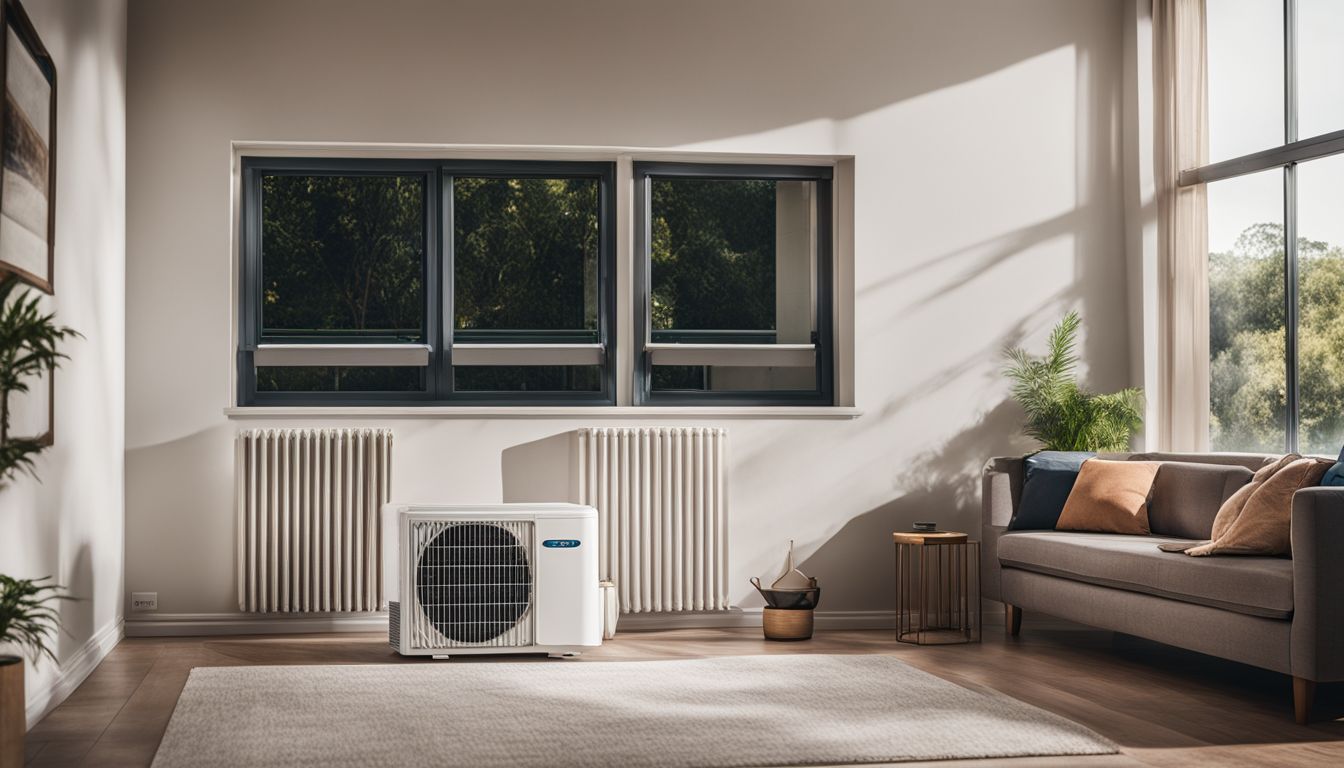
While both SEER and EER ratings are critical in assessing air conditioning efficiency, they serve distinct purposes depending on application and climatic conditions. Understanding these differences is key to making an informed choice for your residential or commercial cooling needs.
SEER in Residential Applications
SEER stands for Seasonal Energy Efficiency Ratio. It measures how well air conditioning units work over a typical cooling season. For homes, this rating is crucial as it directly affects energy bills and comfort.
Air conditioners with high SEER ratings are more efficient. They use less electricity to cool your house.
A unit with a SEER of 16 costs half as much to run compared to one at SEER 8. This shows the massive savings on energy consumption that high-efficiency systems can offer over older, less efficient models.
Upgrading an old system rated at SEER 10 to a newer model rated at SEER 13 could reduce power usage by up to 30%. That’s why investing in a higher-rated AC can pay off in the long run through lower electricity costs and reduced environmental impact.
EER in Commercial and Server Room Environments
Switching focus from residential to commercial spaces, EER becomes the spotlight. In places like offices and server rooms, air conditioners work hard all day. They keep computers and servers cool, which stops them from breaking down.
The Energy Efficiency Ratio (EER) tells us how well these aircons perform under constant use. A strong EER rating is a must for these environments.
Air conditioners in commercial spaces need an EER of 11.6 or more to be called high efficiency. This ensures they handle long hours without wasting energy. Server rooms especially demand this because steady temperatures are critical there.
Regular maintenance keeps these systems at top performance, saving money and energy over time.
The Impact of SEER and EER on Energy Consumption
SEER and EER ratings directly influence energy consumption in air conditioners. A higher SEER rating means the AC unit uses less energy over a cooling season to maintain comfort. This saves money on electricity bills and reduces greenhouse gas emissions.
An air conditioner with a SEER of 16 is more efficient than one with a SEER of 13, which could lead to significant cost savings over time.
The EER rating tells us how well an AC system works at peak times, like hot summer afternoons. Systems with better EER numbers perform more efficiently during these periods. They manage power consumption carefully without sacrificing cool air output.
This means buildings stay comfortable even when outdoor temperatures soar, using less electricity per British thermal unit of cooling capacity produced. Efficient systems help keep energy costs low, especially for commercial settings where constant climate control is critical.
Decoding SEER and EER: Assessing AC Efficiency in Different Scenarios
In exploring aircon efficiency, a pivotal step is to decode the meanings and implications of SEER and EER within various contexts. It’s essential to understand how these ratings apply to real-world settings, revealing that an AC unit’s performance hinges on its specifications and situational factors such as climate patterns and installation nuances.
Performance under specific conditions
Air conditioners work differently in various settings. The Energy Efficiency Ratio (EER) measures their performance under specific conditions. For instance, on a hot day with the temperature at 35 degrees Celsius, an AC unit’s EER tells us how many British Thermal Units (BTUs) of cooling it provides per hour for each watt of power it uses.
Higher EER numbers mean better performance in these set conditions.
Some aircons are great for steady climates while others excel during peak heat times. A unit with a high Seasonal Energy Efficiency Ratio (SEER) is designed to work efficiently over an entire cooling season, not just one hot afternoon.
This includes fluctuating temperatures and varying humidity levels. Choosing the right AC means looking at both SEER and EER ratings to ensure optimal energy use all season long.
The role of maintenance in maintaining efficiency
Regular check-ups of your air conditioner can make a big difference. They help the system work well and save energy. You should get your aircon serviced twice every year. This care stops breakdowns and keeps it running smoothly.
During these services, technicians clean parts and fix any issues. Clean filters let air flow freely, reducing the work the motor does. Servicing also ensures all parts are in good shape, which helps to prevent energy waste due to worn-out components struggling to perform.
Is a Higher SEER or EER Rating Always Better?
A higher SEER or EER rating means the air conditioner uses less energy. This is good for saving money on electricity bills. It also helps the environment by using fewer resources. But, a high rating does not fit every situation.
Sometimes, buying an AC with the highest rating costs too much upfront. You must consider how often you use your AC and where you live. An AC with a lower rating might work just fine for you and cost less at first.
If you don’t use your AC very much or if you live in a cooler place, this might be a better choice.
Remember to look for the ENERGY STAR label when choosing an AC. It shows that the appliance meets strict energy efficiency guidelines set by the U.S Environmental Protection Agency (EPA).
This helps make sure your new aircon conserves energy and works well in reducing energy consumption and combatting climate change.
Evaluating and Comparing Different Aircon Brands for Energy Efficiency
When selecting an air conditioner, energy efficiency is a pivotal factor. Different brands offer varying levels of efficiency, reflected in their SEER and EER ratings. Consumers can make informed decisions by comparing these ratings across models and manufacturers. Below is a comparative analysis of air conditioning brands based on their energy efficiency ratings.
| Brand | SEER Rating Range | EER Rating Range | Notable Features |
|---|---|---|---|
| Brand A | 14-24 | 11-13 | Smart home integration, Quiet operation |
| Brand B | 13-21 | 9-12 | Durable construction, Cost-effective models |
| Brand C | 15-23 | 10-13 | Advanced filtration systems, Energy-saving modes |
| Brand D | 16-25 | 12-14 | Wi-Fi connectivity, Programmable settings |
| Brand E | 14-22 | 11-14 | Low maintenance, Robust warranties |
Brand comparisons reveal a spectrum of efficiency ratings. Brand D leads with the highest SEER rating, suggesting optimal performance in residential settings. Brand B provides cost-effective options without compromising on energy efficiency. Advanced features, such as smart home integration, offered by Brand A, contribute to overall energy management and user convenience. Brand C’s advanced filtration systems indicate a focus on air quality as well as efficiency. Lastly, Brand E stands out for ease of maintenance, which can sustain peak efficiency over time. Choosing the right air conditioner involves assessing these ratings and features in the context of individual needs and environmental considerations.
Understanding Air Conditioning Energy Efficiency Ratings: Beyond SEER and EER
While SEER and EER are fundamental in assessing air conditioning units, it’s essential to delve into additional metrics that encapsulate energy efficiency. HSPF is one such crucial rating for heat pumps, reflecting their heating proficiency across seasons.
This index is integral for those considering a more comprehensive approach towards optimising their home’s climate control and energy expenditure.
HSPF (Heating Seasonal Performance Factor)
HSPF stands for Heating Seasonal Performance Factor. It measures a heat pump’s efficiency while in heating mode. Think of it like the gas mileage on your car, but higher numbers mean better efficiency for your heat pump.
Experts suggest choosing heat pumps with an HSPF rating between 8 and 13 for good energy savings.
This rating is crucial during colder months when space heating consumes a lot of power. A high HSPF rating can reduce energy consumption significantly, reducing electricity bills and helping combat climate change by conserving energy.
Remember, looking at HSPF, SEER, and EER gives a complete picture of an HVAC unit’s performance year-round.
Features of Top-Tier Energy-Efficient Air Conditioners
Top-tier energy efficient air conditioners come packed with advanced features. They help cut down on energy consumption and keep your home comfortable.
- Inverter technology: This adjusts the compressor’s speed to control temperature precisely, reducing energy usage significantly.
- Programmable thermostats: These devices let you set specific temperatures for different times of the day, ensuring your AC only works when necessary.
- Dehumidification capabilities: Efficient models can control indoor humidity levels, contributing to less frequent cycling of the system and lowered energy costs.
- Variable-speed blowers: These adjust airflow speed to suit cooling needs, which helps in using less electricity over time.
- High SEER ratings: The best AC units have high Seasonal Energy Efficiency Ratios, indicating superior performance and lower electricity use.
- Smart sensors: Top models include sensors that detect room occupancy. The AC turns off automatically if no one is present, saving power.
- Durable materials and components: Better materials mean fewer repairs and replacements over the lifetime of the AC unit, leading to sustained efficiency.
- Eco-friendly refrigerants: Modern air conditioners use refrigerants that have a lower impact on the environment while also being effective at cooling.
- Advanced filtration systems: High-quality filters improve air quality inside your home by trapping pollutants, which also helps maintain efficient operation by keeping ductwork clean.
Choosing the Right AC System: A Focus on Efficiency
Selecting an energy-efficient AC system goes beyond looking at a unit’s SEER or EER ratings; it involves understanding how size and specifications align with your particular needs.
Engaging with trusted manufacturers can yield tailored advice, ultimately leading to smarter investments and optimised energy use in the long term.
Importance of sizing and selecting correctly
Choosing the right size AC system is critical. It’s not just about the space but also how you use it, where you live, and your budget. A system too large can cool quickly but create humidity problems.
One that’s too small will run non-stop, using more energy and wearing out faster. Both lead to higher bills and less comfort.
Consulting a reputable HVAC professional is key to getting this right. They understand all these factors and can recommend an efficient size for your needs. They help ensure your new AC isn’t overworked or wasteful, keeping you cool without extra cost or energy loss.
Consulting with a reputable manufacturer
Talk to a trusted aircon maker for good advice. They know plenty about different models and how well they work. These experts will help you pick the right size and type for your space.
This means your AC will do its job best and save energy. Their tips can make sure you get comfy at home, don’t waste power, and might even save money over time.
Ask these manufacturers questions about their aircon’s SEER or EER ratings. They can explain what these numbers mean for energy use in real life. With their knowledge, they’ll guide you through rebates and incentives from places like energy.gov that could lower costs even more.
Their experience makes it easier to choose an HVAC system that fits your needs just right without using too much electricity or costing too much cash.
The Bottom Line: Key Takeaways for AC Efficiency
Selecting the most efficient aircon for your needs can make a big difference. It helps cut energy bills and is kinder to our planet. Remember, a unit with high SEER or EER ratings saves money in the long run.
Always talk to an expert before making a decision. They will ensure you get an aircon that fits your home and budget perfectly.
Conclusion
Choosing an energy-efficient air conditioner is a smart move. It saves money and helps the planet too. Always look for SEER and EER ratings to understand efficiency. A reliable HVAC expert can help you pick the best system for your needs.
Remember, good choices lead to better performance and comfort at home.
FAQs
1. What do energy efficiency ratings mean for air conditioners?
Energy efficiency ratings tell us how well air conditioners use electricity to cool our homes. The better the rating, the less electricity they need and the more you save on bills.
2. How does an energy-efficient HVAC system control humidity?
An energy-efficient HVAC system manages the amount of moisture in your home’s air, making sure it’s not too humid or too dry. This helps keep your indoor environment comfortable and can reduce energy consumption.
3. Can installing a smart thermostat make my central air conditioning more efficient?
Yes, a smart thermostat adjusts your central air conditioner’s settings based on your daily routine. It turns down when you’re away to conserve energy and cools again before you return home.
4.What are some main benefits of ground source heat pumps compared to regular room air conditioners?
Ground source heat pumps are great because they pull natural warmth from underground, which means lower carbon emissions and often reduced costs compared to standard room air conditioners.
5.Why should we consider ventilation systems along with HVAC systems for better efficiency?
Ventilation systems work with HVAC systems by replacing old indoor air with fresh outdoor air. Together they give a cleaner indoor climate while also helping to lower energy consumption in your house.
6.Are there any incentives for using high-efficiency appliances like an energy-efficient hvac?
Governments sometimes offer rewards or incentives that help cover part of the cost if you choose appliances like an Energy-Efficient HVAC that use less power; this promotes sustainable living by combating climate change.