

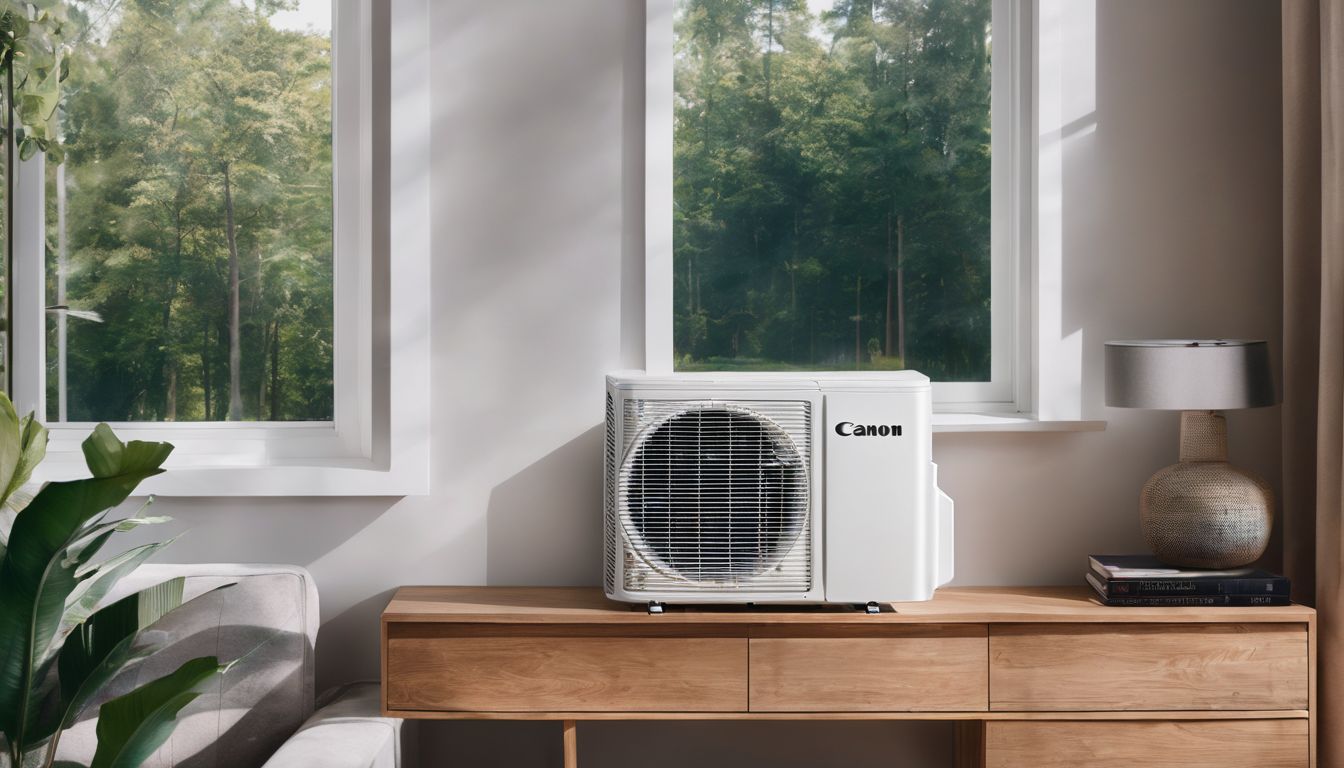
Air purification in AC (air conditioning) systems is all about cleaning the air you breathe. Picture your AC working like a superhero, capturing tiny particles and harmful bugs from the air with special tools called HEPA filters and zapping them with UV light to keep them from making you sick.
These smart machines even have carbon filters to make sure the air doesn’t smell bad or have invisible gases that can be harmful.
A well-designed AC with these features does more than just cool your home; it makes sure the air is fresh and clean, too. Imagine feeling cooler without sneezing because of dust or having trouble breathing because of pet hair.
And as a bonus, when your AC cleans the air better, it works smoother and lasts longer, saving money on energy bills.
Right now, exciting changes are happening in how these machines work. They’re becoming smarter and kinder to our planet by using less power and not harming nature while doing their job better than ever! We’ll also look at some top-notch brands that offer this cool tech.
Having clean indoor air is important for everyone’s health, especially if you have allergies or asthma—and who doesn’t want a safer place to live? Let’s explore how modern ACs help us stay healthy at home by keeping our air pure! It’s time to find out what your AC can really do.
Understanding Air Purification in AC Systems
Air purification in air conditioning systems is a critical advancement, harmonising climate control with eliminating harmful particulates and gaseous pollutants from indoor environments.
This integration enhances comfort and fortifies our living spaces’ health by leveraging advanced filtration technologies to cleanse circulating air
The Science and Mechanism Behind Air Purification
Air purifiers in AC systems work by pulling air through filters. These filters trap dust, pollen, and other tiny particles. Think about HEPA filters; they can catch things as small as 0.3 microns.
This includes many allergens and even some viruses that float in the air.
Another key player is the UV-C light inside some AC units. It zaps bacteria and viruses by breaking down their DNA or RNA. This means it kills germs that could make you sick when passing through your AC’s airflow.
In addition, activated carbon filters grab hold of odours and harmful gases known as VOCs from indoor air, making breathing cleaner.
The Role of HEPA and UV Air Purification
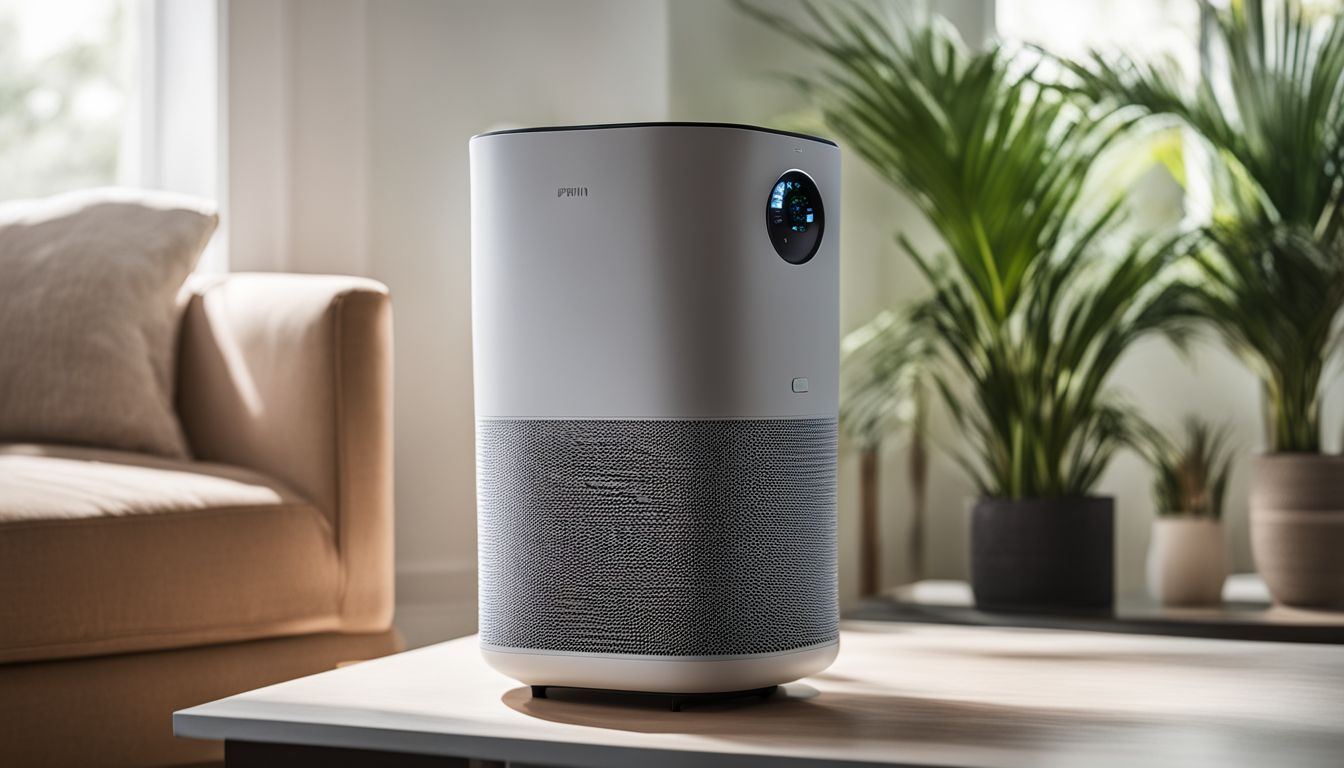
Moving beyond the basic principles of air purification, we encounter HEPA and UV technologies that significantly enhance indoor air quality. HEPA filters are a key feature in many AC units.
They capture tiny particles such as pollen, pet dander, and dust mites. These filters can trap mould spores and allergens, too. This makes them great for people with asthma or allergies.
UV air purification works differently. It uses ultraviolet light to kill microorganisms like bacteria and viruses. When an AC system combines HEPA filtration with UV-C sterilisation, it forms a strong defence against airborne contaminants.
Such systems work around the clock to cleanse indoor air from pollutants that can harm our health. This dual approach ensures that the air circulating through your home or office is not only cool but clean and safe to breathe too.
Features of Air Purification in ACs
Air purification features in air conditioning systems are ingeniously designed to enhance indoor environment quality by targeting various airborne impurities. These cutting-edge advancements work tirelessly to trap and neutralise pollutants, transforming the very essence of air that circulates within our living spaces.
Dust and Contaminant Filtering
Air filters in AC systems often use HEPA technology. This high-efficiency particulate air filter captures tiny particles, as small as 0.3 microns from indoor air. Dust, pollen, and other allergens get trapped by these filters before they can circulate through your home.
This feature benefits asthmatics and others with respiratory conditions. It improves the quality of the air that everyone breathes. After discussing dust and contaminant filtering, we’ll examine how these systems manage odours and volatile organic compounds (VOCs).
Odour Management and VOCs Control
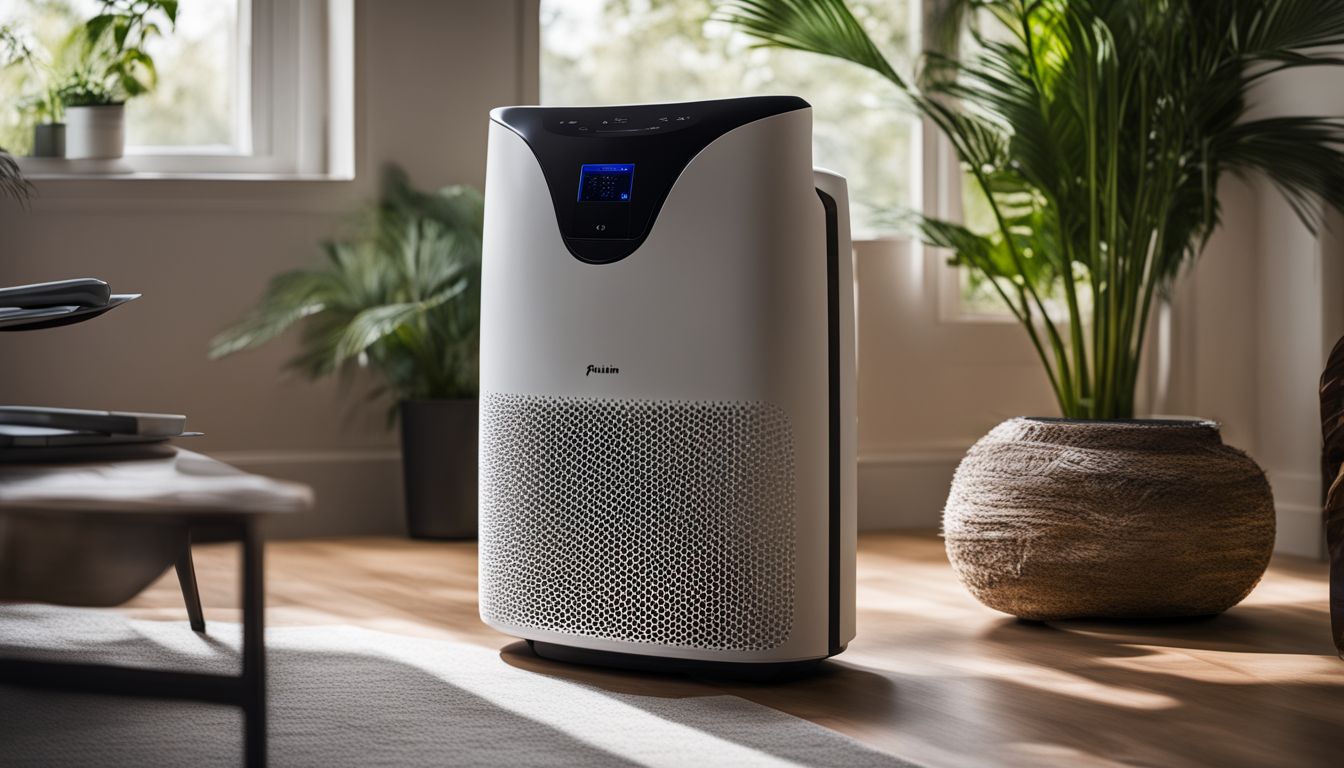
AC systems now come with high-tech features that tackle unpleasant smells and harmful volatile organic compounds (VOCs). Activated carbon filters are key in this process. They absorb the odors and chemicals from the air, making sure your home stays fresh.
This is important because everyday items like paints, cleaners, and new furniture can release VOCs that affect indoor air quality.
Ionisation is another powerful tool in AC units for controlling VOCs. It works by charging the particles in the air, which then stick together and become easier to filter out. This technology helps clear out fine particles and gases that other filters might miss.
With these systems, you breathe cleaner air daily without worrying about hidden pollutants lingering around your house or office.
Role of Ionisation Filters
Ionisation filters play a crucial role in air purification within AC units. These filters use an electrical charge to create ions, which attach to airborne particles like dust, pollen, and viruses.
Once attached, the charged particles are easily captured by the air conditioner’s filtration system or fall out of the air we breathe.
This process reduces indoor air pollution and neutralises harmful pathogens that can affect human health. Such advancements in HVAC technology ensure cleaner and healthier environments, tackling issues such as odours and volatile organic compounds efficiently.
With ionisation filters integrated into ACs, households enjoy fresher air with fewer irritants and pollutants.
Benefits of Air Purification in ACs
Integrating air purification within AC units significantly enhances the quality of indoor environments, transforming living spaces into havens of clean, healthy air. This technology not only mitigates the concentration of harmful pollutants but also plays a pivotal role in protecting wellbeing by reducing exposure to allergens and airborne pathogens.
Improved Indoor Air Quality
Air purification in AC systems directly impacts the quality of air we breathe indoors. Advanced filters and UV-C light work together to trap tiny particles and neutralise harmful pathogens.
The result is cleaner, fresher air free from common pollutants like pet dander or allergens.
HEPA filters are key players in this process, capturing particles as small as 0.3 microns with high efficiency. These include dust mites, pollen and even certain viruses that could affect our health.
By keeping the indoor environment clean, these technologies help us enjoy better air quality every day.
Health Implications and Allergen Control
Air purifiers in AC systems help people breathe more easily. They trap allergens like pollen, pet dander, and dust mites which can cause asthma and allergies. These filters also catch airborne viruses that could lead to sickness.
By cleaning the air, these systems lower the risk of respiratory diseases.
HEPA filters in AC units are true lifesavers for those with lung issues. They pull harmful particles out of the air before they reach your lungs. UV-C light adds another layer of protection by killing germs and viruses.
Together, these technologies keep indoor air clean and safe for everyone.
Next, let’s explore how good air purification can extend the life of your AC system.
Extending the Lifespan of AC Systems
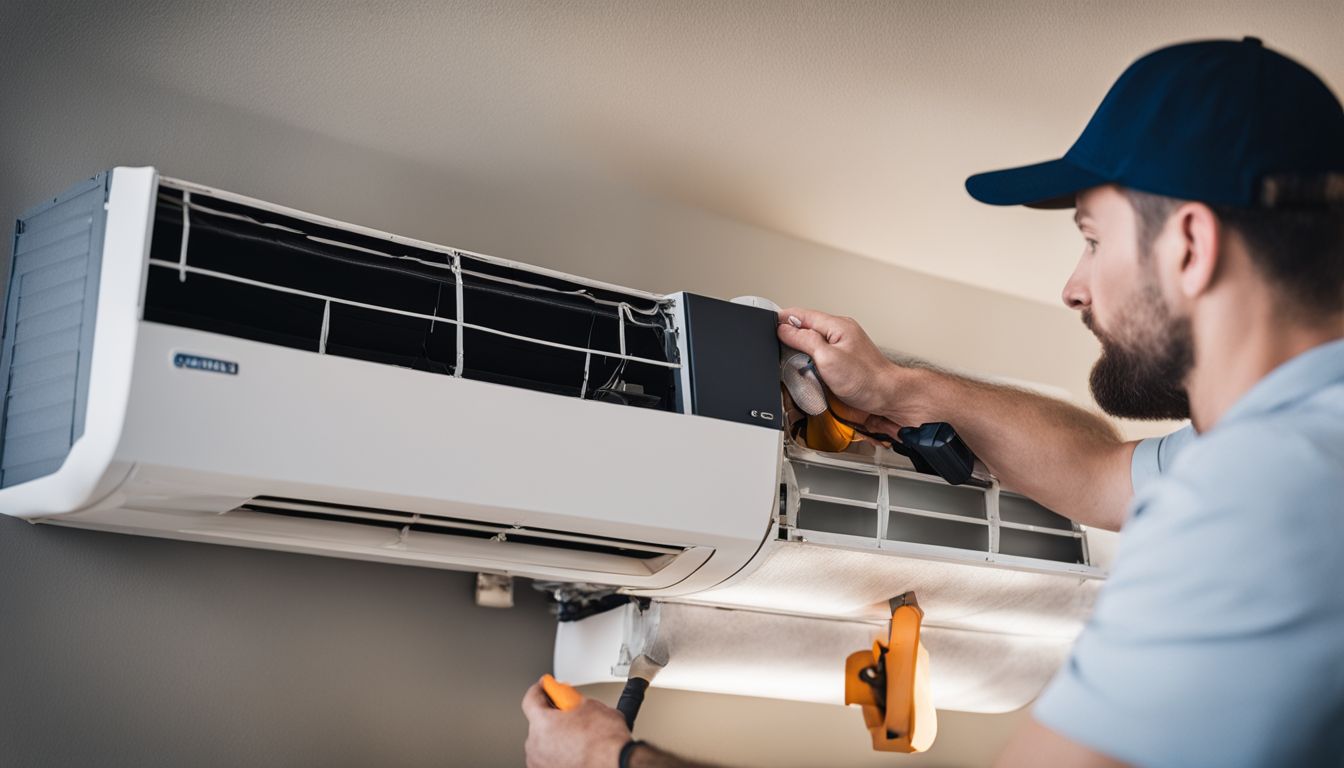
Through managing allergens and maintaining clean air, AC systems with air purification also benefit from a longer operational life. HEPA filters in the system can catch tiny particles, even as small as 0.3 microns.
This reduces clogging and strain on the HVAC components, ensuring they work smoothly for longer periods. Clean filters mean less dirt and fewer repairs.
Using UV-C light is another way to extend an AC’s lifespan. The UV-C targets microbes that could otherwise collect in the system and cause damage or inefficiency over time. By keeping these harmful elements at bay, air conditioners remain in peak condition for extended use with potentially fewer breakdowns or need for servicing.
Cleaner systems are more energy-efficient, too, which means less energy wastage, leading to cost savings on bills and repairs
Air Purifier Vs Air Conditioner: A Comparative Analysis
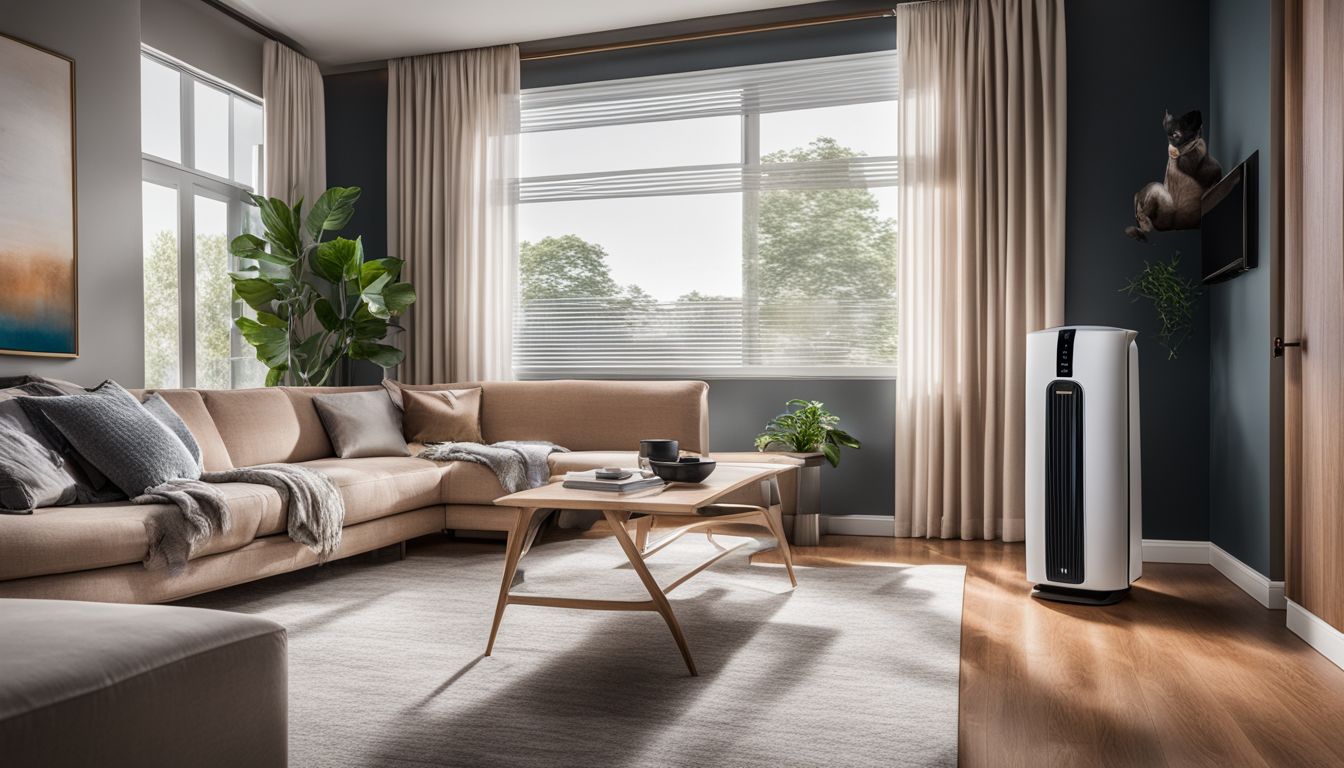
In assessing indoor climate solutions, one may compare air purifiers and air conditioners to understand their distinct functionalities and benefits. Here is a comparative analysis in HTML table format:
| Aspect | Air Purifier | Air Conditioner |
|---|---|---|
| Primary Function | Removes contaminants from the air | Regulates indoor temperature |
| Filtration Capabilities | Includes HEPA filters for trapping micro-particles | May have basic filters, but not as advanced as air purifiers |
| Pathogen Neutralisation | Often equipped with UV-C light to neutralise viruses and bacteria | Lacks UV-C sterilisation by default |
| Odour and VOCs Management | Activated carbon filters reduce odours and VOCs effectively | Typically does not target odours and VOCs without additional features |
| Health Benefits | Improves air quality by removing allergens | Provides comfort by maintaining desired temperature |
| Energy Efficiency | Can operate with less energy, especially when air quality is moderate | Energy usage varies with models, with some integrating eco-friendly technologies |
| Sustainability | Minimal direct impact on environment, filters need regular replacement | Refrigerants can be eco-friendly and units often have smart sensors |
| Scope of Use | Enhances air quality in any environment | Primarily used for temperature control in hot or cold climates |
The comparative analysis clearly delineates the key differences between air purifiers and air conditioners, evidencing their unique features and functionalities.
Top AC Brands with Air Purification Features
Air purification features are becoming a standard in modern AC units, offering cleaner indoor air alongside cooling. Several top brands have integrated advanced air purification technologies into their AC systems.
- Daikin: This brand is a leader in air conditioning and offers units with HEPA filters that trap particles as small as 0.3 microns. Daikin ACs with Streamer Discharge technology also break down pollutants efficiently.
- Carrier: Known for creating the original modern air conditioning system, Carrier now includes high-efficiency particulate air filters and UV-C lights in many models to sanitise the air.
- LG: LG’s PuriCare range showcases auto cleaning functions that reduce household air pollution. They use a fine mesh filter to remove dust and allergens from indoor environments.
- Samsung: With its Wind-Free™ technology, Samsung ensures minimal airborne transmission of contaminants while also filtering out indoor air pollutants effectively via its multi-layered purification system.
- Blue Star: This company emphasises energy efficiency and has developed ACs with advanced HEPA filters and electrostatic precipitators that handle particulate matter and VOCs.
- Philips: Although primarily known for lighting solutions, Philips offers portable AC units equipped with VitaShield IPS technology to reduce ultrafine particles, thereby improving indoor air quality (IAQ).
- Honeywell: Their HVAC systems often come with patented UV-C light technology that works as a sanitiser to kill bacteria and viruses while enhancing overall environmental health within indoor spaces.
- Panasonic: Panasonic’s Nanoe-G feature harnesses ionisation to cleanse the air inside homes, tackling airborne particles effectively and ensuring higher IAQ through their Econavi sensors.
The Risk and Advantages of Aftermarket Air Purifying Filters
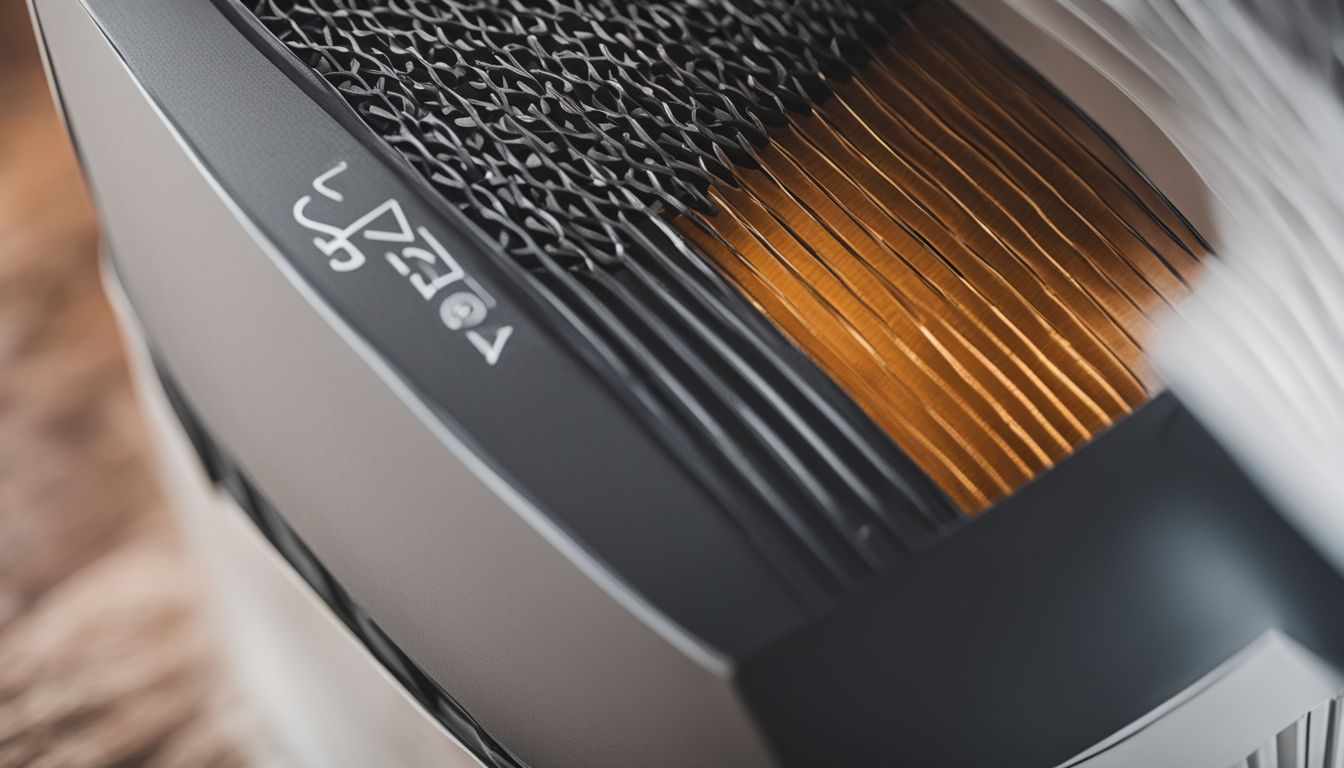
While some AC brands have built-in air purification features, you can upgrade your system with aftermarket filters. Aftermarket air purifying filters offer a cost-effective way to improve the quality of your indoor air.
These filters trap dust, allergens, and other pollutants that can cause health issues. HEPA filters are especially good at this because they catch particles as small as 0.3 microns with over 99.97% efficiency.
However, it’s important to choose the right filter for your AC unit. A mismatched filter might restrict airflow and strain your system, leading to higher energy use and possible breakdowns.
Always check compatibility and follow manufacturer guidelines for maintenance to get all the benefits without any risks.
Conclusion
Air purification in AC systems offers a breath of fresh air to homes and offices. It traps harmful particles and destroys bacteria, ensuring cleaner breathing spaces. This technology not only boosts health but also extends the life of AC units.
Advanced features like HEPA filters and UV sterilisation tackle invisible threats with ease. Embracing these innovations leads to safer, more comfortable environments for everyone.
Discover more about the innovative developments in AC technology by exploring our detailed article on current trends shaping air conditioning technology.
FAQs
1. What does an air purifier in an AC do?
Air purifiers in AC units clean indoor air by using filters like HEPA (High Efficiency Particulate Air) to trap airborne pollutants.
2. Can air purification help with asthma management?
Yes, by removing allergens and aerosols from the air, filtration systems aid in managing asthma and reducing respiratory symptoms.
3. Do all ACs have HEPA filters?
Not all, but many modern heating and air conditioning systems include a HEPA filter to capture fine particles for cleaner breathing spaces.
4. Does UV radiation play a role in air purification?
Some air-cleaners have UV lamps which use ultraviolet radiation to keep the air sterile and destroy germs like influenza viruses or chickenpox.
5. How does filtering pollution affect health?
Reducing household air pollution through effective air filtration can lower risks of chronic obstructive pulmonary diseases, cardiovascular disease, and other health issues related to poor quality indoor environments.
6. Is there any environmental benefit of using an AC with an air purifier?
Using high-efficiency particulate absorbing technology minimises energy consumption while improving environmental control inside your home.