

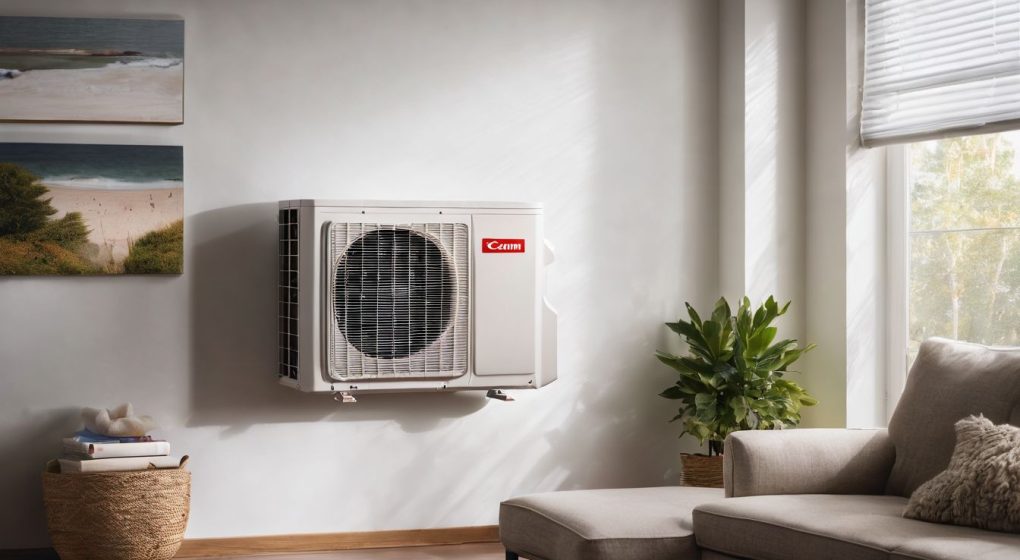
Air conditioners can keep homes cool even without the big metal pipes called ducts. These systems are known as mini-splits and have units for each room that connect to an outdoor part.
They work by using special coils to make the air chilly inside your house. Mini-splits are great because they don’t need big changes to your home, they’re quiet, and help you save energy.
You can pick different kinds of indoor parts like ones that go on the ceiling or sit on the floor.
Each room can have its own temperature setting with a mini-split system, so there’s no wasted energy from leaking ducts. The right size unit for a room makes sure it works well, staying warm enough even when it’s about 15 degrees outside Fahrenheit (= -9°C).
Mini-splits also clean the air really well, getting rid of stuff like dust and pollen.
Taking care of these air conditioners means cleaning filters every month which helps them use less energy and last longer. But if it gets super cold where you live, sometimes you might need extra heating help for these systems to do their best job.
This kind of cooling is perfect for adding a new room or trying to control temperatures differently in different areas of your home.
Let’s discover how these smart machines make our rooms comfy without those big pipes!
Understanding Ductless Air Conditioners
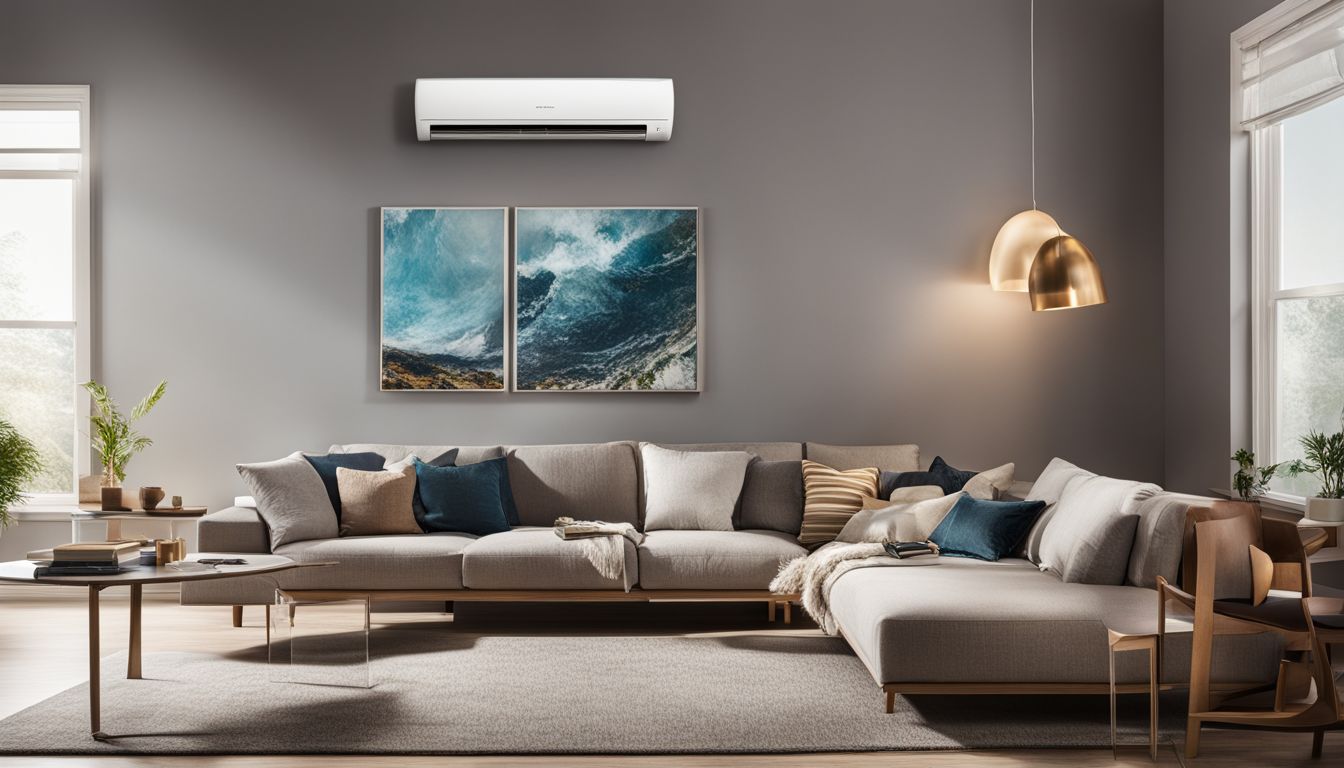
Ductless air conditioners, commonly known as mini-splits, cool your home without needing large air ducts. They consist of an outdoor unit connected to indoor air handlers through small conduits.
The conduits carry power and refrigerant between the units. This means less disruption to your home during installation because there’s no need to tear down walls or ceilings for ductwork.
Mini-splits offer flexibility in where you place them. You can choose from models that mount on walls, sit on the floor, or get installed into the ceiling. With these systems, each room can have its own temperature control zone.
This makes them perfect for adding heating and cooling to new additions or parts of your house that were never fitted with ducts. They’re also a smart choice when you want to save energy since they avoid heat loss associated with traditional central air conditioning systems’ ductwork.
Operation of Ductless Air Conditioners

Ductless air conditioners harness advanced technology to cool spaces efficiently, bypassing the need for extensive duct networks. These systems function through a streamlined process that pairs an external compressor with one or more indoor units, delivering targeted temperature control right where it’s needed.
Ductless Capacity

Mini-split air conditioners have a unique strength: they match cooling needs with precision. Each small unit in a room cools that space alone. This means you don’t waste energy chilling rooms you’re not using.
The capacity of these systems often gets measured in BTUs, which tells you how much heat the unit can remove from the air.
Heat pumps in mini-splits work hard to keep energy loss low. They transfer warm indoor air to the outdoor compressor and bring back cool air efficiently. This process gives you better control over your home’s temperature and helps cut down on electricity bills.
Next up, let’s look at why many people choose ductless systems for their homes.
Advantages of Ductless Systems

- Easy to Install: Ductless systems have a simple installation process. You don’t need big holes in your walls or extensive ductwork. This saves time and causes less disruption to your home.
- Better Energy Efficiency: Ductless air conditioning systems are energy-efficient. They use heat pumps that reduce energy loss and can lower your bills. With high SEER ratings, they make smart use of electricity.
- Improved Air Quality: These units come with advanced filtration systems. They help to clean the air in your home by removing dust, allergens, and other pollutants.
- Quiet Operation: They run more quietly than most central air conditioners. This means you can stay cool without the noise of fans and motors from typical HVAC systems.
- Integrated Zoning Control: You get zoning control for different areas of your home. Set temperatures in each zone to suit everyone’s comfort levels without affecting other rooms.
- No Duct Energy Leaks: Since there are no ductworks, energy leaks associated with them are eliminated. This ensures that all the cooling power stays where you need it.
- Suitable for Various Spaces: If you have rooms like basements or attics without existing ducts, ductless AC is ideal. It’s also great for new additions or homes where installing ductwork isn’t practical.
Disadvantages of Ductless Systems

Ductless air conditioners have some downsides. Here are a few things to consider before choosing one for your home.
- Cost: Mini split systems can be pricier than window units. Installing them often requires more money upfront compared to traditional options.
- Room design: Some people find mini-splits don’t look good in their rooms. They can stand out and may not match the rest of your decor.
- Monthly maintenance: You must clean the filters every month. If you forget, the system could work poorly or break down.
- Cold climates challenge: In very chilly places, you might need extra heating. Sometimes, ductless heat isn’t enough on its own.
- Extra units needed: When it’s extremely hot or cold, one mini split might not do the job. You may have to install more than one unit for comfort.
- Sizing matters: It’s tricky to pick the right size unit for your space. You must measure your room and check a sizing chart carefully.
- High upkeep needs: These systems need lots of care to keep working well. Compared to ducted systems, they can be a lot of work.
- Not always ideal: Mini-splits might not suit every climate or house type. They’re not perfect for all situations and may struggle in some conditions.
Comparison: Ductless Vs. Ducted Air Conditioning
4. Comparison: Ductless Vs. Ducted Air Conditioning: Explore the tailored benefits for your space through a side-by-side comparison, shaping an informed decision to optimise comfort and efficiency within your home or business.
Comparing Ducted and Ductless Air Conditioning Systems for Your Space

Ducted and ductless air conditioning systems serve the same purpose but in different ways. Ducted units move air through a network of air vents and ducts to chill an entire home or building.
They need more space for their airflow system, including crawl spaces or attic areas for the ductwork. On the other hand, ductless systems, also known as mini-split air conditioners, connect indoor units directly to an outdoor compressor without any ducts.
Choosing between the two depends on several factors like installation costs, energy efficiency, and specific room needs. Ductless AC units are great for homes lacking existing ductwork since they avoid the hassle and expense of installing new ducts.
They are energy-efficient too! With advanced features such as variable refrigerant flow technology, they cool or heat spaces with precise control. Meanwhile, traditional HVAC systems with furnaces might be better suited for larger properties where consistent temperature throughout is essential.
Each choice has its bonuses and drawbacks. A well-insulated house with pre-existing ductwork may not benefit as much from switching to a mini-split system compared to one being newly built or modified without space for extensive ducting.
For zoned temperature control across various rooms though, going ductless often proves more cost-effective and provides higher energy savings over time by avoiding energy loss typically associated with lengthy stretches of air ducts which require regular cleaning to maintain good indoor air quality.
Ideal Situations for Ductless AC Systems

Ductless AC systems shine in scenarios where traditional ducted setups are either impractical or too invasive. They offer a smart solution for added climate control in unique living spaces that demand a tailored approach to heating and cooling.
New or Extra Rooms

If you’re adding a room to your home, such as a sunroom or an extension, a ductless air conditioning unit can be the perfect fit. Since these rooms often lack ductwork, installing traditional HVAC systems can be difficult and costly.
Ductless systems make it easy because they don’t need ducts to operate. You get cool air right where you need it with minimal construction.
Ductless mini-split systems are also great for managing temperatures in new spaces efficiently. Suppose retirees downsize their living areas or parents find themselves with empty nests after children move out.
In that case, these units help control cooling in those lesser-used rooms without wasting energy on unoccupied spaces. This smart climate solution offers personal comfort and keeps bills low at the same time.
Zoned Temperature Control

Mini-splits are great for controlling the temperature in separate rooms. They let you change the warmth or coolness where and when you need it. This means only using energy in spaces you’re actually in, which saves money and power.
With mini-splits connected to one outdoor unit, each room can have its own setting. Think of having a personal thermostat for every area – that’s zoned temperature control.
The right mini-split makes sure each zone is comfy without wasting energy. You’ll want to consider room size, how well it’s insulated, and even ceiling height when choosing your system.
Good zoning takes into account all these things to create a space that feels just right and cuts down on unnecessary costs from heating or cooling empty areas.
Homes Lacking Ductwork

Many older houses don’t have built-in ducts for air conditioning. This can make installing traditional HVAC units difficult and expensive. Ductless air conditioners, like mini-split systems, become a great choice in these cases.
They need no ductwork and are much simpler to put in place.
Mini-splits attach to walls and only require a small hole for the connecting pipes. This means less mess and lower installation costs compared to putting in all new ducts. With their ease of fitting, rooms stay cool without major construction work or disruption to the home structure.
Next, let’s explore why they are perfect for new or extra rooms.
Conclusion

Ductless air conditioners offer a sleek and efficient way to cool your home. They connect indoor units to an outdoor compressor, making them perfect for areas without ducts. These systems are energy savers and keep rooms at just the right temperature.
With easy installation and quiet operation, they meet many cooling needs effectively. Ductless ACs provide comfort where traditional systems can’t reach.
For a deeper understanding of which system best suits your space, explore our detailed comparison between ducted and ductless air conditioning systems.
FAQs
1. What are mini split air conditioners?
Mini split air conditioners are a type of HVAC system that cools your home without needing large ducts. They have an outdoor unit and one or more indoor units that blow cool air directly into your rooms.
2. How do portable air conditioners work without ducts?
Portable air conditioners pull warm room air through evaporator coils, cool it down, then send the cold air back into the room. They often use a hose to vent hot air outside but don’t need built-in ductwork to operate.
3. Can I save energy with ductless air conditioning systems?
Yes, because they target specific areas in your home, many ductless systems like mini splits have high SEER ratings and may be Energy Star certified for excellent energy efficiency.
4. Do all homes suit split system air conditioner installations?
Most homes can benefit from split system installations since they don’t require complex ductwork and can offer humidity control just where you need it whether in insulation-rich areas or on floors lacking central AC access.
5. Is there less maintenance with no-duct AC systems compared to traditional ones?
Ductless systems usually need less maintenance than those with extensive duct networks which demand regular inspections and sometimes involve costly services like air duct cleaning.