


Aircon piping is a key part of HVAC systems that helps keep our rooms cool. It’s like a road system for the cold air and water that comes from an air conditioner. There are two main types: copper pipes for the refrigerant, which makes the air cold, and plastic water drain pipes to get rid of water made by the AC unit.
Copper refrigerant pipes have supply lines and return lines to move the cooling stuff to where it needs to go. These can last between 12 to 15 years but only if they’re looked after well through regular checks and cleaning.
Plastic water drain pipes are flexible and come in different sizes to carry away unwanted water. They work best when skilled people install them properly to stop leaks.
Sometimes we can even reuse old copper pipes when getting new AC units, thanks to better technology and cleaning ways. But this needs careful thinking about risks.
Keeping these pipes working well means less trouble later on with your AC unit not working right or leaking. This article will take you on a journey through how aircon piping works and why it’s so important.
Let’s explore this hidden yet essential world behind our cool indoor breezes!
Understanding Aircon Piping

Delve into the arteries of HVAC systems, where aircon piping plays a pivotal role in steering comfort to every corner of your space. Explore its varieties and functionalities to appreciate how these hidden conduits shape our experience of thermal comfort.
Role in HVAC Systems

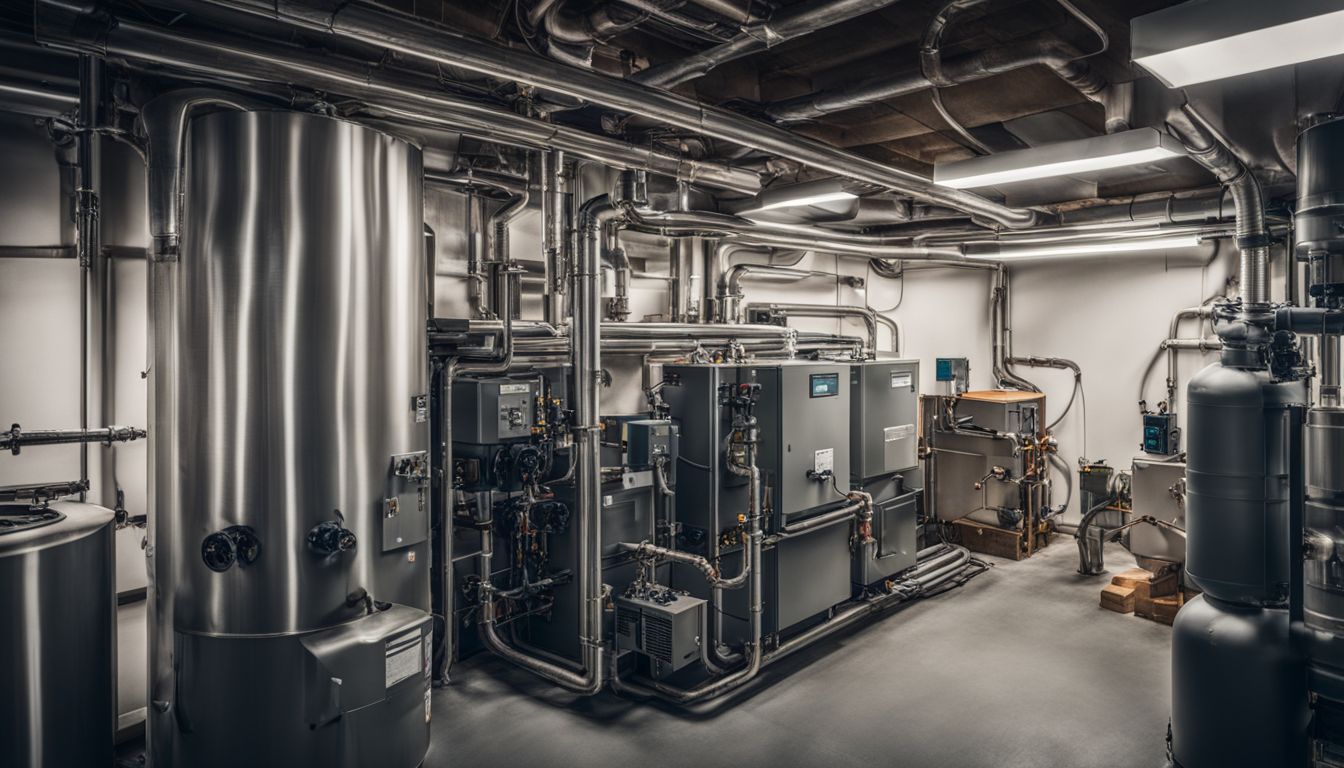
Aircon piping is vital for HVAC systems to work well. Pipes carry the refrigerant needed for heating and cooling through the system. They take away the condensed humidity, too. This keeps homes and buildings comfy inside.
Copper pipes move refrigerant where it needs to go. Flexible water pipes handle moisture from cooled air. Bigger pipes are great at keeping places dry. These parts make sure AC systems run smoothly and keep indoor air quality good.
Types of Aircon Piping

Aircon piping is essential in HVAC systems. It helps keep homes and offices comfortable by managing the flow of refrigerant and water.
- Copper Pipes: Copper pipes are strong and reliable. They carry refrigerant through the air conditioning system. Refrigerants are liquids that absorb heat from inside a room. These pipes connect the condenser outside to the evaporator inside. Copper is popular because it does not rust and lasts a long time.
- Flexible Water Pipes: These pipes get rid of water that comes from air moisture. When an air conditioner cools the air, it removes humidity which turns into water. This water needs a place to go, so flexible water drain pipes take it away from important parts to prevent damage or leaks.
Detailed Examination of Aircon Piping Types

Delve into the intricate world of aircon piping, exploring how different materials and designs play a pivotal role in ensuring efficient heat exchange and system longevity within HVAC frameworks.
With a focus on the nuances that distinguish copper from flexible water pipes, we’ll uncover how each type serves its vital function in climate control technology.
Copper Pipes

Copper pipes play a key role in aircon systems. They transport refrigerant to cool or heat your home. These tubes come as supply and return lines, carrying the fluid where it needs to go.
With proper installation, copper pipes are reliable and efficient.
They last between 12 to 15 years if looked after well. Maintenance involves checking for condensation and fixing leaks quickly. Copper’s toughness makes it a top choice for handling refrigerants in heating and cooling setups.
Flexible Water Pipes
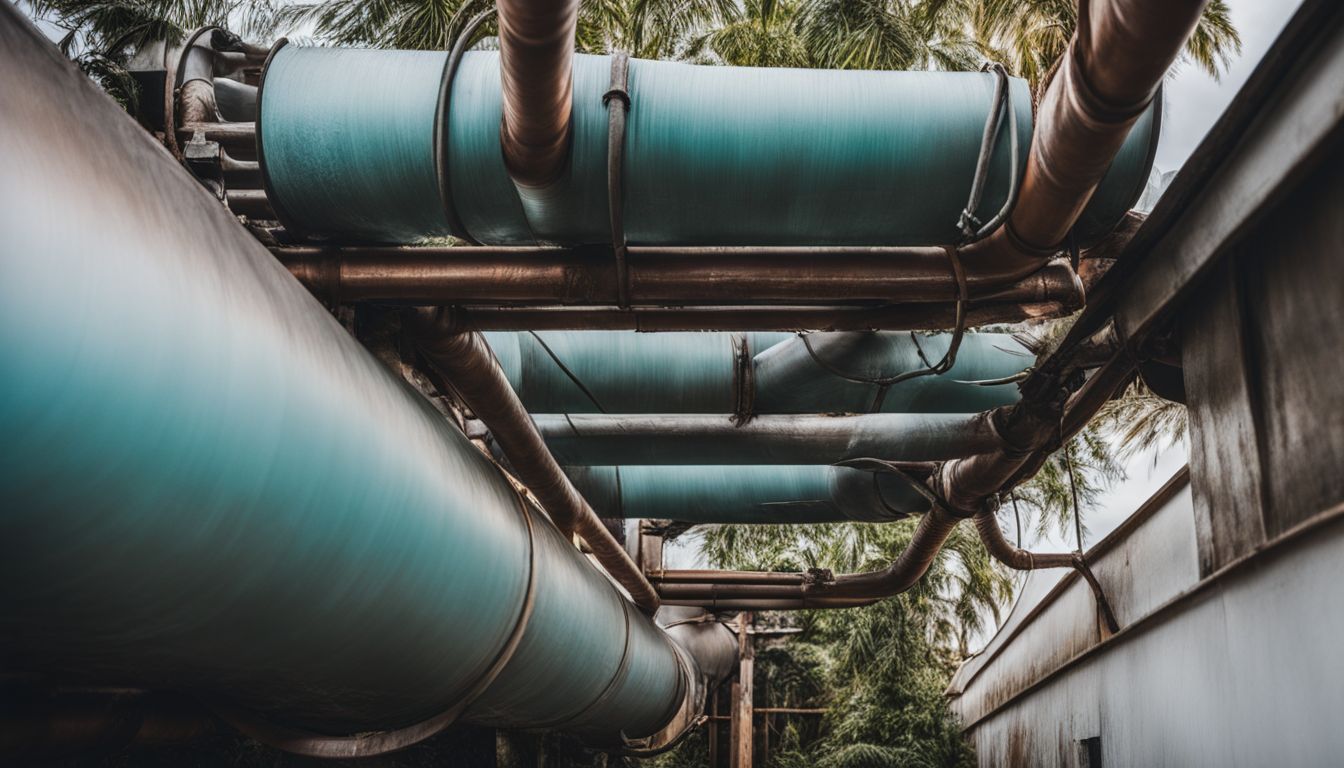
While copper pipes are common, flexible water pipes offer an alternative. They are usually made of durable plastic materials. These types of pipes are often used to drain water from air conditioners.
They come in various sizes to fit different systems.
Flexible water pipes bend easily to navigate around obstacles. This makes them ideal for complex installations where rigid piping would be too difficult to use. Their light weight and ease of handling make flexible pipes popular in HVAC setups, especially when quick installation is required.
However, they must be installed correctly to avoid problems like leaks or blockages that can affect the system’s efficiency and safety.
Lifespan of Aircon Piping

The longevity of aircon piping is pivotal to an HVAC system’s overall durability, and understanding what affects this lifespan ensures a more efficient climate control experience. Regular upkeep can significantly extend the serviceability of these essential components, safeguarding your investment in home or business comfort.
Factors influencing longevity
Aircon piping is crucial for an effective HVAC system. Its lifespan can vary due to several factors.
- Climate: Pipes in extreme weather conditions face more wear and tear. Hot or cold climates put stress on the pipes, leading to faster aging.
- Usage level: Frequent use of heating and air conditioning systems cause more expansion and contraction in the pipes. This cycle can weaken the pipes over time.
- Maintenance: Regular cleaning and checks can prevent damage and leaks. Well-maintained pipes are less likely to have problems that shorten their life.
- Insulation quality: Good insulation helps maintain temperature. It protects pipes from external elements, reducing the risk of damage.
- Installation method: Correctly installed piping by professionals ensures a secure fit. Poor installation often leads to early failures and repairs.
- Pipe material: Copper pipes are known for their durability and resistance to corrosion. Choosing high-quality materials prevents premature aging.
Maintenance for extended lifespan
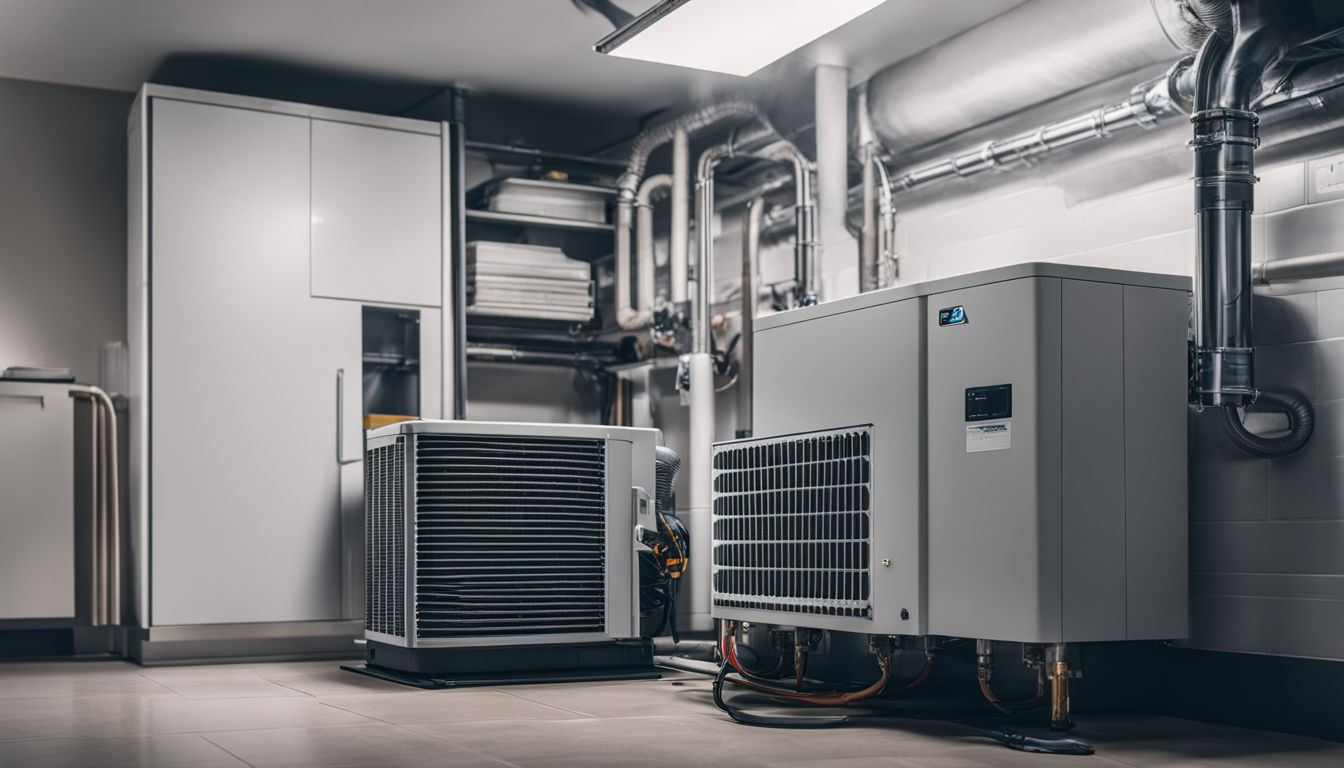
Maintenance is key to ensuring your air conditioning pipes last longer. It can prevent leaks and keep your system running efficiently.
- Schedule regular check – ups with a professional. They will inspect the pipes for signs of wear and fix any issues.
- Clean pipes often to prevent the build – up of dust and debris. This allows for better air flow and efficiency.
- Look out for green stains on copper pipes. These could mean corrosion, which needs immediate attention.
- Use non – corrosive materials when doing any repairs. This stops further damage to the pipes.
- Keep surrounding areas clear of plants and other items that might harm the piping.
- Regularly replace filters in your HVAC units. Clogged filters make systems work harder, stressing the pipes.
- Ensure proper insulation around the piping to reduce energy loss and condensation.
- Check for damp spots on walls or ceilings near the piping as they may indicate hidden leaks.
Can Aircon Piping Be Reused?

In the intricate dance of maintaining efficient HVAC systems, the question arises: is it possible to repurpose existing aircon piping? This consideration opens up discussions about sustainability and cost-effectiveness in heating, ventilation, and air conditioning projects.
Situations for reusing
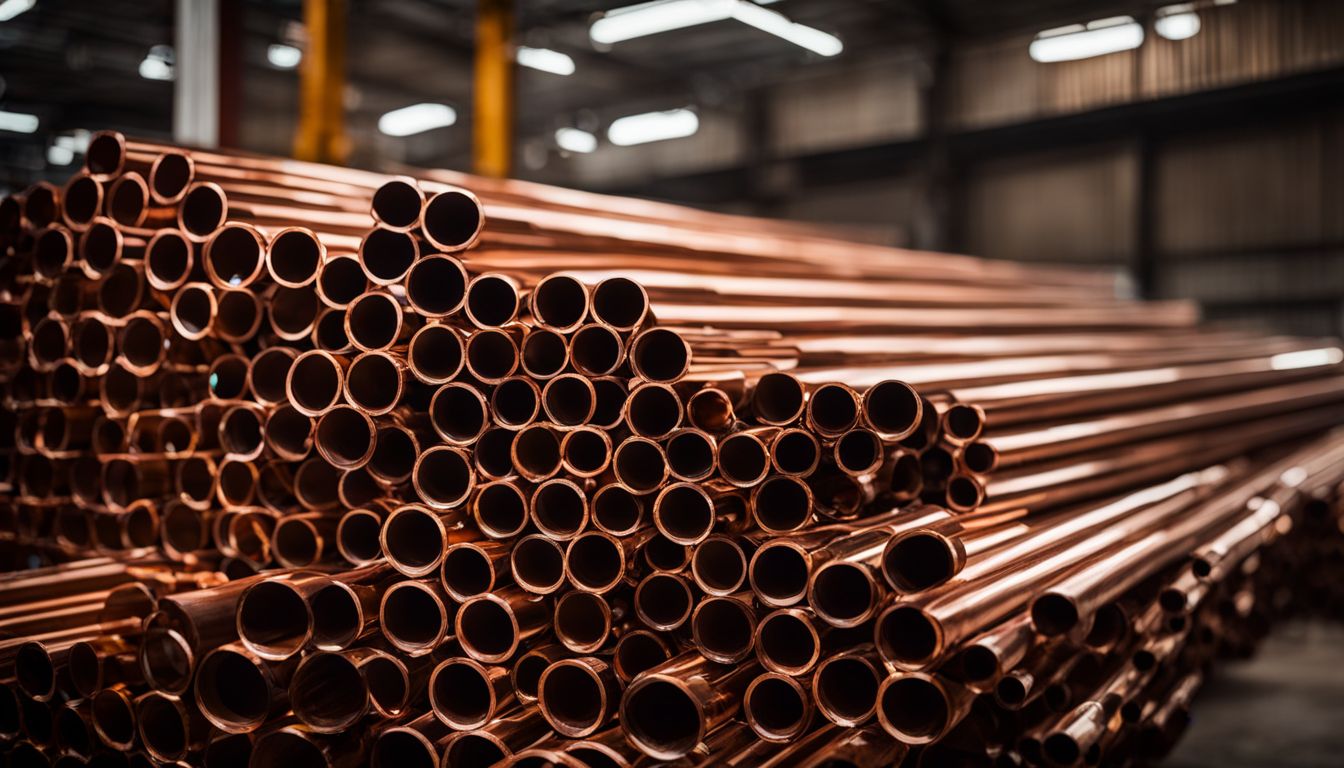
Aircon piping sometimes can have a second life. Copper pipes, known for their longevity, are often good candidates for reuse.
- If the existing air conditioning unit is being replaced but the copper pipes are still in great shape, they might not need to join the old unit in retirement.
- During renovations or upgrades to HVAC systems, reusing copper pipes can save on costs and reduce waste.
- When a heat pump fails and it’s time for a newer model, the associated copper piping may simply require cleaning before connecting to the new unit.
- Upgrading to a more energy – efficient air conditioner doesn’t always mean you have to replace everything; intact pipes can be part of the new setup.
- If an inspection shows no signs of wear like corrosion or damage, your AC technician might suggest keeping the current piping as is.
- Considering environmental impact, reusing piping instead of manufacturing new ones conserves resources and reduces carbon footprint.
Risks and considerations

Reusing aircon piping might save money, but it must be done carefully. Old pipes can have hidden damage or may not match the new system’s requirements. If old pipes are not properly cleaned, they could spread dust and bacteria around your home.
This can harm your health and hurt the air conditioner’s performance.
Choosing the right type of pipe is crucial for keeping an HVAC system running well. For example, copper pipes are popular because they resist corrosion. But without regular maintenance, even these can fail before their time.
Poorly installed or neglected pipes lead to leaks and water damage in your walls or ceilings. Always ask a professional to check and fix your aircon piping to make sure it lasts as long as possible.
The Importance of Professional Aircon Installation and Maintenance

Professional installation of aircon piping is crucial. Experts know how to handle different pipe materials and connect them without causing damage. They make sure that the system won’t leak or lose energy efficiency.
Well-installed pipes prevent moisture problems inside walls, which can lead to mold and costly repairs.
Regular maintenance done by pros helps your aircon last longer. Skilled technicians spot issues before they get big and fix them on time. They clean filters and check for refrigerant leaks, making the system work better.
Without professional care, minor problems might grow into bigger ones that cost a lot to fix later on.
Understanding Aircon Isolator Switch Operation in Relation to Piping

After ensuring your aircon is installed and maintained by experts, it’s crucial to know how the isolator switch works with the piping. The aircon isolator switch serves a critical role in safety.
It cuts power to the air conditioning unit allowing for safe maintenance without turning off the whole system. This switch is usually mounted on the wall near the outdoor unit of your HVAC system.
The operation of this switch directly impacts your aircon’s piping network. When turned off, it stops refrigerant flow in the pipes, preventing any heat transfer. This means technicians can work on your system safely without worrying about refrigerant leaks or pressure issues in the pipes.
Always use an isolator switch before any work begins on your aircon’s pipework or electrical components to avoid danger and protect your system.
Conclusion
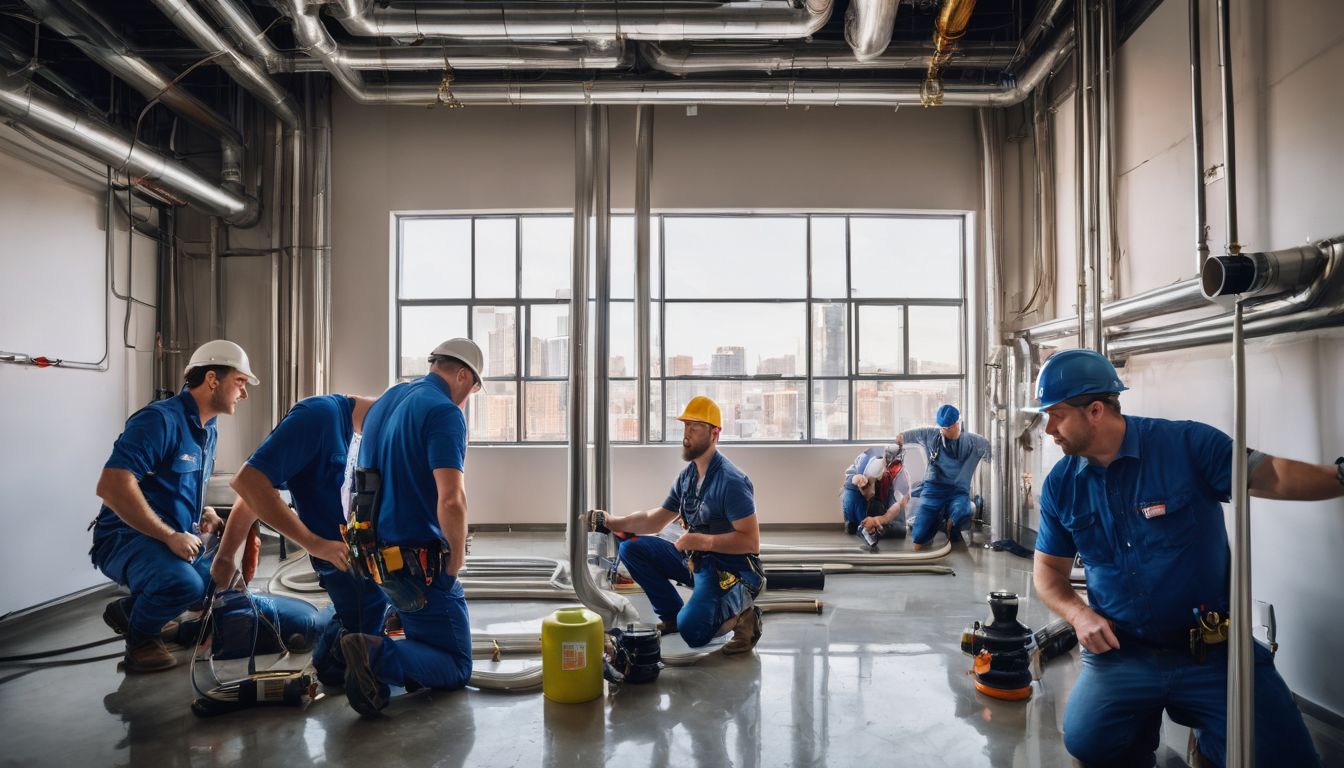
Aircon piping is at the heart of effective HVAC systems, moving cool air where it’s needed. Different pipes play unique roles in this process, from carrying refrigerant to draining water away.
Choosing the right type and maintaining them well ensures a system runs smoothly for years. Trust professionals for installation and upkeep to keep your environment comfortable. Always consider pipe conditions before deciding on reusing old ones with new air conditioning units.
To grasp the nuances of how your air conditioning system’s safety and control mechanisms interact with its piping, delve into our comprehensive guide on Understanding Aircon Isolator Switch Operation.
FAQs
1. What does aircon piping do in an HVAC system?
Aircon piping carries coolant to and from different parts of the HVAC equipment, like chillers and heat pumps, to cool or heat the air.
2. How are air handlers involved in HVAC systems?
Air handlers blow air through ductwork using fans and help manage airflow with dampers; they can work with fan-coil units for heating or cooling rooms.
3. Can you explain what a refrigeration cycle is in an HVAC system?
The refrigeration cycle moves a refrigerant through a vapor compression system, which includes an expansion valve and evaporative cooling to remove heat from the air.
4. Are there different types of heating methods in HVAC apart from electric heaters?
Yes, besides electrical heater options, there are furnaces that warm up spaces by burning fuel, radiant floors that provide even warmth, and hot water radiators that use heated water circulated by water pumps.
5. What part does ventilation play in an HVAC system?
Ventilation systems replace stale indoor air with fresh outdoor air while managing humidity levels with devices like dehumidifiers; this helps control the overall comfort inside buildings.
6. Does all ductwork run above ceilings?
Not all! While supply air ducts often run above suspended ceilings or within stack areas for space efficiency, some may also be installed under floors or exposed as part of architectural design.