


Ducted air conditioning systems keep places cool, but they can also be noisy. This article explains how loud air conditioners can bother people and make it hard to work or relax. We’ll talk about ways to make these systems quieter.
Using special mounts and pads can stop the sound from shaking through buildings. Enclosures that block noise help too, making areas more peaceful. It’s important to check and fix your system often so it stays quiet for a long time.
Variable speed fans in the system mean less on-and-off noise. If ducts are built right and packed with materials that absorb sound, rooms stay silent. Smart controls take care of keeping things quiet without you having to do much.
Also, new things like Active Noise Control technology are great for keeping the noise down.
When air conditioners don’t buzz loudly, workers feel better and get more done, spaces turn calm for everyone around, machines run their best without overworking themselves and last longer as well.
Let’s find out how we can hush those loud air conditioners!
The Impact of Noise in Ducted Air Conditioning Systems
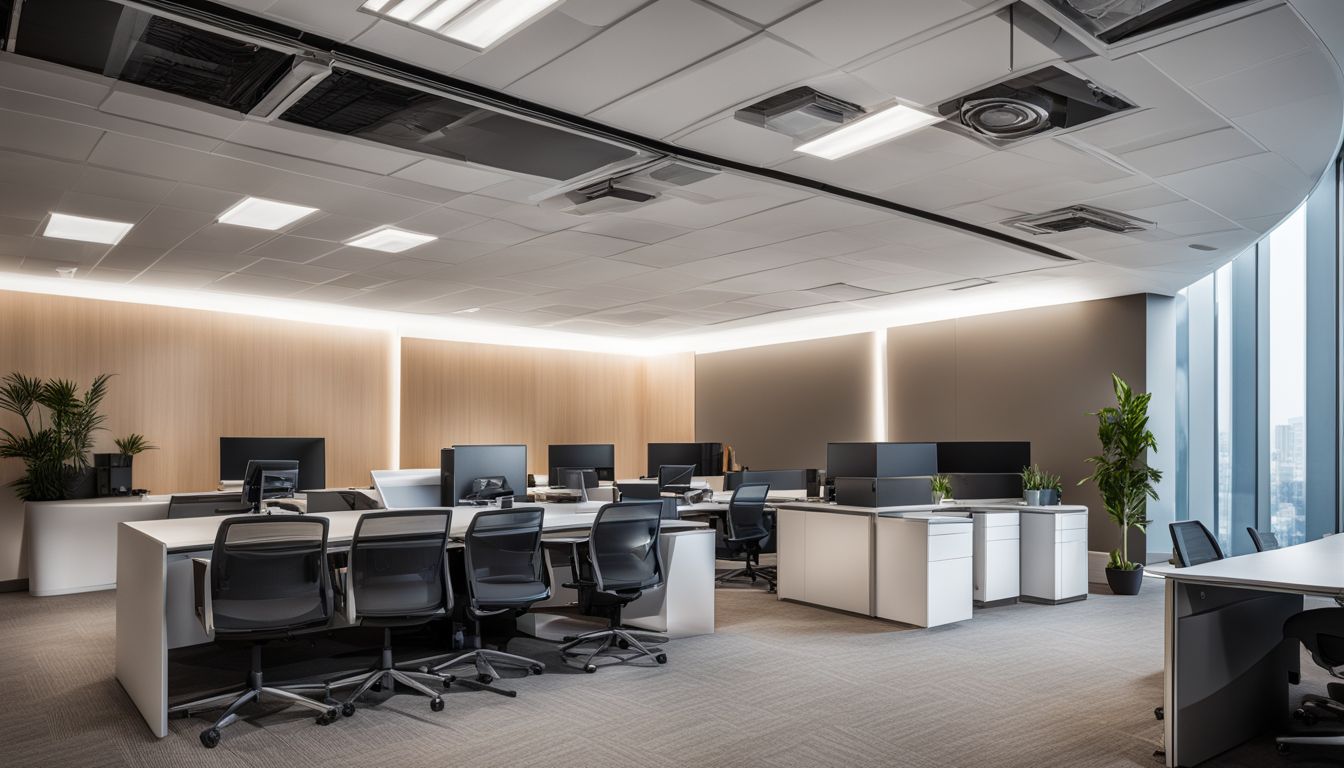
Noise in ducted air conditioning systems can be a big problem. It disturbs people trying to work or relax. Loud HVAC units make it hard for staff to focus and talk to each other. Customers may get annoyed by the noise, too.
This could make them leave and not come back.
Too much noise from HVAC equipment can hurt our health over time. People might feel more stressed and find it hard to sleep well at night which can lead to serious health issues like heart disease.
Keeping HVAC noises down is important for everyone’s comfort and wellbeing.
Importance of Noise Reduction in HVAC Systems

Quiet HVAC systems make indoor spaces more pleasant. They cut down on noise pollution, which the World Health Organisation (WHO) says can harm our health. Loud air conditioning can cause stress and disrupt sleep patterns.
It may even increase the risk of problems like high blood pressure.
Reducing noise in heating, ventilation and air conditioning systems makes it easier for people to talk and focus. This is important in offices where clear communication is key. It also helps ensure places like hospitals provide a calm environment for patient recovery.
With less noise, students can concentrate better during exams, and employees are happier at work.
Now let’s explore how to achieve this quiet with effective techniques for noise reduction.
Effective Techniques for Noise Reduction
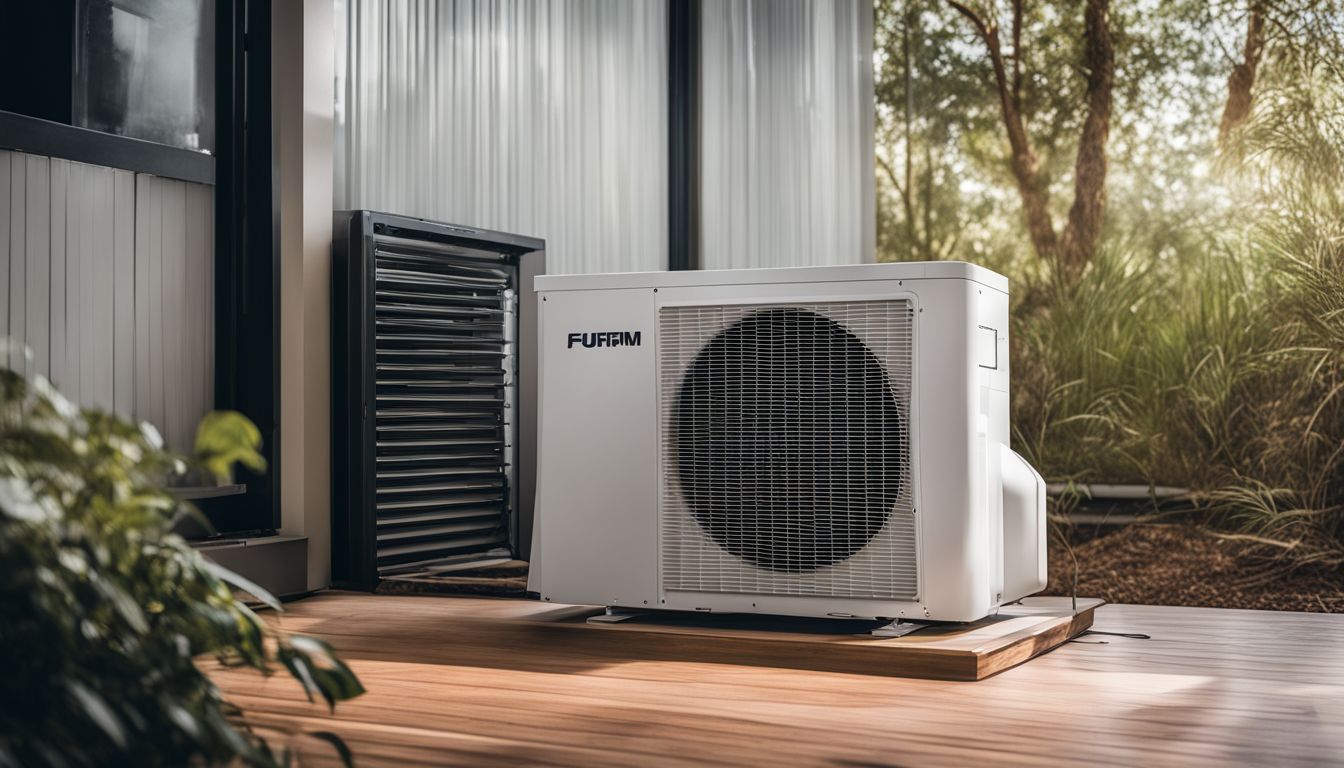
Effective techniques for noise reduction in ducted air conditioning systems encompass innovative methods and materials that promise a significant decrease in disruptive sound levels, ensuring a peaceful indoor environment.
Keep reading to uncover how these solutions can be seamlessly integrated into your HVAC system.
Strategic Placement and Sound Enclosures
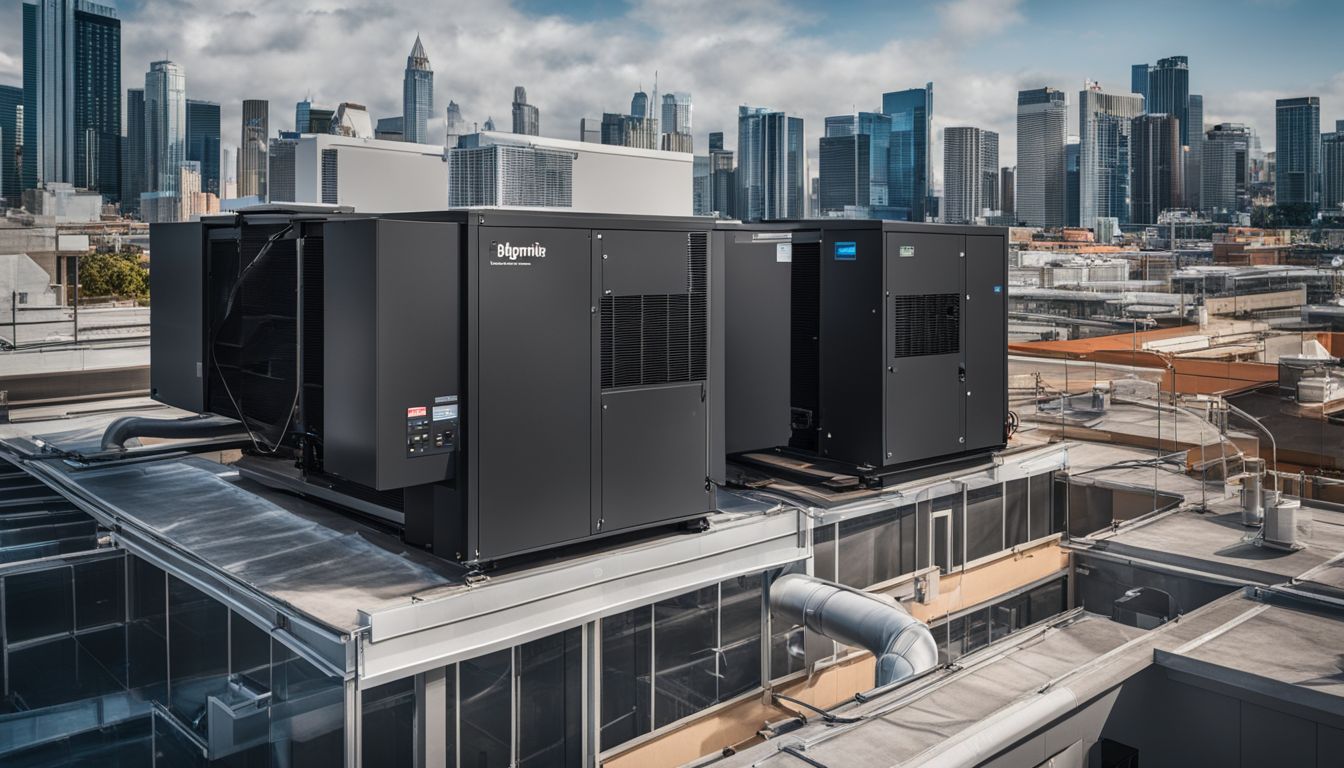
Ducted air conditioning systems need careful planning to keep noise levels down. Using strategic placement and sound enclosures can make a big difference.
- Choose the location of equipment wisely. Keep loud units away from quiet areas like bedrooms or study rooms.
- Fit sound enclosures around noisier components. These boxes reduce noise from the source.
- Design ductwork paths to avoid sharp bends. Smooth curves help air flow quietly.
- Use vibration isolators on equipment. This stops vibrations from spreading and making noise.
- Select soundproofing materials for enclosures. Acoustic foam or mass – loaded vinyl can block out much of the noise.
- Plan for easy access for maintenance. Good upkeep keeps systems running smoothly and quietly.
- Combine enclosures with acoustic insulation for better results. Wrap ducts in insulation to muffle any escaping sounds.
- Align the system with existing structures, like beams, to minimise vibration transfer.
- Consider the whole indoor environment when placing ducts. Avoid installation above noise – sensitive rooms if possible.
Acoustic Materials and Insulation

Acoustic materials are key to quieting loud air conditioning systems. They soak up sound, stopping it from bouncing around and getting out. Insulation in the ducts does a great job too.
It keeps noise from moving through walls and floors.
Installing mass loaded vinyl or fiberglass insulation can make a big difference. These materials grab onto sound waves and don’t let go, which means less noise gets into rooms where people work or relax.
Good insulation also stops sounds from sneaking between different parts of a building. This helps everyone feel better because it’s quieter and more peaceful.
Variable Fan Speed Control

Variable fan speed control helps reduce noise in ducted air conditioning systems. This smart feature adjusts the fan’s pace to meet the room’s needs. It cuts down on loud starts and stops of the system, making spaces quieter.
With this control, HVAC units work more smoothly and quietly.
Smart HVAC controls use variable speeds for less noise and better performance. These systems sense how much cooling or heating a space needs and change fan speed accordingly. This means fewer loud disruptions from your air conditioning, creating a calmer environment for everyone inside.
Regular Maintenance and Equipment Upgrades
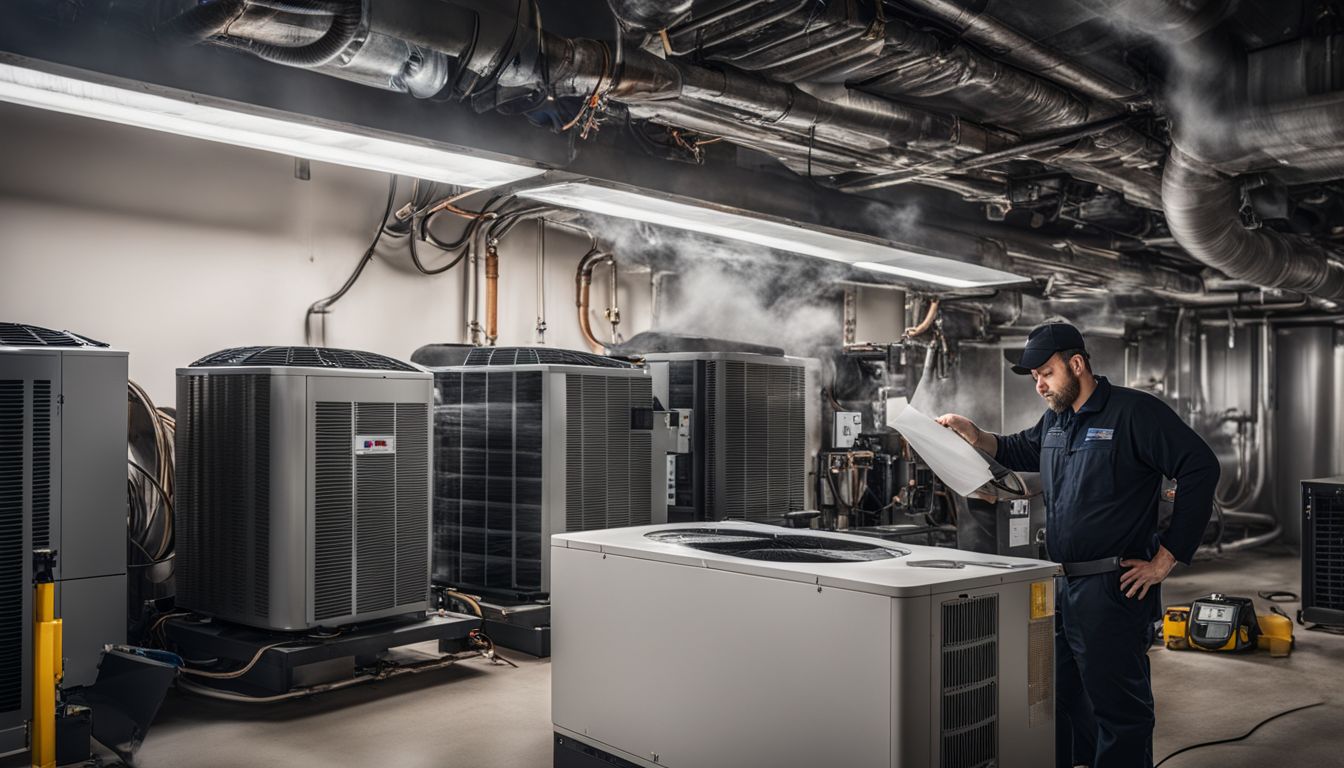
Adjusting fan speeds can greatly reduce noise levels in ducted air conditioning systems, but this is just one piece of the puzzle. Regular maintenance and equipment upgrades play a critical role in keeping these systems running quietly and efficiently.
- Schedule routine inspections: Plan to have a professional look at your HVAC system at least twice a year. They can spot issues that might cause noise and fix them early.
- Clean or replace air filters: Dirty air filters make your system work harder, which can lead to more noise. Check filters monthly and change them as needed.
- Check for loose parts: Screws and bolts can come loose over time. Tighten them up to stop rattles and vibrations.
- Lubricate moving parts: Fans and motors run smoother with proper lubrication, resulting in less noise.
- Upgrade old components: Replace outdated parts with modern, quieter equipment. Look for items with better energy efficiency ratings too.
- Seal gaps in ducts: Leaks in the ductwork can cause whistling sounds. Seal these gaps with mastic or foil tape to cut down on noise.
- Install vibration isolators: These devices help prevent sound from travelling through the building structure, lowering overall noise levels.
- Use flexible connectors: Connecting parts of your system with flexible material can reduce the transmission of sound between them.
- Add duct insulation: Wrapping ducts with insulating material helps absorb sound before it reaches living spaces.
- Fit duct silencers: These specially designed devices fit into the ducting to muffle sound as air passes through.
Troubleshooting and Reducing Noise in Air Conditioning Systems
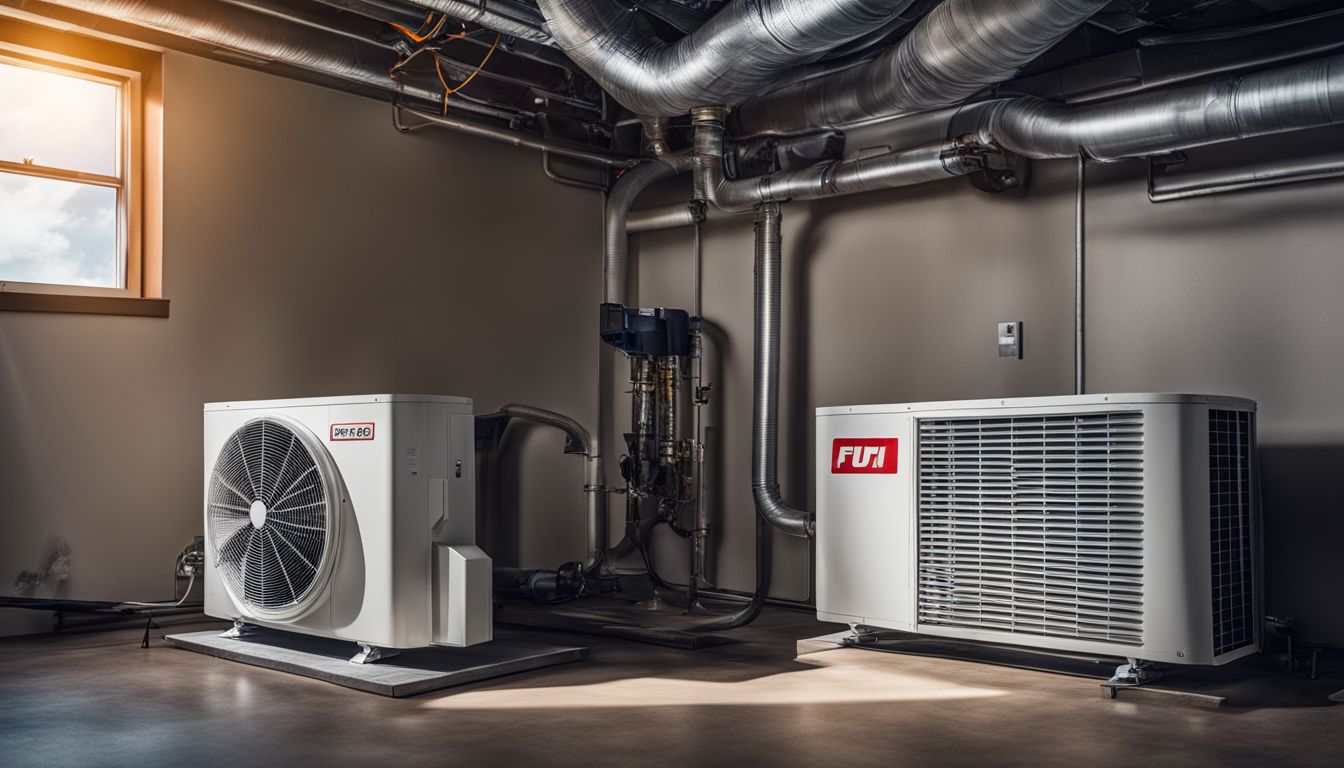
- Check all air vents and registers for blockages that might cause whistling or banging sounds.
- Insulate ductwork to prevent sound from echoing through the metal channels.
- Secure loose parts in the HVAC system, as vibrations can lead to extra noise.
- Install rubber or neoprene pads under equipment to dampen vibrations and reduce sound transfer.
- Look for gaps around the ductwork connections and seal them with mastic tape or sealant.
- Consider adding acoustic panels around noisy areas to absorb sound before it spreads.
- Use flexible duct connectors at the air handler to minimise transmitted vibration noise.
- Schedule regular maintenance to catch issues like worn bearings that can cause loud operational sounds.
- Replace older blowers with newer models designed for quieter performance.
- Integrate active noise control (ANC) technology if sophisticated solutions are necessary.
Emerging Solutions for Noise Reduction

New technology is changing the game for noise reduction in HVAC systems. Companies are now using active noise control (ANC) to cancel out unwanted sounds. This works much like noise-cancelling headphones but for entire rooms or buildings.
Smart controls also adjust airflow and reduce operating noises, making air conditioning quieter.
Designers are creating better insulation materials that keep sound from escaping ducts. These new materials are not just effective; they’re also easier to install. They help stop vibrations and lower decibel ratings across different spaces.
With these advances, everyone can enjoy a calmer environment.
Looking ahead, these advancements mean big improvements in how we experience indoor spaces.
Benefits of Implementing Noise Reduction Strategies

7. Benefits of Implementing Noise Reduction Strategies:.
Adopting effective noise reduction tactics in air conditioning systems transcends mere comfort, it unlocks a suite of advantages that ripple through living and working environments.
From boosting individual performance to prolonging the efficiency of HVAC units, these strategies lay the groundwork for a sound-balanced atmosphere conducive to both wellness and productivity.
Enhanced Workplace Productivity

Quiet air conditioning systems help people focus better at work. Less noise means workers can concentrate more and make fewer mistakes. People feel happier and less stressed when their office is not noisy from air conditioning.
They get more done in a day, which is great for any business. Happy employees often stay with their company longer, too.
Quieter workplaces also mean customers have a better experience when they visit. This makes them want to come back again. Next, we’ll look at how these changes create silent commercial spaces.
Quieter Commercial Environments

Commercial spaces benefit greatly from noise reduction in HVAC systems. Customers enjoy a peaceful environment, helping them feel more relaxed and satisfied. Employees also find it easier to communicate in a low-noise setting, allowing for better customer service.
Managing sound in workspaces can boost focus and reduce stress among workers. Quieter air conditioning helps create a serene atmosphere, which is key to maintaining high job satisfaction and employee retention.
It supports employers’ goals of healthier living conditions and optimal working conditions for their staff.
Maximising HVAC Performance

Quiet surroundings pave the way for air conditioning units to deliver their best. Reduced noise levels allow HVAC systems to operate without strain, leading to optimal performance.
Smooth and steady airflows ensure that the system works efficiently. This efficiency can also lower energy bills and help meet seasonal energy efficiency ratio (SEER) targets.
Using innovative designs, like variable speed technology, helps maintain consistent temperature control. Smart controls adjust operations based on real-time conditions. These adjustments cut down wear and tear on components, boosting overall durability.
Noise-reducing strategies lead not just to a more silent space but also to a robustly performing HVAC setup that stands the test of time.
Improved Equipment Longevity
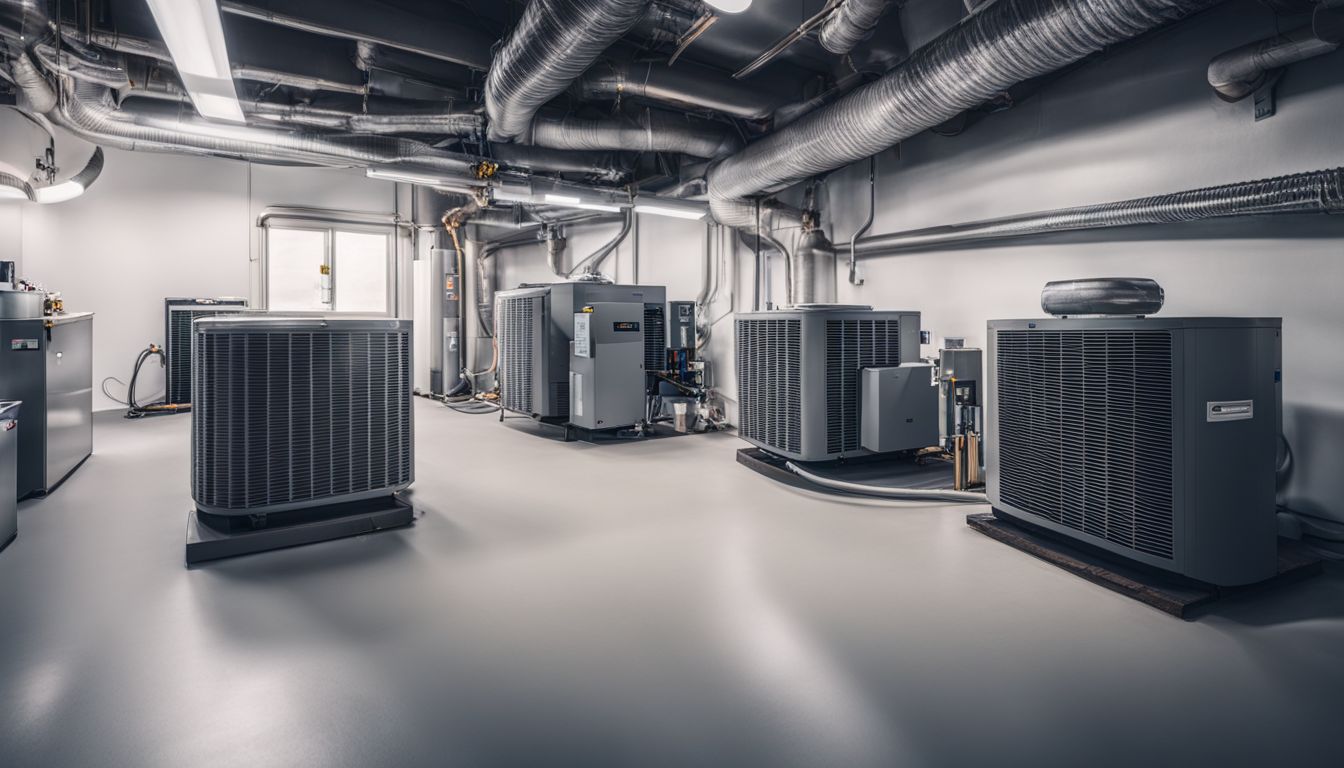
Maximising HVAC performance not only ensures comfort but also extends the life of your system. Keeping noise levels down in ducted air conditioning systems can prevent parts from wearing out too quickly.
Less vibration means less stress on components, which adds years to their working life. By fitting your system with sound-dampening materials and ensuring it runs smoothly, you protect it against early breakdowns.
Regular maintenance plays a crucial role in the longevity of HVAC equipment. Technicians spot small problems before they grow bigger and cause more noise or damage. Upgrades keep the system up-to-date, reducing the likelihood of noisy malfunctions.
A well-maintained and updated HVAC system serves you quietly for much longer without needing major repairs or replacements.
Conclusion

With the right noise reduction strategies, ducted air conditioning systems can be peaceful. Soundproofing and regular upkeep cut unwanted sound significantly. These changes mean better work areas for everyone.
Quieter HVAC systems improve both comfort and productivity in offices. Overall, smart noise control makes indoor spaces more enjoyable for all.
FAQs
1. What are noise reduction strategies in ducted air conditioning systems?
Noise reduction strategies involve using sound insulation, vibration isolation, and other techniques to reduce the noise that HVAC ducts create for better sleep quality and comfort.
2. Why is reducing HVAC noise important for health?
Keeping indoor air quality high and reducing HVAC noise can help prevent issues like fatigue, hypertension, and insomnia, which are linked to physical health problems.
3. How do double-glazed windows help with HVAC noise reduction?
Double-glazed windows act as a strong barrier against outside sounds, which helps attenuate the noises from HVAC systems indoors.
4. Will installing expansion joints in my ductwork cut down on noise?
Yes! Expansion joints can absorb vibrations and lessen the sound travelling through ventilation ducts in your home or basement.
5. Do I need to follow any regulations when reducing noise from my air conditioning system?
Absolutely! Noise regulations set by groups like the American Society of Heating, Refrigerating, and Air-Conditioning Engineers (ASHRAE) ensure safe levels of sound from AC units.
6. Can sound dampening materials improve customer experience in commercial spaces?
Indeed! Sound dampening materials keep rooms quieter and make it easier for customers to hear conversations or speakers without loud background noises from ceilings or doors.