

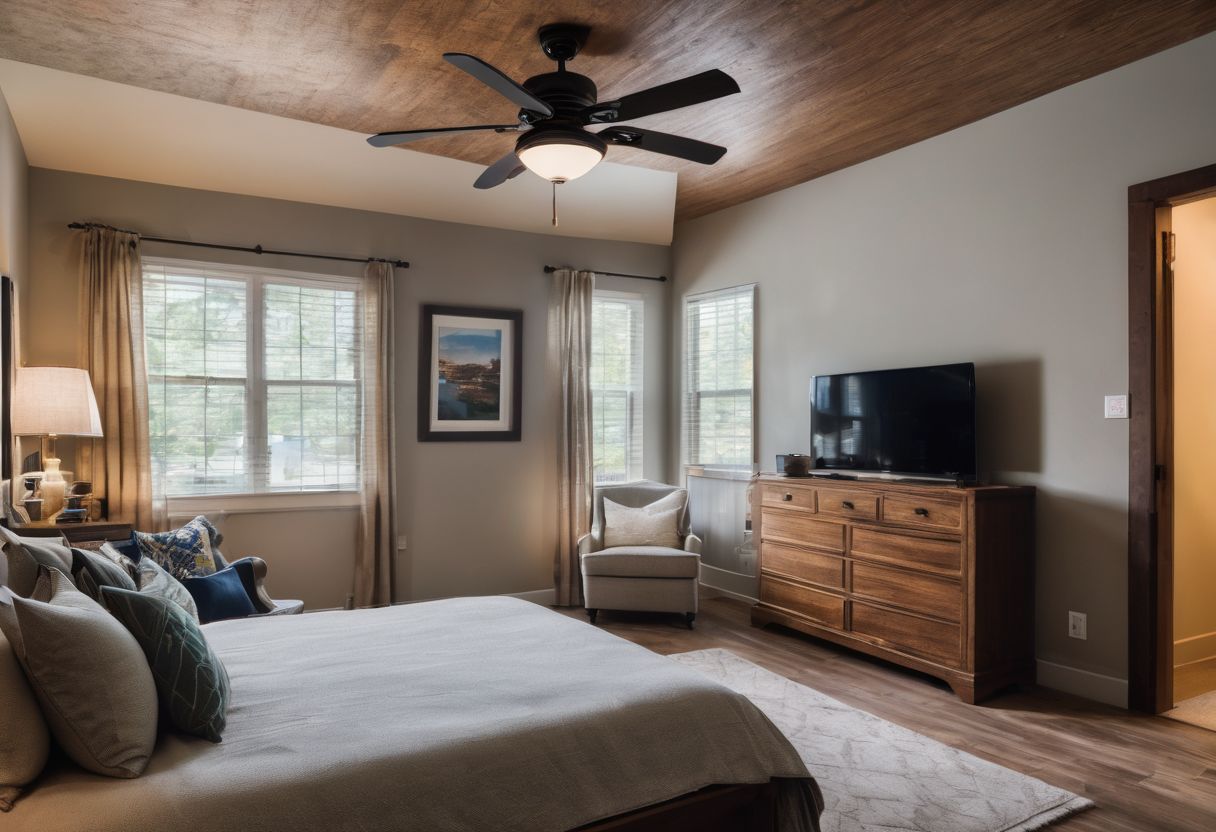
Nighttime cooling mastery is about keeping your home cool using less energy after the sun goes down. This way, you can sleep better and save money on bills. Smart thermostats are clever because they learn what temperatures you like and can be controlled from phones or tablets, making them a top choice for comfort and saving power.
Keeping warm air out in summer and cold in winter is important so your house stays comfortable. Insulation stops heat from getting through walls, while weatherisation seals gaps to keep draughts away.
They both help control indoor temperatures.
Fresh air can also cool homes without any machines, which is called passive cooling. It uses things like windows placed just right to let breezes in or solar chimneys that use hot air from the sun to pull in cooler air from outside or below ground at night.
Fans on ceilings make rooms feel cooler when used with an air conditioner for just one hour before bed during hot months. As the seasons change, programmable thermostats adjust themselves so you use less energy but stay cosy or cool as needed.
Tending to heating and cooling systems by checking them often means they work better and last longer, which saves costs over time. When these systems age, upgrading to new ones can make nighttime feel even more pleasant while using less electricity.
To smarten up your house, technologies connect devices so everything works together smoothly for perfect room conditions all year round.
Now, let’s explore how to master staying cool at night without spending too much money or energy!
Importance of Effective Heating and Cooling Strategies
Effective heating and cooling strategies are key to keeping your home comfortable all year round. They ensure the temperature inside is right, whether it’s hot or cold outside.
Good strategies help you save money on energy bills, too. When your heating and cooling systems work well, they use less power to keep you cosy.
It’s also about being kind to our planet. Smart choices in how we heat and cool our homes mean we burn fewer fossil fuels. This cuts down on greenhouse gases that cause climate change.
So, using energy wisely at home helps us all in the long run.
Impact of Seasonal Changes on Indoor Comfort
Seasonal changes can shake up how comfortable we feel inside our homes. As the weather gets colder, we may feel chilly draughts sneaking in through unsealed windows and doors.
The cold air outside fights with the warm air from our heaters, making it hard to keep rooms cosy. Our heaters work harder during winter, leading to higher energy bills.
We also have to think about dampness and mould that might come with more moisture in the air.
Summer brings its own troubles for keeping cool indoors. Sunlight pouring in through windows can heat up our living spaces like a greenhouse, pushing our air conditioning systems into overdrive.
Humidity makes everything feel stickier and warmer than it is, calling for dehumidifiers or extra cooling power. Keeping indoor comfort levels just right becomes a tricky balancing act of blocking out heat while letting enough light in—and all that effort uses up more electricity, too.
Selecting the Correct Thermostat for Optimum Comfort and Efficiency
Choosing the right thermostat is key to staying cosy and reducing energy use. A good thermostat can make a big difference in how much you pay for heating and cooling. Smart thermostats are great because they connect to your home’s Wi-Fi and let you control everything from your phone.
They come with features that help save energy by tracking how much heat or cool air you’re using.
Make sure you pick one that fits what you need. Some thermostats can learn your schedule and turn down the heat or AC when no one is home. This means not wasting energy on an empty house! Also, these gadgets can show reports on energy use, which helps them plan better ways to save money and stay comfortable at the same time.
Insulation and Weatherisation Techniques for Energy Efficiency
Insulation and weatherisation are pillars of energy-efficient home climate control, directly influencing heat retention and loss. Mastery in these techniques bolsters thermal comfort and significantly curtails energy consumption, paving the way for financial savings and environmental stewardship.
Keeping your house warm in winter and cool in summer can be tough without the right insulation. Insulation acts like a blanket for your home. It keeps warm air inside when it’s cold, and stops heat from coming in when it’s hot out. This means you don’t need heaters or air conditioners as much, saving you money on energy bills.
Insulating your attic is especially important because a lot of heat can escape. A well-insulated attic creates a barrier that ensures less warmth gets out during winter, and less hot air sneaks in during summer.
Programmable and Smart Thermostats for Customised Comfort
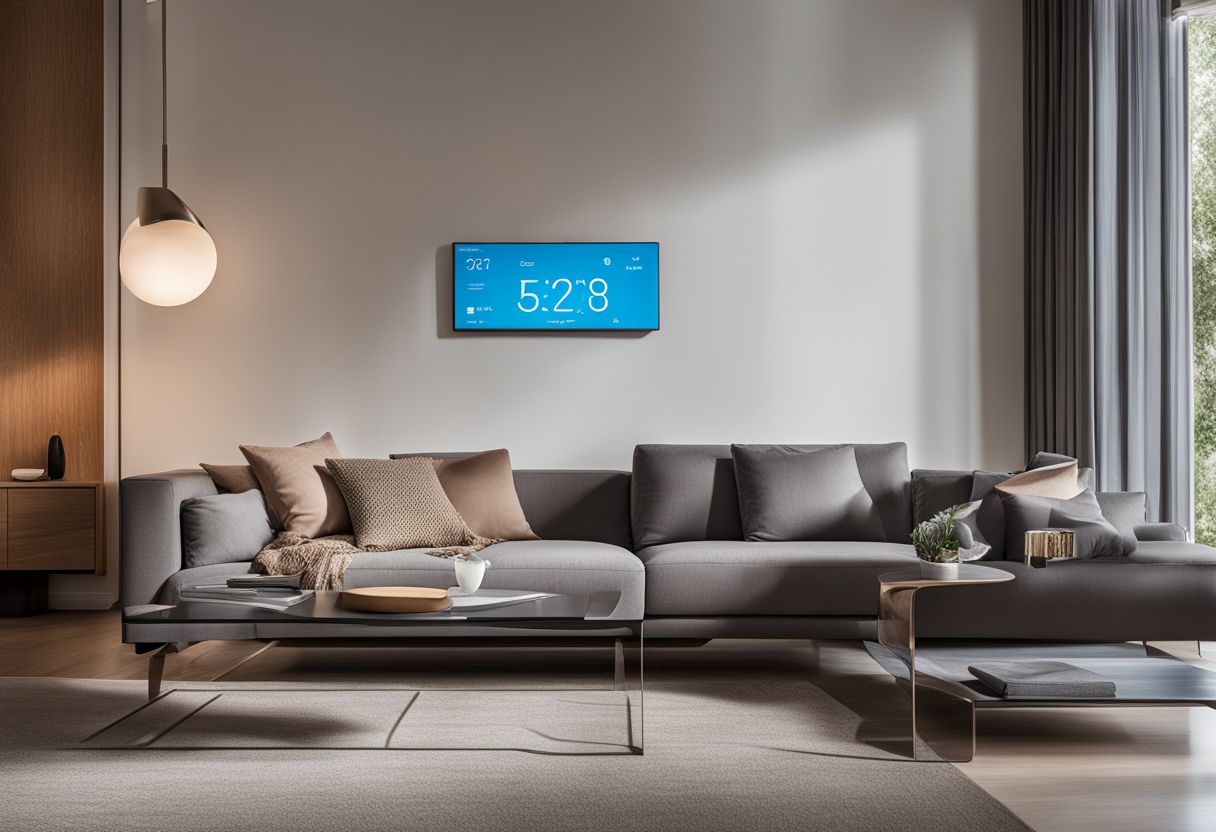
Harnessing the capabilities of advanced technology, programmable and smart thermostats stand at the forefront of customised climate control within our homes. These innovative devices allow for meticulous scheduling and adapt to our habits and preferences, forging a path towards heightened comfort and impressive energy efficiency.
Benefits of programmable thermostats
Programmable thermostats are great for controlling your indoor air and keeping you comfortable. They let you set different temperatures for different times of the day. This means you can lower the heat when you’re not home, which saves money on energy bills.
These thermostats adapt to your schedule, giving personalised comfort without wasting energy.
Using a programmable thermostat helps reduce energy consumption during seasonal changes, too. You can program settings that suit the weather outside. When it’s cold, your home stays warm just before you return from work or wake up.
During hot months, it cools down at night, so you can sleep well. It ensures that heating and cooling systems work better and use less power overall.
Advantages of smart thermostats
Smart thermostats make controlling your home’s heating and cooling much easier. You can change settings from anywhere using your phone. This means you can warm up your house while you’re still on the way home or turn down the heat if you forgot before leaving for a trip.
They learn what temperatures you like and build schedules to match. Over time, they get better at keeping your home just right.
These smart devices also show how much energy you use. They give tips on how to save more by making small changes, like adjusting the temperature at night. If nobody is home, they can turn off the heating or cooling to save energy.
Alternative Heating and Cooling Options for Enhanced Comfort
Alternative heating and cooling options can make your home more comfortable and save energy. They use smart designs and natural sources to control temperature.
– Solar chimneys work by using the sun’s heat to create airflow that cools the house. They are tall structures that absorb sunlight, get warm, and pull cool air in from outside or underground.
– Ground source heat exchangers tap into the earth’s stable temperature to heat or cool your home. Pipes buried underground carry a fluid that transfers warmth in winter or takes away heat in summer.
– Radiant floor systems provide heating through pipes under your floors. Hot water runs through these pipes, warming up the floor and the room above it.
– Evaporative coolers blow air over water-soaked pads, cooling the air naturally as water evaporates. These systems are very effective in dry climates and use less electricity than traditional air conditioners.
– Passive solar design uses windows, walls, and floors to collect, store, and distribute solar energy as heat in winter. It also minimises this effect during summer to keep homes cooler.
– High thermal mass materials like concrete slabs can be used in building construction; they absorb heat during the day and release it slowly when it gets colder at night.
– Ceiling insulation prevents warm air from escaping during winter and keeps hot air out during summer—improving comfort while reducing energy needed for heating or cooling.
These alternative methods can help sustain indoor climate while reducing fossil fuel usage for a greener planet.
Incorporation of Smart Home Technology for Seamless Climate Control
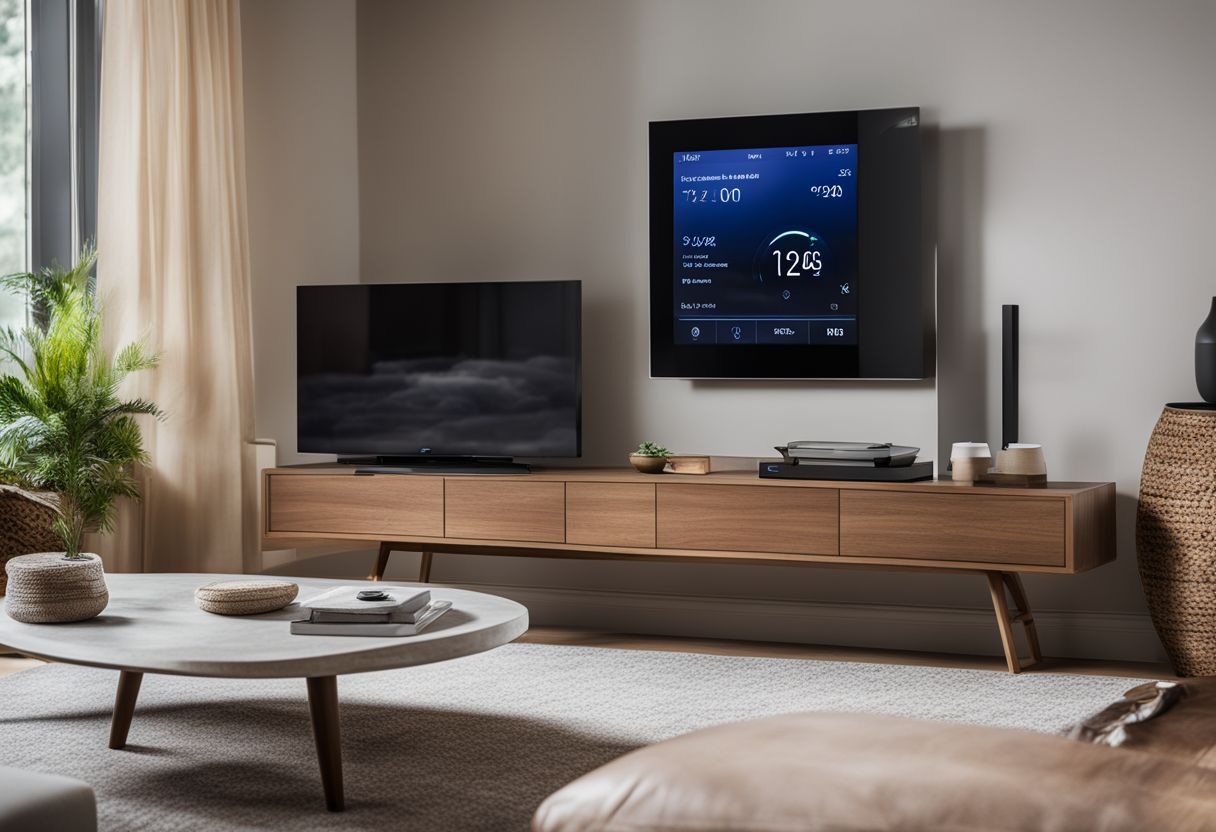
Smart home technology stands at the forefront of revolutionising climate control, offering unparalleled precision and convenience in managing indoor temperatures. Its integration into energy-efficient strategies promises a harmonious blend of comfort, cost reduction, and environmental stewardship for modern living spaces.
Benefits of smart home technology
Smart home technology makes homes more energy efficient. For example, geofencing can tell when you are not home and turn down the heating or cooling to save power. Smart thermostats link to your Wi-Fi so that you can control them with your phone from anywhere.
They learn what temperatures you like and use sensors to check if anyone is in the room. This means they only heat or cool spaces that are being used.
These technologies help cut down on how much energy we use and lower our carbon footprint. Managing your home’s climate control from a distance also saves on costs because it reduces wasted energy.
It’s good for the planet too, since using less power means putting fewer harmful things into the air.
Ways to incorporate smart home technology
- Install a smart thermostat: This device learns your schedule and adjusts your temperature. It can turn down the heat or air conditioning when you’re not home, saving energy.
- Use smart vents: These vents open or close based on the room’s needs, helping to keep the whole house at a perfect temperature.
- Set up smart blinds: Smart blinds can open or close depending on how much light is outside. They help keep your house cool on hot days by blocking sunlight.
- Connect to smart assistants: Devices like Amazon Echo or Google Home allow you to control your heating and cooling systems with voice commands.
- Get smart lights: LED bulbs that you can dim or turn off remotely help manage both lighting and heat in your home.
- Consider smart plugs: Plugs that turn off electrical devices when not in use prevent wasting power on things like fans or portable heaters.
Conclusion
Remember all the clever ways to keep your house cool at night without using lots of energy? Using smart thermostats and insulating well really helps. They make sure you stay comfy, and your bills stay low.
Have you ever thought about how these simple changes can improve your sleep and health?
Why not give some tips a try tonight? You might be surprised by how much cooler and more rested you’ll feel in the morning. Now go ahead, make the most of those cool breezes, and enjoy a good night’s sleep!
Explore our comprehensive guide on savvy energy practices for cost-effective air conditioning for more detailed insights.
FAQs
1. What are some energy savings strategies for nighttime cooling?
You can save energy during the night by using natural ventilation, passive design features in your building envelope, and ensuring indoor air quality is maintained with well-ventilated spaces.
2. How does clothing insulation affect our comfort at night?
Clothing insulation keeps us warm; less clothing means your body stays cooler. This reduces the need for air conditioned environments, which helps with energy savings.
3. Can you explain radiant cooling and how it works?
Radiant cooling involves heat transfer from the body to cooler surfaces around like radiant floors or ceilings without warming up the air, helping to maintain a comfortable mean radiant temperature in a room.
4. What is meant by “predicted mean vote” (PMV)?
Predicted Mean Vote (PMV) is a way of measuring how people feel in their environment—whether they’re likely to feel too hot or cold—based on things like humidity, temperature, and air movement.
5. Why is sustainable building design important for efficient nighttime cooling?
Sustainable buildings use design strategies, such as passive heating and free cooling through heat exchanges within building materials, which lead to energy efficiency and help in decarbonisation efforts endorsed by organisations like the International Energy Agency (IEA).
6. Does evaporative cooling contribute to better indoor environmental quality at night?
Yes! Evaporative cooling uses water evaporation which not only cools but also improves relative humidity levels indoors – this ensures both thermal comfort and supports good indoor environmental quality.