


A ducted air conditioning system sends cool air through ducts from a central unit to your whole house. It lets you control the temperature room by room and even turn it off in rooms you are not using.
This kind of system can save energy if you plan it right. For example, making smart zones means only cooling places where people are, which cuts down on electricity use. When setting up your system, think about the size of your home, how well it’s insulated, and where your windows are.
Insulation helps keep the cool air in, while closing windows stops leaks. Remembering to service your aircon every year will make sure it works great for a long time. Planning an efficient ducted aircon system might sound tricky but can lead to comfy summers with lower power bills! Let’s find out how to do this step by step.
Understanding Ducted Air Conditioning Systems
Ducted air conditioning systems feature a central unit that cools air and sends it through ducts to each room. This main unit usually sits in the ceiling or roof space, hidden from view.
Air travels from this heart of the system into every corner of your home via a network of ducts that end in vents, also known as grilles or registers. These vents can be neatly placed on floors, walls, or ceilings depending on what works best for your house.
Every room reaches the same comfortable temperature with a well-designed ducted system. You can even set different temperatures for each zone if you like. Ducted systems are powerful enough to handle larger spaces and multiple rooms at once, making them great for bigger homes or offices.
Next up are the benefits these systems bring into any indoor environment they serve.
Advantages of Ducted Air Conditioning
Ducted air conditioning gives you full temperature control over your entire house. You can set different temperatures for each room. This is called zone control and it makes sure you are comfortable no matter where you are at home.
These systems work better than many split system air conditioners if you want to cool or heat the whole place.
They save energy, too. When compared to using several splits, a single ducted unit is more efficient. It means lower energy bills in the long run. Ducted systems have a design that hides them well inside walls or ceilings, making them less visible than other types of aircon units.
The operation is quiet, so there’s hardly any noise when it’s running. Plus, having a ducted system can increase your home’s value if you decide to sell one day.
Key Elements in Planning an Efficient Ducted Aircon System
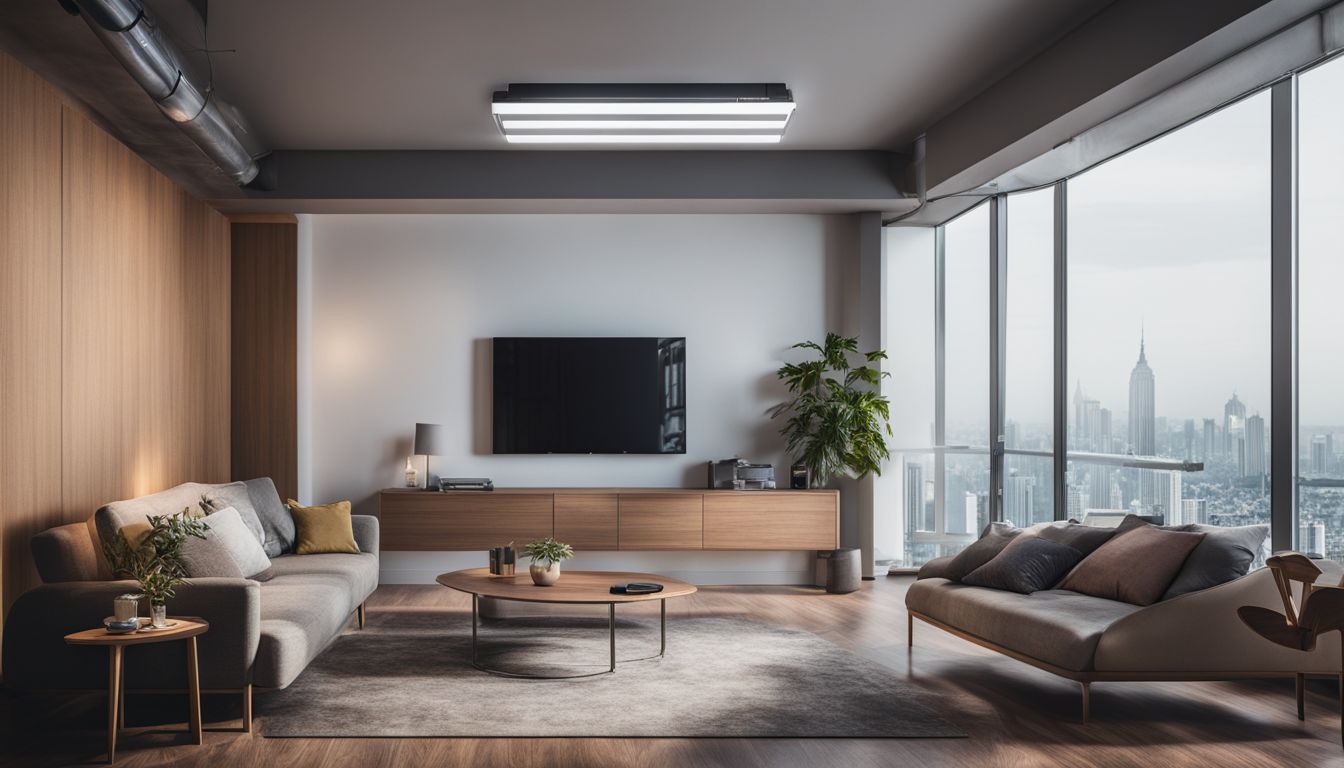
To create an efficient ducted aircon system, it’s essential to consider various elements such as room sizes and the importance of insulation; delve into these key factors that can significantly optimise your home’s climate control.
Floor area considerations

Considering the size of each room is important when planning ducted air conditioning. Large areas need more airflow to stay cool than small rooms. Decide on where to put grilles and registers for the best climate control in every space.
Zone control can group rooms together based on their size and cooling needs. This makes sure that each part of your home gets just the right amount of cold air without wasting energy.
It’s smart to think about how big or small spaces are so that your system works well and saves you money.
Insulation benefits
Insulation plays a big part in ducted air conditioning systems. It helps keep the cool air inside during hot days and warm air in when it’s cold outside. This way, your home stays comfortable without wasting energy.
Good insulation means your aircon doesn’t have to work as hard. So, you’ll save money on bills and help the environment.
Zoning is another smart feature of ducted systems that adds to insulation benefits. By cooling or heating only the rooms you use, it cuts down on unnecessary energy use. Plus, with even air distribution, each room feels just right.
– The role of windows
The role of windows
Windows have a big job in making your ducted air conditioning work well. Keep them shut while the AC is on to stop cool air from escaping. This also keeps warm air out. Sealed and insulated windows play their part by keeping the temperature just right inside, which means using less energy.
If you leave windows open, it makes your system work harder as cold air slips out and hot air sneaks in.
Grills and registers need to be put in the best spots for the cold air to move around easily. Think about where your windows are when you plan these spots. Windows let sunshine into your room too, which can heat up the space and change how much cooling you need from your system.
Now let’s explore strategies for efficient use of your ducted air conditioning system.
Strategies for Efficient Use of Ducted Air Conditioning
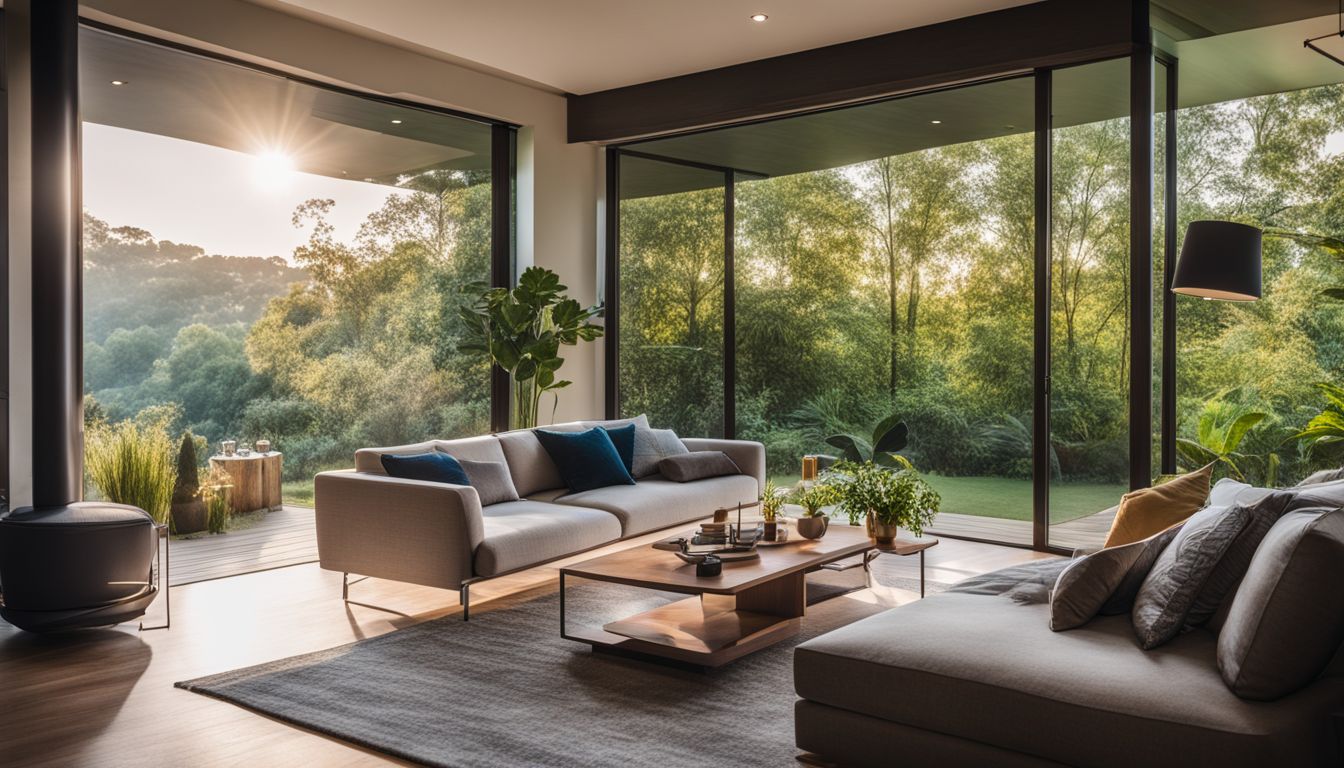
Discover smart tactics to harness the full potential of your ducted aircon system without incurring excessive energy bills. Embrace these strategies to maintain an optimal balance between comfort and cost, ensuring your home stays cool efficiently as the mercury rises.
Optimal temperature settings
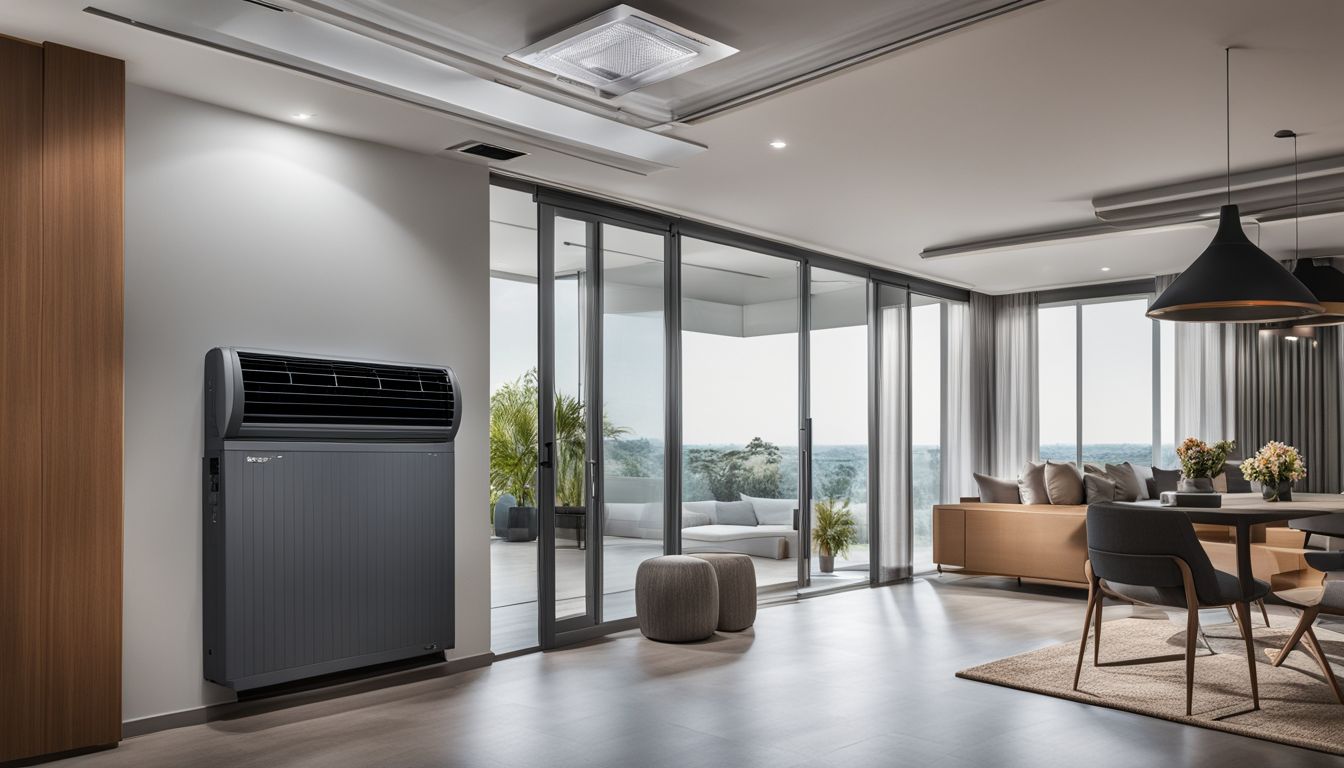
Set your ducted aircon to the right temperature for energy efficiency. Choose wise temperatures that keep you cool without wasting power. For example, setting the thermostat at 24-25 degrees Celsius during summer saves money and keeps rooms comfortable.
Start your air conditioning early in the morning. This way, the system won’t have to work too hard when it gets hotter later in the day.
Close all doors and windows while running your ducted system. This helps keep cool air inside where you want it. Don’t let any effort go to waste by letting warm air sneak in! Plan annual check-ups for your ducted aircon too.
Regular maintenance makes sure everything works well and reaches optimal temperatures whenever you need it.
The use of timers

After setting your ducted air conditioning unit to the ideal temperature, timers help manage when it runs. Timers allow for early morning activation of your system, ensuring your home reaches a comfortable climate by the time you wake up.
They prevent energy wastage by avoiding the need for high power consumption during peak hours.
Scheduling with timers not only saves on costs but also extends the life span of your HVAC system. You can set these devices to shut off when cooling is less crucial, like overnight or while you’re away from home.
Regular maintenance becomes hassle-free too; simply program reminders into your timer and never miss an annual check-up for ensuring optimal performance and indoor air quality.
Zoning for smarter cooling

Shifting from timer settings, zoning can also boost an aircon system’s efficiency. Zone control lets you cool specific areas without wasting energy on empty rooms. This means your living room can be nice and chilly for family time while bedrooms stay warmer until nightfall.
Zoning uses dampers in the ductwork to direct airflow where it’s needed most.
With a well-planned ducted aircon system, you get more control over heating and cooling your space. You can set up different zones for day and night use or even by activity area like the kitchen versus bedrooms.
This smarter approach cuts down on energy consumption since you only cool spaces that are in use. It makes sense to install zone control as it leads to significant energy savings while keeping everyone comfortable.
Understanding How Air Conditioners Operate: Ducted vs. Ductless Systems
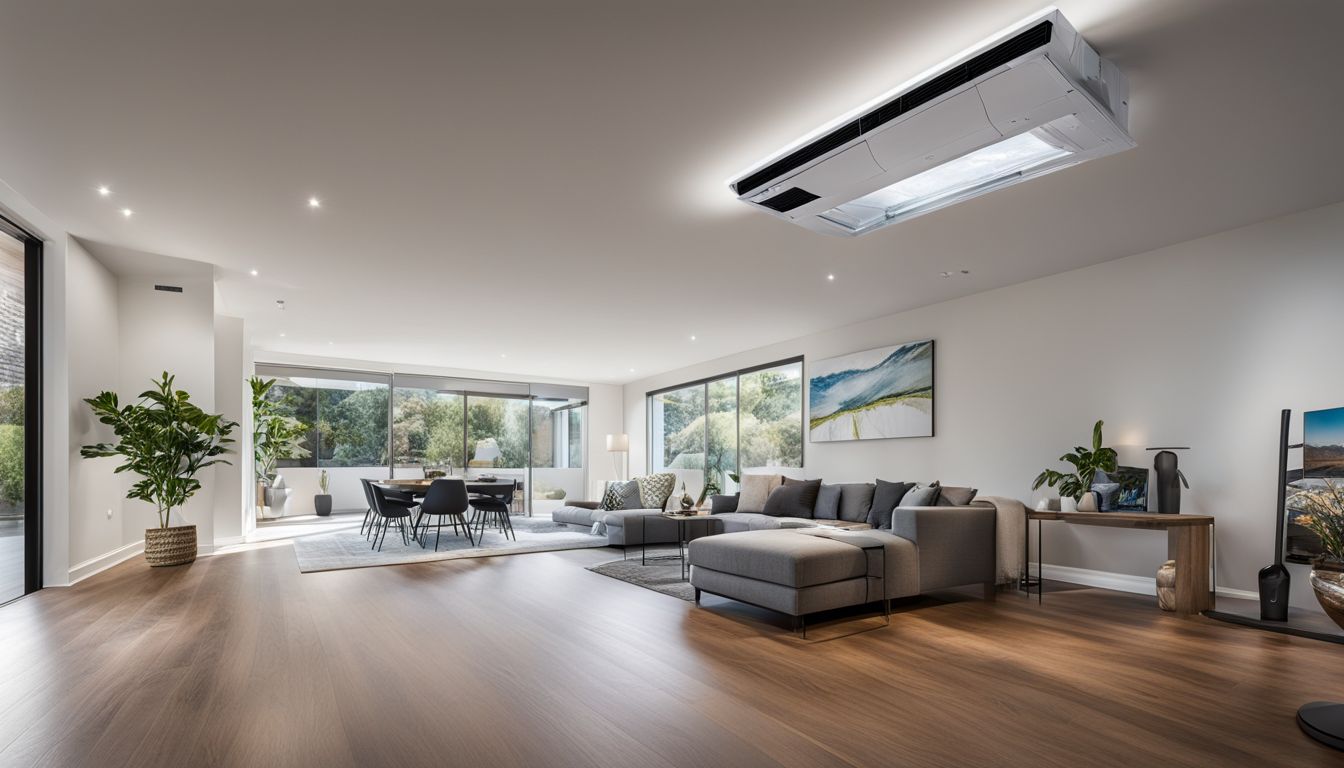
Understanding how air conditioners operate is essential when planning an efficient ducted aircon system. Here’s a comparison between ducted and ductless systems:
| Aspect | Ducted Systems | Ductless Systems |
|---|---|---|
| Configuration | Consist of a central unit connected to a series of ducts | Comprise multiple indoor units linked to an outdoor compressor |
| Installation | Generally requires more complex installation | Less invasive, easier to install |
| Cost | Typically higher initial investment | Often lower upfront costs |
| Aesthetics | Ductwork hidden in walls, ceilings, or floors | Indoor units visible inside the room |
| Efficiency | Can be highly efficient with proper zoning and installation | Individual control can lead to higher efficiency in smaller spaces |
| Zone Control | Allows for multiple zones with varying temperatures | Each indoor unit operates independently |
| Maintenance | Requires regular duct cleaning and maintenance | Simpler maintenance with no ductwork |
Ducted systems offer a discreet and consistent climate control solution, while ductless systems provide flexibility in temperature regulation across different rooms. Moving to the next section, we will delve into the conclusion where the importance of a well-planned air conditioning system is summarised.
Conclusion
Plan your home’s ducted air conditioning carefully. Consider room sizes, insulation, and window placements for top efficiency. Use zones, set smart temperatures, and keep up with maintenance to save energy.
Trust professionals for installation and regular checks to ensure the system runs well. Enjoy a cool home that uses power wisely!
FAQs
1. What makes an aircon system energy-efficient?
An aircon system is energy-efficient if it has a high Seasonal Energy Efficiency Ratio (SEER), uses smart thermostats, and operates quietly while saving power.
2. How do split systems improve home comfort?
Split systems like Mitsubishi Electric provide quiet operation, efficient cooling or heating, and can filter out allergens for clean air inside your home.
3. Why should I consider having a higher SEER rating on my aircon?
A higher SEER means the system uses less energy to cool your home, which can save you money on electricity bills during heatwaves or cold spells.
4. Can smart thermostats make my ducted system more economical?
Yes! Smart thermostats allow you to program temperature settings for different times of the day, helping you use less energy when you’re not at home.
5. Do evaporative coolers work well in all climates?
Evaporative coolers are most effective in dry climates since they add moisture to the air as they cool; however, they might not be ideal in humid conditions.
6. Is it necessary to change air filters regularly in HVAC systems?
Absolutely! Regularly changing the filters helps maintain clean airflow and prevents dirt from damaging parts like the condenser.