

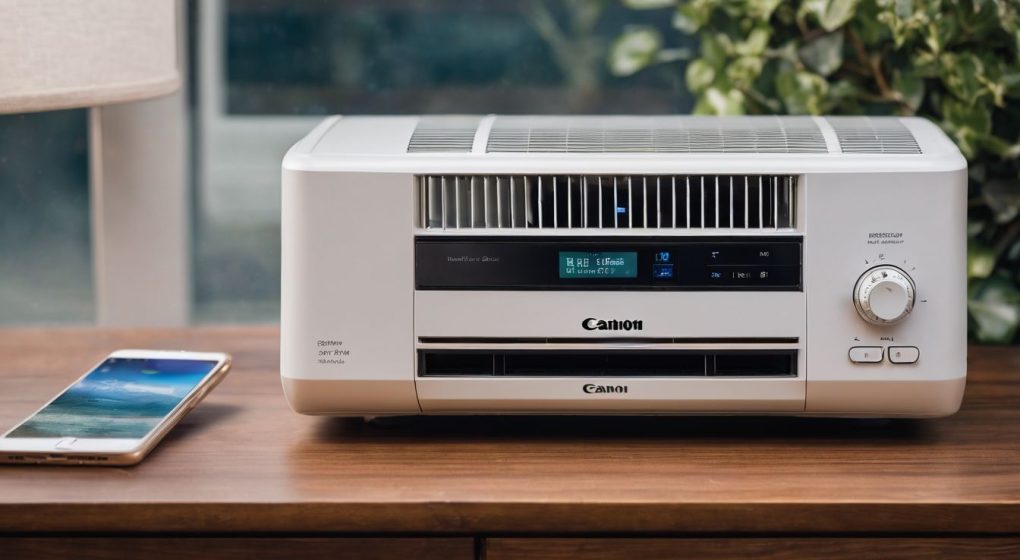
Thermistors are special parts in air conditioning systems that help control the temperature. They act like detectives, sensing how warm or cool it is and telling the AC what to do.
In your aircon at home, these tiny heroes make sure everything stays just right – not too hot or too cold. If a thermistor stops working, you might notice your room’s temperature going up and down when it shouldn’t.
Fixing them can cost a bit of money depending on if they are inside or outside.
These components come in two kinds: NTC and PTC, which work differently when temperatures change. Experts often suggest having trained people fix any problems with thermistors to be safe.
It’s interesting to know that these parts are also used in things like cars and fridges because they’re good at keeping temperatures steady.
Thermistors play a big part not only in air conditioners but in lots of other machines we use every day for keeping things at the perfect warmth or coolness. Stay tuned as we explore why they matter so much!
Understanding the Role of Thermistors in Air Conditioning Units
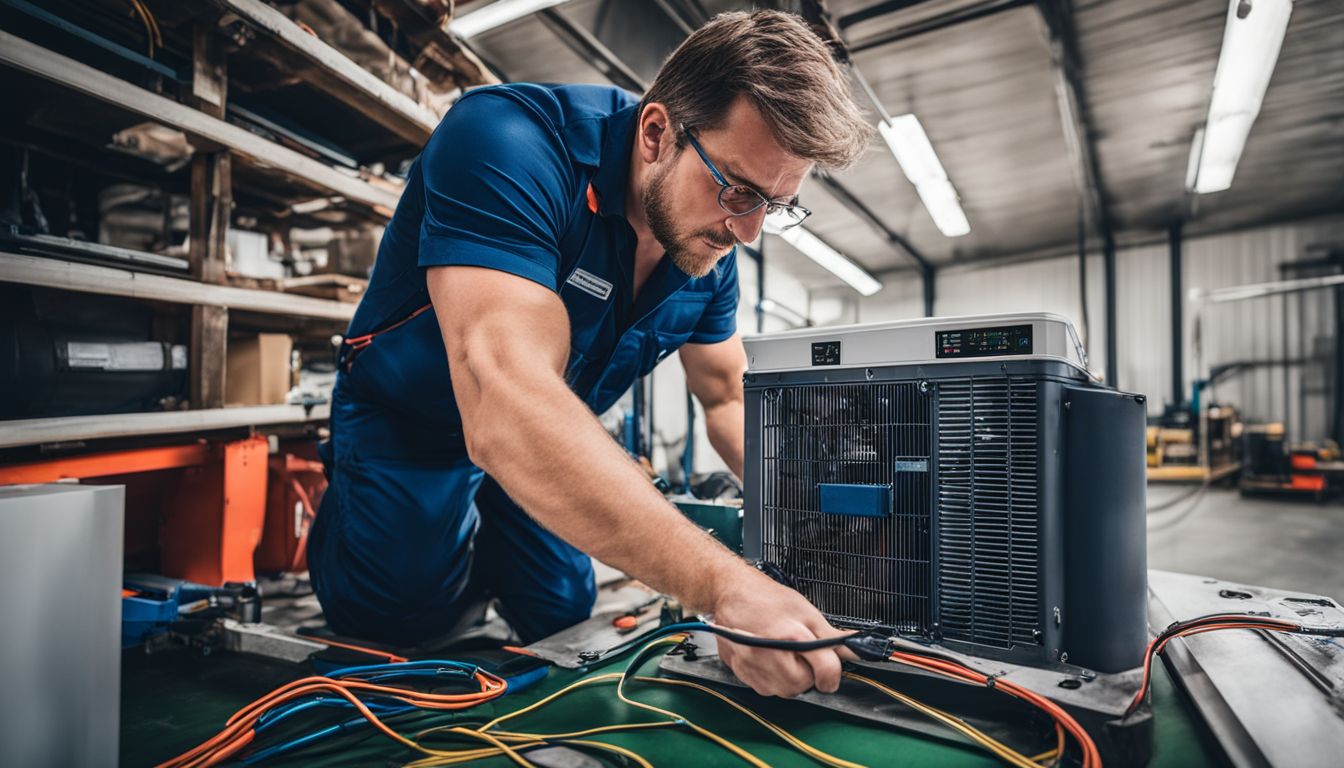
Thermistors stand as pivotal components in air conditioning units, constantly monitoring temperatures to ensure optimal performance. Their ability to swiftly adjust electrical resistance with temperature changes is central to maintaining a comfortable environment.
How a thermistor works in aircon systems
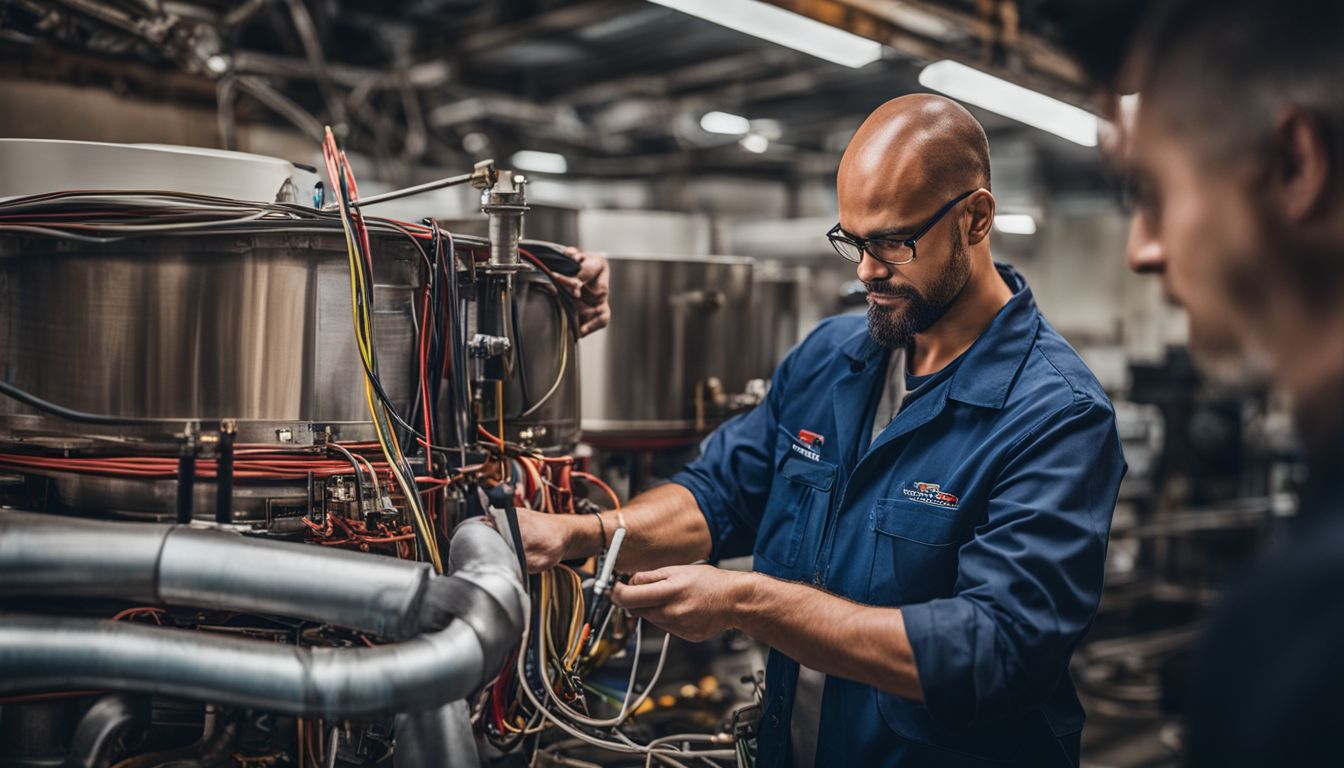
A thermistor in an aircon system acts like a temperature detective. It senses how hot or cold the air is near the evaporator coils. This sensor changes its resistance as the temperature changes.
When it’s warmer, an NTC thermistor’s resistance goes down, and when it’s cooler, the resistance goes up.
The air conditioner reads this resistance signal to know if it needs to cool more or less. It uses this info to keep the room at just the right temperature. This smart part ensures you stay comfortable whether it’s scorching hot or chilly outside!
The importance of thermistors for temperature regulation
Thermistors play a key role in controlling the temperature of air conditioning units. They are sensitive to changes in heat, which means they can quickly tell when the aircon needs to cool down or warm up the room.
These components adjust how much power goes into the system based on the current temperature. This helps keep rooms at a comfortable level without wasting energy.
Correct placement of these thermistors is essential for accurate temperature readings and fast responses. Air conditioners rely on them to prevent overheating and overcooling, leading to efficient operation.
If a thermistor doesn’t work right, your air conditioner might not blow cold air for long enough. That’s why good quality thermistors are important for any heating or cooling protection circuit within an HVAC system—they ensure safety and performance.
Symptoms and Consequences of a Malfunctioning Thermistor
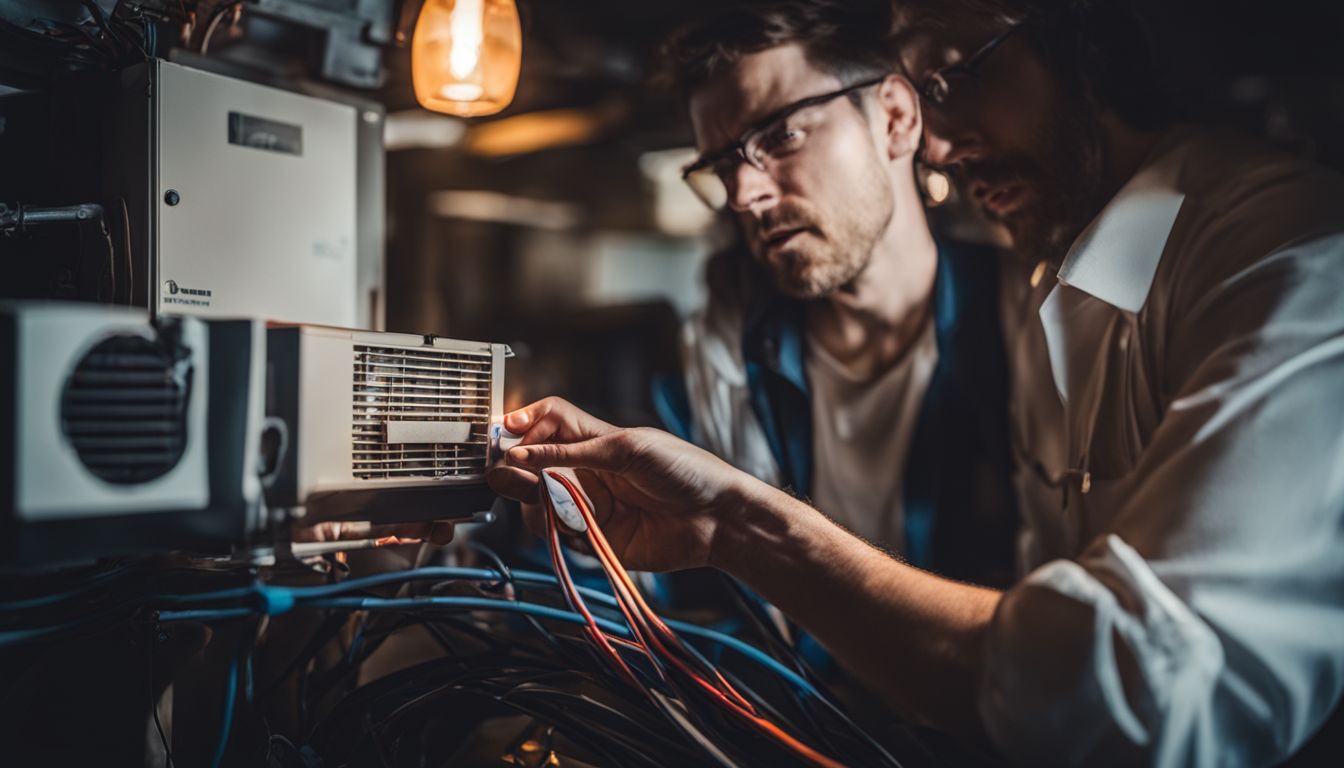
A malfunctioning thermistor in an aircon can lead to a range of issues. These problems affect how the system regulates temperature.
- Your air conditioner might start blowing cool air for a short time and then turn warm. A faulty thermistor struggles to sense the correct temperature, leading to inconsistent cooling.
- Some rooms may feel too hot while others are too cold. The thermistor fails to accurately control the distribution of conditioned air.
- The system could cycle on and off more frequently than usual. Inaccurate readings from the thermistor cause the thermostat to trigger unnecessary cycles.
- You may hear strange noises from your aircon unit. These sounds come from components working harder due to incorrect temperature signals.
- Energy bills can increase unexpectedly. The aircon works overtime trying to reach a temperature it’s inaccurately sensing, using more power.
- There might be unusual frost build – up on the coils. Wrong temperature data can make the system overcool, leading to ice forming.
- Repairs can become costly if not addressed quickly. Ignoring symptoms means bigger problems could develop, resulting in higher repair costs mentioned in the important facts.
Thermistor and Thermostat: Distinguishing the Differences
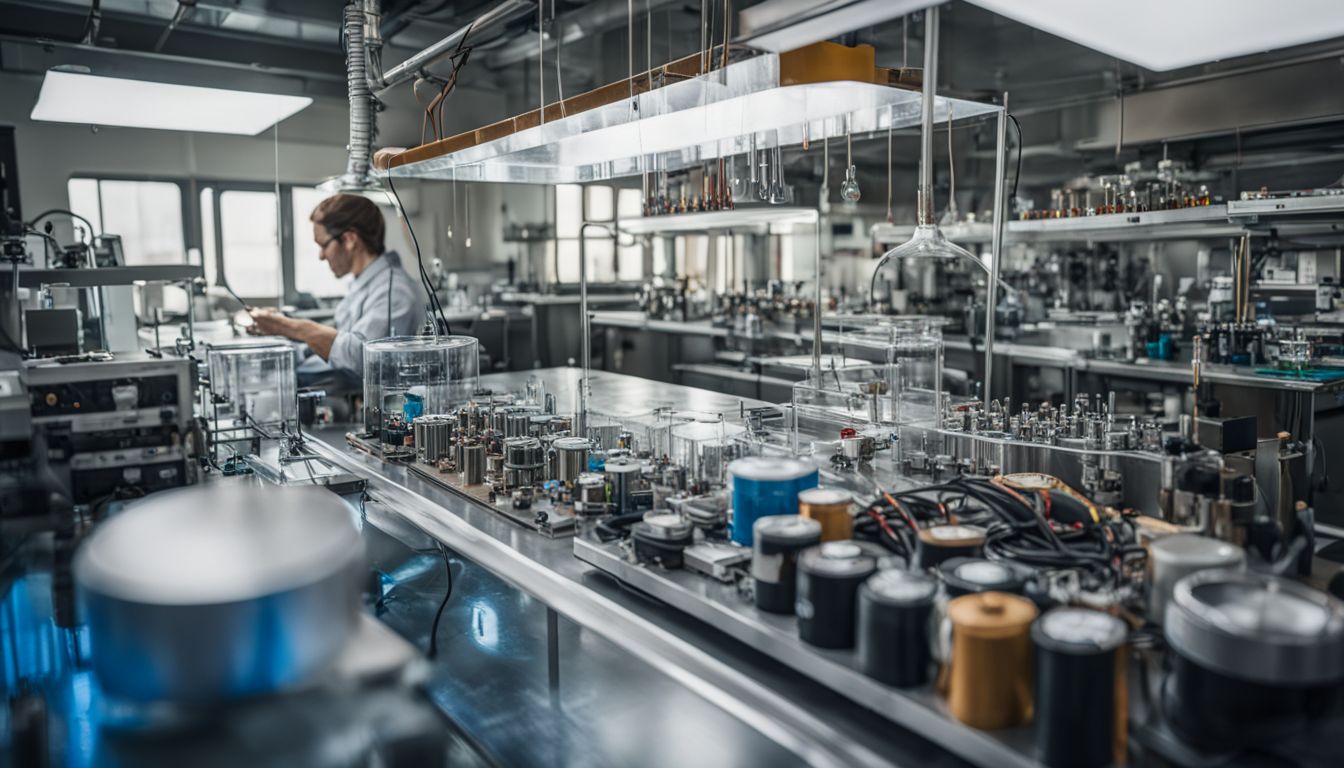
Transitioning from the effects of a malfunctioning thermistor, it’s essential to differentiate between thermistors and thermostats, as both contribute to the functionality of aircon systems but in distinct ways.
| Thermistor | Thermostat |
|---|---|
| Acts as a temperature-sensitive resistor | Regulates the HVAC system’s operation |
| Changes its resistance with temperature variations | Switches heating or cooling devices on or off to maintain desired temperature |
| Used for precise temperature readings | Used for controlling the overall climate within an environment |
| Commonly found in the form of NTC or PTC thermistors | Includes mechanical and digital types |
| Provides feedback for temperature control systems | Acts as a control unit for setting and maintaining specific temperatures |
| Essential for the calibration and accuracy of temperature measurement | Allows users to interface with the HVAC system to set desired temperatures |
The Role of Electronic Components in Aircon Systems (Link to aircon printed circuit 101)
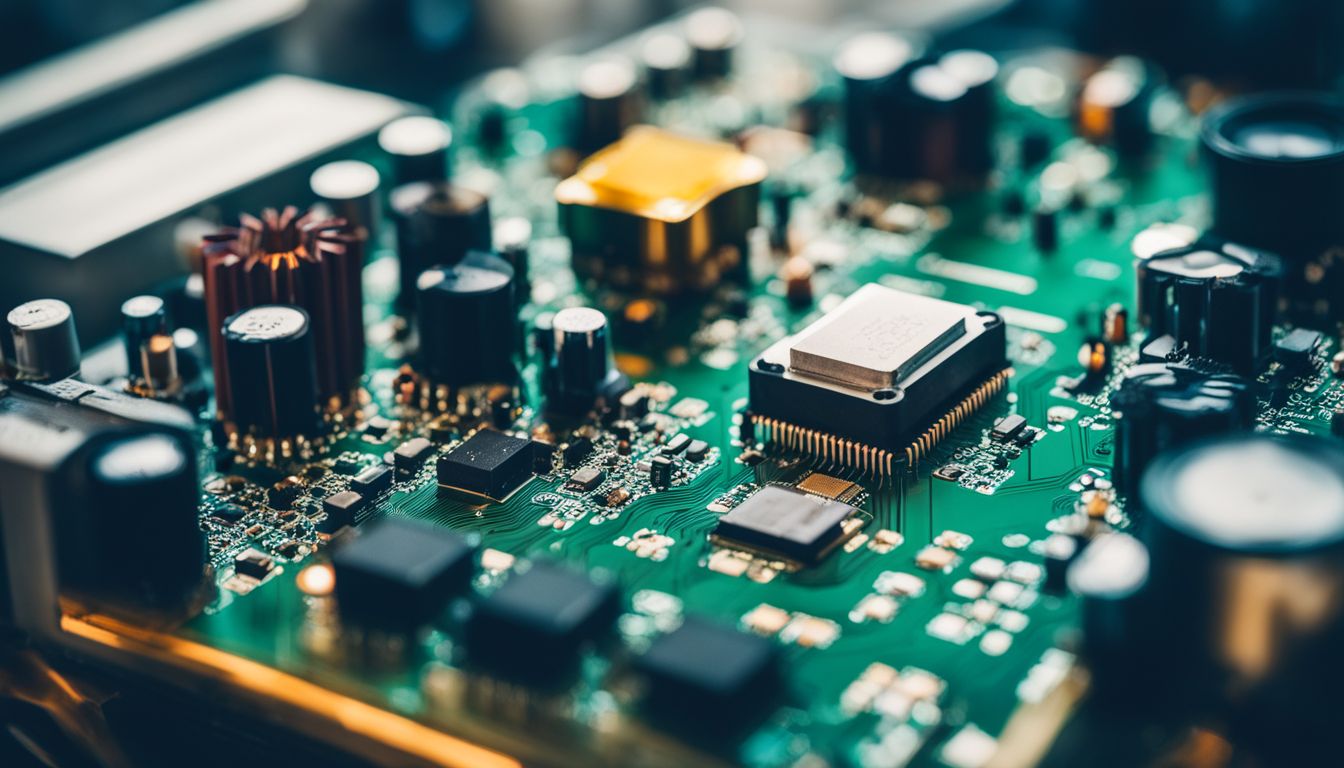
Electronic components control your aircon system. They manage the power, regulate temperatures, and ensure everything works together smoothly. Parts like sensors, resistors, and capacitors are key to a well-running air conditioner.
These pieces make up circuits that handle complex tasks.
Aircons use electronic technologies to keep rooms cool. Sensors measure the temperature while circuits process this information. They decide when to start cooling and when to stop.
This smart control keeps your room at just the right temperature without wasting energy.
Conclusion
Thermistors keep air conditioning systems working right. They sense the temperature and tell the AC how to adjust. If a thermistor breaks, your room might not stay cool. Always get a pro to check or replace them.
Remember, good thermistors mean comfy rooms!
To understand more about the intricate electronic components in air conditioning units, read our comprehensive guide on aircon printed circuit boards.
FAQs
1. What is a thermistor in an aircon system?
A thermistor in an aircon system is a type of resistor that changes its electrical resistance with temperature, helping to control heating and cooling.
2. How do NTC thermistors work in air conditioning?
NTC thermistors decrease their resistance as the temperature rises, allowing more current to flow for accurate temperature control in air conditioning systems.
3. Can you use PTC thermistors for protecting aircon units?
Yes, PTC thermistors increase their resistance when heated up, which limits surge currents, acting as resettable fuses to protect the circuitry of air conditioning systems.
4. Do all air conditioners have ambient temperature sensors like RTDs or NTC resistors?
Many modern air conditioners come with ambient temperature sensors such as RTDs or NTC resistors to measure and maintain desired temperatures within a room accurately.
5. Why must some thermistors be hermetically sealed?
Thermistors are often hermetically sealed to prevent moisture from causing corrosion or affecting their performance and accuracy in detecting temperatures.
6. Is it better to use a digital thermometer instead of a thermistor for my home AC unit?
While both can measure temperatures;aircon systems typically integrate directly with the tailor-made functionality of built-in electronic devices like RTDs and ceramic chip-based NTC/PTC resistive elements rather than standalone digital thermometers.