

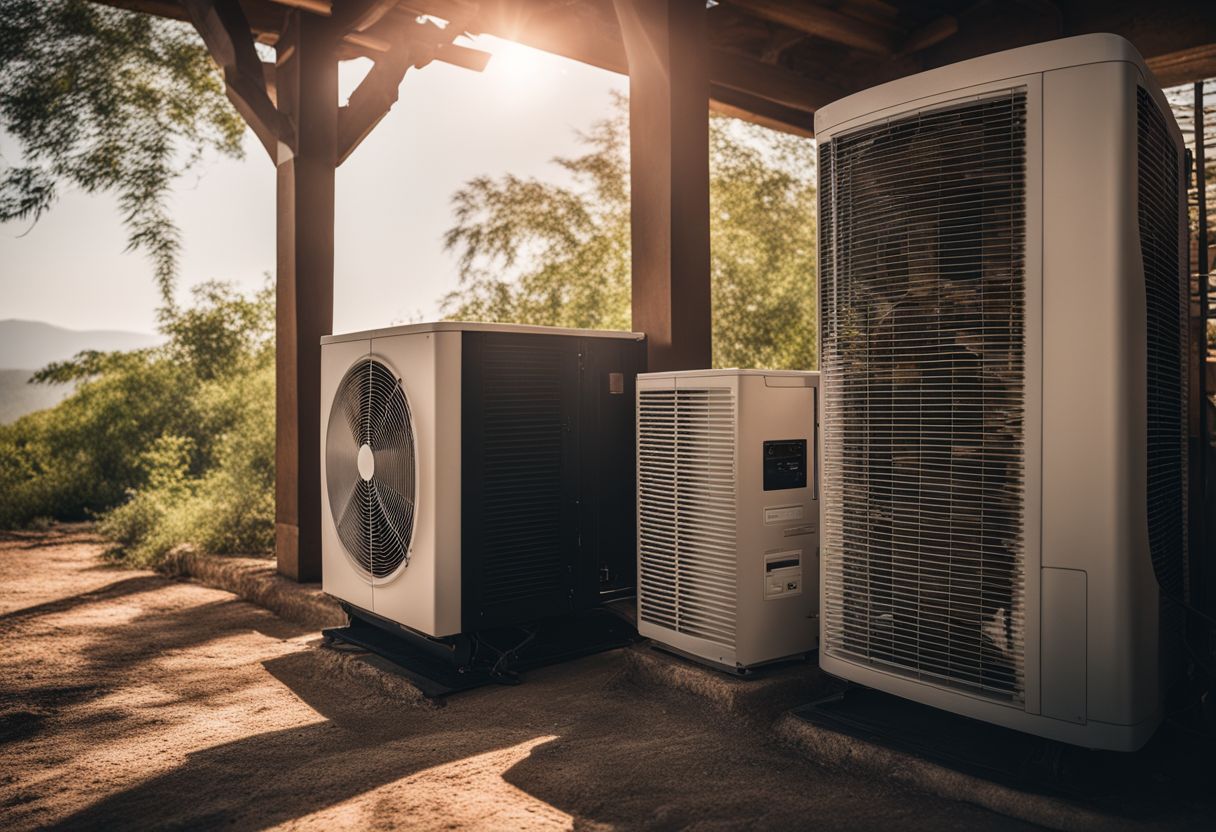
Air conditioners work hard to keep us cool, especially in hot places like Boca Raton. They can get tired, just like people do when they work too much without a break. When an air conditioner is overworked, it may not cool the house well and could even break down more often.
Air conditioners that run all the time can make your energy bills go up and might make your home feel sticky or humid.
If you hear strange noises or have to fix your AC a lot, these are signs it’s working too hard. Sometimes this happens because it’s old or parts inside need cleaning or fixing. Even leaks can be a clue that there’s something wrong with your AC—they’re not only bad for the machine but also for our health because of the air we breathe.
We should try not to change how cold our homes are too often and make sure our houses keep heat out well. This helps so that our air conditioners don’t have to work harder than they need to.
A company called H & H Heating and Air Conditioning talks about how we can take care of our AC systems better.
Let’s learn how to spot if an air conditioner is tired and what we can do about it! Keep reading to find ways to help your AC last longer and save money on repairs and bills.
Recognising Overworked Air Conditioner Signs
In the thick of summer heat or even during unexpected warm spells, your air conditioning system can be pushed to its limits. It’s crucial to be vigilant for telltale signs that your HVAC unit is overworking, as these indicators often hint at a need for maintenance or potential upgrades to prevent long-term damage and ensure continued efficiency.
Constant Running of the Unit
Your air conditioner should take breaks while keeping your home cool. If it’s always running, this could be a sign that something is not right. This endless work can wear out the AC system fast.
Parts like the compressor may get too hot and fail.
Listen for your unit working all day without stopping to rest. If you see this happening, it might be time to call a professional HVAC technician. They can check your system and fix any problems.
Regular checks will help stop big issues before they start and keep your air conditioning working well for longer.
Increased Energy Bills
Paying more for electricity can mean your air conditioner is working too hard. This happens when the AC unit tries to cool the home but has problems like blocked ducts or leaking refrigerant.
Then it uses more power and makes the electricity bill go up. If you see a big jump in what you’re paying, it’s time to check on your AC.
Keep an eye on how much energy your air conditioning unit uses. A sudden increase could be telling you that something is not right with your HVAC system. It might be a sign to get someone to look at and fix your air conditioner before small issues turn into bigger, costly ones.
Regular maintenance can help make your system more energy-efficient and save money over time by preventing these spikes in energy consumption.
Frequent Breakdowns and Repairs
Your air conditioner might need frequent repairs if it’s overworked. This could be a big sign that the AC is struggling. Parts wear out and may break. You might notice you’re calling for help more often.
Taking care of issues fast means your air conditioner can last longer.
Regular maintenance can stop small problems from getting worse. It’s like giving your air conditioner a health check to keep it strong. Cleaning filters, checking coolant levels and fixing any leaks are all important steps to help avoid breakdowns.
Make sure you schedule these checks to save on repair costs and keep your AC running smoothly.
Common Reasons for AC Shutdowns and Why It Keeps Shutting Down
Air conditioners can shut down for many reasons. Sometimes, they work too hard and overheat. This might happen if the air filter is dirty or if there’s not enough cool air coming in.
Another reason could be that the AC unit is old and just isn’t strong anymore. Problems with wires or parts inside the AC can also make it stop working.
If your AC keeps shutting down, it may be telling you something’s wrong. It could mean there are leaks letting out cold air or letting in warm air, making the AC run non-stop to keep up.
Dirty coils or a broken fan can stop heat from moving out of your house, causing the system to shut off to prevent damage. A smart move is to check on these issues quickly so you can fix them before they get worse and cost more money.
Conclusion
Remember, an air conditioner working too hard shows clear signs. Your bills go up, it runs non-stop, and it breaks down more. Fixing issues like dirty filters or leaky ducts helps a lot.
Looking after your AC means less waste and better cool air at home. Take steps today for a comfy and efficient house tomorrow!
To delve deeper into why your air conditioning unit may be frequently shutting down, read our detailed guide on common reasons for AC shutdowns and their underlying causes.
FAQs
1. What are signs my air conditioner is overworked?
Look for indicators like strange noises from the unit, a drop in indoor air quality, or uneven cooling in your home. These are key signs that your AC may need maintenance or repair.
2. Why does my AC make strange odors?
Strange odors often signal an overworked air conditioner. It could mean there’s a problem with the heat transfer process or issues within the air compressor that need checking.
3. Can changing my thermostat settings improve energy efficiency?
Yes, using a programmable thermostat to adjust indoor climate can increase energy savings and reduce consumption by keeping temperatures steady without overworking your HVAC units.
4. How do I know if it’s time for an AC replacement instead of repair?
Consider the ac lifespan when deciding between repair and replacement. If you’re calling for frequent repairs and notice an increase in energy wastage, it might be time for an AC replacement.
5. Does regular AC maintenance have any impact on its performance?
Regularly maintaining your heating and air conditioning system helps maintain energy efficiency, ensures good indoor air quality, and can prevent future problems leading to expensive repairs or replacement.