

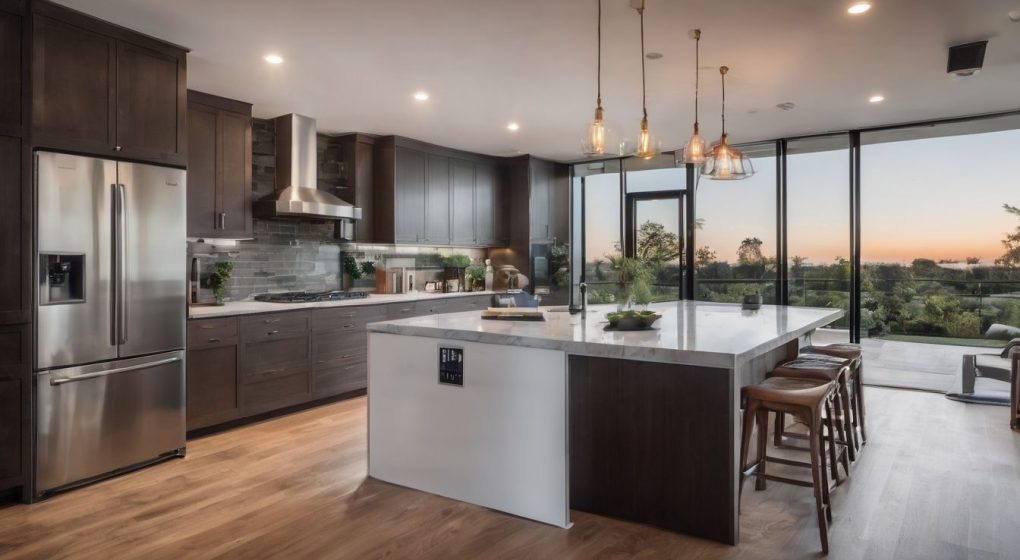
Ducted air conditioning is a system that sends cool air to many rooms through hidden pipes. This type of cooling keeps homes and businesses comfortable all over. It’s seen as something fancy that can make a house worth more money.
With ducts, you can pick which parts of the home to cool down, saving energy by only working in rooms people are using. Their design doesn’t stand out much, so your home looks nice, and they’re built into the ceiling or floor with just small grills showing.
These systems also work without making much noise for a calm space inside your house. You can change the temperature room by room with one control, and some even help make the air less damp or better for people with allergies.
Keeping them in good shape with regular check-ups is key to having them last longer and work well.
Setting up takes careful thinking about how your place is laid out, including windows, doors, what it’s made from, how well it’s insulated and electricity needs. Ducted AC units are quieter than other kinds like split systems which you can see on walls or floors.
Discover all about these quiet and stylish air conditioners next!
Understanding Ducted Air Conditioning
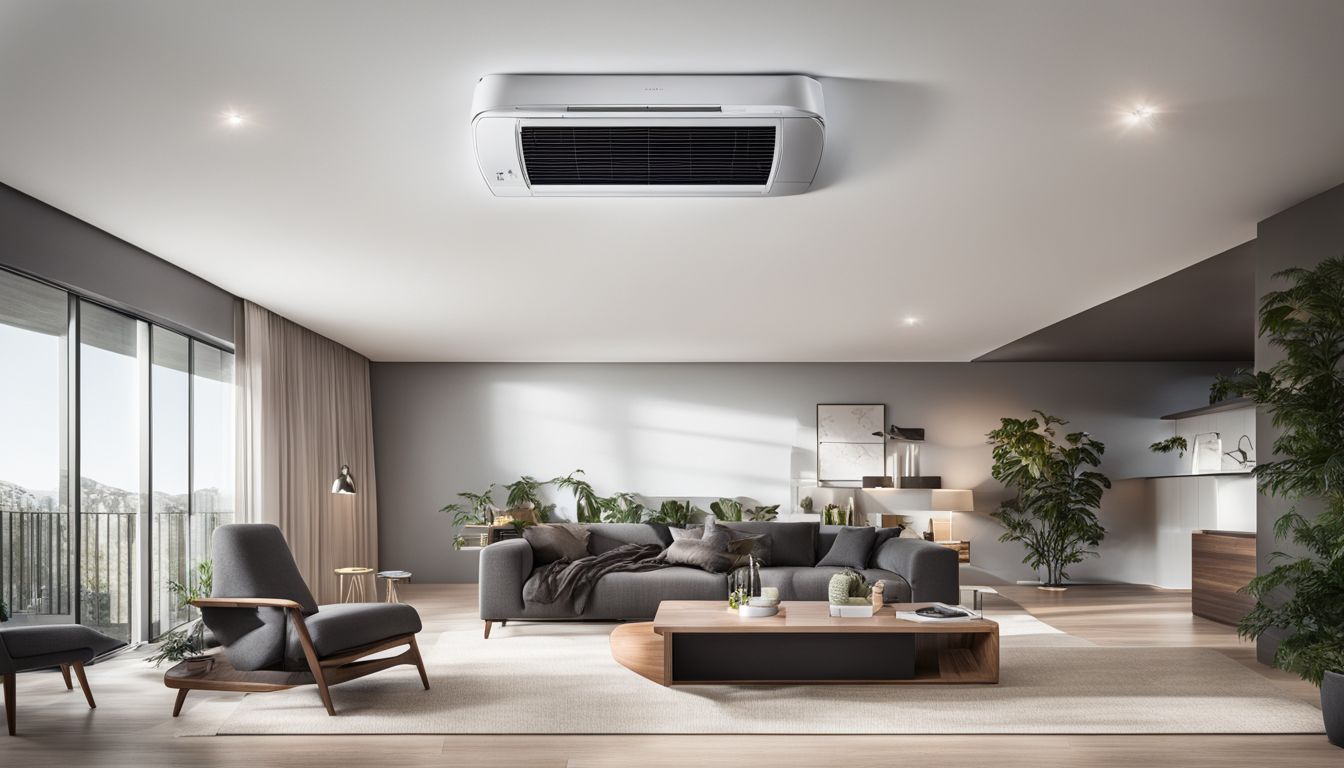
Ducted air conditioning works by pushing cooled or heated air through a network of ducts hidden in the ceiling or floor. A central unit cools or heats the air, then fans blow it into each room via this ductwork.
This system allows for whole-home climate control with just one set of equipment.
Vents called ‘registers’ in each room let out the treated air, keeping temperatures stable. Users can manage climate settings with thermostats to ensure comfort throughout the house.
Special zones may exist that allow different areas to have different temperatures, boosting energy efficiency and tailoring comfort.
Advantages of Ducted Air Conditioning

3. Advantages of Ducted Air Conditioning:.
Dive into the world of ducted air conditioning systems, where sophisticated temperature control meets discreet design, offering a seamless solution for efficient whole-home comfort.
Discover how these centralised units not only elevate your living space with quiet operation and flexible zoning but also potentially enhance your property’s market appeal through their integrated approach to climate management.
Whole Home Heating and Cooling

Ducted air conditioning systems shine when it comes to heating or cooling your entire home. They use a network of hidden ducts that efficiently move cool or warm air to every room.
This means you can enjoy a comfortable temperature no matter where you are in the house. With just one control point, these systems let you adjust the climate in different areas easily.
You won’t have to rely on separate units for each space.
These systems also offer reverse cycle technology, which is perfect for year-round comfort. During winter, the same system keeps your home cosy by reversing its function and warming up the indoors.
This versatile feature provides convenience and efficiency in one package, reducing energy consumption compared to using individual heaters and coolers.
Low Profile Looks

Moving from the comprehensive coverage of whole home heating and cooling, ducted air conditioners shine in their ability to integrate discreetly into any space. They boast a sleek design that becomes almost invisible within a room’s decor.
Unlike bulky split systems that demand wall space and often disrupt the visual flow of a room, ducted systems hide away their workings. All you see are the small air grilles tucked neatly into walls or ceilings.
These air conditioning units offer an unobtrusive solution, especially for places where aesthetic appeal is key. Apartments, modern offices, and homes with limited ceiling or wall space can benefit greatly from these low profile looks.
The indoor unit remains hidden above ceilings or behind walls; this means no awkward components taking up valuable space or clashing with your interior design choices. Ducted systems ensure comfort without compromising on style.
Quiet Operation
Ducted air conditioning systems whisper through your home. The outdoor unit does its work outside, keeping the noise away from you. Inside, air grilles and vents are so quiet that you’ll barely notice them.
These systems provide a calm environment perfect for sleeping or focusing on tasks without loud distractions.
Quiet operation also means less stress in your daily life. Forget the rattle and hum of split system air conditioners; ducted systems let peace reign. Their design hides clunky parts behind walls or ceilings, leaving only a gentle airflow to remind you they’re there at all.
Enjoy serene living spaces even on the hottest days with ducted air conditioning’s hush-hush performance.
Flexible Zones
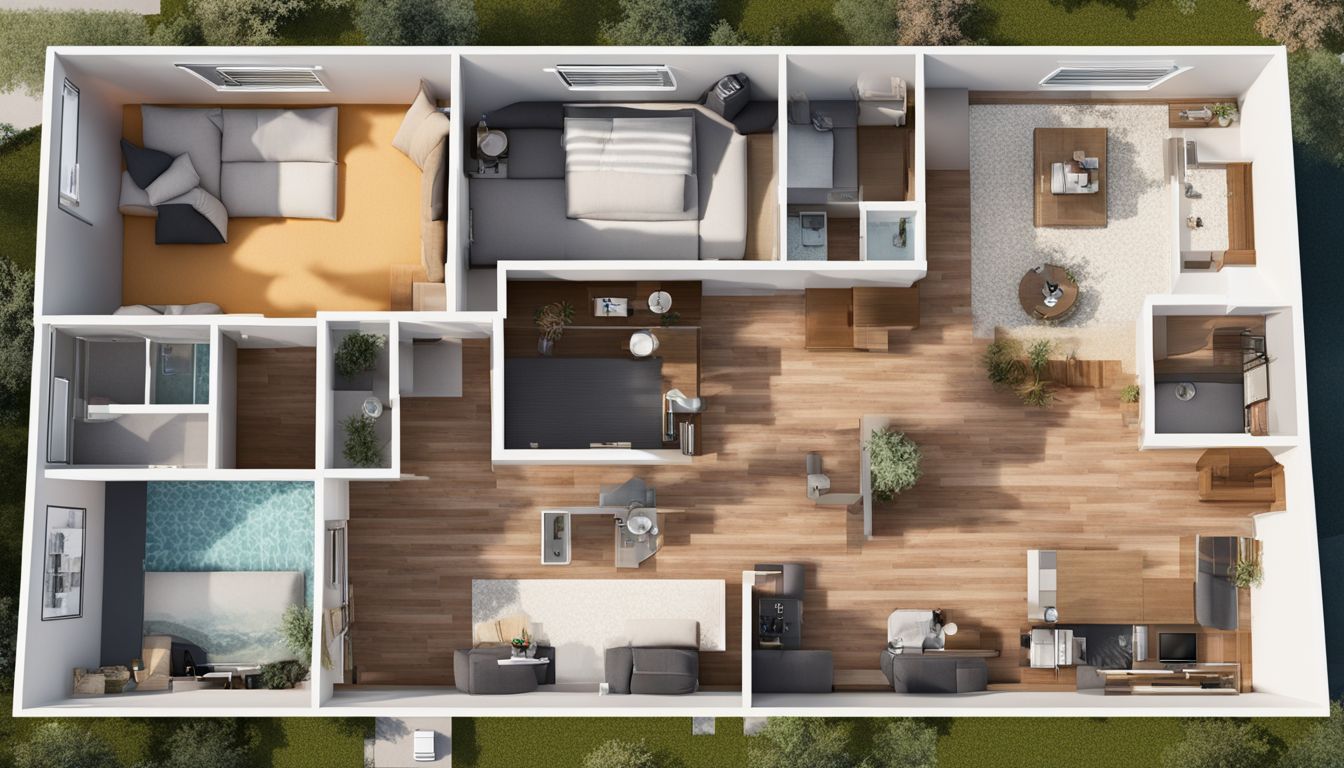
Flexible zones in ducted air conditioning allow you to cool specific areas of your home. You can turn off cooling in rooms that no one is using. This system can save energy and reduce bills.
Zoning options help create a climate-controlled environment where it’s needed most.
Using zoning systems means better efficiency for your reverse cycle air conditioner. It also ensures comfort across different spaces within your home. Next, let’s explore how to maintain your system and recognise when it needs professional service.
Increased Property Value
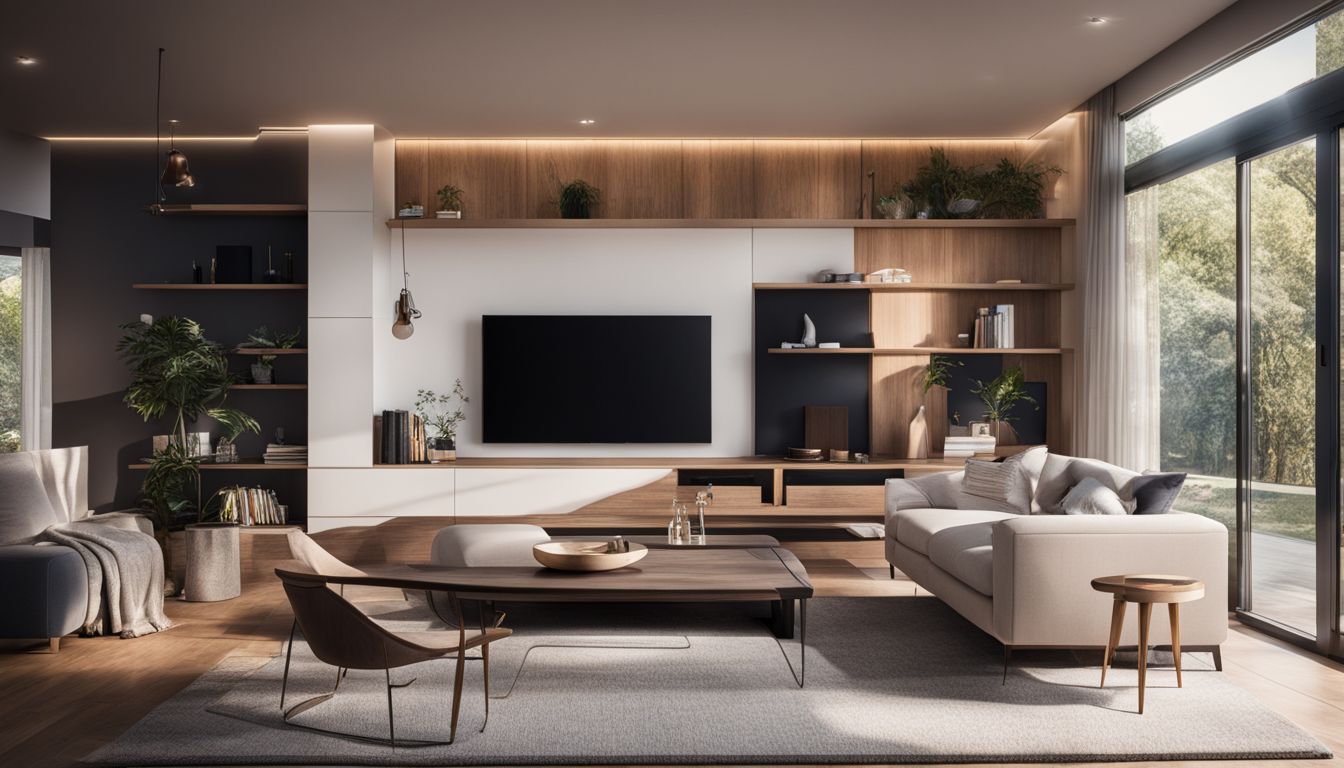
Ducted air conditioning systems are a smart investment for homeowners. They’re seen as a luxury item that can push up the value of a property. If you decide to sell, this feature is likely to catch the eye of potential buyers.
Not only does it provide comfort, but it also suggests your home has top-notch infrastructure.
A house with central air conditioning suggests careful planning and quality upgrades. Buyers appreciate not having to install their own system and knowing that they’ll be comfy in both summer and winter seasons.
This kind of improvement can give your home an edge in the housing market.
Recognising When Your Ducted AC System Requires Professional Attention

- Listen for strange noises like banging, whistling or constant running. These sounds can mean there’s a loose part or a blockage.
- Check the airflow from vents regularly. Weak airflow might indicate a problem with the air handling units or blockages in the ducts.
- Notice any unusual smells coming from the system. A burning smell could signal an electrical issue that requires immediate attention.
- Keep an eye on your energy bills. An unexpected increase can be a sign that your system isn’t working efficiently due to issues like faulty condenser coils.
- Watch out for temperature inconsistencies across different rooms. This may be due to poor insulation or problems with the zoning controls.
- Feel for excess humidity in the house. Too much moisture may show that your evaporator coils aren’t functioning properly.
- Be mindful of water leaks around your air conditioner. Leaks can suggest a blocked drainage pipe or an issue with the condensing coil.
- Look out for ice build – up on the condenser coils, which could indicate low refrigerant levels caused by leaks or a failing expansion valve.
- Monitor how often your reverse – cycle air conditioner cycles on and off. Frequent cycling can wear out components and suggest thermostat problems.
- Think about the age of your unit; if it’s over 10 years old and having frequent issues, it might be time to call Air-Rite Solutions for advice.
Ducted Air Conditioning vs. Split Systems

Having discussed the importance of professional maintenance for ducted air conditioning systems, let’s compare ducted AC to split systems to inform your choice of cooling and heating solutions.
| Feature | Ducted Air Conditioning | Split Systems |
|---|---|---|
| Climate Control | Consistent temperature throughout the premises | Targeted to specific rooms where units are installed |
| Installation | Requires extensive ductwork, suitable for new builds or major renovations | Easier to install in established buildings with minimal disruption |
| Aesthetics | Discreet grilles blend with decor | Visible indoor units attached to walls |
| Noise Level | Quieter operation with less intrusive noise | Some noise from indoor units, though modern systems are quieter |
| Cost | Higher upfront cost, potentially more efficient in the long term | Lower initial investment, but can be less efficient if multiple units are needed |
| Zone Control | Option for zoned temperature control for individual areas | Limited to areas where units are located, additional units required for more zones |
| Property Value | Can increase property value with integrated climate control | Less impact on property value, seen as a less permanent solution |
| Energy Efficiency | Can be very efficient in large spaces with proper design and zoned system | Efficient for heating or cooling small spaces, but efficiency can decrease with more units |
| Maintenance | Generally requires professional servicing | Some maintenance tasks can be handled by users, but servicing still recommended |
Conclusion
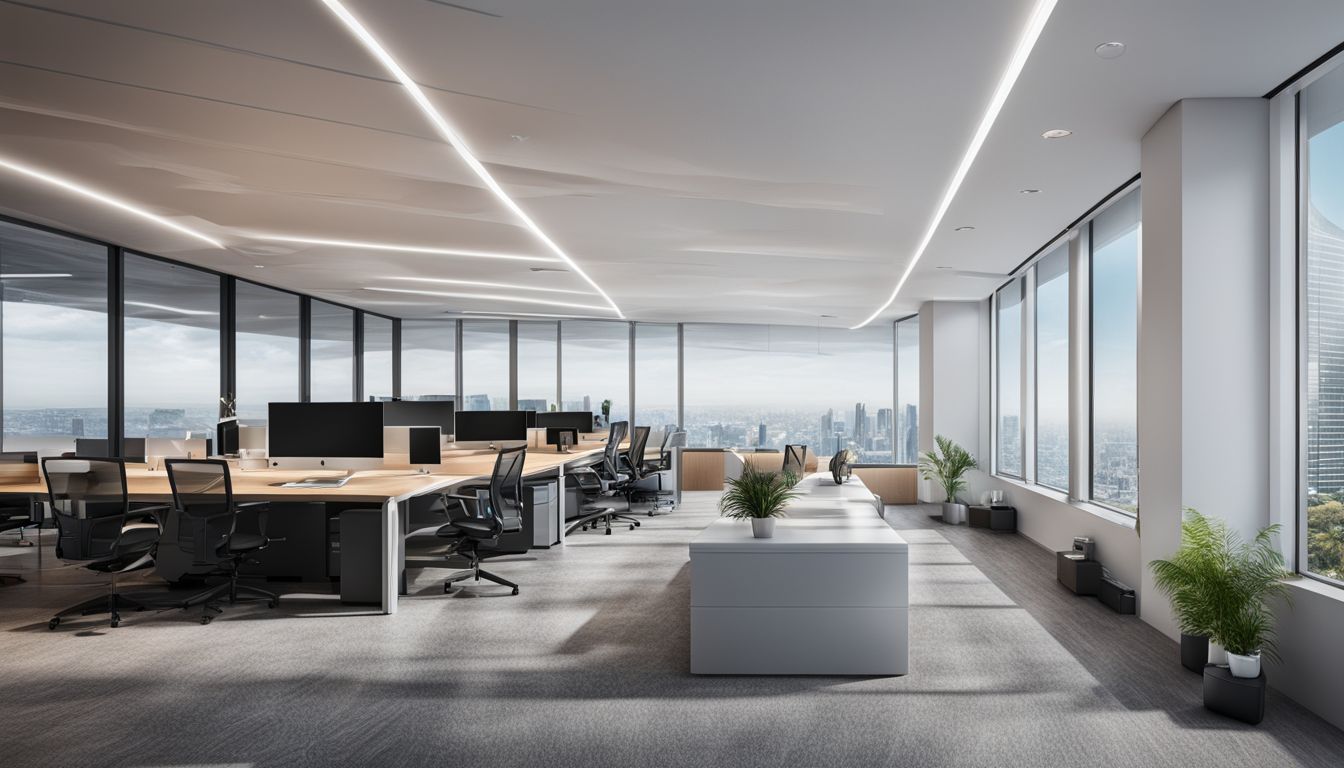
Ducted air conditioning systems shine in creating a comfortable home or office. They blend into your space while saving energy and keeping noise low. Consider them for their sleek look, zone control, and added property value.
Remember to maintain these systems well for long-term benefits. Make the smart choice based on your needs and enjoy the rewards of efficient climate control.
For expert advice and detailed insights, read our guide on recognising when your ducted AC system requires professional attention.
FAQs
1. What is reverse cycle air conditioning?
Reverse cycle air conditioning both cools and warms your house by absorbing heat from outside, even in cold weather, and releasing it inside as warm air.
2. How does ducted A/C save energy?
Ducted A/C saves energy because it can control the temperature of different rooms. You don’t waste cooling or heating unused spaces which keeps bills lower.
3. Why should I keep my windows closed with ducted air conditioning?
Keeping windows closed ensures the cool or warm air stays inside, making the system work better and more efficiently without losing any of that comfortable air you want.
4. Can a three-phase power supply be better for my air conditioner?
Yes, a three phase power supply to your home can support larger systems like ducted air-conditioners more effectively than single phase, preventing overloads during high usage times.