

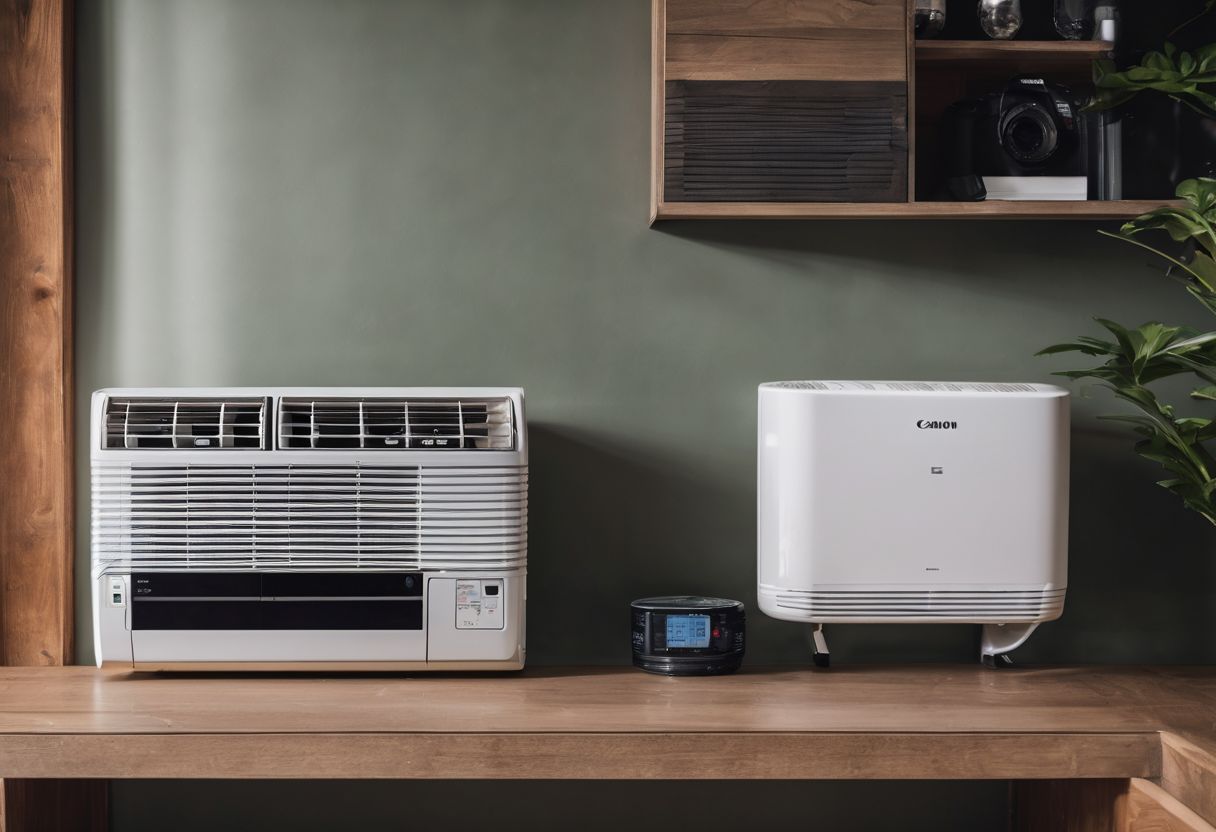
Air conditioners help us stay cool but can also cost a lot to run. To use aircon in a smart way that saves money, we need good tips and tricks. This article will show how to cut costs while keeping your home comfortable.
We’ll talk about setting the right temperature on your thermostat and why keeping your aircon clean and looked after is important. You’ll learn when is the best time to turn on your cooler and why things like shades or ceiling fans make a difference.
Saving energy is not just about one big change; it’s also lots of small steps that add up. For example, sealing leaks around windows can keep the cool air in. Thinking about other ways to stay cool without always using an aircon is another great idea we will explore.
This guide includes helpful hints for everyone – whether you’re looking at different energy plans or working out how much it costs to run your own air conditioner in Australia. Keep reading as we share ways you could save money on cooling your space without sweating over high bills! Let’s get smarter with our energy use together.
Understanding Aircon Energy Consumption

Air conditioners use power to keep homes cool. The amount they use is called energy consumption, measured in kilowatt-hours (kWh). Every aircon has a power rating, which tells you how much electricity it needs to run.
A unit with a higher wattage will use more electricity than one with a lower wattage.
To find out how much your aircon costs to run, look at its power rating. Then, think about how long you run it each day. Next, check your electricity bill for the tariff rate—the price you pay per kWh of electricity used.
With this information, you can calculate the cost of running your aircon by multiplying these. This helps you know if your air conditioner uses a lot of energy and could cost too much money to run or not.
Strategies for Energy-Efficient Air Conditioning
Implementing energy-efficient strategies is essential to optimise your air conditioning’s performance while minimising costs. These methods curb excessive electricity usage and contribute to a more sustainable indoor climate without compromising comfort.
Correct Thermostat Settings
Set your thermostat to an energy-efficient temperature. This means choosing a setting that feels comfortable but doesn’t waste power. For example, setting the aircon at 25 to 27 degrees Celsius in hot weather can keep you cool and save on energy bills.
Consider getting a programmable or smart thermostat if you don’t have one yet. These devices help manage indoor temperatures without needing you to change settings constantly.
They adjust the cooling based on when you’re home and what temperature it is outside. This helps use less energy and makes paying electricity bills easier on your wallet.
Regular Maintenance and Cleaning
Keeping your air conditioning unit in good shape is smart. It saves energy and cuts costs, too. Here’s how you can keep your aircon running well:
- Check the filters every month. Clean or change them if they are dirty. This helps your aircon work with less effort.
- Clear away leaves and debris from the outdoor parts of your unit. This will make sure airflow is not blocked.
- Look for ice or frost build-up on the evaporator coils inside. If you see any, call a pro to check it out.
- Keep vents open and free from things like furniture or curtains. This lets the cool air move around better.
- Make sure the area around your thermostat is clear. The heat from appliances or lamps can trick it into working too hard.
Optimal Timing and Usage
Using your air conditioner at the right times can help you save money. Changing when and how long it runs makes a big difference. Here are ways to use your aircon smartly:
Installation of Programmable Thermostat
Putting in a programmable thermostat is a smart move to save energy and cut costs. It lets you set temperatures just right for when you’re home or away, ensuring your air conditioning isn’t working hard when it doesn’t need to.
You can even set it so that your home becomes cool shortly before you return, giving you comfort without waste.
Getting your new thermostat up and running isn’t too tricky. First, turn off the power to your heating and cooling system to stay safe. Next, remove the old thermostat, but keep the wires from touching each other — tape might help here.
Connect those wires to your new programmable model by carefully following its instructions; getting them right is key! Once it’s all connected, switch the power back on and enjoy being savvy with your air conditioning use!
Proper Insulation and Ventilation
Keeping your home well insulated is key to using less energy for air conditioning. Good insulation traps cool air inside during hot days and warm air inside when it’s cold. This means your aircon does not work as hard, saving you money on energy bills.
Check that walls, roofs, and floors have proper insulation to stop heat from coming in or escaping.
Ventilation also plays a big role in maintaining a comfy indoor environment without overusing the air conditioner. Make sure your house has enough vents, and they’re not blocked. This helps fresh air move around and lets out hot air inside the house.
Ceiling or standing fans can also help spread cool air more effectively throughout rooms.
Keeping windows open at night allows cooler outside air to replace warm indoor air if it is safe to do so where you live. This could reduce the need for constant cooling by your AC system, which translates into less energy used.
Conclusion
Remember, using your aircon in smart ways saves you money! Is your thermostat set just right? Can you clean the filters for better airflow? Maybe it’s time to give these energy-saving tricks a try.
You could see smaller bills and enjoy cool air too. Let’s maximise our air conditioners without wasting cash or power!
FAQs
1. What is energy efficiency in air conditioning systems?
Energy efficiency in air conditioning systems means using less electricity to achieve the same level of cooling or heating, which saves money and helps conserve energy.
2. How can I improve my air conditioner’s energy savings?
You can improve your air conditioner’s energy savings by keeping the filters clean, setting a sensible temperature on the thermostat, and using appliances like evaporative coolers or dehumidifiers to maintain indoor air quality.
3. What are some ways to reduce energy consumption with my HVAC unit?
To reduce power usage in your HVAC unit, try sealing leaks around windows and doors, insulate your home well, service your unit regularly for dust removal, and use a programmable thermostat like Nest or Ecobee.
4. Can switching lights affect my overall energy savings while using an aircon?
Yes! Using LED lights instead of traditional bulbs helps lower heat transfer inside rooms because they produce less warmth—making it easier for your split system air conditioner to keep you cool.
5. Why should I consider an inverter air conditioner for better power saving?
Inverter air conditioners adjust their speed without turning off completely; this helps save electricity compared to traditional models that switch on and off more often.
6. Is it worth getting an energy audit done at home regarding efficient appliance use?
Getting an energy audit done is a smart investment as it points out areas where you can make changes—like fixing seals or upgrading to Energy Star-rated products—to boost conserves-energy practices throughout your home.