

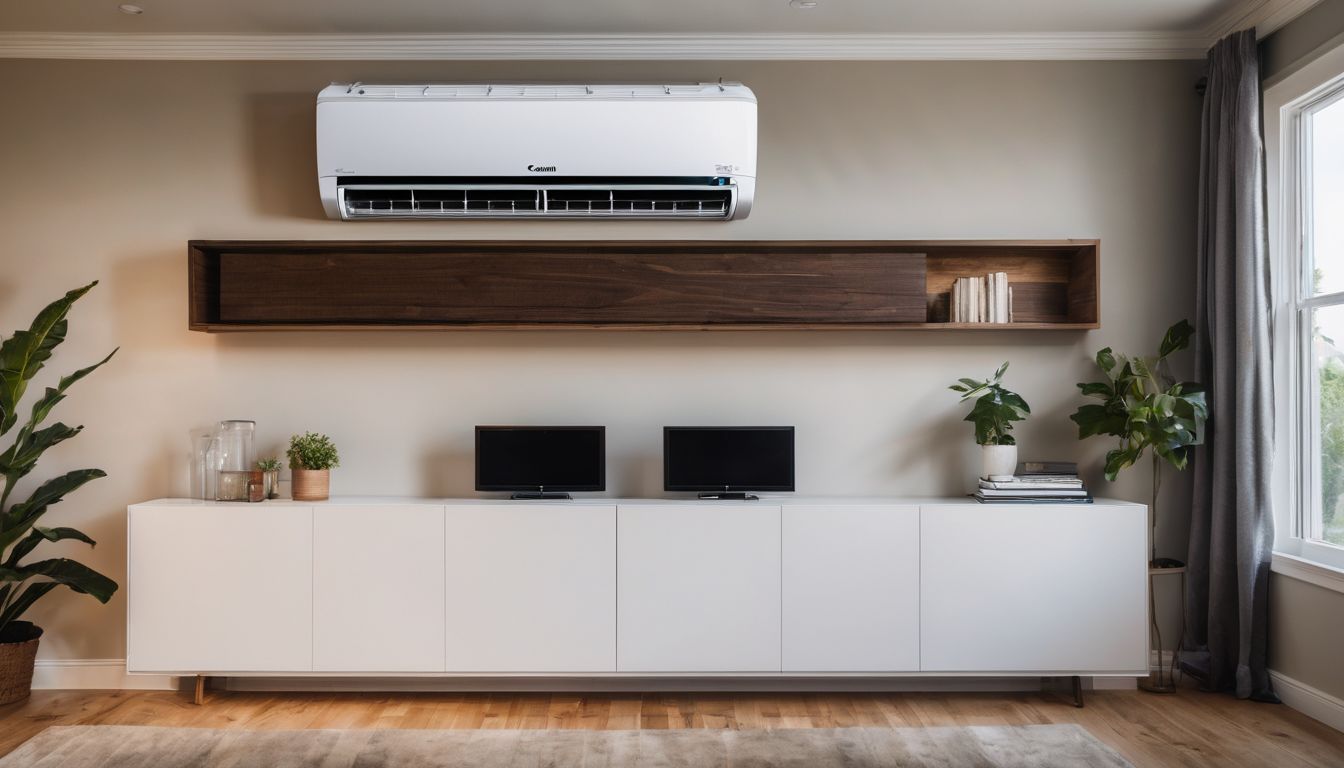
Air conditioning technology keeps getting better every year. It’s like a cool breeze that always finds new ways to keep us comfy and help the planet. Think of air conditioners as helpers that now care more about using less energy and doing what’s best for the Earth.
Some systems don’t need big pipes, which means they can fit into older houses easier without wasting so much energy.
People who make air conditioners are also making them smart – they can talk to our phones and computers! This way, we can turn them on or off even when we’re not home. We’re also seeing more heaters and coolers coming from deep in the ground where it stays warm or cool all year round.
Everyone who fixes your AC is learning about all these new gadgets too, so they know just how to install or fix them right. Plus, there are awards given out for the brightest ideas in keeping our homes at just the right temperature—these show us how clever people are getting with their inventions.
It’s a world full of amazing tech that makes staying warm or cold inside just right whilst looking after nature outside. Let’s explore this world together!
Anticipating Innovations in Air Conditioning Technology
Companies are creating air conditioners that connect to the internet. These smart-systems can predict when they need fixing before they break. This means less waiting for repairs and more comfortable homes and offices.
Scientists are also working on new cooling methods. They may use less energy or even get power from the sun or wind.
Cooling companies look at using natural sources like geothermal heat, which comes from underground, to make buildings warm in winter and cool in summer. Some think about making air cons with materials that don’t harm the earth’s atmosphere as much.
All these ideas aim to help people use less electricity and protect our planet better.
Current Trends in Air Conditioning Technology
The air conditioning landscape is undergoing a significant transformation, with cutting-edge developments that focus on environmental considerations and technological integration. Innovations are centred around enhancing efficiency and reducing the ecological impact of HVAC systems, offering users advanced solutions for their heating and cooling needs.
Eco-friendly and Energy-efficient systems
People want air conditioning that doesn’t harm the planet. They look for systems using less energy and renewable sources like solar power. High-efficiency HVAC units are a big part of this trend.
These systems cool and heat homes without wasting much power.
Many new HVAC technologies help cut down carbon footprints, too. Smart thermostats learn your habits to save on heating and cooling bills. Heat pumps pull warmth from the ground or air, even in cold weather.
Connecting these eco-friendly choices makes homes smarter and helps the Earth.
– Connectivity and Predictive Maintenance
Connectivity and Predictive Maintenance
Air conditioning systems are now smarter than ever. With IoT devices, your AC can connect to the internet. This means you can control it from anywhere using your phone or tablet. You don’t have to be home to adjust the settings or turn it off and on.
Predictive maintenance is a big help, too. It uses data analytics and machine learning to spot problems before they happen. Your air conditioner can tell you when it needs a service, saving time and money in the long run.
No more waiting for a breakdown before fixing things!
Green Systems
Green systems are changing the game in the HVAC industry. High-efficiency models and renewable energy sources help cut down on bills. Customers want these eco-friendly options now more than ever, especially with rising energy costs.
The government even offers a tax credit for upgrading to greener HVAC technology.
These sustainable solutions use less electricity and can run on solar or geothermal energy. They reduce the environmental impact of buildings and support global green initiatives.
Next, let’s explore how ductless solutions also shape air conditioning tech trends.
Ductless Solutions
Ductless technology is changing the game in air conditioning. People are choosing it to bring comfort to older buildings that don’t have ducts. It’s smart because you can target specific areas for heating or cooling.
This means no more wasting energy by blasting air where it’s unnecessary.
One major plus of going ductless is how much energy you save. Traditional systems lose a lot of heat through the ducts, but this isn’t an issue with a ductless system. You enjoy a cosy room without worrying about high bills or harming the planet.
They’re easy to install and perfect for keeping each part of your home just right, all year round.
Top Trends Shaping Residential HVAC Solutions
In residential heating, ventilation, and air conditioning (HVAC), technological evolutions are redefining comfort and efficiency in our homes. Advanced solutions now cater to an increasing demand for systems that enhance indoor climate control and contribute to substantial energy savings and a lower environmental footprint.
Ductless Mini Split Systems
Ductless mini split systems are changing the game in home heating and cooling. They make it easy to control temperatures in individual rooms. With no need for extensive ductwork, these units fit perfectly into older buildings or new spaces.
They’re great for adding air conditioning without big renovations.
These systems cut down on energy losses that often come with traditional ducted HVACs. You can heat or cool only the areas you use, which saves money and is better for the planet. Installation is quick and doesn’t cause much disruption to your daily life.
Ductless mini splits offer a flexible solution to improve comfort and reduce energy consumption at home.
Smart Thermostats
Smart thermostats have changed the game in home heating and cooling. They let you control your system from afar using a phone or computer. These gadgets learn your habits to help save energy and cut bills.
You can turn off the heat while you’re away, then switch it back on when heading home.
Homeowners like smart thermostats because they are convenient and eco-friendly. HVAC professionals also use these tools for better service. They check systems remotely, spotting issues before they grow big and costly.
Smart thermostats are now crucial for high-efficiency, green homes everywhere.
Better Maintenance
HVAC systems now come with smart devices that allow for remote monitoring. This technology makes maintenance easier and faster. It gives technicians real-time data about the system’s health.
They can spot problems before they get worse. This means less downtime for repairs and a better experience for customers.
Smart tools in field service management help HVAC companies work smarter. These tools improve how they handle maintenance, making their services more efficient. These innovations give teams more control over scheduling visits and managing resources.
Customers appreciate this smooth approach to maintaining their HVAC systems, keeping indoor environments comfortable year-round.
Electric Systems
Electric systems in air conditioning are gaining ground as a cleaner alternative to traditional gas-powered options. They run solely on electricity, which means they can be powered by renewable sources like solar panels.
This aligns with global efforts to combat climate change and reduce greenhouse gas emissions. Homeowners now have the chance to cool their homes without directly burning fossil fuels.
Modern electric HVAC systems have smart features allowing precise temperature control and energy management. Users benefit from smart thermostats, which connect seamlessly with other home automation systems through IoT technology.
These advancements make it easier for individuals to monitor their energy use and maintain comfort while focusing on sustainability goals. Next up are geothermal systems, offering another innovative way to heat and cool homes effectively.
Geothermal Systems
Geothermal systems harness natural heat from the Earth to warm and cool homes. They are growing in popularity for new buildings. These systems use renewable energy, making them a top choice for eco-friendly HVAC solutions.
More people now want green options, and geothermal heating and cooling meet this demand.
Contractors are installing more geothermal heat pumps than ever before. Homeowners prefer these systems as they improve indoor air quality, too. Geothermal technology is efficient and doesn’t need large ductwork.
It’s a sustainable way to manage temperatures inside buildings all year round.
The Impact of Technology on HVAC Systems
The deployment of cutting-edge technology in HVAC systems heralds a transformative era for climate control, redefining comfort and efficiency in our living and working spaces. These advancements forge a path towards seamless integration, intelligent operation, and sustainable practices within the heating, ventilation, and air conditioning sector.
Improved Control Through Connectivity and Data
Air conditioning technology now includes smart devices and IoT connectivity. These advancements mean you can control systems from anywhere using your phone or computer. They make it easy to monitor temperatures, adjust settings, and keep an eye on energy use.
This helps homes and businesses stay comfortable while saving money and energy.
HVAC systems linked with IoT are changing how we manage our spaces’ temperature settings and maintenance schedules. Real-time data lets us spot problems early, preventing big repairs down the line.
With new tech tools, HVAC companies offer better customer service online, like booking visits electronically.
The Shift to Ductless HVAC Systems
Ductless HVAC systems are changing the game in heating and cooling. They reduce energy loss because there’s no ductwork like in traditional systems. People love them for their efficiency and smaller carbon footprint.
These systems fit well into older buildings that can’t handle big installation projects. They also let you control temperatures for different areas without wasting energy. Eco-friendly solutions from ductless technology are leading the way, making it easier for HVAC contractors to please their customers while being kind to the planet.
Conclusion
Air conditioning technology is rapidly evolving to meet energy efficiency demands and eco-friendly standards. New systems offer more control, thanks to smart thermostats and internet connectivity.
Heat recovery, solar power, and geothermal innovations are making waves in sustainable cooling and heating. As global warming challenges us, these advancements in HVAC bring hope for a greener future.
The trend towards ductless solutions promises comfort without compromising energy consumption or environmental impact.
To explore more about the exciting developments we can look forward to, please visit Anticipating Innovations in Air Conditioning Technology.
FAQs
1. What are the new trends in air conditioning technology due to global warming?
Global warming is pushing for advancements in energy-saving technologies like solar-powered air conditioning and energy recovery ventilation systems, reducing the environmental impact.
2. How do variable refrigerant flow (VRF) systems save energy?
Variable refrigerant flow (VRF) systems adjust cooling and heating levels by controlling the amount of refrigerant flowing to different parts of a building, which can lower energy consumption significantly.
3. Can air conditioning systems produce hot water using heat recovery?
Yes, modern HVAC equipment comes with heat recovery features that can capture waste heat from air-conditioning processes to produce hot water efficiently.
4. What role does IoT play in improving air-conditioning system efficiency?
IoT allows building automation systems to monitor and optimise HVAC operations for better performance and preventive maintenance, enhancing customer experience with smart controls.
5. Are there sustainable options for heating and cooling buildings?
Eco-friendly choices like swamp coolers or evaporative cooling use less electricity compared to traditional A/C units, aligning well with sustainable building practices by employing natural dehumidification methods.
6. Do new ventilation systems address both comfort and energy usage?
Advanced ventilation systems not only cool and dehumidify spaces making them comfortable but also integrate green energy sources such as BTES (Borehole Thermal Energy Storage), cutting down on overall power use.