

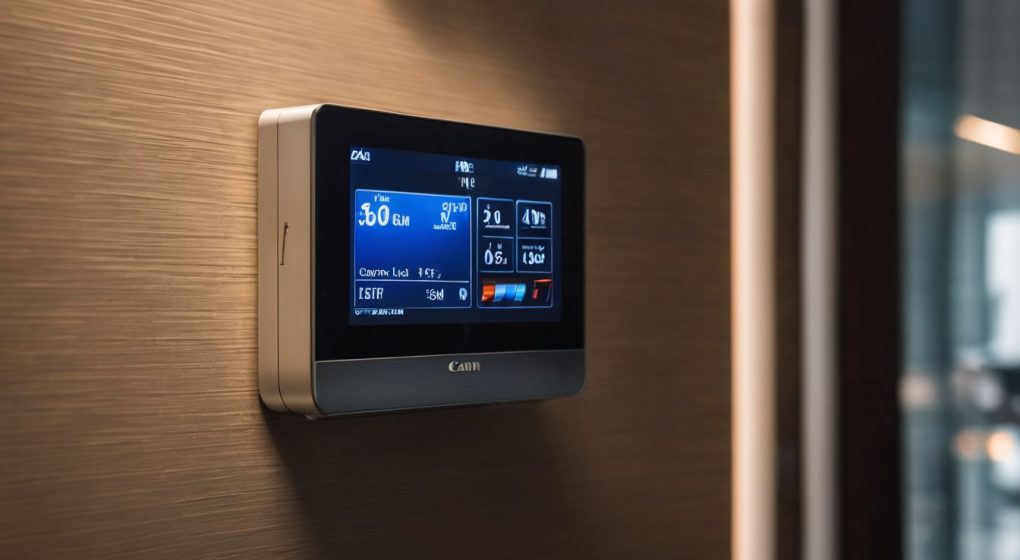
Aircon thermostats are smart tools that control how warm or cool our rooms are. They check the room’s temperature and tell the heating or cooling system what to do to make it just right.
These handy devices can last a long time, usually between 10 and 20 years, depending on how much we use them and take care of them. A lot of new thermostats need batteries so they keep working even if the power goes out.
Sometimes thermostats might stop working properly because they’re old, dirty, have an electrical problem, not set right, or their batteries run out. If something goes wrong with your thermostat, sometimes all you need to do is reset it back to its original settings.
People love programmable thermostats because they help save energy by setting different temperatures for different times according to what we like. Inside air conditioners there are parts called thermistors that play a big role in keeping our home’s climate perfect by letting the thermostat know when the temperature changes.
Sometimes you may find your thermostat isn’t answering you when you press its buttons, or your air conditioner isn’t making cold or hot air like it should. Other times some parts of your home might feel hotter or colder than others even though they should be the same temperature everywhere.
Thermostat troubles are common but knowing more about them helps us fix things faster! Let’s discover more about these clever climate controllers!
Understanding the Basics of an Aircon Thermostat
Moving on from the overview, let’s delve into aircon thermostats. They are like your AC’s brain, telling it when to start and stop cooling your room. A thermostat has sensors that check the air temperature.
If the room gets too warm, the thermostat turns on your air conditioner. When it reaches the right coolness, it tells your AC to take a break. This cycle keeps you comfy all day.
Thermostats come with dials or digital displays for setting temperature preferences. Modern units may have touch screens or buttons to control settings. You can set these devices to different temperatures for various times of the day or week using programmable features which help save energy and reduce bills.
Now we’ll explore more about how they differ from each other in terms of design and technology.
Different Types of Aircon Thermostats

Air conditioning efficiency and comfort heavily rely on the type of thermostat you choose, with options ranging from simple mechanical models to sophisticated programmable units. Each thermostat variant offers unique features tailored to meet differing energy needs and lifestyle preferences, paving the way for customised temperature control within your space.
Mechanical Thermostat
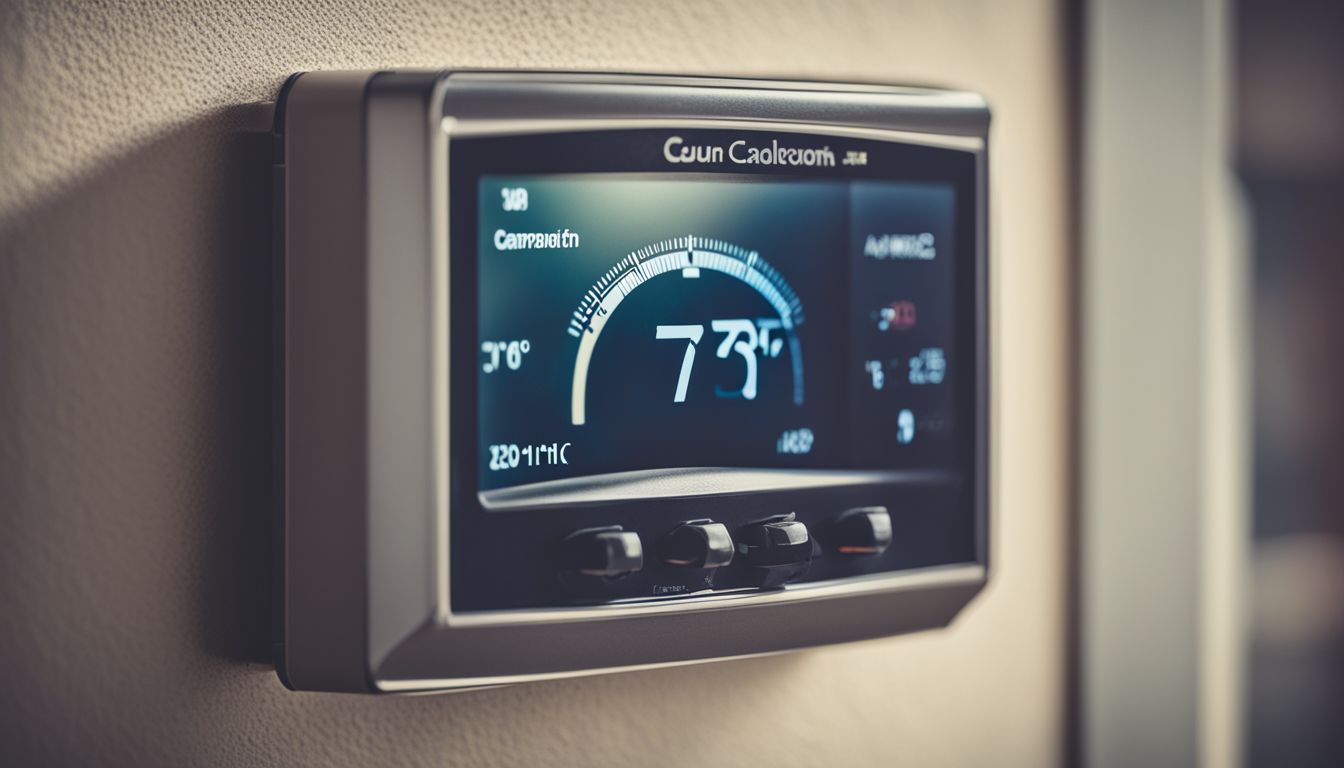
Mechanical thermostats control the temperature in your home by using simple, yet reliable technology. They have metal strips that expand or contract as the room’s temperature changes.
This movement activates the heating or cooling system to maintain a set temperature. You can count on these devices for years; they last between 10 and 20 years with proper care.
Unlike modern electronic models, mechanical thermostats don’t need batteries. They work entirely through physical mechanisms. However, dirt and general wear may cause problems over time.
If your thermostat seems off, you might try resetting it by adjusting its components inside. Always look to a skilled HVAC technician to install or fix your mechanical thermostat correctly.
Electronic/Digital Thermostat
Moving from the simplicity of mechanical thermostats, electronic/digital thermostats bring a touch of modernity to regulating temperature. These devices work on autopilot and allow you to set and forget your preferred climate conditions in a room.
They often run on batteries which power both their internal circuits and clear displays.
Electronic or digital models can encounter problems after years of use. Issues might include electrical glitches or loss of calibration accuracy. To get them back in shape, sometimes all it takes is a reset.
This simple step can return the thermostat to its original settings, helping it control your air conditioning system effectively again.
Programmable Thermostats
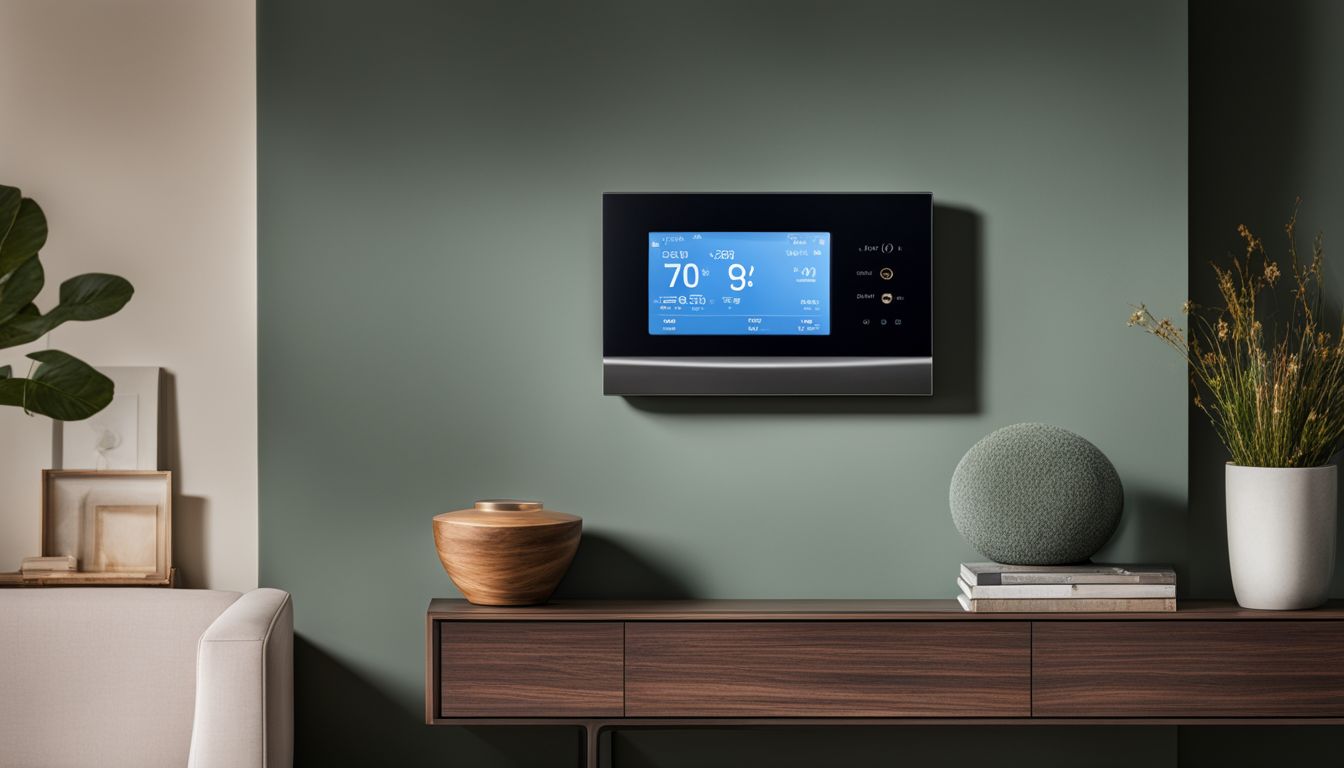
Programmable thermostats bring big savings on energy bills. You set them once to heat or cool your home at certain times. They adjust the temperature when you’re asleep or away, cutting down on energy use.
These smart gadgets can fit with different heating and cooling systems like heat pumps and central air conditioning.
Many programmable thermostats now let you control settings from your phone. Imagine changing your home’s temperature from anywhere! Plus, they show how much energy you use. This helps you see where to save more.
They make life easier and keep homes comfy without wasting power or money.
Working Mechanism of a Thermostat
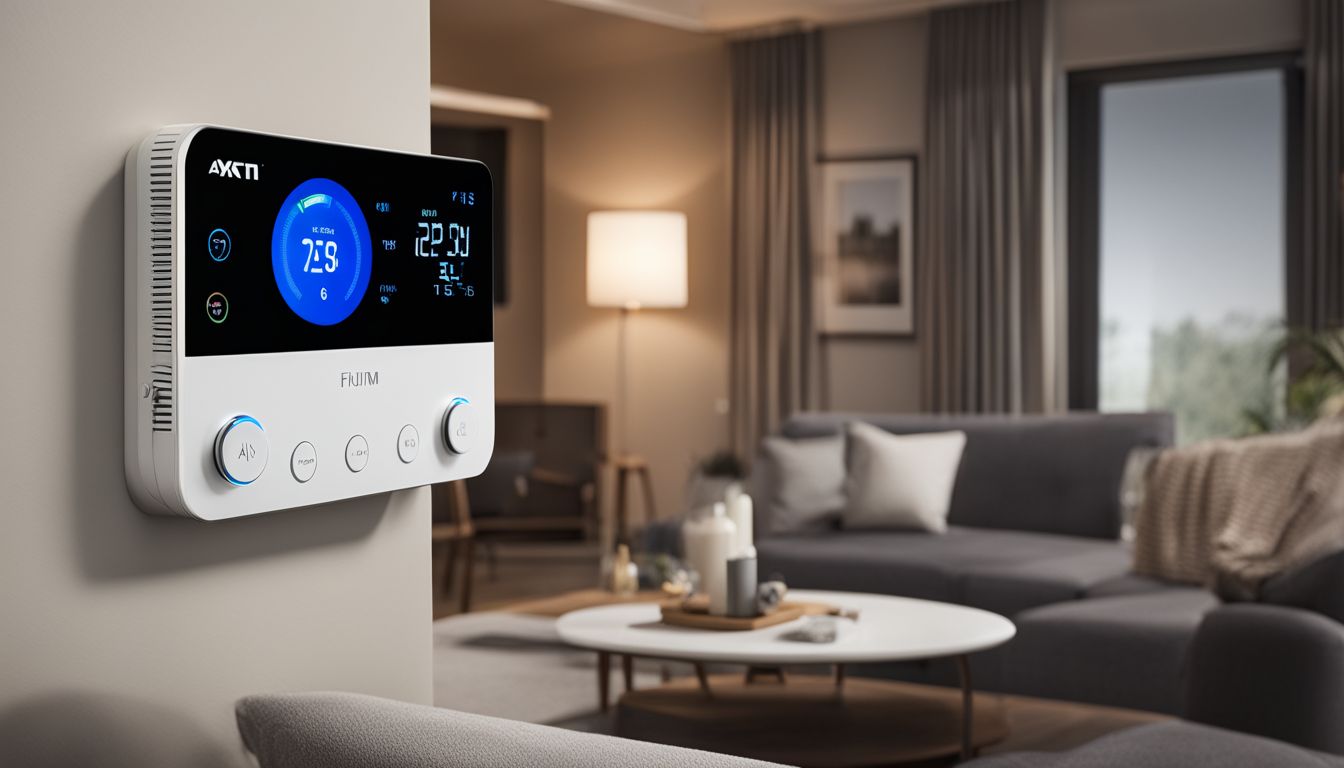
Thermostats act as the brain of air conditioning systems. They monitor room temperature using a sensor and switch the HVAC system on or off to maintain desired levels. As temperatures rise, the thermostat detects this change.
It then signals the air conditioner to start cooling down your space.
Inside a mechanical thermostat, you’ll find bimetallic strips that expand and contract with temperature changes. This movement flips a switch that turns your cooling or heating system on or off.
Electronic thermostats use advanced sensors for more precise control over temperature, often resulting in better energy efficiency.
Programmable models take things further by letting you set different temperatures for various times of day. These smart devices help save on energy consumption because they adjust settings based on when you’re home, awake, or asleep.
They ensure your living spaces remain comfortable without wasting power when it’s not needed.
https://www.youtube.com/watch?v=81K0toW2jJs
The Role and Function of Thermistors in Aircon Systems
Thermistors sense air temperature in aircon systems. They look like tiny resistors and change resistance with the air’s warmth or coolness. In an air conditioning unit, thermistors help manage indoor climate.
They send electrical signals to adjust heating or cooling based on room conditions.
Properly working thermistors keep rooms at a steady, cosy temperature. If they fail, the system may not work right – either too hot or too cold. Taking good care of them means your air conditioners can do their job well.
Next up, let’s find out how to troubleshoot common thermostat issues that could affect your comfort at home.
Troubleshooting Common Thermostat Issues

6. Troubleshooting Common Thermostat Issues: Delve into the art of diagnosing and resolving everyday challenges that plague aircon thermostats, ensuring your climate control remains uninterrupted and efficient.
From interpreting unresponsive controls to rectifying temperature inconsistencies, this section equips you with the essential know-how for smooth operation.
Unresponsive Thermostat

A thermostat might stop responding for several reasons. Dust and debris can gather inside, causing it to malfunction. Electrical problems are another common cause. These include issues with wiring or a drained battery preventing the device from working properly.
If your aircon’s thermostat won’t respond, try resetting it. This often fixes the problem by wiping settings clean and starting fresh.
If a reset doesn’t work, you may need to replace the thermostat. Over time wear and tear take their toll on these devices. A new one can restore control over your heating and cooling system.
Always use a qualified technician for this task. They have the right tools and know-how to install thermostats correctly.
Next, we will discuss why an air conditioner might not cool or heat even when instructed by the thermostat.
Air Conditioner Won’t Cool or Heat
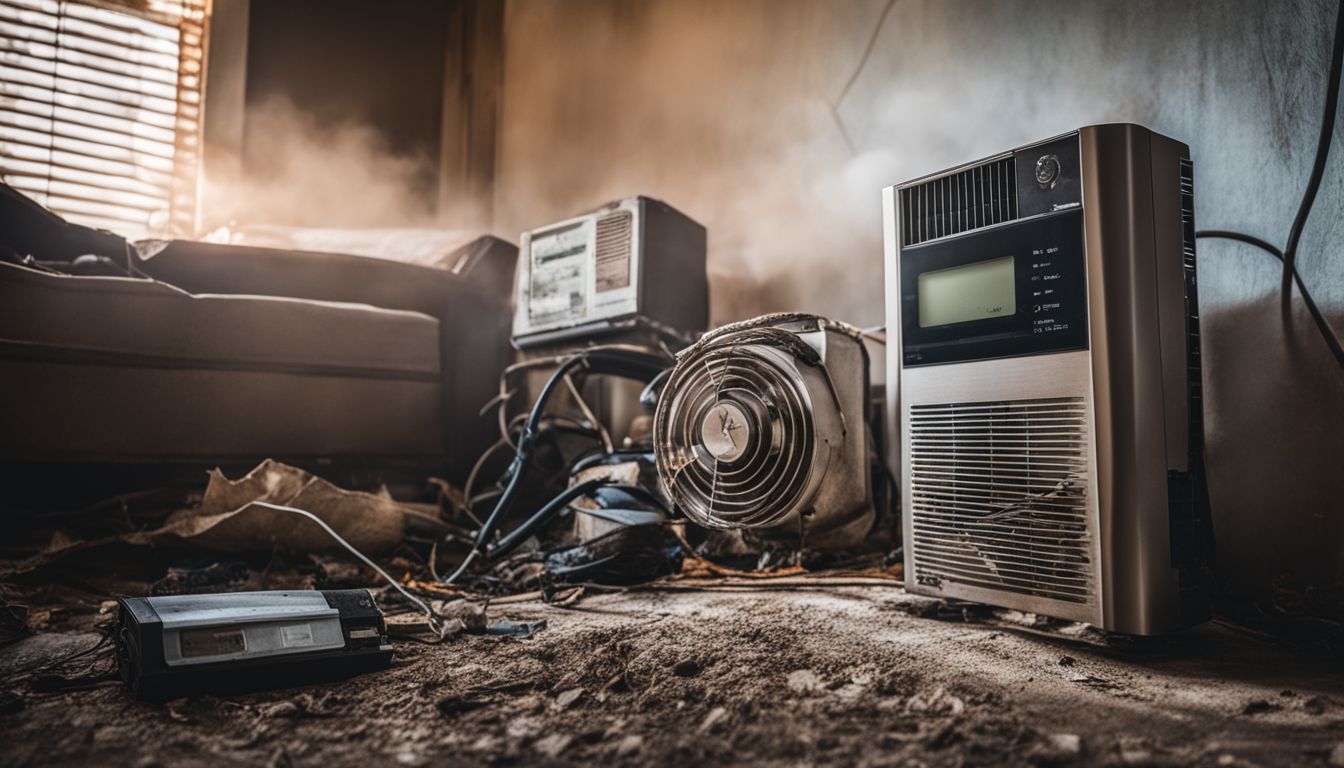
If your air conditioner isn’t cooling or heating, it might be due to a faulty thermostat. Dust and debris can build up inside the device over time, causing it to perform poorly. A common issue is calibration problems that prevent the thermostat from accurately reading temperatures.
Sometimes, electrical issues or depleted batteries are to blame; these power problems stop the thermostat from controlling the air conditioning units effectively.
Make sure you check the age of your thermostat too. Even well-maintained thermostats have a limited lifespan—usually between 10 to 20 years. If yours is old, it may simply need replacing.
Next, let’s explore how inconsistent room temperatures can also signal HVAC system troubles.
Inconsistent Temperatures in HVAC System
Rooms may feel too warm or too cold when your HVAC system shows inconsistent temperatures. This issue suggests the thermostat is not properly regulating your home’s climate. Dust, age, and worn wiring can all lead to a thermostat losing its accuracy.
Sometimes, the problem lies with the heating or cooling units themselves; a faulty furnace or air conditioner can cause uneven temps.
A quick check of the system might reveal if dirt is blocking airflow through ducts or around condenser coils. Regular cleaning helps prevent such problems. If issues persist, consult a professional.
They can examine components like evaporator coils and expansion valves to ensure they’re functioning correctly.
Next up: Understanding how important thermistors are in keeping aircon systems effective.
Conclusion
Aircon thermostats are key to comfortable homes and offices. They keep our spaces cool or warm by smartly controlling the temperature. Knowing how they work helps us fix small problems ourselves.
Smart use and care of thermostats mean they last longer, saving money and energy. So, learning about your aircon’s thermostat is both practical and useful!
For a deeper understanding of how thermistors enhance the performance of air conditioning systems, kindly visit our detailed guide on the purpose and function of thermistors in aircon units.
FAQs
1. What does an aircon thermostat do?
An aircon thermostat controls the temperature in your home by starting or stopping the cooling cycle of your air conditioner to keep you comfy.
2. How does a thermostatic expansion valve work in an A/C system?
The thermostatic expansion valve, often called a TXV, manages how much refrigerant flows into the evaporator; it’s key for efficient cooling and dehumidifying.
3. Can a mini-split air conditioner also cool and dehumidify my room?
Absolutely! A mini-split air conditioner can cool down your space and take away that sticky feeling by removing moisture from the air.
4. Why is there low pressure in some parts of my fridge or freezer?
Low pressure occurs after refrigerants evaporate; this process pulls heat out, making things inside stay cold like fresh food in freezers or fridges.
5. Do smart thermostats help save energy for heating and cooling systems?
Yes! Smart thermostats learn your habits and adjust heating or cooling automatically, which saves on energy bills by using less power when you don’t need it.
6. Why is it important for my car’s A/C to have proper ventilation?
Good ventilation ensures that chilled air circulates correctly throughout your automobile, keeping every ride pleasant no matter how hot it gets outside.