

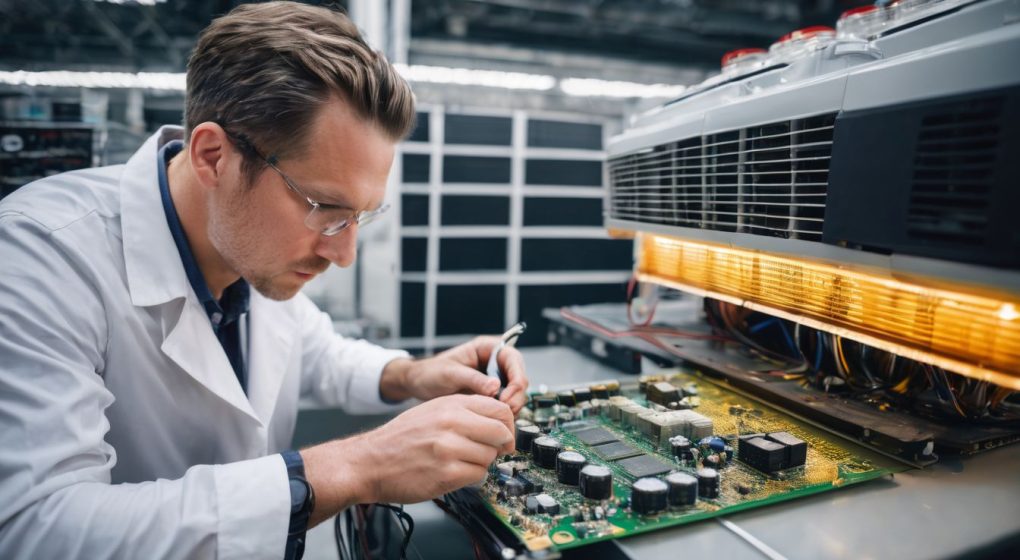
Let’s talk about aircon printed circuits, or PCBs for short. A PCB in an air conditioner changes AC voltage to DC voltage. This helps the air conditioner use less energy and work better.
It has parts like the input, rectifier, and output that all do important jobs. Once a PCB is put into an air conditioner, we call it a PCBA because it can do more things.
Having a PCB in your AC unit is great because it’s not too expensive, easy to fix, you can find one easily, it lasts long without getting bad and fits lots of tiny parts in small spaces without making much noise.
Think of the circuit board as the brain of the air conditioner – turning motors on or off depending on how warm or cool it is inside.
Sometimes these brains stop working right though. That’s when technicians come in with their tools to figure out what went wrong by looking at clues like burn marks or checking if everything else works fine.
They’re pretty good at finding problems quickly so your air conditioning can get back up and running smoothly again! Now let’s get ready to learn all about fixing them ourselves!
Understanding PCB in Air Conditioners
Delving into the electronic heartbeat of air conditioning systems, we unpick the intricacies of PCBs – a critical underpinning that orchestrates every whisper of cool air and each degree of warmth.
This section unveils how these boards are not merely an assortment of circuits but are indeed pivotal in achieving precise climate control within our spaces.
Definition of PCB in AC
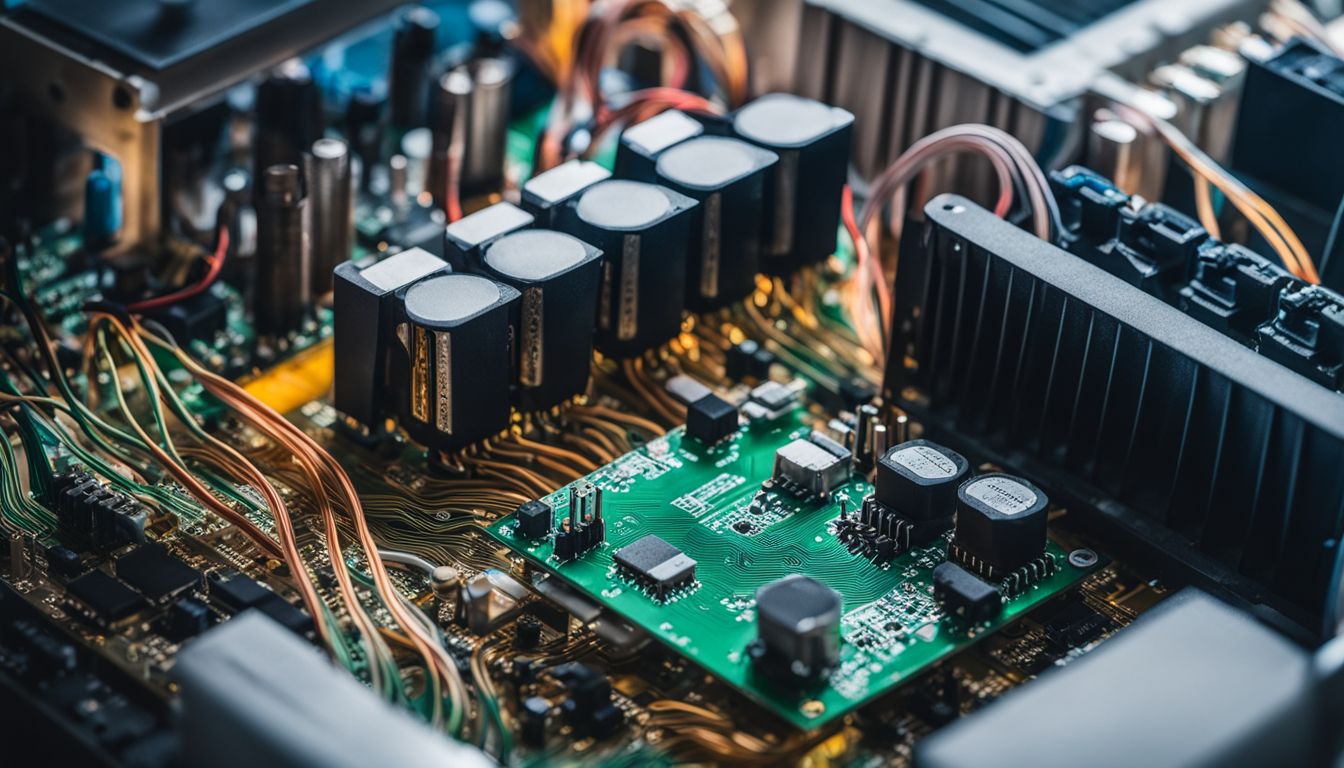
A PCB in an air conditioner serves as the control center. It manages the electrical components and ensures they work together smoothly. This board converts AC voltage to DC, helping reduce energy consumption.
The PCB has three key sections: input, where it takes power; rectifier, that changes AC to pulsating DC; and output, which sends the power where needed.
These boards are vital for temperature control and efficient operation of air conditioning units. They switch compressors on or off according to the thermostat’s readings. By managing functions like dehumidifying and maintaining desired temperatures, they keep homes comfortable.
Distinguishing PCB from PCBA
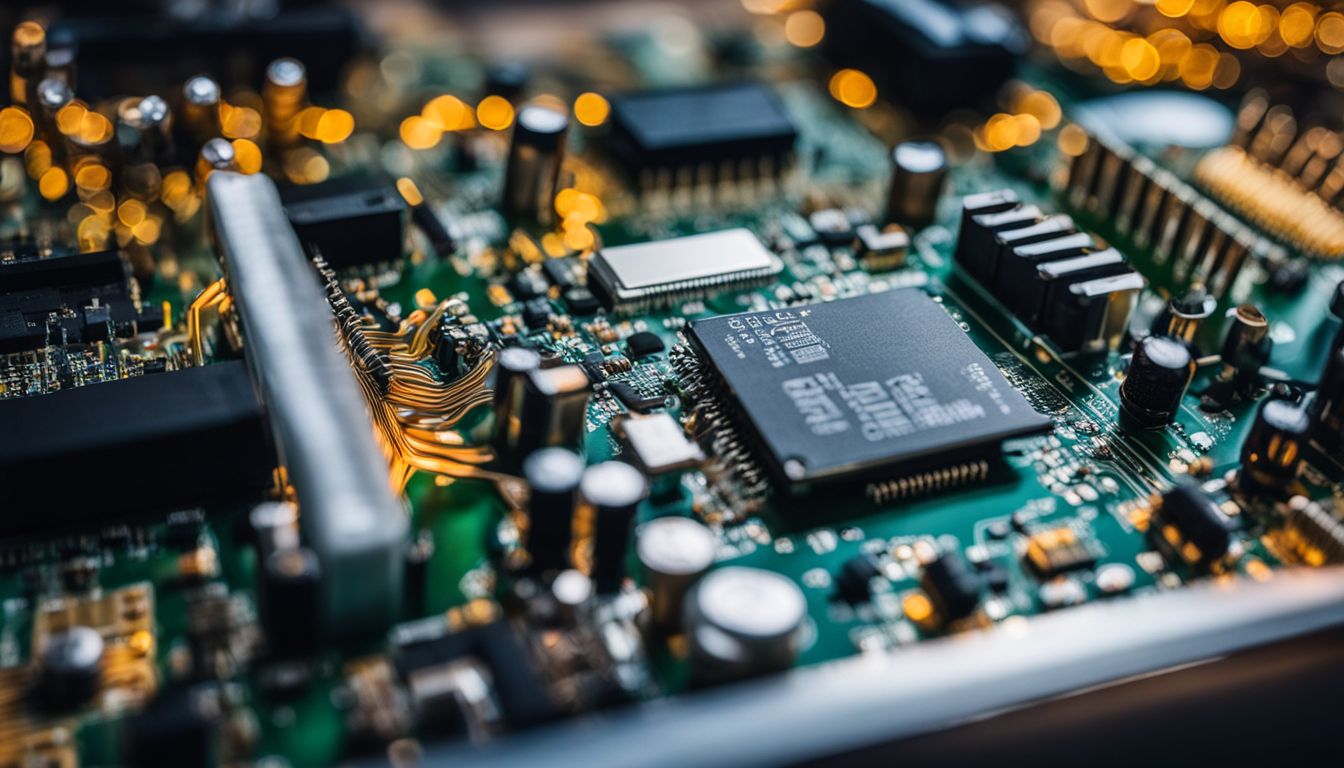
Now that we’ve defined PCB in the context of air conditioners, let’s explore how it differs from PCBA. A Printed Circuit Board (PCB) is just the board itself without any attached electronic components.
It’s a flat, thin piece of plastic with lines and pads that connect different points together. On its own, it can’t do much until it turns into a PCBA.
Printed Circuit Board Assembly (PCBA) is when all the necessary components like chips, resistors, and capacitors are soldered onto the PCB. This assembly transforms a plain circuit board into a fully functioning electronic device ready to control your air conditioner efficiently.
Each component on a PCBA plays a crucial role in managing various AC functions, from regulating temperature to controlling humidity levels.
Importance of PCB in Air Conditioning Units
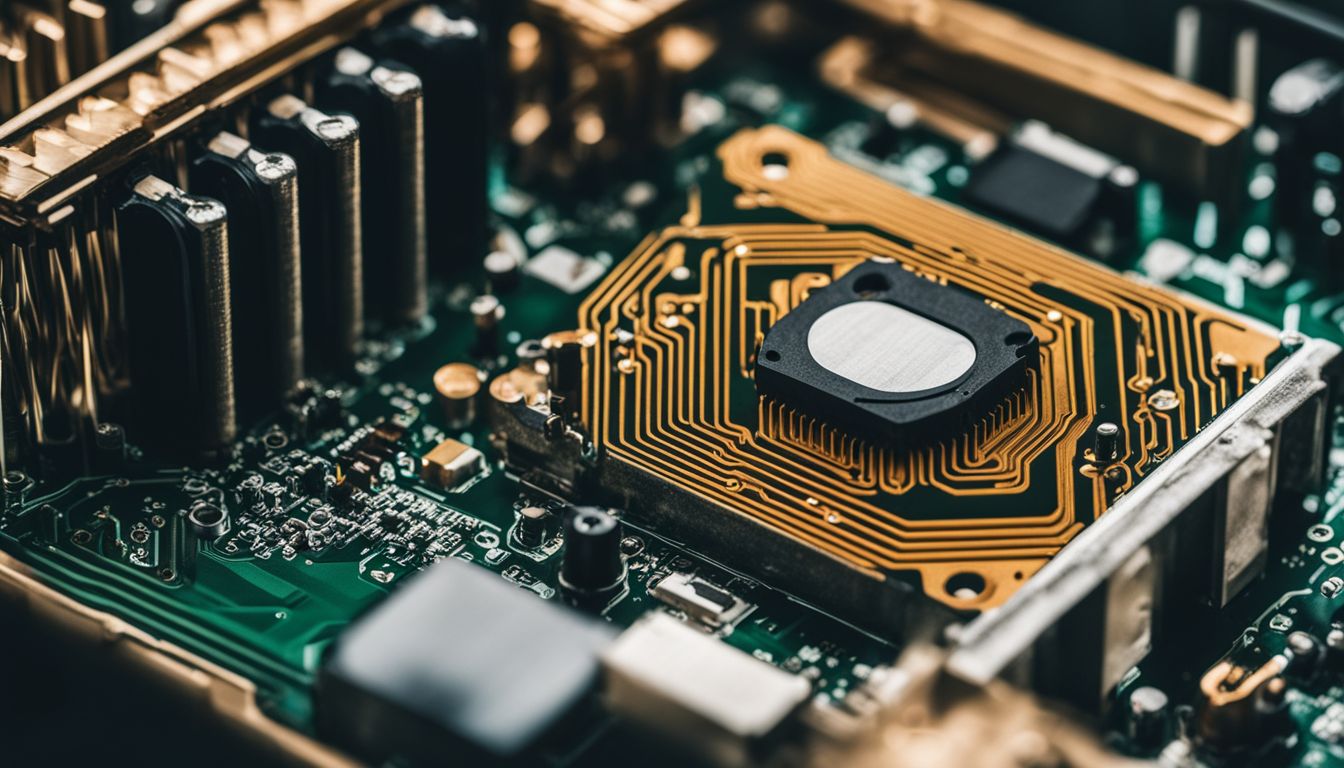
The heart of an air conditioning unit’s functionality lies in its printed circuit board (PCB), a crucial component that orchestrates the complex symphony of cooling operations. PCBs ensure seamless interaction between various elements like the compressor, expansion valve, and fans, thereby enhancing efficiency and reliability within modern AC systems.
Role of PCB in AC functioning
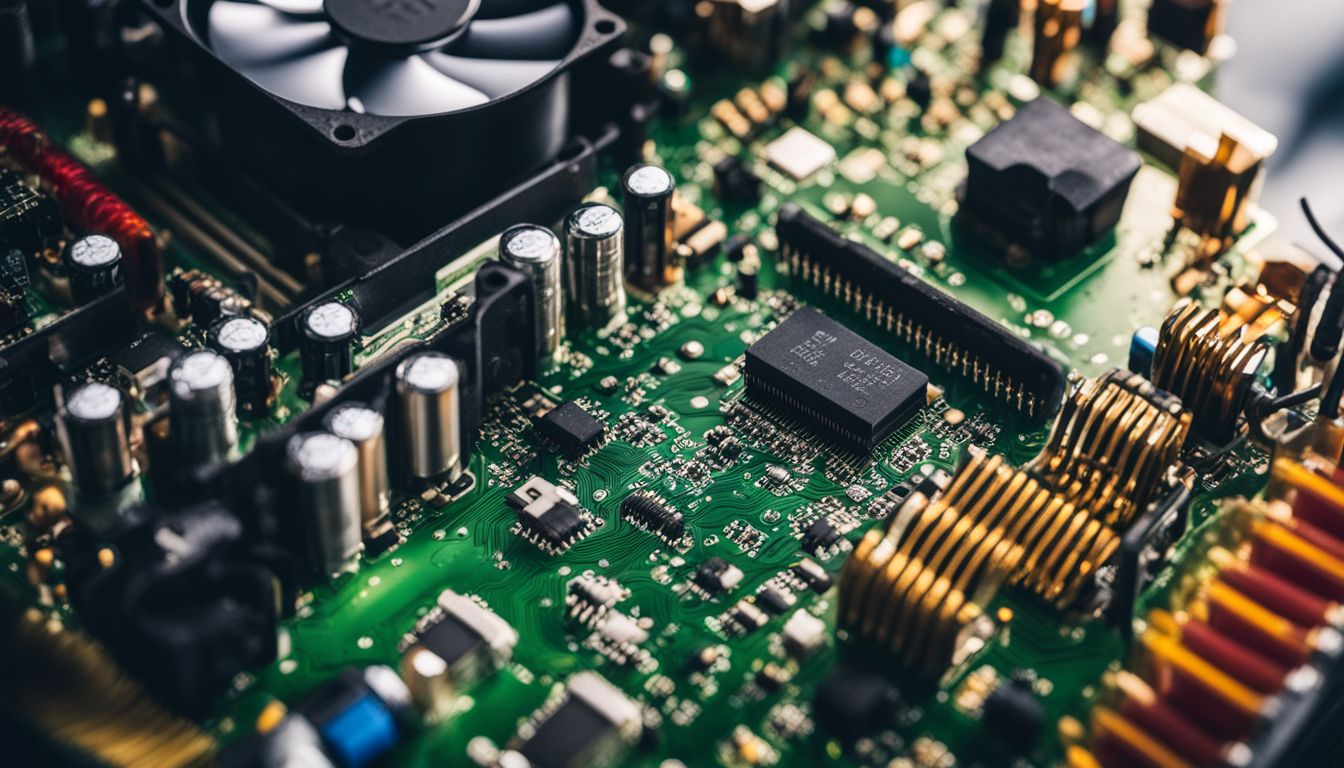
PCBs control how air conditioners work. They manage the conversion from AC voltage to DC, making systems use less energy. These circuit boards handle tasks like regulating the temperature and ensuring the fan operates correctly.
They make sure all parts of an AC, such as the compressor, evaporator coils, and condenser coil, work together smoothly.
Having PCBs in air conditioners also means they can connect to digital tools for better performance monitoring. Sensors on these boards keep track of how well different components are doing and can adjust operations instantly for peak efficiency.
This helps maintain a steady cooling effect while keeping power use low.
Advantages of using PCB in AC
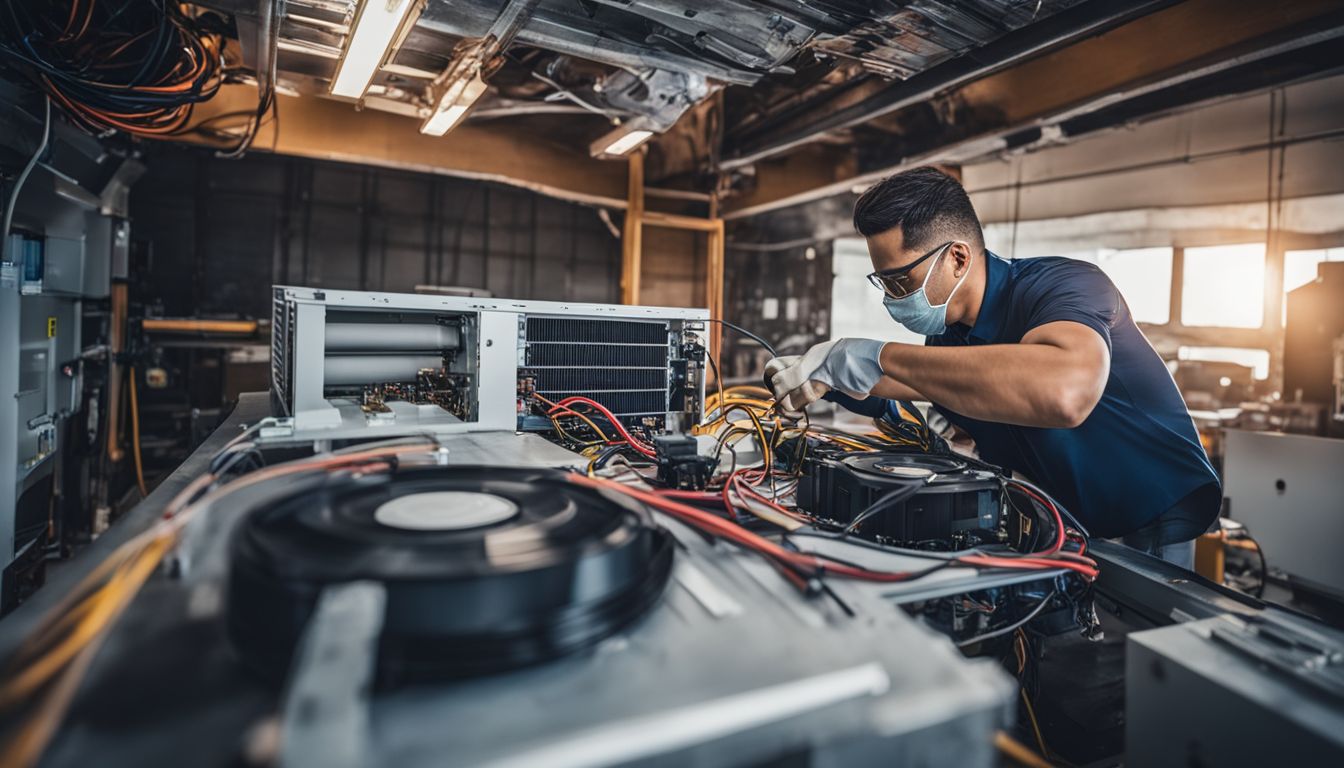
Printed circuit boards in air conditioners are great for saving power. They change AC voltage to DC, cutting down on energy lost when the voltage changes. This means your aircon uses less electricity and that’s good for your bills.
Having PCBs in AC units also lets manufacturers make smaller and more reliable devices. These components fit onto the boards perfectly, which makes them easy to fix if needed. Plus, they have a long life on the shelf and don’t make much electronic noise while working hard to keep you cool.
Causes of PCB Failure in Air Conditioners
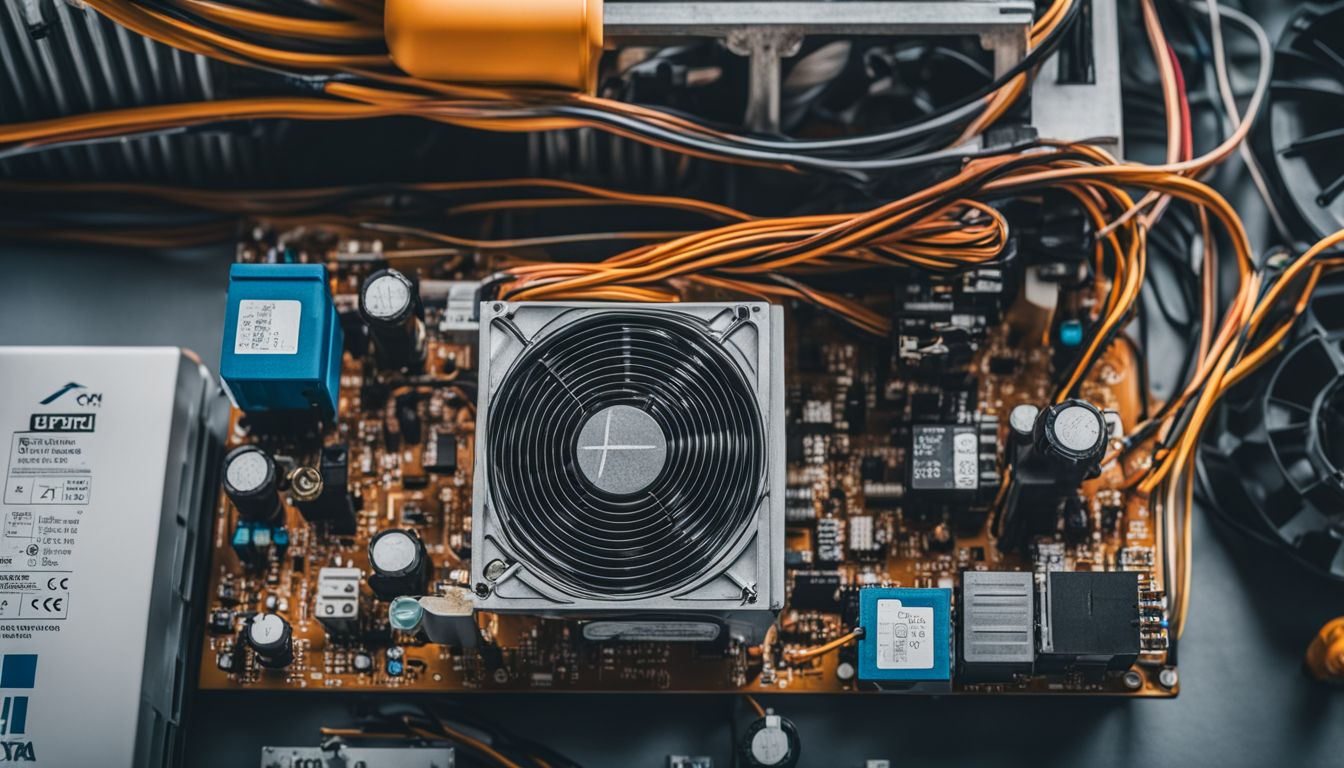
PCB failure in air conditioners leads to malfunctioning of the unit. Several factors contribute to these failures.
- Overheating: Aircon PCBs might overheat if cooling fans fail or dust blocks air flow.
- Moisture: Humidity or water can cause short circuits or corrode PCB components.
- Power surges: Sudden power spikes harm the delicate circuits on the PCB.
- Age: Older PCBs wear out over time, leading to decreased performance and eventual breakdown.
- Poor quality: Not all PCBs are made well; some may have weak soldering or substandard parts.
- Physical damage: Rough handling during maintenance can crack or break the board.
- Electrical noise: High-frequency disturbances from other devices interfere with PCB operation.
- Incorrect installation: If a PCB isn’t fitted right, it can lead to chronic issues and early failure.
- Chemical exposure: Certain chemicals can eat away at the board’s material causing it to deteriorate.
Overview of Air Conditioner Circuit Board Troubleshooting
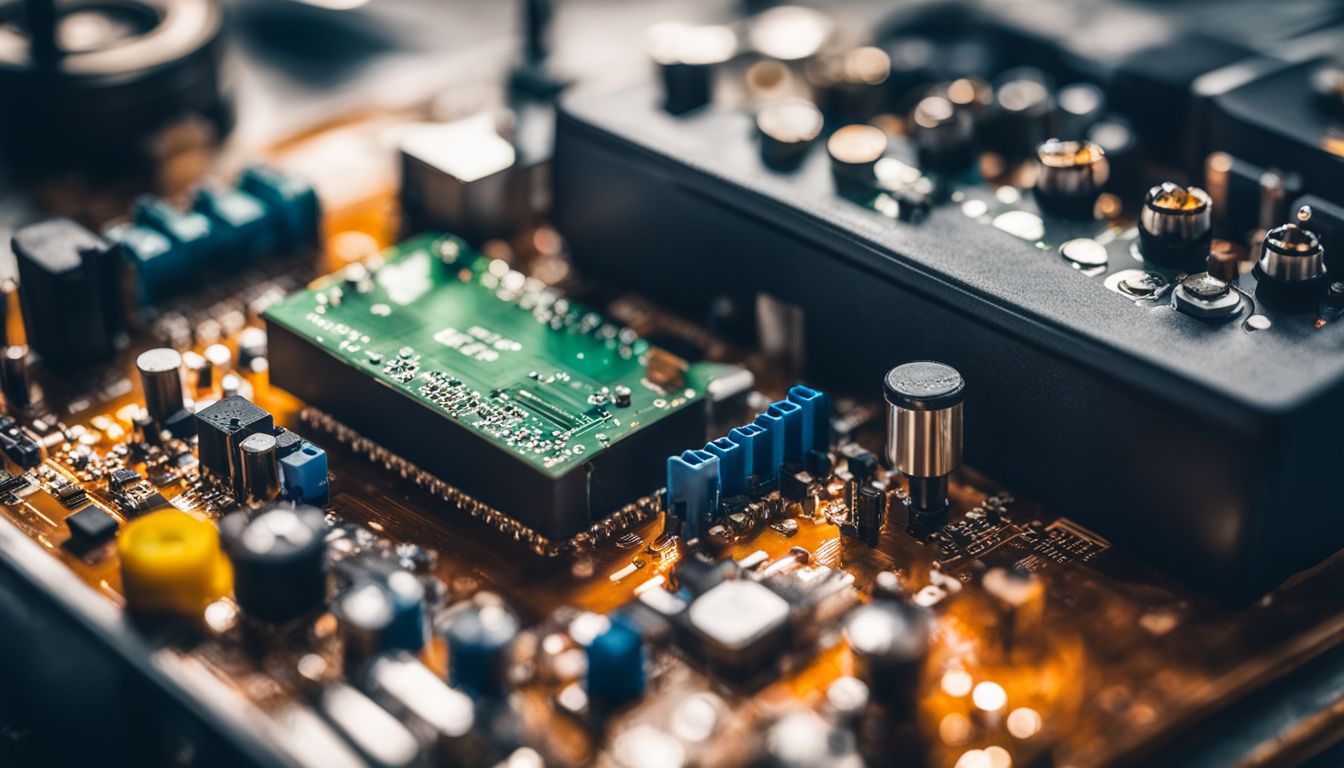
Delving into the intricacies of air conditioner circuit board troubleshooting offers a clear pathway to diagnose and address common electronic issues. It is essential for maintaining optimal function and extending the lifespan of your AC unit, ensuring it operates at peak efficiency when you need it most.
Guiding principles for troubleshooting
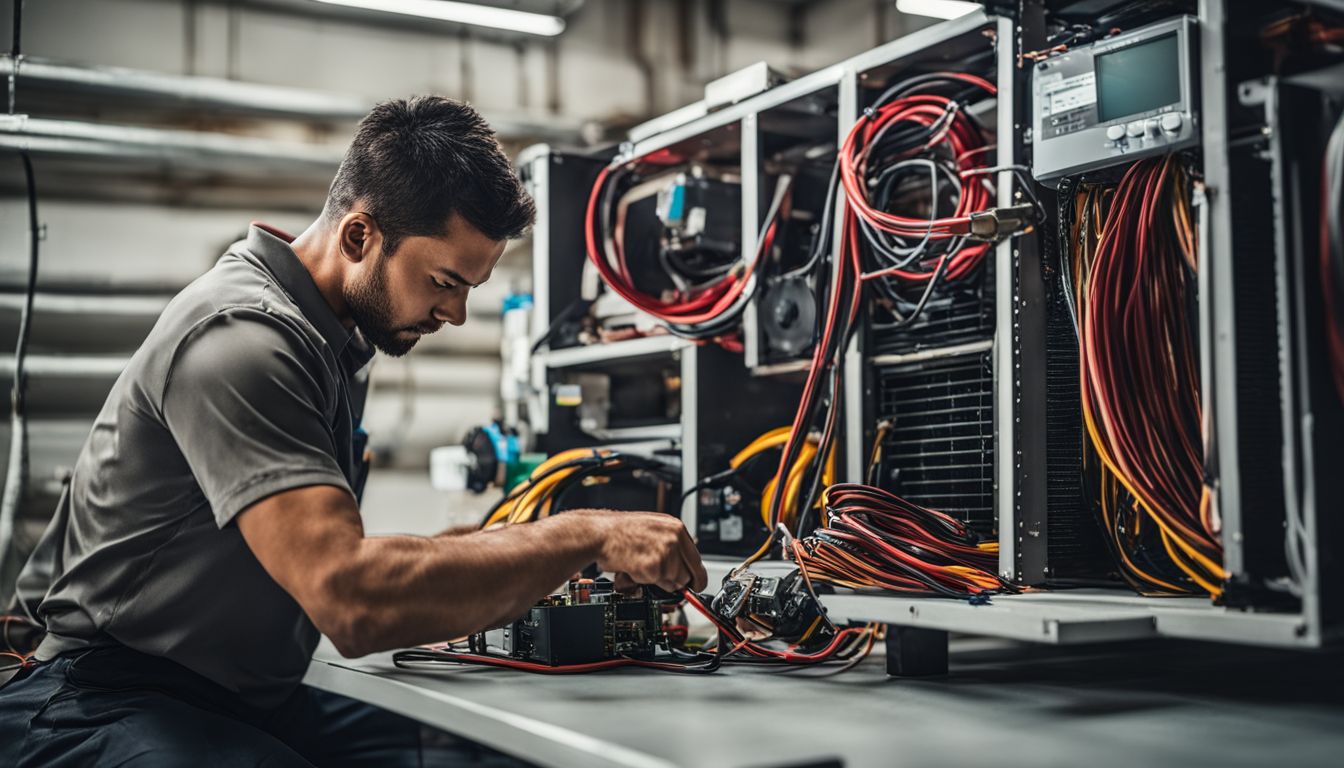
To troubleshoot an air conditioner’s printed circuit board (PCB), use a process of elimination. Start by checking the whole system for issues. Make sure the power supply unit is sending the correct voltage to the PCB.
Look at safety circuits to find any problems there. Check for burn marks on the back of the board, as these can indicate damage.
Use a multimeter to test components like capacitors and relays. Capacitors should have proper capacitance levels; if not, they may need replacing. If relays aren’t working correctly, they could stop signals from passing through correctly in ACs and other systems like gas furnaces or split air conditioners.
Keep your work area organised, and handle each part carefully during inspection and repair tasks.
Common issues and solutions
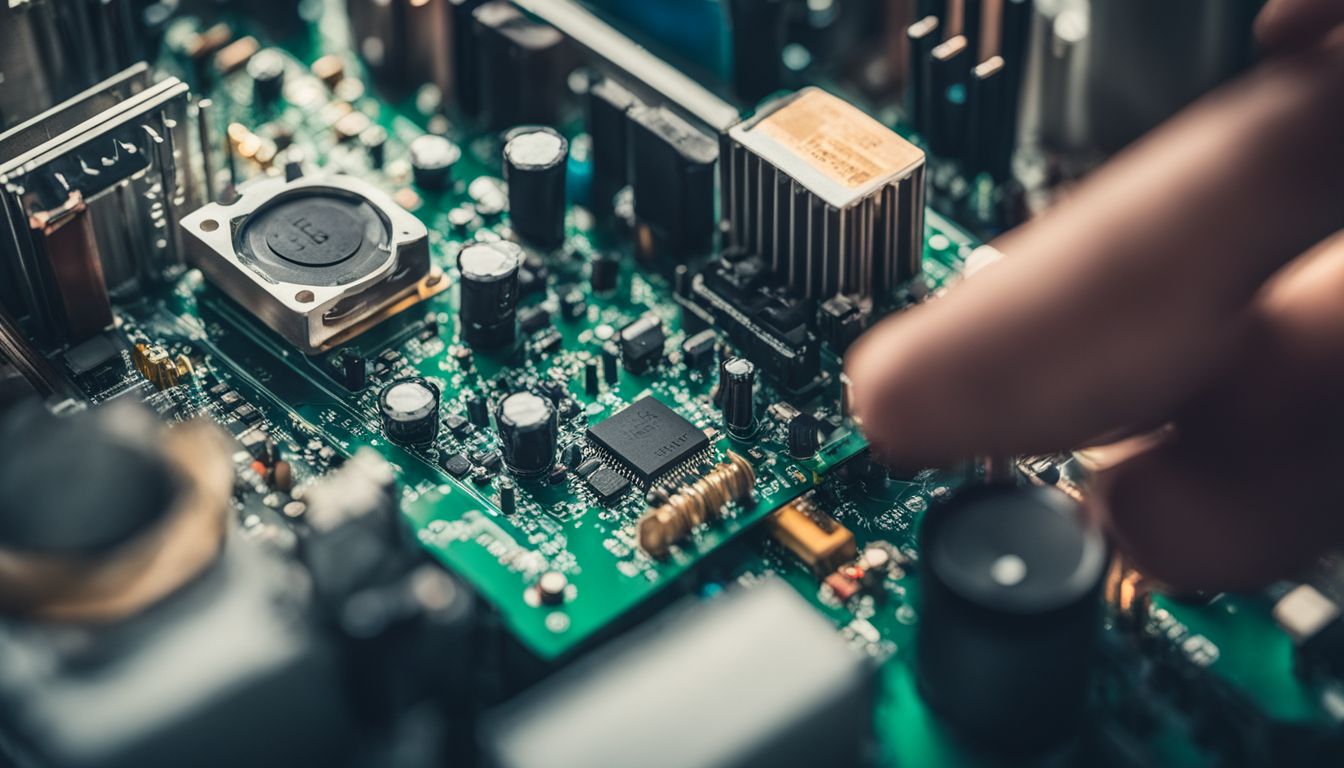
Air conditioner circuit board problems can be tricky. Here’s a list of typical issues with PCBs in air conditioners and how to fix them.
- AC Not Turning On: Check the power cord and wall outlet for secure connection. A loose plug may prevent the unit from receiving power.
- No Cold Air: Inspect the fan capacitor; it might need replacing if the fan isn’t working correctly.
- Strange Noises: Look at the copper tubing for signs of damage or blockage, which can cause rattling or buzzing sounds.
- Unit Frequently Turns Off: This could be due to overheating; ensure there’s enough clearance around the condenser unit and clean filters.
- Remote Control Malfunctions: Replace the battery in your remote as it may have run out, hindering communication with your AC.
- Error Codes On Display: Refer to your AC’s manual and follow instructions for specific error codes, which often point towards PCB issues.
- Overheating System: Ensure proper airflow by checking that nothing blocks vents and that dual run capacitors function properly.
- Weak Airflow: Clear any blockages in vents or ducts and replace filters if necessary to maintain strong air circulation.
- Power Surges or Outages Issues: Install surge protectors to safeguard the PCB against sudden spikes in electricity supply.
Insight into Aircon Printed Circuit 101 Troubleshooting
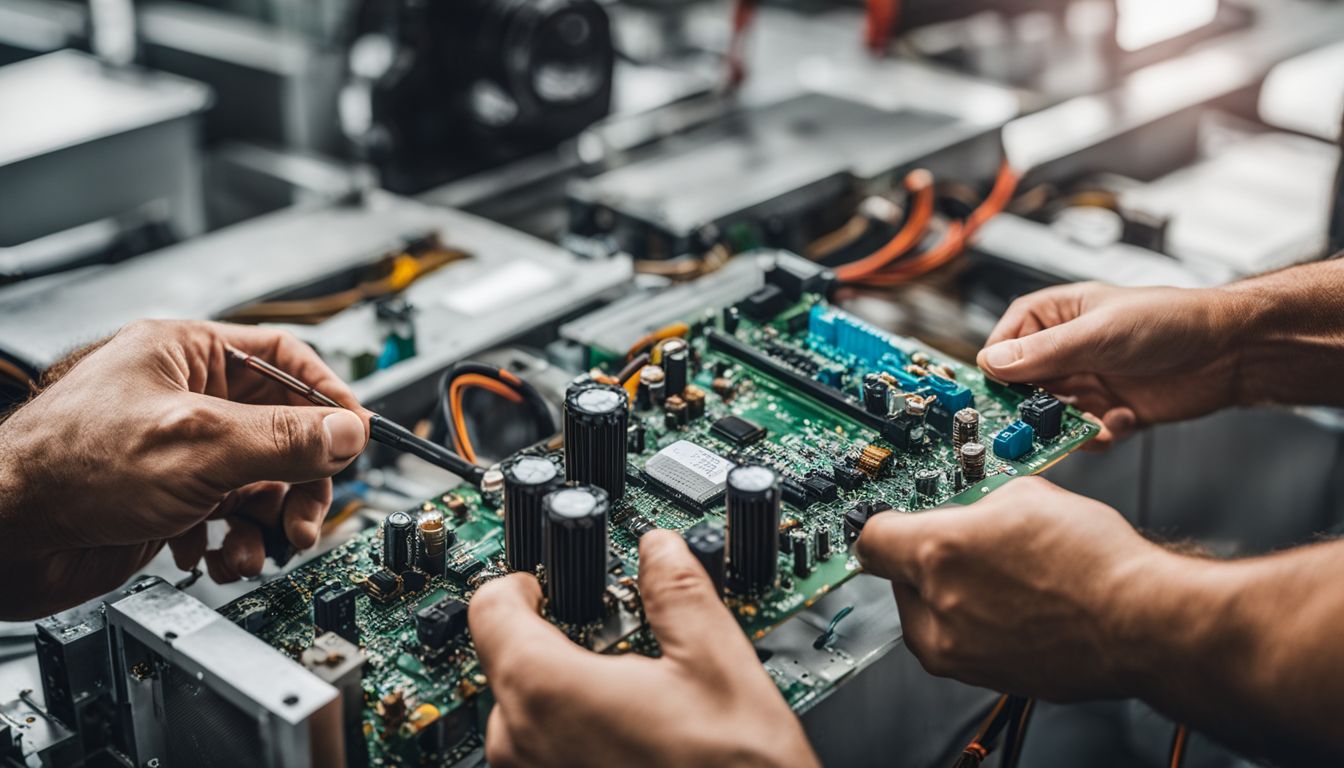
Checking the entire system for malfunctions is the first step in PCB troubleshooting. This means looking at plugs, wires, and components for signs of damage. Technicians must ensure that hermetically sealed parts are intact.
They also test both the start capacitor and running capacitor to see if they’re working right.
Inspecting the back of the circuit board can reveal burn marks or other damage. A rework station helps fix problems on printed circuit boards by allowing precise work on small areas.
If DC voltage levels are wrong, technicians adjust them to prevent further issues with transmission of heat or power outages affecting semiconductor material inside AC units.
Conclusion
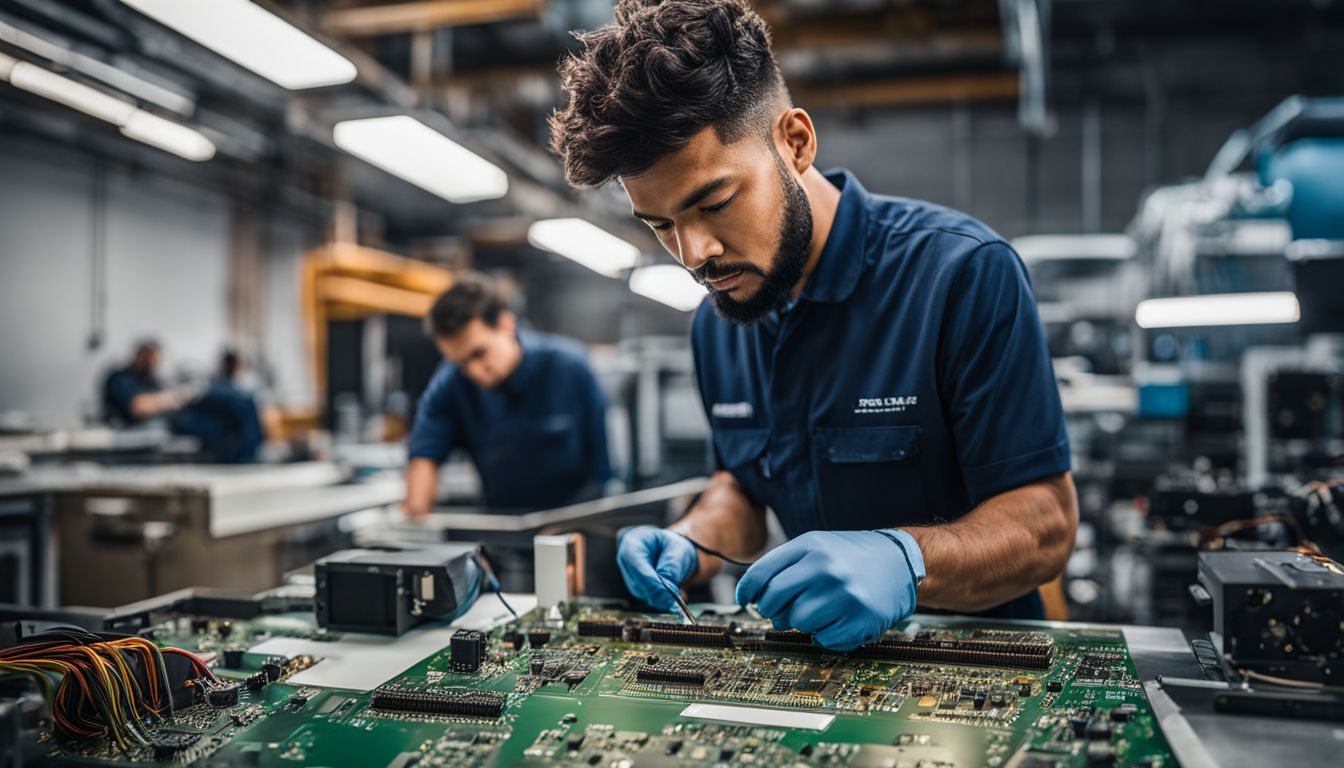
In the world of air conditioning, printed circuit boards are vital for smooth operation. They control your AC unit’s functions and bring efficiency to cooling systems. When PCBs fail, knowing how to troubleshoot can save you time and money.
Keep this knowledge in hand for a cooler, more comfortable home. Always seek professional help if you’re unsure about tackling electrical components.
FAQs
1. What are printed circuit boards in air conditioners?
Printed circuit boards, or PCBs, control how your aircon operates by managing the processor that directs its functions.
2. Does my aircon’s PCB affect how it cools the room?
Yes, a functioning PCB ensures your air conditioner condenses warm air effectively and maintains a cool temperature.
3. Will I need to replace my printed circuit board if it stops working?
If your PCB is damaged or not working, replacing it can help restore your receiver and the overall function of your aircon unit.
4. Can third-party cookies affect my printed circuit board’s performance?
No, third-party cookies track online activity and don’t influence the hardware like an air conditioner’s printed circuit board.