

Air conditioners have become a big part of our lives. They help us stay cool when it’s hot outside. But these machines use a lot of power, and some are not good for the planet. Smart air conditioners are different because they can think and learn to keep us comfortable using less energy.
People say that in about 25 years, the whole world will need half more cooling than now! That’s why inventors like Transaera are making new types of air conditioners like “IceBrick” that won’t hurt the earth as much.
Governments around the world want people to choose these smarter air conditioners by offering money back or lower taxes on them. This is because smart air conditioners don’t rely so much on electricity from fuels that make pollution.
These smart systems get better at cooling by learning from things happening right now and what we tell them we like. Some even do both warming and cooling to cut down on harmful gases going into the sky while also saving us money.
Green places in cities and better home building can mean we might not need so much artificial cooling one day. Companies starting up with fresh ideas get support from big investors who want to fix this “Cold Crunch.” This problem comes from needing more cold air without harming our environment.
Cooling technology is changing fast with many benefits to explore further ahead.
Current State of Air-Conditioning Technology
Air conditioners play a huge role in today’s world. They keep us cool during heat waves and improve air quality inside our homes. Right now, most air conditioners use a lot of energy and can harm the environment.
They need electricity to run, which mainly comes from burning fossil fuels like coal or gas.
Modern ACs are better than old ones at saving energy. Companies are making new types that help reduce greenhouse gases. These systems also cool and dehumidify more efficiently than before.
However, there is still a big challenge: the demand for cooling is rising fast around the globe because of climate change and growing populations.
Energy-efficient models with labels like ENERGY STAR are becoming more popular too. These save money on power bills and cut down on CO2 emissions at the same time. Heat pumps have become an important technology as well; they can both heat and cool spaces using less energy compared to traditional HVAC equipment.
The latest designs include features that respond to user preferences automatically. This means your AC can adjust itself based on how you live day-to-day without you having to do anything! Some even connect with smart home devices so you can control them from anywhere using your phone or tablet.
Despite these advances, we still face challenges in making air conditioning sustainable worldwide—a task that requires innovation, commitment, and investment into greener solutions for a cooler future.
Anticipated Innovations and Trends in Air Conditioning
The landscape of air conditioning is poised for transformation, with cutting-edge technologies promising to redefine efficiency and integration. Innovations are brewing that stand to significantly reduce the sector’s environmental impact while enhancing user experience through intelligent systems.
Energy Efficiency

New air conditioners focus on slashing energy use. They aim to cut down the electricity that traditional cooling systems guzzle. Modern units tap into smart design, reducing reliance on power from fossil fuels.
This change helps in curbing greenhouse gas emissions.
Start-ups are at the forefront of this shift towards green cooling technologies. Companies like Transaera and Blue Frontier develop A/Cs that need less energy to run well. They incorporate materials that store coolness more effectively.
These innovations align with global efforts to reduce energy consumption and fight climate warming.
Governments across the world encourage these advancements through tax incentives for energy-saving devices. As attention turns to sustainable technology, such policies support the transition towards cleaner energy systems in heating and cooling.
The International Energy Agency highlights a rising trend: global demand for air conditioning will shoot up by 50% within twenty-five years. So it’s crucial we make A/Cs more efficient now.
By saving power today, we help keep our planet cooler tomorrow.
Dual Heating and Cooling
Making the leap from traditional HVAC systems, dual heating and cooling technology is setting a benchmark for versatility. This innovation cuts down on both energy consumption and installation expenses.
Homes and offices can now enjoy warmth in the winter and coolness in summer with one integrated system. These combined units are designed to be more compact and efficient than having separate heaters and air conditioners.
Smart air conditioning units with dual functions rely less on outside power sources, making them kinder to the environment. They adapt to changing weather conditions by automatically switching between heating and cooling modes.
This adjustment ensures optimal indoor comfort while contributing to lower carbon footprints worldwide. As these technologies evolve, they help tackle global warming by using less electricity from burning fossil fuels.
Smart Air Conditioning Systems
Smart air conditioning systems are transforming how we cool our homes and offices. These advanced devices connect to the internet, allowing users to control settings from anywhere with a smartphone or tablet.
They learn our habits over time and adjust accordingly for maximum comfort and energy savings. Some can even interact with other smart home devices, creating an integrated cooling experience.
Pioneers like Transaera are developing cutting-edge technology that makes these systems even more efficient. Their designs use less energy than traditional models, helping reduce electricity demand on power grids.
With features like remote access, smart thermostats, and automation, smart air conditioners represent the future of climate-friendly cooling technologies in urban planning and infrastructure.
The Benefits of Smart Air Conditioners
Smart air conditioners herald a new era in climate control, offering unprecedented energy efficiency and user-centric features that promise to transform our experience of comfort.
Easy Control
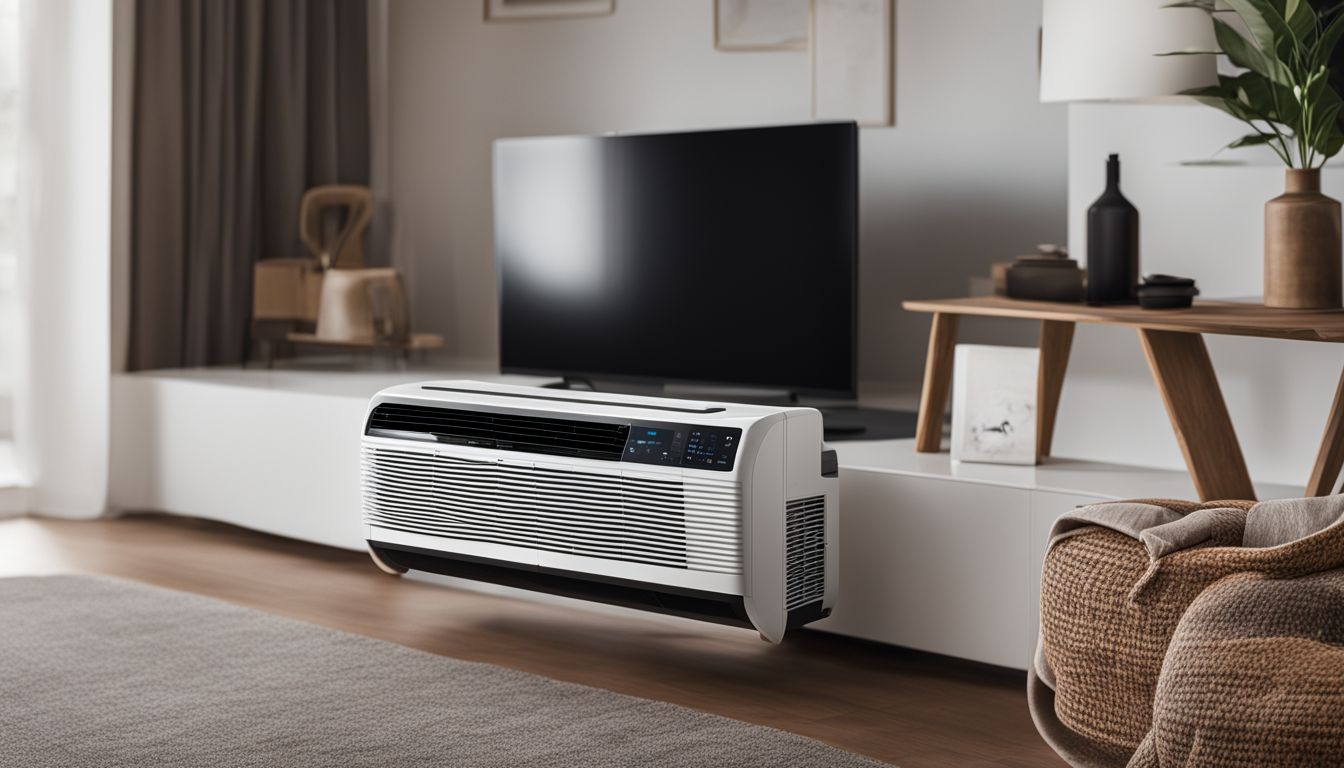
Smart air conditioners change the way we cool our homes. With a simple tap on your smartphone or a voice command, you can adjust settings from anywhere. No more fiddling with clunky dials or confusing buttons.
These systems learn your habits and preferences to create the perfect temperature without extra effort.
They connect to the internet of things (IoT), allowing seamless integration with other smart home devices. This means your cooling system works in harmony with lights and security setups for an efficient household ecosystem.
If you leave the house, sensors can tell the air conditioner to switch off, saving power and money on electricity bills. It’s all about making life easier while being kinder to the environment.
Improved Comfort

Smart air conditioners do more than just cool your room; they offer a personalised environment. They adjust the temperature to fit your preferences throughout the day. You can set them to warm up or cool down as you like.
This creates a steady and comfortable climate in your home.
These systems also control humidity levels, making sure the air isn’t too dry or damp. Say goodbye to sticky summer days or dry winter air inside your house! The right moisture level can make a big difference in how comfortable you feel.
The next benefit of smart ACs is their ability to integrate with other smart home systems.
Smart Integrations
Beyond ensuring personal comfort, smart air conditioners offer seamless integration with home automation systems. They can talk to other smart devices in your house. For example, they connect to virtual assistants like Amazon Alexa or Google Home.
This means you can control your AC using voice commands. Some even pair with smart thermostats for better temperature management.
They also work well with apps on your phone or tablet. You could be at the supermarket and turn on your AC before you get home. Energy savings improve too because these systems learn from your habits.
The more you use them, the more they understand when to cool down or warm up rooms. Smart integrations make cooling technology an active part of managing energy demand and contributing to clean energy transitions.
Advanced Monitoring and Maintenance
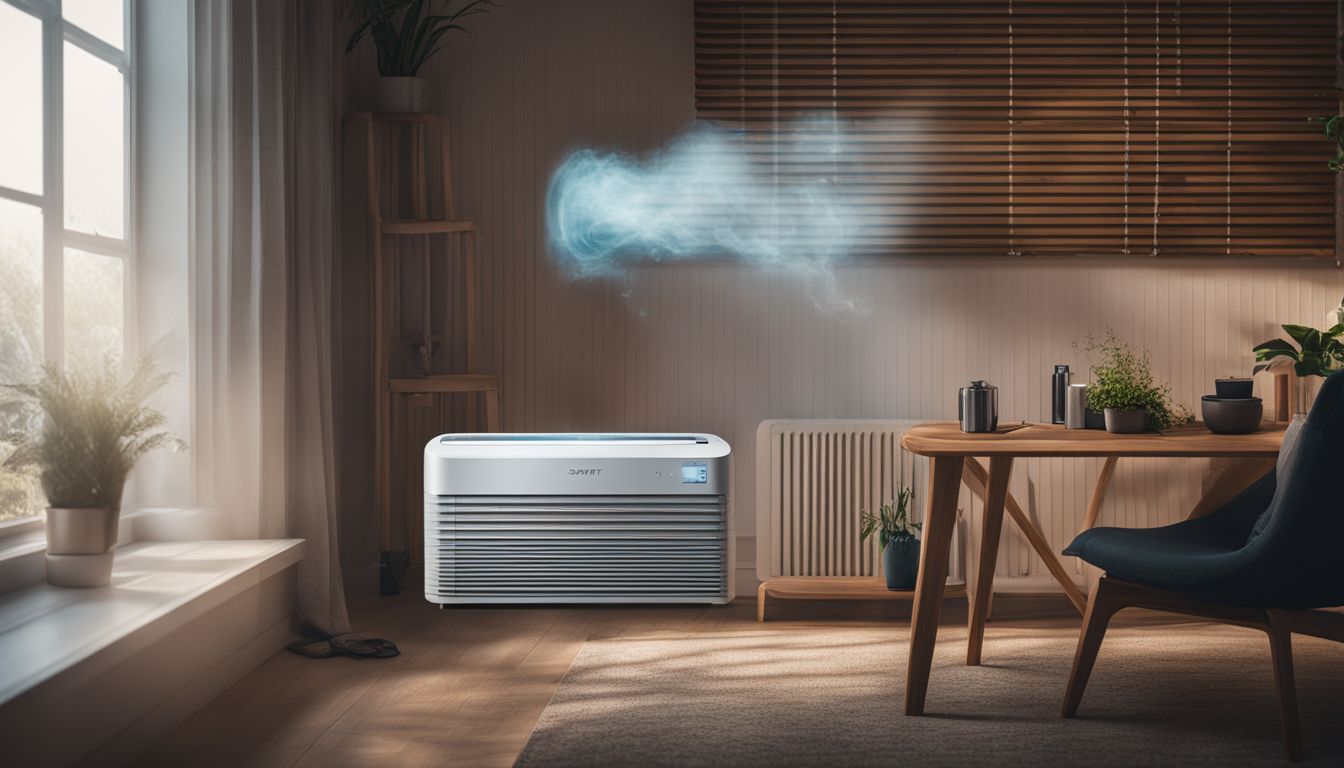
Smart air conditioners not only integrate seamlessly with home systems but also bring the future of maintenance into today’s homes. These advanced units can self-diagnose issues, alerting you before problems get serious.
They monitor their own performance continuously. This means they can tell you when filters need changing or if there’s a drop in efficiency which could raise your bills.
This kind of proactive maintenance ensures that the AC unit runs at its best for longer periods. For instance, it uses data to predict when parts might wear out and schedules services at just the right time.
Smart technologies also allow for remote troubleshooting by technicians, often resolving simple issues without anyone having to come to your house. This saves money and prevents bigger repairs down the line, making smart air conditioners an investment in both comfort and cost-efficiency.
Guide to Navigating Smart Air Conditioner Purchases
- Check Energy Efficiency: Look for models with high energy efficiency ratings. The more stars, the less electricity they use. This means lower power bills and less impact on the environment.
- Consider Dual Functionality: Some air conditioners offer both cooling and heating. These units can save you space and money over time.
- Ensure Easy Control: Pick air conditioners that are simple to operate. Many now come with remote controls or smartphone apps.
- Look for Smart Features: Choose models that can integrate with your home’s WiFi. They should also work well with other smart home devices.
- Understand Maintenance Needs: Find out how often the air conditioner needs servicing. Check if you can do it yourself or need a professional.
- Assess Size Requirements: Make sure to select the right size for your room. A unit too small won’t cool effectively, while a large one wastes energy.
- Read Reviews: See what others say about reliability and customer service. Reviews can provide valuable insight into real-world performance.
- Research Incentives: Investigate government incentives like tax credits from laws like the Inflation Reduction Act. You might save money on eco-friendly models.
The Role of Start-ups in Revolutionising the Air Conditioning Industry
Start-ups are at the forefront of transforming the air conditioning industry. They bring fresh ideas and bold innovations to tackle climate change concerns. These new companies focus on sustainable energy, aiming to reduce electricity consumption and reliance on fossil fuels.
Transaera is using desiccant materials to create more efficient systems that handle high humidity levels with less energy. Blue Frontier’s technology includes smart controls for better management of indoor climates.
Another pioneer, Nostromo Energy, has unveiled its “IceBrick” – a system designed to store cold energy using water during off-peak hours for use during peak times, thus easing the load on power plants and embracing renewable sources like solar power.
Investments from entities such as Breakthrough Energy Ventures highlight confidence in these start-ups’ potential impact on future cooling solutions.
The drive towards innovative technologies by smaller companies shows how vital entrepreneurship is in addressing today’s environmental challenges within the cooling sector. Their advances promise lower greenhouse gas emissions and smarter resource usage, setting a benchmark for others in an evolving marketplace driven by rising global temperatures and sustainability targets.
The Future of Air Conditioning

As global temperatures rise and the need for cooling becomes more pressing, the air conditioning industry stands on the brink of transformative change. The future promises advancements that will not only redefine comfort but also challenge traditional energy consumption patterns in a bid to harmonise with our evolving environmental consciousness.
Increased Global Demand
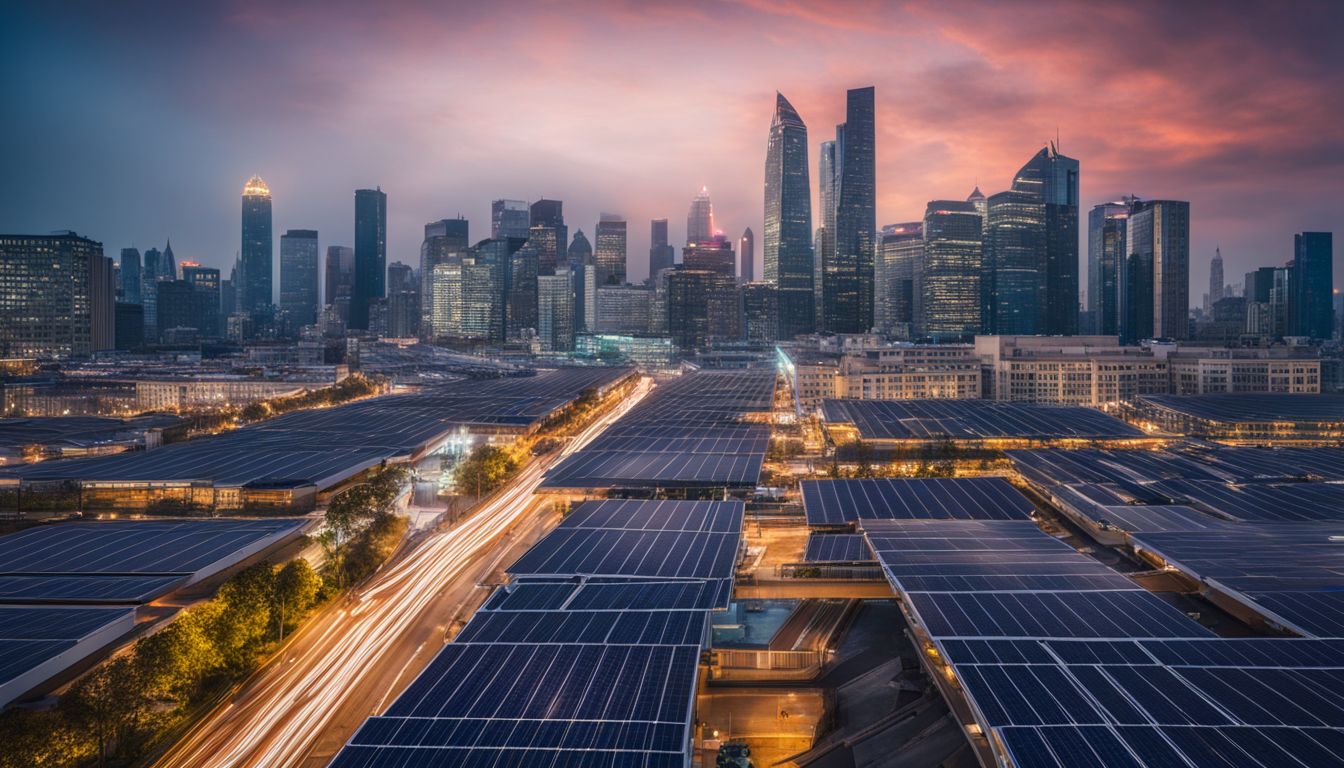
More people want air conditioning now than ever before. The International Energy Agency has forecasted that cooling demand will jump by half in the next twenty-five years. This growth is driven by rising temperatures and more people living in hot countries.
Cities are getting hotter, pushing up the need for artificial cooling.
This demand spike means we must find new ways to cool our homes without hurting the planet. Air conditioners use a lot of power, often from sources that also contribute to climate-warming.
To keep up with this growing need, we have to use renewable energy and make machines that work smarter, not harder.
The ‘Cold Crunch’ Phenomenon
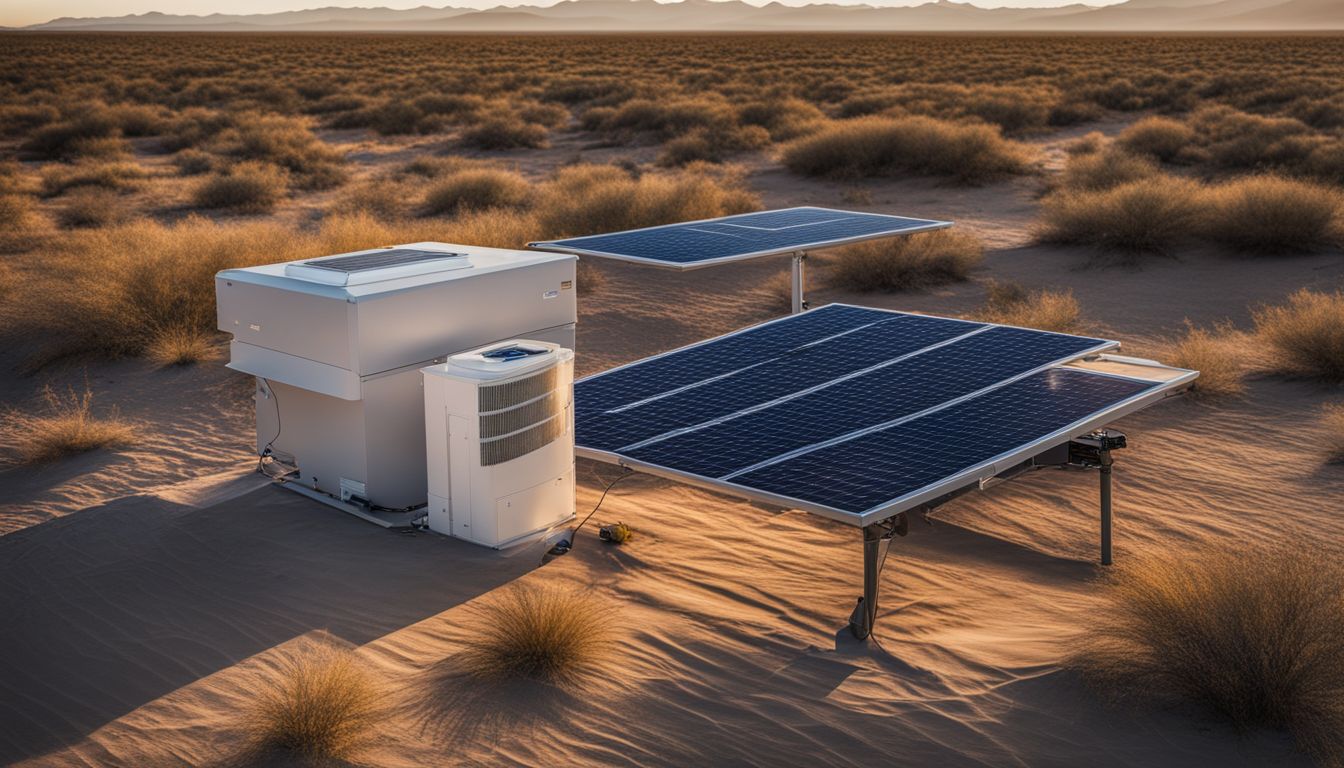
As the thirst for cooling grows worldwide, a critical challenge called the ‘Cold Crunch’ emerges. This trend means more pressure on already stressed electrical grids and greater emissions that harm our atmosphere.
Cooling systems like air conditioners demand lots of energy, especially during peak power times when it is very hot.
In response to this crunch, innovative solutions are taking shape. Swamp coolers use evaporative cooling methods which consume less power. Silica gel technology offers another path by providing dehumidification without traditional vapor compression systems that burn fossil fuels.
These emerging technologies aim to lessen the load on power generation facilities and rely more on renewable energy sources.
Conclusion
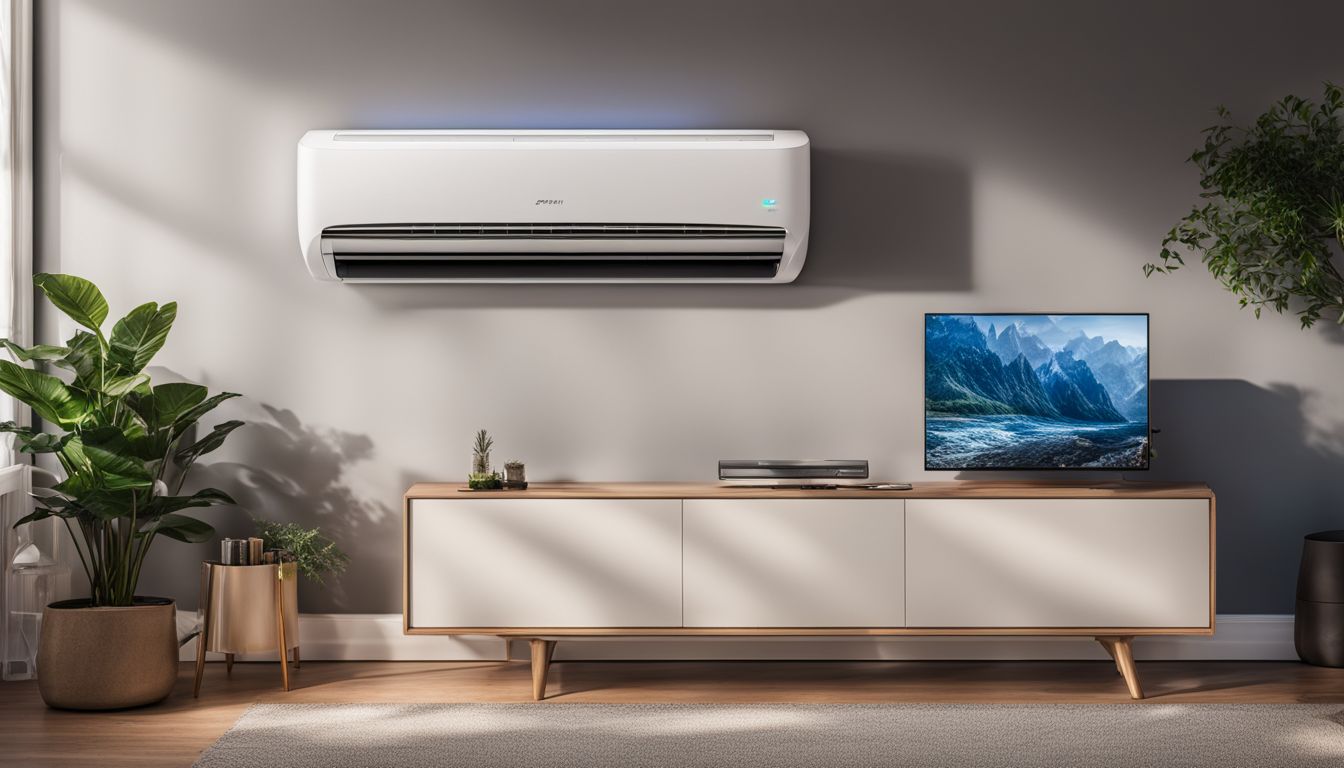
Smart air conditioners represent a leap toward greener, more sustainable cooling. These systems promise to ease the strain on our planet by using less energy and tapping into renewable sources.
As we embrace these innovations, we also contribute to a future where comfort doesn’t come at the cost of the environment. The cooling industry is on the cusp of transformation, with smart technology leading the charge towards cleaner and smarter climate solutions.
For a comprehensive understanding of how to choose the best smart air conditioner for your needs, do not hesitate to peruse our detailed guide on navigating smart air conditioner purchases.
FAQs
1. What are smart air conditioners?
Smart air conditioners are advanced A/C units that can connect to the internet, allowing you to control them with your phone or voice commands. They often adjust themselves to save energy too.
2. How do smart air conditioners help save energy?
These air-conditioning systems learn your habits and preferences. They turn off when you’re not home and adjust the temperature for comfort and efficiency, reducing the need for energy-intensive processes.
3. Can renewable energies be used in cooling technologies?
Yes, air-conditioning units can run on renewable power like solar or wind energy. This helps cut down on burning fossil fuels and is better for our atmosphere.
4. What new cooling technologies are being developed now?
Researchers are working on exciting things like radiative cooling materials that send heat back into space without using electricity, which could change how we cool our homes in extreme heat.
5. Why is it important to improve air-conditioning technology?
Improving these systems matters because they use a lot of power especially during peak loads when everyone’s A/C is running at once—and this contributes to global warming by heating up outside even more.