

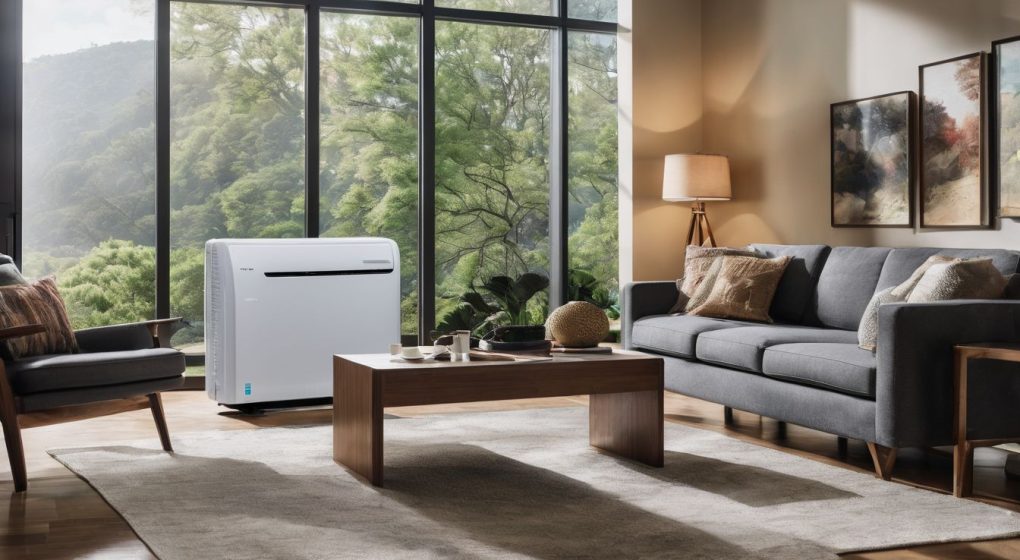
Choosing the right air conditioner can be tricky. Daikin and Mitsubishi are two big names that you might consider. Daikin started in Osaka, Japan in 1924. Mitsubishi Electric began in Tokyo, Japan three years earlier.
These companies now have thousands of workers around the world.
Daikin has features like quiet running and timers you can set yourself. Mitsubishi air conditioners have different fan speeds and clean themselves. Both use special technology to save energy, but Mitsubishi also has Smart Adaptive Control.
Efficiency is important when picking an aircon unit. Daikin’s efficiency rating reaches up to 28 SEER, while Mitsubishi goes even higher to 30.5 SEER. This could save money over time even though Daikin units might cost more at first.
Warranties offer peace of mind with your purchase; Daikin gives a five-year warranty while Mitsubishi does better offering seven years of cover.
Keeping your air conditioner working well means regular maintenance which Daikins require less than Mitsubishis’, according to some views.
As for smart tech and connecting online, both brands give options for controlling your home’s climate remotely.
Lastly, after-sale support is key if anything goes wrong or you need help using these systems; knowing how good each brand’s customer service team is will make a real difference.
Let’s explore what makes each brand stand out from the rest!
Overview of Daikin and Mitsubishi Air Conditioners
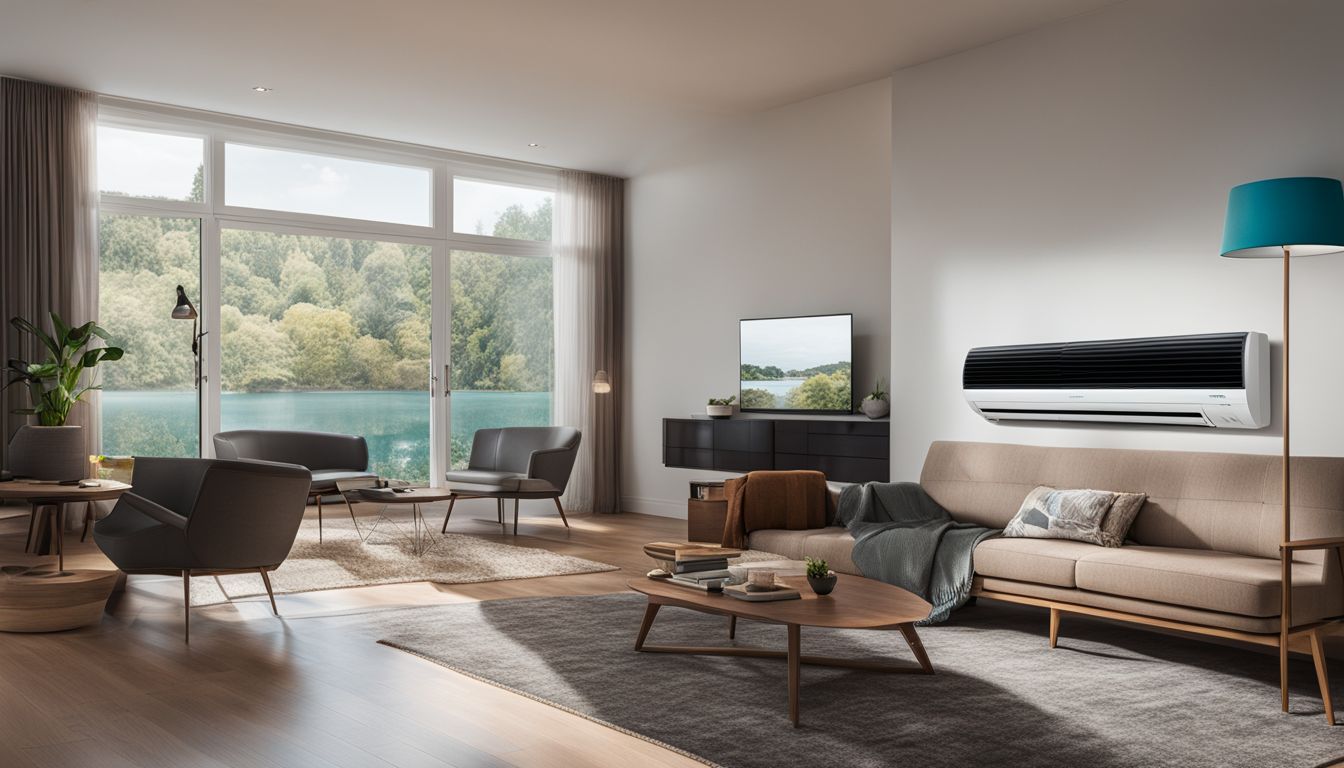
In the realm of climate control, Daikin and Mitsubishi stand as titans with their cutting-edge air conditioners that offer an array of sophisticated features tailored to diverse needs.
Unravelling their key characteristics provides insight into how they’ve established themselves as benchmarks in delivering comfort and efficiency for modern living spaces.
Daikin’s Key Features

Daikin air conditioners are known for their high seasonal energy efficiency ratio, reaching up to SEER 28. They provide excellent energy savings, making them a cost-effective choice over time.
With advanced inverter technology, these units adjust their power to suit the temperature needs, leading to reduced energy consumption. Daikin’s models also come with a robust five-year warranty, giving buyers peace of mind about their investment.
Key features include innovative air purification systems that improve indoor air quality by removing pollutants and allergens. Daikin’s climate control capabilities allow precise management of heating and cooling across different zones.
This leads straight into discussing the impressive attributes of Mitsubishi’s Key Features next.
Mitsubishi’s Key Features
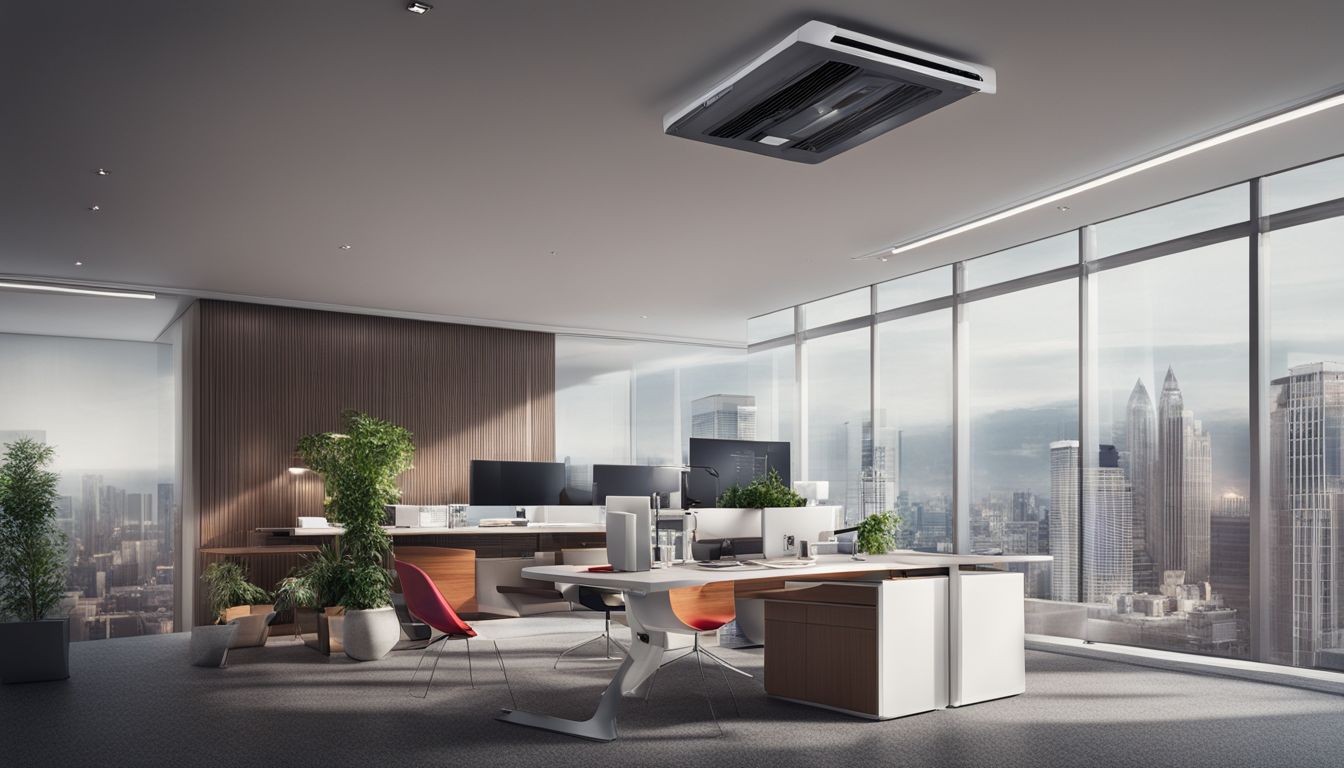
Mitsubishi aircons boast impressive energy efficiency with some units reaching a SEER of up to 30.5. They blend energy-saving technology and high performance to reduce energy consumption without sacrificing comfort.
These air conditioning systems come with a generous 7-year warranty, ensuring peace of mind for users over the long term.
Their EF Series stands out by offering indoor units in three different colours, allowing customers to match their decor. Mitsubishi also provides options for those needing larger solutions; their ducted units deliver cooling capacities that range from 2.5kW all the way up to a robust 22kW.
With an annual fuel utilisation efficiency (AFUE) rating reaching up to 96 percent, Mitsubishi’s heating systems are designed for maximum effectiveness through colder months as well.
Efficiency Ratings Comparison: Daikin vs. Mitsubishi
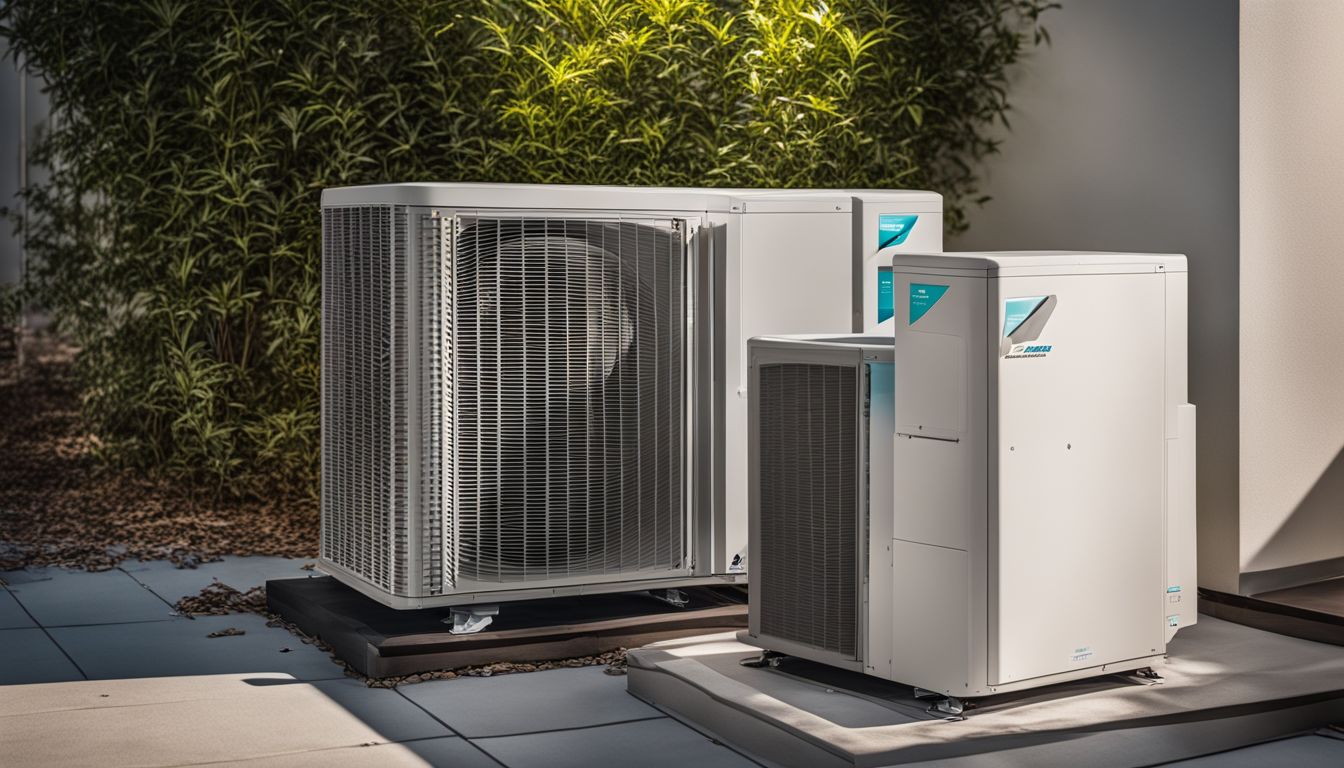
Efficiency is paramount when selecting an air conditioner, and comparing Daikin and Mitsubishi models showcases distinct energy performance capabilities. The efficiency ratings are crucial in understanding how much energy these aircon units consume and how effectively they convert that energy into cooling power.
| Brand | SEER (Seasonal Energy Efficiency Ratio) | AFUE (Annual Fuel Utilisation Efficiency) | Inverter Technology |
|---|---|---|---|
| Daikin | Up to 28 | Up to 98% | Available in models |
| Mitsubishi | Up to 30.5 | Up to 96% | Available in models |
Daikin models reach a SEER of up to 28, demonstrating high efficiency in warmer climates. Mitsubishi air conditioners can achieve a slightly higher SEER rating of up to 30.5, indicating exceptional energy efficiency. Both brands offer inverter technology in their models to optimise energy use. Daikin boasts an AFUE of up to 98 percent, which is marginally higher than Mitsubishi’s 96 percent, suggesting better fuel utilisation over time. These ratings indicate that both brands are committed to energy-efficient air conditioning solutions.
Let’s delve into the initial investment and ongoing costs associated with these aircon systems.
Cost and Installation: Daikin vs. Mitsubishi
Daikin air conditioners come with a slightly higher price tag compared to Mitsubishi Electric models. However, this extra cost may be balanced out by Daikin’s lower operating expenses due to their high efficiency ratings.
Installing either brand will incur similar charges as both require professional setup, although these expenses can vary based on location and complexity of the installation.
Mitsubishi units offer an impressive seven-year warranty which surpasses Daikin’s standard five-year coverage, providing customers with added peace of mind for a longer period. With SEER ratings peaking at 30.5 for Mitsubishi and 28 for Daikin, energy-conscious buyers might find Mitsubishi systems more appealing despite their initial purchase cost being less than that of Daikin.
Features and Functionality: Daikin vs. Mitsubishi
Mitsubishi air conditioners come packed with Smart Adaptive Control technology. This gives you strong and fast cooling when it’s really hot outside. They also have a feature called Eco Cool, which helps cut down on power use without losing any of the cooling effects.
So, if you’re looking for heavy-duty cooling and want to save energy too, Mitsubishi might catch your eye.
Daikin units are super quiet, making them perfect for bedrooms or study areas where noise can be a bother. Their air filters catch dust and help keep the air clean, important for people who get allergies or have asthma.
With Daikin’s advanced inverter tech, their machines are very energy efficient too. If having a calm and allergy-friendly space matters to you, Daikin could be your top choice.
Maintenance Requirements: Daikin vs. Mitsubishi
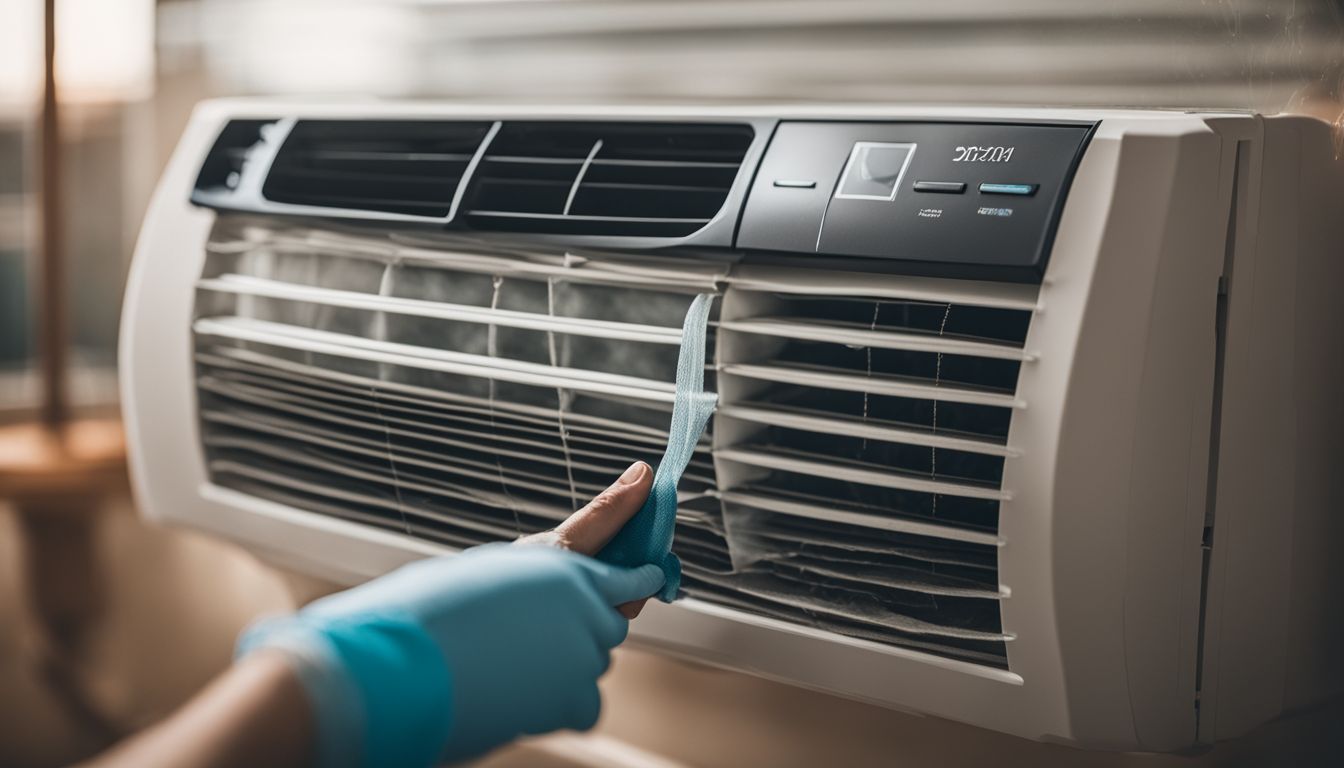
Daikin air conditioners stand out with a self-cleaning feature that keeps the unit cleaner for longer. This means you won’t have to clean it as often. They designed their systems to run efficiently with minimal upkeep, saving you time and effort.
On the other hand, Mitsubishi Electric models don’t come with a self-cleaning function. However, they are built with easy-to-clean filters and durable components aimed at keeping maintenance straightforward.
Their units may require more regular cleaning, but access is simple so you can quickly complete the task.
Size Considerations: Daikin vs. Mitsubishi

After exploring maintenance aspects, let’s delve into the size options offered by Daikin and Mitsubishi. These brands understand that homes vary in space and cooling needs. Daikin provides a wide array of split system air conditioners with models ranging from 2.0kW to 9.4kW in cooling capacity, suitable for small rooms up to large living spaces.
Their ducted systems offer even larger capacities, going from 2.4kW all the way up to a powerful 24.0kW.
Mitsubishi also comes strong with diverse sizes perfect for different spaces – from compact units ideal for tiny bedrooms to robust systems designed for spacious areas or commercial settings.
This ensures customers can find an air conditioning solution that matches their exact room dimensions and desired comfort levels without compromising on efficiency or performance.
Cooling Performance: Daikin vs. Mitsubishi
Choosing the right size air conditioner is important, but cooling performance is what really matters on a hot day. Daikin air conditioners boast a Seasonal Energy Efficiency Ratio (SEER) of up to 28.
Mitsubishi models are slightly ahead with SEER ratings reaching up to 30.5. This means Mitsubishi units may cool your home more efficiently.
Both brands provide effective cooling solutions for your space. A standard 1.5-tonne AC from either Daikin or Mitsubishi should manage a medium-sized room with ease. Deciding between them might come down to which features matter most to you and how much you value energy efficiency in your daily life.
Noise Levels: Daikin vs. Mitsubishi
Daikin air conditioners are often the go-to for silence seekers. They have invested in technology that keeps the hum low, making them a favorite for bedrooms and quiet spaces. Their units boast noise levels that won’t interrupt your conversation or sleep, with some models running as quietly as 19 decibels.
Mitsubishi doesn’t lag far behind in offering hush-hush operation though. Their aircons also focus on reduced sound output, essential for a peaceful home environment. You’ll find Mitsubishi’s indoor units working softly to keep you cool without much fuss, allowing you to enjoy serene comfort during hot days or nights.
Durability and Reliability: Daikin vs. Mitsubishi

Mitsubishi air conditioners boast robust designs that withstand long-term use. Their heat exchangers come with anti-corrosion treatment, making them reliable even in harsh conditions.
Mitsubishi’s track record shows their units often last beyond the expected lifespan without major issues.
Daikin backs its air conditioning units with a standard 5-year warranty, showing confidence in their durability. These systems feature advanced technologies like dual barrier coating to protect internal components from dirt and damage over time.
Customers trust Daikin for consistent performance year after year.
Smart Features and Connectivity: Daikin vs. Mitsubishi
Daikin air conditioners come packed with smart features. You can control them from anywhere using Wi-Fi. They have an Intelligent Eye that saves energy by detecting human movement.
The Coanda Airflow system helps in distributing air evenly across the room.
Mitsubishi units are also high-tech and user-friendly. They use eco-friendly R32 refrigerant which is good for the planet. Their units include clever energy-saving modes to cut down on power bills.
With Mitsubishi, you get nano platinum filters that clean the air of allergens and pollutants, making it healthier to breathe.
Both brands offer innovation in their HVAC systems, keeping homes comfortable and connected while conserving energy effectively.
After-Sales Service and Support: Daikin vs. Mitsubishi

Mitsubishi stands out for its responsive customer service and hands-on assistance. They ensure that every client receives timely help with issues ranging from installation to technical glitches.
Users can easily reach Mitsubishi’s support through various channels, making problem-solving a breeze.
On the other hand, Daikin shines in offering extensive resources like the Global Service Data Base (GSDB) where customers find interactive parts lists with ease. Their Distribution Centres expedite spare part deliveries to reduce downtime significantly.
With trained technicians ready to assist, maintenance becomes less of a hassle.
Getting into connected features of these aircon titans, let’s dive deep into smart technologies they bring home.
In-Depth Comparison of Aircon Giants in Singapore
Daikin and Mitsubishi are leading brands in the world of air conditioners, both having a strong presence in Singapore. Daikin’s models come with unique features such as variable refrigerant volume (VRV) technology, which makes them very efficient for large buildings.
They also provide advanced air filtration systems that can help reduce allergic reactions by removing indoor air pollutants like dust and pollen. On top of this, Daikin supports eco-friendly products with lower global warming potential refrigerants like R410a.
Mitsubishi stands out with its enzyme filter and Econo Cool feature, designed to conserve energy while still providing exceptional cooling performance. The brand is known for its split air conditioners that offer ease of installation without extensive ductwork.
Mitsubishi Heavy Industries (MHI), another branch under the Mitsubishi umbrella, specialises in robust units ideal for commercial settings including data centres and offices equipped with building management systems.
Moving from an analysis of these two giants, let’s delve into the specific aspects influencing your decision-making process in the next section: Conclusion: Making the Ultimate Decision.
Conclusion: Making the Ultimate Decision

Choosing between Daikin and Mitsubishi air conditioners involves careful thought. Consider efficiency, cost, features, and your specific needs. Warranties and after-sales support play big roles too.
Remember to think about long-term running costs alongside initial purchase price. Your final choice will shape your home’s comfort for years to come.
If you’re looking for a more comprehensive analysis of these air conditioning titans in the local context, read our in-depth comparison of Daikin and Mitsubishi air conditioners in Singapore.
FAQs
1. What are the main differences between Daikin and Mitsubishi air conditioners?
Daikin offers a variety of air-conditioners, including the Daikin Zena with its sleek design, whilst Mitsubishi focuses on robust systems like their reverse cycle air conditioners. Both brands provide features such as variable refrigerant flow and power inverters but differ in models and specific technologies.
2. How do energy efficiency ratings compare for Daikin and Mitsubishi ACs?
Both Daikin Industries Ltd. and Mitsubishi boast high energy efficiency in their air-conditioning systems. Features like heat pumps, solar panels compatibility, and advanced inverter technology all contribute to reduced greenhouse gas emissions across many of their products.
3. Can I integrate other home automation systems with these aircon brands?
Yes, both brands offer modern solutions that pair well with home automation systems such as smart thermostats or LED lighting setups for better control over your environment.
4. Do both companies offer options for improving indoor air quality?
Indeed, Daikin Industries provides options like air purifiers integrated within their units whereas Mitsubishi also includes similar filtration technologies ensuring a clean airflow into your living space.
5. What kind of support can I expect from Daikin vs. Mitsubishi after installation?
Daikin is known for comprehensive tech support including maintenance services whilst Mitsubishi has been noted for reliable customer service experiences which might involve guidance through web platforms or direct assistance from technicians.
6. Why should I consider the environmental impact when choosing an air conditioner?
Selecting an AC system from either brand that aligns with eco-friendly practices helps reduce overall greenhouse gas emissions; this can be achieved by opting for models using refrigerants with lower global warming potential or those designed to work efficiently alongside renewable energy sources like solar panels.