

Inverter air conditioners have changed the way we keep cool. They work differently from regular ACs by changing how fast their compressors run to match the room’s temperature needs.
This smart method saves energy and cuts costs, making it a top choice for many people. Inverter ACs come in sizes like 1-tonne and 1.5-tonne units, which means they can fit different rooms just right.
They are also good for our planet because when hooked up to solar power, they help lower carbon dioxide output even more.
One of the best things about these air conditioners is that they give you a calm cooling experience without much noise. Plus, they tend to last longer since there’s less shaking inside them due to their unique speed-changing feature.
But still, these clever machines might cost more upfront and can be picky with electricity changes or controlling humidity in big spaces.
You’ll find lots of choices out there with new types of inverters made for all sorts of weather or dampness levels. While these advanced features could seem tricky at first look, this article aims to explain them simply so that everyone understands how beneficial an inverter air conditioner can be.
Keep reading as we explore this cool technology!
Understanding Inverter Air Conditioners

Now that we’ve introduced the topic, let’s delve into inverter air conditioners and their unique mechanisms. At the heart of an inverter air conditioner is a variable speed compressor.
This advanced component can adjust its speed to match the cooling demand of a room. Traditional non-inverter air conditioners only run the compressor at full power or turn it off completely, which can lead to more energy consumption and temperature fluctuations.
In contrast, inverter technology enables the air conditioner to fine-tune how much work the compressor does. It uses sophisticated electronics to change direct current (DC) into alternating current (AC), varying the supply frequency and controlling motor speed precisely.
This means that once your room reaches your desired temperature, an inverter AC will lower its power to maintain this level without excessive starts and stops. It runs longer but at a slower pace, ensuring consistent comfort while being kinder on both your wallet and environment by reducing greenhouse gas emissions and lowering your carbon footprint.
Benefits of Inverter Air Conditioners

Inverter air conditioners represent a significant stride in climate control technology, offering a spectrum of advantages that enhance both personal comfort and operational efficiency.
These cutting-edge systems redefine energy usage patterns and elevate the user experience through intelligent features designed to adapt to changing environmental conditions.
Cost-Efficient Operation
Inverter air conditioners shine in saving you money on energy bills. They fine-tune the power consumption by adjusting the compressor speed to match the cooling need. This means no wasteful stop-start cycles like traditional units, leading to lower electricity use and noticeable cost savings over time.
Owners of inverter ACs enjoy reduced maintenance costs too. With fewer on-off cycles, there’s less wear and tear on internal components such as compressors and motors, which extends their life and keeps them running smoothly with regular maintenance.
This smart approach ensures that your heating and cooling system is not only eco-friendly but kinder to your wallet in the long run.
Eco-Friendly
Inverter air conditioners are kind to the environment. They cut down on energy use and CO2 emissions, making them a green choice for cooling your home. These units work smarter, adjusting their power to match exactly what’s needed for current conditions.
This means less waste and a smaller carbon footprint.
These air conditioning systems pair well with solar panels, too. Using solar power further reduces reliance on fossil fuels and lowers electricity bills. It allows you to enjoy cool air while doing good for the planet.
Up next, find out how these ACs excel in providing a superior cooling experience.
Superior Cooling Experience
Moving beyond their green credentials, inverter air conditioners also excel at providing a refreshing and uniform cooling experience. They’re designed to adjust the speed of the compressor motor to control the flow of refrigerant, ensuring optimal temperatures are maintained without wild fluctuations.
This precise operation means you won’t experience those annoying bursts of cold followed by periods when it feels too warm.
Inverter ACs boast a cooling performance that is not just effective but consistent, keeping your room’s temperature steady. They respond quickly to changes in indoor conditions and adjust accordingly, so your living space stays comfortable all day long.
The technology behind these systems ensures that once the desired temperature is reached, they work minimally to sustain it, avoiding overcooling or energy waste.
Quiet Operation

The seamless transition from cooling to quietness enhances the inverter air conditioner’s appeal. These units boast a lower noise level, making them perfect for bedrooms, offices, and areas where silence is golden.
The secret behind their hushed performance lies in the technology that controls the compressor speed. This means they don’t have to work as hard once the desired temperature is reached, resulting in quieter operation.
Inverter air conditioners keep indoor spaces comfortably cool without the loud hum of traditional models. Their ability to maintain consistent temperatures cuts down on harsh starts and stops of the compressor motor.
This leads to less noise disruption and contributes to a peaceful environment whether you’re working, resting or enjoying leisure time at home.
Longevity
Inverter air conditioners last longer than traditional models. They are built to withstand less wear and tear because they produce less noise and vibration. This quality means parts like the condenser, evaporator, and airflow systems don’t break down as fast.
Your inverter air conditioning unit keeps working efficiently for years.
Using lower power also helps these units last longer. When an inverter air conditioner adjusts its power use to cool or heat, it doesn’t strain the system like regular air conditioners do.
Less strain results in fewer breakdowns and a more reliable machine that saves you money on repairs and replacements over time.
Pairing Inverter Air Conditioning with Solar Power

Inverter air conditioners work well with solar power systems. Solar panels capture the sun’s energy and convert it into electricity. This electricity can then run your inverter AC, making it a smart choice for those who want to save on energy bills and be kind to the planet.
Using solar power for your inverter AC means you are less dependent on the grid. On sunny days, you might not need to buy any electricity at all! Your cooling system becomes very eco-friendly because it uses clean, renewable energy from the sun instead of fossil fuels.
Potential Drawbacks of Inverter Technology
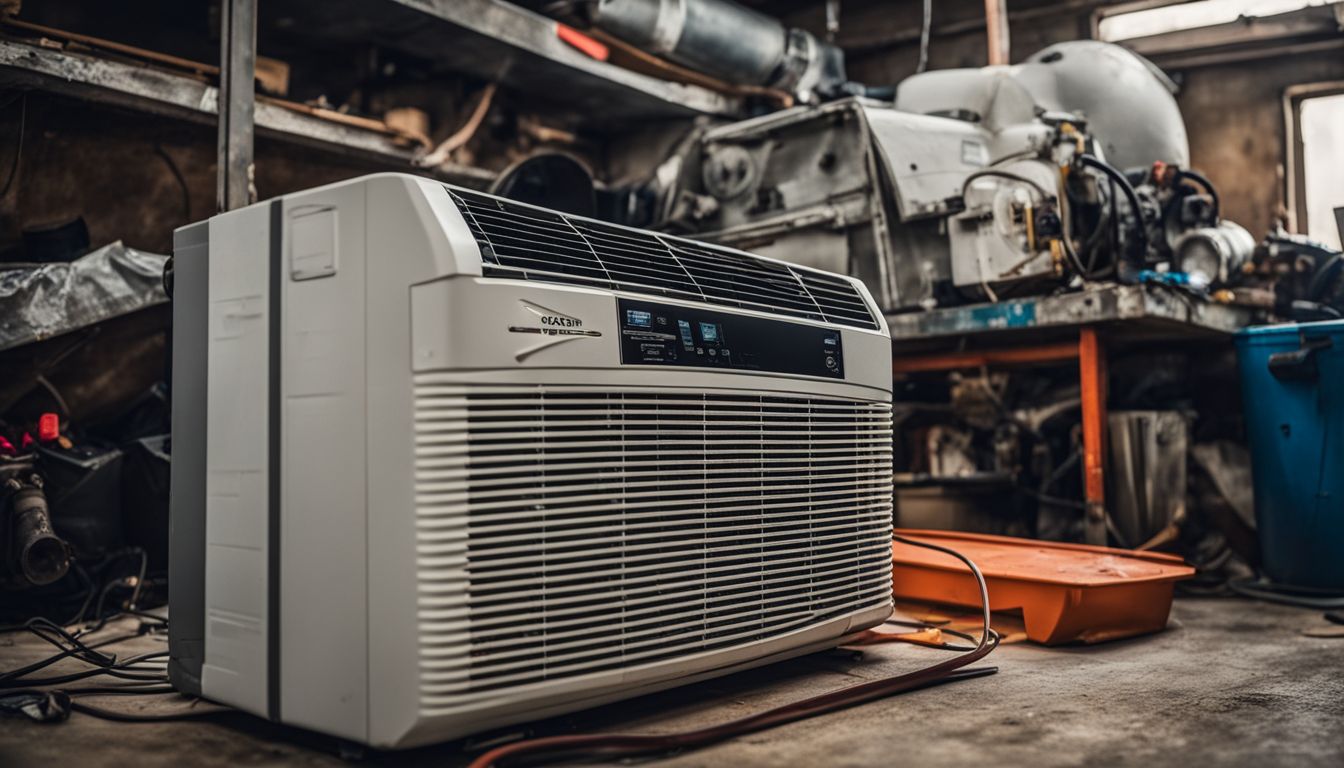
Inverter air conditioners are popular for their energy efficiency, yet they have some drawbacks. It’s important to weigh these cons before making a purchase. Here are potential disadvantages of inverter technology:
- Upfront costs are higher: Inverter ACs tend to be more expensive initially than non-inverter models.
- Repairs cost more: Fixing an inverter AC can hit your wallet harder compared to standard units.
- Homes with poor insulation suffer: If your house isn’t well-insulated, you might not save as much on energy bills.
- Struggles in big rooms: Large spaces can challenge an inverter AC’s ability to manage humidity effectively.
- Fewer model choices: You might find there aren’t as many inverter AC options available when shopping.
- Sensitive to voltage ups and downs: These units may need extra gear to work smoothly if power supply is unstable.
Different Types of Inverters and Compatible Systems

Different types of inverter technology have emerged to meet diverse consumer needs and environmental conditions. These inverter systems pair with a range of compatible air conditioning units to deliver efficient cooling solutions. Below is a table outlining various inverter types and the systems with which they are commonly associated:
| Inverter Type | Description | Compatible Systems |
|---|---|---|
| Twin/Dual Inverter | Utilises two rotary motors to stabilise temperature fluctuations and reduce energy consumption. | Residential split AC units, commercial HVAC systems |
| Triple Inverter | Features three varying compressor speeds for precise cooling control and further energy savings. | High-end residential models, premium commercial installations |
| Humidity-Based Inverter | Adjusts compressor speed based on humidity levels, optimising comfort and efficiency in humid climates. | Areas with high humidity, such as coastal or tropical regions |
| Wide Temperature Range Inverter | Operates effectively across a broader temperature spectrum, suited for regions with extreme weather conditions. | Units designed for both hot and cold climates, ensuring year-round efficiency |
| 1-Ton Inverter AC | Optimised for cooling smaller spaces while maintaining efficiency and reducing electricity bills. | Small apartments, individual rooms, office cabins |
| 1.5-Ton Inverter AC | Designed to efficiently cool larger areas without compromising on performance. | Spacious residential rooms, open-plan offices, light commercial spaces |
This table offers insight into the flexibility of inverter technology in catering to various environmental needs and user preferences, ensuring an adaptive and cost-efficient cooling experience.
Conclusion
Inverter air conditioners truly revolutionise home comfort. They save energy and cut costs with each use. Expect a quiet, efficient system that’s kind to the planet. These clever devices offer cool or warm air just when you need it.
The future of climate control at home is here with inverter technology.
Discover how the versatility of portable air conditioners can complement your climatic needs by visiting our dedicated section.
FAQs
1. What makes inverter air conditioners environmentally friendly?
Inverter air conditioners are environmentally friendly because they use a variable frequency drive to regulate power and maintain a steady temperature with less energy. This means lower carbon emissions, making them kinder to the environment.
2. Can inverter air conditioners save me money on energy bills?
Yes, these appliances have an electrical inverter that adjusts the speed of the compressor for efficient heating and cooling systems, saving you money on your energy bills due to their energy-saving technology.
3. Are there inverter air conditioners that work with solar power?
Certainly! Some advanced models can connect to solar-powered systems, allowing you to use renewable solar energy and battery storage for even greater sustainability and low power consumption.
4. How reliable are inverter air conditioners compared to traditional ones?
Inverter air conditioners offer improved reliability because they control electrical current more precisely, reducing wear similar to how brake pads affect car engine performance – leading to longer-lasting heating and cooling equipment.
5. Do all appliances come with built-in inverters now?
Not all appliances have inverters; however, many modern machines such as refrigerators, washing machines, and smart thermostats now feature this technology for increased efficiency and better performance.