

Air conditioners help us stay cool, but have you ever wondered what parts are inside them and how they work? This article talks about these important pieces, like the compressor, which squeezes warm air to make it hot before it moves around.
We also look at the blowing unit that brings in air and passes it over cold coils to chill your room. The condenser coil then turns this gas back into a liquid outside.
The thermostat is like a boss that decides when to cool down or heat up your house. Plus, we can’t forget the air filter that catches dirt from getting into our lungs and how the expansion valve controls the cold liquid for perfect cooling every time.
Keeping these parts clean and checked helps your aircon last longer without problems. Sometimes things go wrong, though, like bad smells or noises which could mean more money spent on bills if not fixed quickly.
Air conditioners have lots of pieces working together to keep us comfortable – let’s find out how! Keep reading as we explain each part in detail.
An Overview of Air Conditioner Parts and Their Roles
Diving into the heart of air conditioning systems, we uncover the critical components that work in unison to deliver cool relief on sweltering days. Each part plays a distinct role, forming an intricate dance of technology that maintains comfort and indoor air quality.
Compressor
The compressor is the heart of an air conditioning unit. It takes in warm refrigerant air and works hard to squeeze it into a higher pressure, hotter form. This process is crucial for heat transfer later on.
With great power, the compressor pushes this now dense refrigerant through your air conditioner’s system. It makes sure that the cooling cycle keeps moving smoothly, so every part gets enough refrigerant to do its job well.
Blowing Unit and Air Handler
Moving from the compressor, we find that the blowing unit and air handler are vital for moving air through the system. They work hard to draw in warm air which is then cooled down.
Inside these units sits the evaporator coil. This part plays a big role by absorbing heat. When liquid refrigerant passes through it, the chemical turns into gas.
As this happens, cool and refreshing air gets pushed out into different rooms of your house. The blowing unit’s fans help spread this comfort all around your space. Thanks to these parts, you feel a steady stream of chilled air on hot days.
These components make sure that every corner of your home stays at just the right temperature for you to enjoy!
Evaporator Coil
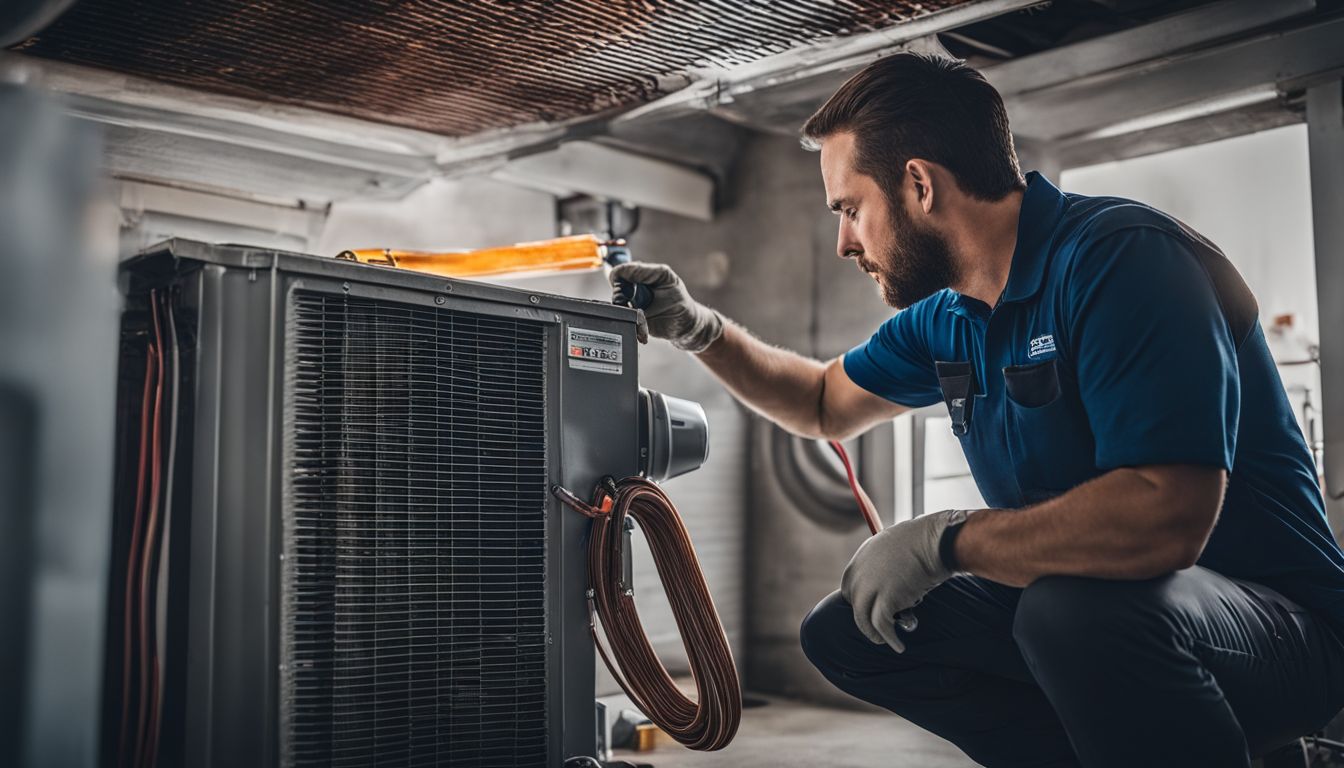
The cool air that flows through your home starts its journey at the evaporator coil. This vital part of your air conditioner works hard to absorb heat from the air in your house. As warm air passes over the chilled coils, heat is taken out and refrigerant inside the coil soaks it up.
This process turns the refrigerant from liquid to gas. Meanwhile, a clean expansion valve carefully regulates how much refrigerant gets into these coils, making sure everything runs smoothly.
Keeping this coil clean is crucial for good performance and energy efficiency of your cooling system. Hire an AC technician if you suspect any issues with your evaporator coil to keep your central air conditioning running well.
Condenser Coil
Air conditioners rely on the condenser coil to expel heat from inside to outside. This part sits in the outdoor unit and looks similar to a car radiator. It takes high-pressure gas from the compressor and cools it down.
This turns the gas back into a liquid form.
As refrigerant passes through the condenser coils, it releases stored heat into the air around it. The condenser fan plays a crucial role here. It blows hot air away from the coils, helping them dump heat more efficiently.
Without this process, your air conditioning system wouldn’t be able to keep your space cool.
Next up is understanding how another vital component works – let’s talk about demystifying the aircon compressor.
Demystifying the Aircon Compressor: Its Function and Importance
The aircon compressor is like the heart of your cooling system. It starts working by pulling in the refrigerant and squeezing it until it’s hot and highly pressurised. This process is key because it gets the refrigerant ready to release heat when it moves to the condenser coil.
Keeping this part in good shape is super important for your air conditioner to work right. If something goes wrong with the compressor, you might find yourself without cool air. Plus, a broken compressor can lead to bigger problems which cost a lot more money and hassle down the road.
Regular checks help keep everything running smoothly so that your home stays comfortable all year round.
The Role of the Thermostat in an Air Conditioner
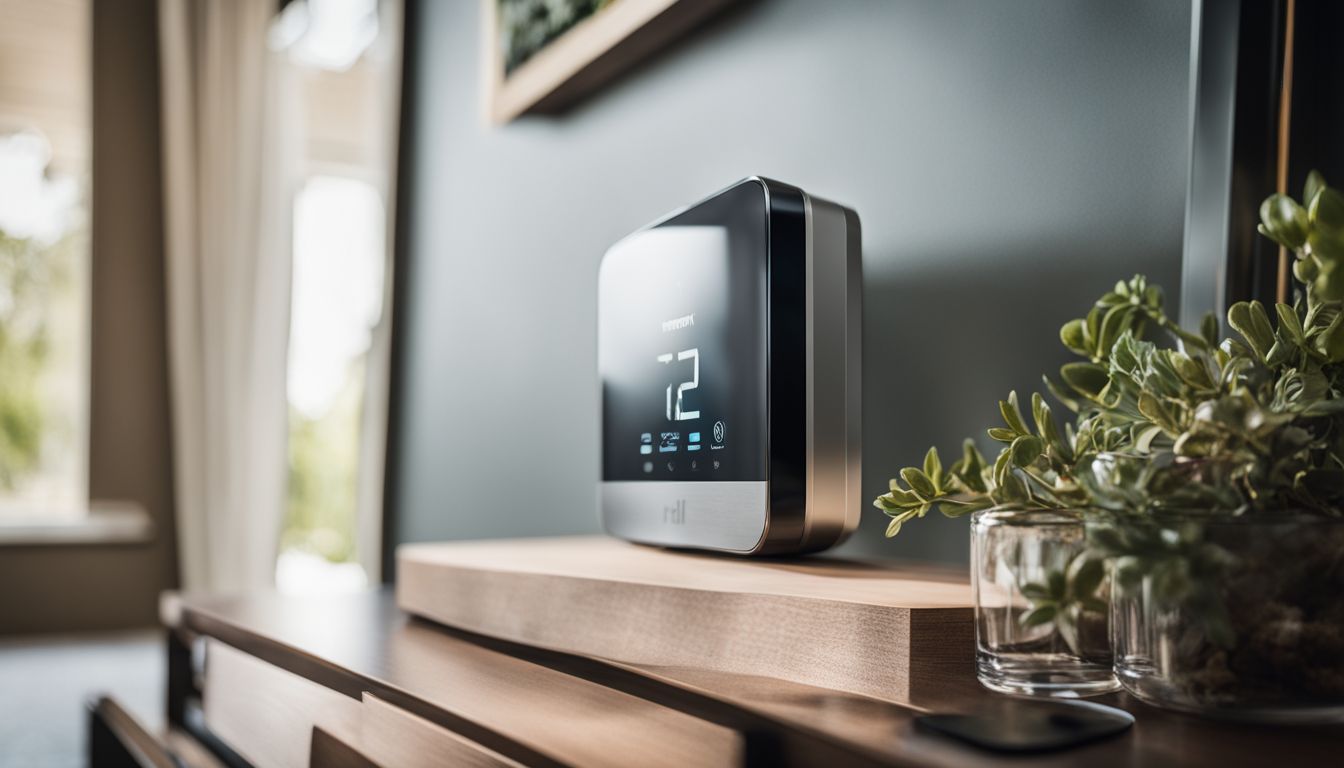
Moving from the compressor’s role, let’s turn our attention to the thermostat. This handy device acts like a boss for your air conditioning system. It tells your HVAC unit when to start and stop based on the room temperature you choose.
You can set it for cool comfort on hot days or warmer settings when it’s chilly outside.
Homeowners love thermostats because they make controlling indoor climates easy. They come with programmable options to save energy while keeping homes cosy. Some high-tech models even connect to smart grids and use algorithms for extra savings without sacrificing comfort.
By adjusting itself, a smart thermostat keeps temperatures steady and helps lower bills.
The Importance of the Air Filter and Expansion Valve
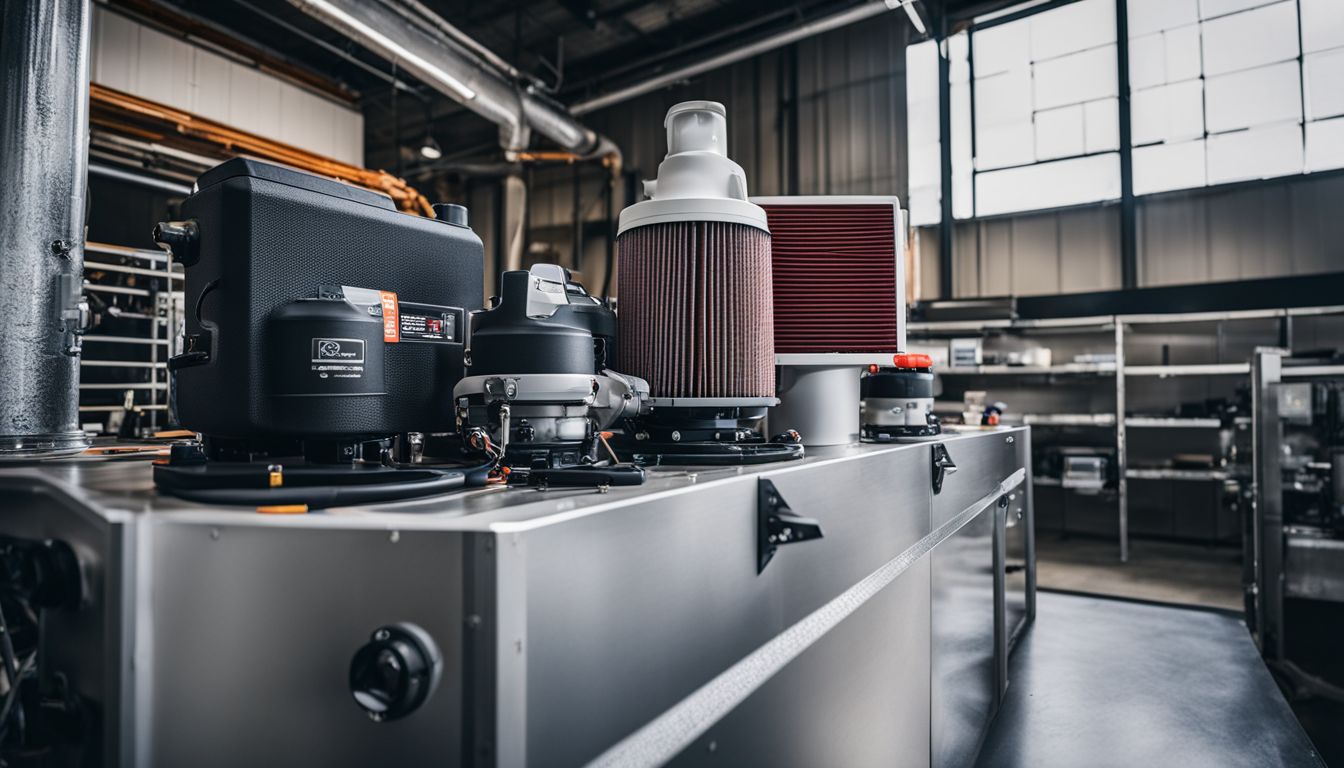
The air filter keeps the air conditioner working smoothly by trapping dust, pollen, and other particles. This helps people breathe cleaner air and cuts down on sickness. Air filters also protect the unit’s parts from getting dirty which can make them break down.
Expansion valves are key to controlling how much refrigerant goes into the evaporator coils. They make sure that the right amount is used so that the air conditioner cools effectively without wasting energy.
This balance helps maintain a steady, comfortable temperature inside while keeping power use low.
How Different Air Conditioner Components Function Together
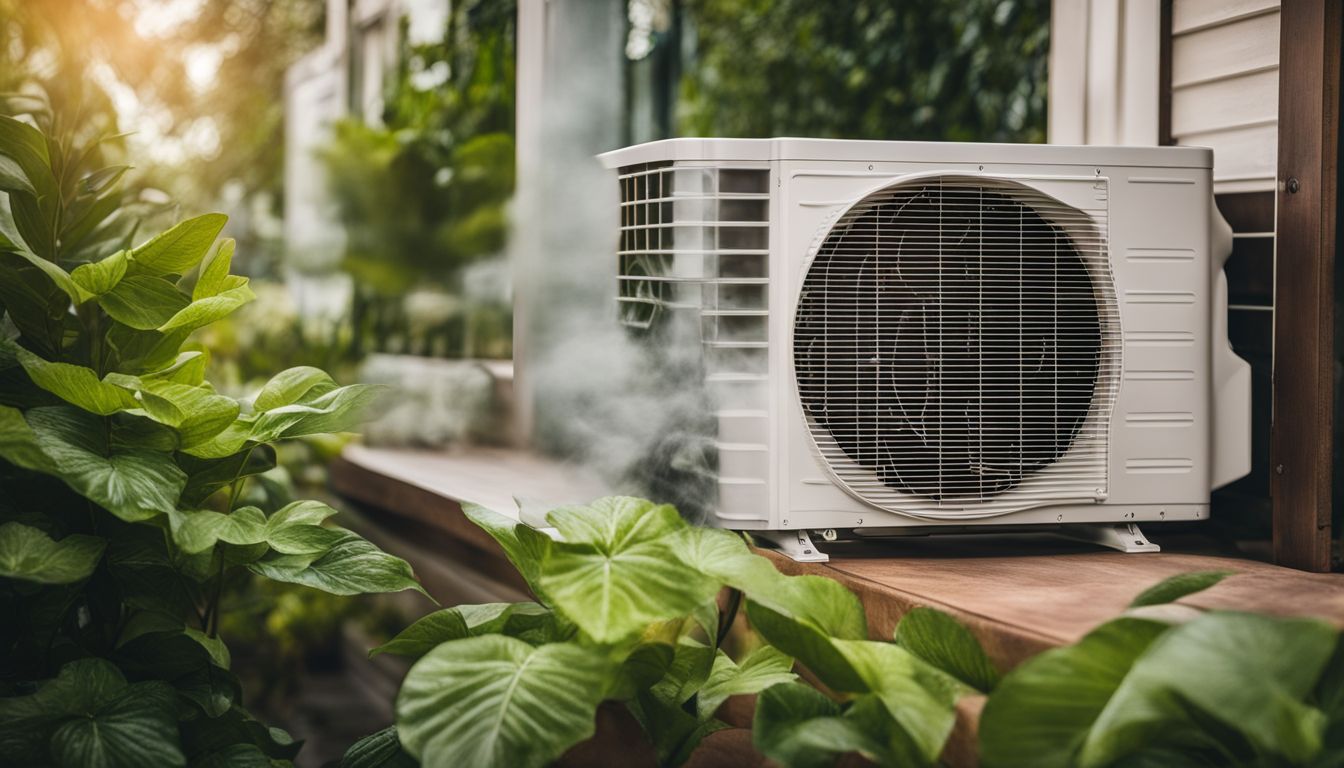
Air conditioners keep our homes cool and comfortable. Each part works with the others to control temperature and air quality.
- A compressor pumps refrigerant through the system. It starts the cooling cycle by increasing refrigerant pressure.
- Refrigerant moves to the evaporator coil inside the home. Here, it absorbs heat from indoor air, turning from liquid to gas.
- Warm air inside is pulled across this cold coil by a fan. As the air cools, it loses moisture which reduces humidity.
- After picking up heat, the refrigerant in gas form goes back outside. It heads to the condenser coil where it releases the heat.
- The outdoor unit’s fan helps remove warmth from the condenser coil. This turns hot refrigerant gas back into a cooler liquid.
- Newly cooled refrigerant flows back to start the process again. This cycle repeats until your home reaches your set temperature
- Your thermostat monitors room temperature all day. It tells your air conditioner when to start and stop based on your settings.
- Air filters clean incoming air before it gets cool. They trap dust and pollen for better health and airflow.
- An expansion valve regulates how much refrigerant enters the evaporator. This keeps cooling efficient without wasting energy.
Common Problems with Air Conditioner Components
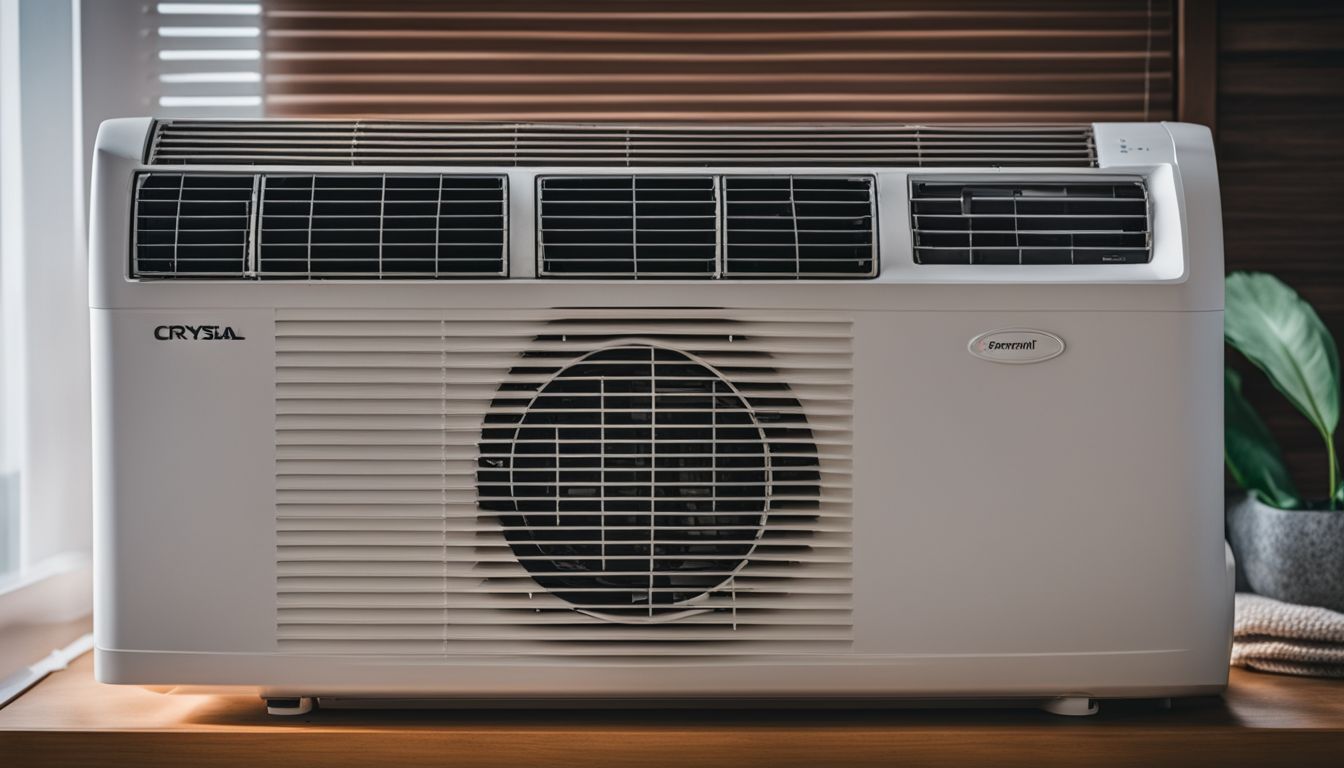
- Strange smells often mean there’s a dirty filter or mould inside the unit.
- Blocked air filters restrict airflow, which can cause the system to freeze up.
- Water leaks from your aircon could signal a blocked drain pipe.
- Refrigerant issues, like leaks, stop your aircon from cooling effectively.
- Odd noises may be loose parts or something stuck in the ductwork.
Conclusion
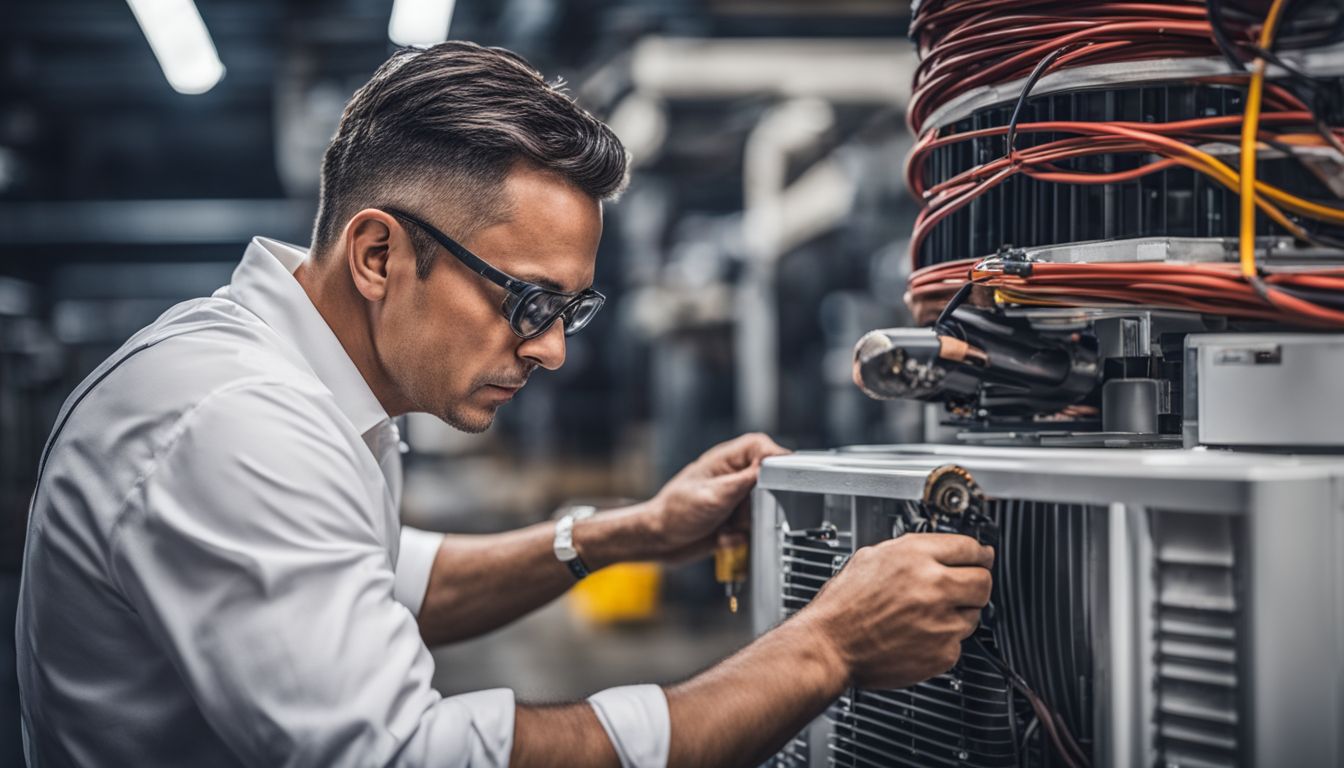
Understanding how aircon parts work can help you keep your cooling system running smoothly. Knowing the roles of components like compressors and evaporator coils makes it easier to spot issues.
Regular checks by a skilled technician can save time and money on repairs. Keep these tips in mind for a well-functioning air conditioner all summer long.
FAQs
1. What does the condensing unit do in my aircon?
The condensing unit in central air conditioners cools down hot refrigerant, like R-410A, and turns it into a liquid form with the help of the condensing coil.
2. Can mini-split air conditioners work for both cooling and heating?
Yes! Mini-split air conditioners double as heat pumps, providing heating load during cold times and thermal comfort when it’s hot without needing extra equipment.
3. Why are smart thermostats important for air conditioning units?
Smart thermostats adjust your home’s temperature to save power. They connect to systems like building management or distributed grid tech for peak shaving and energy efficiency.
4. How does demand-side response benefit electricity markets?
Demand-side response lets users control their energy use during peak load times, which helps balance power saving with electricity market demands using measures like frequency regulation.
5. What role do researchers play in improving HVAC systems?
Researchers study thermodynamic models, creative commons licenses (CC BY), simulation methods like Markov chain or Monte Carlo model to make new energy-efficient designs for HVAC systems that fit low-carbon goals.
6. Are there any innovative approaches being used with renewable energy sources for AC units?
Yes! Innovative ideas include virtual power plants that combine solar photovoltaic power from many homes or microgrids that use wind power—both aim at better infrastructure integration and optimal use of intermittent renewable energy.