

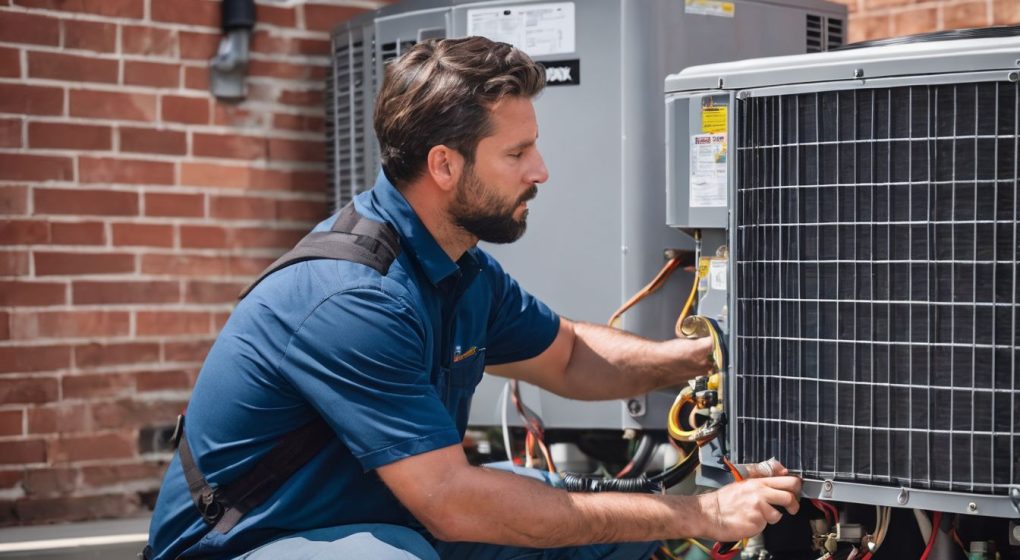
Condenser coils are key parts of air conditioners and fridges. They move heat from inside to the outside air. This work helps your cooling systems run well. If condenser coils are dirty or damaged, they can’t get rid of heat properly.
Keeping them clean can make your system up to 30% more efficient.
Over time, things like scale and dirt build up on evaporative condensers. This buildup makes metal pipes rust faster and shortens their life from 10 years to just 5 if not cared for.
There are different kinds of cooling towers that help stop this problem, keeping systems working better for longer.
It’s super important to treat the water used in these systems right. Good water treatment stops bad buildup and keeps everything running smoothly without breaking down so quickly.
Now we’ll look at how all these pieces work together in an aircon’s condenser, why taking care of them matters, and what new tech is out there for heat exchangers. Discover how it all keeps our cool!
Understanding Condenser Coils
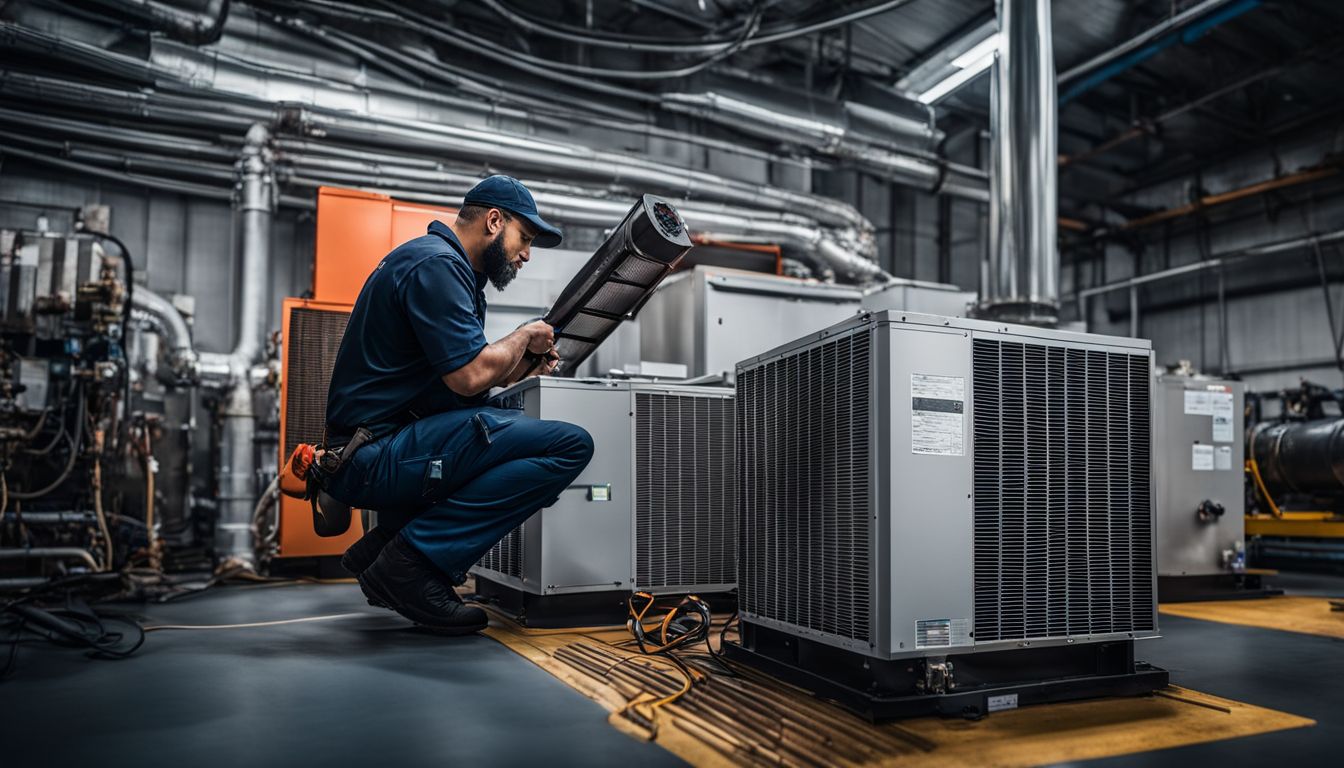
Dive into the world of condenser coils, where we demystify their crucial function in keeping your air conditioning system at peak performance. Explore how these unsung heroes manage to efficiently dispel heat, sustaining comfort and ensuring energy efficiency.
The Role of Condenser Coils in Heat Dissipation
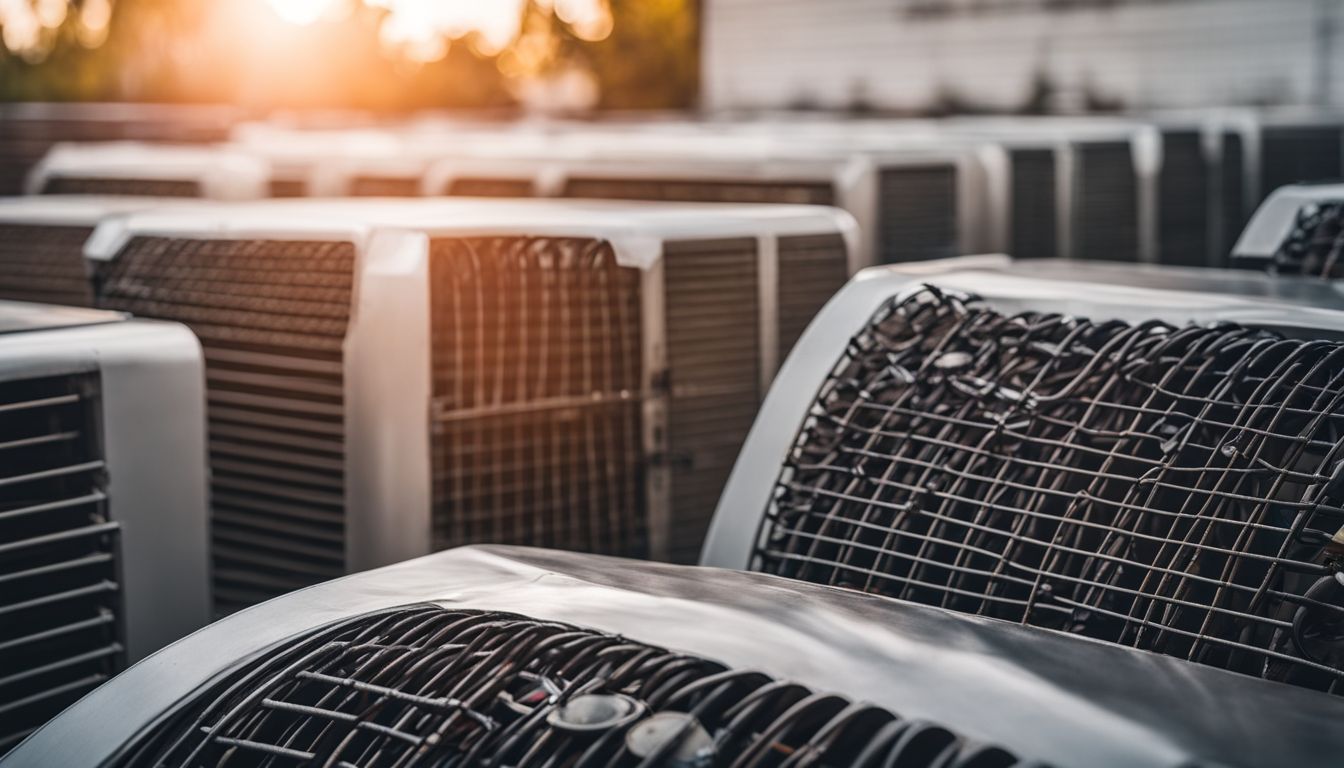 Condenser coils play a key part in HVAC systems. They take heat from the refrigerant and send it into the air around them. This lets our homes and buildings stay cool. The coil’s efficiency is very important for saving energy and keeping performance high.
Coils need to be the right size and made of materials that transfer heat well. Dirty or damaged coils can’t move heat as they should, which means more energy used and less cooling power.
Regular check-ups keep your system working great and save up to 30% on energy use.
How Condenser Coils Work
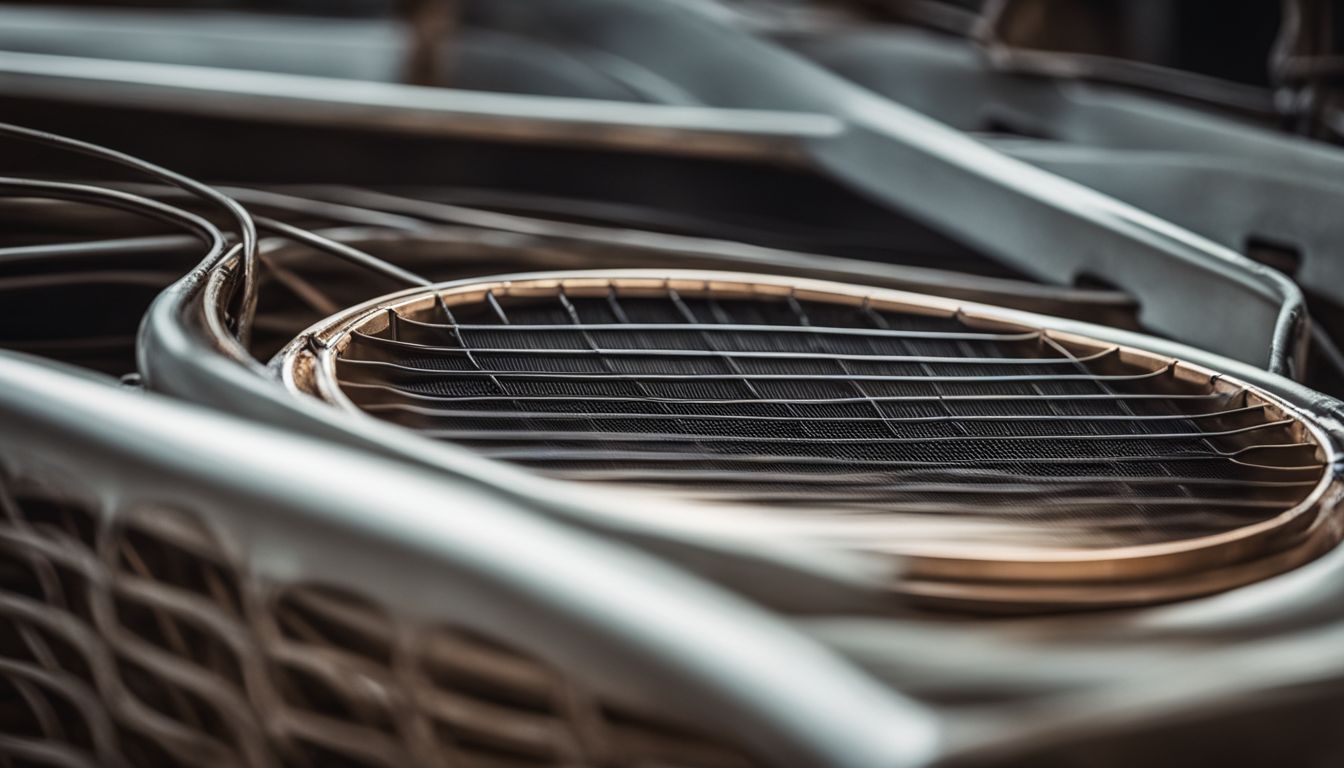
Condenser coils play a key role in your aircon by transferring heat out of the refrigerant. Hot gas from the compressor moves into these coils, which have fins to increase their surface area.
Air blows over the coils, carrying away the heat and cooling down the refrigerant. It then turns back into a liquid.
Inside these coils, the refrigerant releases its stored heat to the surroundings. This is essential for keeping your HVAC system running well and saving energy. Cleanliness and proper maintenance of these coils improve how they transfer heat.
Dirty or damaged fins can stop this process and make your aircon less effective.
Comprehensive Guide to Your Aircon’s Condenser
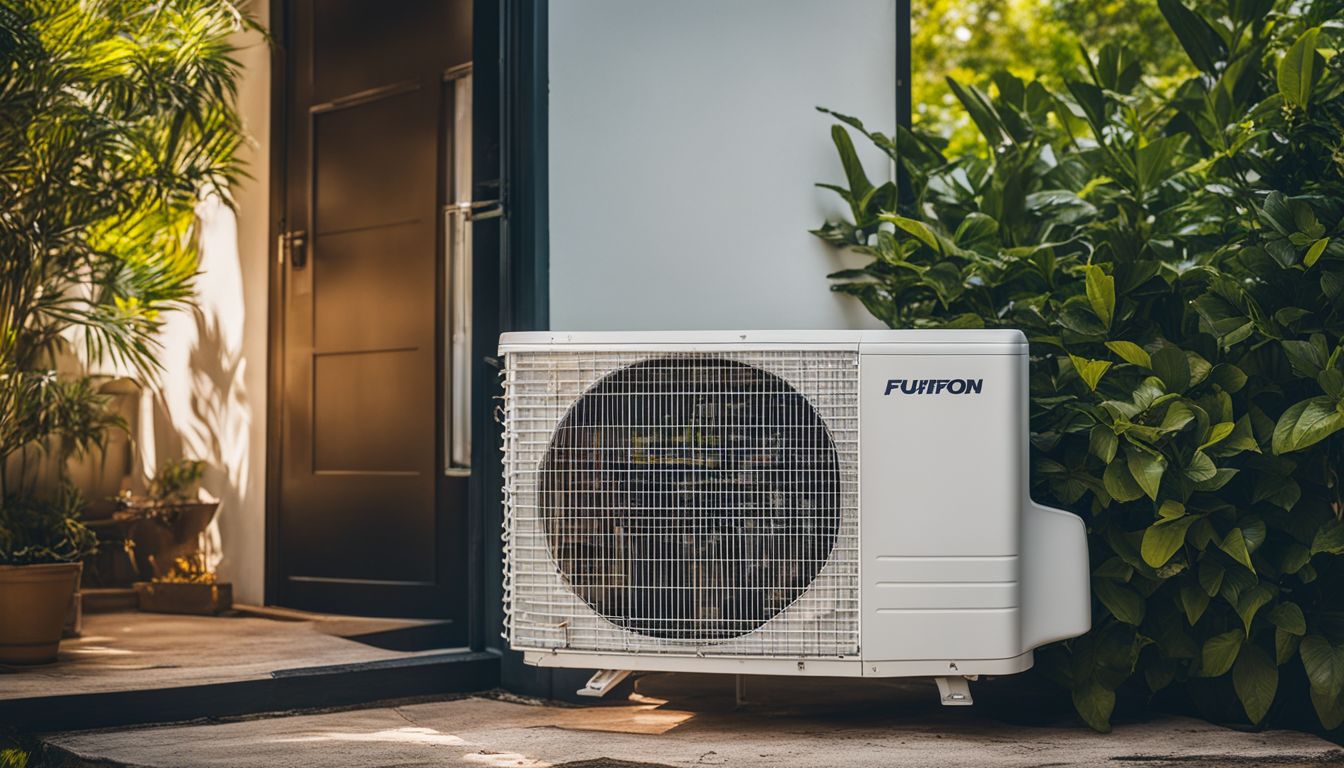 Your aircon’s condenser plays a huge role in cooling your home. It sits outside and gets rid of heat from inside the house. The condenser has coils that let out the hot air. There’s also a fan to blow away this heat into the outside air.
To keep your aircon running well, clean and check these coils often. Dirt can block them and make your system work too hard. This causes more energy use and can break your aircon faster.
Keeping coils clean could cut down how much energy you use by up to 30%. Make sure to take care of them so they last longer and save you money on bills.
Impact of Evaporative Condenser Fouling on Heat Dissipation
Evaporative condenser fouling significantly impairs your system’s ability to shed heat, leading to efficiency losses and increased energy consumption. Unchecked, this build-up of deposits can escalate operating costs and necessitate more frequent maintenance interventions.
Causes of Evaporative Condenser Fouling
- Minerals in water leave scale on the coils. Scale acts like an insulating layer, reducing the coil’s ability to release heat.
- Waterborne microorganisms grow inside condensers. These organisms create biofilms that also insulate coils and cause corrosion.
- Airborne particles stick to wet surfaces. Dust, pollen, and other particles can coat the coils, making them less effective at cooling.
- Chemical reactions take place within the system. Some chemicals in the water can react with coil materials, leading to corrosion.
- Poor water treatment contributes to problems. Without proper treatment, scale and microorganism growth speed up, harming coil function.
- Cycles of freezing and thawing damage coils over time. Repeated temperature changes cause materials to expand and contract, leading to wear.
- Incorrect pH levels of water used in systems corrode coils faster. Water that is too acidic or alkaline can eat away at metal parts quickly.
- High mineral content in water leads to scaling issues. Hard water has more minerals that can deposit on surfaces and hinder heat exchange.
How Fouling Impacts Heat Dissipation
Fouling in condenser coils creates a barrier to heat transfer. This buildup slows down the movement of heat from water or air to the coil. As a result, the system takes longer to cool spaces and uses more energy.
Pipes affected by scale and fouling corrode twice as fast as clean ones. This means stainless steel or copper pipes won’t last as long.
Scale also hurts heat exchange power. It forms a layer that insulates against warmth escaping, like wearing too many clothes on a hot day. The system then struggles to get rid of unwanted heat efficiently.
Moreover, fouling provides hiding spots for microorganisms which eat away at pipe walls inside evaporative condensers. With their growth comes increased corrosion, damaging the equipment further and reducing its ability to move thermal energy effectively.
Comparative Analysis of Cooling Towers
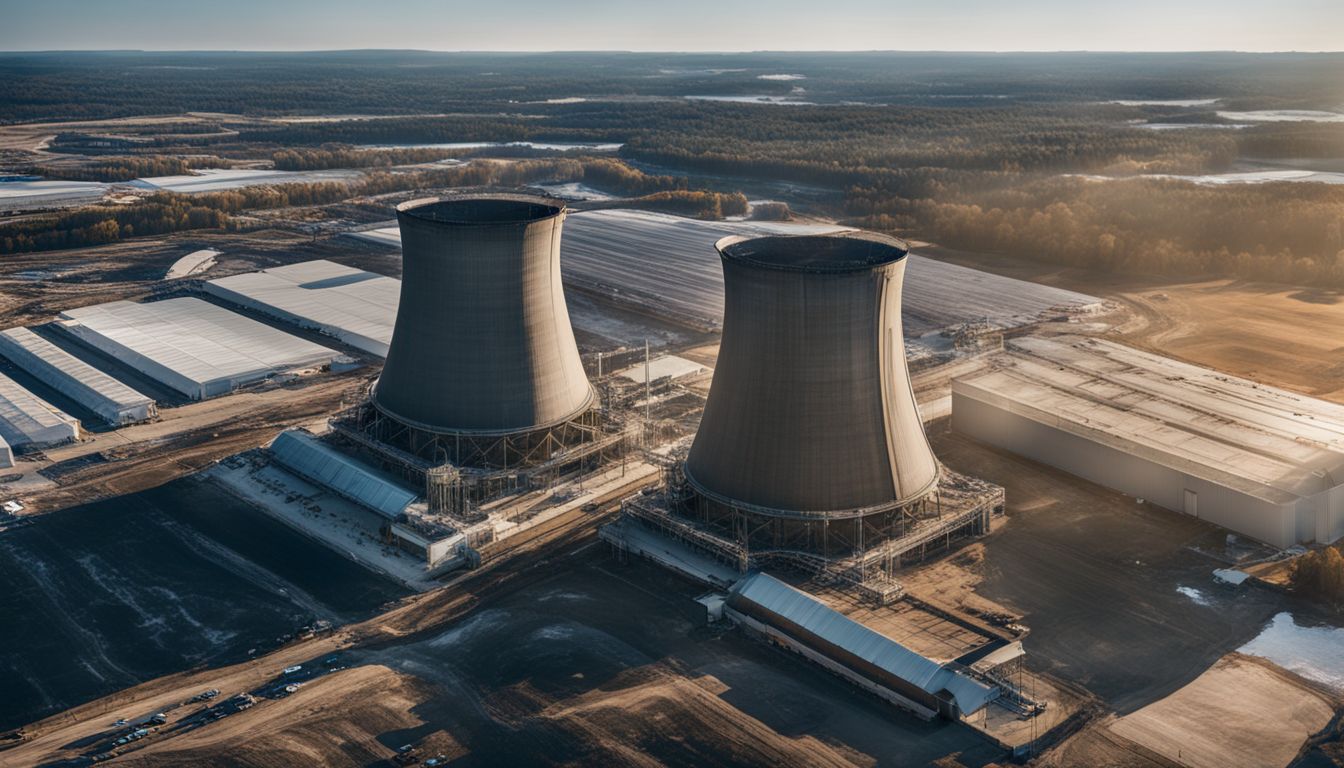
Discover the intricacies of cooling tower technology as we delve into a comparative analysis, highlighting how different systems handle the pivotal task of temperature regulation in industrial settings.
Explore the distinctive features and operational efficiencies that set apart various cooling tower designs, each tailored to meet unique demands within diverse thermal management landscapes.
Open Cooling Tower
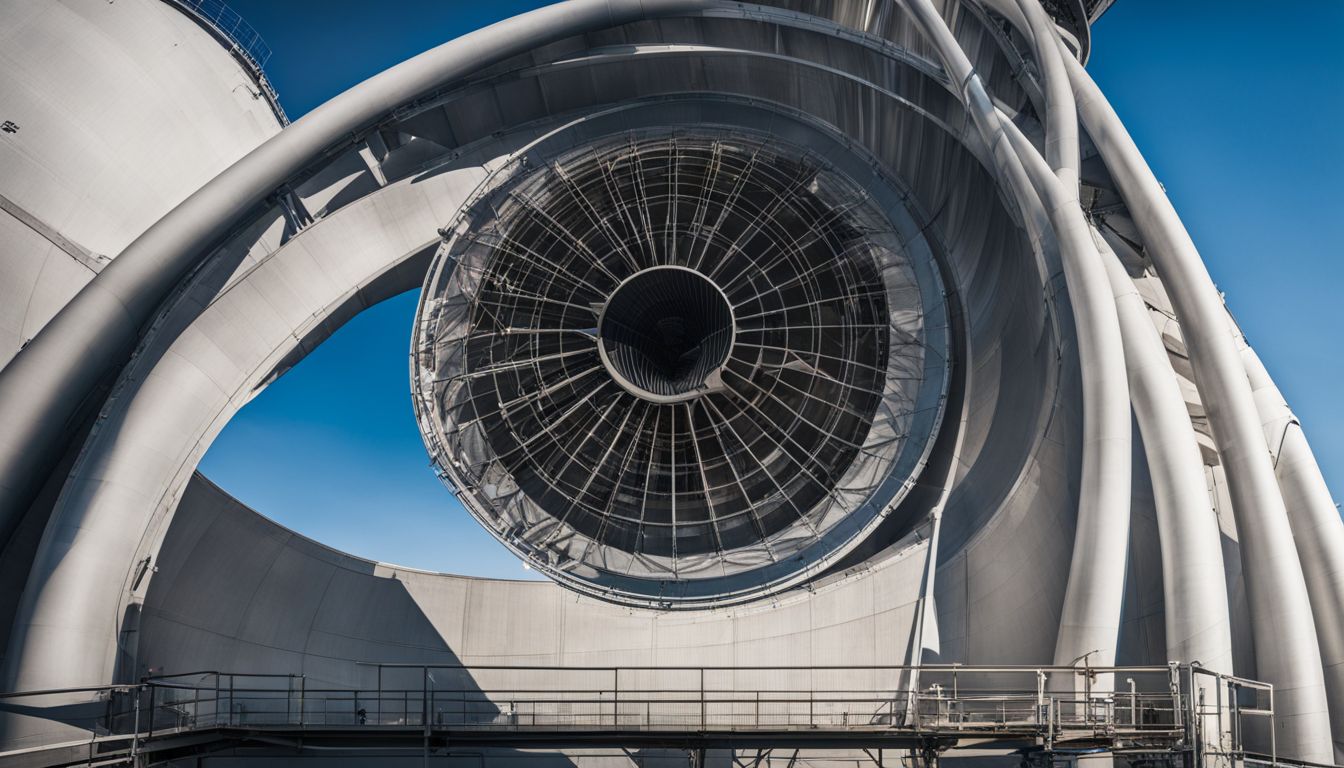
Open cooling towers help cool water by exposing it to air. This process removes heat from systems like condenser coils in air conditioners. Evaporative condensers within these towers can gather scale and dirt during use.
Such buildup often causes stainless steel or copper pipes to corrode twice as fast. It’s crucial to clean and inspect the coils regularly in an open cooling tower. Without proper maintenance, a tower that should last 10 years might only make it to five.
Fans are another important part of a cooling tower’s design. They move air through the system, aiding in the heat dissipation process. Next up is understanding how different fans work within these structures.
Combined Dry and Wet Cooling Tower
A combined dry and wet cooling tower uses both air and water to remove heat. This design tackles scaling and fouling issues found in traditional evaporative condensers. It boosts efficiency, making the system more reliable for dissipating heat.
With this type of tower, you can keep your evaporative condenser working well for up to 10 years.
These towers need regular checks and upkeep to work their best. Keeping them in top condition means they can keep removing heat without losing performance over time. They help save energy and improve how long your equipment lasts.
Closed Cooling Tower
Closed cooling towers keep water clean and free from air. They reduce scale and fouling, making them very reliable. Dirty water stays inside a coil that heat moves through. Cool air blows over the coil to take away heat.
These towers protect copper or stainless steel pipes from fast corrosion. They make sure heat exchange stays strong and steady. Regular checks and cleaning help these systems work well for a long time.
Benefits and Drawbacks of Each Type

As we move from exploring the closed cooling tower, let’s delve into the advantages and disadvantages of different cooling tower types. This comparison will help you understand what suits your needs best.
- Open Cooling Tower:
- Pros: These towers are usually less expensive and easier to maintain due to their simple design. They can also handle very high heat loads effectively.
- Cons: Open systems can be more prone to dirt, debris, and biological growth which can cause fouling. They also evaporate a lot of water, leading to higher consumption.
- Combined Dry and Wet Cooling Tower:
- Pros: Offers flexibility by operating in dry mode during cooler temperatures and wet mode when it’s hotter. This helps save on water usage.
- Cons: It has complex machinery which may lead to higher initial costs and maintenance expenses.
- Closed Cooling Tower:
- Pros: Protects the water from environmental contaminants, thereby reducing fouling risk. This makes them ideal for dirty or contaminated environments.
- Cons: Often involves a higher initial cost than open towers and might require more energy for heat exchange processes.
The Role of Fans in Cooling Towers
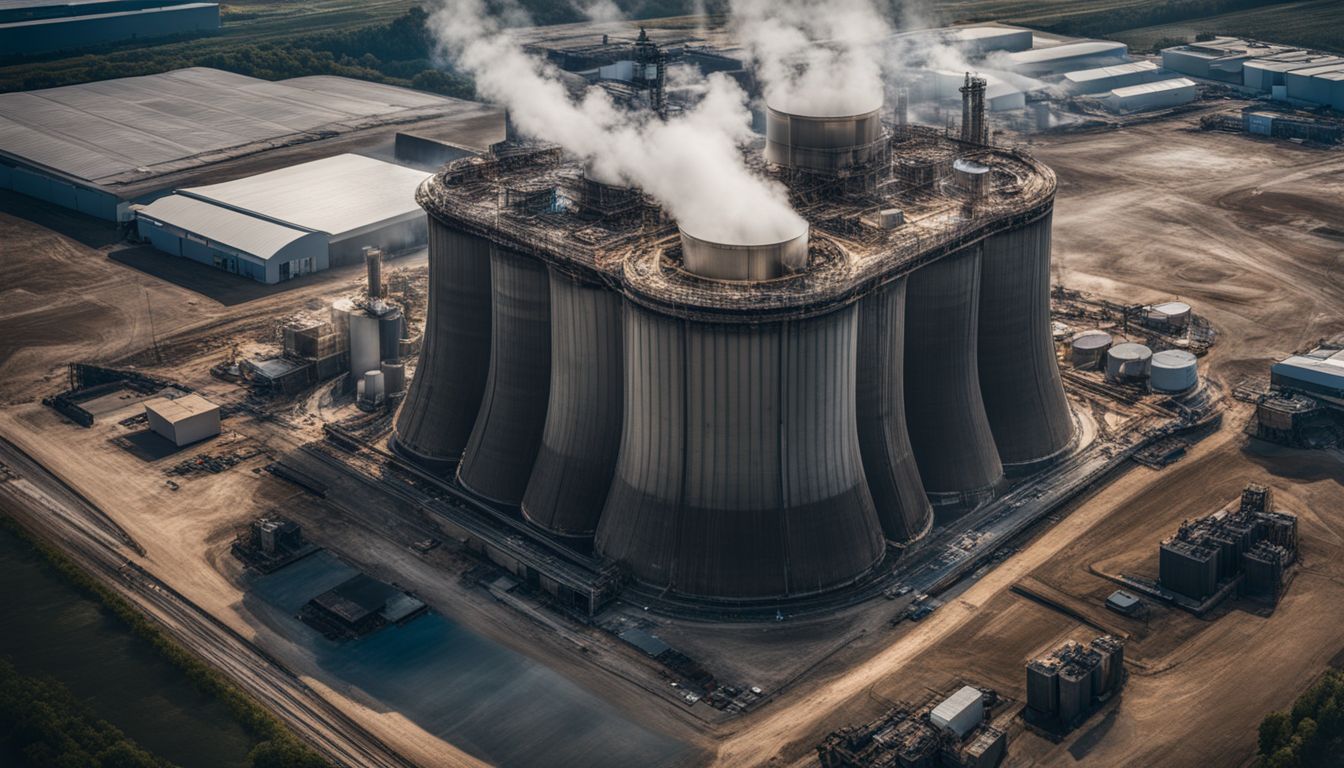
Delving into the dynamics of cooling towers, we uncover the pivotal role fans play in steering air flow and enhancing heat exchange efficiency. They operate as the unsung heroes, propelling performance in a system where thermal regulation is paramount.
Induced-Draft Fan
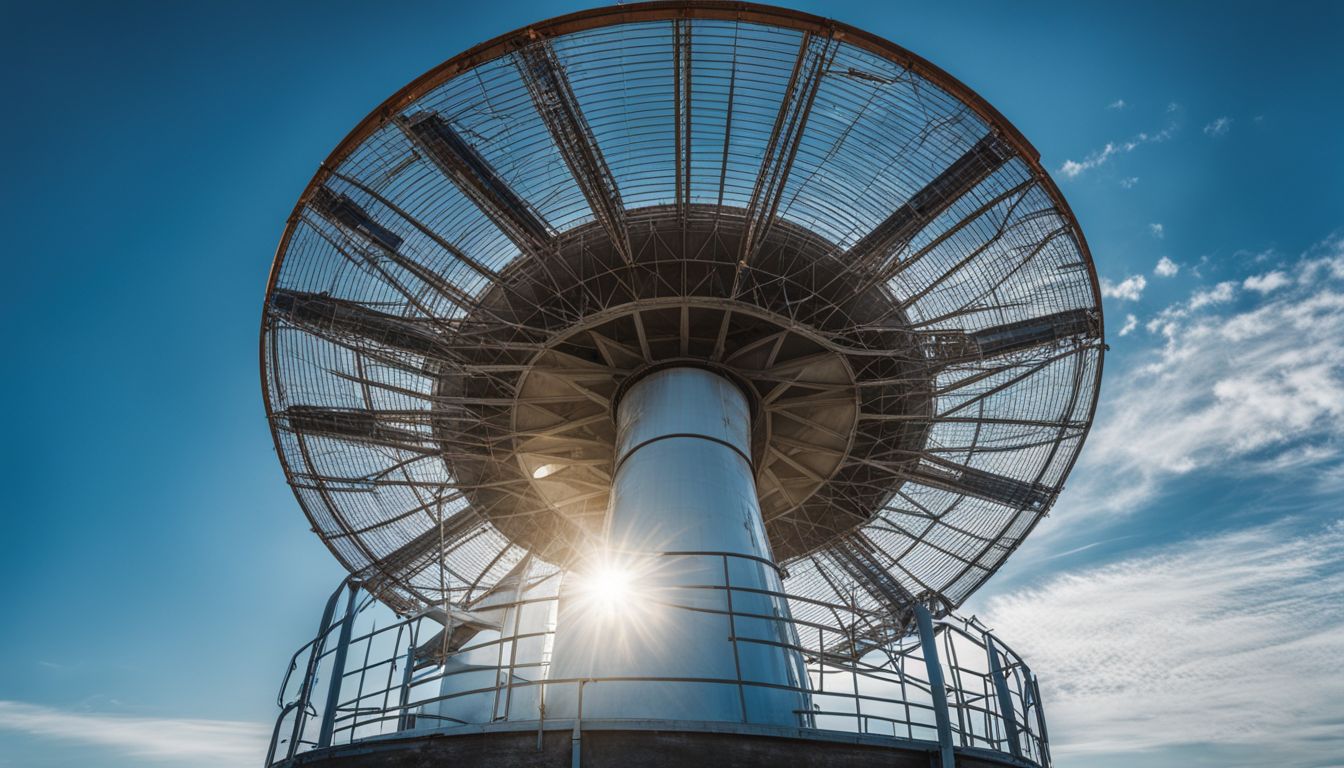
An induced-draft fan sits at the top of a cooling tower. It pulls air through the system. This helps remove heat from water that has absorbed it during air conditioning or other processes.
The fan creates a vacuum effect, which makes more air move over the coils. More moving air means better heat transfer.
Using an induced-draft fan is energy efficient and boosts performance. It also lowers temperatures inside the tower faster than other fans can. These fans require less maintenance because their design keeps debris and dirt out of critical parts.
They play a big role in keeping cooling towers running smoothly and preventing scale and fouling issues mentioned earlier.
Forced-Draft Fan
Forced-draft fans play a crucial role in the performance of evaporative condensers. They push air across the condenser coils, speeding up heat transfer. When scale and fouling occur, these fans are directly affected.
This can double the rate at which parts corrode.
Keeping your condenser coil well-maintained is key for forced-draft fan efficiency. Research suggests regular maintenance can boost energy efficiency by 30%. It’s important to check these fans often to keep your system running smoothly and save energy.
Pros and Cons of Each Type
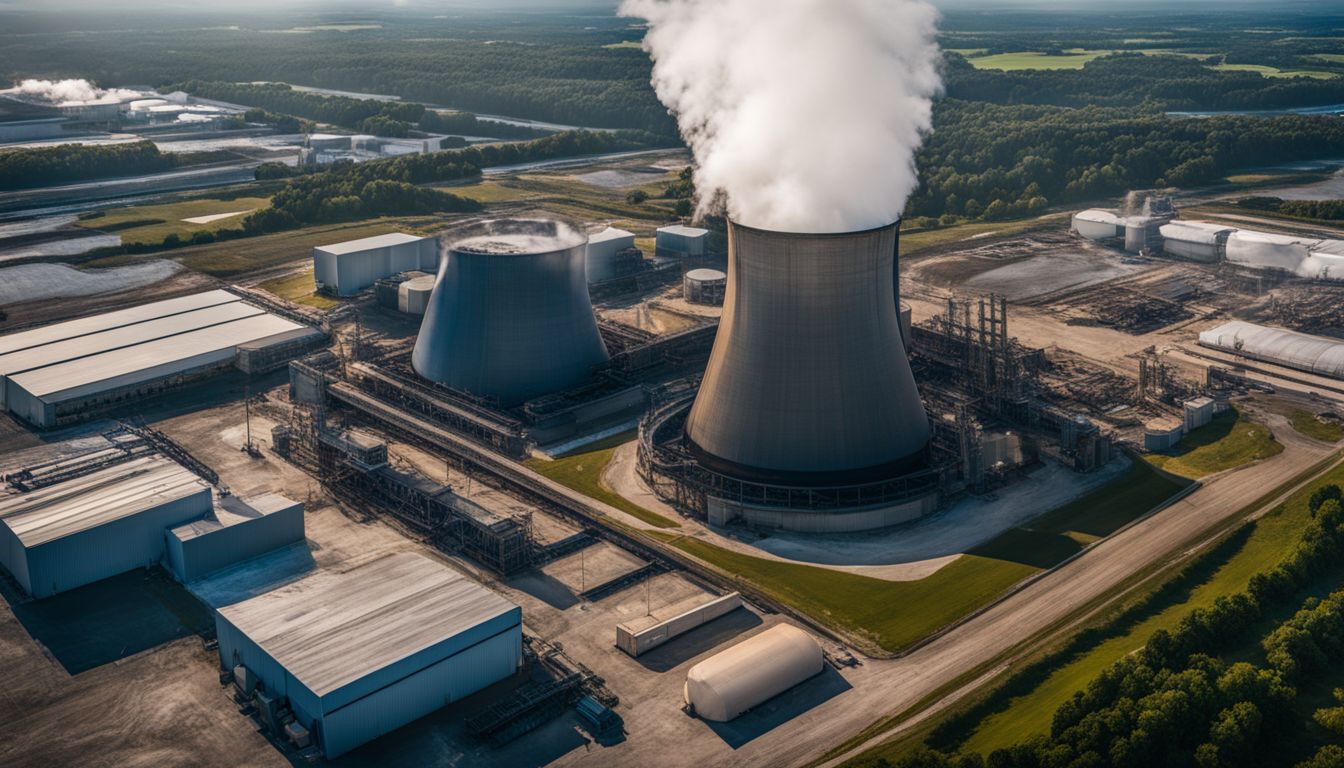
Condenser coils are crucial components in HVAC systems, and their efficiency directly affects the system’s performance. Various cooling towers support these coils, each with its advantages and disadvantages. Let’s evaluate the pros and cons of each cooling tower type in a clear and concise manner.
| Cooling Tower Type | Pros | Cons |
|---|---|---|
| Open Cooling Tower |
|
|
| Combined Dry and Wet Cooling Tower |
|
|
| Closed Cooling Tower |
|
|
Regular maintenance, including the treatment of the spray water system, is vital for all cooling towers to maintain efficient heat dissipation. Implementing effective water treatment solutions can significantly reduce the risk of fouling and scaling, thus extending the service life of the condenser coil and enhancing the overall performance of the HVAC system.
Advancements in Heat Exchangers
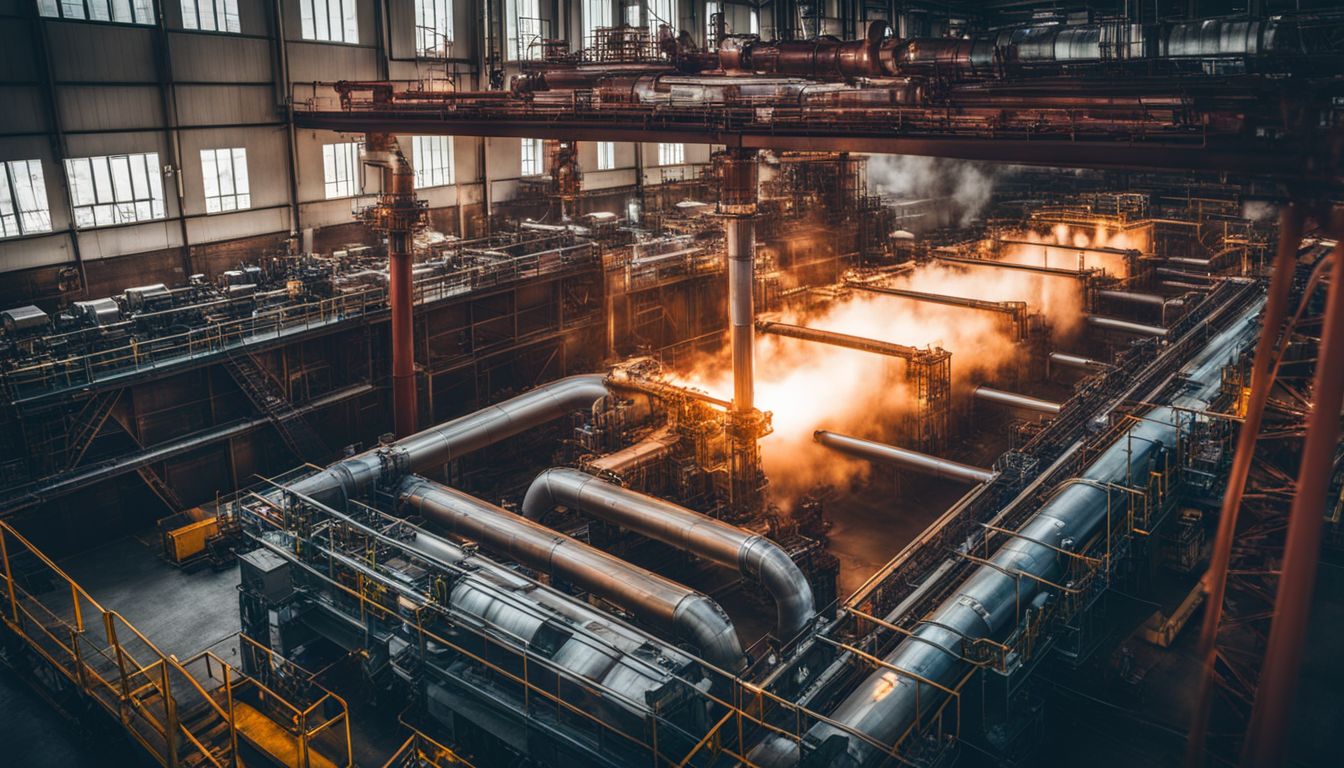
Exploring the frontier of thermal management, recent advancements in heat exchangers are revolutionising how we dissipate heat across a myriad of industries. With the advent of air-cooled systems, these innovations are pivotal for enhancing energy efficiency and performance in today’s heating and cooling applications.
Air Cooled Heat Exchanger
Air cooled heat exchangers play a key role in managing temperatures. They use fans to blow air across coils, removing heat from the fluid inside. This process helps keep machines and systems at the right temperature.
Proper care of these exchangers is important for their performance.
Scales or fouling can reduce how well air cooled heat exchangers work. It’s vital to clean and check them often. By doing this, they will work better and save more energy. A well-maintained coil makes sure that the system runs efficiently and cuts down on energy costs.
Importance in Heat Dissipation
Condenser coils play a vital role in moving heat out of your air conditioner. They take hot gas from the compressor and cool it down. This turns the gas into a liquid. As this happens, the coil releases heat into the air around it.
Keeping these coils clean is key for good energy efficiency. Dirt or damage can stop them from working well. Studies show that proper maintenance can boost energy efficiency by up to 30%.
This means your system uses less electricity and saves you money on power bills. Regular checks also prevent fast corrosion in materials like stainless steel or copper pipes.
The Importance of Water Treatment in Spray Water Systems of Evaporative Condensers
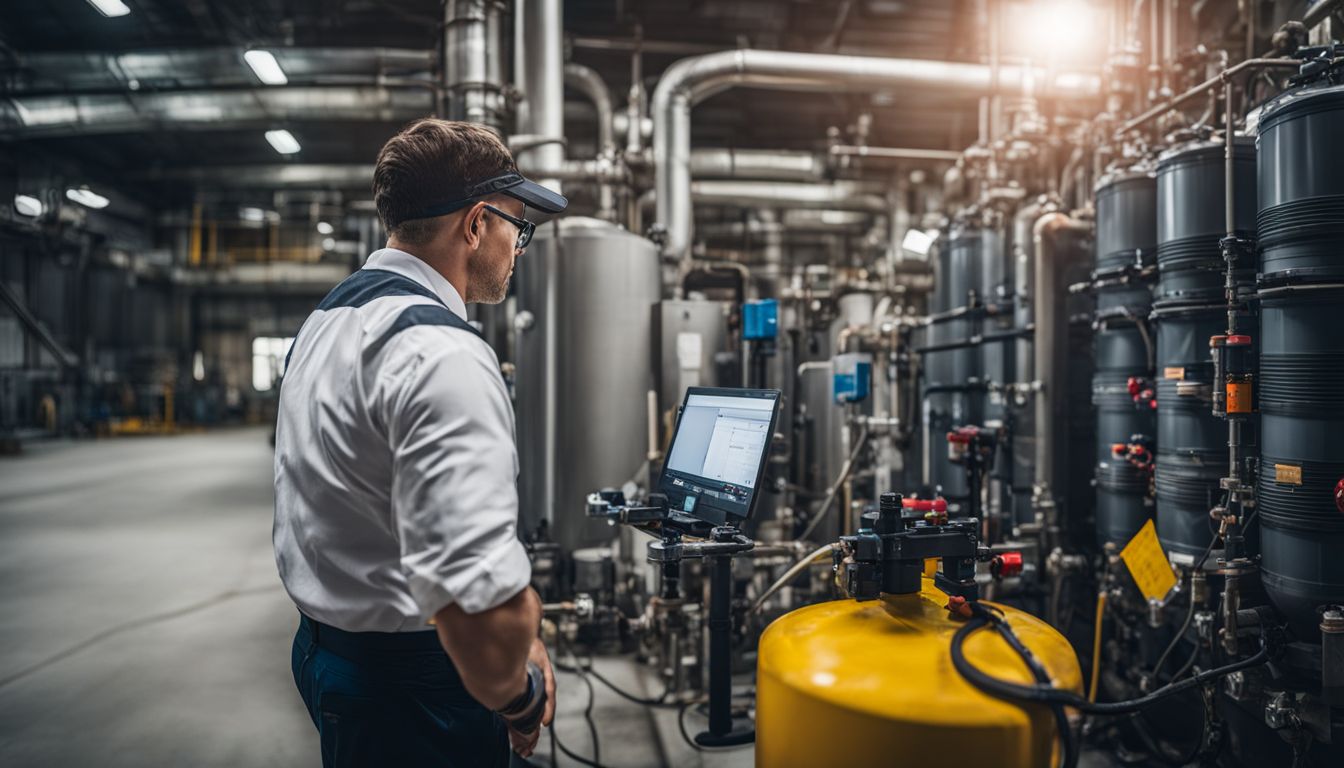
Ensuring the purity and quality of water within spray systems is crucial for maintaining optimal performance in evaporative condensers. Optimal water treatment prevents scale, corrosion, and biological growth that can severely impair heat dissipation efficiency.
Common Water Treatment Issues
- Scale Build-Up: Hard water contains minerals like calcium and magnesium. These minerals deposit on surfaces, forming scale. Scale acts as an insulator, reducing the ability of the condenser to transfer heat.
- Corrosion: Dirty water can corrode metal parts. The presence of oxygen and other chemicals speed up this process. Corroded parts may leak or fail, needing replacement sooner.
- Fouling: Water with high organic content or debris leads to fouling. This layer of grime reduces heat exchange and increases corrosion rates, potentially cutting the lifespan of a condenser in half.
- Biological Growth: Warmth and water are perfect for bacteria and algae to grow. They clog systems and produce acids that eat away at metal.
- Water Treatment Chemicals: These are used to fight scale and biological growth. But if not managed well, they can cause their own problems like imbalances in pH levels which lead to further corrosion.
Solutions for Effective Water Treatment
Condenser coils need clean water to work well. Dirty water can cause problems and reduce how long they last.
- Treat the water with chemicals to stop scale and corrosion. This keeps the coils clean and efficient.
- Use filtration systems to remove particles from the water. Clear water helps prevent blockages.
- Regularly test the water for impurities. This ensures treatments are working.
- Control algae and bacteria with biocides. They keep the system healthy.
- Balance the pH level of the water. Correct acidity helps protect the equipment.
- Install a side – stream filtration unit for continuous cleaning. It catches dirt without stopping the whole system.
- Schedule shock treatments when needed. These deep cleans tackle tough build – ups.
- Monitor water levels to avoid overflows and dry running. Both can damage condenser coils.
- Fit an automatic bleed-off system. It removes mineral-rich water to prevent scaling.
- Keep a maintenance log for all treatments done. This track record helps spot issues early.
Antifreeze Solutions for Cooling Towers and Evaporative Condensers
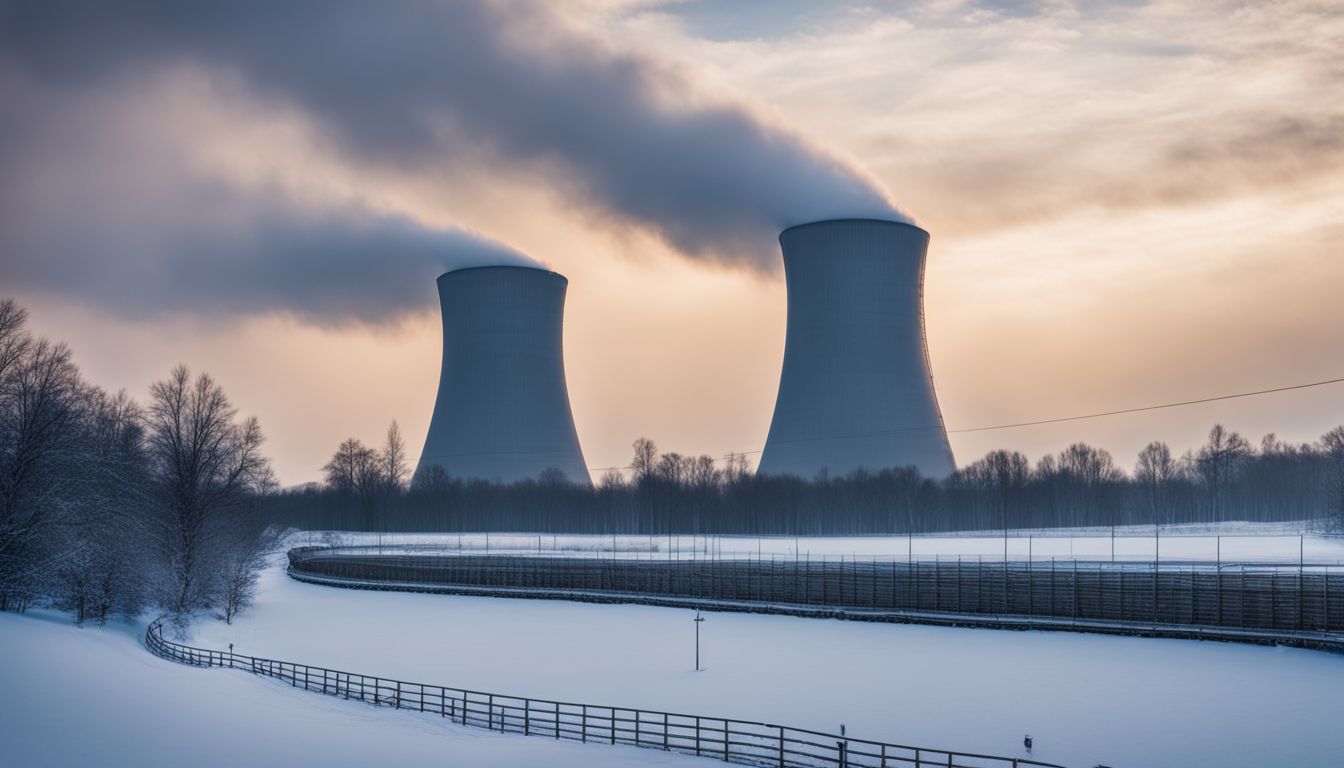
As winter approaches, the strategic use of antifreeze solutions becomes crucial for maintaining optimal performance in cooling towers and evaporative condensers. Implementing these measures not only guards against freezing conditions but also ensures sustained efficiency in heat dissipation systems throughout the colder months.
Importance of Winter Antifreeze
Winter antifreeze keeps evaporative condensers running smoothly in cold weather. This liquid is crucial for preventing pipes from rapid corrosion due to scale and fouling. Without it, a condenser’s lifespan might drop from 10 years to just 5.
Antifreeze ensures that heat dissipation stays effective, even when temperatures plunge. By protecting the system, winter antifreeze plays a vital role in maintaining the energy efficiency of your HVAC.
Adding antifreeze also safeguards against unexpected breakdowns. It helps avoid costly repairs and downtime by keeping the cooling tower and evaporative condenser in top condition through winter months.
Moving on, let’s explore precautions and best practices for using these solutions effectively.
Precautions and Best Practices
Before adding antifreeze to cooling towers and evaporative condensers, you need to follow certain precautions. Here are the best practices to ensure everything runs smoothly:
- Make sure to shut off the system before you start any maintenance work. This keeps you safe from any moving parts or electrical components.
- Always use the correct type of antifreeze for your system. Check the manufacturer’s recommendation for the best match.
- Dilute antifreeze properly according to instructions. Incorrect mixing can reduce effectiveness and may damage components.
- Test antifreeze concentration regularly with proper tools. This ensures it remains at safe levels for optimal protection against freezing.
- Inspect all parts of the system when adding antifreeze, especially pipes and joints, for leaks or signs of wear.
- Apply antifreeze in appropriate quantities; too much or too little can lead to problems with heat dissipation and energy efficiency.
- Dispose of old or excess antifreeze responsibly following local environmental regulations to mitigate climate change impact.
- Train staff on how to handle and apply antifreeze solutions safely. Proper training helps prevent accidents and maintain system integrity.
Conclusion
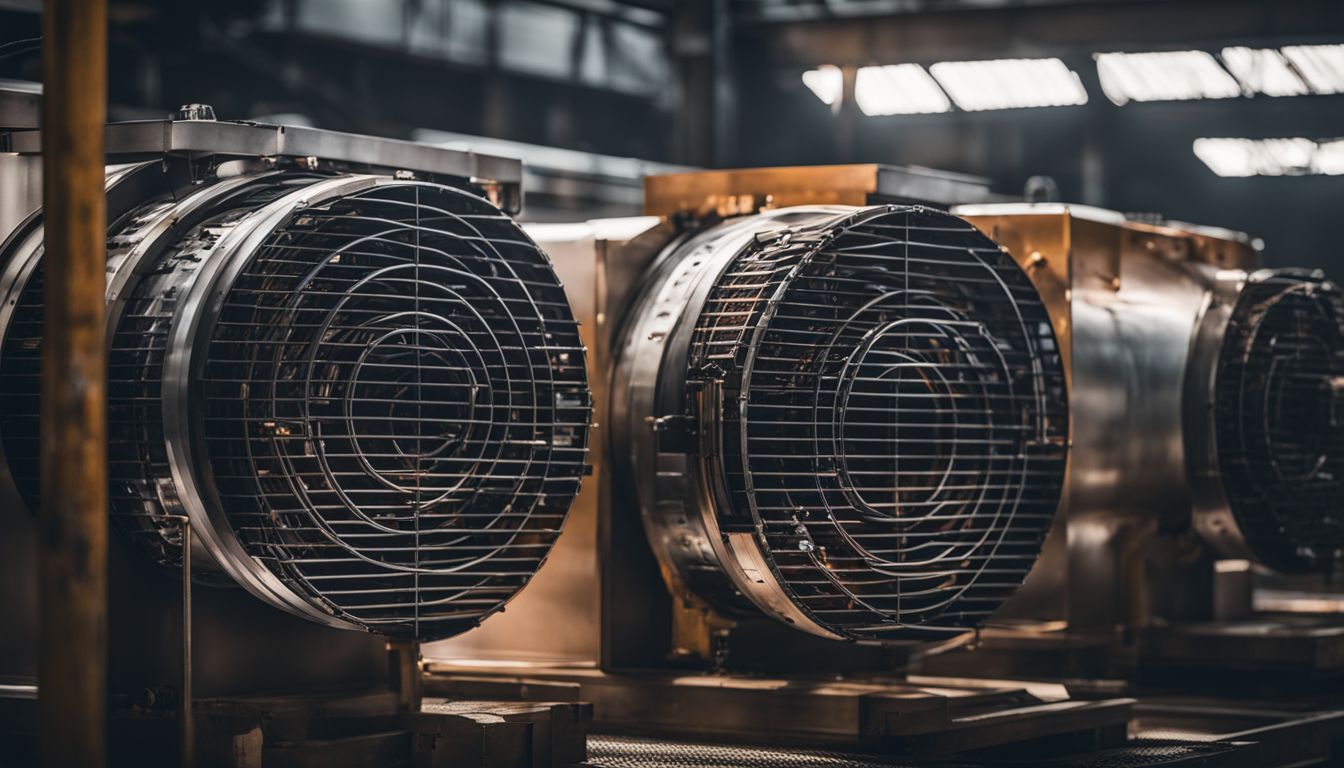
Condenser coils are key for keeping cool air blowing. They move heat out and help your aircon run well. Keep these coils clean for the best results. Remember, taking care of condenser coils saves energy and money too! So, give them the attention they need for a chill life.
FAQs
1. What is a condenser coil in appliances like induction hobs?
A condenser coil in induction hobs helps take away heat, making these appliances energy efficient.
2. Why is the condenser coil important for heat dissipation?
The condenser coil is key in transferring heat away from devices, using conduction of heat to keep everything cool.
3. Can a good condenser coil make an appliance more energy saving?
Yes, with an effective condenser coil, appliances use less electricity and can be more cost-effective.
4. What kind of technology uses condenser coils for cooling?
Technology like cryostats and superconductors use condenser coils to manage temperature when they get hot.
5. Do all manufacturers focus on the efficiency of the condenser coils in their products?
Manufacturers who aim to create powerful and energy-saving products pay attention to improving the quality of their condenser coils.
6. Is it only electronics that benefit from having a good-quality condensing coil?
No! Even processes such as pasteurisation or canning require good management of heat which can involve using efficient thermal systems including well-designed coils.