


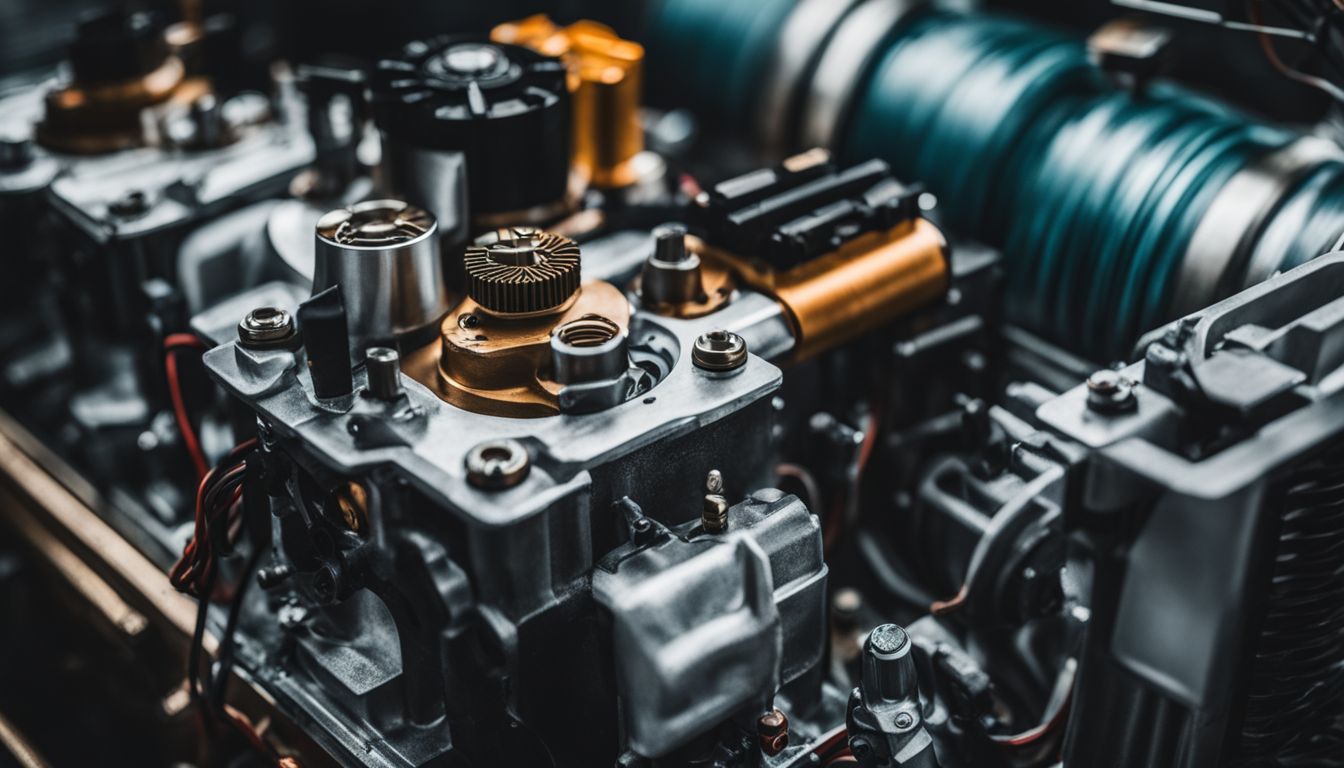
Air conditioning systems help us stay cool. They use aircon motors to move air around. These motors work with parts like compressors, condenser coils, and evaporator coils. They make sure the right temperature air gets to each room.
There are three main types of compressors: reciprocating, rotary, and scroll. Each one changes the refrigerant to cool down the air we feel. Sometimes, these motors have problems like electrical issues or broken parts.
But we can fix them by cleaning or changing pieces.
Floor-standing AC units pull warm air from a room over cold coils to lower its temperature before blowing it out as cooler air. Some newer models use inverter motors, which adjust how hard they work based on how cold you want in your room, saving energy.
Cars also have special AC systems that keep becoming safer for our planet with new refrigerants being used.
Taking care of these systems is important, too! Things like keeping filters clean and checking for proper drainage ensure everything works well.
This is just a peek into how all these moving parts come together to keep spaces comfortable for us.
Overview: How Air Conditioning Systems Work
Air conditioning systems employ a complex dance of mechanical and thermodynamic processes to cool our environments. At the heart of this operation lies a coordinated sequence where various components interact to facilitate heat transfer from indoors to outdoors, achieving climate control with remarkable precision.
Compressor
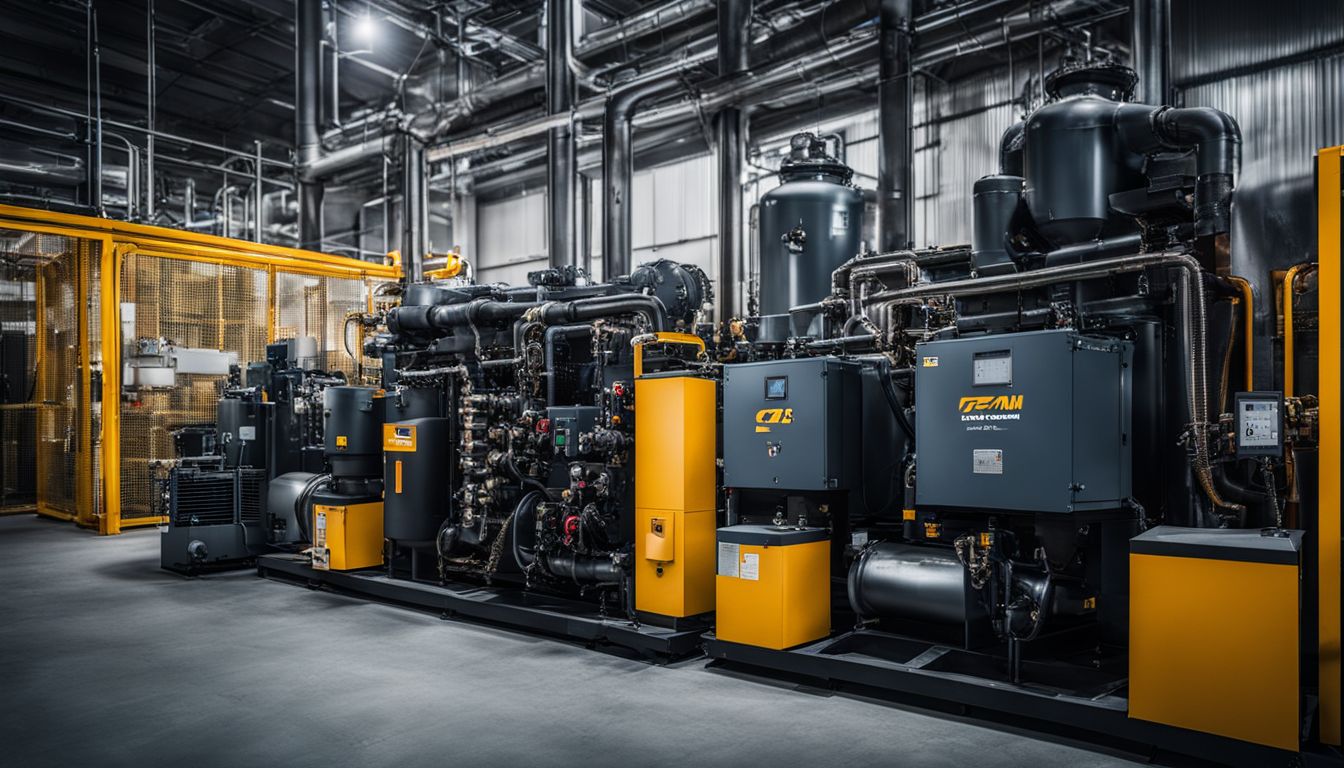 The compressor is the heart of an air conditioner’s refrigeration cycle. It works by taking in cool, low-pressure refrigerant and turning it into a hot, high-pressure gas. This process heats up the vapour and plays a key role in cooling your home.
There are several types of compressors: reciprocating, rotary, and scroll.
Each type has its own way of raising the pressure and temperature of the refrigerant vapour. Doing this, they help turn warm indoor air into colder air to keep you comfortable. The compressor’s ability to evaporate liquid ensures that when you click your remote control for cooler temperatures, your space gets exactly that – cooler air circulated efficiently throughout.
Condenser
A condenser changes the refrigerant from gas to liquid. It releases heat and humidity from your car. Dirt or debris can block airflow, which might break the system. You must take care of your condenser to keep your air-con running well.
This part is in the refrigeration cycle of your air-con system. If it leaks, it can harm the compressor. To avoid failure, check for leaks and clean away any dirt regularly.
Dryer
The dryer in an automotive air-conditioning system is vital for keeping the refrigerant dry. It pulls out moisture that can lead to corrosion and blockages inside the system. This drying agent ensures the refrigerant does not freeze, which could damage components and reduce efficiency.
Essentially, the dryer is a guardian for your car’s AC. It traps water from within the refrigerant before it circulates through other parts of the system. Without this component, moisture would cause serious issues under high pressure and low temperatures during regular use.
Metering Device
After the refrigerant leaves the dryer, it enters the metering device. This part is crucial in regulating how much refrigerant goes into the evaporator. It ensures just the right amount moves on for efficient cooling.
Controlling this flow allows the liquid refrigerant to expand and turn into a gas in the evaporator coils.
The metering device acts like a traffic cop for your air-con’s coolant system. If it breaks down, you might notice your room isn’t as cool because there’s not enough cold air blowing through.
It needs to work right so that heat gets absorbed effectively, keeping everything running smoothly and comfortably cool.
Evaporator
The evaporator plays a crucial part in your car’s air conditioning system. It takes heat and humidity from inside the vehicle, making it cooler and more comfortable. This component looks like a small radiator and sits inside the dashboard.
The evaporator absorbs the heat as warm air passes over its cold coils, sending cool air back into the car.
During this process, refrigerant changes from liquid to gas as it takes in the car’s interior heat. The absorbed moisture also turns into water droplets that drain outside your vehicle, reducing humidity levels.
Proper functioning of the evaporator is essential for effective heat transfer and maintaining a pleasant indoor environment in your car.
The Role of Aircon Motors in Air Conditioning Systems
Aircon motors are the driving force behind efficient climate control, tirelessly working to ensure air flows seamlessly throughout your living or workspace. They play a crucial part in managing indoor temperature by whisking away warmth during summer months and distributing cosy heat when winter arrives.
Aircon motors play a crucial role in moving air through the system. They power fans that push air over the hot or cold parts of the air conditioner. This process is key for controlling the temperature inside a room.
The fan blades spin rapidly, driven by these motors, grabbing air and sending it across either the heating element or cooling coils.
These components then either warm up or cool down the air as needed. Once heated or chilled, this conditioned air gets pushed out into spaces people use. It’s how we feel comfortable indoors no matter what the weather’s like outside.
Air circulation is essential for an effective HVAC system, and it all hinges on those powerful little motors working tirelessly behind the scenes.
Distributing Air throughout the Designated Space
Blowers play a crucial role in moving air where it’s needed. They pull warm air over the cold evaporator coils. Then, they send the cooled air back into your room or office. This keeps the space comfortable, just as you set on the thermostat.
The process ensures that every corner of your designated area stays cool and fresh. Your floor-standing air conditioner uses vents to channel this crisp breeze precisely where you want it.
Let’s dive deeper into how refrigeration cycles make this all happen.
Detailed Exploration of the Refrigeration Cycle
Dive into the mechanics of chill: our in-depth examination of the refrigeration cycle reveals how it harnesses physical principles to transport heat. This section will elucidate a refrigerant’s journey and transformation, which is pivotal in temperature regulation within aircon systems.
Path and Characteristics of Refrigerant
Refrigerant moves through the aircon system in a cycle. It starts as a gas in the compressor, where pressure is added. This turns it hot and high-pressure gas that flows to the condenser.
In the condenser, outside air takes away heat from the refrigerant, causing it to cool down and change into a liquid.
As a cooler liquid under high pressure, the refrigerant travels towards an expansion valve or metering device. Here, it slows down and pressure drops. This cooling process expands and turns into a low-pressure mist called flash gas, which enters the evaporator coil inside your car’s cabin.
Inside this coil, warm air from your cabin blows over the cold evaporator coils containing flash gas. The cold refrigerant absorbs heat from this air. Your vehicle’s blower then sends this cooled down air back into your car, making you feel comfortable on hot days while driving.
Meanwhile, the refrigerant, having absorbed all that heat, changes back into vapour but still stays at low pressure before returning to the compressor to start its journey all over again.
Role of the Condenser Coils and Fans
Condenser coils play a crucial part in air conditioning systems. They take the heat out of your room and push it outside. The fans help in this process by blowing air over the coils, which speeds up heat release into the outdoor environment.
This is all part of what we call the refrigeration cycle.
The condenser fan works with these coils to move large amounts of air. Combined, they make sure that warmth pulled from inside your home gets out quickly. Without these parts, an aircon unit couldn’t keep your space cool and comfy during hot days.
Role of the Evaporator Coils and Blowers
Evaporator coils play a crucial role in cooling the air. They take heat from room air and turn refrigerant from liquid to gas. This process cools down the air. Blowers then step in to move this cool air around.
They pull warm room air over the cold evaporator coils. After that, they push the chilled air back into the space.
In floor-standing air conditioners, these parts are vital for keeping things cool. The evaporator coils and blowers work together like a team. They ensure your aircon runs smoothly and fill your room with steady, cold breezes.
The Function of the Blowers in Air Conditioning Systems
Delving into the mechanics of air conditioning, we find that blowers are pivotal in ensuring a consistent and comfortable climate indoors, driving the heart of circulation by whisking away warmth and ushering in cool serenity.
Understanding the Role of Aircon Blower Fans in Driving Efficient Airflow
Aircon blower fans are crucial for moving air efficiently. They pull warm air from the room and push it over cold evaporator coils. This process cools down the air quickly. The same blower fans then send this cool air back into the room, creating a comfortable environment.
These blowers ensure that airflow is consistent and reaches all parts of a space. Without them, cooled air wouldn’t circulate well, leaving hot spots in rooms. Properly working blower fans result in better temperature control and energy savings since systems don’t have to work as hard to cool a space evenly.
– Drawing Warm Air from the Room
Drawing Warm Air from the Room
As the aircon blower fans work to drive efficient airflow, they also play a crucial role in the cooling process. Blowers pull warm air from inside the room through vents or grills.
This warm air passes over the evaporator coils, where it loses its heat. The coils absorb this warmth, part of the refrigeration cycle that cools down the room. Fans ensure this process happens smoothly and constantly so you can enjoy a cooler space without interruptions.
Propelling the Cooled Air back into the Room
Blowers move the cooled air into the room with force. They suck in warm air, push it over cold evaporator coils, and blow out chilled air for comfort. Fans spin quickly to spread this cool breeze all around the space.
The whole cycle keeps rooms at a steady, pleasant temperature.
Floor-standing air conditioners use their fans to make sure cold air reaches every corner of the room. These devices have a strong airflow that gives you quick relief from heat. They work hard to keep your living or working spaces nice and cool.
How Aircon Motors Work in Different Types of Air Conditioning Systems
Aircon motors are tailored to meet the unique demands of various air conditioning systems, ensuring optimal airflow and efficiency in environments from residential homes to electric vehicles.
Discover the intricacies of these motor-driven systems as they adapt to diverse applications, delivering comfort wherever needed.
Traditional Air Conditioning Systems
Traditional air conditioning systems are designed to keep indoor spaces cool and comfortable. The heart of these systems is the aircon motor, which drives fans that circulate air through various components.
Inside, you’ll find an evaporator coil where the refrigerant absorbs heat from the room air and turns it into a gas, cooling the space. This warm refrigerant then flows to the compressor.
Once compressed, it becomes a hot, superheated vapor ready for condensing. Moving to the condenser coil outside, it releases its stored heat energy into the atmosphere with help from airflow produced by condenser fans.
After losing its heat, the refrigerant returns to a liquid state and heads towards the metering device.
Here, in traditional AC units using chlorofluorocarbon (CFC) or hydrofluorocarbon (HFC) like R-134a or R-1234yf as refrigerants, precise flow rate control ensures efficiency during heating and cooling cycles.
Technology has advanced over time; electric car air conditioning systems have emerged with their unique methods of managing cabin temperature.
Electric Car Air Conditioning Systems
Electric car air conditioning systems keep passengers comfortable in electric vehicles. These systems have special motors that push the cool air around inside the car. They do this without using a lot of energy, which helps the car’s battery last longer.
The design ensures that all car parts get enough cool air.
The aircon motor has to work well with the electrical system in electric cars. This ensures everything runs smoothly and doesn’t drain too much power from the battery. Since there is no engine heat like in petrol cars, these systems use clever ways to control temperatures inside the vehicle efficiently.
Floor Standing Air Conditioners
Floor-standing air conditioners pack a complete cooling system into a portable unit. They hold a compressor, condenser, evaporator, and expansion valve to chill the room’s air. Their motors spin fast to drive the compressor.
This motion pushes refrigerant through the cooling cycle.
In these units, inverter technology allows motors to alter their speed. The compressor changes pace depending on how much cool air is needed. This smart adjustment saves energy and cuts costs.
Floor-standing models suit big areas like lounges or offices well. These ACs bring strong cooling where built-in systems can’t go, making them an ideal pick for flexible use without performance loss.
Maintenance and Troubleshooting of Aircon Motors
To ensure your air conditioning system functions optimally, familiarise yourself with the essential upkeep and diagnostic steps for aircon motors. Spotting early signs of malfunction can save you from sweltering discomfort and costly repairs down the line.
Regular Maintenance Procedures
Aircon motors need regular checks to keep them running smoothly. Well-maintained motors help save energy and extend the system’s life.
- Check the motor’s bearings and lubricate them to reduce friction and prevent wear.
- Inspect the fan belts for proper tension and wear. Replace any that are damaged or worn out.
- Clean or replace air filters regularly. This helps maintain airflow and prevents dust from entering the motor.
- Look over the electrical connections to ensure they’re tight and not corroded.
- Test the motor’s capacitor to ensure it is functioning correctly, as this affects the motor’s startup.
- Examine the fan blades for damage or buildup of debris. Clean them carefully without bending the blades.
- Listen for unusual noises when the motor starts. Noise can signal problems like loose parts or obstructions.
- Schedule a professional inspection at least once a year for a thorough system checkup.
- Keep vents and air passages clear from blockages to maintain consistent airflow from the motor.
Common Aircon Motor Problems and Fixes
Keeping aircon motors in good shape requires attention to detail and timely repairs. Here are some common issues that can occur with these motors and how to fix them:
- Motor bearings can wear out, causing noise and heat. Check the bearings regularly and replace them if they are damaged.
- Capacitors may fail, stopping the motor from starting or running smoothly. Test capacitors periodically and swap out any that aren’t working right.
- Electrical connections can become loose or corroded. Tighten all connections and replace any corroded parts.
- Dirt and debris might block air flow, making the motor work harder. Clean the motor area often to prevent this build-up.
- The motor’s winding could overheat due to excessive usage or power surges. Install proper surge protectors and avoid overloading.
Conclusion
Aircon motors are vital for keeping our spaces cool and comfortable. They work hard to push air through the system’s components, ensuring efficient heat rejection. Whether in a car or a large building, these motors maintain optimal temperatures with great energy efficiency.
Regular checks and swift repairs keep them running smoothly. Understanding their role helps us appreciate the complex science behind everyday comfort.
For a more in-depth look at how aircon blower fans contribute to energy-efficient climate control, please visit Understanding the Role of Aircon Blower Fans in Driving Efficient Airflow.
FAQs
1. What do aircon motors do in HVAC systems?
Aircon motors power fans that move air through heating, ventilation, and air conditioning (HVAC) systems to control temperature and improve air quality indoors.
2. What types of fans are used in air-conditioning systems?
Two main types of fans used in air-conditioning systems are axial fans, which move a lot of air at once, and centrifugal fans that spin fast to push air outwards.
3. Are modern HVAC systems energy-efficient?
Yes, many modern HVAC systems use energy-efficient technologies like electronically commutated motors and thermostat controls to save electricity and reduce energy consumption.
4. Can proper motor maintenance affect an HVAC system’s performance?
Absolutely! Keeping the motors well-maintained minimises friction loss and ensures effective heat transfers for better overall performance of your heating or cooling system.
5. Why is sustainability important in the design of aircon motors?
Sustainability matters because it means using less energy for the same work, leading to reduced energy consumption which saves money and is better for our planet.
6. How does airflow impact heating and cooling inside buildings?
Controlled airflow from axial-flow or centrifugal-flow mechanisms helps spread cool or warm air evenly throughout a space ensuring comfortable temperatures wherever you are inside.