

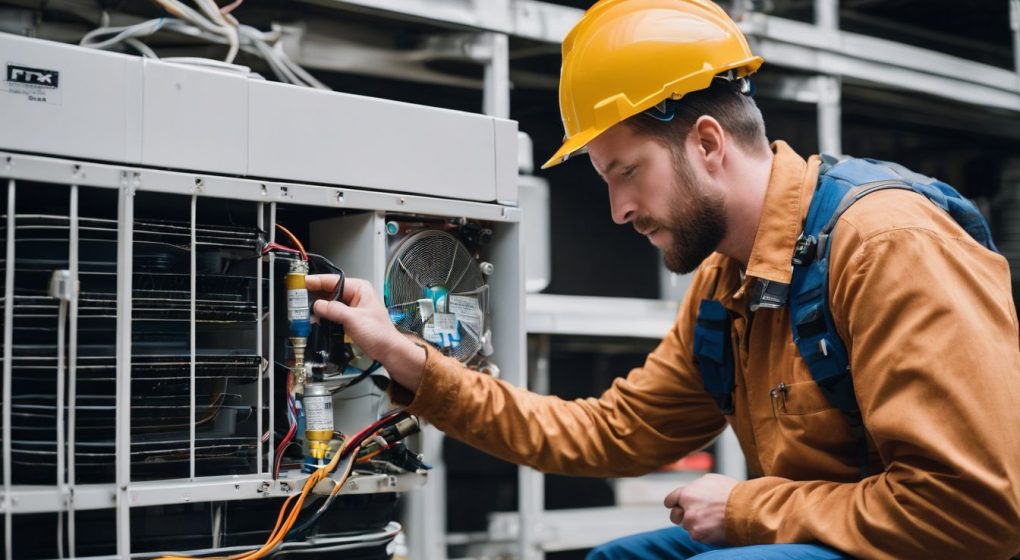
Aircon capacitors are tiny parts that help cool systems work well. They make sure the compressor and fan start running. If a capacitor breaks down, you might find warm air coming out or hear strange noises from your AC.
Extreme heat, wrong microfarad ratings, and old age can cause capacitors to fail. This could lead to more energy use, the system stopping suddenly, or an AC that won’t turn on at all.
You should test your HVAC capacitor with a tool called a multimeter if it’s acting up. It’s best to ask a pro for help since fixing things yourself can be risky and may even void the warranty of your cooling system.
Read on to understand how these little parts have such big jobs in keeping our homes cool.
Understanding the Role of HVAC Capacitors
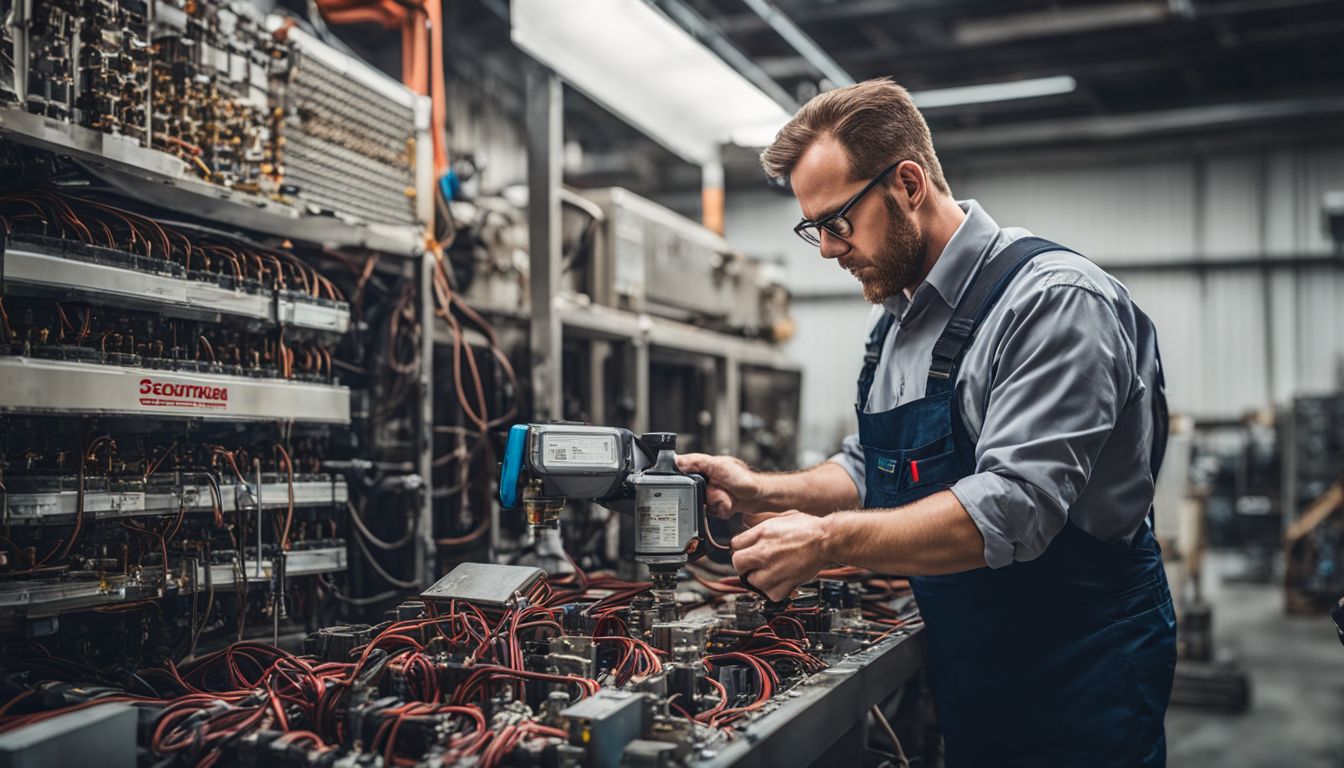 HVAC capacitors are fundamental components that ensure the efficient operation of air conditioning units by regulating electrical flow. Their function is critical in maintaining the consistency and effectiveness of cooling systems, making them an essential aspect to understand for optimal HVAC performance.
What is an HVAC Capacitor?
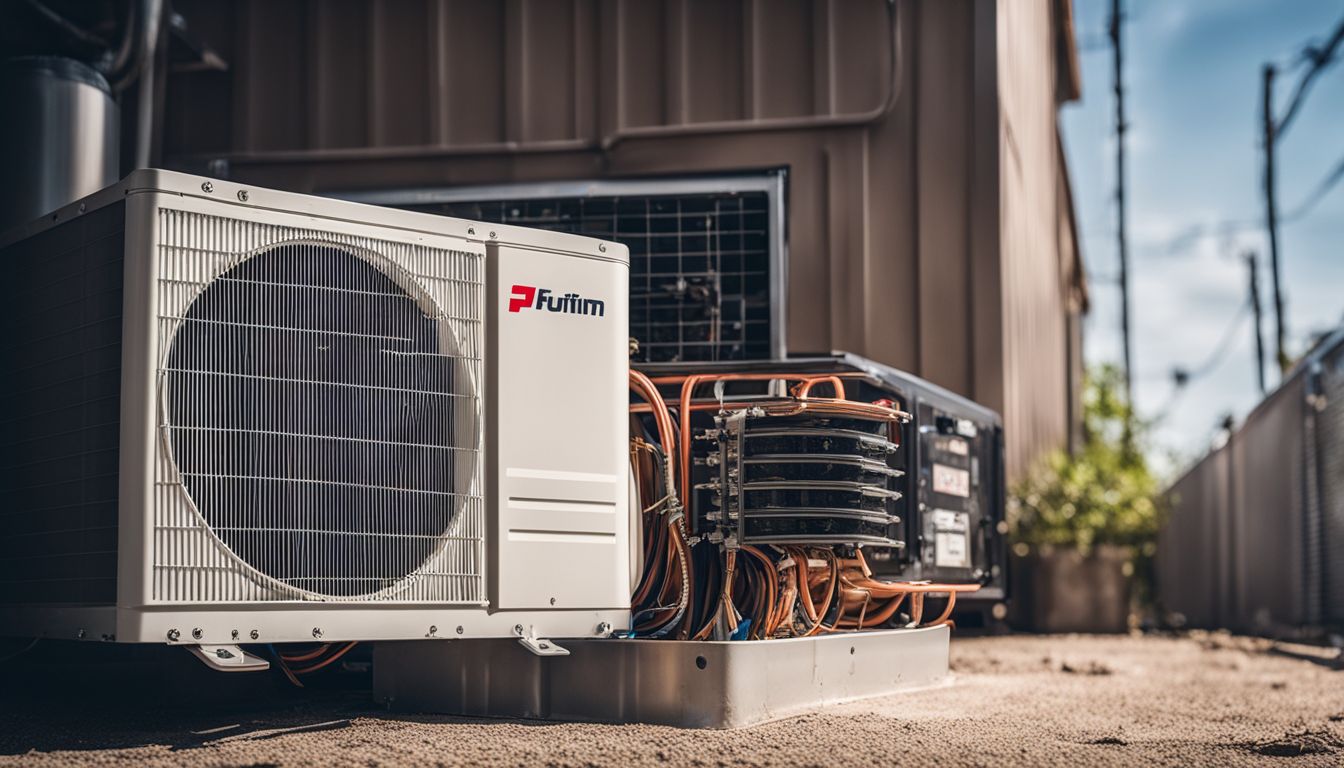
An HVAC capacitor is a small, but crucial part of air conditioning units and heating systems. It stores electrical energy and gives motors the initial jolt they need to start running.
Think of it as a battery that helps kickstart the fan and compressor in your cooling system. Once the unit is on, capacitors keep it running smoothly by stabilising the voltage and helping the motor maintain a consistent speed.
These components come in different shapes, sizes, and capacitance values to match specific HVAC installations. Over time, they can wear out or get damaged from power surges or fluctuations.
If your air conditioner starts acting up—blowing warm air or making strange noises—it might be a sign that the capacitor needs replacing. Getting this done promptly saves you from bigger troubles like complete system failure or expensive repairs later on.
The Function of Air Conditioner Capacitors
Air conditioner capacitors store and release electricity to help start and run the AC motor. They give a jolt to activate the compressor, which is key for the air conditioning system to cool your home.
Capacitors work like batteries but charge and discharge quickly.
These components also keep the motor running by sending a steady electric current during operation. They ensure that your HVAC unit gets enough power supply to function smoothly. Without capacitors, heating and cooling systems would struggle with efficiency, often leading to increased energy consumption or sudden shutdowns.
The Importance of Capacitors in Cooling Systems
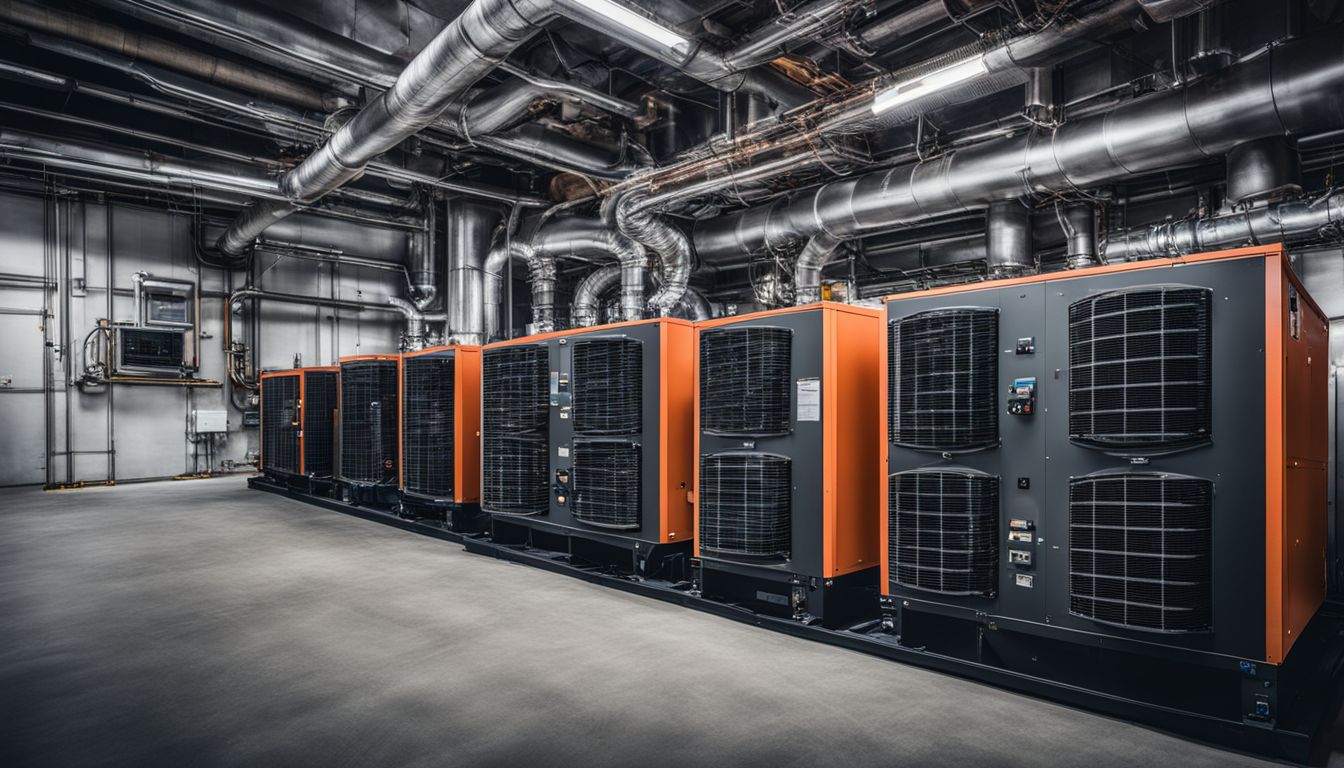
Capacitors stand at the heart of HVAC efficiency, quietly but crucially regulating the electrical flow that powers cooling operations. Their robust functionality ensures air conditioners perform optimally, maintaining comfort without a hitch.
Why Capacitors in HVAC Systems are Important
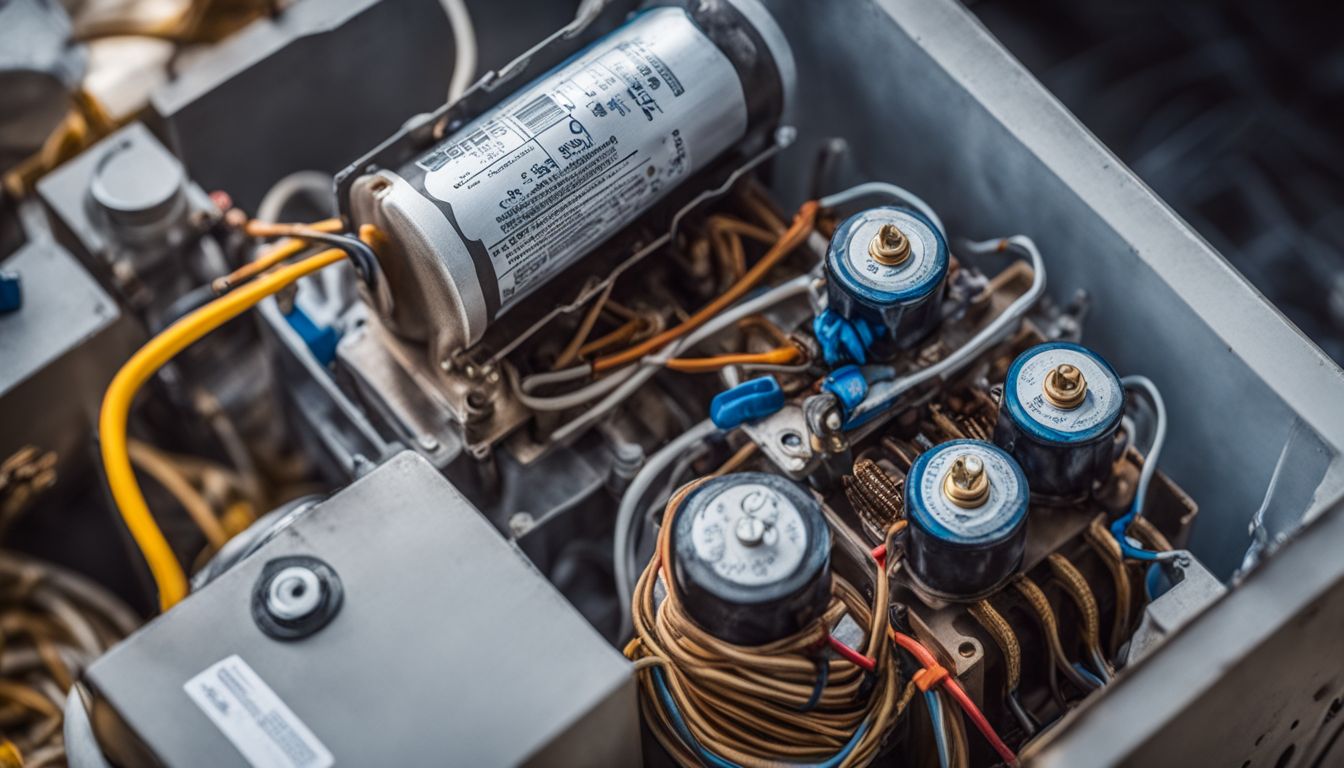
Capacitors in HVAC systems are like batteries. They store and release electricity to start and run the air conditioner motors. Without these capacitors, an HVAC system can’t work properly.
They help make sure that your heating and cooling is smooth and doesn’t waste energy.
If a capacitor fails, you might face trouble with your heating or cooling. This could mean uneven temperatures in your home or even a total unit shutdown. Regular checks keep these important parts working right and save you from sudden breakdowns.
It’s smart to have experts replace bad capacitors for safe and efficient operation of your AC unit.
The Application of AC Capacitor in Air Conditioning
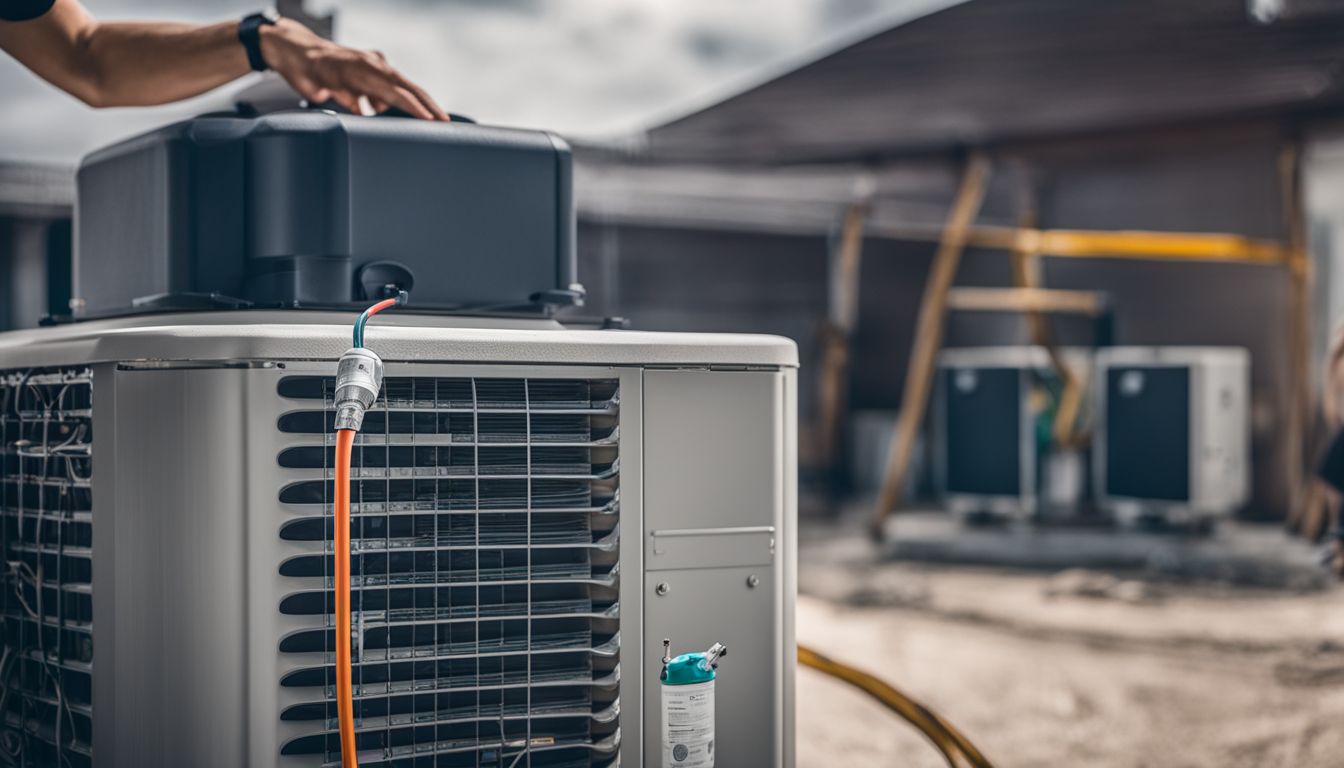
An AC capacitor in your air conditioner acts like a battery. It stores energy and gives motors the kick-start they need to turn on. Once the motor is running, capacitors keep it moving by sending quick bursts of energy.
This helps fans spin and cool air move through your home.
Without a working capacitor, an AC unit can’t start up or maintain power. Think of them as essential helpers that keep everything running smoothly within the cooling system. Moving forward, let’s spot signs that show when these small but mighty parts are failing.
Recognising the Signs of a Faulty Capacitor
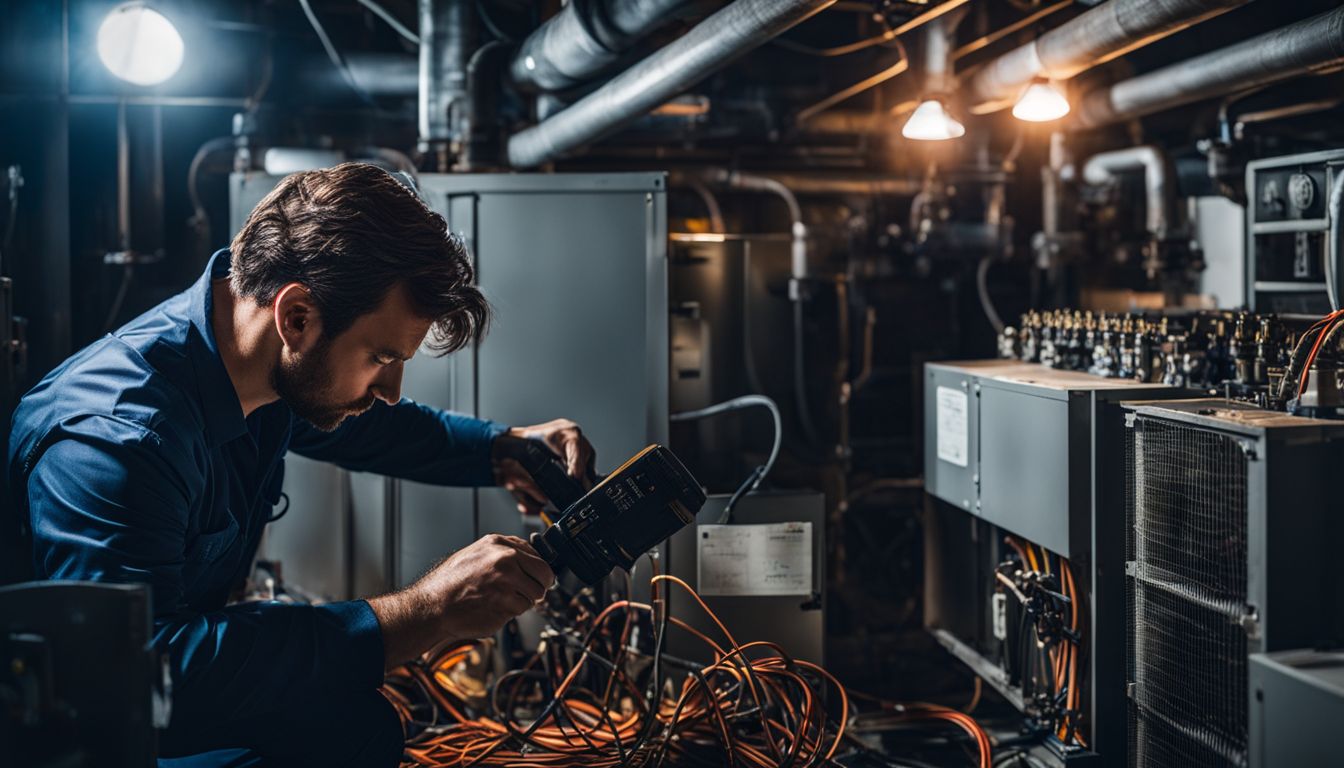
A capacitor in distress can manifest through various indicators, disrupting the seamless operation of your cooling system. Vigilance towards these warning signs is crucial, as early detection can prevent a cascade of HVAC issues and ensure uninterrupted comfort.
Identifying Bad AC Capacitor Symptoms
HVAC capacitors are essential for your air conditioning to work properly. Notice these signs to spot a failing capacitor:
- Warm air blows through the vents instead of cold. This can mean the capacitor isn’t powering the system correctly.
- Strange humming noises come from the unit when trying to start. This sound often suggests the capacitor struggles to kickstart the motors.
- A burning smell near your air conditioning could signal that the capacitor is overheating or has an electrical fault.
- Your energy bills go up unexpectedly as the system works harder due to a weak capacitor.
- The air conditioner shuts down suddenly because of safety mechanisms responding to irregular power supplied by a faulty capacitor.
- The unit doesn’t turn on at all, possibly because the capacitor cannot store enough energy to power up the systems.
Consequences of a Malfunctioning Capacitor
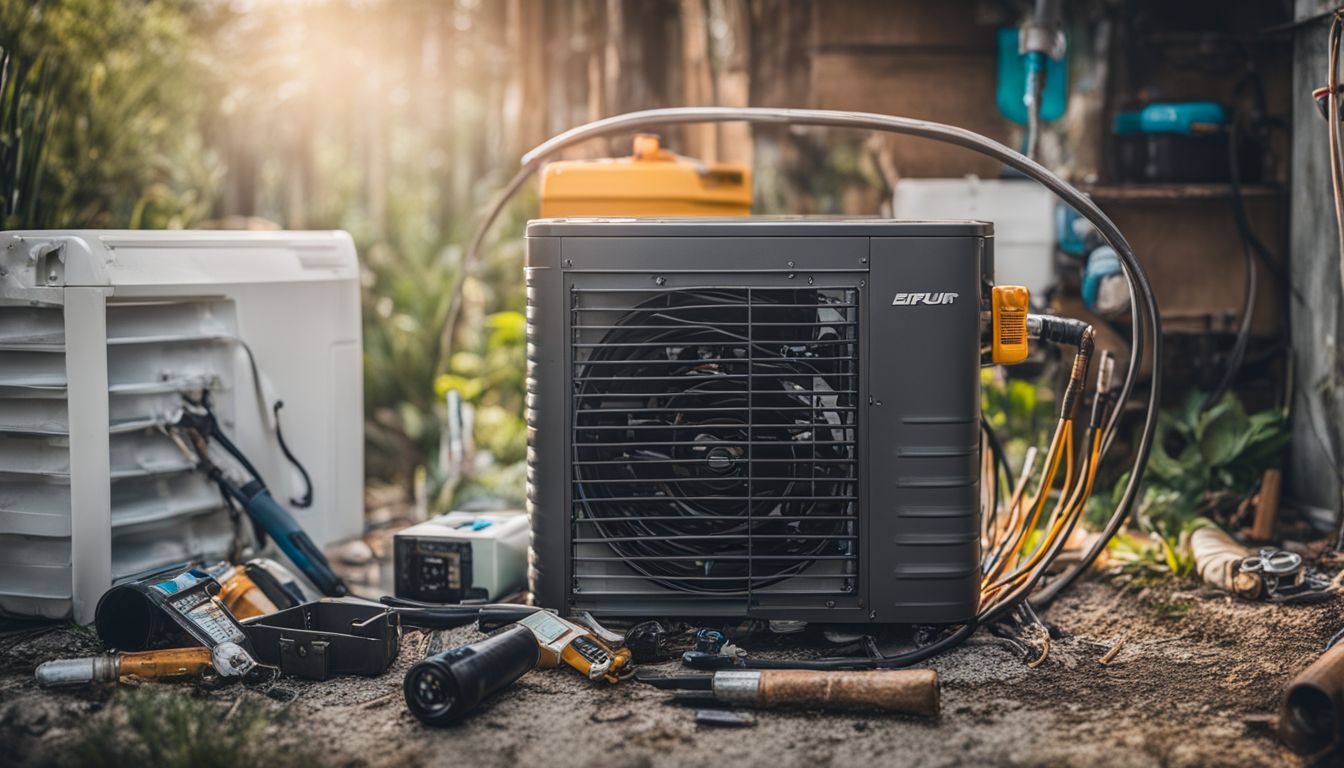
Spotting the symptoms is one thing, but understanding the fallout from a faulty capacitor is crucial. If your air conditioner’s capacitor goes bad, it could mean big trouble for the system.
Your home might suffer from uneven heating and cooling because the AC can’t regulate temperature properly.
A broken capacitor puts extra strain on your air conditioner’s compressor, which could cause it to fail. This not only disrupts your comfort but also leads to costly repairs or replacement of parts.
Other pieces in the AC unit may also get damaged when a capacitor malfunctions. Without this tiny part working right, your whole cooling system risks shutting down completely.
Factors Influencing Capacitor Performance
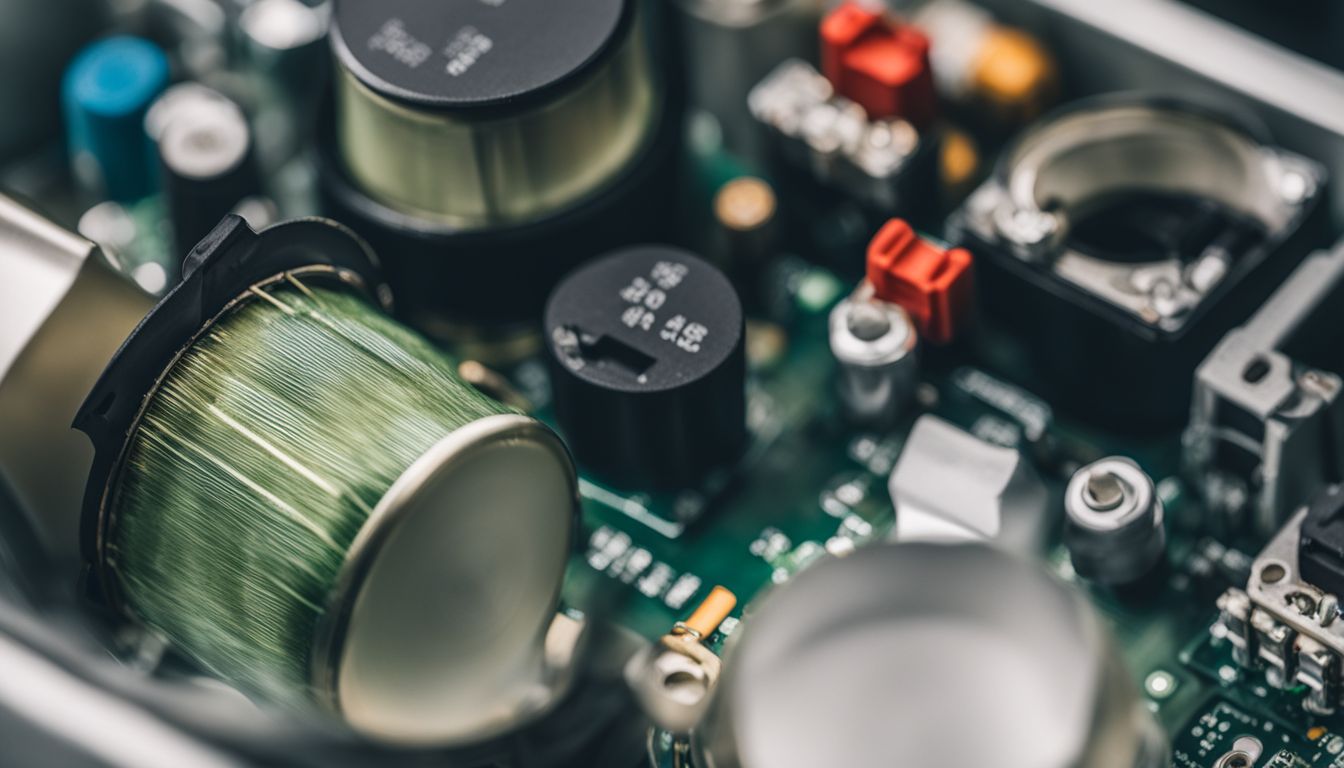
5. Factors Influencing Capacitor Performance:.
The performance of HVAC capacitors can be significantly impacted by a variety of external and internal factors, from climatic conditions to the inherent properties of the components themselves.
Understanding these influences is crucial for maintaining optimal function and longevity of your cooling system.
Impact of Extremely High Temperatures
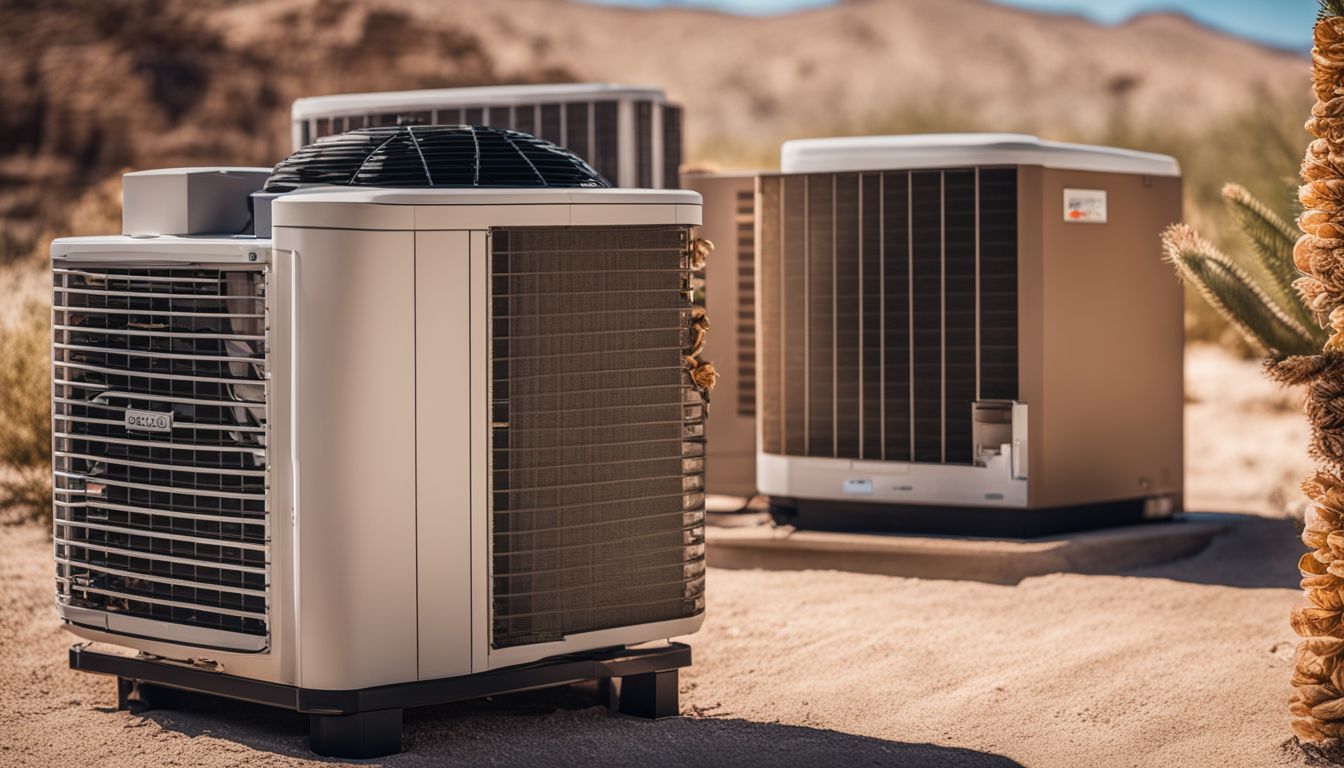
Capacitors in cooling systems face a tough challenge with high heat. Extreme temperatures speed up the wear and tear of air conditioners, especially the ones outside. Heat can make capacitors break down faster.
This means they won’t last as long in hot places.
Cooling systems struggle when capacitors degrade from the heat. The insulating material inside a capacitor can weaken. When this happens, energy efficiency drops, and power outages occur more often.
Hot weather puts extra strain on air conditioning units by pushing capacitors to their limits.
Microfarad Rating Significance
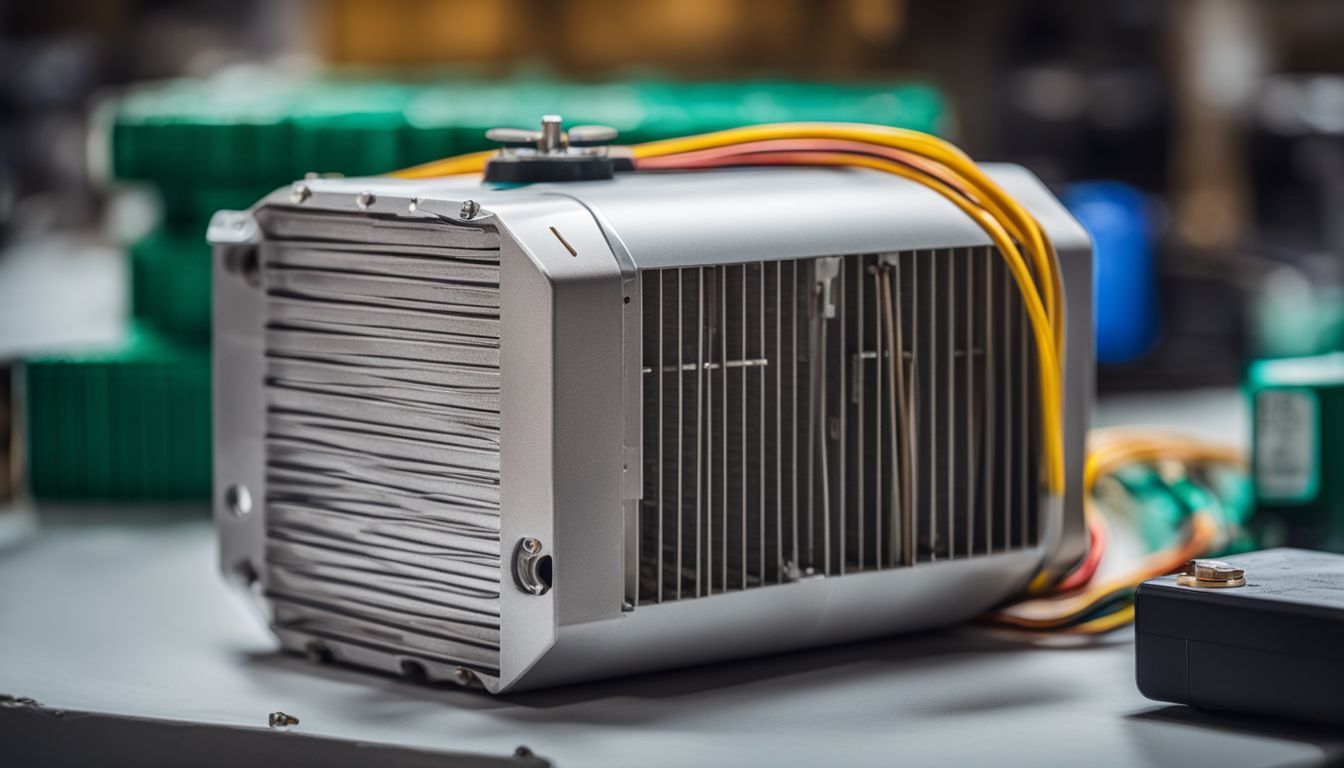
The microfarad (µF) rating tells how much electrical charge a capacitor can store. It must be the right match for the motor in your air conditioner. If the rating is too low, the motor may not start; if it’s too high, you risk damaging the system.
Selecting a capacitor with an incorrect µF value affects your cooling and raises costs. Always check that this number fits what your HVAC needs to work best. This ensures strong performance and prevents problems down the line.
Next, let’s look into issues with aged capacitors or AC units.
Issues with Aged Capacitor or AC unit
Old capacitors in your air conditioner can cause big problems. They might not match the power needs of your system anymore. This mismatch can lead to weak airflow and even make your air conditioner turn off by itself.
If you live somewhere very hot, old capacitors work harder and get too hot themselves. That means they won’t last as long and could break down sooner.
Capacitors wear out over time just like anything else. When they get old, they can make your energy bills go up because the AC has to work harder to cool your house. Sometimes, an aged capacitor will stop working without warning, leaving you with no cool air at all.
It’s important to check them so this doesn’t happen when you need cooling the most.
Evaluating the Impact of a Bad Capacitor on Cooling Systems
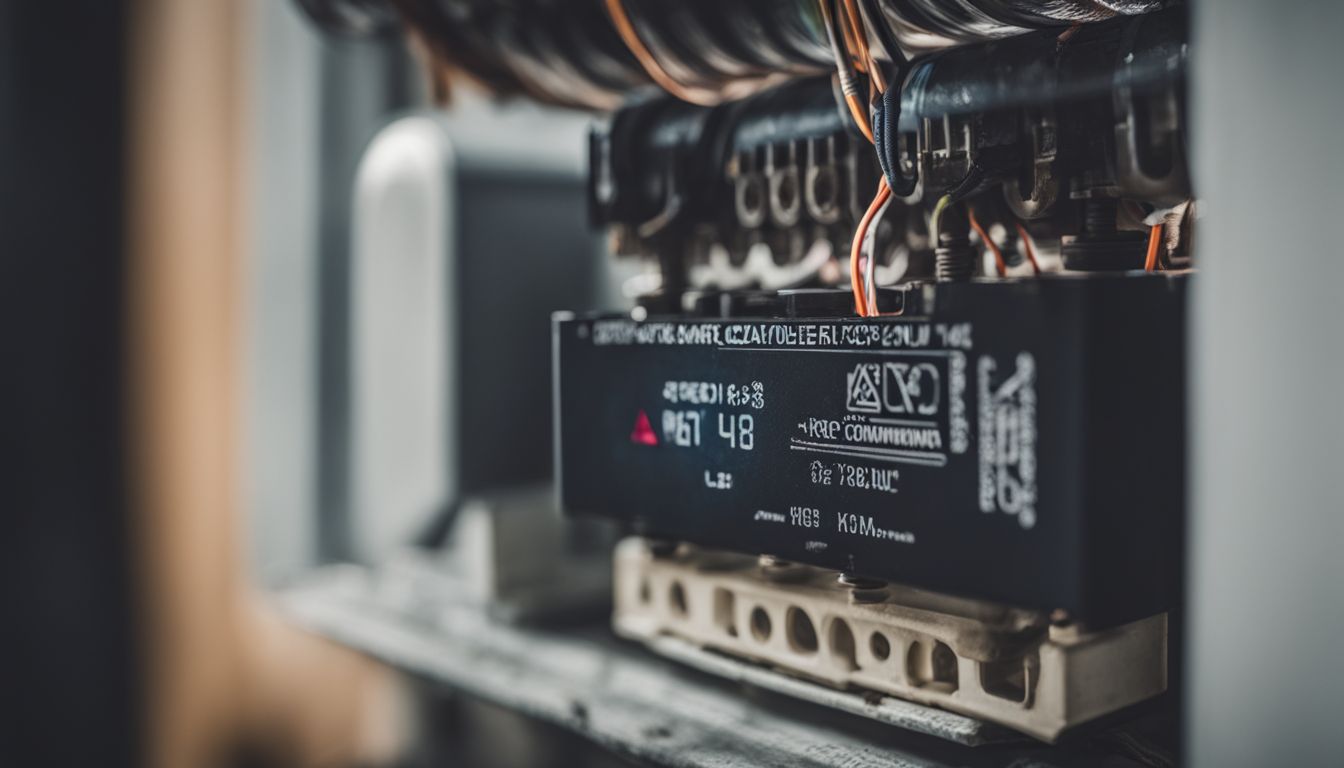
Evaluating the impact of a bad capacitor on cooling systems is vital for understanding how this seemingly small component can significantly disrupt your comfort and air conditioning efficiency.
A faulty capacitor may lead to erratic operation and potential system failures, reinforcing the need for timely intervention and maintenance to ensure optimal performance.
Increased Energy Consumption
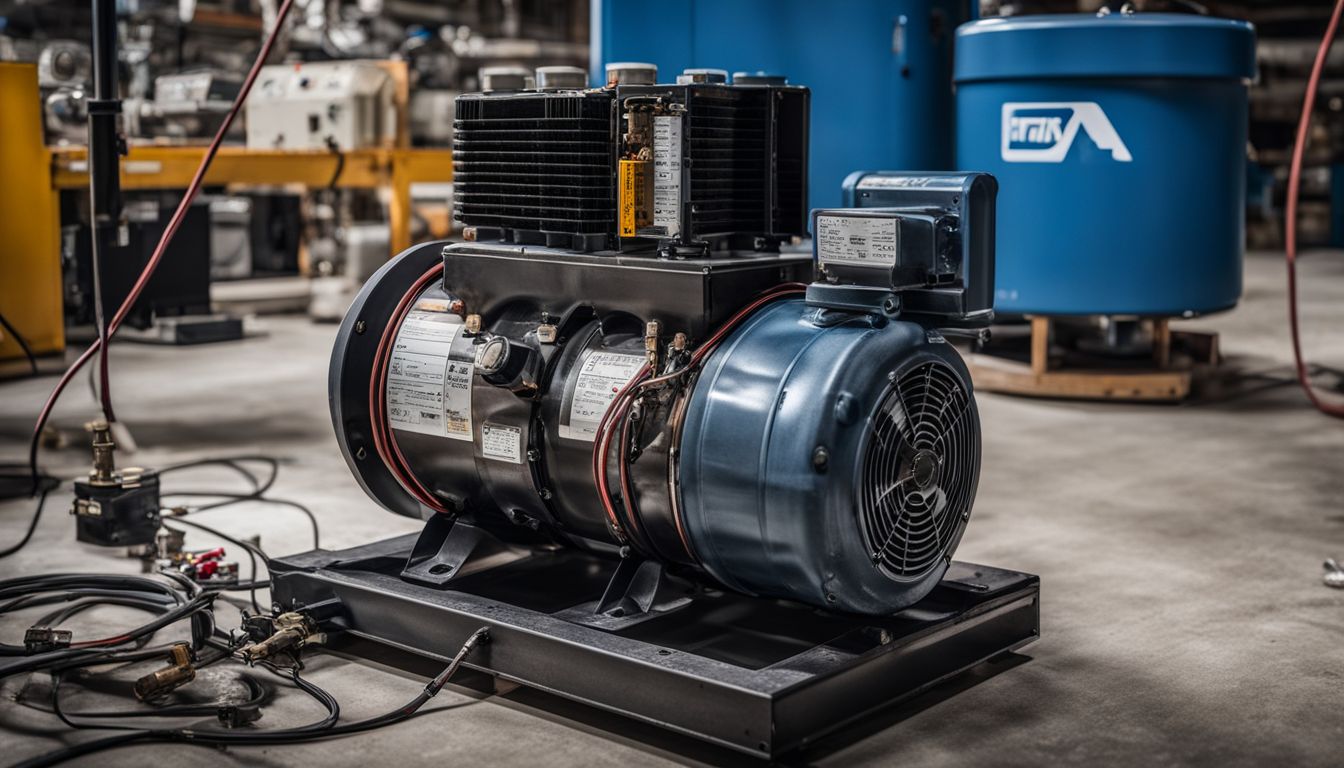
A bad HVAC capacitor forces air conditioning systems to work harder. This leads to more electricity use and higher bills. Overworked systems can’t cool homes efficiently, causing the air conditioner to run longer than it should.
Air conditioners that struggle due to faulty capacitors waste energy.
Your cooling system may suffer from a failing capacitor if your energy consumption goes up without a clear reason. It’s one of the main signs the unit isn’t operating properly. Faulty capacitors cause motors to overheat and compressors to be damaged, driving up power usage even further.
If you notice a spike in your energy bill, check your HVAC system for capacitor issues.
Sudden Shut Down of Air Conditioner
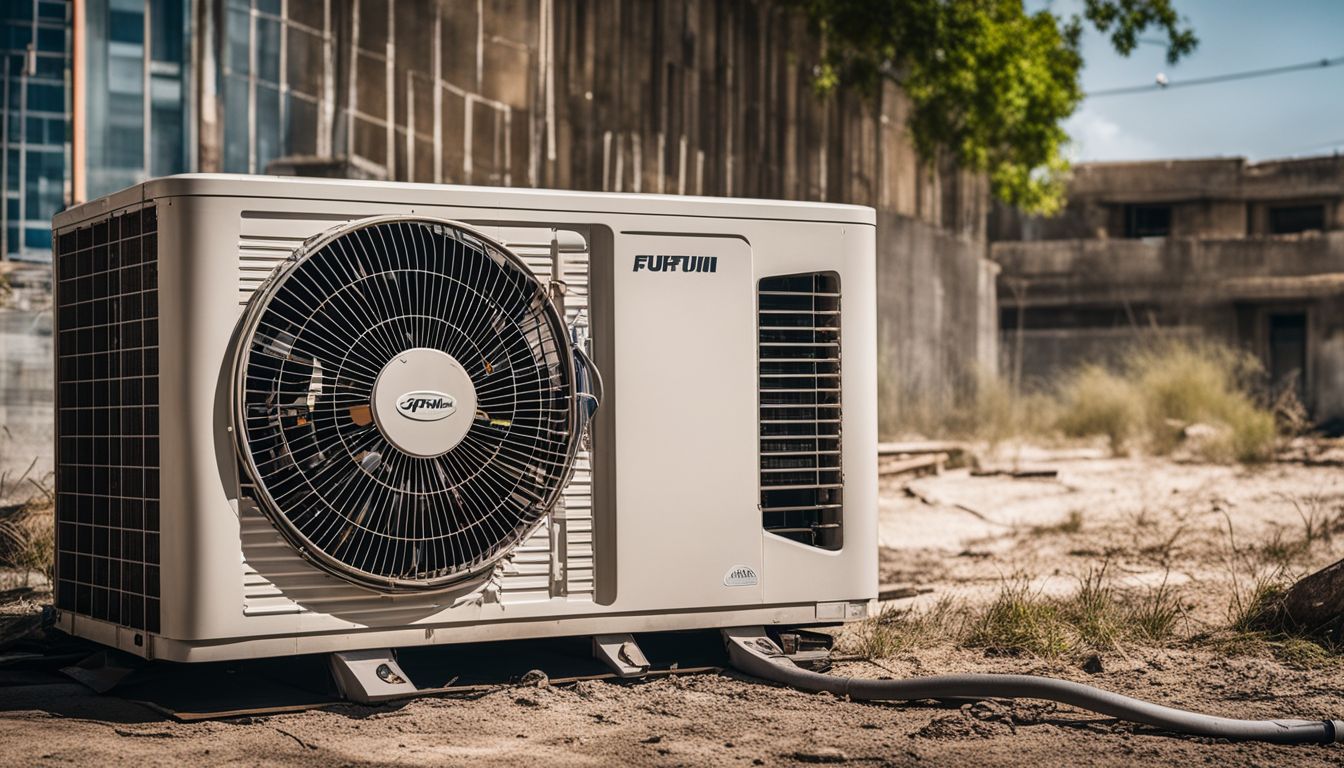
Your air conditioner might suddenly stop working if its capacitor fails. This component helps start the motor and keeps it running. Without a good capacitor, your AC cannot function properly.
If the AC shuts down unexpectedly, it could be due to a malfunctioning capacitor.
Extreme heat often causes capacitors to overheat and shut down your cooling system. Signs like this warn you about potential failure. It’s important to act quickly before other parts of the AC also get damaged.
Always check for these issues as they can interrupt your comfort at home.
Non-Functional Air Conditioner Unit
A bad capacitor can stop an air conditioner from working. If the unit fails to start, it may be due to a faulty capacitor that cannot provide the necessary boost to activate the compressor or fan motor.
This breakdown means no cool air will circulate in your home. The capacitors hold a vital role in starting and running these motors efficiently.
Air conditioners rely heavily on their capacitors for smooth operation. Without a working capacitor, these systems are prone to overheating and additional stress, which can lead to complete failure of the air conditioner unit.
Persistent issues with non-functional units often stem from overlooked or unresolved capacitor problems. It is crucial for both performance and reliability that any signs of degradation are addressed promptly.
Testing Your HVAC Capacitor
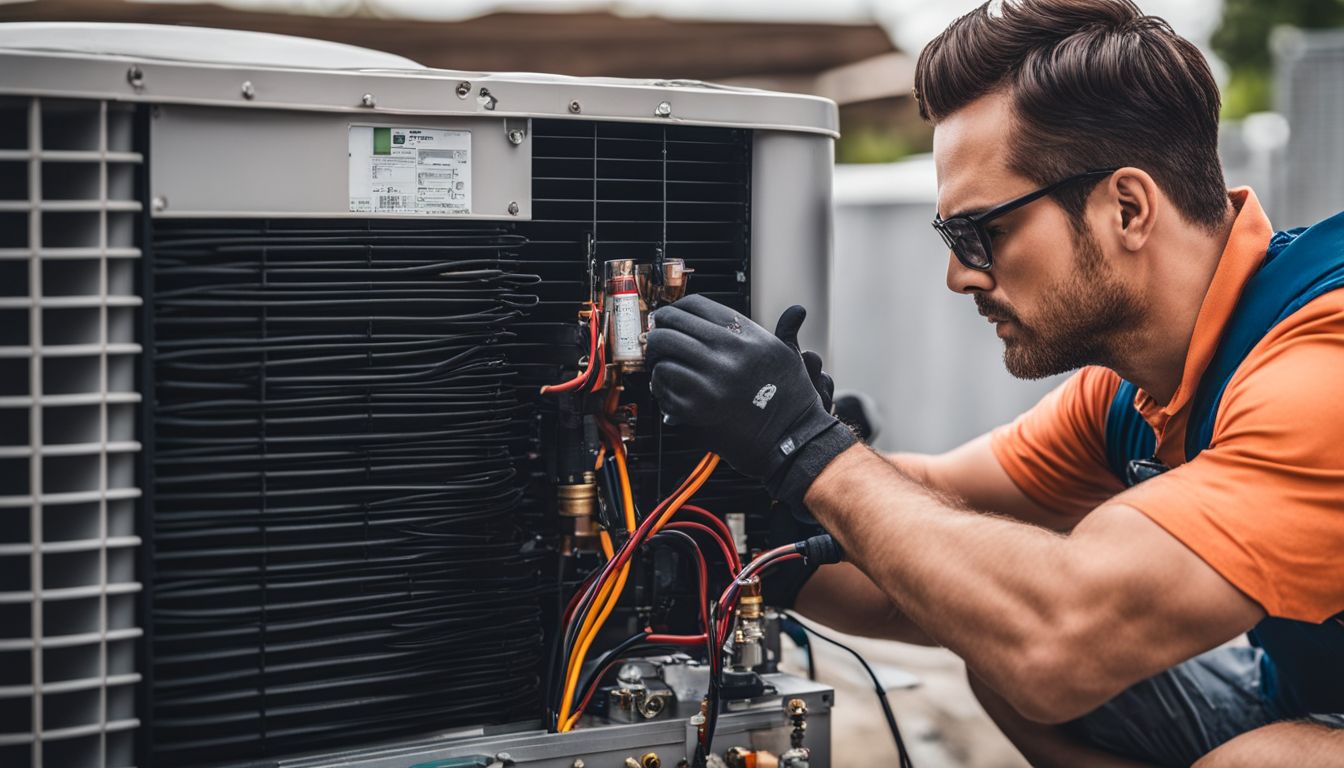
Testing your HVAC capacitor is a crucial step in maintaining your cooling system. It helps ensure your air conditioner runs smoothly and efficiently.
- Turn off the power to the air conditioning unit at the breaker box to avoid electric shock.
- Locate the capacitor, often found in the external condenser unit or near the indoor fan.
- Use a multimeter set to the appropriate voltage range to test the capacitor.
- Attach the multimeter leads to the corresponding terminals on the capacitor.
- Check for a proper reading that matches or is close to the capacitor’s voltage rating.
- Expect a sudden spike on the multimeter followed by a steady reading if your capacitor works well.
- Look out for low readings, which suggest that the capacitor might be weak or faulty.
- Inspect for physical signs of damage such as bulging, corrosion, or leaks in case of a visible defect.
- Replace any damaged or malfunctioning capacitors with correct capacitance and voltage ratings.
- Test run your air conditioner once you replace it to confirm everything works as expected.
Importance of Professional HVAC Maintenance
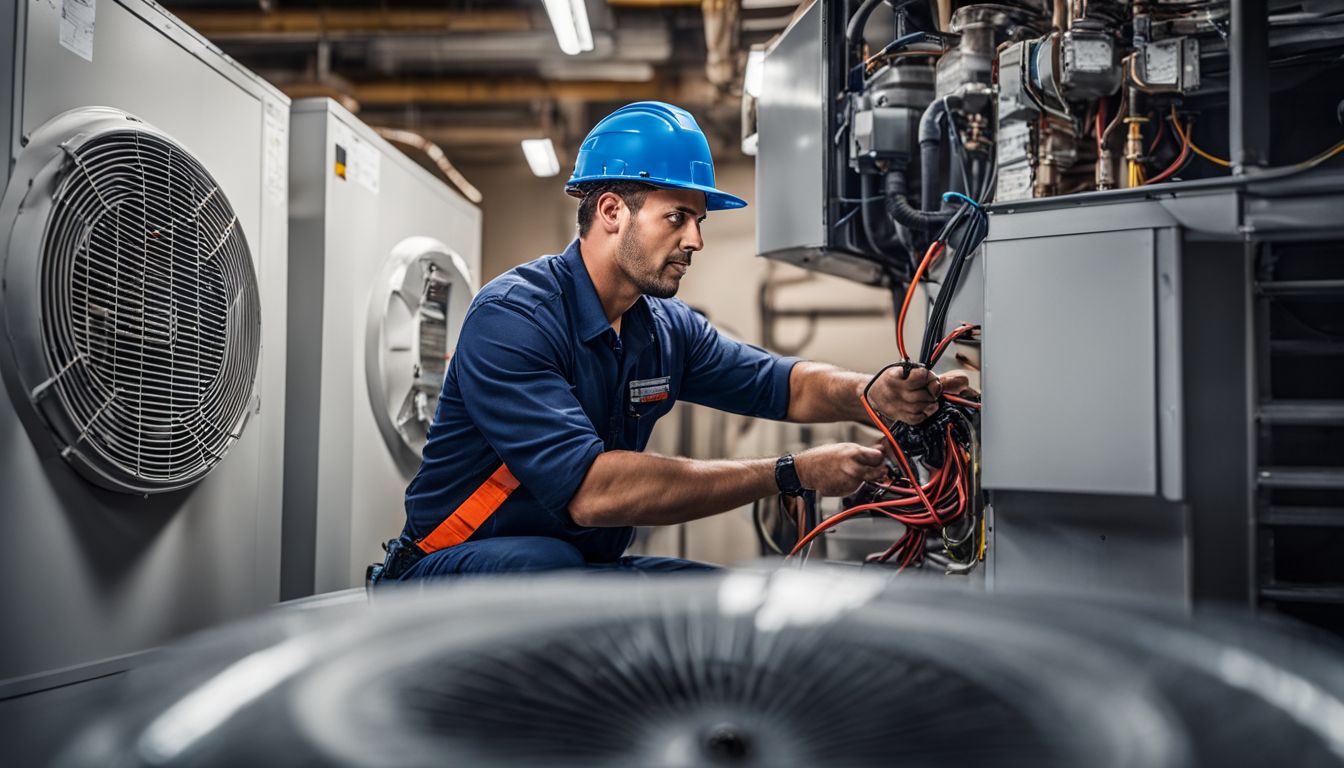
Regular HVAC maintenance by a seasoned professional not only ensures that capacitors and other crucial components are in top condition but also safeguards the overall efficiency and longevity of your cooling system.
Opting for expert care minimises the risk of unexpected breakdowns and maintains optimal air conditioner performance throughout its service life.
Why DIY Capacitor Replacement is Discouraged
DIY capacitor replacement in HVAC systems can be risky. Capacitors hold a high amount of power, even when the main power is off. This stored energy can cause electric shocks or create short circuits if not handled correctly.
You need special tools and safety equipment to do this job safely.
Getting a professional for your capacitor issues is best. They know how to handle voltage fluctuations and avoid further damage to your cooling system. An expert will make sure you get the correct capacitor replacement for your unit.
They help keep your warranty valid and ensure your air conditioner works efficiently after repairs are done.
Role of an HVAC Contractor
Understanding the complexities of aircon capacitors, HVAC contractors become essential for your cooling system’s health. These experts come equipped with the right tools and knowledge to tackle capacitor issues safely and effectively.
Replacing a faulty capacitor can be dangerous without proper training, so they follow strict safety protocols to prevent any harm.
HVAC technicians carry out precise diagnostics to ensure accurate repairs or replacement of the AC capacitor. They preserve warranty coverage by using recommended parts and practice methods that keep your unit running smoothly.
By choosing an experienced contractor, you also get reliable advice on maintaining your system to avoid future problems.
Conclusion
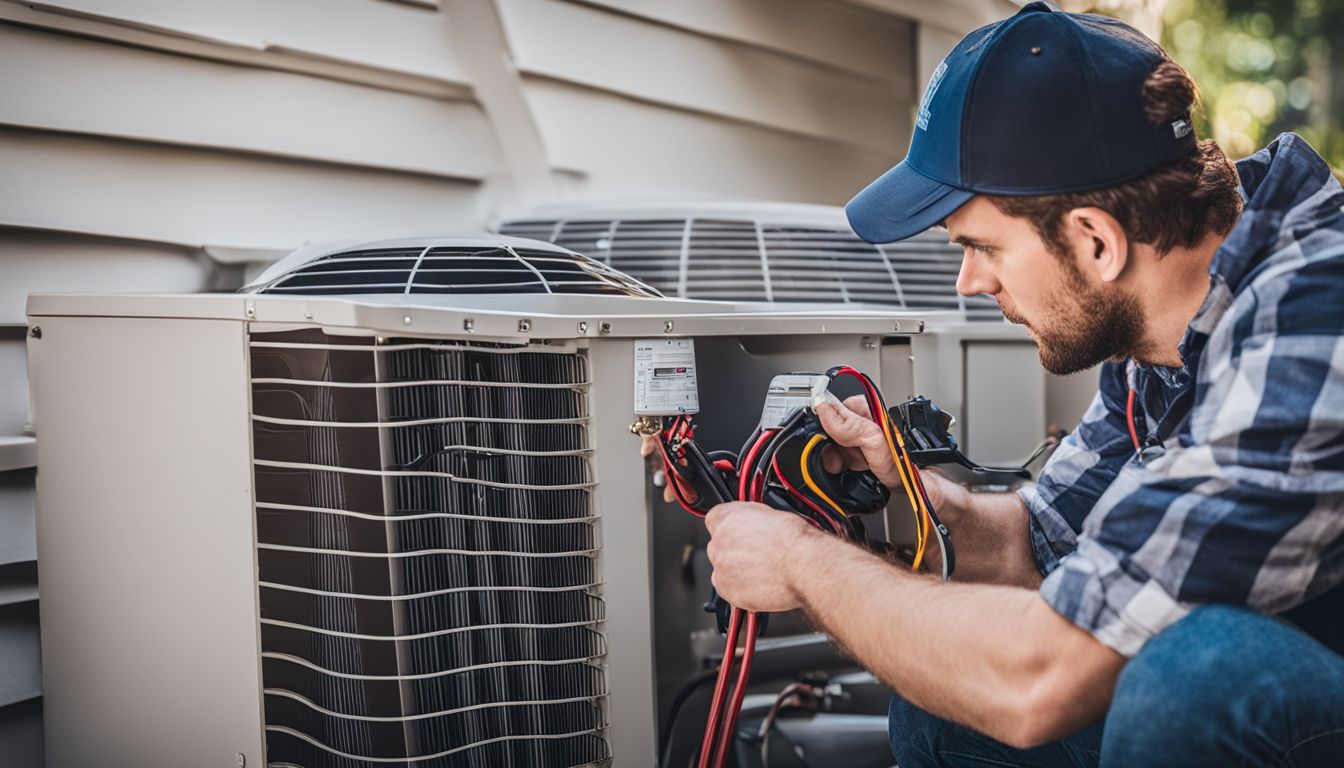
Keeping your aircon running smoothly hinges on the health of its capacitors. They’re key to an efficient cooling system. If they fail, you could face a host of problems – from higher bills to complete shutdowns.
Test them regularly and get a pro for repairs. Remember, good capacitors mean cool comfort at home!
While considering the efficiency of your cooling system, don’t overlook the importance of secure aircon brackets for optimal performance and safety.
FAQs
1. What causes aircon capacitors to fail?
Aircon capacitors can fail due to age and wear, corrosive environments, manufacturing defects or excessive heat. A leaking or bulging capacitor often signals failure.
2. How do bad capacitors affect my cooling system?
Bad capacitors may cause your HVAC system to malfunction, resulting in a tripped breaker and poor performance of the asynchronous motor within the system. This leads to less effective cooling.
3. Can regular HVAC tune-ups prevent capacitor problems?
Yes! Regular HVAC tune-ups include checks for potential issues like capacitor failure, which keeps your heating and air conditioning systems running smoothly.
4. Why are polypropylene film capacitors used in air conditioning units?
Polypropylene film capacitors are durable and reliable under high voltage; they’re often used as running capacitors in AC units’ asynchronous motors for better efficiency.
5. Should I try welding or fixing a motor capacitor by myself if it’s damaged?
It is not advisable. Capacitor repair requires proper diagnosis and handling by professionals in electrical power devices associated with HVAC repairs due to safety risks.
6. What does computational fluid dynamics have to do with aircon systems?
Computational fluid dynamics (CFD) help experts understand how air flows through systems like heat exchangers in your cooling unit, ensuring efficient operation and reduced energy use.