

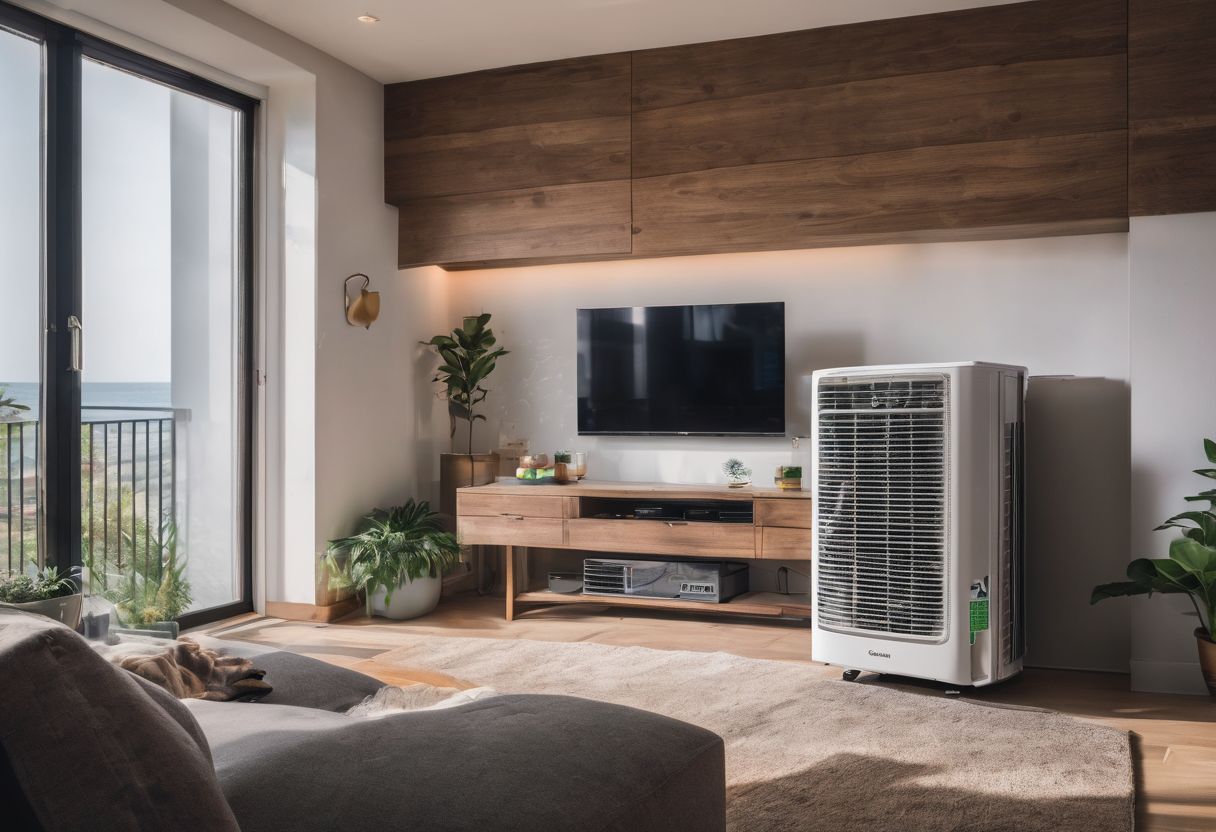
SEER, which stands for Seasonal Energy Efficiency Ratio, is a key factor in determining how well your air conditioning or heat pump system works. Think of it as the way you figure out how much cool air you get for each pound you spend on electricity.
Like miles per gallon tells you about a car’s fuel use, the higher an AC unit’s SEER rating is, the less energy it uses.
Knowing why these ratings matter helps us see their big role in saving energy at home and even across whole towns or countries. Since 2023, all new ACs must have at least a SEER rating of 14 in some areas because the U.S. Department of Energy says so.
If your system has an Energy Star label, it’s even better – at least 15% more efficient than regular systems!
Some special parts like variable-speed motors and clever thermostats can make heating and cooling systems run smoother and use less power, too. Cool right? Plus, if you pick one with a high SEER number, you could lower your bills by up to 20% and do good things for our planet – fewer greenhouse gases! And sometimes, there are gifts from utility companies or tax cuts when buying these superhero systems that help keep Earth cool.
When choosing what’s best for keeping your house comfortable without wasting money or energy, consider all this stuff carefully — especially those savings numbers over time if running lots of units like businesses do.
Feel ready to learn more about smart choices and making your air conditioner work better for both your wallet and Mother Nature? Let’s jump into understanding everything about SEER ratings!
Understanding SEER (Seasonal Energy Efficiency Ratio)
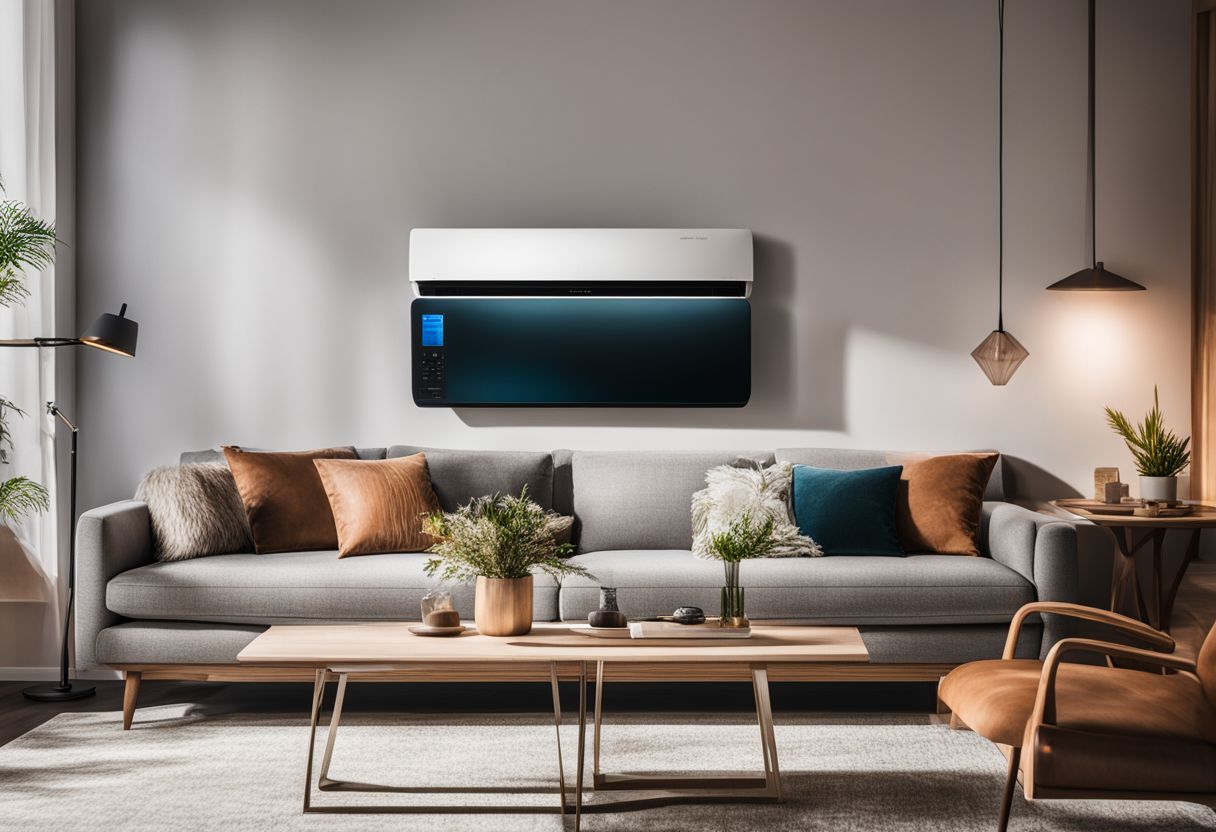
SEER stands for Seasonal Energy Efficiency Ratio. It tells you how good an air conditioner or heat pump is at turning electricity into cold air during the summer. Think of SEER like miles per gallon (MPG) for your car, but instead of miles, it’s about how much cool air you get and instead of gas, it uses electricity.
A higher SEER rating means the system is more efficient. This can save lots of energy and make your utility bills smaller. Air conditioners with high SEER ratings are better for the Earth too because they help us use less power.
If a heat pump or air conditioning system has a high SEER number, it’s doing a great job keeping us cool without wasting energy.
Elements Influencing SEER Ratings
The SEER rating of an air conditioning system is determined by various factors, including its design and the environment in which it operates. A comprehensive understanding of these elements can significantly enhance one’s ability to select the most energy-efficient cooling solution.
How SEER Testing Takes Place
SEER testing measures how well air conditioners and heat pumps work. It shows if they use energy in a smart way.
- Experts test HVAC systems in a special lab.
- They set the room to a certain hot temperature.
- The air conditioning system gets turned on.
- They check how much cool air it makes.
- They also measure the energy it uses.
- This test happens for several hours.
- Conditions stay the same to be fair to all systems.
- After the test, they calculate the SEER rating.
- This number tells you about the system’s efficiency.
- A higher SEER means less energy used for cooling.
SEER Testing Guidelines and Conditions
SEER measures how well air conditioning systems work. The U.S. Department of Energy sets rules for testing these systems. Here are the steps and conditions they must follow:
- The tests are done indoors in a special room with a certain temperature and humidity.
- The room’s temperature is set to reflect a typical cooling season, based on average temperatures.
- They use a mix of high and low temperatures to see how the system performs on hot and cool days.
- Airflow through the unit must stay the same during each test.
- Testers measure how much cooling the system puts out. They also check how much electricity is used over time.
- A certified lab does all tests to ensure they are fair and accurate.
- Systems must be tested with all their parts, like fans and controls, as they would be in your home.
- Companies have to test a few different units of each model. This helps make sure the SEER rating is right.
- These tests help decide if an HVAC system can get an Energy Star label for being efficient.
Decoding SEER Ratings: What to Look For
Deciphering SEER ratings requires a keen eye for specific details that contribute to the energy efficiency of air conditioning units. Understanding these metrics empowers consumers to make informed purchasing decisions, ultimately leading to both financial and environmental benefits.
The Importance of SEER Ratings
SEER ratings tell you how well an air conditioner uses electricity to cool a space. Like miles per gallon for cars, SEER shows the “mileage” your air conditioning gets with energy.
A higher number means the system works better and wastes less power. This is good because it reduces energy bills and helps keep our planet cleaner by lowering carbon footprint.
Picking an HVAC unit with a top SEER rating could drop electric costs by 10-20%. Since January 2023, all new HVAC systems need at least a 14 SEER rating in the U.S., ensuring they use energy wisely.
For businesses with many cooling systems, choosing units with high SEER can mean big savings in the money they spend on electricity.
SEER vs. EER (Energy Efficiency Ratio)
Understanding the difference between SEER and EER is essential for determining the most suitable air conditioning system for your needs. These ratings assess energy efficiency but do so under different conditions and serve varied purposes.
| Aspect | SEER (Seasonal Energy Efficiency Ratio) | EER (Energy Efficiency Ratio) |
|---|---|---|
| Definition | Measures the average efficiency of an air conditioner or heat pump over a cooling season. | Calculates the efficiency at a specific, constant operating condition. |
| Calculation | Derived from the total cooling output (in BTUs) during the season divided by the total electric energy input (in watt-hours) over the same period. | Derived from the cooling capacity (in BTUs) divided by the power input (in watts) at a given operating point. |
| Conditions | Reflects performance across an entire cooling season with variable temperatures. | Assesses performance under peak load conditions at a specific outdoor temperature of 95°F. |
| Usage | Commonly used in the United States for residential systems. | Often applied to commercial systems and also used in regions outside the United States. |
| Minimum Requirements | The U.S. Department of Energy mandates minimum SEER ratings for HVAC systems. | There are no specific minimum EER requirements set by the Department of Energy. |
| Certifications | Energy Star certification requires meeting certain SEER ratings. | While EER is considered for some Energy Star certifications, it is not a requirement. |
| Significance | Helps consumers identify energy-efficient products for seasonal use and potential savings over time. | Enables a clear comparison of products’ efficiency at peak operating conditions. |
SEER and EER ratings are crucial when selecting an HVAC system; they highlight different aspects of air conditioner performance. Remember, a higher SEER rating represents a more energy-efficient system for residential use, while EER is critical for understanding commercial system efficiency.
Calculating SEER and Its Impact on Energy Cost
Knowing the SEER rating helps determine how much energy an air conditioner uses. To work it out, divide the cooling output in British Thermal Units (BTUs) by the total electric energy input in kilowatt-hours (kWh).
A higher SEER means the system is more efficient and uses less electricity to cool your home. This can lead to saving money on your energy bills.
Choosing a high SEER rating makes a big difference for your wallet and the environment. Systems with better efficiency lower greenhouse gas emissions as they use less power from fossil fuels.
Energy-efficient HVAC systems save up to 20% on heating and cooling costs, making them good for the planet and often paying off their upfront cost over time with what you save on bills.
The Advantages of a High SEER Rating
Investing in an air conditioning system with a high SEER rating can lead to significant energy and cost savings, while also making strides towards a more environmentally conscious lifestyle—discover how it could benefit you.
Lower Electric Bills
A high SEER rating on your air conditioning means it uses less energy. This can make your electric bills go down. Your system works smarter, not harder, to keep you cool. Think of a car that gets more miles per gallon – it’s like that but for your air conditioner.
Choosing an Energy Star HVAC system is clever, too. They are at least 15% better than old standards for efficiency. You could save up to 20% on heating and cooling costs with one of these upgraded systems in your home.
Enhanced Cooling Efficiency
Better SEER ratings mean your air conditioner can cool your home more effectively. This means on hot days, rooms stay cooler without the system having to work too hard. Your house feels comfortable quicker and the AC doesn’t need to run as long.
It also helps control humidity better, ensuring the air isn’t too damp or dry. This is good for comfort and health because it keeps the indoor environment right.
With a high SEER rating, you’re saving money and enjoying a cooler home faster. Systems with this feature use less power each time they turn on. They are smart at figuring out how to keep your space at the perfect temperature while using as little energy as possible.
This kind of cooling power is what makes a high-efficiency HVAC system worth it in the long run.
Reducing Your Carbon Footprint
Using air conditioners with high SEER ratings makes them better for the Earth. These systems use less energy, which means they create fewer greenhouse gas emissions. Greenhouse gases are bad because they trap heat in our atmosphere and warm the planet.
Choosing an HVAC system with a higher SEER rating you help to stop adding so many of these gases into the air.
You also become part of the fight against climate change by using less electricity from power plants that burn fossil fuels like coal or oil. With less demand for this kind of energy, we all help keep our air cleaner and care for our world for future generations.
Plus, efficient systems mean lower electric bills every month!
Tax Credits and Rebates for Energy-Efficient Systems
Saving money and helping the planet can go hand in hand with the right air conditioner. If you choose an HVAC system with a high SEER rating, you may get money back through tax credits and rebates.
- The government gives a thumbs up to being eco-friendly by offering a 30% tax credit. If you spend on a new high-efficiency system, you could get up to $600 back.
- Utility companies jump on the bandwagon, too. They often give rebates if you install equipment that uses less energy.
- These rebates are part of wider plans to cut down on power use. When many people upgrade their systems, it adds to big savings for the environment.
- Check details about the Inflation Reduction Act. It’s behind those nice tax credits for your home or business.
- Talk to local utility companies. Ask about any offers they have for switching to a green HVAC system.
- Always keep your receipts and paperwork from buying and installing your new unit.
- Look at when these deals expire. Plans like these don’t last forever, so it’s wise to act fast.
The Impact of Variable Speed Compressors on Energy Savings
Variable speed compressors in air conditioners are smart tech that can make cooling systems use less power. These compressors change how fast they work to match what’s needed for cool air at any moment.
This means the system doesn’t always run at full blast, which saves a lot of energy. People with these types often see their electric bills decrease because the compressor uses only as much power as necessary.
These advanced compressors also help keep your home more comfortable by controlling humidity and keeping temperatures steady. Because of this, the air conditioner does not have to turn on and off all the time, which is a big way it uses less electricity.
With this kind of technology, homes and buildings get cooler without using up so much energy, helping both wallets and the planet.
Overcoming Customer Objections to SEER-Rated Equipment
Customers often worry about the cost and value of SEER-rated equipment. Educating them on long-term benefits helps ease their concerns.
- Explain how a high SEER rating means the equipment uses less energy. This leads to lower energy costs over time.
- Show the customer calculations of potential savings on their bills. Use specific numbers they can relate to.
- Discuss environmental benefits. High SEER units help reduce greenhouse gas emissions and combat climate change.
- Highlight money-back offers. Tell them about tax credits and rebates for choosing energy-efficient systems.
- Address concerns about upfront costs. Compare these with the long-term cost savings from reduced energy consumption.
- Mention enhanced performance features like humidity control, which improves comfort and air quality indoors.
- Demonstrate reliability by pointing out that high-efficiency systems often come with better warranties and last longer.
- Talk about Energy Star-certified systems being at least 15% more efficient than standard models, offering optimal efficiency.
- Stress that upgrading can lead to savings of up to 20% on heating and cooling costs, making it a smart financial decision.
- Emphasise smart additions such as programmable thermostats that work well with high SEER units for even greater energy conservation.
Choosing the Right High-Efficiency HVAC System for Your Home
- Check the SEER rating: The higher the SEER (Seasonal Energy Efficiency Ratio), the less power the system uses. Aim for a SEER of at least 15 to reduce energy consumption.
- Size matters: Make sure you get an HVAC that fits your home well. A system too big or too small won’t work efficiently.
- Look for Energy Star: Systems with this label meet strict energy efficiency guidelines and are more efficient than those without it.
- Consider additional features: Things like smart thermostats and variable-speed motors can make systems run better and save more energy.
- Think about your area: If you live in a place with mild weather, you might not need as powerful an HVAC system as someone who lives where it’s very hot or cold.
- Ask about rebates: Many utility companies give money back when you buy a high-efficiency system.
- Speak to a pro: An HVAC expert can help choose the right system and ensure it’s installed correctly for maximum savings.
Conclusion
Understanding SEER means knowing how efficient your air conditioner is. A higher SEER rating saves you money on energy bills and helps the planet, too. Could a better AC make your home cooler for less cash? Remember to get one that fits your space just right.
Let’s keep our homes cool without warming the earth!
FAQs
1. What are SEER ratings?
SEER ratings stand for Seasonal Energy Efficiency Ratio. They show how efficient air conditioners are at using energy.
2. Why should I care about SEER in air conditioning?
High SEER ratings mean lower energy consumption, which saves you money and is better for the environment.
3. How do I find a good SEER rating for room air conditioners?
Look for a higher number in the rating; this means your AC will use less power to cool your home.
4. Can an HVAC professional help me understand SEER?
Yes, an HVAC professional can explain SEER ratings and suggest the best system for saving energy in your house.
5. Does a better SEER rating always lead to less environmental impact?
Generally, yes, because equipment with higher efficiency often uses less electricity and lowers carbon emissions.
6. Are there any other benefits of choosing a high-SEER HVAC unit?
Besides reducing energy use, these units likely improve indoor comfort by maintaining consistent cooling and humidity levels.