

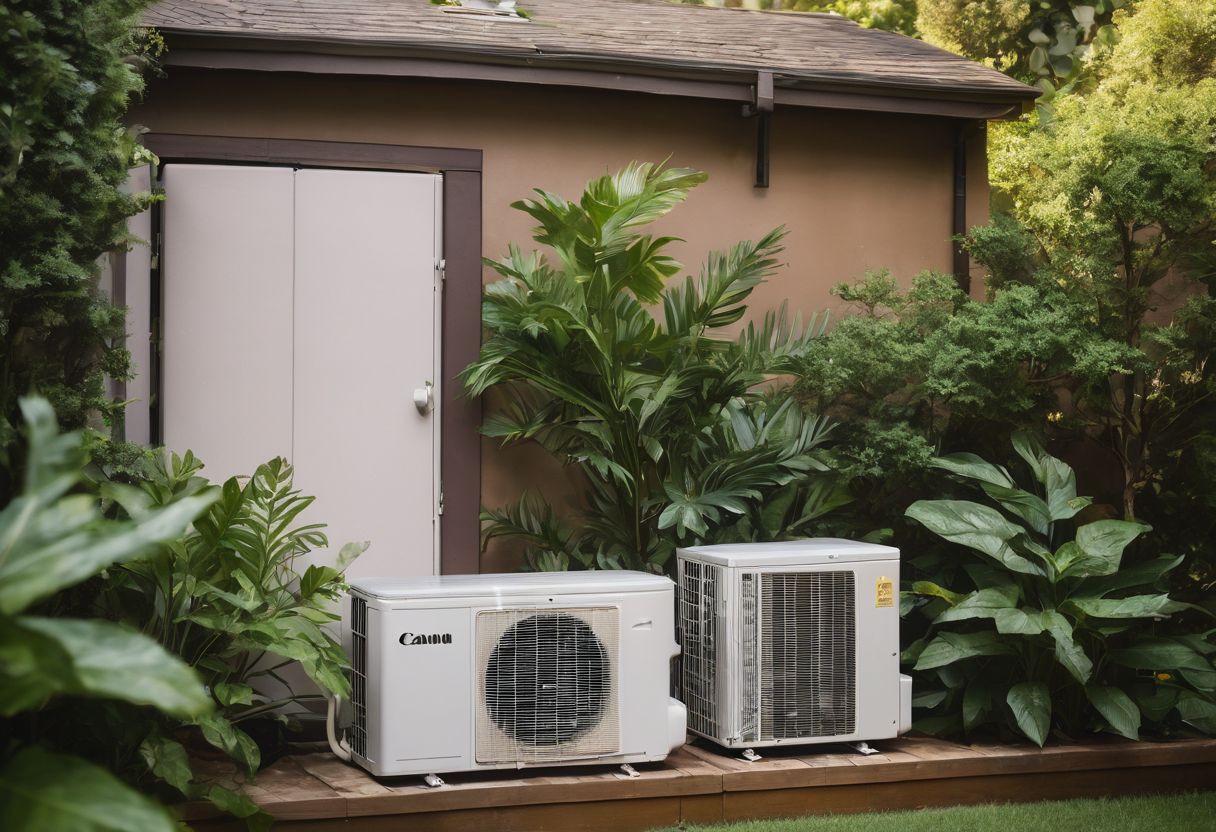
Having a cool home on hot days is important. Air conditioning (AC) helps us stay comfortable. But sometimes, AC can use a lot of energy and cost a lot of money. Hitachi suggests ways to use less energy with your AC, like setting the right temperature and using timers.
Knowing how to save energy is very useful. If you see high bills or feel that some rooms are hotter than others, your AC might not work well. You can make it better by doing things like keeping heat-making machines away from the AC or arranging your furniture so air moves freely.
For homes big and small, there are special ways to save power too. Like in flats where space is tight or homes with many rooms that all need cooling at different times. Plus, smart technology in new air conditioners can help control how much power they use.
Cleaning filters often keeps the air clean inside your house and makes sure the AC works well. With good choices for our homes, we can also help keep our planet green.
Let’s look at how to make air conditioners work best while saving energy and keeping the earth healthy!
Ways to Save Energy with Efficient AC Use
Mastering the intricacies of your air conditioning system can unlock significant energy savings, with strategic adjustments to settings and utilisation leading to a more sustainable and cost-effective cooling experience.
Implement these savvy techniques to optimise your AC’s performance while diminishing its environmental footprint.
Regulating AC temperature
Keep your air conditioner’s temperature at a steady level to save energy. A good setting is around 24 degrees Celsius. This can keep your home cool without making your AC work too hard.
When it gets very hot, you might want to set it lower, but remember that every degree lower uses about 6% more energy.
Use a programmable thermostat if you have one. It helps manage the temperature at different times of the day. You can set it to cool the house before you come home and turn it up when you’re away or asleep.
This smart use means less work for your air conditioning unit and smaller electricity bills for you. Hitachi air conditioners with smart sensors can make this easy because they adjust based on how warm or cool the room is.
Programming the AC for energy saving
Set your air conditioner to a smart schedule. Use programmable thermostats to make your AC work less when you’re not home. This way, it keeps the house cool when needed and saves power at other times.
Some modern AC units can be controlled with phones or tablets, making it easier to adjust settings from anywhere.
Choose the right temperature for different times of the day. For example, during sleep hours, set the AC higher than usual because cooler night air helps balance room temperature. Inverter air conditioners are great for this as they change their output to keep a steady room temperature and use less energy in doing so.
Always check that your AC filters are clean for better airflow and efficiency too!
Utilising AC controls and timers
Use your air conditioner’s controls and timers to cut down on power use. Set the timer to turn off the AC when you’re not home, or during cooler parts of the day. This helps you save money by not cooling an empty house.
Modern units let you control them with your phone, so you can adjust settings wherever you are.
Smart sensors in some air conditioners can tell how many people are in a room. They change how they work based on this to use less energy. A system like Hitachi’s iCloud Home lets you keep track of your AC through an app.
With it, making sure your home stays comfortable without wasting energy is easy.
Physical Factors for Energy Saving
Efficient air conditioning isn’t just about the unit—it’s about your home’s physical attributes too. Tackling heat retention through smart design choices and structural enhancements can significantly slash your energy bills, creating a cool haven with less need for artificial cooling.
Managing heat-generating appliances
Keep a watch on appliances that make your home hot, like ovens and dryers. These machines add a lot of heat to your rooms. Try using them when it’s cooler, such as early morning or late evening.
This will help keep your house cooler.
Another tip is to swap old light bulbs for LED ones. LEDs don’t get as hot, so they won’t warm up your space like other bulbs do. By doing this, you can lower the workload on your air conditioning system and save more power.
The role of shading and insulation
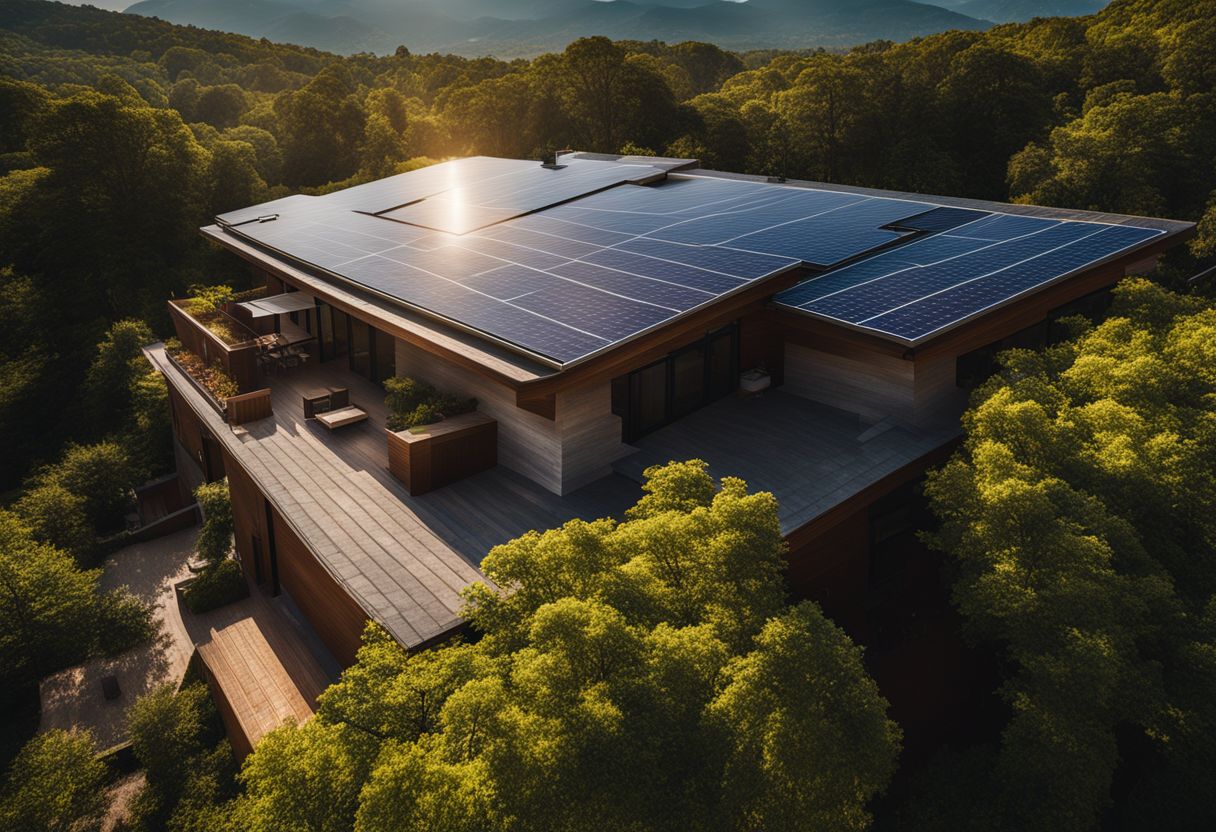
Shading your windows stops a lot of the sun’s heat from getting inside your home. This means your air conditioner doesn’t have to work as hard to keep you cool. You can use things like blinds, curtains or even trees outside to shade your house.
Insulation is just as important. It acts like a blanket for your home, keeping cool air in and hot air out during summer days.
Having good insulation in walls, roofs and floors helps control the temperature better all year round. When it’s warmer outside, less heat comes in so you don’t need to run the AC as much.
This saves energy because the AC uses less power to keep things comfortable inside which also means lower electricity bills for you!
The impact of furniture layout on AC airflow

Furniture can block air from your AC. It would help if you put it in the right spots. Make sure chairs and sofas are not in front of vents or units. This lets cool air move freely around the room.
Good airflow means your AC works less hard and uses less energy.
It’s also important to check where your AC is. If it’s near big furniture, it might not work right. Keep beds, wardrobes, and shelves away from the AC. This helps the cool air spread out better and comforts your room without wasting power.
Energy Saving in Different Home Settings
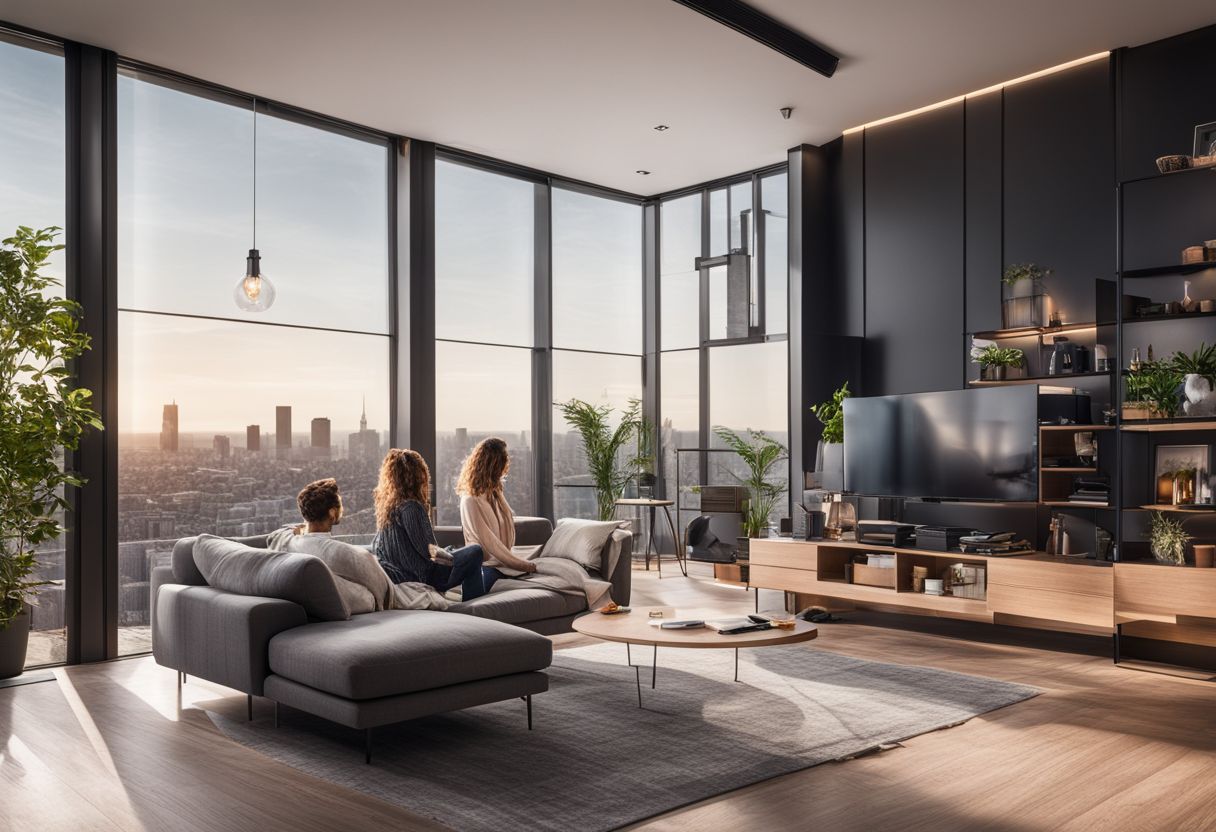
Discover how tailored energy-saving approaches can make a significant difference in your specific living space, whether it’s an urban flat or a sprawling multi-room abode, and see just how much you can conserve energy and cut costs without compromising on comfort.
Saving energy in a flat
Living in a flat, you can still cut down on energy costs. Use curtains or blinds to stop the sun from heating your rooms. This simple step keeps flats cooler, so your air conditioning won’t have to work as hard.
Check that furniture isn’t blocking your AC’s airflow because this makes it less effective and uses more power.
Keep your air filters clean too. Dirty filters make AC units use more energy and can spoil the indoor air quality (IAQ). Also, think about using ceiling fans if you have them; they help spread cool air around which means you might not need the AC on such high settings.
Reducing how much you use heating and cooling systems can save a lot of money over time, especially for smaller spaces like flats where every bit of energy efficiency counts.
Energy efficiency in multiple-room houses
In multiple-room houses, saving energy takes smart moves. You can have different temperatures for each room with zone controls. This means the AC only cools the rooms you use most, which cuts down on power use.
Look at your windows and walls too. Adding shades or blinds keeps out hot sunrays, so your AC doesn’t work as hard.
Keeping your AC filters clean is also key to performance in big homes. Dirty filters make the system work harder and waste power. Check them often and clean or replace them if needed. If you live where it’s very hot or cold, look into a Zoned Energy Rating Label (ZERL).
It shows how good an air conditioner is for your area’s weather, helping pick one that uses less energy in every room of your house.
Electricity saving with central AC
Saving energy with a central air conditioner means keeping an eye on how it runs. If you get big electricity bills, hear your AC running for too long, feel hot and cold spots in rooms, or the air feels stuffy, your system may be using too much power.
To fix this, make sure to clean or change the filters often so the air can move freely. This helps your AC work less hard and use less electricity.
A modern way to cut down on power is to use smart features that come with some Hitachi air conditioners. These let you set times for when you need cooling the most and control settings even when you’re not home.
Sensors check if there’s anyone in the room and adjust cooling as needed. Using these tools makes sure your home stays comfortable without wasting energy.
Your Guide to a Greener Home: Choosing an Energy-Efficient Aircon
To make your home greener, picking the right air conditioner is key. Look for units with an Energy Star label. This means the aircon meets strict energy use guidelines set by government experts.
A unit with this label uses less power to cool your home, which is better for our planet.
Think about the size of the room you want to cool before buying an AC. A big one may use more energy than needed, and a small one won’t cool effectively. Check the Seasonal Energy Efficiency Rating (SEER) as well; higher SEER numbers mean better energy savings over time.
Also, features like programmable thermostats can help reduce power use when no one is home. These steps will cut down on your bills and help look after Earth too!
The Link Between Indoor Air Quality and AC Efficiency
Clean air inside your home helps your AC work better. Dirty or blocked filters make it harder for the system to cool your space.
– Keep filters clean: Check and clean or replace your air conditioner’s filters regularly. This lets more air flow through, so the AC doesn’t have to work as hard.
– Stop drafts: Seal gaps around windows and doors to keep out dust and stop cool air from escaping. This means less dirt in the air and less energy used by the AC.
– Use fans: Fans can move air around, reducing the need for constant cooling by the AC. They help spread out cooler air more evenly throughout rooms.
– Control humidity: Reduce indoor moisture with dehumidifiers or ventilation. Dryer air feels cooler and is easier for your AC to handle.
– Limit indoor pollutants: Avoid smoking indoors and using lots of cleaning chemicals. These add to poor air quality which makes your AC strain more when running.
– Service ducts yearly: Clean ductwork means fewer dust particles in your home’s airflow, which keeps both you and your AC happier.
Keep these actions up all year round to maintain good indoor air quality. That way, you’ll enjoy a comfortable house while saving on power costs because of a well-running AC unit!
Conclusion
Remember these easy tips to keep your home cool without using too much electricity. Set your AC to a warm yet comfortable temperature. Use timers so it’s only on when you need it. Keep heat-making machines away from the AC and use shades on windows to keep the sun out.
These small steps will help save energy and money.
Your home will be nicer, and you’ll do good for the planet too. Clean filters in your aircon make it work better and improve the air inside. Having an efficient aircon model can also help a lot.
Let’s all play our part in using less power by being smart with our cooling choices. It feels great to know we’re helping our world while keeping cool at home. Start today, because every little bit helps!
FAQs
1. What are energy-efficient air conditioning systems?
Energy-efficient air conditioning systems use less electricity to cool your home, cutting down on energy consumption and reducing your carbon footprint.
2. How can I make my current air conditioner more energy efficient?
You can lower power consumption by setting correct temperature settings, cleaning or replacing filters regularly, using LED lights instead of fluorescent lightbulbs to reduce heat, and ensuring proper maintenance of evaporator coils.
3. Can portable air conditioners be energy efficient?
Yes, some portable air conditioner models have a good energy efficiency ratio (EER), making them a smart choice for conserving energy in certain spaces.
4. Are there alternative cooling methods that save more energy than traditional A/C units?
Consider using an evaporative cooler if you live in a low-humidity area; it’s often more power-saving compared to standard A/C units because it uses water evaporation to cool the air.
5. Does installing LED light bulbs help with reducing the heat from lighting sources?
Switching to LED light bulbs helps as they emit less heat than older-style bulbs, keeping indoor environments cooler and working well with natural ventilation to save on cooling costs.
6. What is an Energy Star-rated product and why should I consider it for my home heating and cooling needs?
An Energy Star-rated appliance meets strict criteria for thermal efficiency laid out by environmental agencies; choosing these products ensures lower electric fan or blower usage leading to increased savings on your bills.