

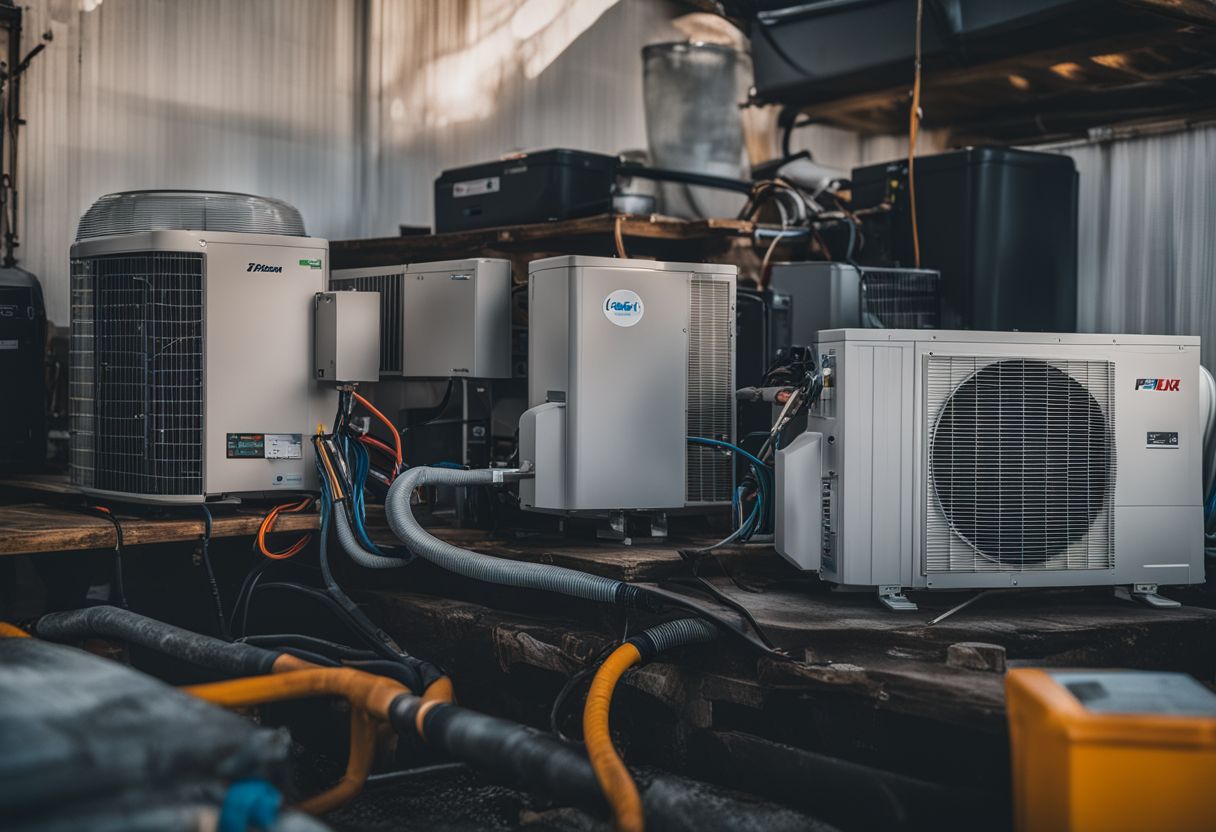
Air conditioners need something called refrigerant to keep things cool. This is like a special liquid that runs through the air conditioning system in your car or house, and sometimes you need to check it and fill it up so everything works well.
Before hot weather comes or if you plan to drive far, it’s smart to make sure your air conditioner has enough refrigerant. If your air isn’t cold enough, if it goes from cold to warm quickly, if there are leaks, or the outside part of the air conditioner (the condenser) stops working well, these could be signs that your air conditioner needs help.
Taking care of leaks before adding more refrigerant is important because just filling up won’t fix the problem. A big sign that you should pay attention to is when cooling power drops you really feel less chill in the air – that’s telling you straight away something might be wrong! Ignoring this can lead not only to hot days but also hurt parts inside your AC which can cost a lot later on.
Experts who know about air conditioners can find any sneaky gas leaks and make sure everything’s sealed tight which saves money on bills as things run better. Places like Mach1 Motorsports will tell you how regular checks stop big problems from happening when it gets really hot outside.
When putting more refrigerant into an AC system, mechanics connect a tool called a ‘can tap valve’ at certain spots known as service ports and carefully fill until its got just what it needs no more no less!
Stay cool with us as we explore why keeping an eye on your refrigerator counts and how simple steps keep summer breezes blowing strong.
Understanding the Role of Refrigerant in Air Conditioning
Refrigerant is a substance that air conditioners use to remove heat from the air inside a room or car. It does this by changing from a liquid to a gas and back again in different parts of the air conditioning system.
This cycle starts in the compressor, where refrigerant is squeezed and gets hot. Then it moves to the condenser outside, where it lets out heat and turns into a cooler liquid.
The cool refrigerant then travels to an evaporator inside your home or car. Here, it absorbs heat from the indoor air and turns into a gas once more. The refrigerant carries this warmth back to the compressor, starting the cycle over again.
This process keeps going until your space reaches the temperature you want on your thermostat or control panel.
Air conditioning won’t work well without enough refrigerant because it’s what takes away heat. If levels get low, it can make parts of your AC wear out faster like the compressor clutch.
To avoid these problems, checking and refilling as needed helps keep everything running smoothly so that you stay cool when it’s hot outside.
Signs Your Air Conditioning System Needs Maintenance
Recognising early indications can save your air conditioning system from severe damage; it’s crucial to heed the warning signs that suggest the need for maintenance. Should you notice any irregularities, such as a loss of cooling efficiency or evidence of leaks, prompt action is necessary to ensure optimal performance and longevity of your HVAC system.
Inadequate Cooling
If your car isn’t getting as cool as it once did, the air conditioning system could be low on refrigerant. This is often due to leaks or a problem with the heat pump. You might notice that the cool air turns warm quickly, which is another sign of trouble.
These issues mean the AC unit can’t remove heat from your car effectively.
Leaks in the system are a common cause of inadequate cooling. If you see any signs of liquid around the AC components or under your vehicle, this could be an indicator of leaked refrigerant.
A failing condenser might also stop the air conditioning from keeping you comfortable on hot days. Checking for these problems helps maintain your climate control and avoids harm to other parts like hybrid cars’ battery packs or HVAC systems in larger vehicles such as SUVs, crossovers, and wagons.
Visible Leaks
Spotting leaks in your air conditioning system is a clear sign something’s wrong. These leaks often show up as wet spots or drips near the A/C unit. Refrigerant can harm the ozone layer, so it’s important to fix leaks straight away.
Cars like Chevrolet, Hyundai, and Ford all have systems that should be checked for these problems.
Leaks mean your air conditioner isn’t working as well as it could be. You might notice that it takes longer to cool down or doesn’t reach the desired temperature. This not only makes drives less comfy in models like Toyota Highlander or Honda Passport but also raises your energy bills.
Mechanics can repair these refrigerant leaks and stop more damage to parts like compressors. Remember, regular check-ups are way better than waiting until you spot a leak!
Importance of Checking and Refilling Refrigerant
Refrigerant is the lifeblood of any air-conditioning system, whether it’s in your home or car. It’s the special substance that cools the air by moving heat outside. Without enough refrigerant, your A/C can’t work properly.
This could mean a hot drive in your Toyota Camry on a sunny day or a warm house when you’re trying to beat the summer heat. Making sure there’s enough refrigerant means your system will cool better and last longer.
Cars like people carriers and SUVs, such as the Toyota RAV4 or Kia Sorento, need their A/C running well for those family trips. If you let refrigerant levels drop too low without checking them, the compressor might get damaged.
That would cost a lot more than just refilling with r-134a refrigerant! Plus, leaking refrigerant isn’t good for our planet – it harms the ozone layer we all depend on to block harmful sun rays.
That’s why places like Mach1 Motorsports check coolants – to keep everything safe and working right while taking care of nature too!
How Often Should Refrigerant be Checked and Refilled?
You should check your car’s air conditioning system regularly. A mechanic can tell the best time to refill the refrigerant.
– Look for signs that your car’s A/C system isn’t cooling as well as it used to.
– If you see leaks or any other visible damage, take your car in for service right away.
– Even without clear signs of trouble, ask a professional to inspect your system every year before hot weather starts.
– Listen to advice from experts on automotive news about keeping your vehicle, like a hatchback or sedan, running smoothly.
– Cars such as Subaru and Toyota Prius might have special guidelines; always check their manual for specific advice.
– Mechanics often spot issues during routine oil changes – use these visits as chances to discuss refrigerant levels too.
– Remember that sports cars and convertibles may need more frequent checks due to design differences affecting their heat pump and refrigeration cycle.
– Environmental impact laws like the Clean Air Act suggest safe handling of refrigerants – this is why it’s vital to consult professionals who know these rules.
Following these steps helps ensure that heating and air conditioning units in cars work at their best all year round.
Maintaining Condensate Drains for Smooth Operation
Keeping your air conditioning system’s condensate drains clean is key. It helps everything run smoothly and avoids water damage.
- Check the drain pan regularly. Make sure it’s not full or overflowing, which can mean a blocked drain.
- Clean the drain line often. This prevents clogs that can cause leaks and water damage.
- Pour vinegar down the drain line every few months. It kills mould and algae, which can block the line.
- Look for water signs near your air handler. These could mean there’s a clog in the system.
- Have a professional inspect the system each year. They can find and fix small problems before they get worse.
- Watch out for musty smells. If you notice one, it might be from a blocked or dirty drain line.
- Keep the area around your air handler clear to prevent dirt from getting into the drain lines.
The Process of Refilling Refrigerant
Refilling refrigerant in your air conditioning system ensures it works well. It’s a job for a trained technician to handle safely.
- Check the system: The technician looks over your air conditioning system, searching for leaks or damage.
- Wear safety gear: They put on gloves and goggles to protect themselves from the refrigerant, which can be harmful.
- Connect gauges: The tech hooks up gauges to see if the refrigerant level is low and needs more.
- Find leaks: If there are leaks, they fix these first because adding refrigerant won’t help until the system is sealed.
- Remove old refrigerant: They use a machine to take out any remaining old refrigerant that might be in the system.
- Vacuum test: The tech does a vacuum test to make sure there are no leaks and that air or moisture hasn’t gotten inside.
- Add new refrigerant: They carefully fill up the system with the right amount of new refrigerant as per the car maker’s advice.
- Test operation: After refilling, they check to make sure everything is cooling properly and working as it should.
Conclusion
Remember to check and top up your air conditioning system’s refrigerant. Doing this keeps your car cool, saves fuel, and avoids costly repairs. If you’re going on a long drive or the weather is getting hot, make sure your AC is ready.
You can find help with refilling at many car service shops. Keep cool and enjoy your comfortable ride!
For more insights on ensuring your air conditioning system runs efficiently, read our guide on maintaining condensate drains for smooth operation.
FAQs
1. Why is it important to check and refill refrigerant in cars?
It’s key to regularly check and top up the refrigerant in cars, including hatchbacks, saloons, and coupés from makers like Volkswagen and Lexus because it keeps the air conditioning system working right.
2. What happens if my Toyota car runs low on refrigerant?
If your Toyota car’s refrigerant level drops too low, the air conditioning may not work well or could stop cooling entirely. This happens because the refrigerant evaporates over time.
3. Can all vehicles have their refrigerant refilled?
Yes, nearly all motor vehicles with an air conditioner—including compact models, Jeeps, and even luxury ones like Mercedes-Benz—need their refrigerant levels checked and refilled as needed.
4. Is it safe to drive my Mustang if I suspect the refrigerant is low?
Driving your Mustang without enough refrigerant won’t harm the engine but can lead to discomfort in hot weather since heaters won’t be able to cool effectively inside.
5. What should I do if I think my vehicle needs more refrigerant?
If you feel your vehicle might need a top-up of refrigerants; for instance, a Jeep or any other brand, you should take it to a professional mechanic who can safely check its levels across different phases, and fill them if necessary.