

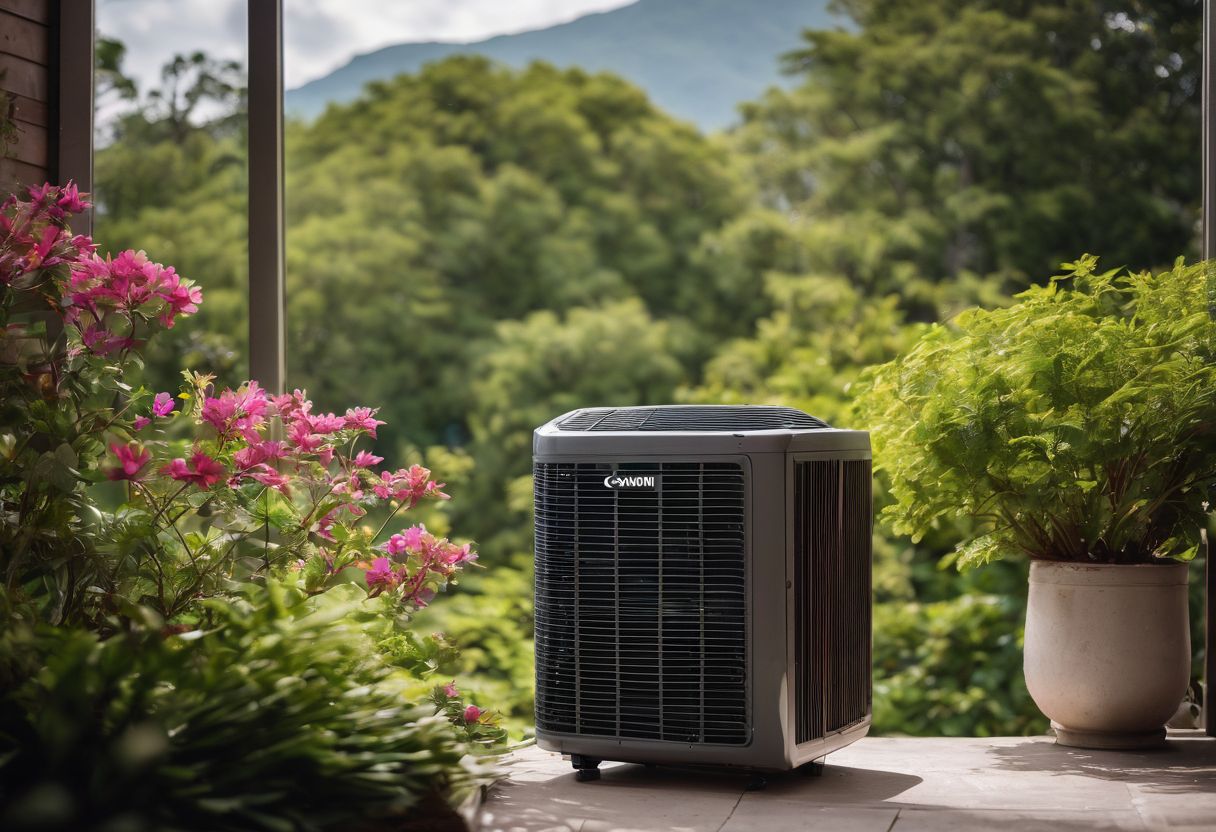
Aircon upgrades, or changes we make to our air conditioning systems, are more than just keeping us cool. They play a big part in saving money and helping the planet. Dr. Ofer Alon wrote about how improving our AC can be smart for comfort and being kind to Earth.
Green building means making places that use less water and energy but still keep life comfy for people inside them.
Governments even give money to help buildings go green because it reduces waste and saves important resources. Plus, things like the Climate Cleansing System (CCS) eliminate germs using a special light, which means we no longer need as many filters.
When you choose an HVAC system that uses less power, your home could be worth more money someday. And when you fix up your house with new tech like CCS and eco-friendly ideas, you’re not only spending wisely but also taking care of the environment.
Even though buildings today want more aircon than before, using clever designs helps keep everything balanced between staying comfortable and not wasting energy.
Upgrading aircon is part of careful planning if you’re investing in property since it makes homes valuable over time while cutting costs.
Read on to see why these smart upgrades are an important choice for your wallet—and the world!
The Significance of Upgraded HVAC Systems
Upgraded HVAC systems bring big changes to homes and buildings. They use less energy, which can save money on bills. New heating, ventilation, and air conditioning units work better than old ones.
This means they keep the air inside cleaner and at a more comfortable temperature.
Modern systems often have smart thermostats. These devices let you control your aircon from anywhere using your phone or computer. They also learn how you live and adjust themselves to help save even more energy.
Plus, upgraded HVAC systems are better for our planet because they release fewer greenhouse gases into the air.
Evaluating the Financial Return of Energy-Efficient HVAC Investments
Investing in energy-efficient HVAC systems can be a smart financial decision, offering long-term savings and a tangible return on investment. It involves a nuanced examination of cost versus benefits, including the calculation of energy savings and understanding efficiency ratings to maximise economic gains.
Calculating Energy Savings
- Look at your current HVAC energy use. Check old bills to see what you pay each month.
- Compare it with the new system’s expected use. An Energy Star label means less power is needed.
- Use an online calculator. These tools help work out possible savings from a new HVAC.
- Factor in your home’s size and location. Bigger homes or those in hot places might save more.
- Read about SEER ratings, which show cooling efficiency. Higher SEER means bigger savings.
- Consider any available rebates or incentives. Some governments give money back for green upgrades.
- Think about future energy price rises. Saving now could mean even more saved later on.
- Calculate maintenance costs for both systems. Newer models may need less fixing, saving cash over time.
Smart spending on aircon upgrades can lead to big savings over time. A payback period helps you understand when you’ll start seeing the return on your investment.
Understanding SEER Ratings and Key to Energy Efficiency
SEER stands for Seasonal Energy Efficiency Ratio. It tells you how efficient an air conditioner is. Think of it like miles per gallon (MPG) for your car, but for your aircon – higher numbers mean more savings on energy bills.
Air conditioners with a high SEER rating use less power to cool your home. This means they have less impact on the environment.
Choosing an air conditioner with a good SEER rating can reduce energy use and save money in the long run. Since the demand for air conditioning is increasing, getting one that works efficiently helps fight against using too much electricity and hurting our planet.
Look for units with Energy Star certification to ensure you pick a green option that conserves energy and supports a sustainable future.
The Advantages of Energy-Efficient HVAC Systems
Energy-efficient HVAC systems offer many benefits, including significant reductions in energy bills and enhanced comfort levels within the indoor environment, prompting homeowners and businesses alike to consider these smart upgrades as a path to long-term financial and environmental rewards.
Improved Energy Management
Better energy management means using less power and saving more money. With advanced HVAC systems, your aircon works smarter, not harder. These systems adjust cooling based on the weather and how many people are in a room.
This smart tech keeps your home comfortable while reducing energy consumption.
Energy-efficient upgrades can include programmable thermostats or high-quality equipment that uses less electricity. Offices with these changes use less energy overall, reducing greenhouse gas emissions.
Less pollution helps make our planet healthier. Plus, green buildings often have better tools for managing power, like solar panels or LED lights that lower your power bill even further.
Increased Property Values
Upgrading to a system like the Climate Cleansing System can make indoor air fresher and cleaner. This could make your house worth more money. Using less energy and having a smaller carbon footprint can also add value to your home.
Many governments give out money or other good things to encourage building in ways that are kinder to the planet.
Houses with these green improvements attract buyers who want an environmentally friendly place to live. They may be willing to pay more for a house that helps them save on power bills and is better for the Earth.
So, smart upgrades can mean higher property values over time.
The Relationship Between Energy Retrofits and Increased Property Values
Energy retrofits not only enhance the sustainability and efficiency of a property but can also lead to a tangible increase in its market value, an important consideration for owners looking to maximise their investment returns.
Importance of Energy Retrofits
Energy retrofits are key for making homes and buildings more efficient. They can lead to big savings on energy bills and help the environment by using less power. Upgrading things like insulation, heating, and cooling systems means a building uses less electricity or gas to stay warm or cool.
This is good because it cuts down on what power plants need to make, which often involves burning fossil fuels that can harm our planet.
Making a building more energy-efficient sometimes costs money up front, but over time it pays off. People may pay less each month for their energy use; if they ever want to sell their property, it could be worth more.
Smart upgrades can also make living spaces nicer and healthier by bringing in better air quality systems like CCS technology that eliminates germs without traditional filters. These changes support the growth of cleaner industries and contribute to a greener economy overall.
Incorporating Energy Retrofits into Property Investment Strategies
Adding energy retrofits to your property investments is a smart move. It can cut down on how much water and power you use. This means you spend less money over time looking after your place.
Governments and groups that care about the environment offer special deals to help people build in greenways.
Putting in something like the Climate Cleansing System (CCS) makes the air cleaner inside, which can stop diseases from spreading. That makes indoors safer and better for health. Using CCS with other green building ways can make buildings use less power.
It also reduces their carbon footprints, which is good for the planet.
Conclusion
Upgrading your air conditioning can save you lots of money over time. New HVAC systems are good for the planet and use less power. Think about how much less you could pay on your energy bills.
Will a smart new system make your home worth more? Imagine breathing cleaner air with high-tech filters at work. Take a step today towards a cooler, greener home tomorrow!
FAQs
1. What are the benefits of upgrading to an energy-efficient aircon system?
Upgrading to an energy-efficient heating, ventilation, and air conditioning (HVAC) system can reduce energy consumption, lower environmental impact, and save money on power bills in the long term.
2. How do I know if my aircon is energy efficient?
Check for an Energy Star rating on your heating, ventilation, and air conditioning systems; this shows they meet strict standards for reduced energy consumption.
3. Can investing in renewable energy help with HVAC costs?
Yes! Using renewable energy sources like solar panels can significantly cut down power use from the grid for your HVAC systems and offer a good return on investment (ROI).
4. What is a home energy audit and how does it relate to my aircon?
A home energy audit by professional auditors assesses how much power your appliances like fridges or dishwashers use and suggests ways to conserve that can include updating your aircon unit.
5. Are there any financial programmes available to help pay for eco-friendly HVAC upgrades?
Property Assessed Clean Energy (PACE) programmes may offer financing solutions for those wanting sustainable buildings with eco-friendly appliances such as heat pumps.
6. Will smart technology additions to my existing HVAC system improve its efficiency?
Yes, adding thermostat controls or smart lighting systems linked to your aircon can optimise usage leading to noise reduction, better productivity in indoor environments, and saving money.