


Mold and mildew are unwelcome guests hiding in air conditioners. They grow best where it’s moist and can hurt your health, making you sick with bad lung infections like pneumonia. In aircons, these tiny troublemakers not only spread germs through the air but also ruin your property by eating away at metals.
You might notice a musty smell or see black spots if mold has moved into your aircon. Experts can check for mold and show you just how much damage it could cause to your house and wallet.
To get rid of this nasty mold, you’ll need special gear to clean and vacuum every part of the air conditioner and use natural fighters like tea tree oil or vinegar.
Keeping an eye on humidity is key because too much moisture invites mold over for a party. You’ll need to clean filters regularly so they don’t become mold’s new home! But be careful – some strong cleaners that kill mold can also harm your aircon in the long run.
If things look really bad, call someone who knows how to handle major mold problems safely. The fight against household enemies like dampness is ongoing but ensuring your family breathes safe, clean air makes it worth it! Let’s learn how we can all keep our cool by winning the battle against pesky molds lurking in our AC units.
Understanding the Threat of Mold and Mildew in Air Conditioners

Mould and mildew pose significant health risks and can cause extensive property damage when they infest air conditioning units, making it crucial to recognise and address these silent invaders effectively.
Their presence often goes unnoticed until the telltale musty odour arises or health symptoms manifest, underscoring the need for vigilance in maintaining indoor air quality.
Health implications
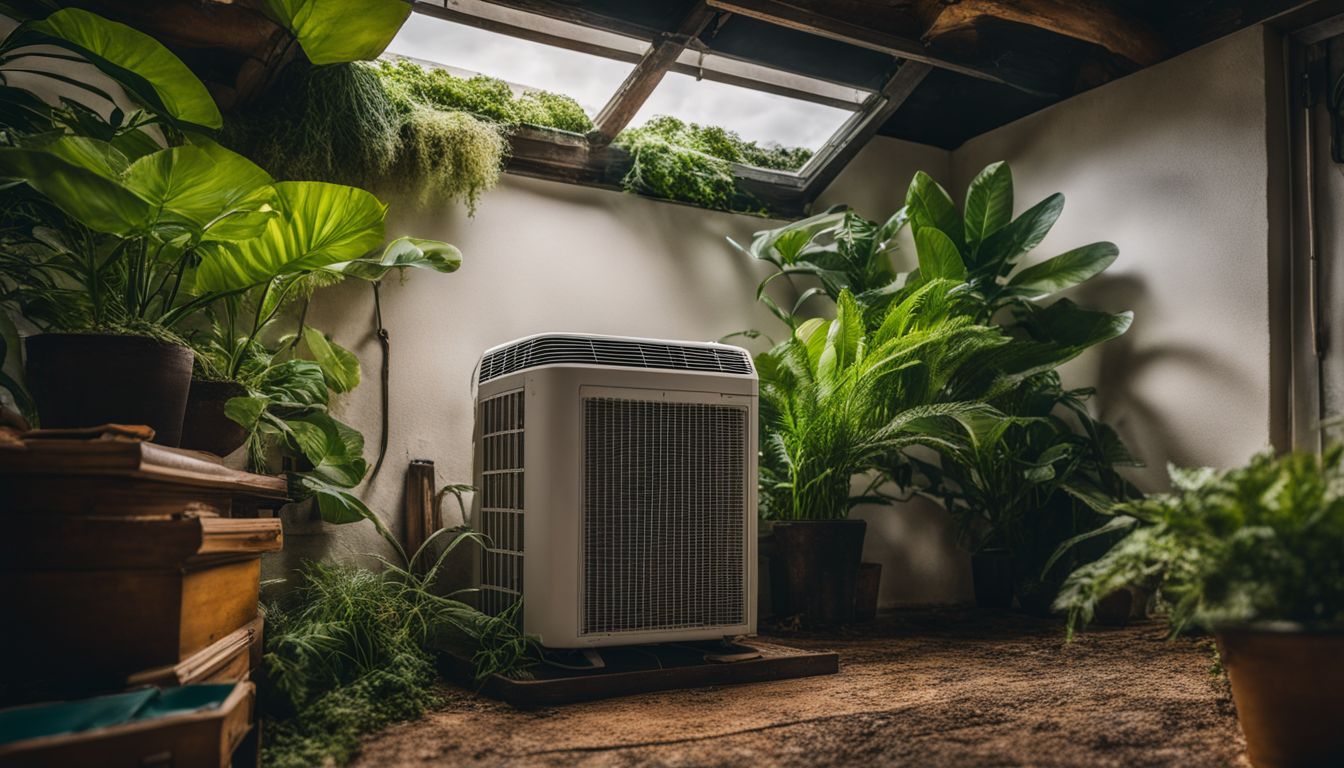
Mould and mildew in your air conditioning can harm your health. Breathing in mould spores may trigger asthma attacks or cause coughing and wheezing. Some people might experience throat irritation or respiratory infections.
If you have a lung disease, these risks are even higher.
Exposure to mycotoxins from certain moulds can lead to severe illnesses like pneumonia. Allergic reactions are common when mould is present in an aircon unit, affecting indoor air quality and overall wellbeing.
It’s important to address any signs of mould quickly to protect the health of everyone in your home or building.
Property damage risks
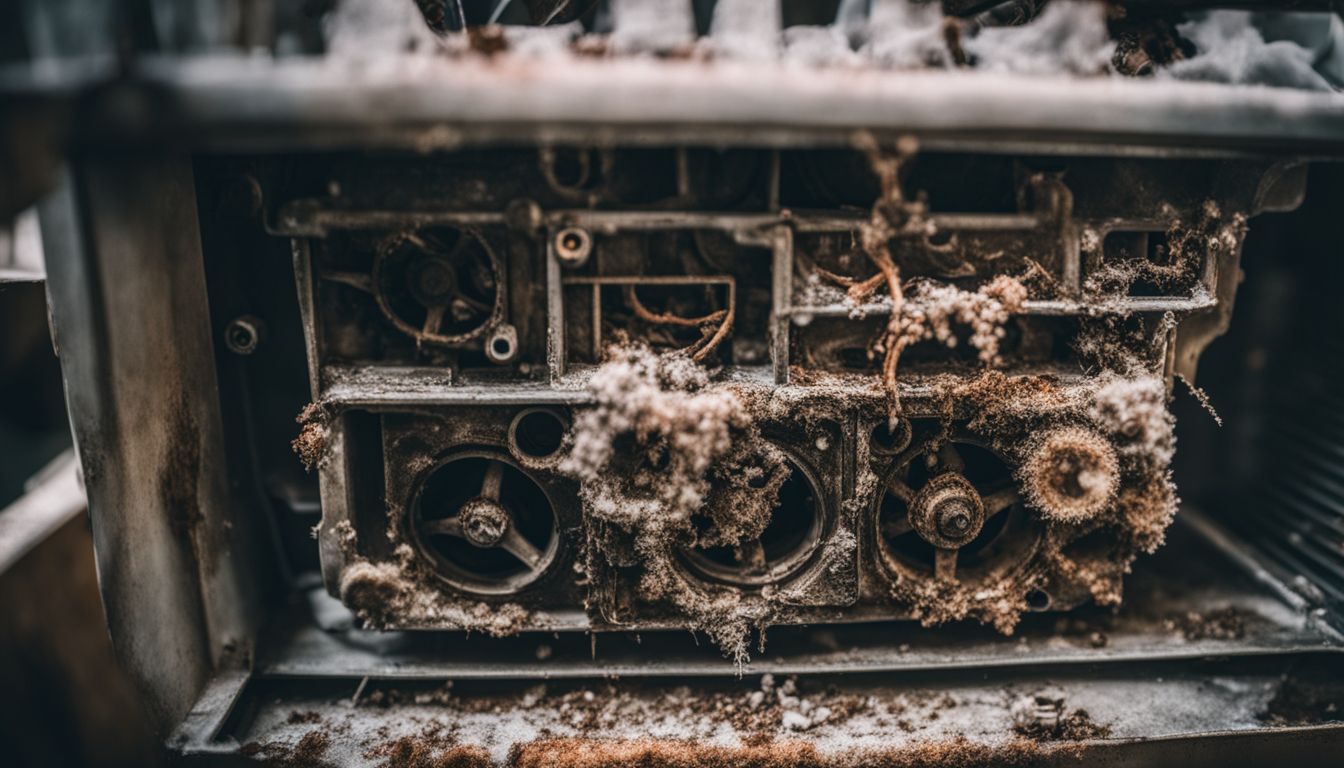
Mould hidden in air conditioners can harm your property. It eats away at metal parts and ruins the unit’s insulation. Over time, this damage leads to expensive repairs or forces you to replace your aircon.
Not just that, mould spreads from HVAC systems to walls and ceilings, lowering your home’s value. If left unchecked, these tiny spores cost a lot in fixes for both structure and machine.
Your vents might rust, and ductwork could weaken as well. Mould makes wood soft and crumbly too—think of rotten window frames or door jambs near aircon units with poor maintenance.
To avoid such issues, keep an eye on any discoloration or damage around your AC system; it might signal bigger problems within.
Recognising Signs of Mold in Your Air Conditioner

Mould in your air conditioner can be a sneaky problem. It’s important to spot the signs early to keep your home safe and healthy.
- Look for a musty smell coming from the air conditioning vents.
- Check for any black, grey, or green spots around the vents or on the air filters.
- Notice if you have an increase in allergy symptoms when the AC is running.
- Watch out for signs of excessive moisture near the unit like water stains on walls or ceilings.
- A blocked drain can also indicate mould because it prevents moisture from escaping.
- Peep into ducts with a flashlight; if you see fuzzy growths, that’s likely mould.
- Your air conditioner might work harder than usual if mould is blocking airflow.
- See if there are any rusted parts inside your AC unit as this could lead to leaks and mould growth.
- Feel the surface of the evaporator coils. If they’re slimy, mould might be present.
https://www.youtube.com/watch?v=S0pNwfW9tLI
Steps to Confirm the Presence of Mold

Finding out if you have mould in your air conditioner is important. It ensures you keep your home safe and healthy. Here are steps to confirm the presence of mould:
- Check for a musty smell coming from the air conditioning unit. A strong, earthy odour like damp socks or rotting wood often means mould is growing inside.
- Look for visible signs on the aircon’s parts, such as the filter or vents. Black, white, or greenish spots are giveaways.
- Use a flashlight to inspect inside ducts for specks or patches that could be mould growth.
- Feel around for any wet areas or unusual dampness near the air conditioning system. Mould thrives where moisture lingers.
- Listen to your body since allergic reactions can give clues too. Coughing, sneezing, or itchy eyes when the AC runs might signal mould spores in the air.
- Take out the air filter and examine it closely for dark, fuzzy accumulations or a stale scent which points to mould infestations.
- Consider buying a home testing kit for mould from a hardware store if you suspect its presence but can’t see it clearly.
- Call an expert in indoor air quality (IAQ) who can use special tools and techniques like UV light to detect hidden moulds accurately.
- If after mild cleaning more serious signs of growth persist, don’t hesitate; this suggests you need professional help right away.
https://www.youtube.com/watch?v=1I9_QxgMJSU
Techniques for Safely Removing Mold from Air Conditioners

Removing mold from air conditioners is critical for your health. Mold can cause coughs and other health issues if not addressed.
- Turn off the air conditioner before starting any cleaning process. Safety comes first.
- Wear protective gear such as gloves, goggles, and a mask to avoid breathing in mould spores.
- Start with vacuuming out any loose mold from the air conditioner unit. Use a vacuum with a HEPA filter for best results.
- Clean all surfaces with naturally-derived products like vinegar mixed with water. This mixture is non-toxic and effective against mold.
- For tougher mold spots, apply a solution of methylated spirits and water. It helps break down stubborn growths without causing damage.
- After cleaning, dry the areas thoroughly. Remaining moisture can lead to more mold growth.
- Replace any aircon filters that have signs of mold. This will improve air quality and prevent spores from spreading.
- Clean ducts if they show signs of being moldy. Professional duct – cleaning services can do this effectively.
- Use an air purifier or install ultraviolet lights in the HVAC system to kill remaining mold spores and prevent future growth.
The Role of Air Conditioning in Controlling Mold and Mildew

Air conditioning systems play a crucial role in maintaining indoor air quality by regulating humidity levels, which is essential for preventing the proliferation of mold and mildew.
Properly calibrated AC units create an environment that is less conducive to these fungi, safeguarding both your health and your property from their damaging effects.
Importance of Humidity Control

Controlling humidity is key to stopping mould growth in air conditioners. Mould loves damp and humid spots, which are often found where cool air flows. Keeping indoor air dry and at the right humidity stops mould from starting or spreading.
Proper use of your AC can help maintain this balance.
Using optimal settings on your cooling systems keeps moisture levels low. This prevents condensation that feeds moulds and mildew. It’s good for health because it lowers the chance of breathing in harmful spores.
Lowering humidity also protects walls, ceilings, and furniture from damage caused by excess moisture.
Optimal Air Conditioning Settings for Mold Prevention

Set your air conditioning to maintain a steady temperature between 20-22 degrees Celsius. This helps keep humidity levels low and prevents mold growth. Use a hygrometer to check the room’s moisture level; aim for it to be below 50%.
Mold thrives in damp places, so keeping the air dry is crucial.
Ensure your AC unit runs on ‘auto’ mode instead of ‘on’. This way, it only operates when needed, reducing excess moisture and saving energy. Regularly clean filters and trays as part of maintenance to enhance airflow and efficiency.
Remember, clean systems prevent mold and keep you healthy.
Regular Maintenance to Combat Mold

Regular maintenance is essential in the battle against mould, serving as a primary defence to keep your air conditioning system clean and health hazards at bay. A well-kept aircon unit not only ensures optimal performance but also significantly lowers the chances of mould and mildew taking hold within its components.
Cleaning and Replacing Aircon Filters

Dirty aircon filters block airflow and can become a breeding ground for mold. To stop this, take out the filters every month and clean them with soap and water. If they’re damaged or very dirty, replace them instead of cleaning.
New filters not only prevent mold but also keep your air fresh.
Make sure to put the dry filter back correctly to avoid damage. After taking care of the filters, check how often you should book a full service for your unit. This keeps it in good shape and controls mold growth inside your aircon system.
Next up is discussing the expected frequency of cleaning for optimal maintenance.
Expected Frequency of Cleaning

Clean your air conditioner regularly to stop mold from growing. Experts say you should clean or replace the filters every three months. If you live in a dusty area or have pets, check and clean the filters more often.
Look inside your aircon unit for any signs of mold or dirt buildup each month.
Keep an eye on areas like ducts, vents, and evaporator coils too. These spots can hide mold and need cleaning at least once a year. For those who use their air conditioners daily, consider a professional inspection every year to keep everything running smoothly and safely.
Moving forward, understanding when to take your maintenance efforts up a notch is crucial for preventing damage from mold and mildew.
Aircon Overhaul Versus Power Chemical Cleaning for Mold and Mildew Management
 Deciding between an aircon overhaul and power chemical cleaning requires understanding the differences in effectiveness, cost, and impact on the air conditioning unit.
| Aircon Overhaul | Power Chemical Cleaning |
|---|---|
| Entails a complete disassembly of the air conditioning unit for thorough cleaning and servicing. | Uses chemical solutions to clean the aircon without full disassembly. |
| Targets all components, ensuring removal of deeply embedded mold and mildew. | Focuses on accessible parts, potentially missing hidden mold colonies. |
| More time-consuming but offers a comprehensive solution to mold issues. | Quicker and less labor-intensive than an overhaul. |
| Typically more expensive due to the extent of labor and service involved. | More cost-effective as a routine maintenance option to manage mold growth. |
| Recommended for severe mold infestations or when the aircon unit is overdue for maintenance. | Suitable for minor mold problems and as part of regular aircon upkeep. |
| May extend the lifespan of the air conditioning unit by addressing all potential issues. | Effective in maintaining air quality but may not extend the unit’s life as significantly as an overhaul. |
Selecting the appropriate method depends on the severity of mold growth, budget constraints, and the desired level of thoroughness for the air conditioning system’s maintenance.
Additional Measures to Reduce Humidity and Mold Risk
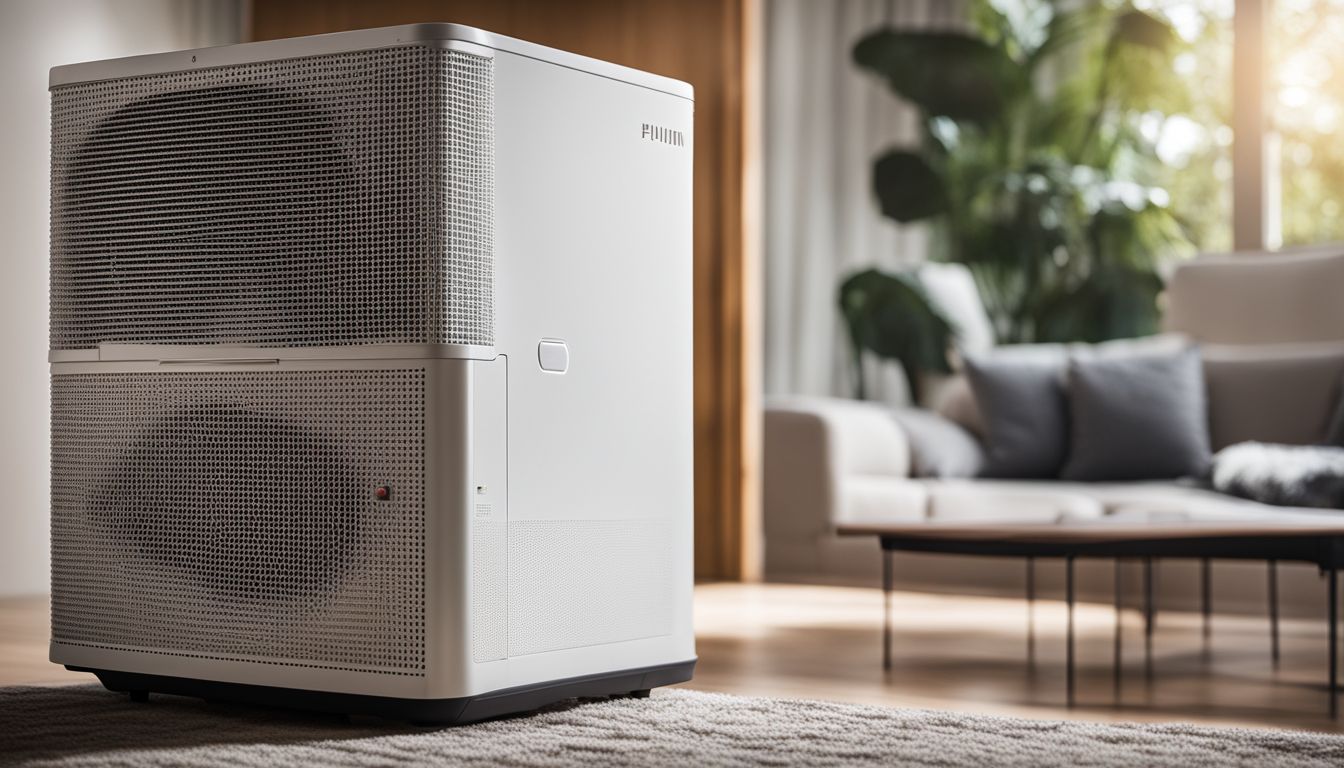
While managing mold and mildew in your aircon is pivotal, integrating extra strategies can significantly bolster your fight against these unwanted invaders. Embracing the use of dehumidifiers and adopting lifestyle changes that minimise indoor moisture levels are proactive steps to maintain a healthier living environment.
Use of Dehumidifiers in High Humidity Areas

Dehumidifiers play a crucial role in keeping air conditioners mold-free, especially in humid places like basements and crawl spaces. These devices pull water from the air, making it harder for mold to grow.
Using dehumidifiers matters because they maintain lower humidity levels around hvac equipment. This action stops mold before it starts and keeps your air fresher.
Regular use of these machines helps control indoor moisture. In areas with lots of dampness, a dehumidifier can be vital to protect health and property. It prevents excessive damp from harming air handlers and ducts inside an aircon unit.
Keeping humidity low means less chance of mold taking hold where you can’t see it – behind panels or deep within hvac ducts.
Lifestyle Changes to Reduce Indoor Humidity
Keep your home’s air dry by opening windows every day. This lets fresh air in and lifts moisture out. Hang wet clothes outside to dry instead of indoors. Drying clothes inside can add a lot of moisture to the air.
Use exhaust fans in the kitchen and bathroom. Cooking and showering create a lot of steam. Fans help move this moist air outside. Keep indoor plants in check too; while they’re great for clean air, they can also increase humidity levels.
Fix leaks promptly around your house to prevent excess water build-up. Use an air conditioner or dehumidifier during humid months to keep the air dry. Make sure your home is well-insulated to stop dampness from creeping in through walls or ceilings.
When to Call in Professionals for Mold Remediation

Sometimes mold in air conditioners is too much to handle on your own. If you spot large areas of black or grey circles, this could be a sign. Musty smells that don’t go away after cleaning are another red flag.
These problems can lead to health issues if not fixed quickly.
You might need expert help if the mold covers a big space or keeps coming back after you clean it. Professional mold removal teams have special tools and know-how to get rid of mold safely.
They wear protective gear and use powerful chemicals that aren’t sold in stores. This makes sure all spores are gone and won’t grow back.
Experts also fix other things that can cause more mold, like leaks or bad humidity control in your home. It’s smart to call professionals when simple cleaning doesn’t work or when people at home start having breathing problems because of the mold.
Keeping up with regular HVAC system check-ups can stop mold from growing again. After experts take care of the problem, make sure your aircon stays clean and dry.
Conclusion
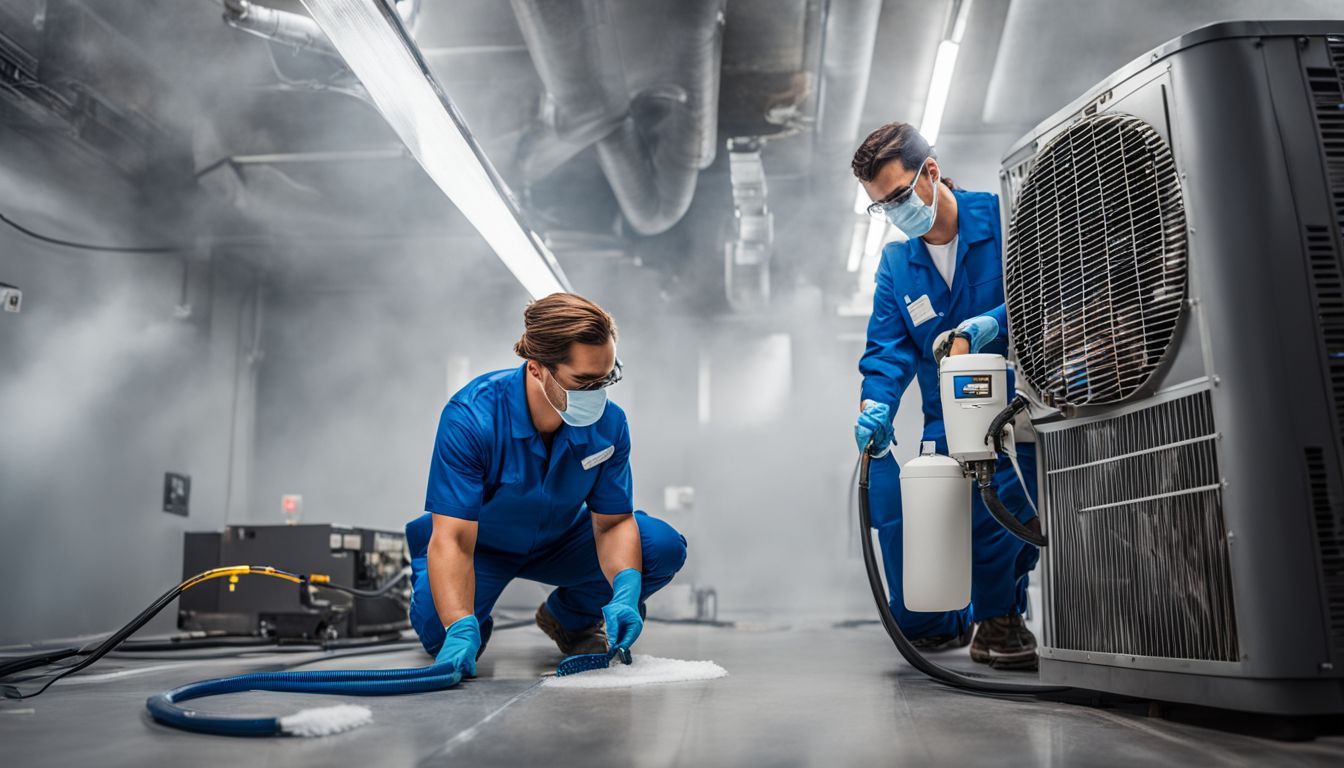
Keep your air conditioner clean to stop mold and mildew. Remember, a well-maintained unit keeps the air fresh and safe at home. If you spot any mold, take action quickly. Clean your filters regularly and use a dehumidifier in damp areas.
For tough mold problems, don’t hesitate to call the experts.
FAQs
1. Why do mold and mildew grow in my aircon?
Mold and mildew thrive in warm, moist places like your heating and cooling system’s ducts, especially in spots like attics where the air isn’t moving much.
2. Can mold in my aircon cause health problems?
Yes, having mold and mildew in your air conditioner can lead to health issues such as allergies or respiratory problems because they release spores into the air.
3. How can I clean the mold out of my aircon safely?
Safe cleaning involves using non-caustic products instead of harsh chemicals like bleaches. Air purification systems also help by filtering out spores before they spread.
4. What is a good way to keep mold from coming back?
Regular duct cleaning is key to preventing mold growth. Using dehumidifiers and reliable air filtration can also protect your home from unwanted mold and mildew.