


Aircon chemical wash, also known as air conditioner deep cleaning, is a process that gets rid of all the dirt and grime stuck in your air conditioner. When your air conditioner has been working hard for a long time without being cleaned, or it’s really dirty, this type of cleaning can make it work like new again.
Some special air conditioners from Hitachi can clean themselves to some extent, which means you don’t have to get professional help as often. But even with these features, checking the filters every two weeks and doing a big clean every year helps keep your air conditioner running great.
If you decide to clean your own unit at home (DIY), it can save you money if you just need simple fixes. But be careful; making mistakes like forgetting to turn off the power or using harsh cleaners could end up costing more.
On the other hand, experts know how to do a chemical wash without harming your system and even tackle tough jobs like overhaul cleaning—this uses heat and water pressure after five years or so.
We’ll look at both DIY methods and when it’s best to call in the pros so that keeping cool doesn’t turn into a hot mess! This article will take you through everything step by step – no jargon included! Keep reading to learn how best to care for your cooling pal.
Understanding Air Conditioner Cleaning
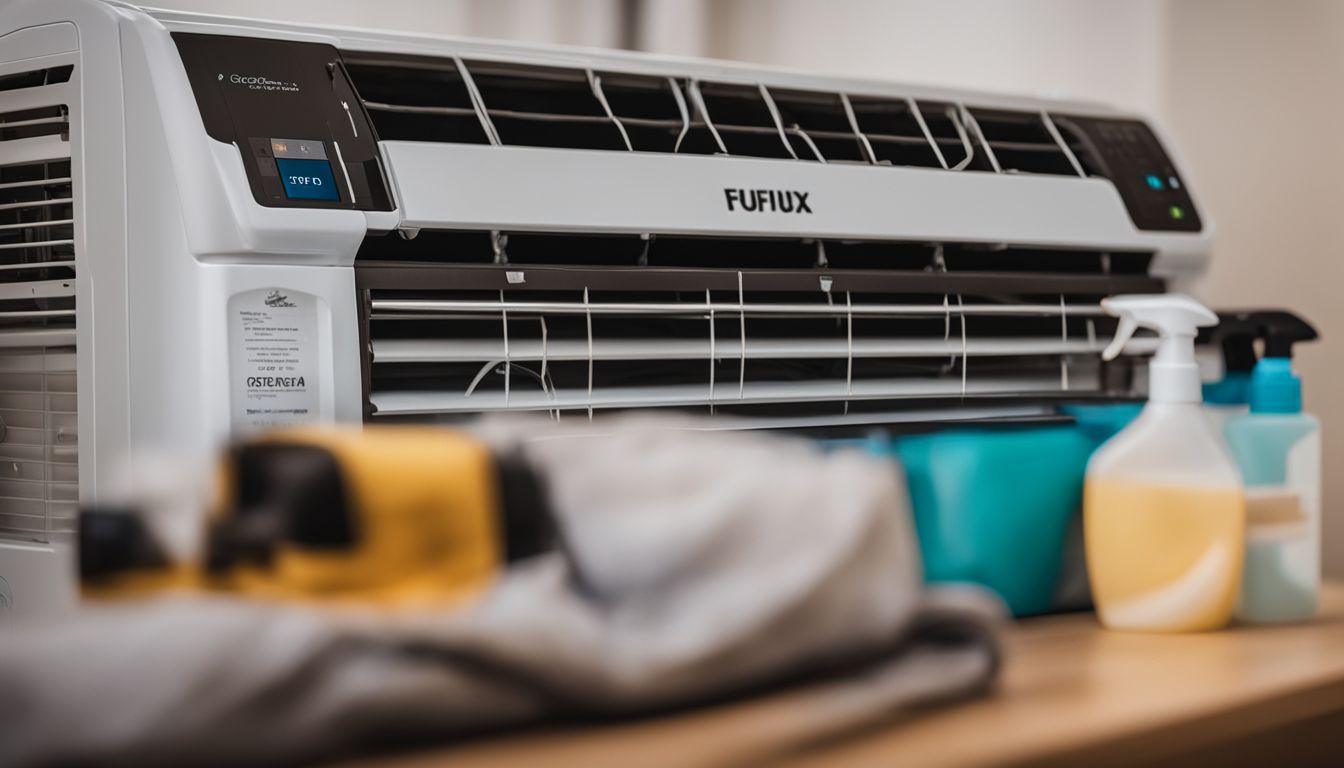
Regular maintenance of air conditioners is crucial for optimal performance, with various cleaning techniques available to ensure the longevity and efficiency of your unit. Delving into the specifics, we’ll explore how a standard service differs from an in-depth chemical wash and why keeping your cooling system clean is essential for both functionality and health.
General Aircon Servicing Vs Aircon Chemical Wash
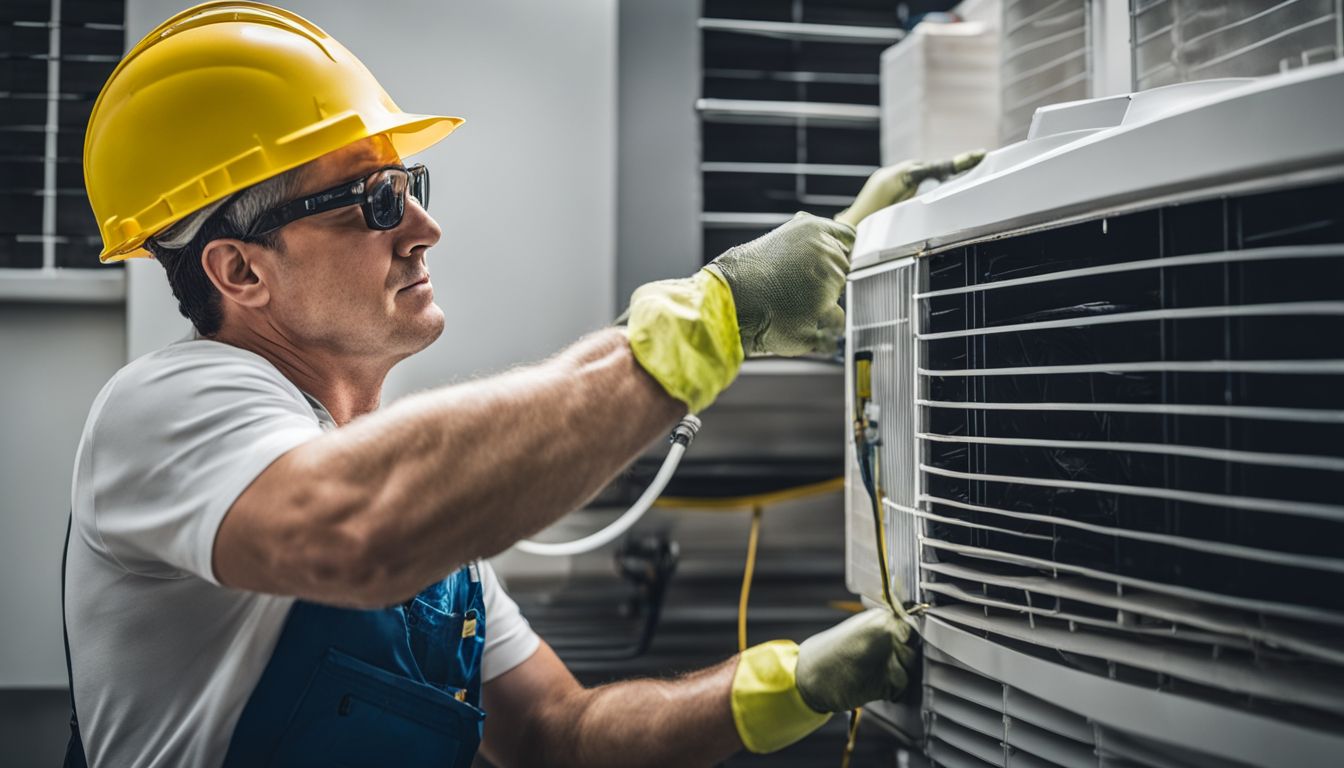
General aircon servicing includes cleaning the air filters, fan coils, and checking the vital components like capacitors. It suits units that are regularly serviced and not too dirty.
This service is more budget-friendly. A professional will typically vacuum out dust and wash the filters with water.
An aircon chemical wash goes deeper by using a chemical solution to remove stubborn dirt and grime from internal parts such as tubing, evaporator coils, and the air handler. This type of wash works well for units that haven’t been cleaned in a long time or are very dirty.
Potassium hydroxide or sodium hydroxide might be used in this process. Chemical cleaning gets rid of mold growth and built-up contaminants that regular servicing can’t handle. It costs more but extends your unit’s life span by preventing overheating due to clogged parts.
The Importance of Regular Aircon Cleaning

Regular aircon cleaning stands as a critical step following general servicing or chemical washes. Dirt and grime build-up in an air conditioning unit reduces its efficiency over time.
This means the system has to work harder, leading to higher energy bills and potential breakdowns. Regular cleaning keeps parts like the fan coil unit and filters clear of obstruction, ensuring smooth operation.
Cleaning your air conditioner also prolongs its life. A well-maintained system experiences fewer common AC problems, such as poor airflow or strange noises. Inspecting the filters every two weeks helps catch issues early on.
Before heating or cooling seasons kick in, a thorough clean improves performance right when you need it most.
DIY Aircon Cleaning

Taking control of aircon maintenance can be both rewarding and cost-effective, with DIY methods providing homeowners the opportunity to tackle dirt and grime removal from their units firsthand.
It requires a methodical approach and an understanding of the cleaning solutions involved to ensure that your air-conditioning unit is handled safely and effectively.
Steps to Clean Your Air Conditioner

Cleaning your air conditioner keeps it running smoothly and efficiently. Taking good care of your unit helps to remove dirt and grime, improving the quality of air in your home.
- Turn off the power: Safety comes first; shut off the power to your air-conditioning unit.
- Remove and inspect filters: Carefully take out the filters. Look for dust build-up, especially before cooling or heating seasons.
- Clean filters with water: Use hot water to wash away dirt from the filters. If they’re very dirty, a gentle cleaning solution can be used.
- Dry filters completely: Make sure they are thoroughly dry before you put them back.
- Check coils and fins: Open the front panel of your unit and inspect the coils for debris.
- Use a soft brush on coils: Gently remove any dust or grime using a soft-bristled brush.
- Straighten bent fins: Aluminum fins can bend easily, so straighten them with care to avoid blocking airflow.
- Apply cleaning solution if necessary: For stubborn dirt, use a mild alkaline cleaner like sodium hydroxide(NaOH), but do so cautiously.
- Rinse coils with low-pressure water: Avoid high pressure that could damage the coils.
- Vacuum inside the unit: Use a vacuum cleaner to suck up loose dust from around the motor and internal compartments.
- Re-install cleaned parts: Once everything is dry, put all parts back into place securely.
Common Mistakes to Avoid

DIY cleaning of your air conditioner can save money, but it’s easy to make mistakes. Avoid these to keep your AC running smoothly.
- Not shutting off the power: Always turn off the power before you start. This keeps you safe from electric shocks and protects the system.
- Overlooking blower motor and fan blades: These parts gather dust and dirt. Clean them carefully to ensure good air flow.
- Choosing the wrong cleaning solution: Some chemicals are too harsh for aircon units, especially on aluminium parts. Pick a gentle cleaner made for HVACR systems.
- Applying high pressure water: Never use a pressure washer on your AC unit; it can cause damage to sensitive components.
- Ignoring regular maintenance schedules: Consistent cleaning is vital. Letting dirt build up can lead to bigger problems later.
- Forgetting to replace or clean filters: Dirty filters block airflow and strain the system. Clean or replace them as needed.
- Skipping coil fins straightening: Bent fins restrict air passage through the coil, reducing efficiency.
- Neglecting drainage checks: Always check and clear the drain line during cleaning to prevent water damage and maintain efficiency.
Professional Aircon Cleaning

4. Professional Aircon Cleaning: Engaging the expertise of professionals guarantees a thorough and efficient chemical wash for your air conditioner, harnessing their knowledge of industry standards and chemistry to extend the life of your unit while ensuring safety, particularly with delicate aluminium components.
Benefits of Professional Cleaning

Professional cleaning can make a big difference in your air conditioner’s performance. Experts use special tools and chemicals that deep clean without damaging sensitive components like aluminium coils.
They know just what to do to keep your unit running smoothly and efficiently. With professional help, you get peace of mind knowing your system won’t break down because it’s in top shape.
Hiring pros also means they might spot issues before they turn into costly problems. This saves you money and extends the life of your aircon. Plus, for advanced systems like those from Hitachi with FrostWash technology, professionals have the right knowledge to maintain these features properly.
Expert cleaning protects both your health and investment by ensuring clean, quality air flows in your home or office.
Chemical Cleaning Vs Overhaul Cleaning

Deciding between chemical cleaning and overhaul cleaning for your aircon can significantly impact its performance and longevity. These two methods cater to different maintenance needs and offer a variety of benefits for your air conditioning system. Below is a detailed comparison in HTML table format:
| Aspect | Chemical Cleaning | Overhaul Cleaning |
|---|---|---|
| Purpose | Removes dirt, grease, oil, bacteria, and debris using chemicals. | Conducts a more thorough clean, using heat and water pressure to remove deeply embedded debris. |
| Suitability | Appropriate for most types of air conditioners. | Recommended for systems in areas with hard or salty water, or showing signs of corrosion and wear. |
| Maintenance Frequency | Performed as needed, depending on usage and environmental conditions. | Advised every five years, particularly in regions with water that promotes corrosion. |
| Process | Utilizes a set of designed chemicals to clean the cooling system and internal components. | Involves dismantling the aircon unit to clean each component thoroughly using heat and water pressure. |
| Effectiveness | Effective for removing common contaminants and improving efficiency. | Ensures a deeper clean, potentially extending the lifespan of the air conditioner. |
| Risks | Potential for chemical exposure if not handled properly. | Higher risk of component damage if not performed by an experienced technician. |
This comparison outlines the main differences between chemical cleaning and overhaul cleaning, assisting you in making an informed decision based on your aircon’s specific requirements.
Weighing the Pros and Cons of DIY and Professional Cleaning

Exploring the merits and drawbacks of DIY versus professional aircon chemical wash is crucial, as it empowers homeowners to make an informed choice that aligns with their abilities, budget, and expectations.
This comparison delves into factors such as cost-effectiveness, time investment, and the quality of outcomes produced by each approach.
Advantages and Disadvantages of DIY Cleaning
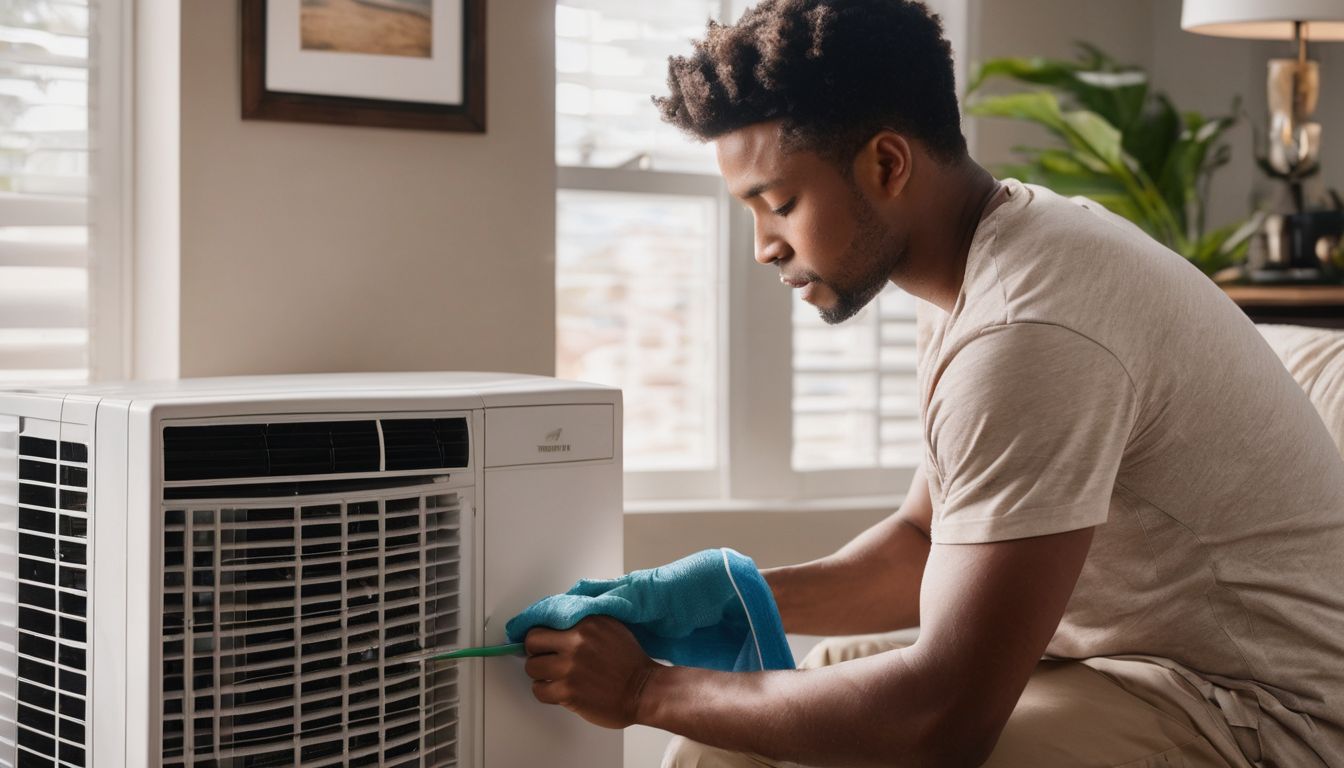
DIY air conditioner cleaning encompasses various levels of maintenance tasks that homeowners can undertake to keep their units functioning efficiently. In assessing whether to clean your air conditioner yourself or engage a professional, it’s vital to consider the advantages and disadvantages of DIY cleaning.
| Advantages of DIY Cleaning | Disadvantages of DIY Cleaning |
|---|---|
| Cost-effective for simple maintenance tasks. | Potential for costly mistakes with complex issues. |
| Immediate attention to the unit when needed. | Risk of damaging the aircon due to inexperience. |
| Personal control over the cleaning process. | Time-consuming, especially without prior experience. |
| Flexibility to schedule according to convenience. | May not achieve as deep a clean as professional service. |
| No need to coordinate with service providers. | Lack of professional-grade tools and chemicals for thorough cleaning. |
While DIY cleaning can offer cost savings and control over the maintenance schedule, it also carries the risk of improper handling, especially for tasks requiring specialised skills. The next topic will explore the benefits of engaging in professional air conditioner cleaning services.
Advantages and Disadvantages of Professional Cleaning

Professional air conditioner cleaning provides a comprehensive maintenance option, often including a chemical wash. This deep clean targets stubborn dirt and grime, making it ideal for units that haven’t been serviced in a while or are particularly dirty. Below is a concise table summarizing the advantages and disadvantages of opting for professional aircon cleaning services.
| Advantages of Professional Cleaning | Disadvantages of Professional Cleaning |
|---|---|
| Professionals possess the necessary expertise to handle complex cleaning tasks safely. | Higher costs compared to general servicing or DIY methods. |
| Use of specialized chemicals ensures a more thorough clean than standard servicing. | Potential for harsh chemicals to cause damage if not used correctly. |
| Spotting potential issues during cleaning can prevent future malfunctions. | Requires scheduling an appointment, which may not be immediate. |
| Professional servicing can extend the lifespan of the air conditioning unit. | Reliance on service provider’s availability and time frame. |
| Ensures the air conditioner operates efficiently, potentially reducing energy bills. | Possible inconvenience if the cleaners disrupt your home or office routine. |
Conclusion

Cleaning your air conditioner is key to keeping it working well. You can try DIY methods or hire a pro. Think about how dirty your unit is and how much you want to spend. Remember, doing it yourself saves money but may risk damage if you’re not careful.
Choose the best option for your situation and keep cool all summer long.
FAQs
1. What is an aircon chemical wash?
An aircon chemical wash is a cleaning process that uses special chemicals to clean the internal parts of your air conditioner, like the coils and filters.
2. Can I do my own aircon chemical wash at home?
You can do a basic clean at home, but for a full chemical wash it’s best to hire a pro as they use strong chemicals and have the right tools.
3. What are the benefits of hiring a professional for an aircon chemical wash?
Pros know how to safely handle chemicals and dispose of waste. They also check your unit thoroughly, which can extend its life.
4. Is it expensive to get a pro for an aircon chemical wash?
The cost may be higher than doing it yourself, but you’re paying for expertise and peace of mind that it’s done correctly without damaging your unit.