

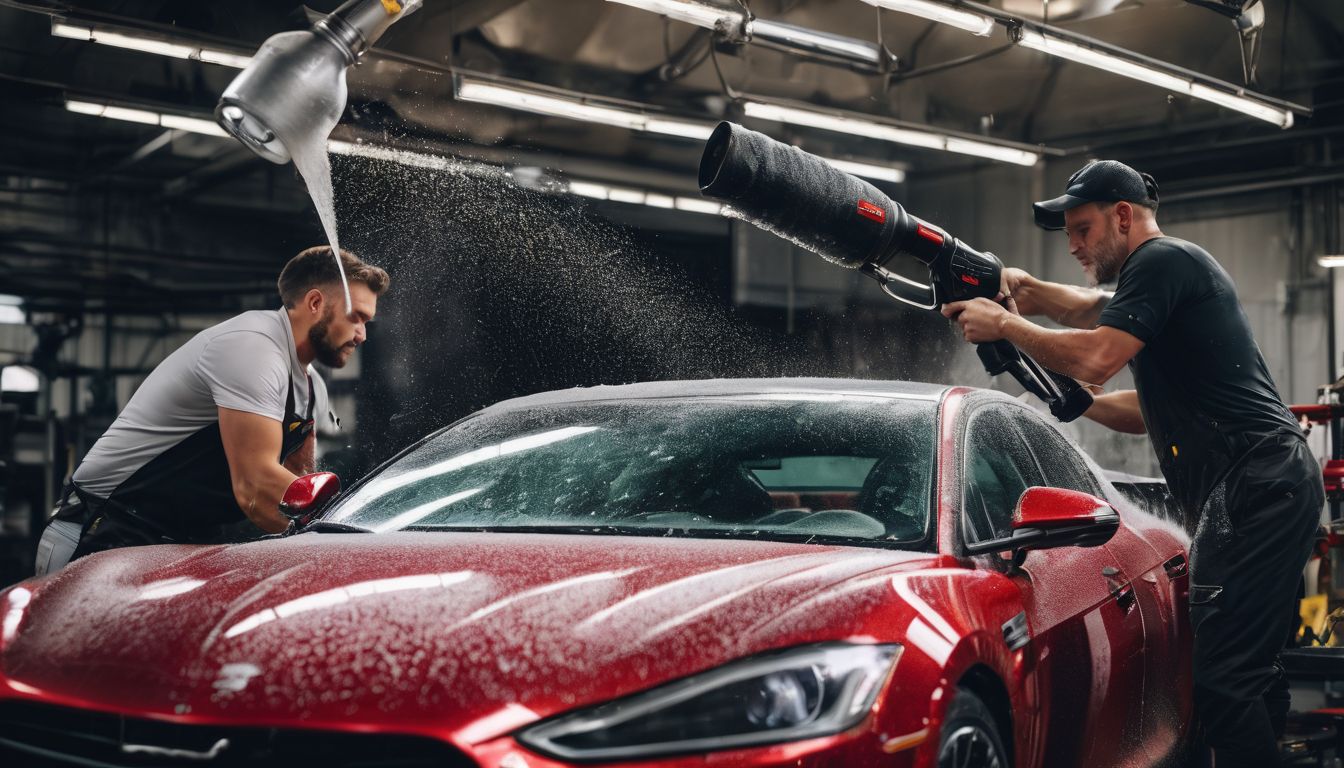
Chemical wash service is a delicate balance. It mixes time, temperature, movement, chemicals and steps to get things super clean. Imagine scrubbing dishes with the right kind of soap and warm water for just enough time, then rinsing them off so there’s no soap left.
Getting it right means breaking up dirt without ruining what you’re cleaning. Choosing the best cleaner is key because different ones work better on certain messes. Hotter water can make the cleaner work even better, but not too hot or you might break something! Health rules say dish machines must be at certain temperatures to kill germs.
If we leave the cleaner on for longer, things can get even cleaner. But we have to be careful or we could damage something by accident! After washing with all those cleaners, rinsing really well makes sure nothing bad stays behind.
Once everything’s rinsed off, drying comes next using special tools like air blowers – each has its pros and cons. We need to dry stuff well so it doesn’t rust or spoil before we need it again.
Knowing all this helps us do a great job in chemical wash services every single time. Let’s explore how these parts come together perfectly.
Crucial Factors for Effective Chemical Wash Service
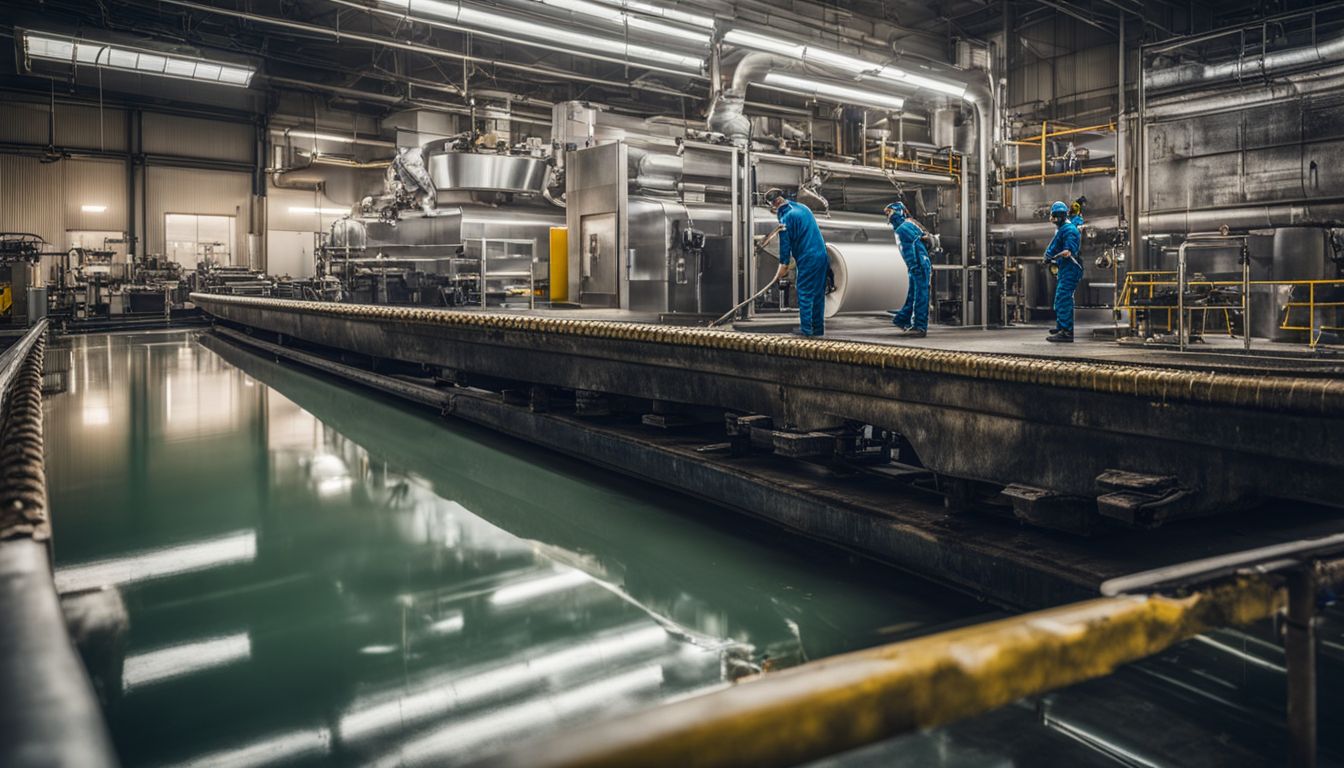
To achieve a successful chemical wash service, understanding and managing several key factors is paramount. These elements work synergistically to ensure thorough soil removal while preserving the integrity of the materials being cleaned, directly influencing both the efficiency of the process and ultimate customer satisfaction.
Agitation
Agitation plays a vital role in the chemical wash process. It uses mechanical action to break up dirt and grime on surfaces, making soil removal more effective. Think of it like scrubbing a dirty pan; without moving your brush or sponge, the food won’t come off easily.
However, too much force can damage what you are trying to clean. Just as pressing too hard with a sponge can scratch delicate glassware, excessive agitation during a carwashing service may lead to erosion of paintwork or other surfaces.
It’s important for workers to find the right balance: enough agitation to emulsify oils and lift dirt but not so vigorous that it harms the vehicle.
During ultrasonic cleaning, which is another form of agitation used in some services, tiny bubbles generated by ultrasonic waves help clean intricate parts without scrubbing. This gentle approach ensures thorough cleanliness even on complex geometries like those found in metallurgy or plating industries, where precision is key.
Using this method also helps lower operating costs since less physical effort is needed compared with traditional methods that rely heavily on liquid pressure and manual labour.
The Role of Chemistry
 Chemistry plays a central part in every chemical wash service. Chemical reactions help to break down soils and remove dirt from surfaces. Using the right chemical products is crucial; they determine how well different types of soil are lifted away.
For instance, water-soluble contaminants will need detergents that can mix with water to clean effectively.
Certain chemicals target organic substances, while others are designed to tackle metals or calcium and magnesium salts found in hard water. Correct chemistry ensures the reaction rate is optimised for efficient cleaning.
Chemists work with rate equations and consider factors like alkalinity, pH levels, and total dissolved solids (TDS) in their formulations. This expertise means the chosen chemical will perform as expected under set conditions without damaging the surface being cleaned or posing risks outlined by occupational health and safety regulations.
Significance of Temperature
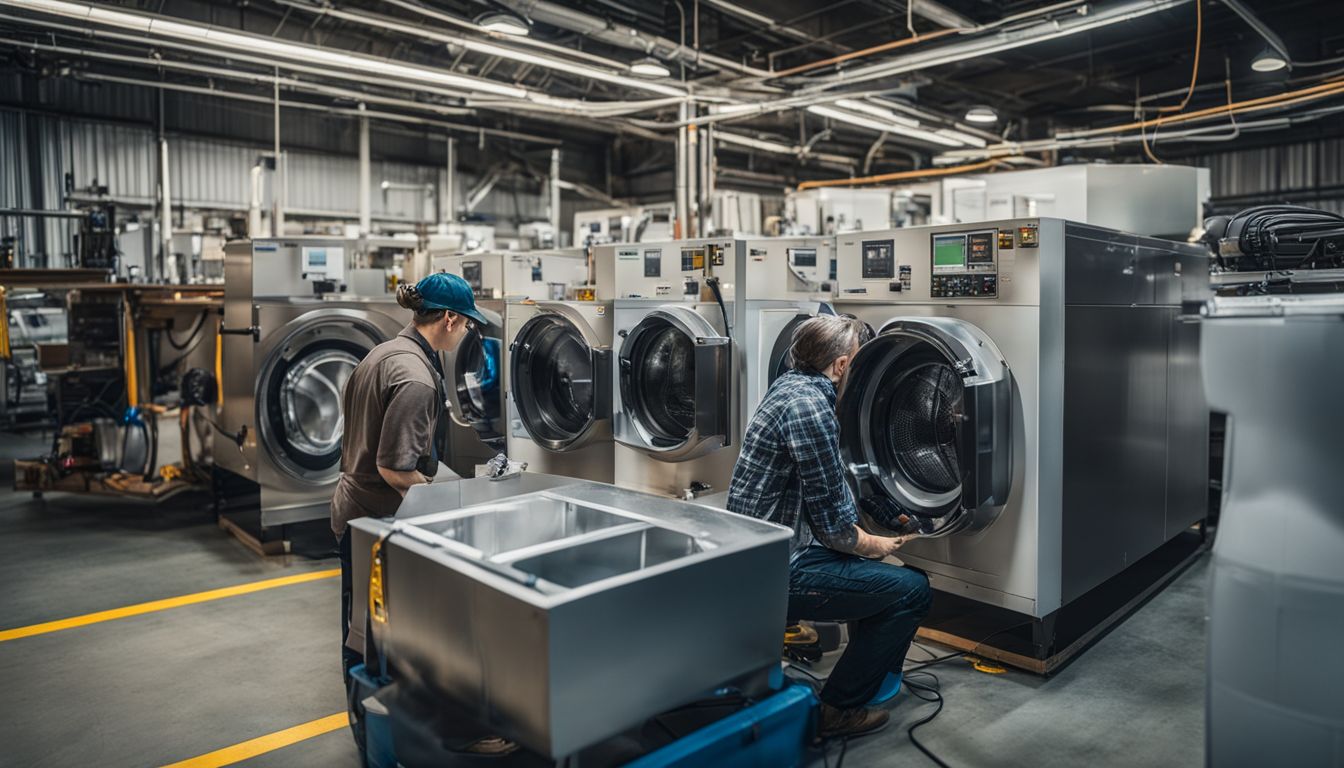
Temperature plays a crucial role in chemical wash services. It can speed up the reaction rate, making cleaning agents more effective. Hot water breaks down grease and grime faster than cold water.
This is why car washes often use warm water to clean cars better.
Yet, high temperatures can also increase costs and damage some surfaces. They may cause materials to corrode or oxidise if not carefully managed. For dish machines, meeting health standards means keeping the wash at specific temperatures.
Compliance with these rules ensures that everything is sanitised properly.
Careful temperature control creates a balance between efficient cleaning and protecting surfaces from harm. Now let’s talk about managing time during a chemical wash process.
Time Management
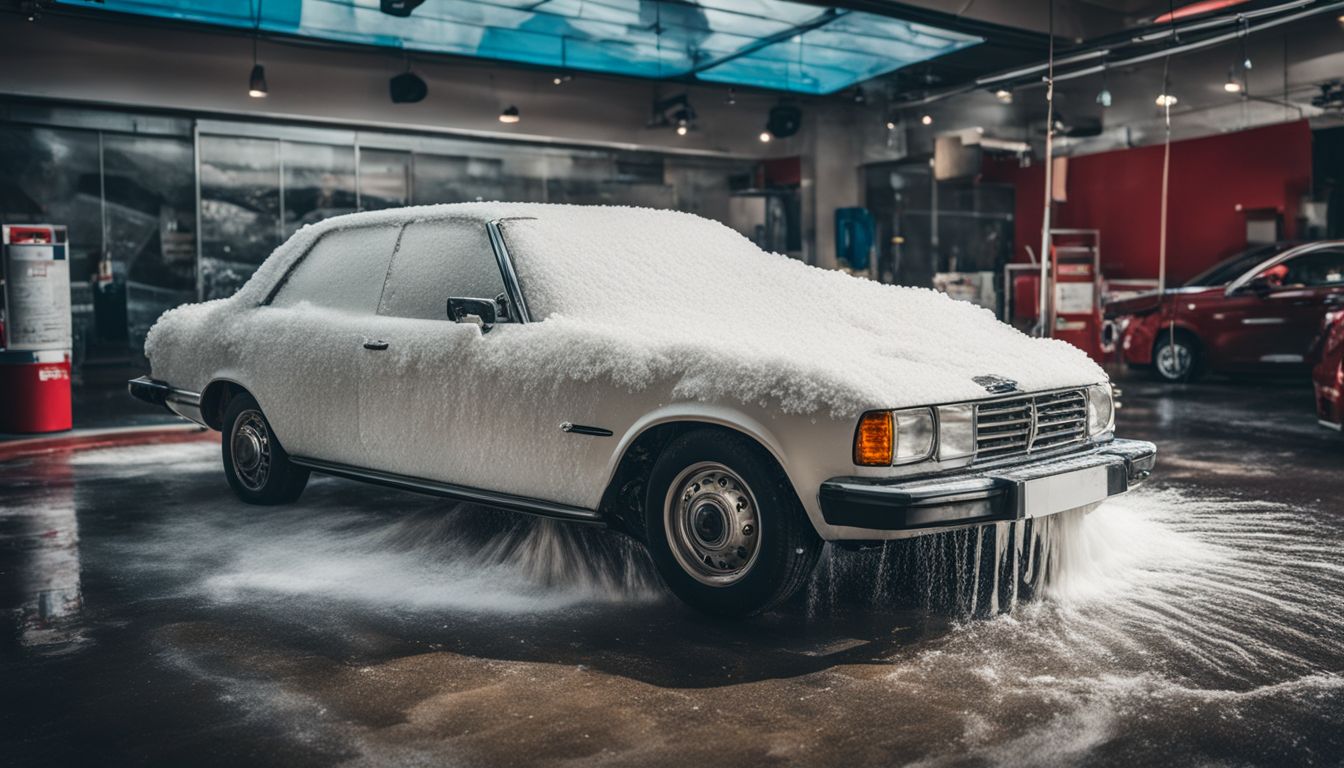
Time management is a key factor in chemical washing services. It controls how long chemicals touch the car’s surface. Too little time and the cleaning agents won’t work well. Too much time can harm the paintwork or parts of the car.
Experts need to use their knowledge to find just the right balance.
Each job requires setting a correct dwell time for optimal cleaning without damaging surfaces. This balancing act ensures that reductions in other factors, like temperature or agitation, are compensated by adjusting time effectively.
Managing this element carefully leads to a successful wash service every time.
Importance of Rinsing

Rinsing thoroughly after a chemical wash is vital to prevent damage and ensure cleanliness. It removes any remaining chemicals that might react with surfaces or cause harm. In water hardness areas, it’s especially important to rinse well because minerals in the water can leave deposits.
These deposits could interfere with the performance of cleaning products in future washes.
Using clean, high-quality water for rinsing ensures no contaminants are left behind. Suppliers often provide specific instructions on how to effectively rinse different types of equipment and vehicles.
Proper training helps staff understand why they need to use enough water and take their time during this step. Rinsing balances out the other factors in chemical washing like temperature and chemistry.
Skimping on rinsing may mean having to repeat the whole cleaning process, wasting time and resources.
Drying Process

Getting car parts dry is vital after a chemical wash. Leftover water can rust the parts or mess up future steps. Use different methods like air knives, hoses, or ovens to dry things fast.
Each method has good and bad points, so choose wisely.
High heat helps remove moisture quickly but watch out for damage to surfaces and increased costs. Keep in mind that safety gear such as personal protection equipment is important when using high temperatures to prevent accidents or injuries.
Conclusion
In chemical wash services, balancing key factors leads to excellent results. Each element, from temperature to agitation, plays its part in effective cleaning. Remembering the importance of each step ensures a quality outcome.
Adhere strictly to correct procedures to avoid undermining your hard work. Mastery of these elements transforms a simple clean into professional service excellence.
FAQs
1. What does viscosity mean in chemical car wash services?
In chemical car wash services, viscosity describes how thick or thin a liquid penetrant is, affecting its ability to cleanse effectively.
2. Can ultrasonic agitation improve the purification process?
Yes, ultrasonic agitation can enhance the purification process by breaking down dirt particles at a microscopic level for an automated and thorough clean.
3. How does the Occupational Health and Safety Administration impact chemical washes?
The Occupational Health and Safety Administration sets guidelines on handling chemicals safely to protect workers during the cleaning processes.
4. Why are recyclable materials important in chemical washing?
Using recyclable materials helps maintain water quality and ensures that waste from the wash process, like evaporated solvents or used brine, doesn’t harm the environment.
5. Does climate affect the chemical reaction rate in car wash services?
Warmer climates can increase volatility which may speed up the chemical reaction rate making certain products work faster during a car service.