

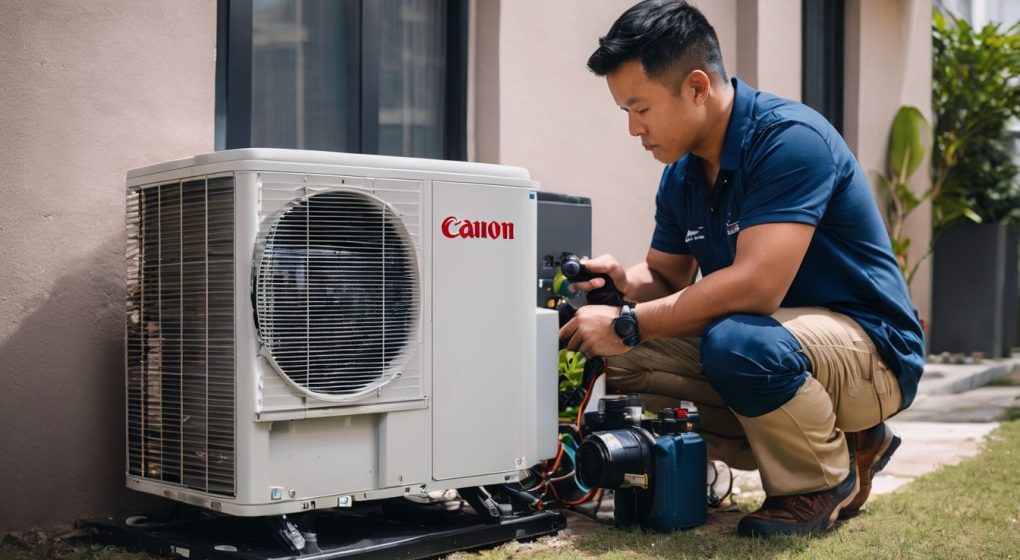
Your aircon’s condenser is a key part that helps cool your home. It works by getting rid of the heat from inside and sending it outside. This keeps your aircon from working too hard and can save you about 30% on energy costs.
If the condenser isn’t working right, you might get hot air instead of cold, or it could leak special cooling liquid called refrigerant. Keeping the condenser clean is super important; if it gets dirty, it can use up to 30% more energy! Every year, you should clean off any dirt or leaves, gently rinse it with water, fix any bent parts, and dry it well.
The condenser coil usually sits outside so that lots of air can flow around it while still being protected from damage. But if your coil gets really worn out or broken, professionals should fix or replace it to avoid long breaks in service.
Some old AC units have outdated coils which use more electricity than new ones.
Studies show not cleaning your condenser coil makes your AC gobble up more power—up to 30% more—and could make your system break down because of overheating.
You’ll find out how crucial regular check-ups are for keeping everything running smoothly without wasting money on extra bills. Stay cool and carry on reading to keep your aircon happy!
The Role and Functionality of the Aircon Condenser

Moving on from what the aircon condenser is, let’s dive into how it works. The condenser coil plays a key role in your air conditioning system. It takes the hot refrigerant gas from inside your home and turns it into a liquid.
This happens outside in the unit that sits next to your house.
Here’s how it goes down: After absorbing heat from inside your home, the refrigerant travels to the condenser coils. The fan in your outdoor unit blows outside air over these coils.
This cools the refrigerant down by pushing away all that collected heat into the outside world. Once cooled, the refrigerant changes back into a liquid form.
The now-liquid refrigerant heads indoors again ready to collect more heat. This cycle keeps going – meaning you stay cool and comfy inside no matter how hot it gets outside!
Location and Identification of the Condenser Coil in an Air Conditioning Unit

The condenser coil sits in the outdoor part of your air conditioning unit. It’s a network of copper tubing with aluminum fins to help transfer heat. You’ll find it behind a protective grid or panel to guard against weather and debris.
To spot it, look for the large metal box outside your home that connects to the indoor system through refrigerant lines.
Nearby, you might see the fan that helps cool the coils as they release heat into the air around them. This step makes sure your rooms stay cool. Each section works together, much like a team keeping your space comfortable.
Next up, let’s explore common issues with these vital parts of an aircon system.
Common Problems Related to the Aircon Condenser
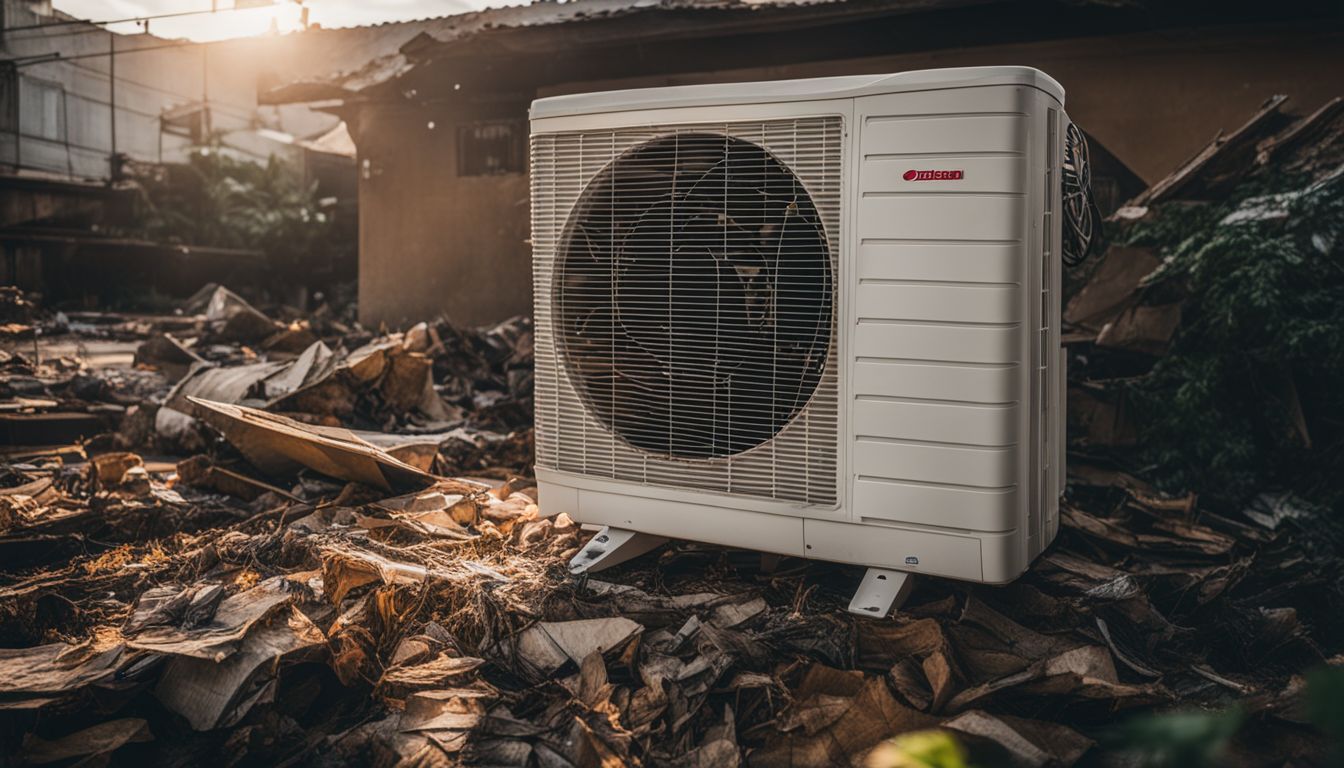
Discover how a malfunctioning aircon condenser can compromise your comfort and efficiency, signalling the need for prompt attention to avoid common issues.
Blowing of Hot Air or Insufficient Cooling
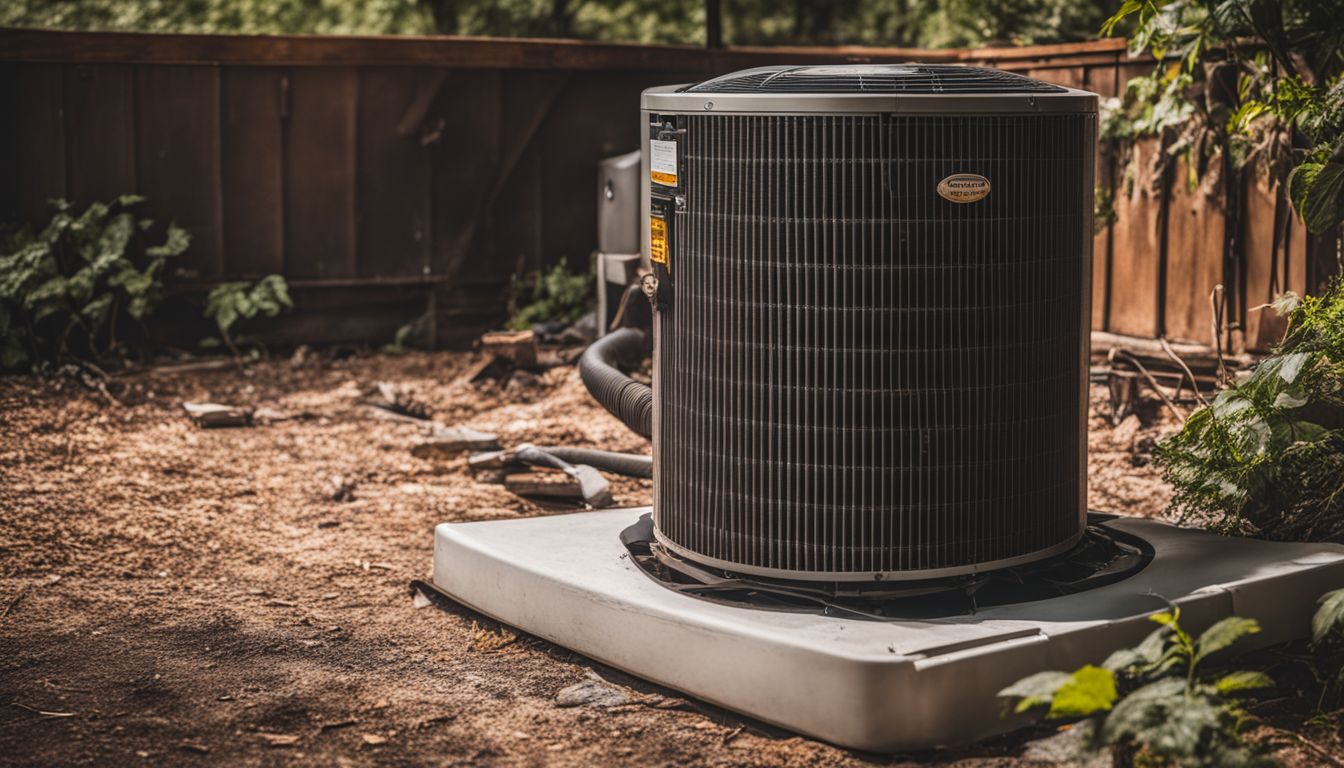
Your air conditioner should blow cool air to keep your home comfortable. If it starts giving off hot air, the condenser coil might be in trouble. This key part gets rid of heat from the refrigerant and turns it back to a high-pressure liquid state.
When something goes wrong here, your room won’t cool down as it should.
A broken condenser means your AC can’t move heat out efficiently. Your system works harder, but you still feel warm. This leads to more energy use and bigger bills. Make sure your condenser coil is in good shape to avoid these problems.
Regular checks and cleanups are essential for a well-working cooling system.
Refrigerant Leaks
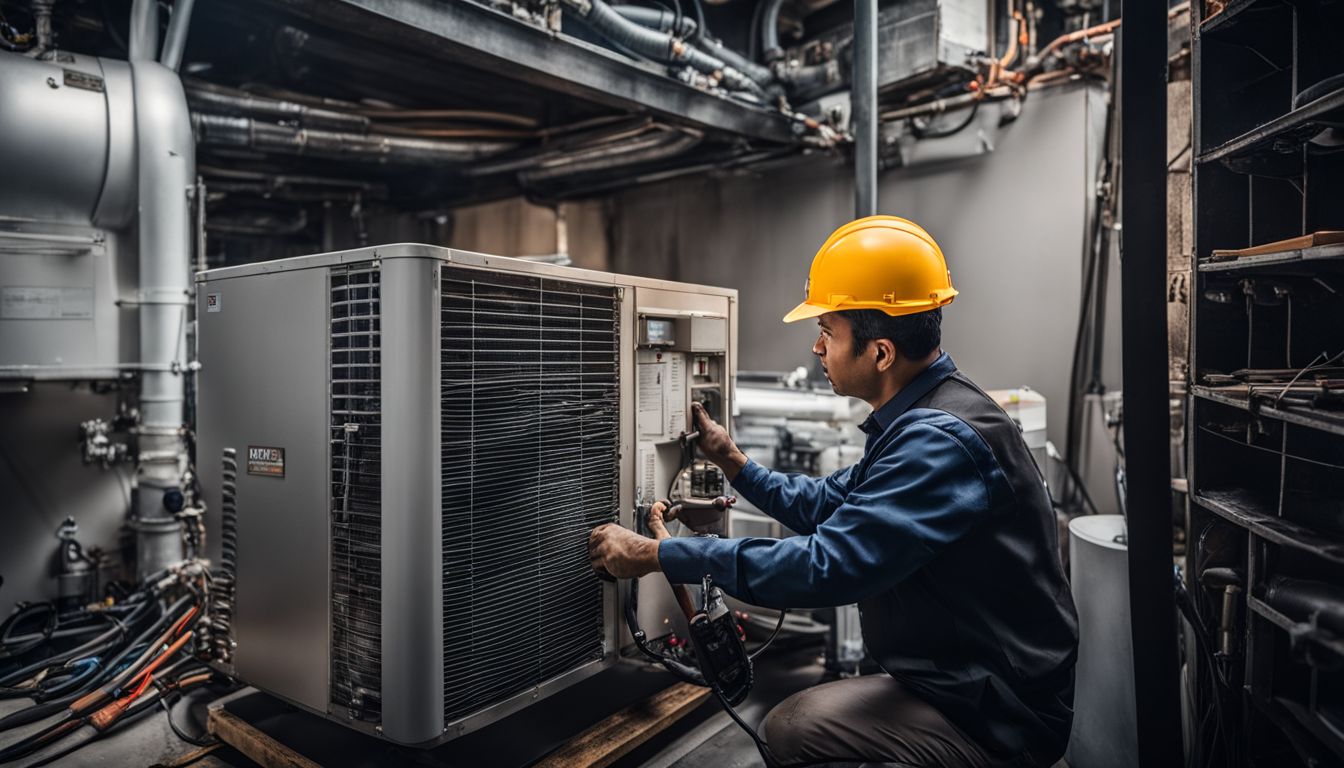
Refrigerant leaks in your aircon’s condenser can cause big problems. They make the unit work harder and use more energy. This means you pay higher electricity bills. Without enough refrigerant, your air conditioner can’t cool your home well.
Fixing a leak helps your system run better and saves money. It stops the cooling efficiency from dropping. Regular checks of the condenser coil can spot these leaks early on.
To keep out dust and dirt, it’s also important to clean the aircon regularly.
Accumulation of Dust, Dirt and Debris
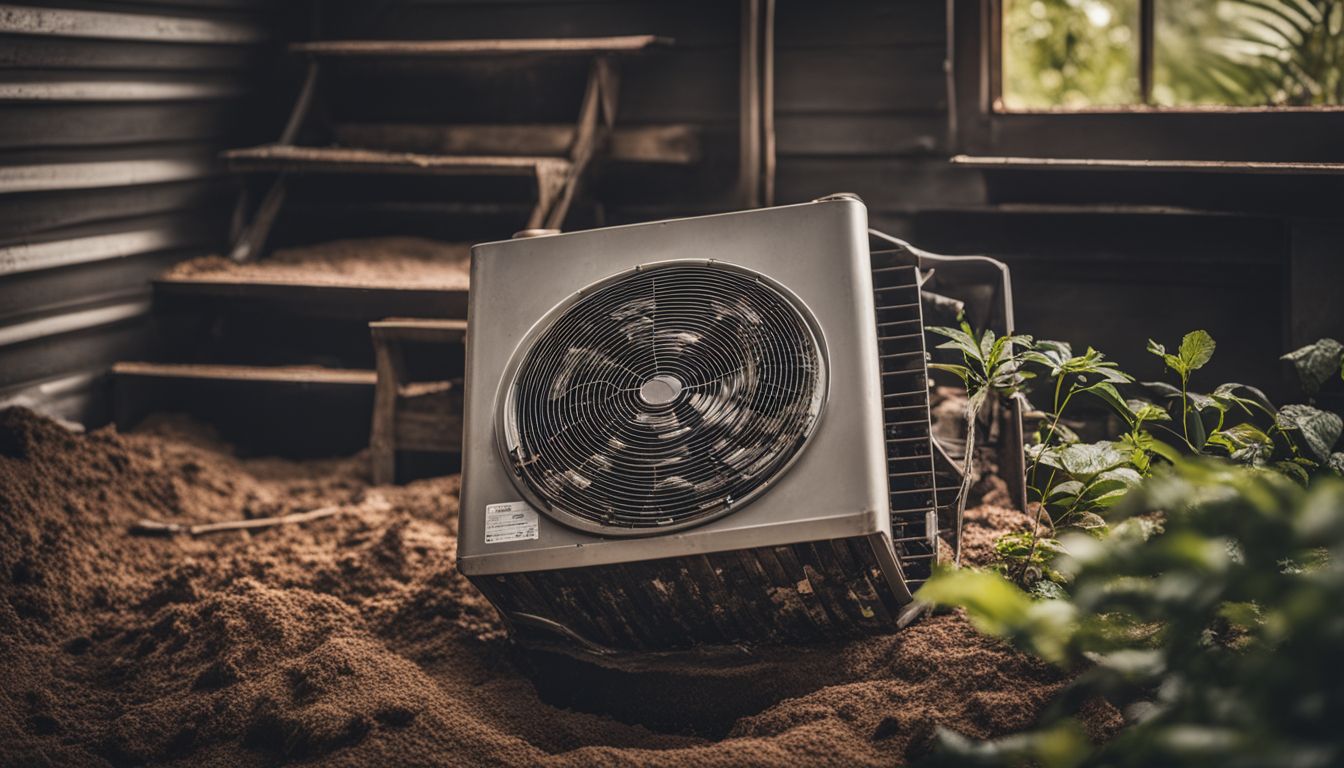
Dust and dirt on your aircon’s condenser coil can be a big problem. If the coil gets too dirty, your AC has to work much harder. This extra effort means it uses up to 30% more energy.
When the energy use goes up, so do your electricity bills.
Keeping the condenser coil clean is very important for saving money and staying cool. A clean coil keeps your home at a comfortable temperature with ease. It makes sure that you get the best out of your air conditioning unit without wasting power or money.
Evaluating the Influence of Aircon Capacitors on Cooling Systems
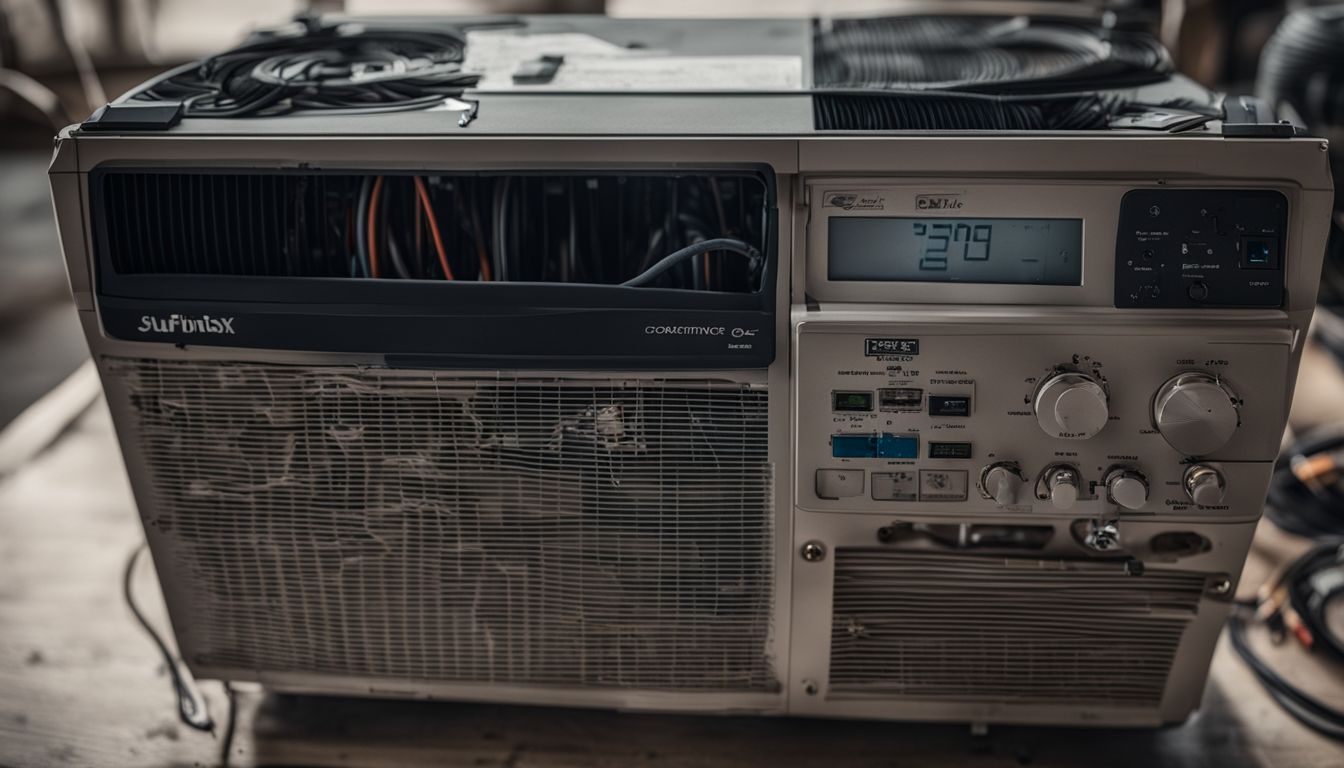 Aircon capacitors play a vital role in cooling systems. They give the motors in your air conditioner the initial jolt of electricity they need to start up. Once running, these capacitors continue to send power to keep the motors going strong.
Without good capacitors, an air conditioner struggles to cool your home. It might take longer for the system to start or it could stop working altogether.
Capacitors affect how efficiently and reliably your air conditioning unit runs. A faulty capacitor makes cooling systems work harder, which can lead to increased energy use and higher bills.
To keep your AC unit running well, check and replace bad capacitors when needed. This simple step helps maintain optimal performance and can prevent other expensive repairs down the line.
The Impact of a Poorly Maintained Condenser Coil
Neglecting the upkeep of your aircon’s condenser coil can precipitate a cascade of inefficiencies, ultimately manifesting in soaring electricity bills and an AC unit that strains under increased operating temperatures.
Regular attention to this crucial component is paramount for sustained thermal management and energy savings within your climate control systems.
Higher Electricity Bills
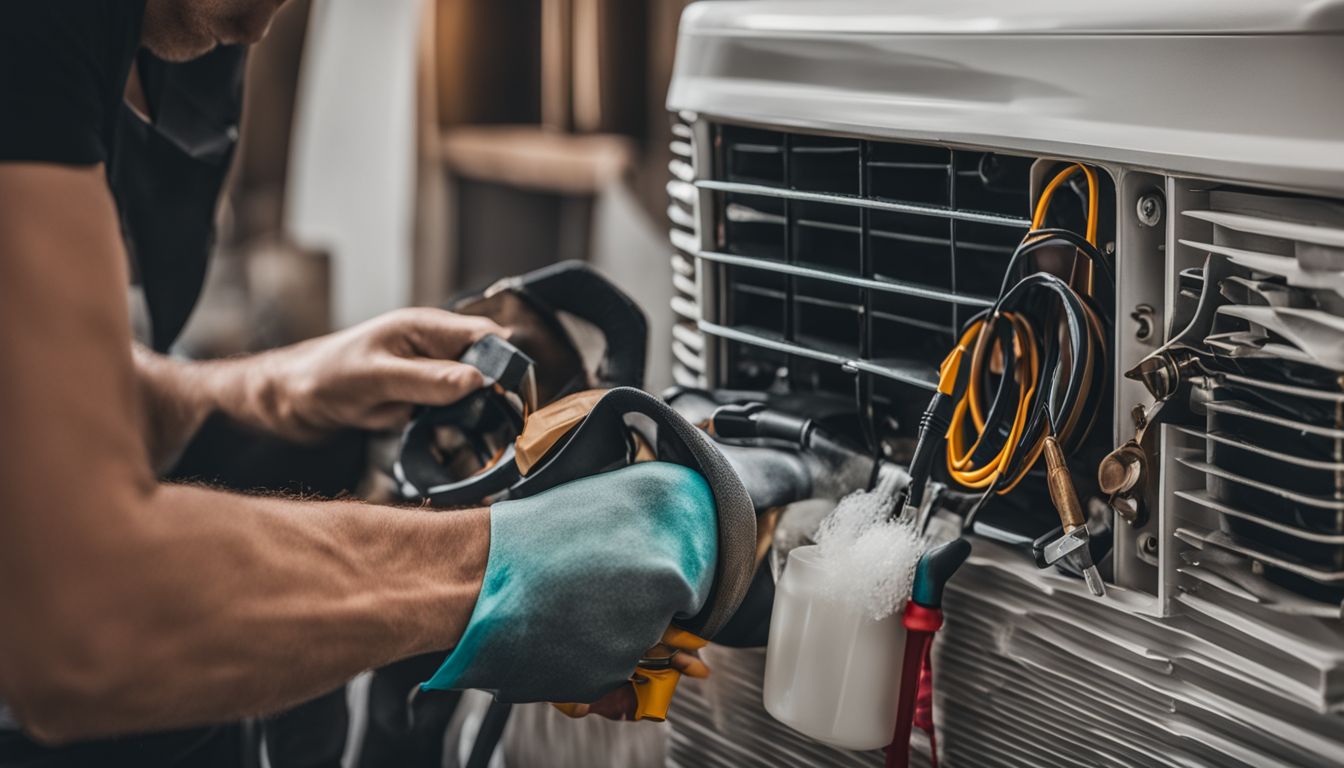
Dirty condenser coils in your air conditioner can hit your pocket hard. They make the system work harder, using more electricity to cool your home. Studies show that these dirty coils may cause a 30% increase in power use.
Fixing or upgrading to a new high-efficiency condenser could save you money on energy bills. Better coil technology means less strain on the unit and more savings for you. Regular cleaning also helps keep costs down by ensuring efficient operation.
Keep an eye on your AC’s performance to avoid those steep electricity charges!
Increased Operating Temperatures
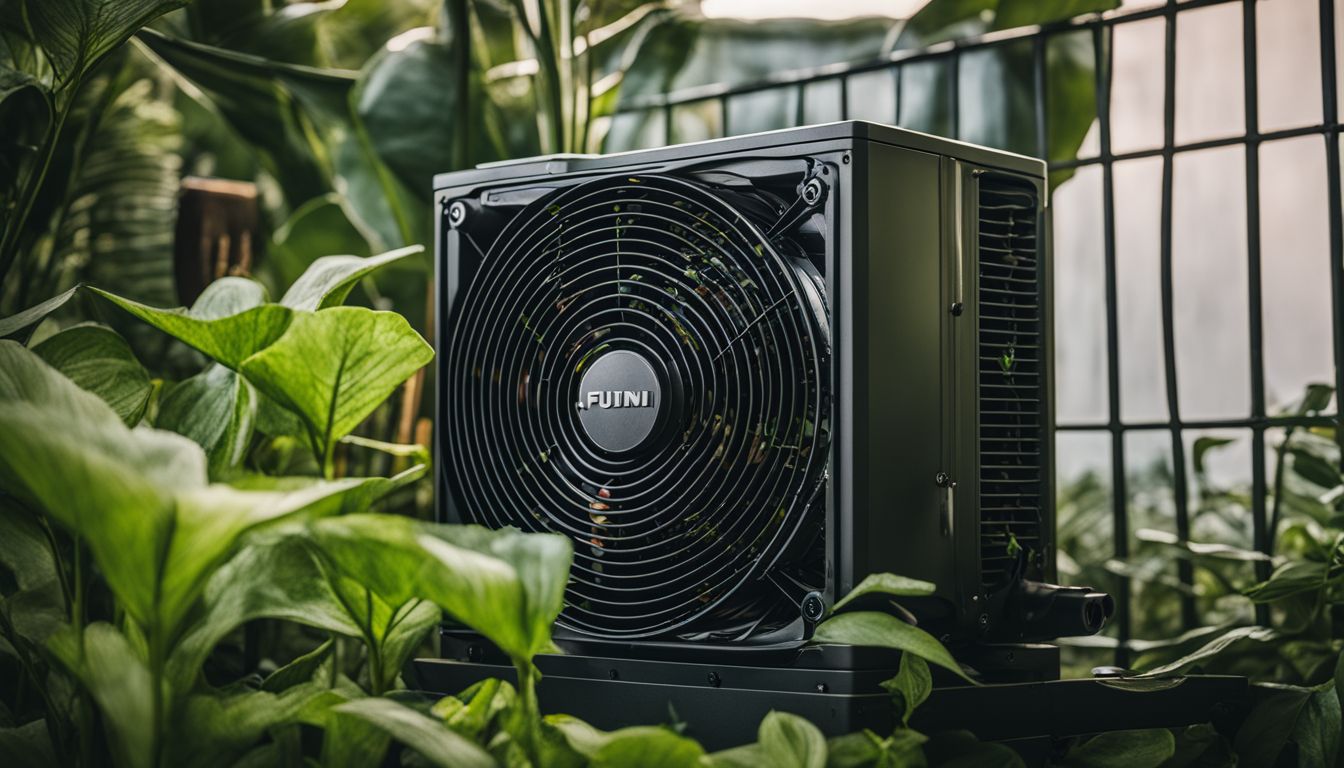
Higher energy bills are not the only concern with a poorly maintained condenser coil. Your aircon can get really hot too. Dirty coils make it tough for heat to leave the system. This means your compressor has to work extra hard.
The strain on the compressor raises its temperature and could lead to breakdowns. An overworked system gets less efficient at cooling your home.
Keeping condensers clean helps avoid these issues. It lets heat transfer happen easily, so temperatures stay normal inside your aircon unit. Regular cleaning stops dust from blocking heat release, which keeps operating temperatures down.
Remember, when the system runs cooler, it also uses less power and lasts longer!
Importance of Regular Maintenance and Cleaning of the Condenser Coil
Keeping your aircon’s condenser coil clean is crucial. It ensures your system runs efficiently and saves money on energy bills. Here’s why regular maintenance and cleaning are essential:
- Dirt on the condenser coil makes your air conditioner work harder. This can lead to a 30% increase in energy consumption.
- A clean condenser coil prevents overworking other parts of the air conditioner, reducing the chance of breakdowns.
- Energy costs drop significantly if you maintain the coil well. Clean coils could save you up to 30% on your bills.
- The performance of your air conditioning unit stays at its best with a clean coil, preventing spikes in operating temperatures.
- Temperature control within your home is more consistent when the condenser coil is free from dust and debris.
- The lifespan of your aircon extends with proper care for the coil, meaning it won’t need replacements as often.
- Efficient heat transfer in the HVAC system relies on a clean condenser coil for cooling down your space effectively.
Conclusion: Ensuring a Well-functioning Aircon Condenser
Your aircon’s condenser is vital for cool and comfortable indoor air. Caring for it means lower energy bills and a longer-lasting system. If you want your cooling to stay top-notch, remember maintenance is key.
Tackle common problems early and enjoy efficient heating and cooling all year round. Stay cool by taking good care of your condenser!
FAQs
1. What does an aircon’s condenser do?
An aircon’s condenser unit is key in the refrigeration cycle, helping to cool down and dehumidify the air by dissipating heat outside your home.
2. Why is energy efficiency important for condensers?
Energy-efficient condensers save money on bills and use less energy, helping make heating and cooling systems like split air conditioners and central air more cost-effective.
3. Can I clean my aircon’s condenser by myself?
Yes, you can perform DIY cleaning of your evaporator coils and filters using simple tools like a fin comb or a vacuum cleaner to maintain airflow and efficiency.
4. How does a smart thermostat work with my A/C system?
A smart thermostat optimises your HVAC system by adjusting temperatures based on your habits, improving energy efficiency while keeping indoor environments comfortable.
5. What is SEER in relation to Air Conditioning units?
SEER stands for Seasonal Energy Efficiency Ratio; it measures how effectively an A/C system cools during different seasons – higher SEER numbers mean better energy savings!
6. What role does the expansion valve play in my Air Conditioner?
The expansion valve regulates refrigerant flow into the evaporator coil, controlling the transfer of heat within your A/C system to help keep indoor air cooled and filtered.