


Aircon units keep our homes cool, but they also make water that needs to go somewhere. The aircon drain pan is like a special tray that catches this water and sends it away. This stops the water from causing any harm or safety problems in our houses.
Sometimes, an extra tray is put in to catch even more water just to be sure no leaks happen.
These trays are very important for keeping everything working right and stopping nasty smells or strange sounds from the AC unit. If we don’t look after these pans, they can get blocked or break, which means our rooms won’t stay as cool.
To avoid trouble, we should clean these trays regularly and get help if there’s a big blockage we can’t fix by ourselves.
This article will show you how to take care of your aircon’s drain pan so you can keep your house safe and comfy. Let’s learn how!
Understanding the Aircon Drain Pan
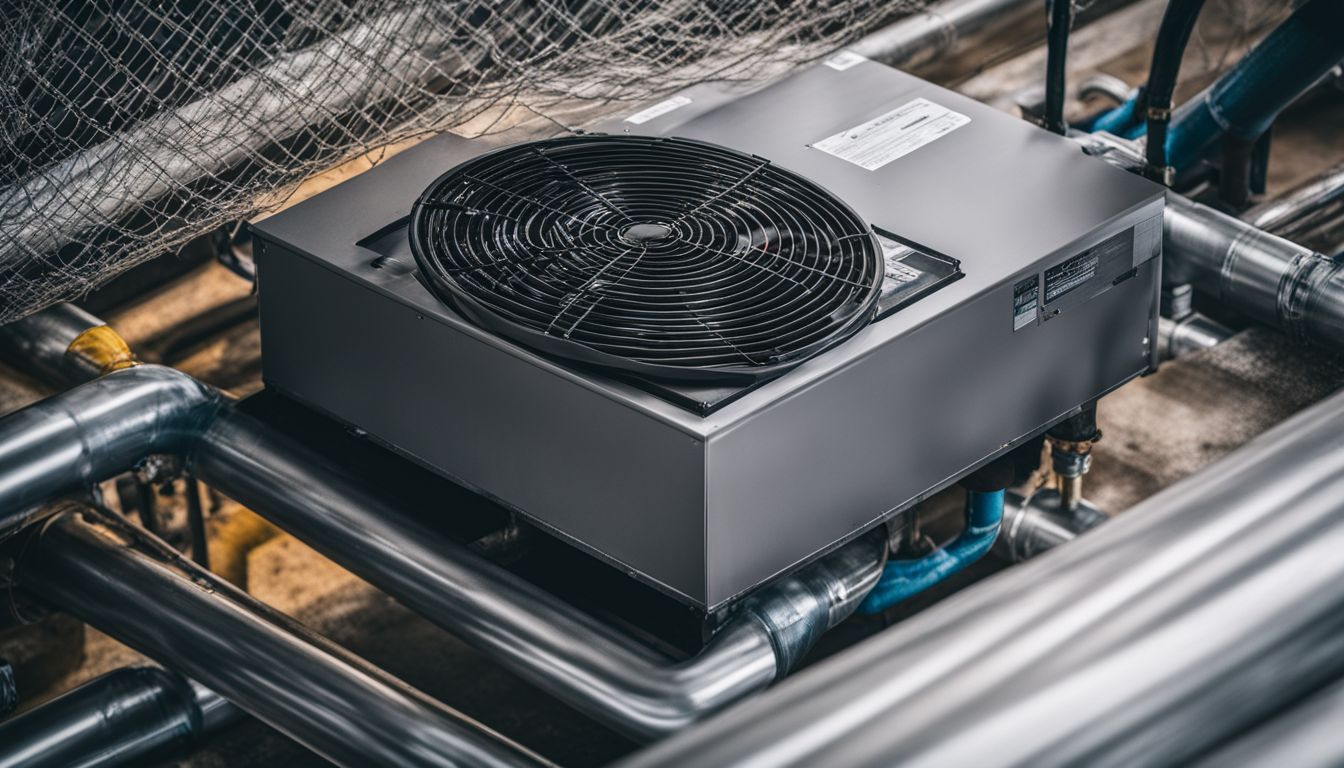
Delve into the heart of your air conditioning unit as we explore the critical function of the drain pan, a component crucial for catching condensation and preventing potential water damage in your home.
Unravel its position within an HVAC system and learn why, sometimes, a secondary layer of defence is equally important for ensuring long-term protection.
Location and Purpose of the Drain Pan
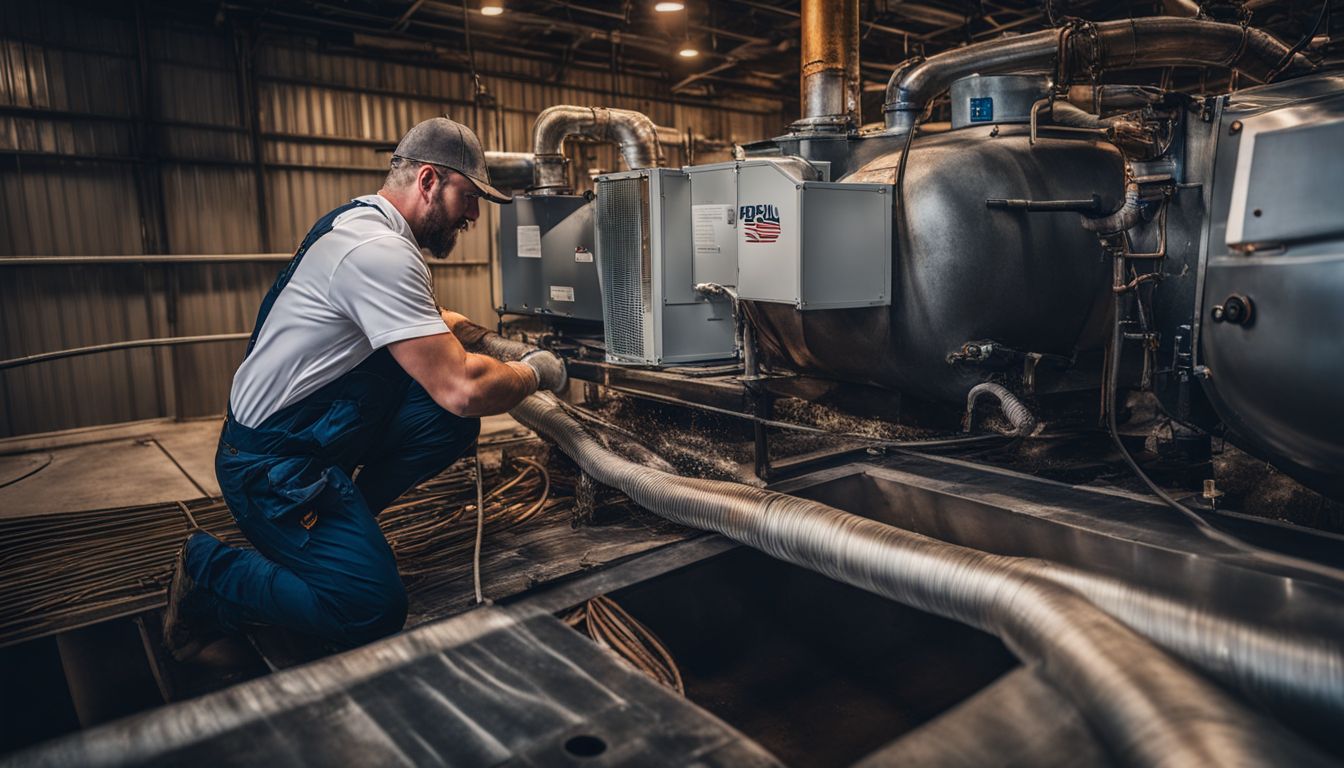
The condensate drain pan sits snugly beneath the evaporator coil, catching water that drips off during the cooling process. This essential part of your air conditioning system stops water from spilling onto floors or into ceilings, which prevents ugly water damage.
Pans vary in material, but many modern ones use durable plastic to withstand heat and moisture.
Their main job is protecting your home and HVAC equipment from mould growth and other issues caused by excess moisture. If a drain pan gets cracked or the condensate line clogs up, it could spell trouble like mildew or even electrical hazards.
Next up, learn about an extra safety feature: the secondary drain pan.
The Role of a Secondary Drain Pan
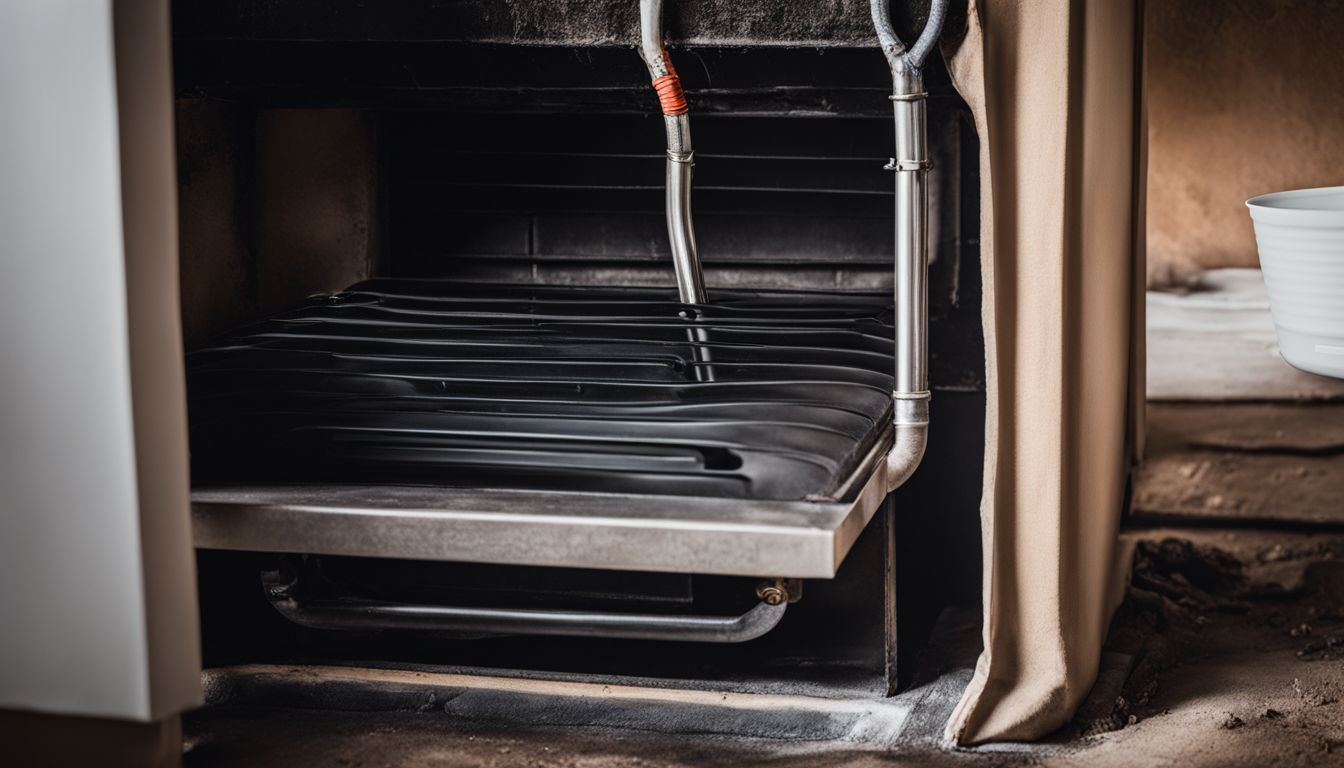
As we delve into the specifics of an aircon’s protective measures, we encounter the secondary drain pan. This additional safeguard is essential in homes with horizontal furnace setups.
It sits beneath the main pan, ready to catch any overflow that may occur if the primary one fails or overflows. The extra layer of protection helps keep your floors and ceilings safe from water damage.
Equipped with its own drain line, this secondary pan ensures excess water is directed away from your home’s interior spaces. It channels moisture to an external location swiftly and efficiently, cutting down on risks associated with leaks and spills.
Homeowners must act fast at the first sign of pooling water by getting in touch with HVAC specialists to prevent significant harm to their property.
Importance of Maintaining the Aircon Drain Pan
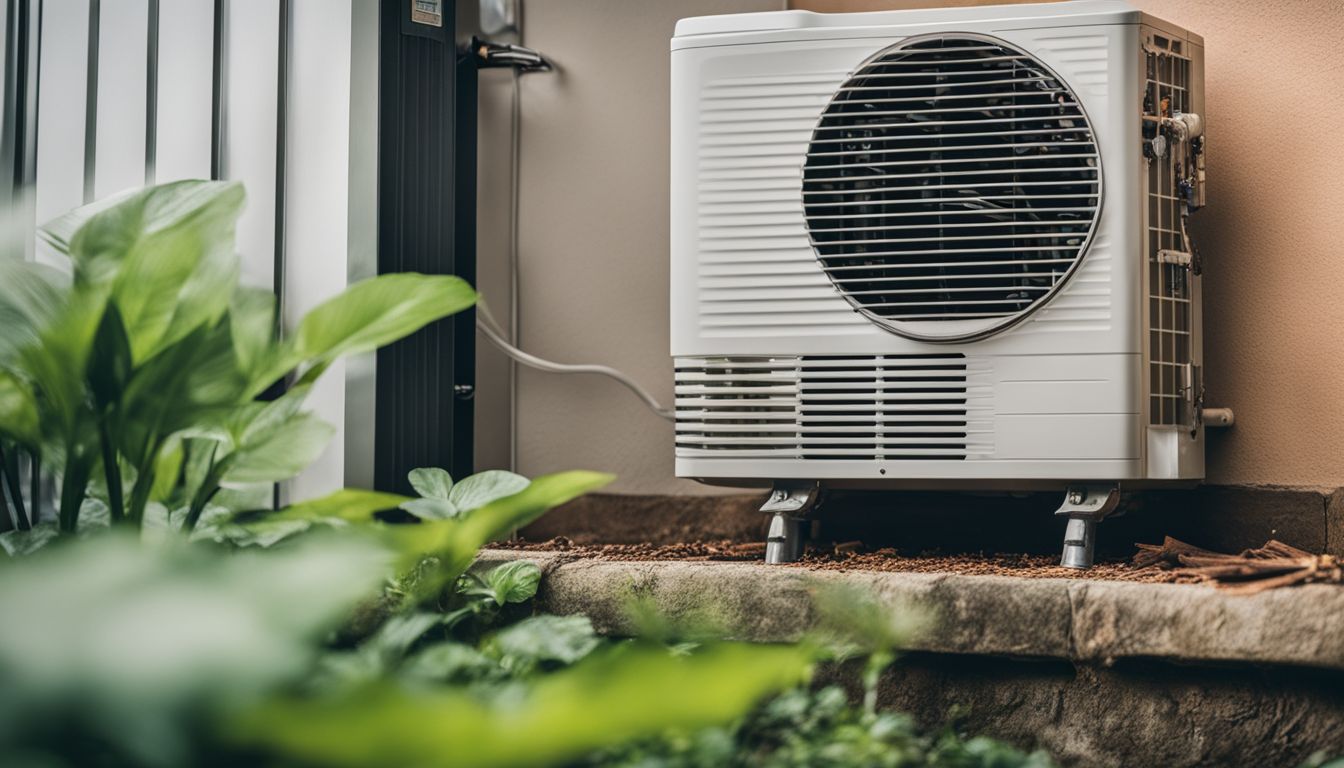
Ensuring the aircon drain pan is in top condition is crucial to protecting your home from costly water damage. It also plays a vital role in preserving the efficiency and performance of your air conditioning system.
Preventing Water Damage and Leaks
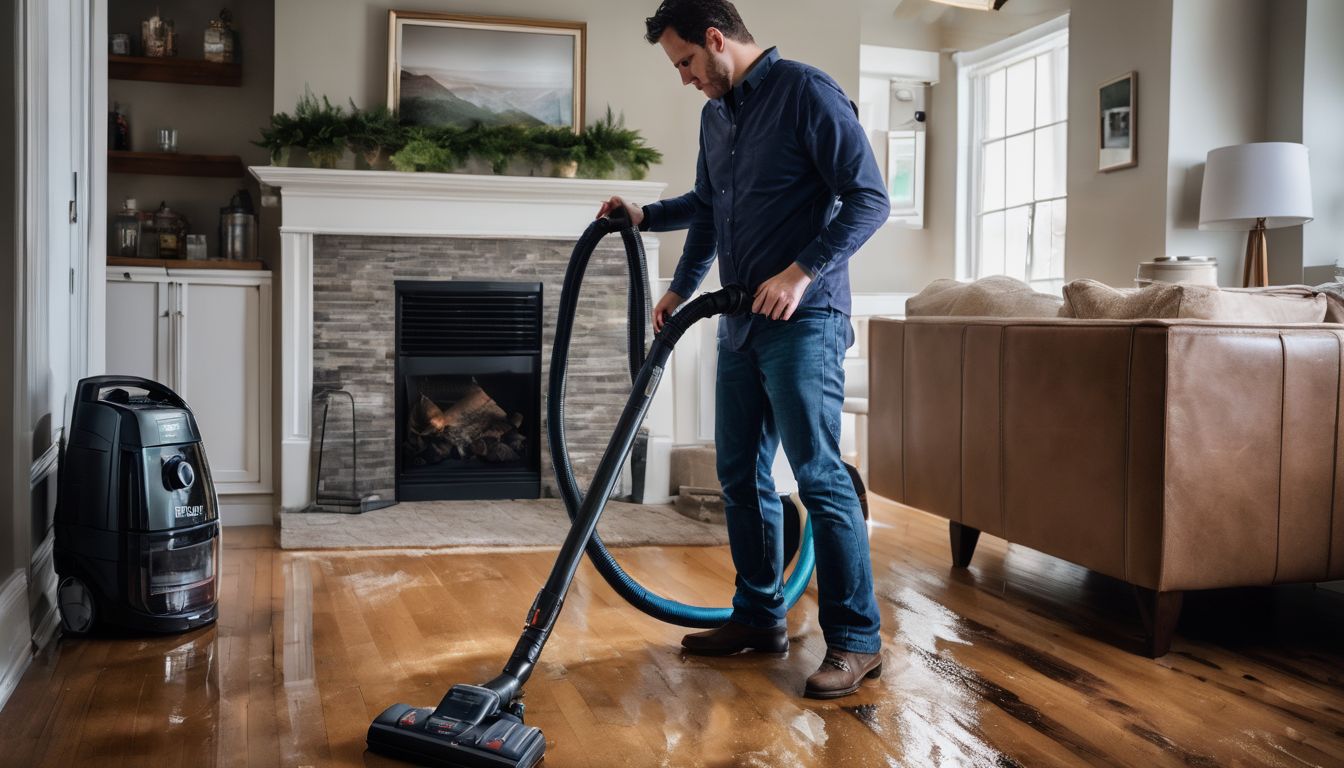
Check your aircon drain pan often to stop leaks before they start. Tiny cracks can turn into big problems, allowing water to escape and damage your home. Keep the area around the air conditioner dry and clean to spot trouble early.
Fix small issues quickly before they lead to costly repairs.
Keep the condensate line clear too. This pipe moves water from the drain pan outside your home. Blockages here can cause backups and overflow, leading to mold and mildew growth inside.
Use a wet/dry vacuum or shop vac for clearing out clogs in the line regularly, maintaining good indoor air quality and stopping water damage in its tracks.
Maintaining Air Conditioning Efficiency
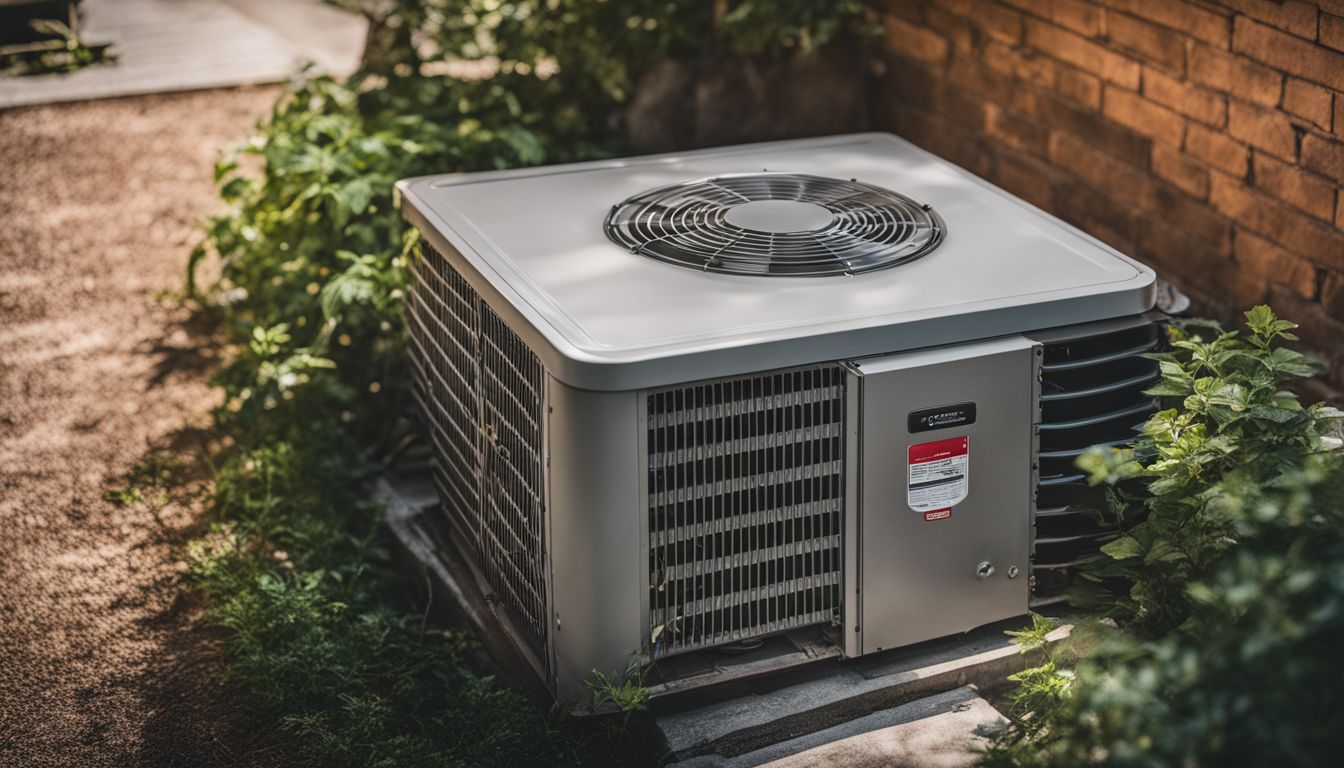
Keeping your aircon drain pan in good shape helps maintain the efficiency of your heating and cooling system. A clean and unblocked pan ensures that water flows away properly. This stops heat transfer problems within HVAC units.
Microbiological growth from a cracked or clogged pan can also hurt air quality and reduce system performance. To avoid these issues, make sure to inspect the evaporator coils and the drain pan regularly.
A well-maintained air conditioner can save money on energy bills. It works less hard when parts like the drain pan, condensing coils, and air filter are all working right. Cleaning these parts cuts down on safety hazards in the home too.
Your AC will keep running smoothly without straining its components or causing leaks that lead to bigger repairs later on.
Signs of a Clogged or Damaged Aircon Drain Pan
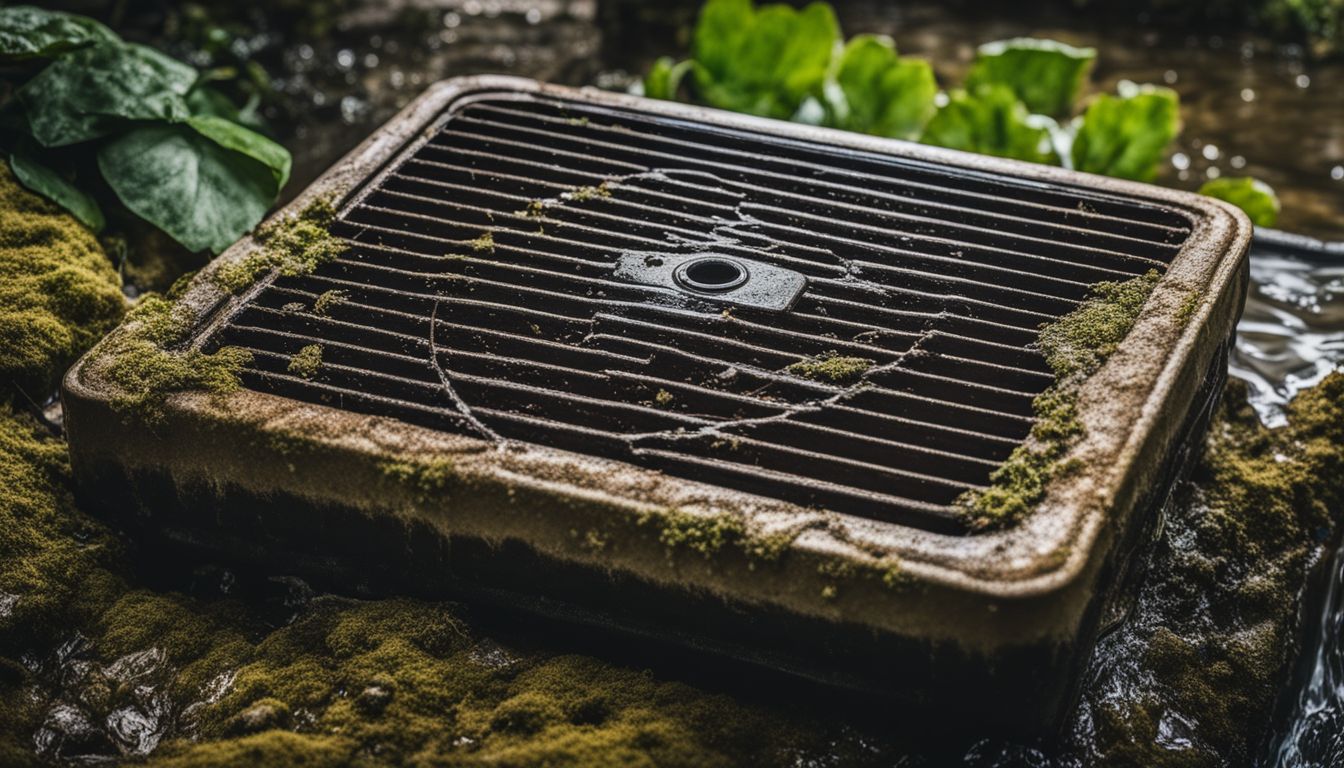
Recognising the warning indicators of a compromised aircon drain pan is crucial for averting potential water damage. These signs may manifest subtly at first but can quickly escalate into more serious issues that demand immediate attention.
Water Accumulation
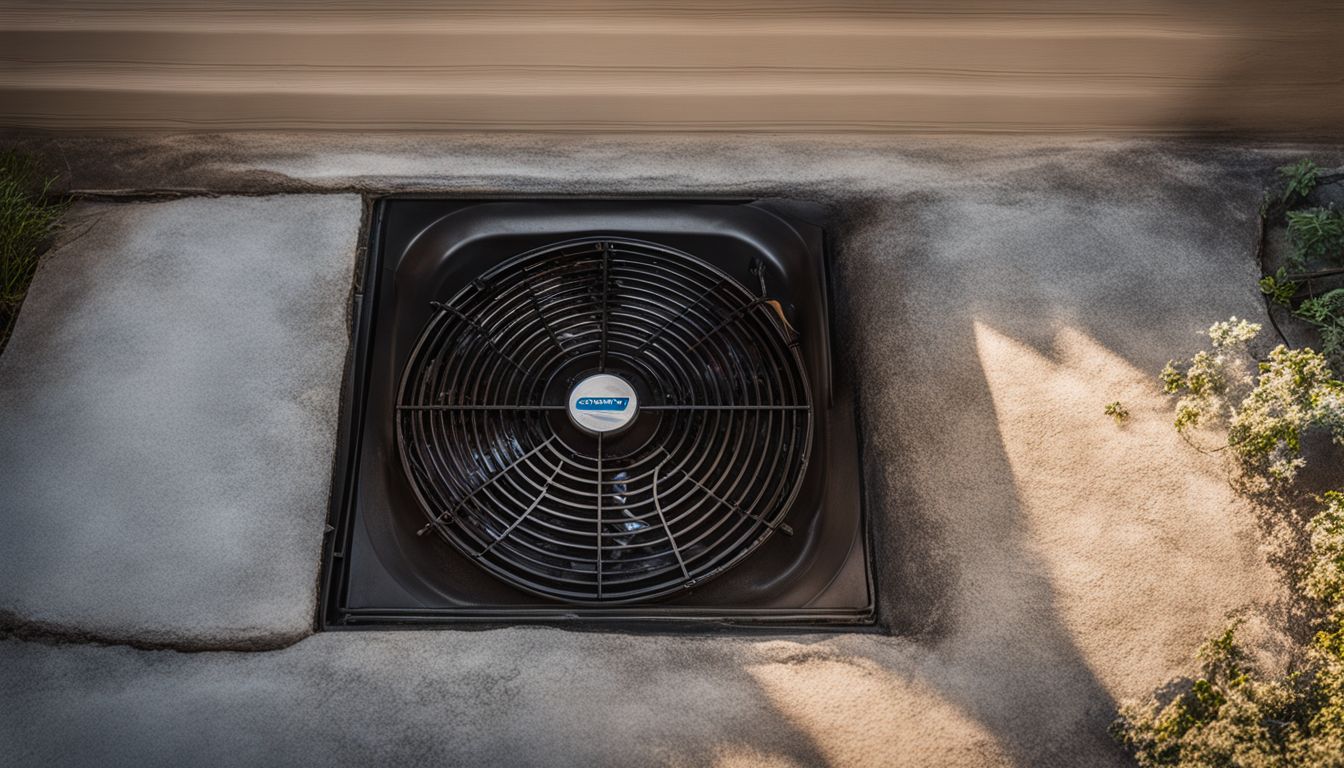
Water around your air conditioner can be a warning sign. If you see pooling, it suggests the drain pan is not working right. This could lead to water damage in your home. Floors and walls may get wet.
Over time, this moisture can cause mould or rot.
A blocked drain line often causes water to back up. Dirt and debris might clog it up, stopping the flow of water out of the pan. Check for standing water near the air handler regularly.
Quick action can prevent bigger problems later on. Always keep an eye out for any signs of leaks or drips from your HVAC system.
Strange Odours or Noises

Your air conditioner works hard to keep you cool. But if it starts to smell bad or make weird noises, pay attention. These signs could mean trouble for your aircon drain pan. A clogged or damaged pan can’t hold water properly.
This can lead to unwanted smells and sounds.
Call an HVAC specialist right away if you notice these problems. They will check your system and fix any issues with the drain pan. Acting quickly helps prevent bigger problems like water damage or mold growth in your home.
It’s important to tackle these early warning signs head-on!
Decreased Cooling Efficiency
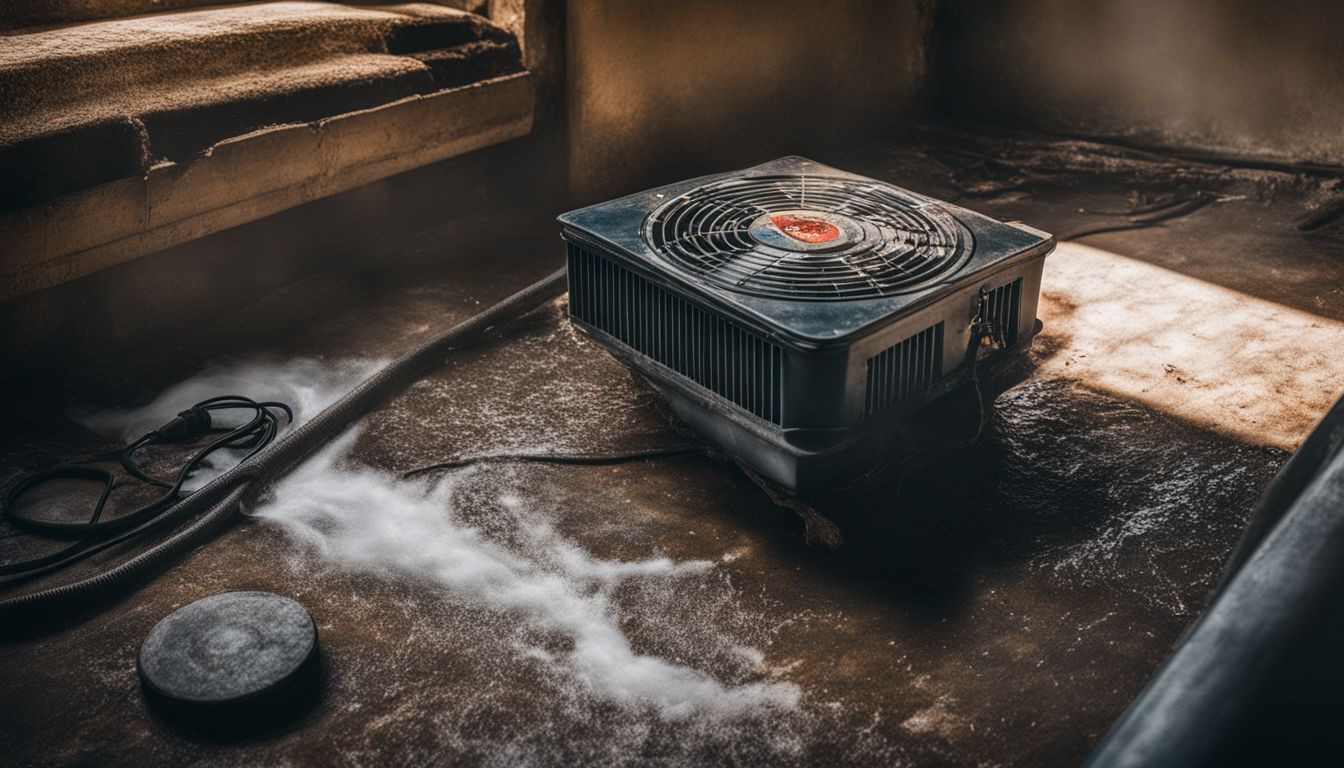
If the aircon drain pan gets cracked or clogged, your AC won’t cool as well. The system has to work harder when the water can’t flow away properly. This makes it less effective at keeping rooms cold.
Over time, you might notice that your home isn’t as comfortable due to this problem.
A damaged plastic condensate pan also lowers cooling power. It causes the central air unit‘s performance to drop. If you see water pooling around your system, take action fast. Fixing a faulty drain pan quickly stops more issues with cooling efficiency from popping up.
Preventive Measures and Maintenance Tips
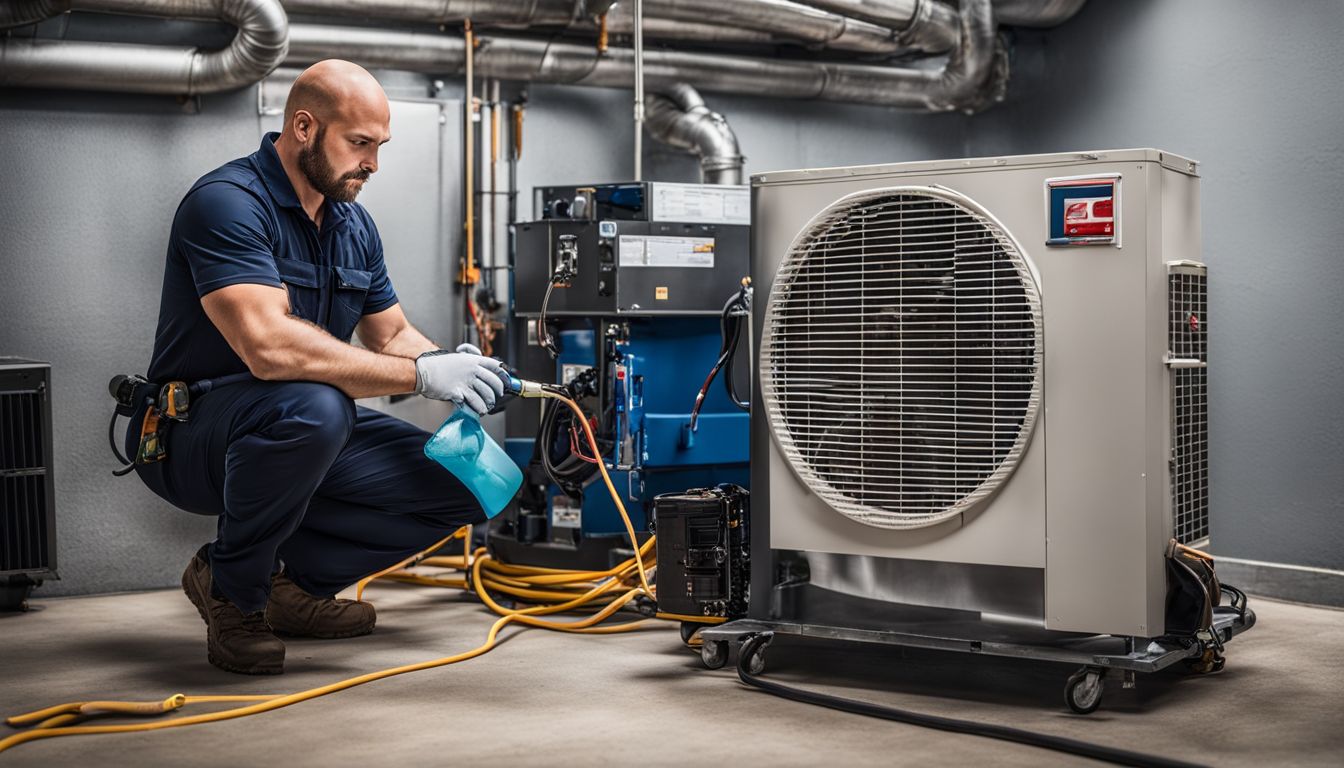
To ensure your air conditioning system remains in top-notch condition, proactive steps should be taken to maintain the drain pan; this not only protects your premises from water damage but also secures the longevity and efficiency of the unit.
Embrace a routine that includes regular checks and cleanings, while not hesitating to seek expert assistance when complex issues arise.
Regular Cleaning
Keep your aircon drain pan clean to stop water issues before they start. Dust, dirt, and debris often block the condensate line, causing water to back up. Clean it out regularly with gentle flushing to prevent this.
Use a simple mixture of soap and hot water or a half-water, half-vinegar solution for effective results.
Make sure you also check for any signs of mold or algae when you clean. These can cause bad smells and health problems. If you find any growths, remove them quickly to keep your air safe and fresh.
After cleaning the drain pan, ensure proper insulation and ventilation are in place to help prevent future clogs.
Proper Insulation and Ventilation
Besides keeping the aircon drain pan clean, it’s crucial to ensure proper insulation and ventilation in your HVAC system. Well-insulated air ducts prevent condensation by maintaining consistent temperatures throughout the system.
This stops excess moisture from forming, which could otherwise accumulate in the drain pan and cause overflows or microbiological growth.
Adequate ventilation plays a key role as well. It helps keep indoor humidity levels under control, reducing the risk of water damage and enhancing overall air quality. By allowing fresh air to circulate properly, you can avoid conditions that might lead to mould remediation issues or safety hazards related to poor dehumidification performance within your home’s heating and cooling systems.
Professional Help for Severe Clogs or Issues
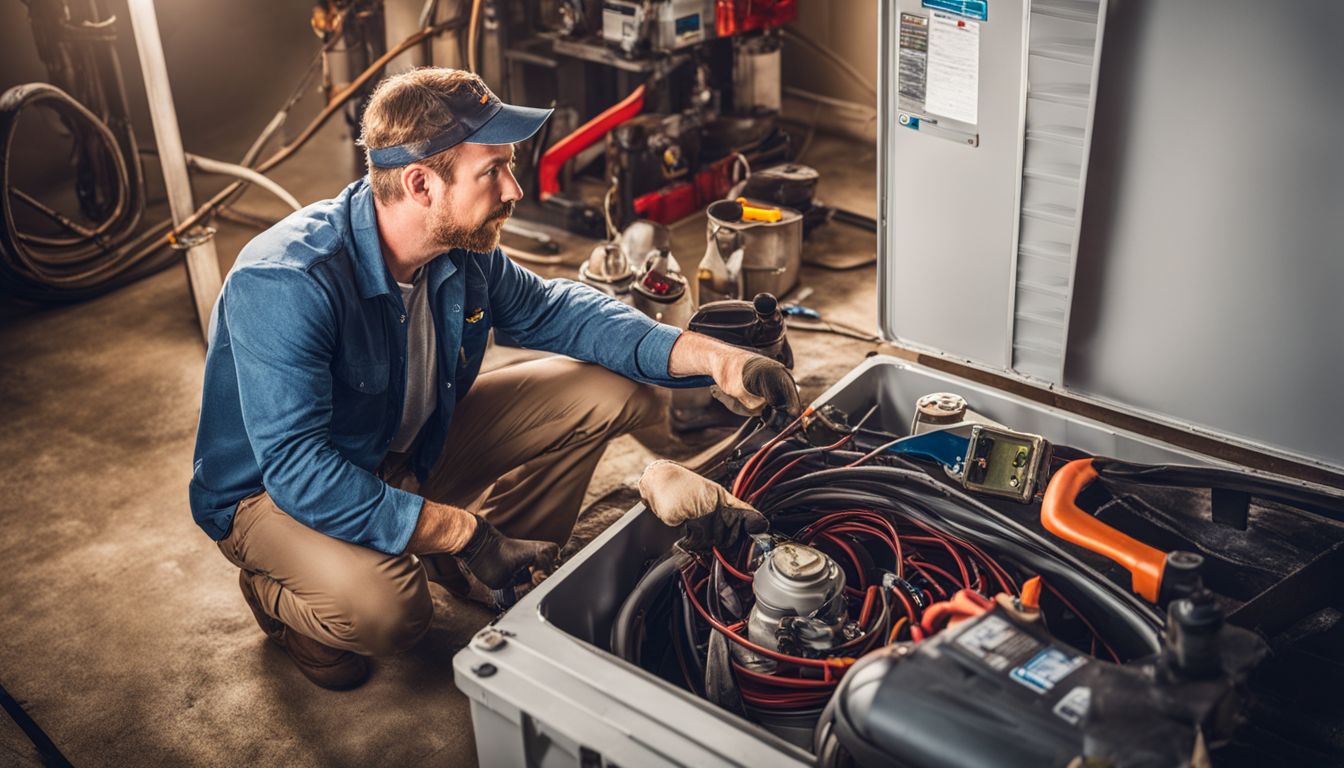
Sometimes, air conditioner problems are too tough to handle alone. Severe clogs in your drain pan or damage can lead to unwelcome microbiological growth and safety hazards. In these cases, it’s smart to call a professional HVAC specialist.
They have the right tools and expertise to fix big issues quickly and safely. An expert will check your system, repair any cracks, and clear out blockages that cause water pooling around your central air system.
If you spot water on the floor near your aircon or notice low indoor air quality, act fast. Avoid more serious damage by getting help from plumbing services who specialise in HVAC systems.
After dealing with severe clogs or issues, take steps to prevent future problems with regular maintenance tips for keeping everything running smoothly.
Conclusion
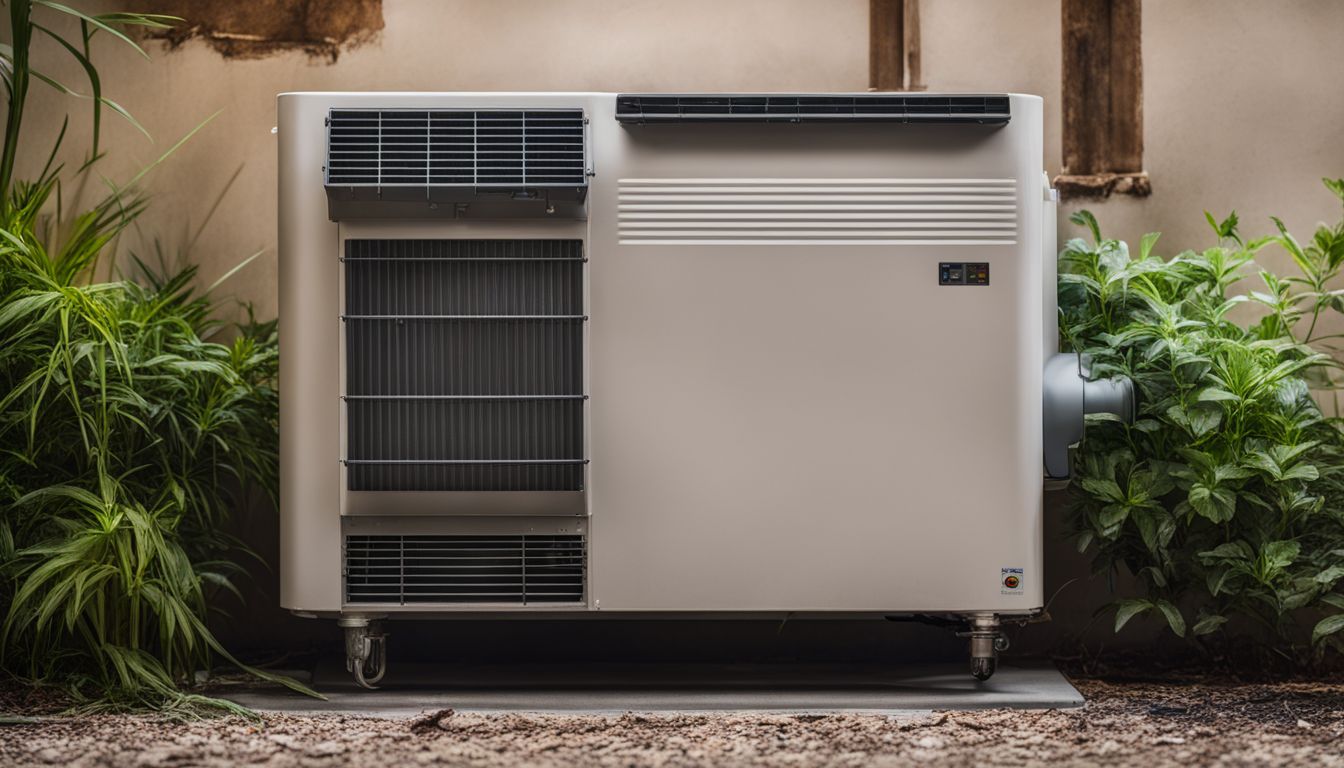
The aircon drain pan plays a vital role in keeping your home safe from water damage. It catches dripping water and channels it safely away. Keeping this pan in good shape is essential for a dry, healthy house.
Look out for any signs of trouble and tackle them early. Let’s now consider how to best maintain the system to ensure long-lasting protection.
The outline remains unchanged as per the task instruction to ignore non-relevant internal links. )
Air conditioners work hard to cool our homes, but they also produce water as a by-product. This is where the aircon drain pan comes in. It sits under the unit, catching any water that drips down from the condensing coils or other cold parts inside.
Without this pan, the water could spill and cause damage to your floors or walls.
Over time, these pans can get damaged from constant exposure to heat during winter months. Cracks might form and leaks can start happening if they are not checked regularly. Keeping an eye on your AC’s drain pan helps stop bad smells and microbiological growth in its tracks.
If you spot water pooling around your central air system, it’s best to call an HVAC specialist quickly. They will fix any cracks or clogs before they lead to bigger problems like low indoor air quality or even safety hazards due to electrical components getting wet.
FAQs
1. What does an aircon drain pan do?
The aircon drain pan catches water that drips from condensing coils in air conditioning systems, protecting against water damage.
2. Can a cracked pan in my air conditioner cause problems?
Yes, a cracked pan can lead to leaks that may damage your home or office, so it’s vital to check and replace it if needed.
3. Why is cleaning the drain pan important?
Cleaning the drain pan helps prevent biofilm build-up which can block draining and affect indoor air quality; sometimes biocides are used to keep it clean.
4. Should heaters and portable air conditioners also have a drain pan?
Heaters with steam or fan blades producing condensation should use a drain pan as should certain models of portable air conditioners to avoid water damage.
5. Does Southern California’s climate affect my aircon system’s maintenance needs?
In places like Southern California where temperatures vary, regular checks on components such as thermostat settings and power supply help maintain proper functioning of your appliances, including washing machines and walk-in coolers.