

An aircon chemical wash uses a strong cleaner, like Sodium Hydroxide, to get rid of dirt and germs that build up inside an air conditioner. This type of cleaning is important because it can make the air in your room healthier to breathe by taking out things like dust, pollen, and mold.
If you keep your air conditioner clean with regular chemical washes, it could last longer and even save you money on energy costs.
Sometimes people worry about having their air conditioners chemically cleaned. They think it might be too expensive or not safe for everyone. To avoid unnecessary chemical washes, some suggest checking if there are lots of germs in the system first.
Others say just keeping up with normal check-ups can help stop dirt from building up too much.
If you do decide on a chemical wash for your AC unit, many say it’s best to call a professional technician. This helps make sure the job is done safely and correctly. Also, before agreeing to services, you might want someone else who knows about AC units to give their opinion.
Keeping your air conditioning unit clean is essential for good performance. And knowing when to choose a chemical wash will help keep everything running smoothly. Let’s learn more about making smart choices for your AC care!
Understanding Aircon Chemical Wash
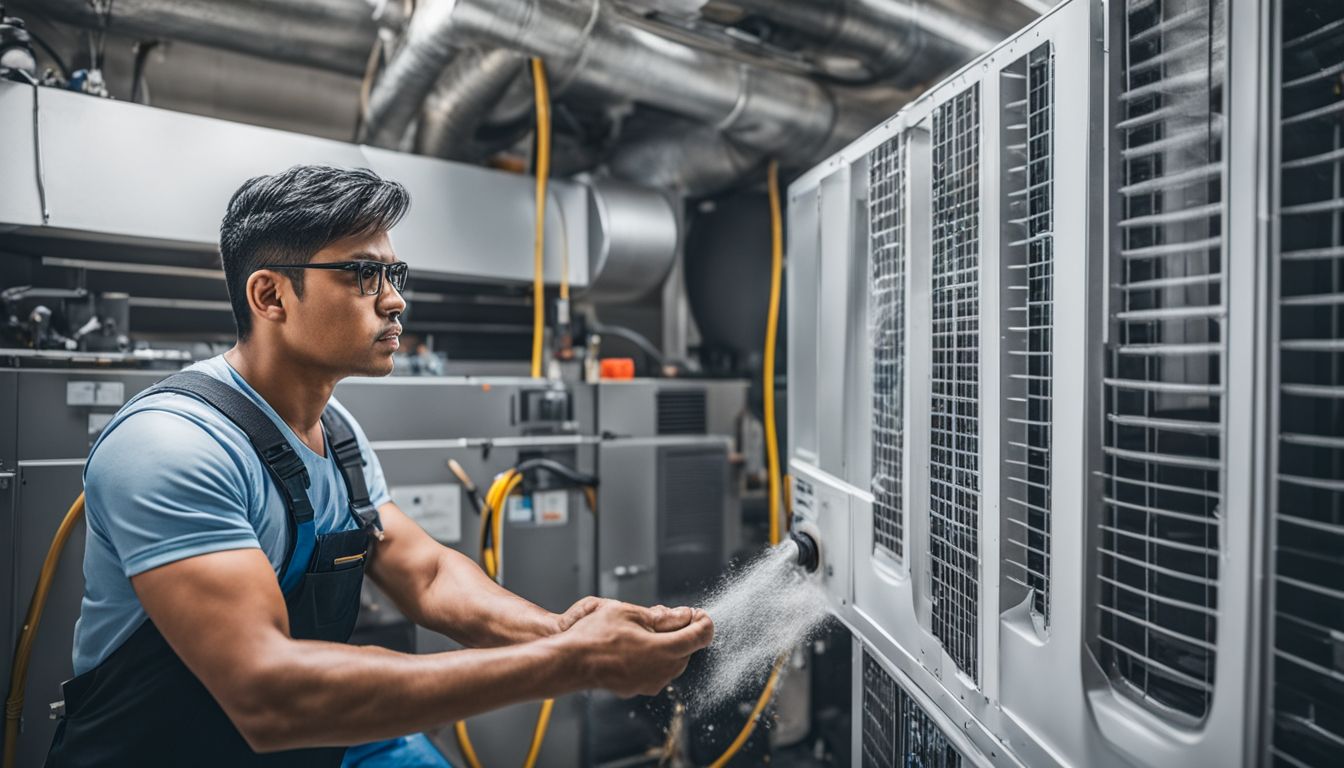
An aircon chemical wash involves a thorough cleaning of your air conditioning system. Technicians use special chemicals to deep clean the parts inside. This process removes built-up dirt, mold, and bacteria that can harm air quality.
It keeps your cooling system running smoothly.
The main chemical used in this service is Sodium Hydroxide. Experts handle it with care to protect your AC and home. They carefully dilute the substance for safe use in cleaning your unit.
A chemical wash can help reduce energy bills by making sure your air conditioner works efficiently.
Pros and Cons of Aircon Chemical Washing
Having explored what an aircon chemical wash entails, it’s essential to weigh its benefits and drawbacks to determine whether it’s the right choice for your air conditioning maintenance needs. The following table outlines the pros and cons of aircon chemical washing:
| Pros | Cons |
|---|---|
| Cleaner air output due to thorough removal of dirt and bacteria | Potential health risks for individuals with chemical sensitivities |
| Lower electricity consumption by improving efficiency | Higher service costs compared to standard cleaning |
| Increased lifespan of the air conditioning unit | Specialised process can be time-consuming |
| Enhanced cooling performance after removing build-up | Incorrect application can lead to unit damage |
| Reduced water condensation, preventing leakage issues | Strong chemicals may corrode internal components |
Making an informed decision requires understanding both the positive impacts and possible negative implications of a chemical aircon wash. Proper application by professionals can maximise benefits and minimise potential downsides.
Optimal Frequency for Aircon Chemical Wash

Considering the pros and cons of aircon chemical wash, it’s essential to find a balance for how often to perform this maintenance. Experts suggest doing a chemical wash every year for most air conditioners.
This keeps cooling efficiency high and energy consumption low.
Aircons in areas with more dust or pollutants might need a chemical wash every six months. If an air conditioner works harder than usual, like in hot climates or rooms with high humidity, more frequent cleaning is key.
Always watch out for signs that your unit needs attention earlier, such as poor airflow or strange smells. Regular upkeep makes sure your air conditioning system stays healthy longer.
Common Issues with Aircon Chemical Wash
Aircon chemical washes can face problems if not done right. These issues might affect the system’s performance and lifespan.
- Harsh Chemical Use: Sodium Hydroxide is the primary chemical in aircon servicing, but if it’s too concentrated, it can damage parts. Always dilute it correctly to prevent harm.
- Incorrect Application: Applying chemicals wrongly can lead to leaks or corrosion inside the air conditioning system. Technicians must follow precise steps during a chemical clean.
- Insufficient Rinsing: After a chemical wash, all substances must be thoroughly rinsed off. Leftover chemicals can cause more dirt to stick and even lead to health issues.
- Damaged Components: Fragile parts like coils and fins need careful handling. A rough chemical wash could bend or break these vital pieces of your air conditioner.
- Existing Leaks Worsen: If there are undiscovered leaks, a chemical wash might make them bigger. It is best to fix any leaks before starting a chemical cleaning.
- Incomplete Dirt Removal: Sometimes, the vacuum cleaner may not remove all residues after the wash. This leaves behind grime that can block airflow and reduce efficiency.
- Overlooked Mold Growth: Failing to remove mold completely allows it to quickly return. Mold in an air-conditioned environment is a health risk that needs thorough attention.
Professional vs DIY Aircon Chemical Wash
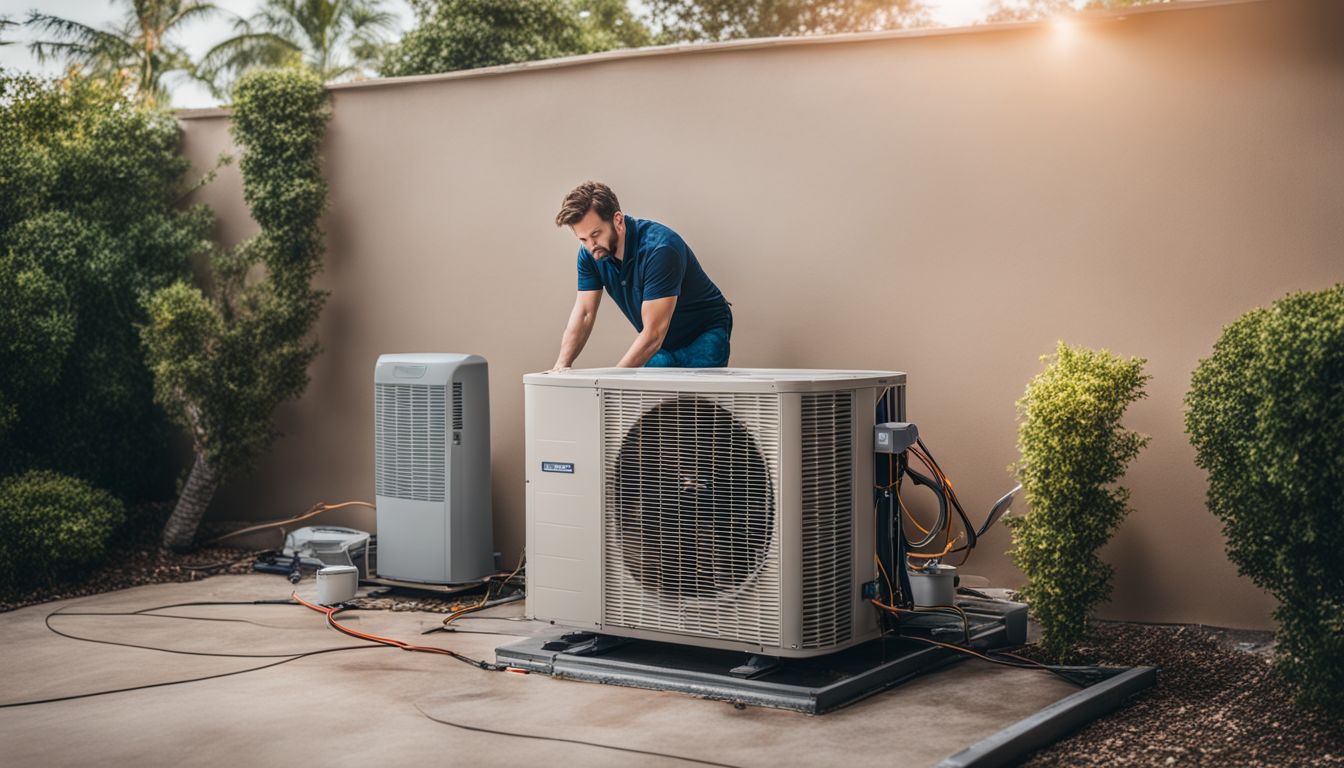
Deciding between a professional service and a DIY approach for an aircon chemical wash is crucial for maintaining your unit’s performance and efficiency.
| Aspect | Professional Chemical Wash | DIY Chemical Wash |
|---|---|---|
| Expertise | Technicians possess comprehensive knowledge and experience. | Limited to the individual’s understanding and skills. |
| Equipment | Professionals use advanced and specific tools. | Household items may not be as effective for thorough cleaning. |
| Safety | Proper safety protocols are adhered to, reducing risk. | Potential for harm if handling chemicals improperly. |
| Chemical Handling | Correct dilution and usage of Sodium Hydroxide, ensuring safety. | Risk of incorrect proportions which could damage the unit or cause injury. |
| Time | Efficient service due to expertise, saving time for the user. | Can be time-consuming due to lack of experience. |
| Cost | More expensive initially but can prevent costly repairs later. | Lower upfront cost but potential for higher long-term expenses. |
| Warranty and Liability | Service often comes with a warranty; liability lies with the service provider. | No warranty; the individual is liable for any damages incurred. |
| Results | Professional grade results with validated cleaning effectiveness. | Results may vary and effectiveness cannot always be guaranteed. |
Thorough consideration of these factors ensures the best approach is taken for your air conditioning system. Moving on, we will discuss the importance of regular servicing to maintain a clean and optimally performing air conditioner.
Conclusion

Aircon chemical washes are key to keeping your cooling system efficient and healthy. Aim to schedule them when you notice performance dips or at regular intervals as recommended by experts.
Always seek professional advice to ensure the process is done safely and effectively. Remember, strategic timing combined with expert care will lead to a longer-lasting air conditioner and better air quality in your home.
Choose wisely for a fresh, cool breeze all year round.
Interested in weighing up the DIY approach against hiring professionals for your aircon chemical wash? Explore our detailed guide on navigating the trade-offs between DIY and professional aircon chemical washing.
FAQs
1. What is an aircon chemical wash and why do I need it?
An aircon chemical wash involves cleaning your air conditioning system’s internal parts with a special chemical solution. This process helps maintain the unit, ensuring that it runs efficiently, provides clean air, and prevents breakdowns.
2. When is the best time to perform a chemical wash on my split-system air conditioner?
The optimal times for a chemical wash are before peak usage periods like summer or after heavy use to clear any dirt buildup. It’s also wise to schedule one if you notice decreased efficiency or poor air purification.
3. Can regular vacuuming replace the need for an aircon chemical wash?
No, vacuuming can remove surface dust from your ACS but a chemical wash cleans internal components thoroughly which vacuuming cannot reach thereby enhancing overall performance and longevity of your system.
4. Is there any benefit in using a dehumidifier with my cleaned AC unit?
Using a dehumidifier alongside your freshly maintained AC can improve the comfort levels in your home by reducing excess moisture thus complementing the effects of your clean and well-functioning air conditioning systems.